Art as Infrastructure at the Medina Triennial
The inaugural edition of the sprawling yet rigorous exhibition examines the labor, regulation, extraction, and repair of our shared systems.
MEDINA, N.Y. — It was artist Mary Mattingly, known for her large-scale, often livable floating structures that address climate change in the form of rising water, who first told me about the Medina Triennial about a year ago. Knowing that Mattingly was launching her “Floating Garden” (2026), a new, permanent iteration of Swale, a publicly accessible edible garden she first launched on New York City’s East River in 2016, was enough to get me to Medina. But having attended the opening weekend of the Venice Biennale the month before, I was wary of traveling to see art at a time when so much of the world is in crisis.
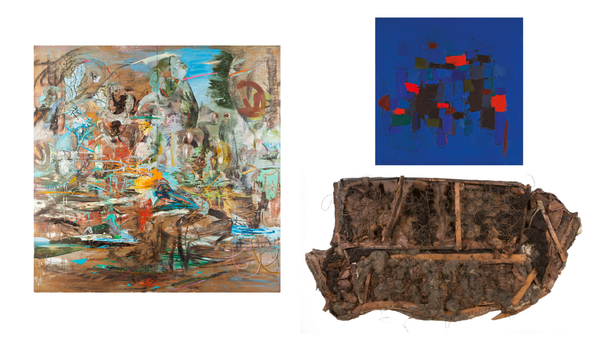
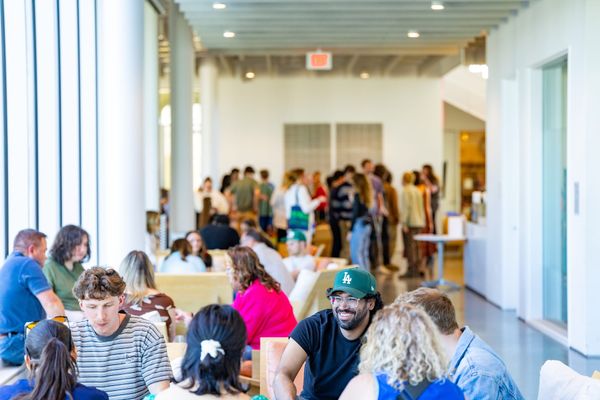
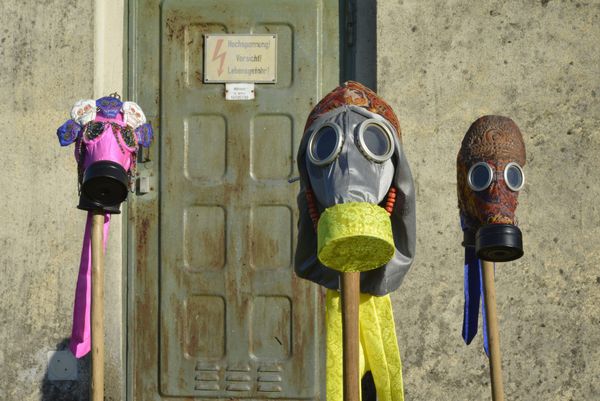
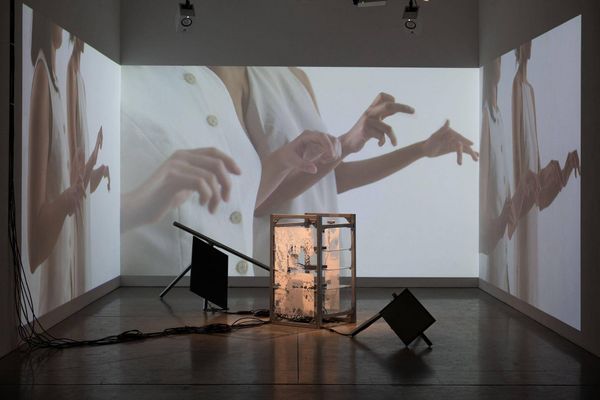
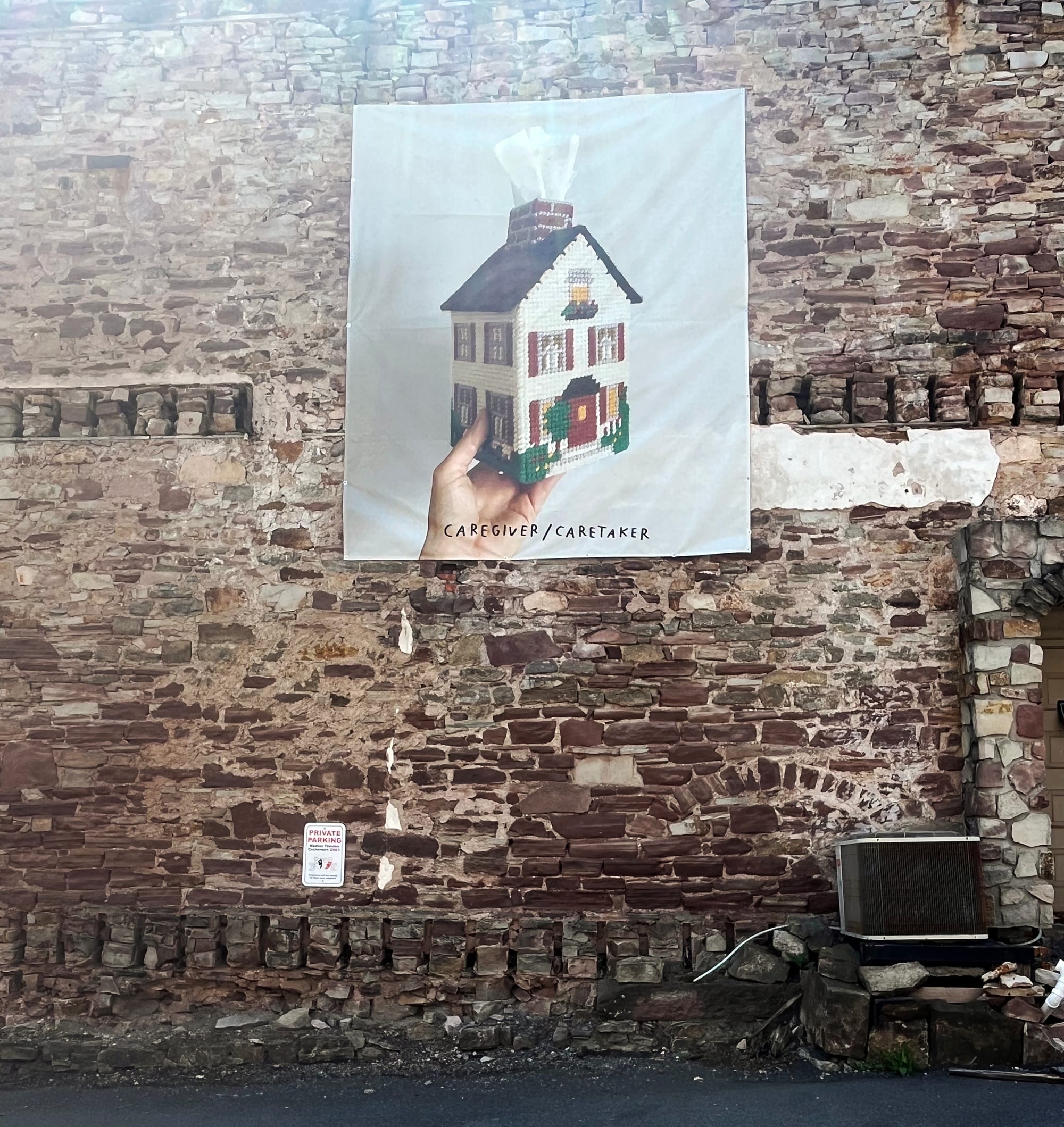
Compared to my Venice experience, however, Medina was one of relief, maybe even restoration. A sprawling yet rigorously organized community-wide exhibition in a rural community in Western New York bisected by the Erie Canal, the inaugural edition of the beautifully curated Medina Triennial draws on historical site-responsive shows with an eye toward sustainability. Bringing together more than 100 artworks by 39 artists across 10 locations, Co-Artistic Directors Kari Conte and Karin Laansoo commissioned and selected projects that synthesize art, ecology, architecture, and rural culture to explore maintenance as a vital social, political, and environmental act. Through a selection of works that examine the impacts of labor, regulation, extraction, and repair of our shared systems, the curators return to the central question: What does it take to keep things going?