Art Critic Sebastian Smee Laid Off From the Washington Post
The entire team of in-house photojournalists was also cut, as were multiple critics and editors across the Bezos-owned paper’s culture section.

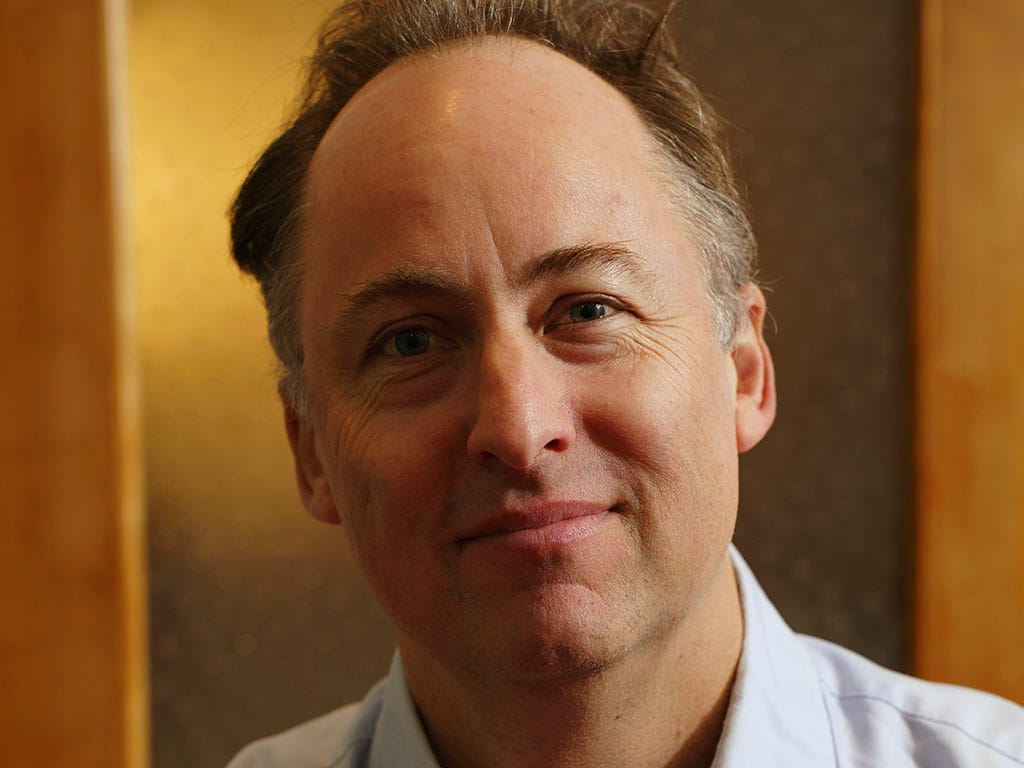
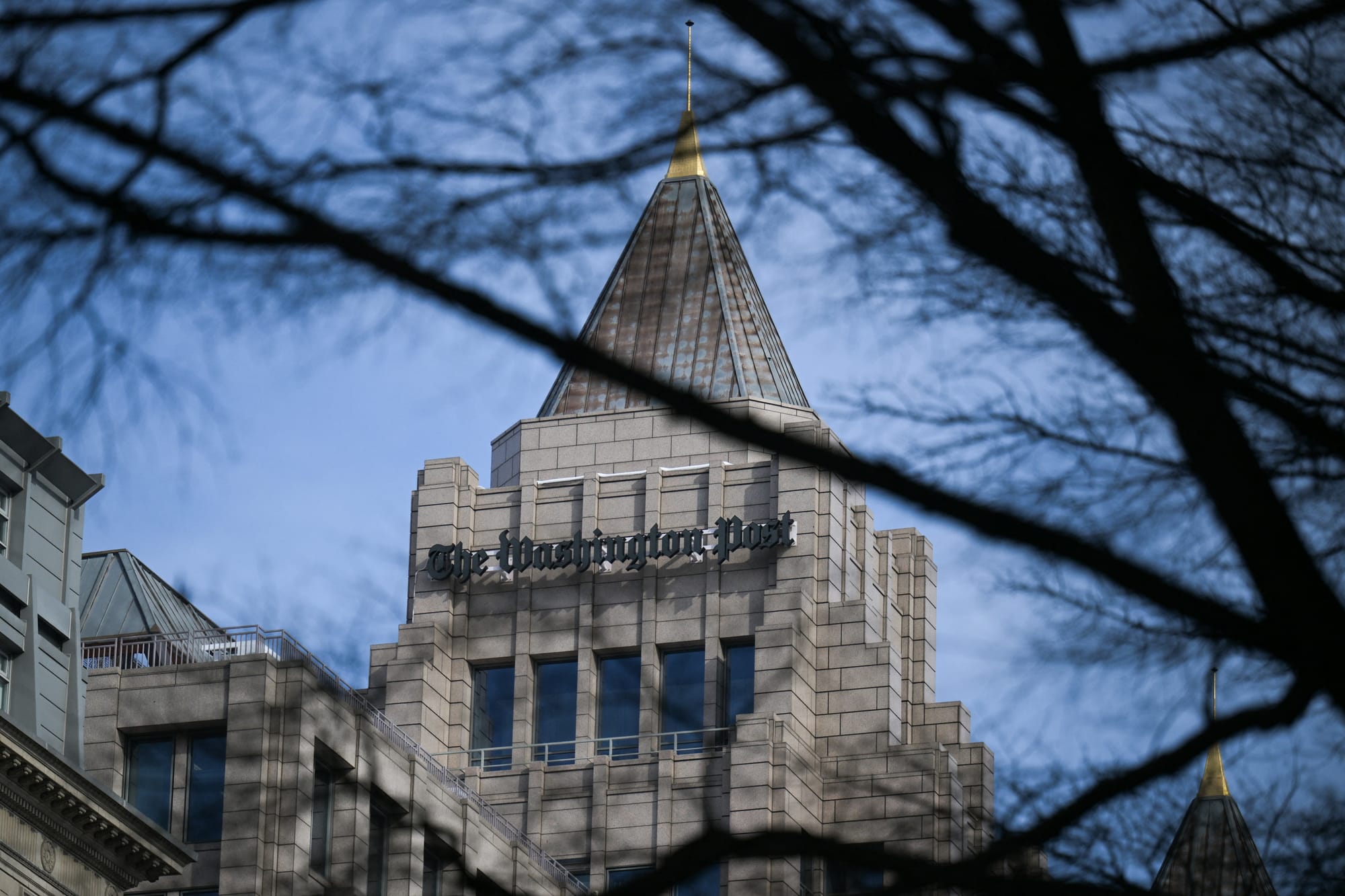
The Washington Post has laid off Pulitzer Prize-winning art critic Sebastian Smee and made sweeping employee cuts across its Arts section in what's been described as a “bloodbath” at the Jeff Bezos-owned paper. All of the Post's staff photographers were also eliminated, raising questions about the future of the publication's visual strategy.
Staffers began receiving layoff notices on Wednesday, February 4, after weeks of rumors of a mass downsizing. The cuts reportedly impacted one-third of the Post's staff, over 300 people, and gutted entire sections across its newsroom, including Books, Sports, and desks dedicated to local and international coverage.
“I'm deeply grateful for eight wonderful years at the Washington Post,” Smee said in a statement to Hyperallergic. “I am sorry for all my brilliant colleagues, across the company, who lost their jobs. And I wish those who remain nothing but the best."
Smee, an Australian-born critic best known for his writing on modern and contemporary art, joined the Post in January 2018, after roles at the Boston Globe and the Australian. Smee has written several books on art history, including his most recent title, Paris in Ruins: Love, War, and the Birth of Impressionism, published in 2024. At the Post, his column Great Works, in Focus illuminated artworks in permanent collections around the United States. Smee received the Pulitzer Prize for Criticism in 2011.
In addition to Smee, multiple journalists in the paper's Arts section were also affected, according to sources familiar with the cuts, including the Post's arts and entertainment editor, visual art editor, film editor, and senior style section editor, as well as its pop, classical, TV, and theater critics and two reporters who occasionally covered film and television. Senior Art and Architecture Critic Philip Kennicott will remain on staff, as will two arts reporters, Janay Kingsberry and Kelsey Ables, and National Arts Reporter Geoff Edgers.
“Serving as theater critic was truly a dream job,” the Post's former theater critic, Naveen Kumar, wrote on X. “I'm available for opportunities, and truly hope there's a future for arts and theatre coverage in DC and beyond.”
The Post did not respond to multiple inquiries about the cuts.
Among those less frequently mentioned in coverage of yesterday’s layoffs were the paper’s eight staff photojournalists. Most major outlets rely on a combination of freelance and in-house photographers, supplemented by images from photo banks and wire services.
In a phone interview with Hyperallergic, Marvin Joseph, a staff photographer at the Post who spent nearly three decades in the role, described the news that his team was being cut as “a shocker.”
“I really thought maybe we would die another day,” Joseph said.
Joseph got his start at the paper in 1996, working as a news aide before dedicating himself fully to photojournalism. Back then, he said, the Post employed around 35 staff photographers. He attributes the shrinking of newspaper photography staffs nationwide to a “sea change” in news consumption and the rise of social media, among other factors.
"I think in some ways, quality gave way to the need for speed. We have to take pictures much faster now," Joseph said. "Coming from the newspapers, we were into the poetry and the intimacy of an image. You used to wait until the bitter end for something to happen — that went out the window a bit.”

Asked about one of his favorite photographs taken for the Post, Joseph immediately pointed to his black-and-white portrait of tennis icons Chris Evert and Martina Navratilova, who were fierce rivals in their youth and became unexpectedly linked decades later as they both faced cancer.
“I had them put their heads together, sort of leaning on each other, to talk about that bond,” Joseph said of the image, which he captured in Miami in May 2023. “The photo helped drive traffic, and subscriptions went up. I didn't realize it was going to take off like that.”
Despite the heartbreaking news for him and his colleagues this week, Joseph spoke with striking clarity about the career of a photojournalist in a world where images are produced faster than they can be appreciated.
“What's my second act? I'll always be a photographer, and there's a large portion of work I'd like to do, but there's a lot I'll miss about being at a newspaper,” Joseph said. “I consider myself a community journalist. I'm going to miss that the most ... I love people and telling those stories.”
Media coverage and online reactions to the massive staff cuts at the Washington Post have been marked by outrage at its owner, Amazon founder Jeff Bezos, whose net worth is estimated at $261 billion.
Bezos, who purchased the paper in 2013, drew ire from readers and staffers in 2024 when he blocked a planned endorsement of Kamala Harris, leading to hundreds of thousands of canceled subscriptions. Last year, in the first weeks of President Donald Trump's second term, Bezos sent a widely condemned staff memo announcing that the outlet's opinion sections would henceforth be written "in support and defense of two pillars: personal liberties and free markets."
The billionaire's encroachment on the Post's editorial policies mirrors his increasingly reciprocal relationship with Trump. Amazon, which donated $1 million to the president's inauguration fund alongside tech giant Meta and OpenAI founder Sam Altman, benefits from Trump's tax breaks for major corporations. The company's film production and distribution arm recently came under fire for its purchase of Melania (2026), one of the most expensive documentary acquisitions on record.