Art Problems: How Do I Get Gallery Representation?
Dreaming of showing at your favorite gallery? Paddy Johnson has the masterplan.

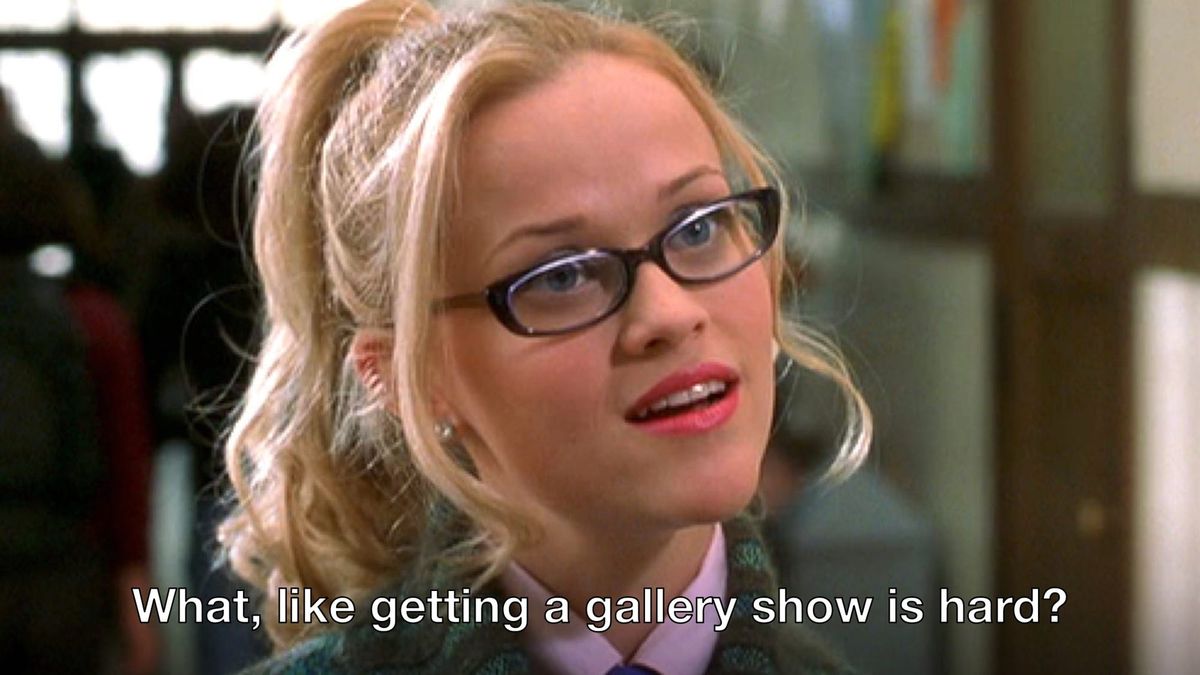
I’ve been to art school, had a few shows, but can’t seem to find gallery representation. I’m working all the time on my art and career, but the whole gallery thing eludes me. Why? Frustrated and galleryless in New York
I get asked this question more than any other, and frankly, the answer could fill a book, but what’s missing from this question is why you want a gallery and what kind of relationship will help your practice?
The most obvious reason to seek representation is the promise of exhibitions and sales. Many gallery contracts also include guarantees for art fair participation. It may seem obvious, but you have to want sales to secure a gallery, and for a gallery to take you on, you should have a sales record. Chicken, meet egg.
Dealers like artists with established sales records because it lowers their already considerable financial exposure. Renting a gallery space in Tribeca costs anywhere between $8,000-30,000 a month on top of staff, marketing, and daily operations. With that kind of overhead, very few business owners can afford to take on the financial risk of untested artists.
Understanding these needs gives you a path forward. If dealers need to believe the work will sell before taking an artist on, you need to find ways to demonstrate that to them. To achieve that, you can sell the work on your own or aim for inclusion in summer group shows, where the expectation of sales is already minimal, so a gallery is more likely to take a risk on the artist. Your job, once the show has opened, is to promote the hell out of it and bring as many potential buyers as possible.