Art-World Giants We Lost in 2025
Legendary filmmaker David Lynch, sculptor of skylines Frank Gehry, powerhouse of Indigenous aesthetics Jaune Quick-to-See Smith, beloved curator Koyo Kouoh, and others we’ll carry with us.

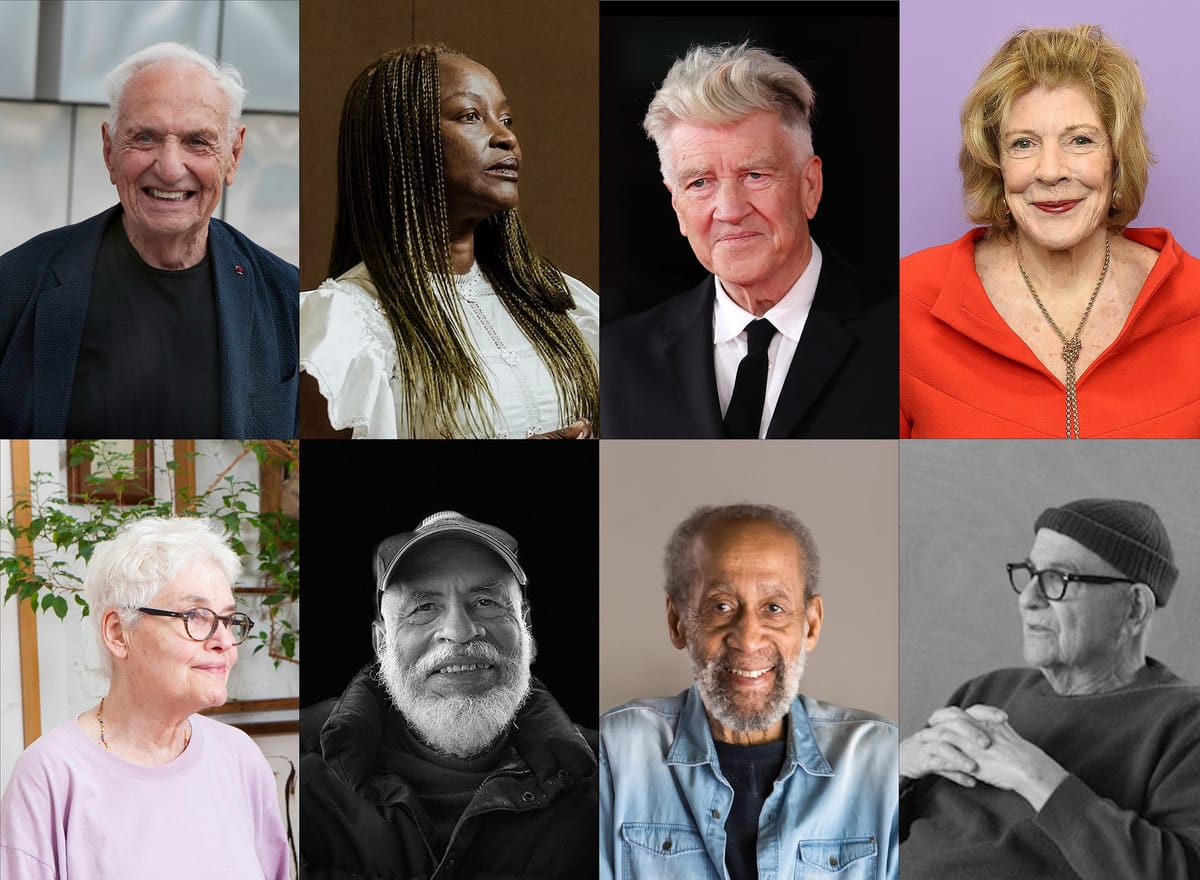
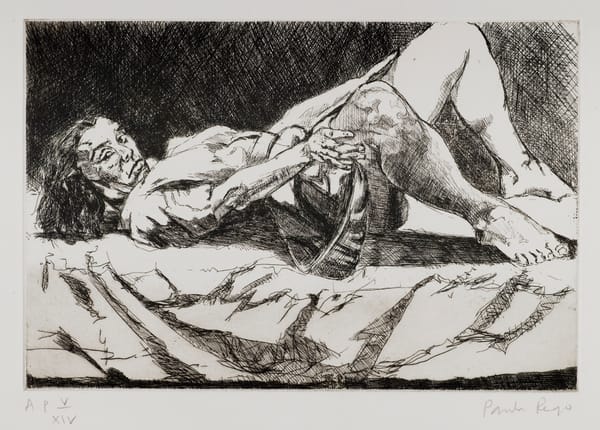
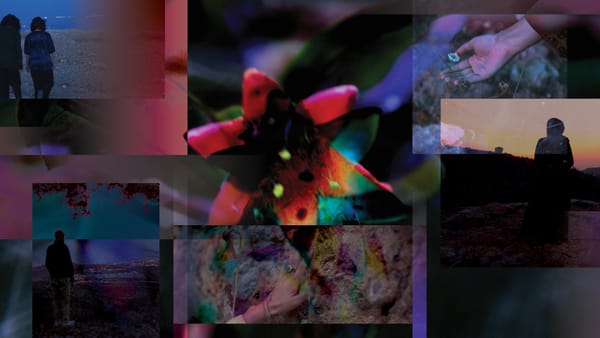
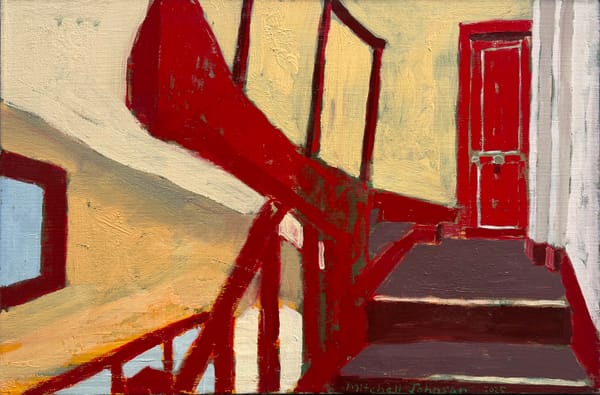
As the year winds to an end, we cannot move forward without remembering who we've lost. David Lynch, a filmmaker so revolutionary that his style became a new standard. Frank Gehry, the sculptor of skylines. Jaune Quick-to-See Smith, the multi-hyphenate force of Indigenous aesthetics. Alonzo Davis, who was one of the first Black gallerists in this country and didn't stop there. Koyo Kouoh, who would have been the first African woman to direct the Venice Biennale. And so many more.
Below are 20 luminaries we've lost this year, ordered by when they passed. Our ongoing weekly column In Memoriam offers a fuller picture of those who've gone and the marks they left. As we enter the new year, we carry them with us.
— Lisa Yin Zhang, associate editor
David Lynch (b. 1946)
Filmmaker who conjured the uncanny
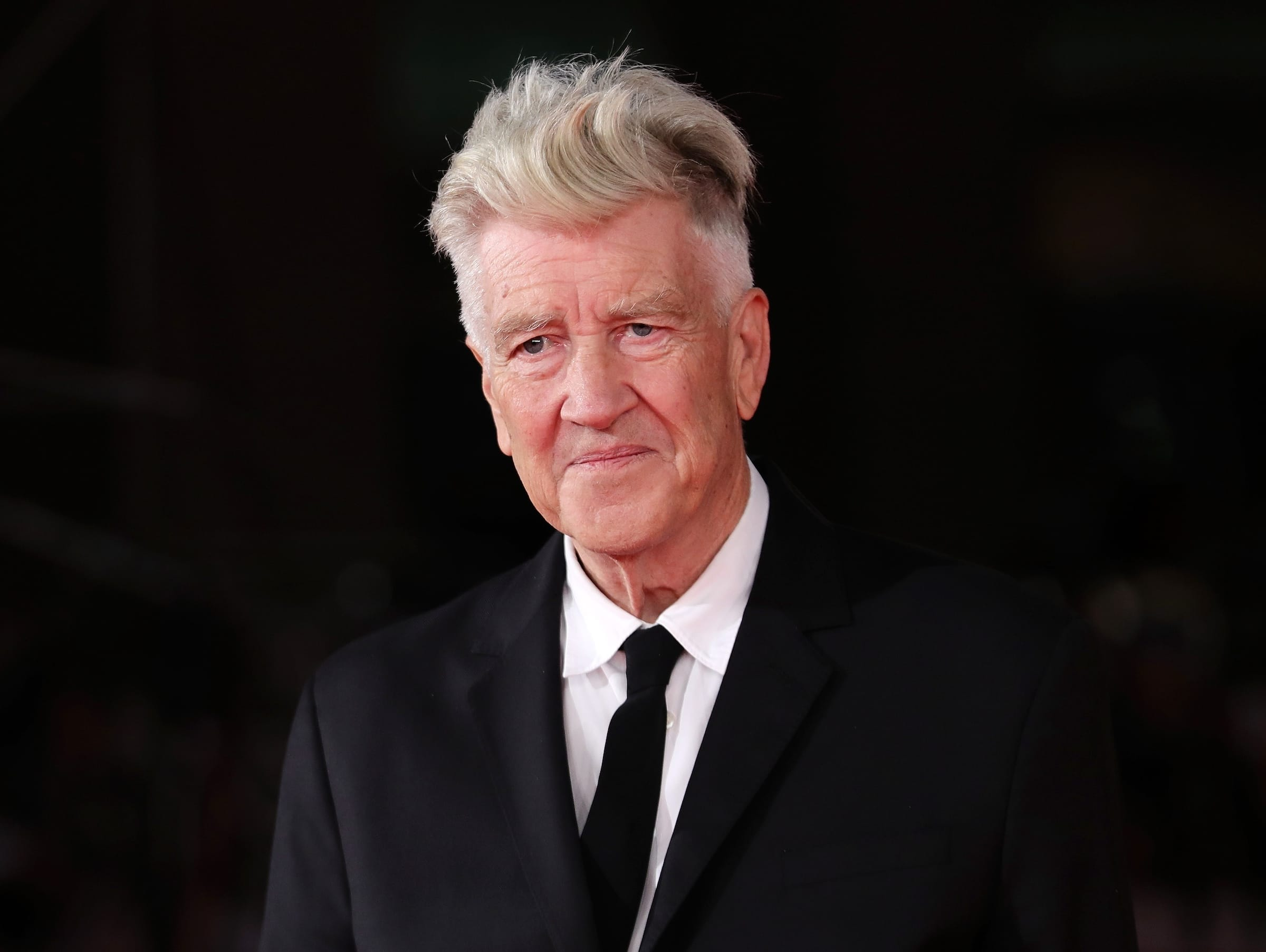
The multi-hyphenate film director and artist's work was so influential that it became integral to the tropes and aesthetics of cinematic horror, surrealism, and melodrama. He is known for classics both cult and traditional, from Blue Velvet (1986) to Mulholland Drive (2001), and many more.
Jo Baer (b. 1929)
Painter of "radical figuration"

She initially rose to prominence during the burgeoning male-dominated Minimalism movement of the 1960s and '70s before rejecting the art form in favor of more experimental and figurative compositions. A sharp writer, she penned letters to editors, statements, and articles that at times ostracized her from her peers for her unswerving defense of painting.
Jaune Quick-to-See Smith (b. 1940)
Indigenous visual artist, curator, and activist
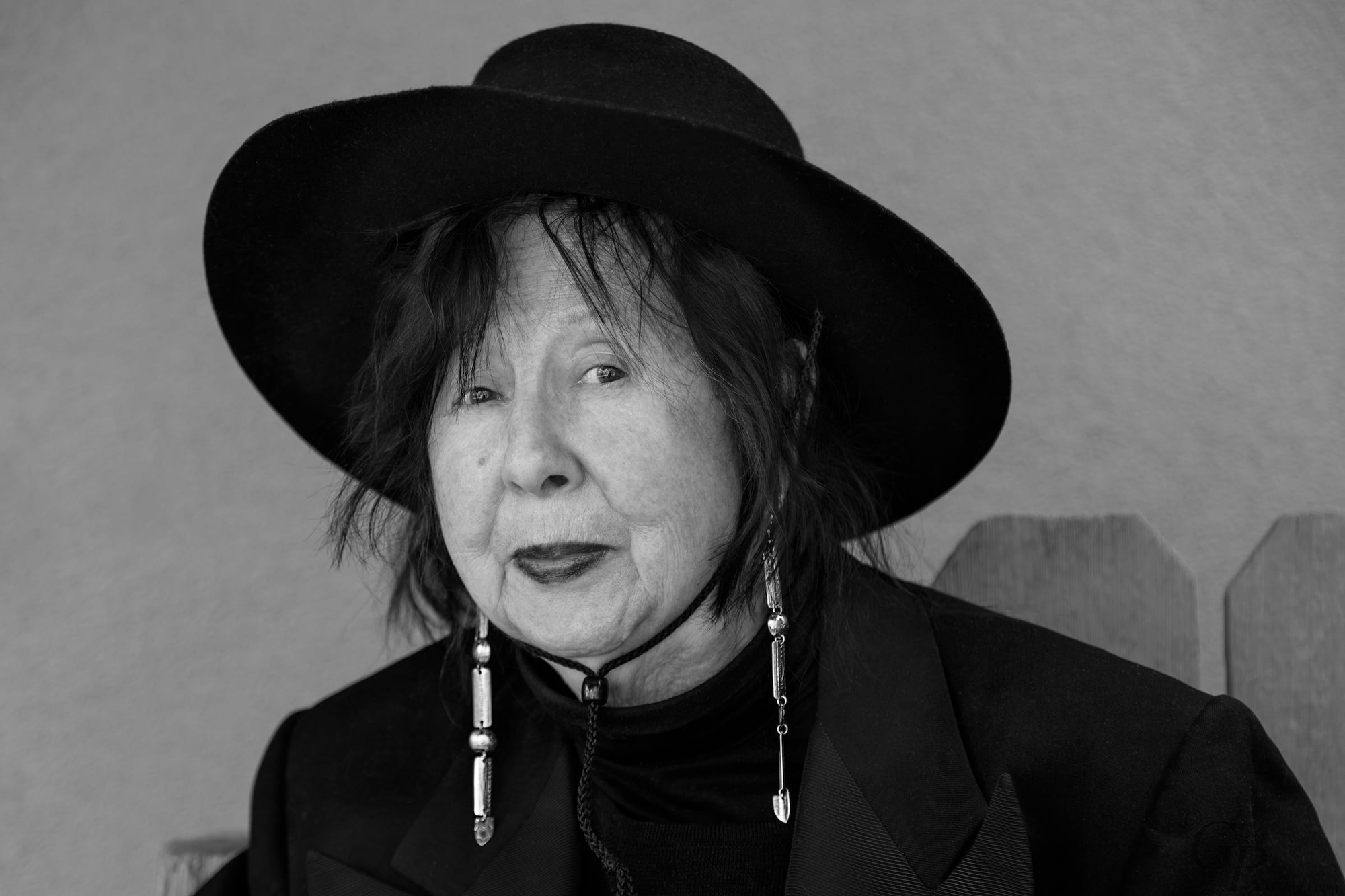
Her prolific arts practice merged piercing humor and profound sociopolitical commentary with poetic depictions of Native American life. Her five-decade oeuvre spans painting, collage, drawing, print, and sculpture, exemplifying her lifelong refusal to be defined by any singular narrative.
Alonzo Davis (b. 1942)
Artist and one of the first Black gallerists in the US
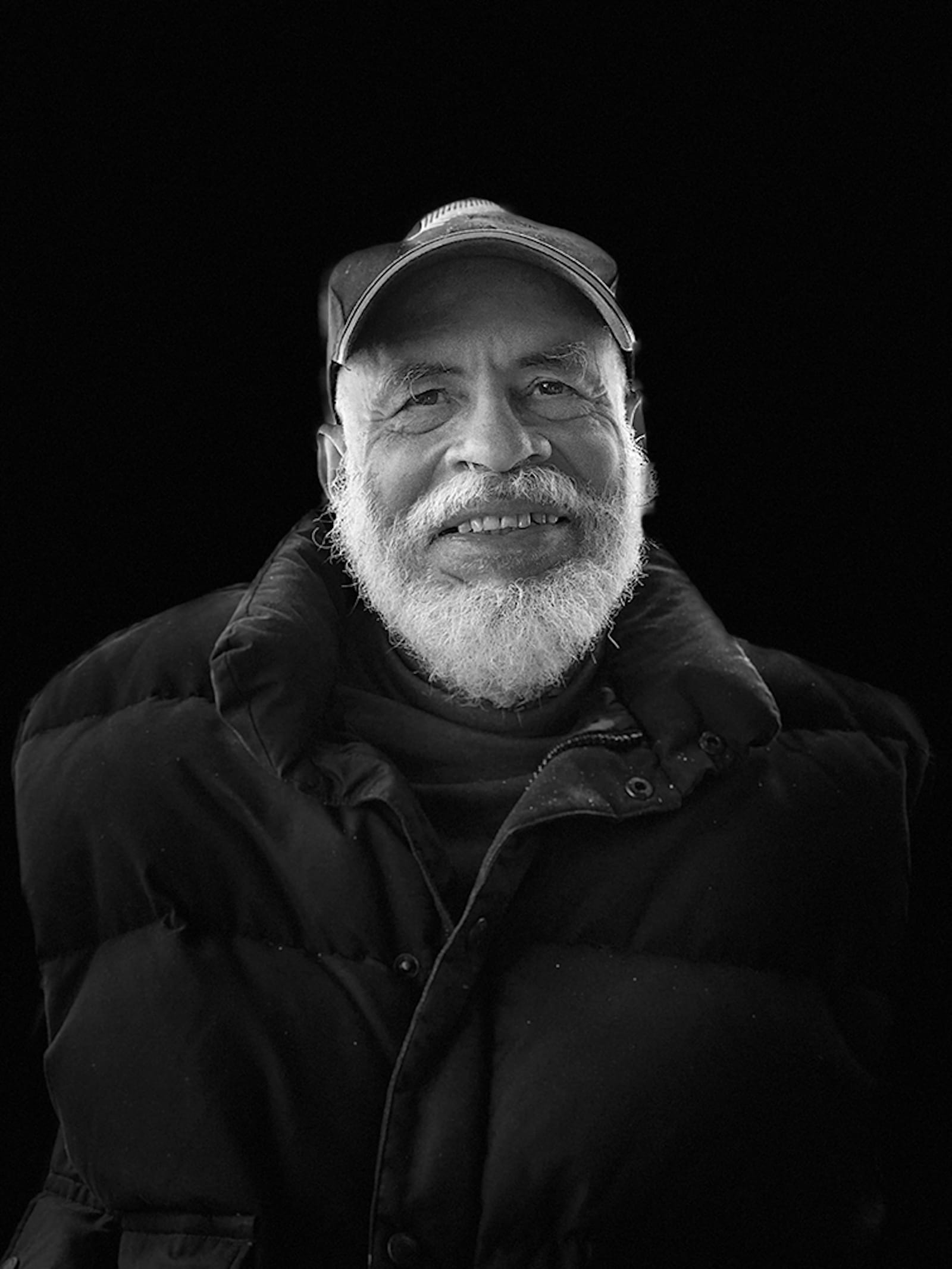
He and his brother Dale co-founded Brockman Gallery, the first major Black-owned contemporary gallery in Los Angeles, in 1967. Over a six-decade career, he continued to champion Black American art and culture, and created abstract mixed-media paintings, wall pieces, and murals.
Mel Bochner (b. 1940)
Pioneering conceptual artist
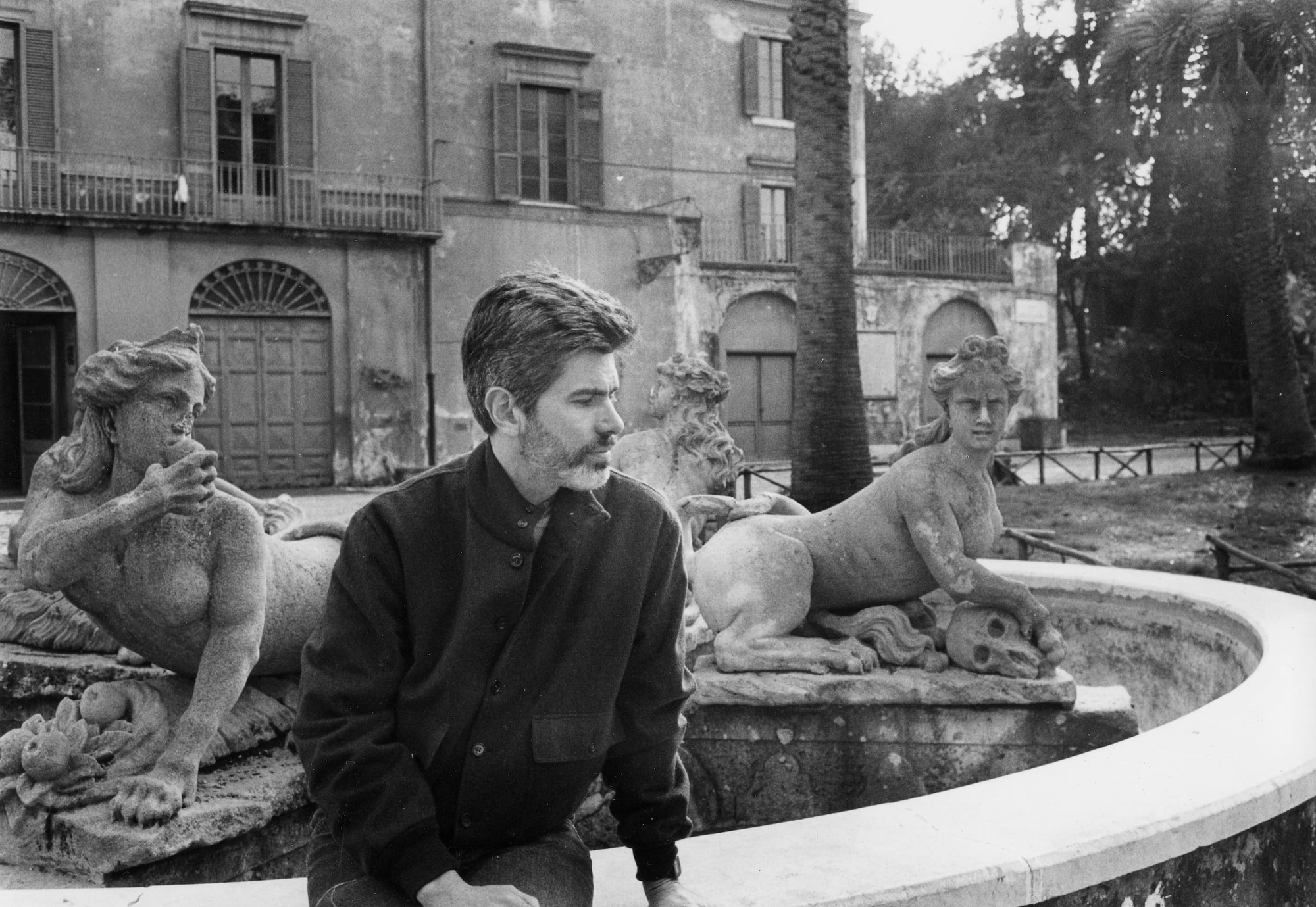
He treated language as a medium rather than a tool, upending contemporary art in the process. His vibrant thesaurus paintings and experimental installations explored the relationship between language, mathematics, and perception while challenging traditional canvas boundaries.
Dorgham Qreiqea (b. 1997)
Palestinian muralist and oil painter
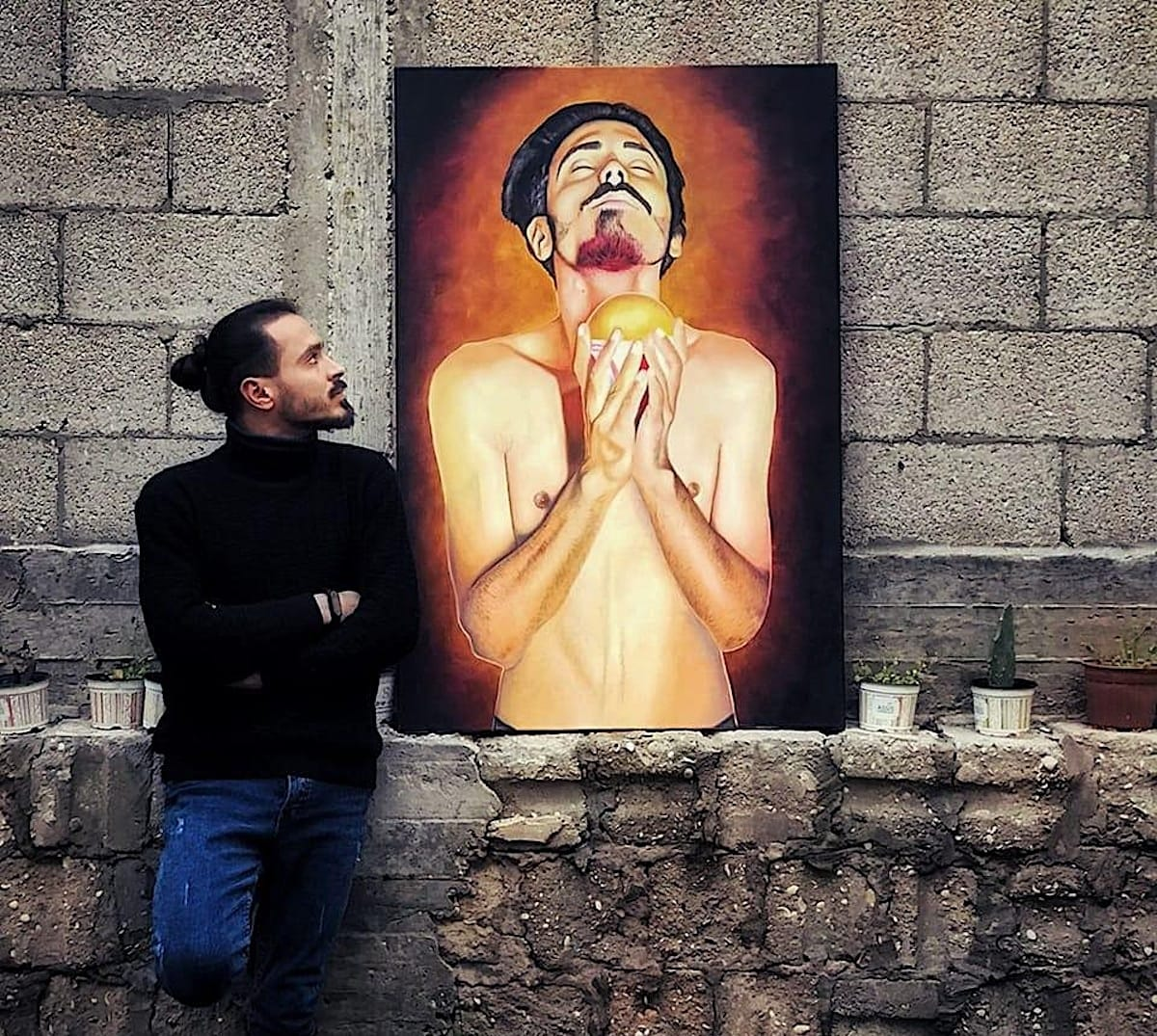
A skilled muralist, oil painter, and portrait artist, he exhibited in Gaza's now-destroyed arts spaces, including Shababeek for Contemporary Art. Dedicated to community empowerment, he worked on a mask painting project during the COVID-19 pandemic and served as coordinator for an art-related youth group. On March 18, he was killed by an Israeli airstrike on Gaza.
Nona Faustine (b. 1977)
Photographer who confronted centuries of violence
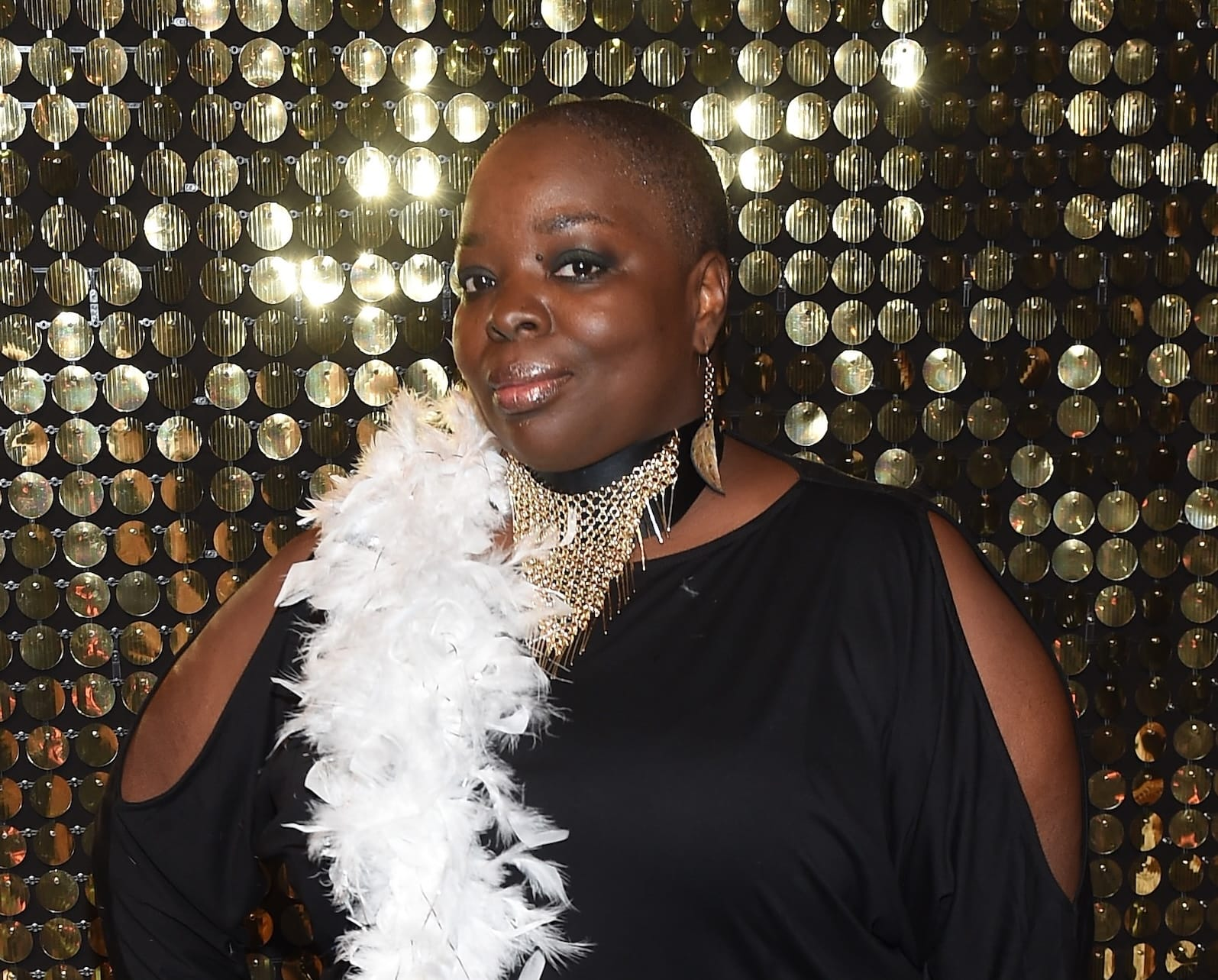
Grounded in extensive research, Faustine’s photography often explored complex concepts of legacy, representation, trauma, and identity as they related to racial and gender stereotypes. She was best known for her self-portrait series White Shoes (2012–21), in which she posed nude or partially clothed in symbolic white heels at various former slave auction sites across New York.
Max Kozloff (b. 1933)
Intrepid art critic and photographer
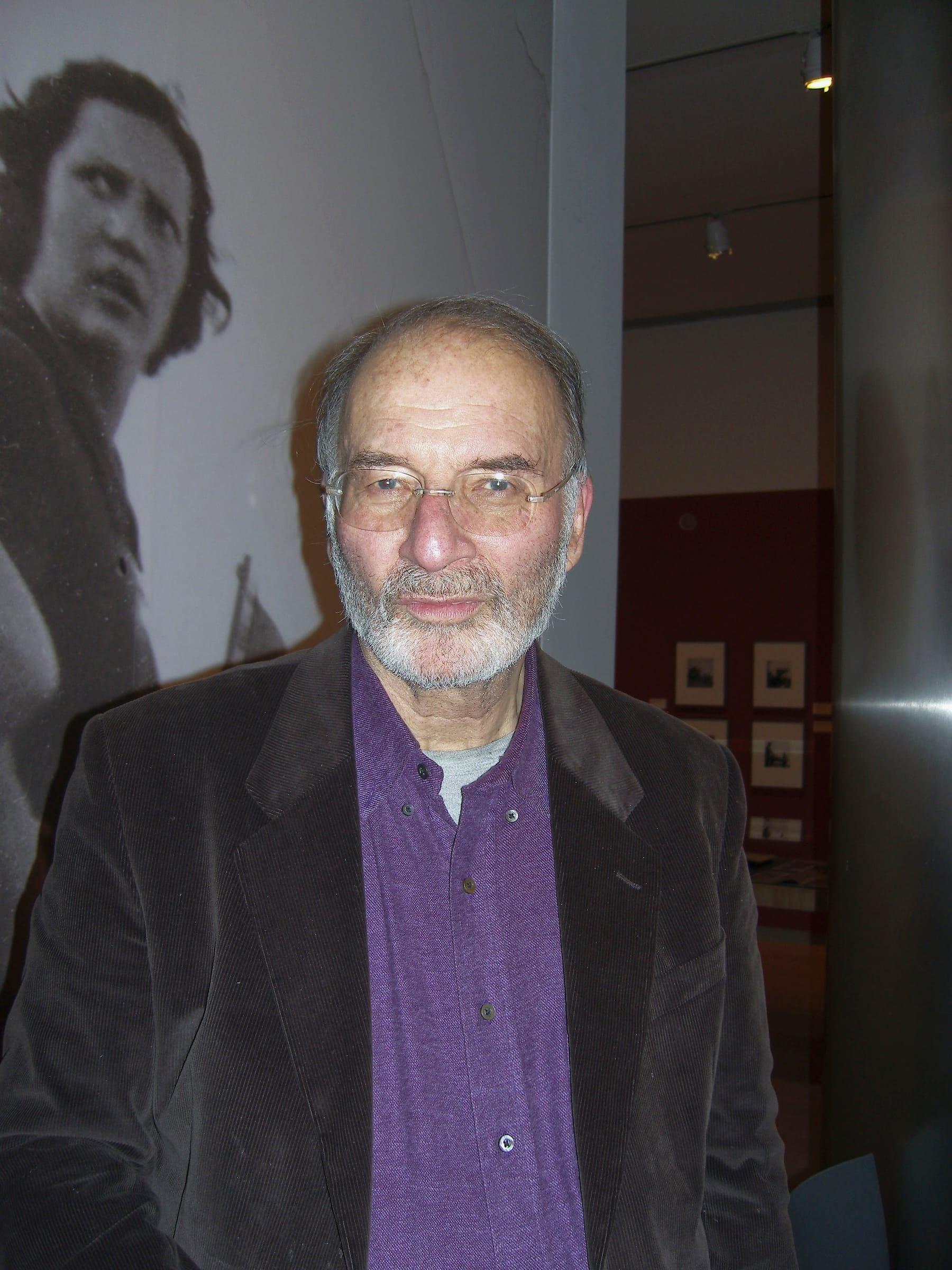
A leading voice in 20th-century art criticism, Kozloff paved the way for political examinations of postwar art in his canonical essay “American Painting During the Cold War” (1973). He authored more than a dozen books, and was an editor and critic at various magazines.
Dara Birnbaum (b. 1946)
Video art’s “Wonder Woman”

Over a half-century career, she spliced, resequenced, and repeated excerpts from sources as diverse as game show quizzes, sports programming, soap operas, and YouTube videos to explore and manipulate how information is disseminated, transformed, and assimilated.
Matthew Courtney (b. 1959)
Downtown NYC artist who platformed others
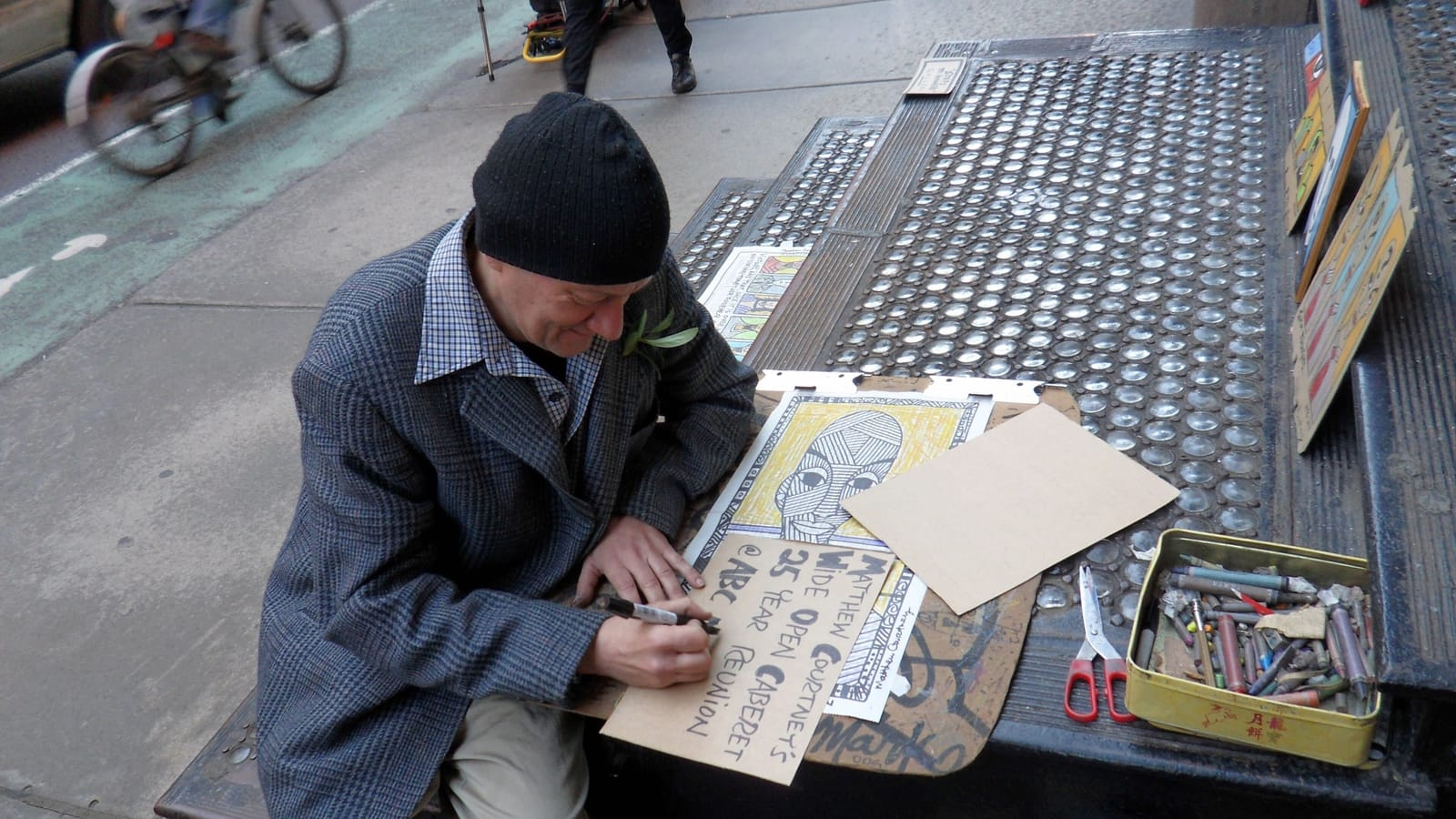
A founding member of the grassroots Lower East Side arts nonprofit ABC No Rio, he hosted its celebrated Wide Open Cabaret series from the mid-1980s through early ’90s. He was a longtime fixture of Soho's street community, as seen in his makeshift, sidewalk-based Steps to Nowhere Gallery.
Koyo Kouoh (b. 1967)
Cameroonian curator tapped for 61st Venice Biennale
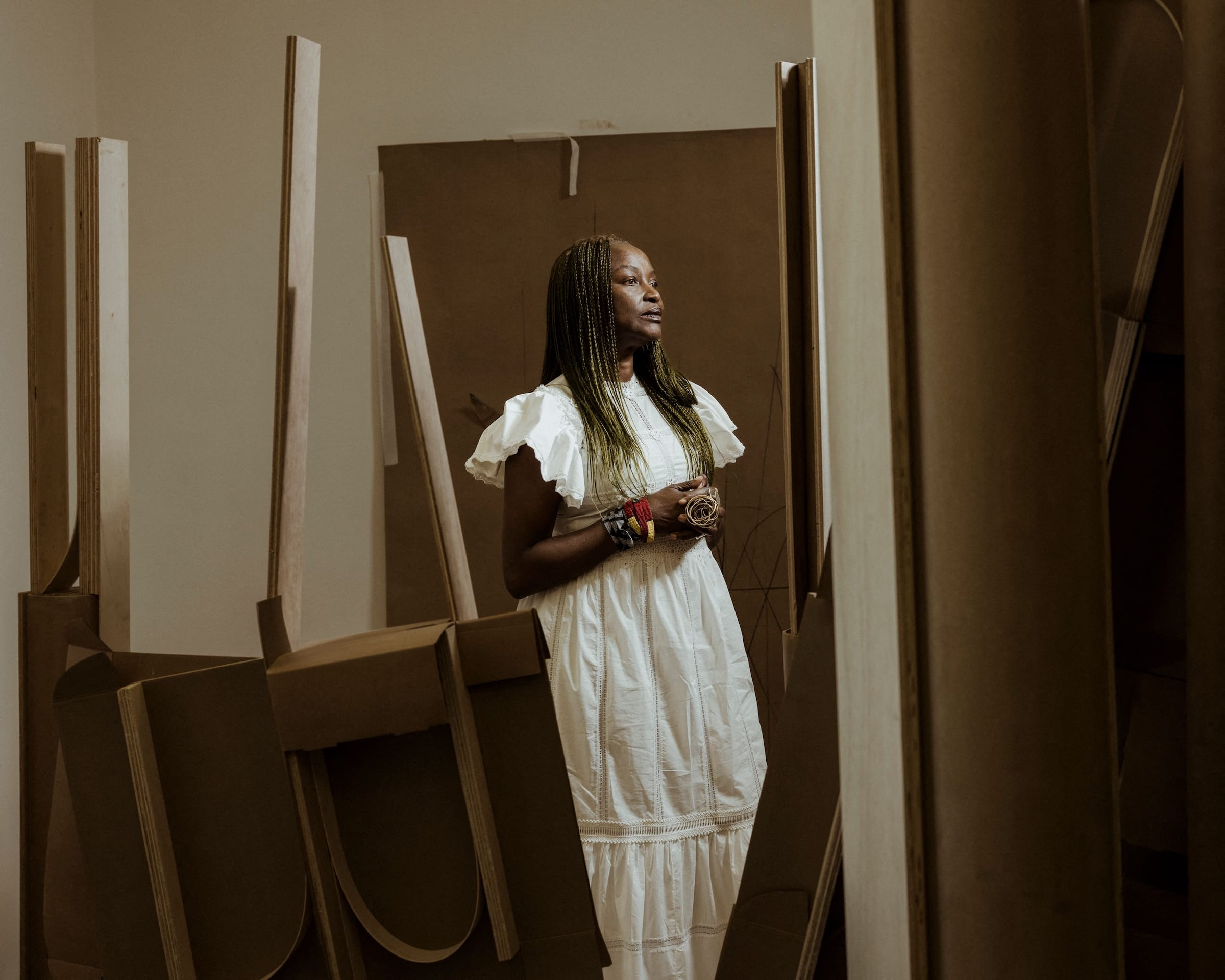
Appointed as the next Venice Biennale's artistic director in December, Kouoh would have been the first African woman to oversee the international exhibition. She also served as the executive director and chief curator of Zeitz Museum of Contemporary Art Africa (MOCAA).
Daniel Lelong (b. 1933)
Co-founder of Galerie Lelong
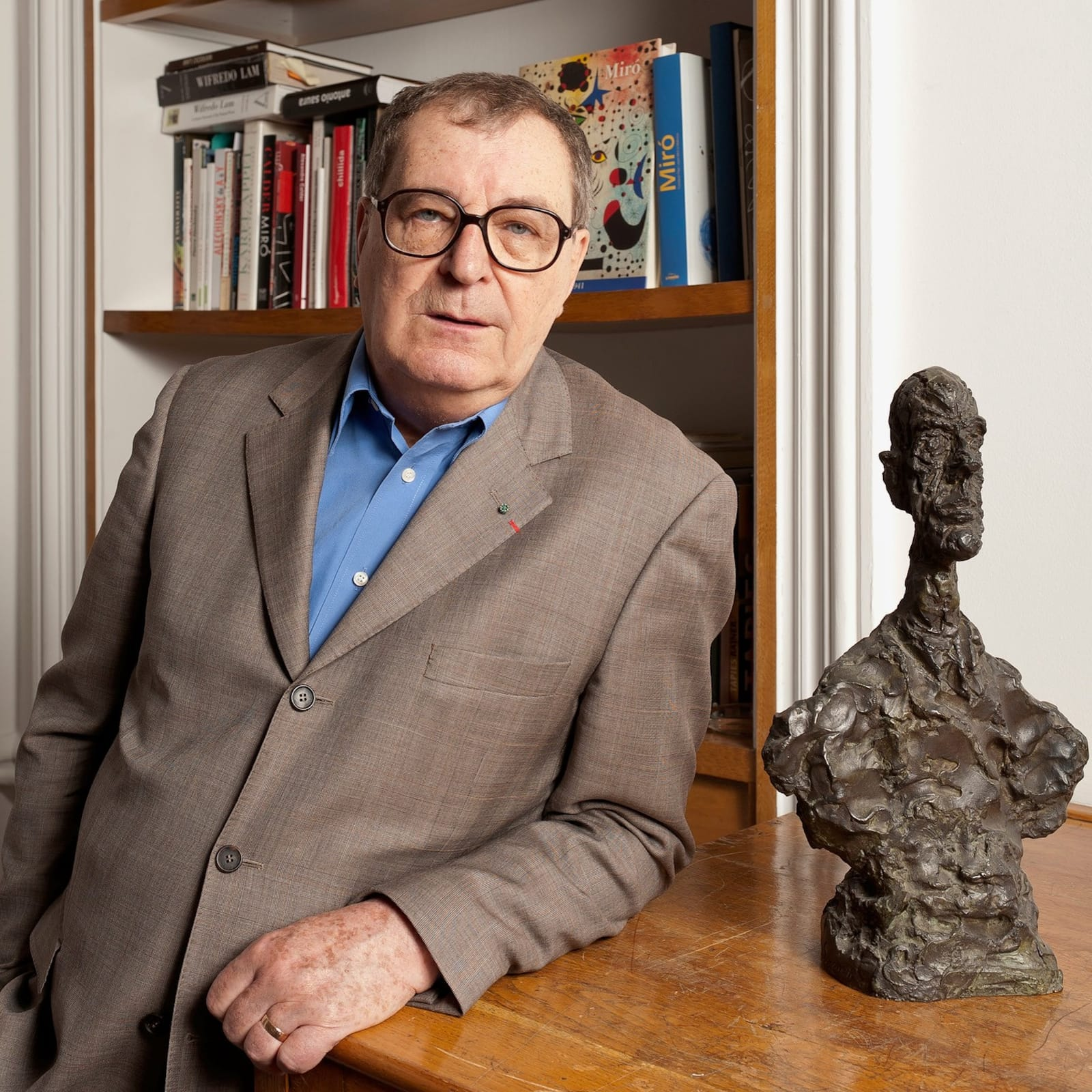
He collaborated with some of the 20th century’s most well-known artists, including Joan Miró and Francis Bacon, and co-founded his namesake galleries in Paris and New York. He also made scholarly contributions to the careers of these artists, publishing a monograph of Calder’s work in 1971 and some of Miró's catalogue raisonnés.
Joel Shapiro (b. 1941)
Sculptor of emotive figures
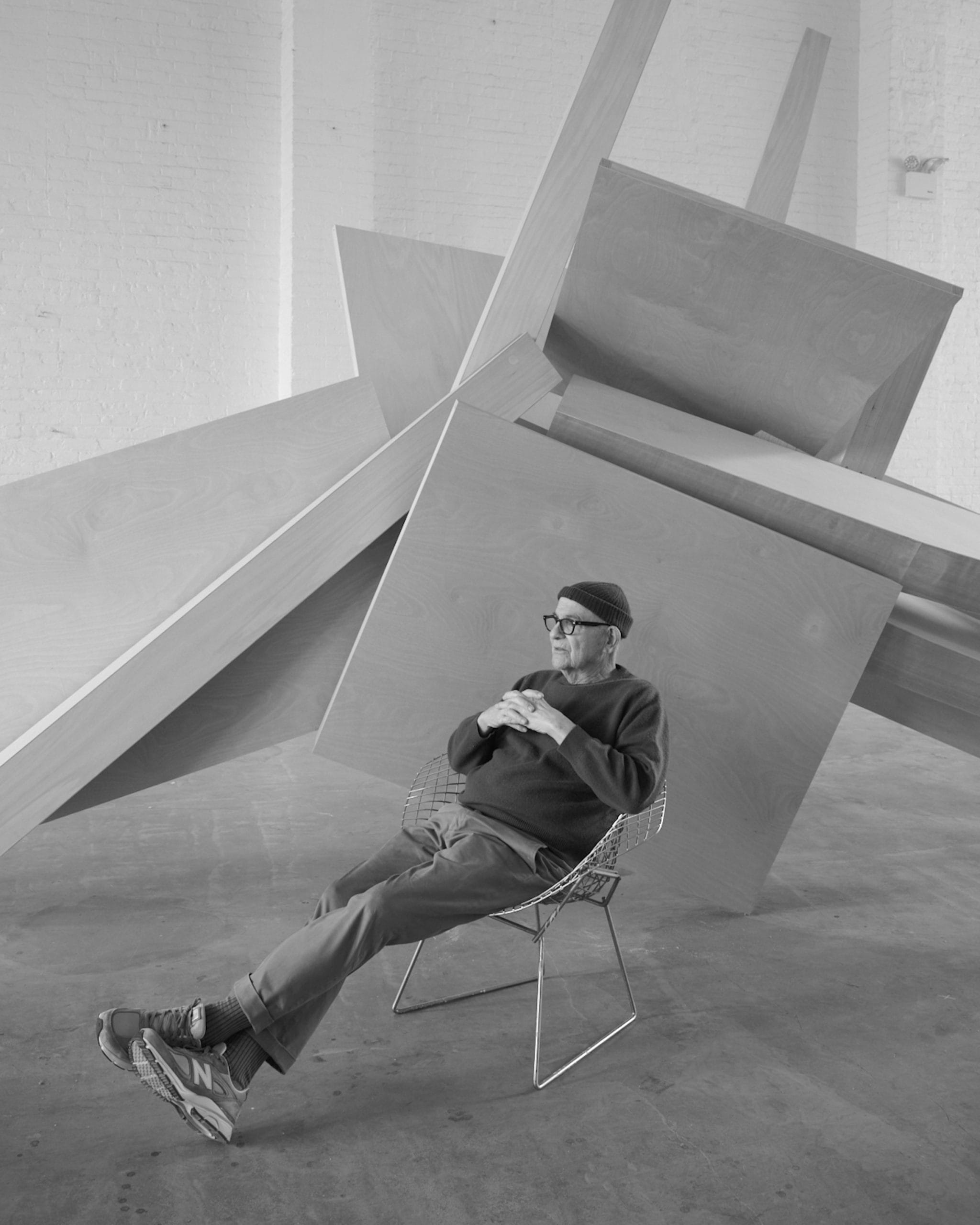
He was known for monumental bronze figures that transcended Minimalism with emotive, quasi-abstract forms resembling stick figures in motion. His work includes more than 30 public commissions and pieces in major collections worldwide.
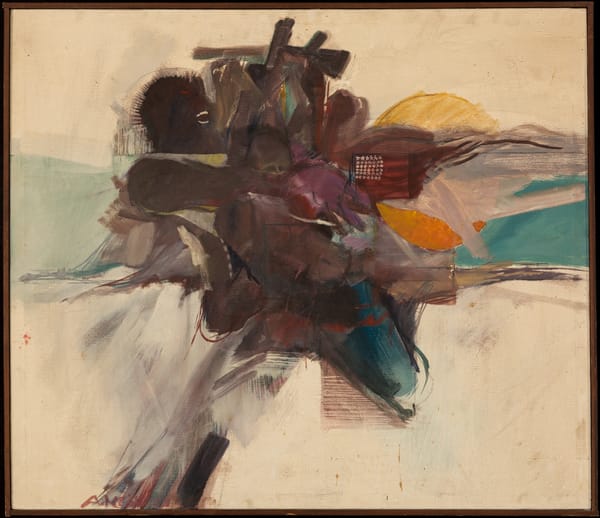
Raymond Saunders (b. 1934)
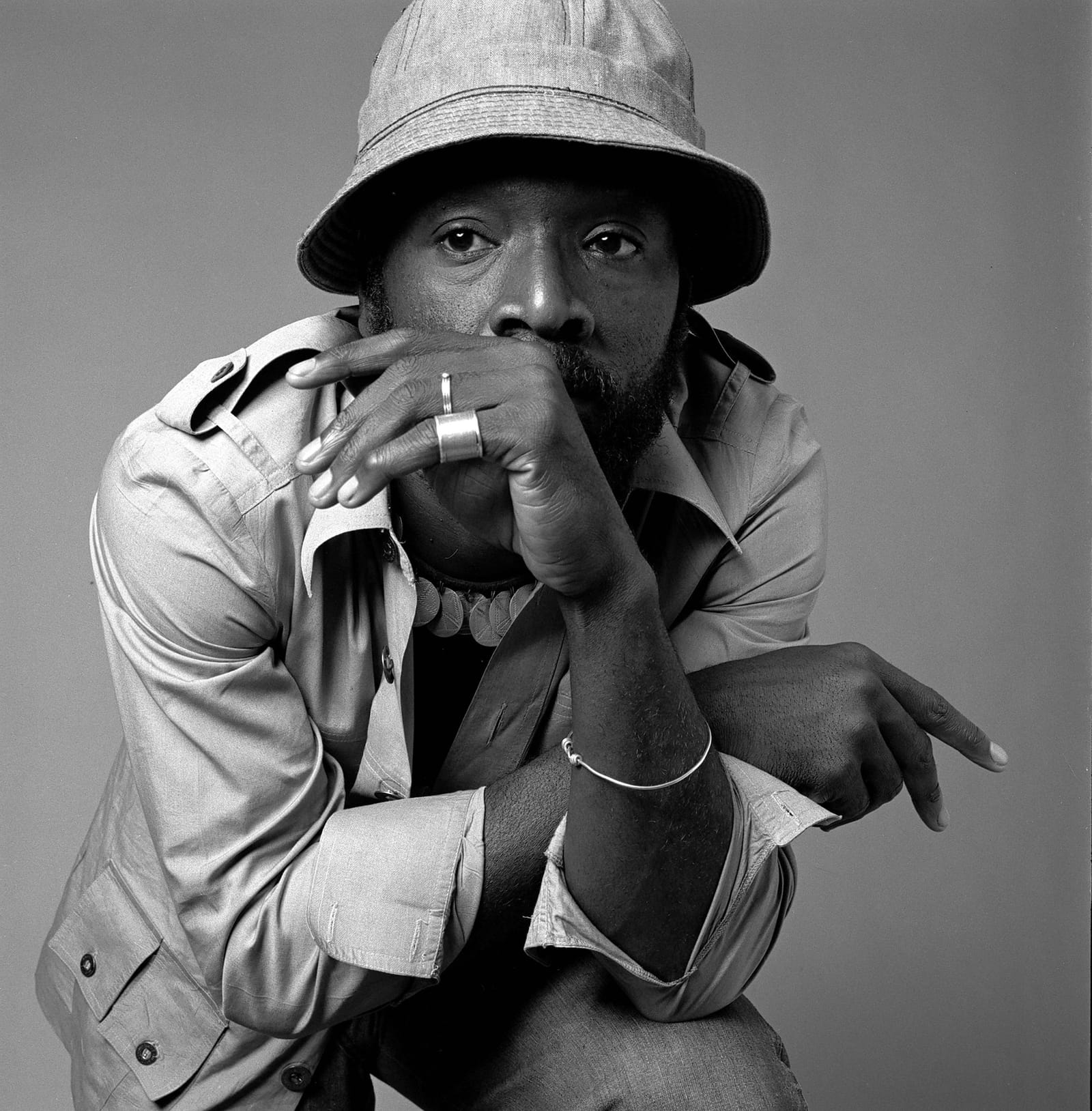
He was a cult-like figure in the Bay Area art community. On idiosyncratic blackboard surfaces, he integrated chalk notation and assemblage to plumb the depths of lived experience and racial identity.
Agnes Gund (b. 1938)
Champion of arts and equity
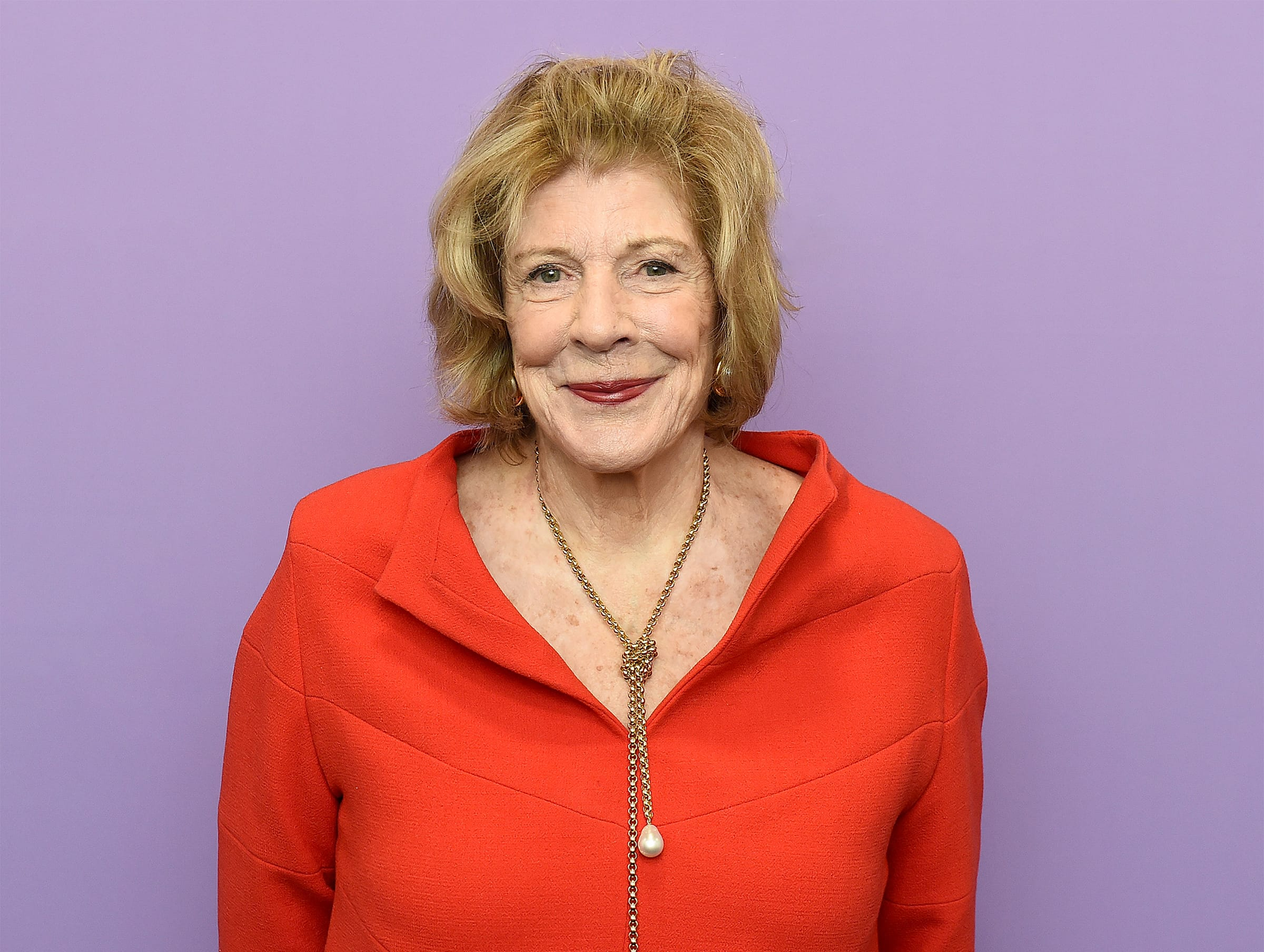
A major collector and trustee at institutions like the Museum of Modern Art, she was also a staunch social justice advocate who fought for a more compassionate world. She founded the arts education nonprofit Studio in a School and launched the Art for Justice Fund to help end mass incarceration.
Frank Wimberley (b. 1926)
Endlessly experimental abstract expressionist
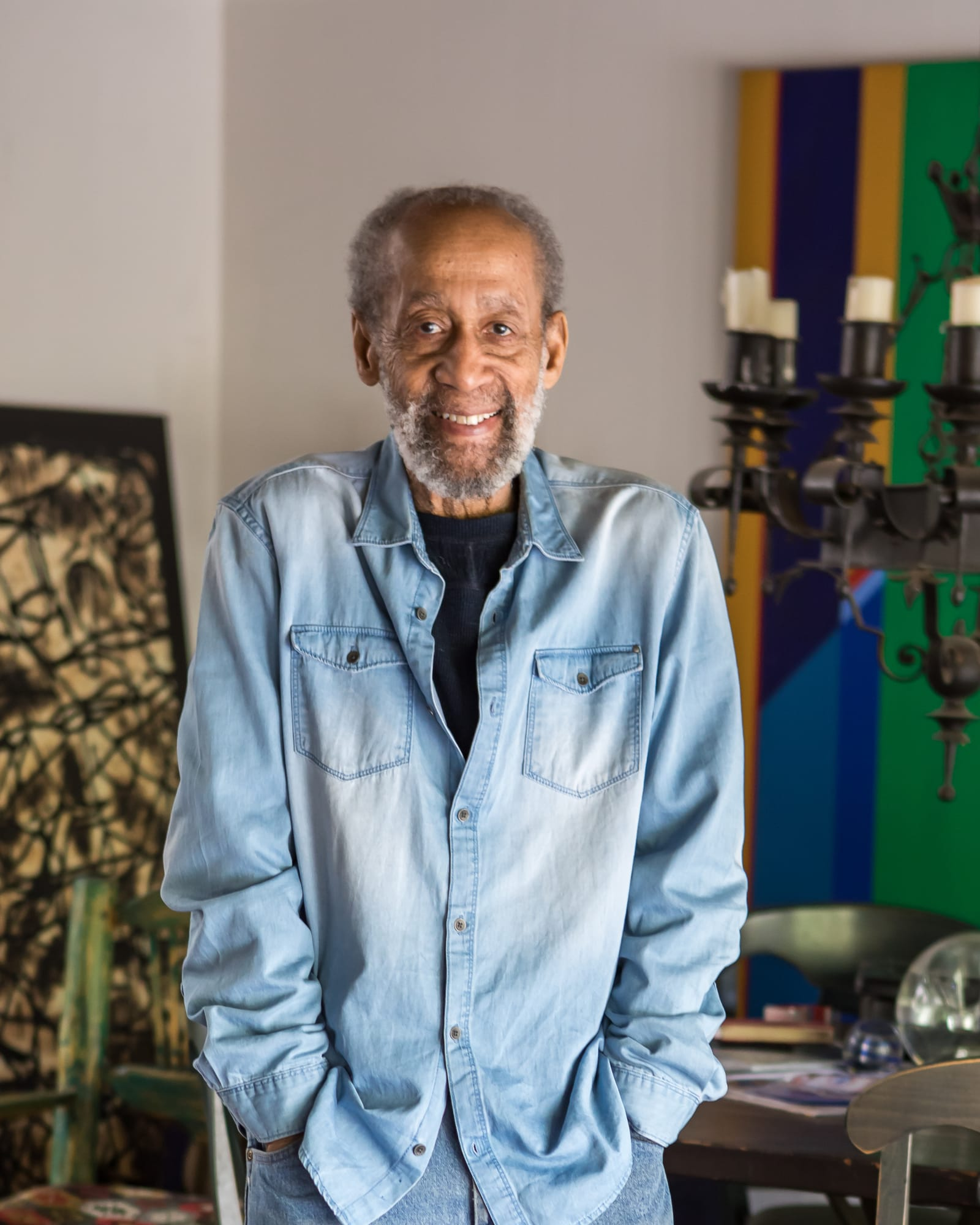
He was influenced by and an integral part of abstract expressionism and the Black Arts Movement, as well as a pillar of Long Island artist communities. “He explained the visions of artworks he still dreamt of making, sometimes waking him up in the night, enlivened with creative energy,” critic Jasmine Weber writes. “Into his final year, Frank Wimberley was still ripping, tearing, pasting, and painting paper to create new worlds.”
Carla Stellweg (b. 1942)
Visionary of Latin American Art
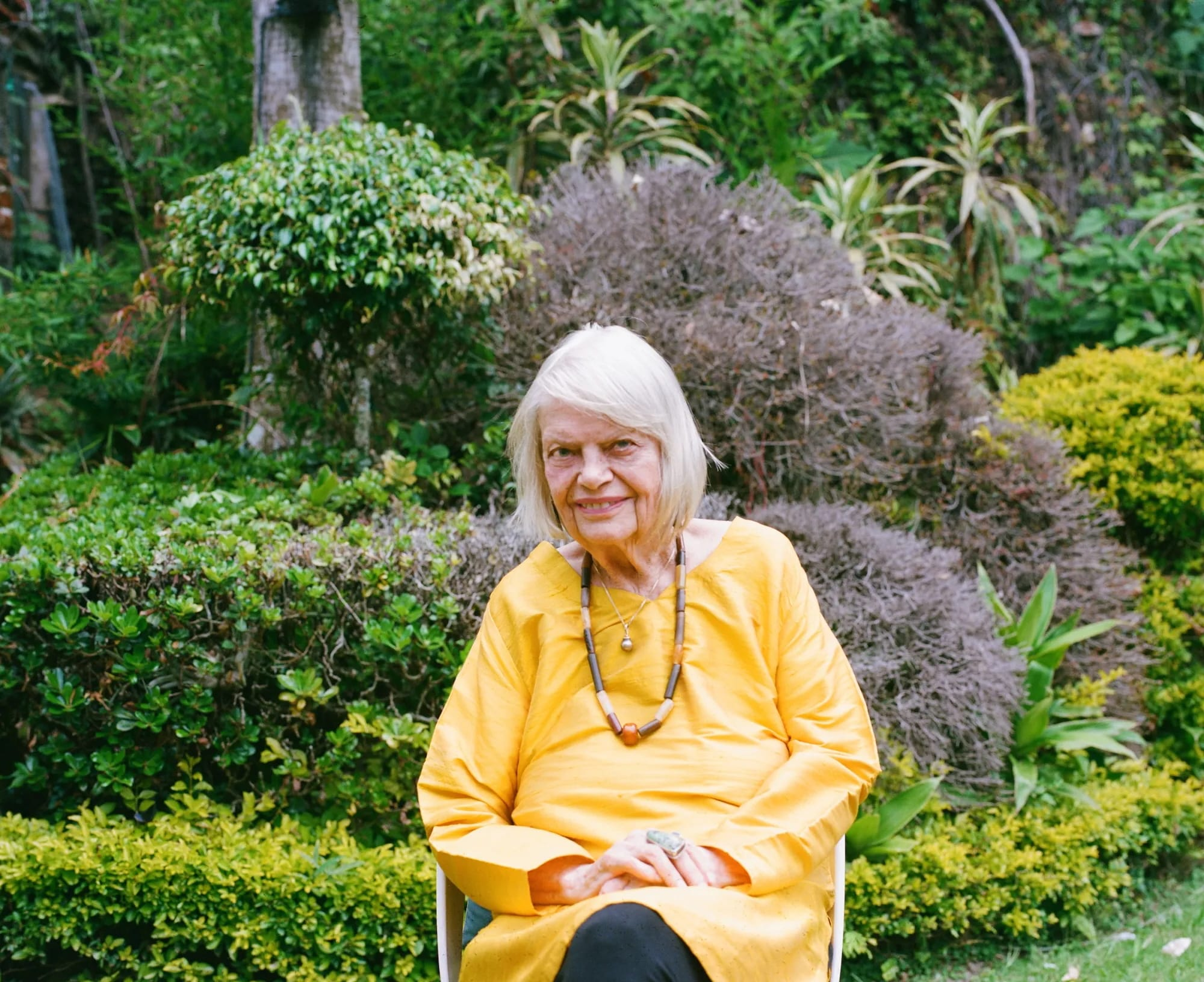
The fearless curator and writer shifted the very ground of Mexican contemporary art at a critical juncture for the country’s history and identity. From her work at Mexico's Museo de Arte Moderno in the 1970s to founding galleries in New York, she challenged institutional hierarchies throughout her career.
Jackie Ferrara (b. 1929)
Sculptor who contained chaos in geometric forms
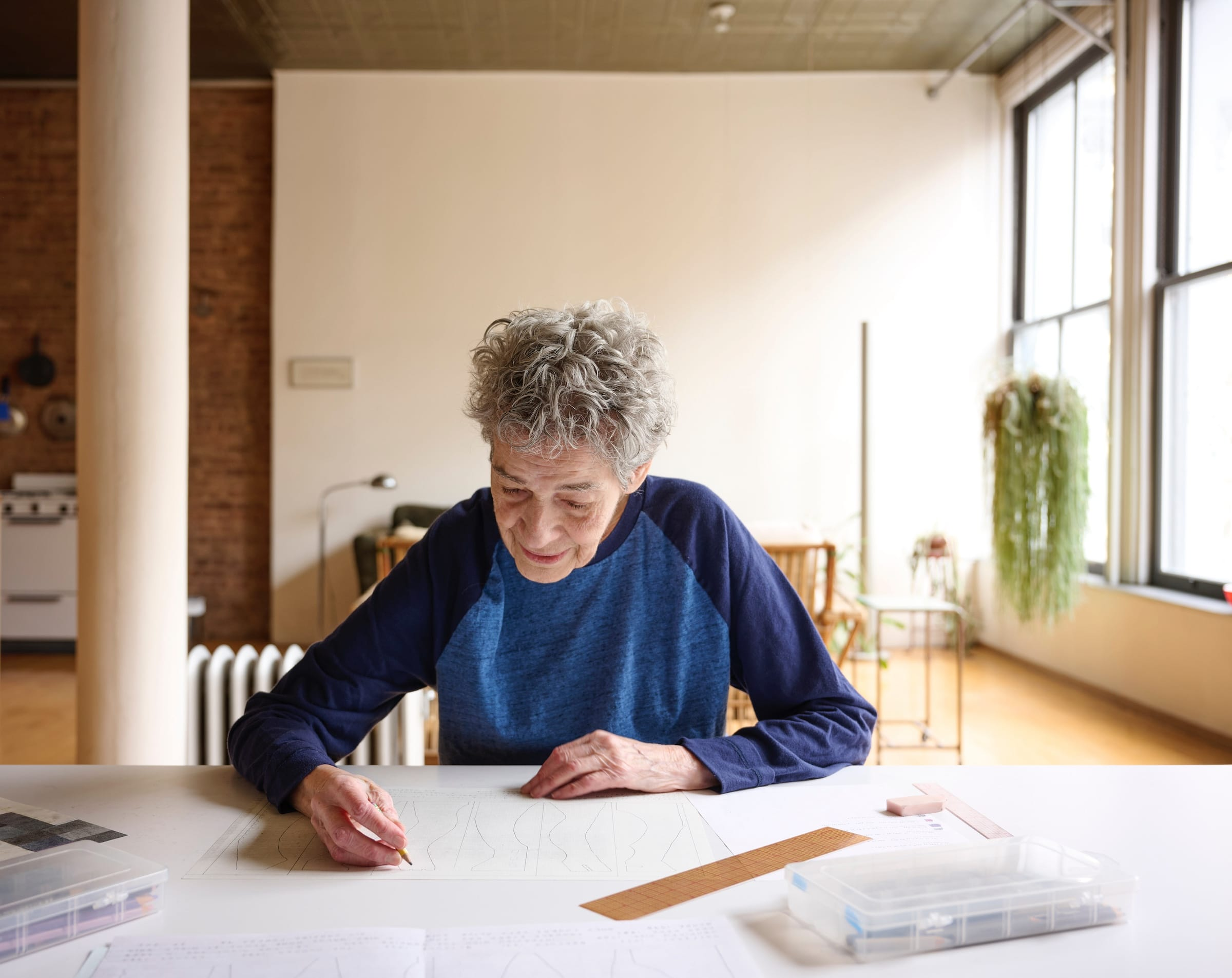
A fixture of New York’s downtown art scene, she discovered her visual language of graceful wooden structures and architectural environments while renovating her Soho loft. She saw her art as puzzles to be solved, and her public sculptures dot midwestern towns. "Ferrara might have sought to contain the chaos of her life in precise, geometric forms," Zoë Lescaze writes, "but their subtle unpredictability reflects her own."
Alison Knowles (b. 1933)
The first woman of Fluxus
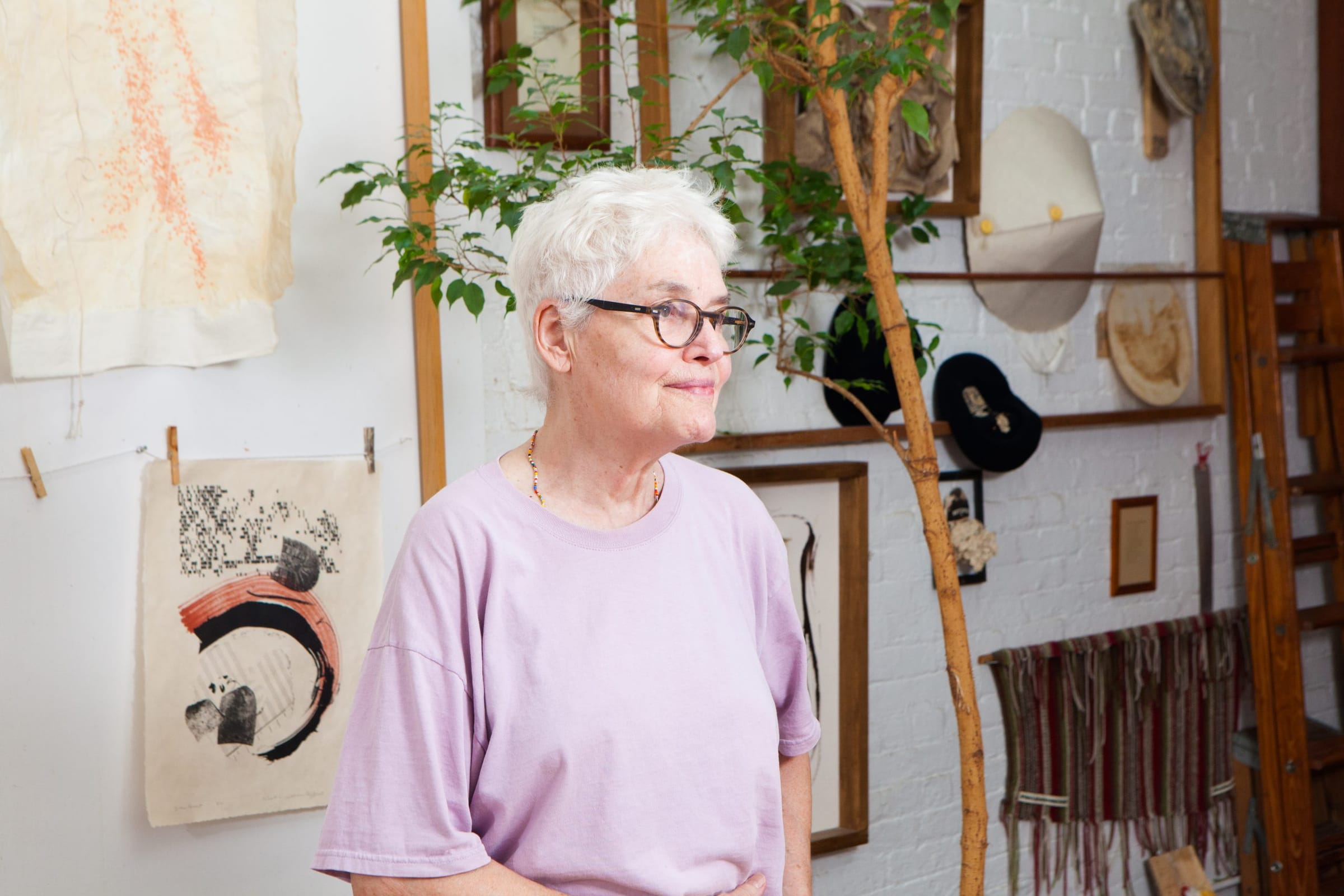
A powerhouse of postwar experimental art and a co-founder of the Fluxus movement, she exploded the boundaries of every form she inhabited, including sculpture, process-based art, computer art, and more. She will be remembered for her radical interventions in form, her emphasis on the poetry in the physical world, and her insistence on art as a lived form.
Frank Gehry (b. 1929)
Sculptor of buildings
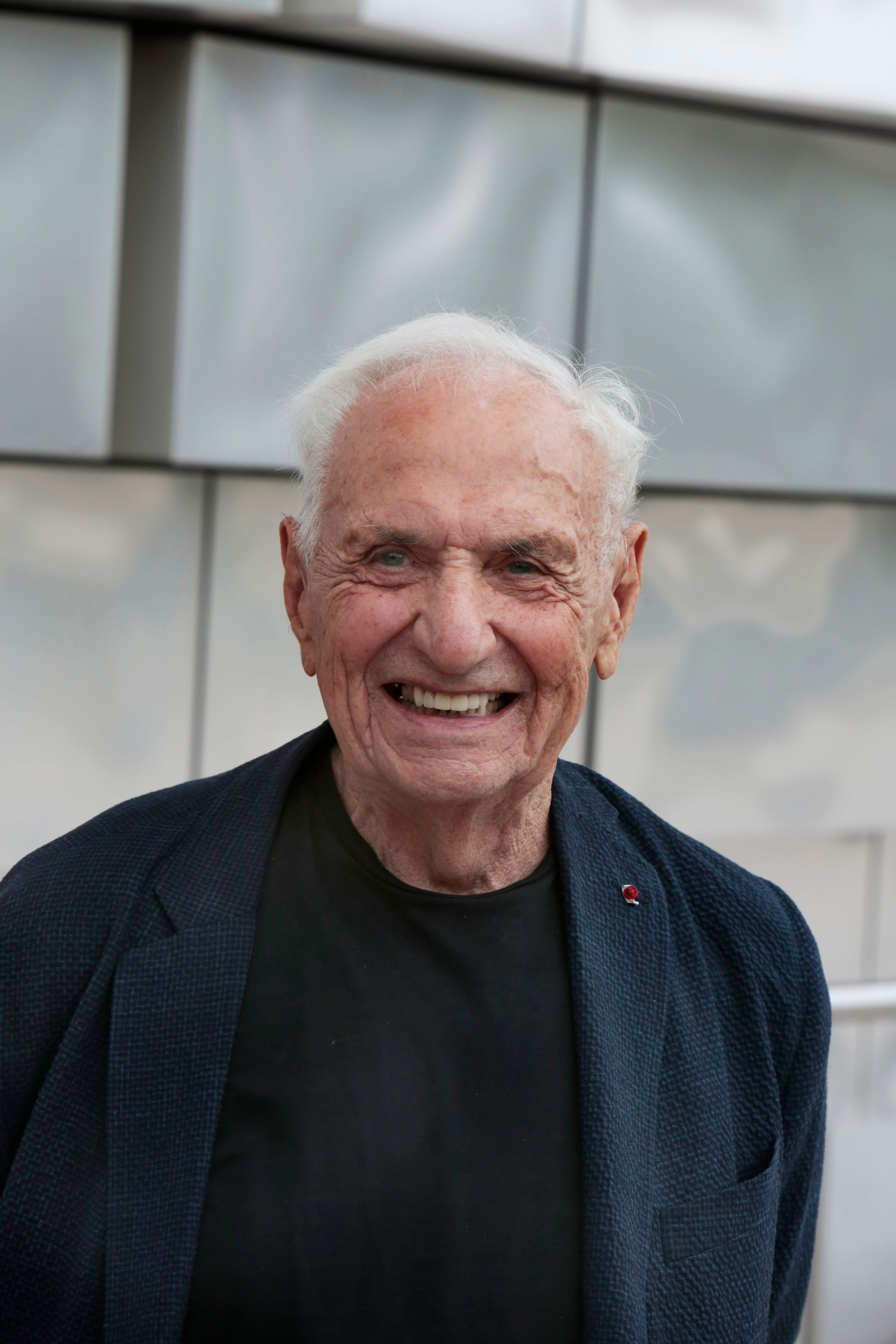
He made iconic postmodernist designs for museums, libraries, and concert halls, with the Guggenheim Museum Bilbao being his most instantly recognizable work. He was a "true original," Mary Anne Gilmartin, an architect who worked with Gehry, told Hyperallergic. "An artist, an architect, and a fearless visionary who changed the way we experience cities."