As Democracy Falters, a New York Museum Champions Activism
The Museum of the City of New York will open its expanded center for social activism alongside a slate of exhibitions, public programs, and screenings.

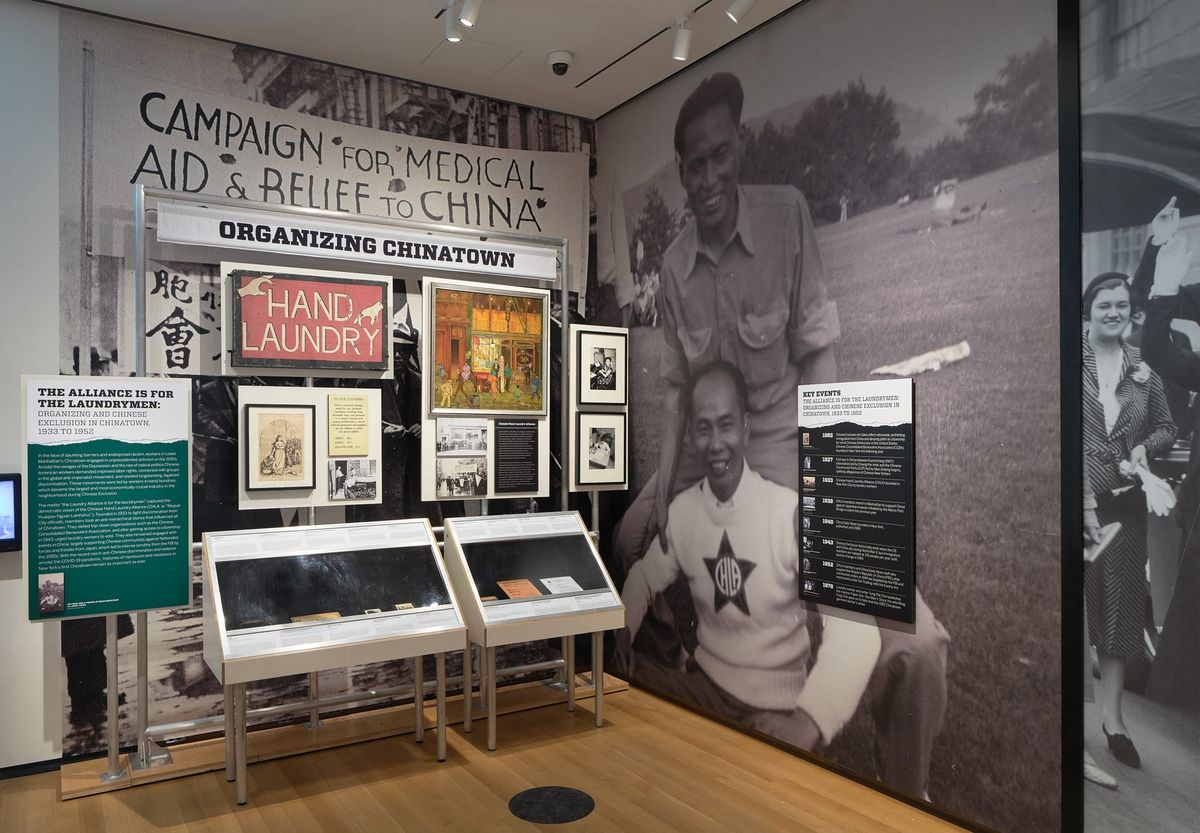
This fall, the Museum of the City of New York (MCNY) in East Harlem will open the Puffin Foundation Center for Social Activism, dedicated to civic engagement, social justice, and the city’s rich history as a hotbed of political organizing.
The center will replace the museum’s Puffin Foundation Gallery for Social Activism, which opened in 2012 and is home to the permanent rotating exhibition Activist New York. The namesake Puffin Foundation, a nonprofit founded by Perry Rosenstein that awards grants to artists and art organizations to tell the stories of marginalized groups, is funding the renovation and expansion with an $8 million donation, the second-largest in the museum’s history.
“We're talking about a long historical arc here,” Sarah Seidman, the museum’s curator of social activism, told Hyperallergic in an interview. “Activists in New York have mobilized around a range of issues at various moments in time, all along the political spectrum. The unique juxtaposition of a diverse range of so many people in a fairly small physical footprint has created a lot of moments of unity or clashing, and we try to cover both of those things.”
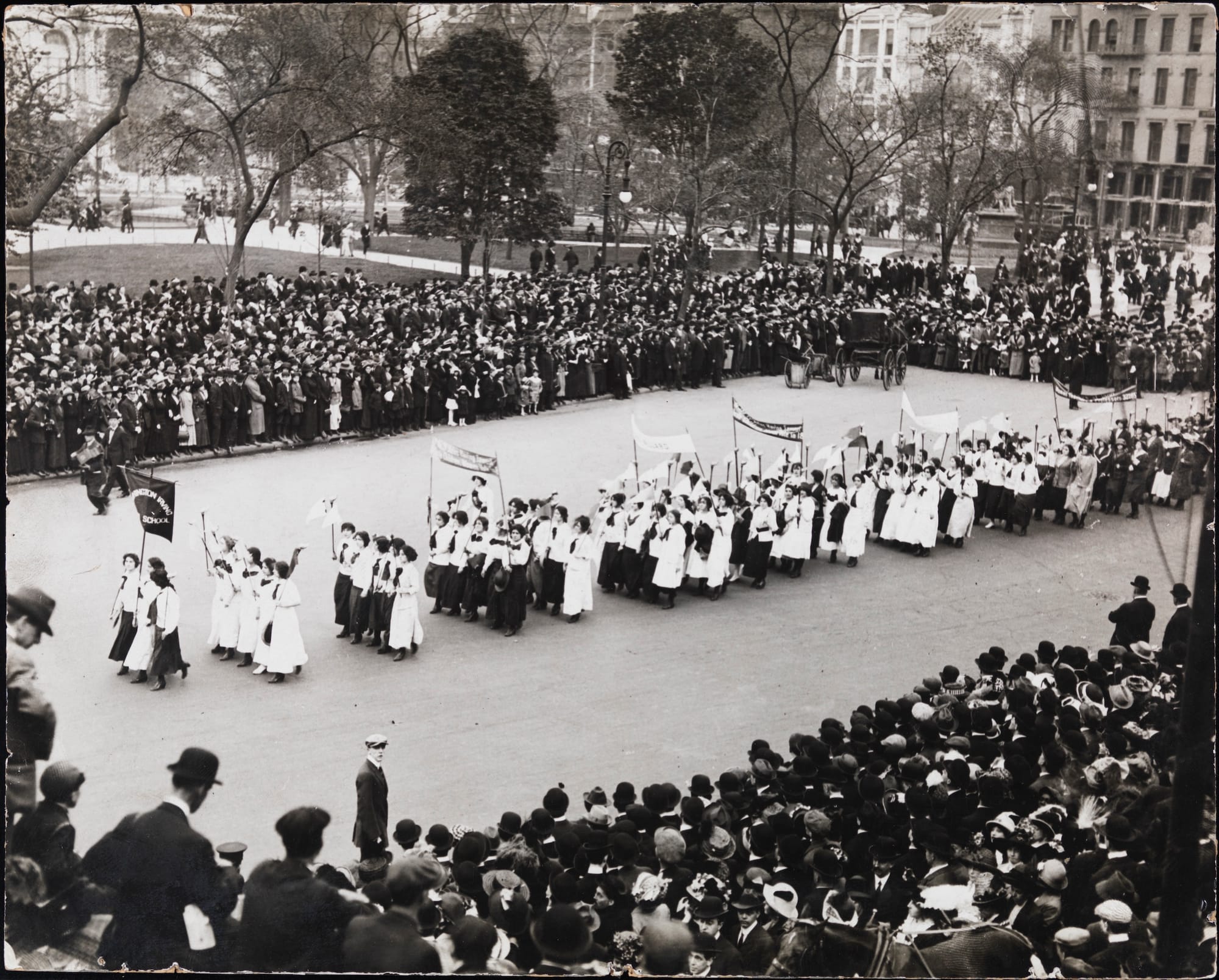
The foundation has also supported major exhibitions at the MCNY about workers’ rights, women’s suffrage, and Shirley Chisholm, the first Black woman elected to Congress and to seek the Democratic Party’s nomination for president.
The Puffin Foundation Center for Social Activism will debut with a new version of Activist New York, which will be installed during a brief closure of the gallery beginning July 19.
“It’s thrilling as a way to both go broader and include more pieces from more movements,” Seidman commented, noting that the exhibition is the institution’s “number one field trip” for schoolchildren.
Seidman explained that she curated the upcoming iteration of Activist New York based on artifacts in four categories: demonstrations, organizing, direct action, and art media. It is an approach she hopes will allow the museum to tell stories that stretch across the centuries, presenting activism as a connective thread in New York City history.
“We have a poster about Serbian refugees from World War I, juxtaposed with a poster from Amanda Phingbodhipakkiya, a contemporary Brooklyn-based artist who has work in our collection related to anti-Asian violence and harassment during the pandemic that she did as an artist in residence for the Human Rights Commission,” Seidman said.
The refreshed display will also include new interactive elements, such as a protest music listening station and a touchscreen where visitors can learn about graphics used by different political movements and even make their own digital posters.
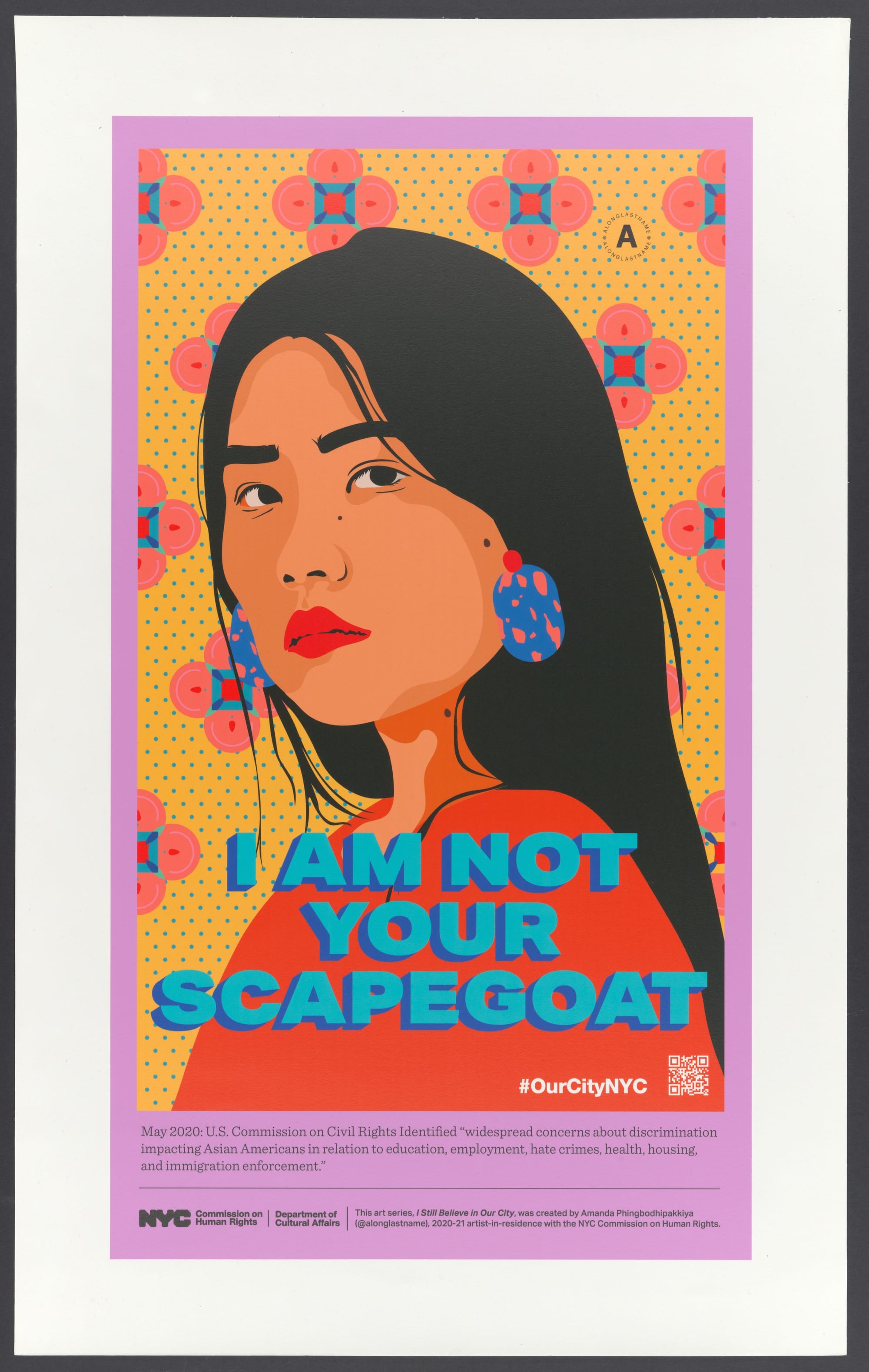
It will be accompanied by the center’s first temporary exhibition, Halumii Ktapihna: Lenape Legacies and Future, opening on September 25. The show marks the 400th anniversary of the “purchase” of Manhattan from its Indigenous inhabitants by Dutch colonist Peter Minuit by looking at both the history and contemporary lives and legacies of the city’s original Lenape/Lunáapeew communities.
The center plans to host six public events each year, including lectures, film screenings, book talks, and family programming. The donation from the Puffin Foundation will also fund an annual fellowship for the next 12 years.
MCNY’s expanded focus on activism and the history of diverse communities and underrepresented voices comes at a time when museums are feeling the pressure to avoid any association with a so-called “woke” agenda, or risk losing federal funding.
President Donald Trump is fighting to purge mentions of America’s history of slavery, racism, and discrimination from exhibitions and programming across the Smithsonian Institution. The Institute of Museum and Library Services has advised grant applicants to follow similar guidelines, citing several of Trump’s Executive Orders, including “Eradicating Anti-Christian Bias” and “Making Federal Architecture Beautiful Again.”
“We’re certainly aware of the moment we are all living through,” Seidman said. “We’re just continuing to do what we do, which is tell stories of a range of New Yorkers, of all ages and backgrounds and political persuasions.”