Guide
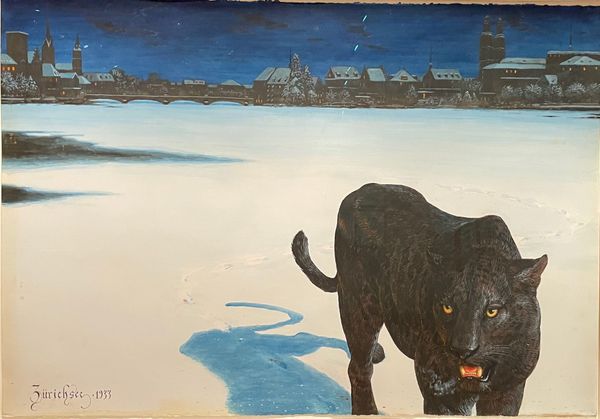
Seven Art Shows to See in NYC Right Now
From Eva Hesse’s spectacular sculptures to Walton Ford’s fantastic beasts, make sure to catch some of New York’s best shows this July.

Natalie Haddad is an art writer, historian and former editor at Hyperallergic. She holds a PhD in Art History, Theory and Criticism from the University of California San Diego and has written extensively on modern and contemporary art.
Guide
From Eva Hesse’s spectacular sculptures to Walton Ford’s fantastic beasts, make sure to catch some of New York’s best shows this July.
Art
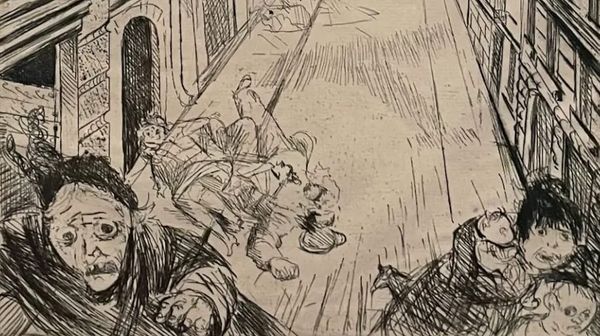
What Dix conveys so deftly is that terror and trauma are felt, not thought, and art about these experiences fails when it tries to make sense of things.
Interview
“My desires are pretty fluid and I openly embrace the different erotic subjectivities that inhabit my brain,” the artist said in an interview with Hyperallergic.
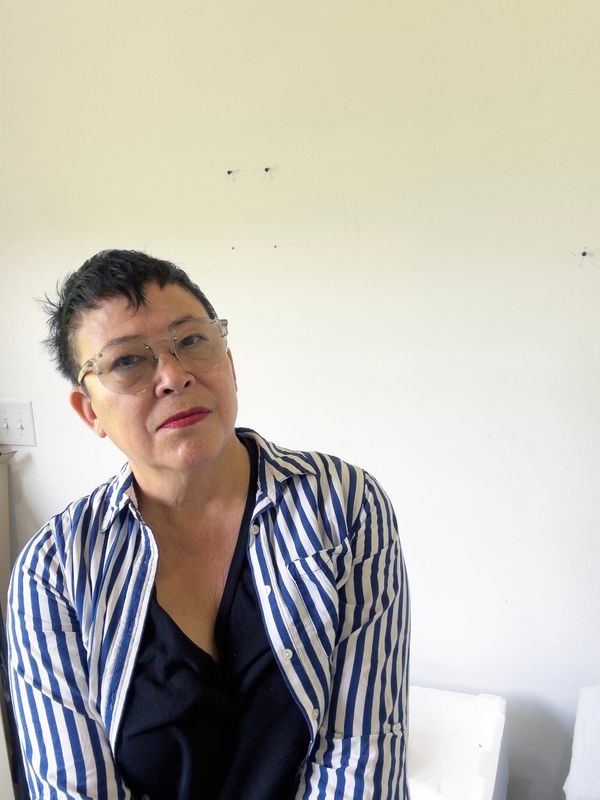
Interview
“For years I was an emerging artist and then it seemed like I couldn’t be called emerging anymore. Let’s hope we are all emerging, always,” the artist said.
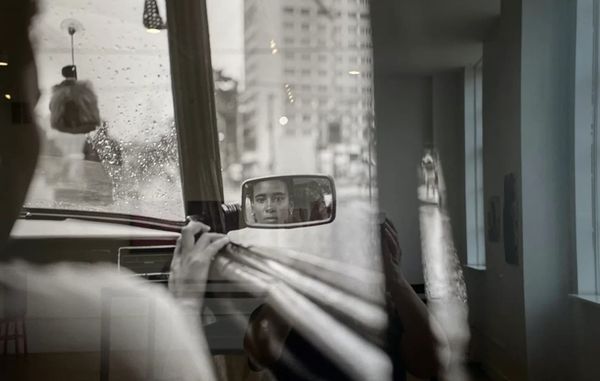
Art
With more than 180 artists, I’ll Be Your Mirror shows the depth and range of the city’s creativity as well as its diverse LGBTQ+ community.
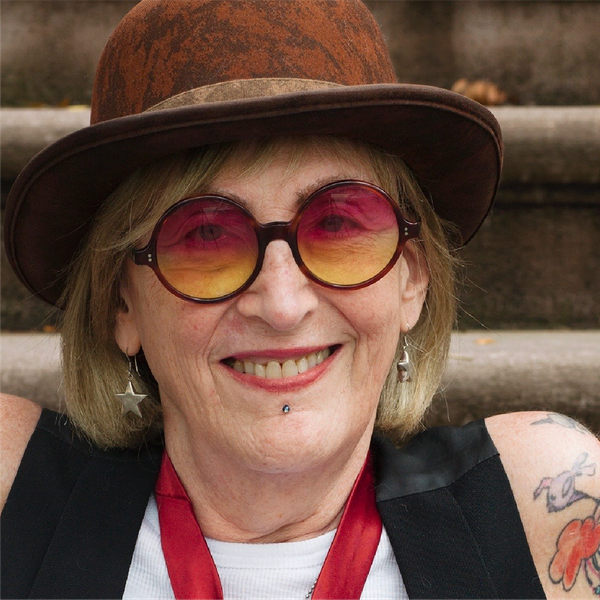
Interview
A freewheeling interview with the 76-year-old trans activist, artist, playwright, actor, and OG gender outlaw.
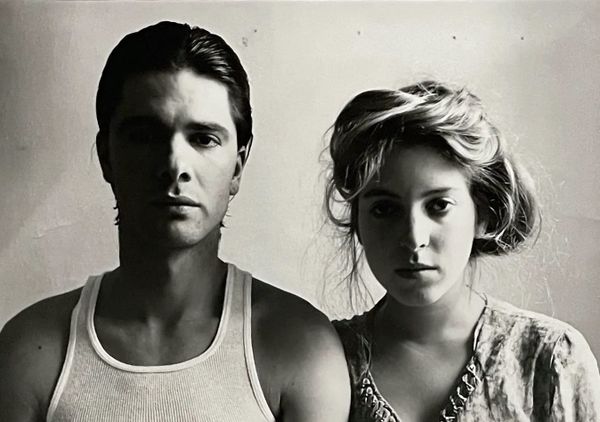
Art
A joint exhibition at London’s National Portrait Gallery makes clear the force of Francesca Woodman’s authorial voice and Julia Margaret Cameron’s radicality.
Music
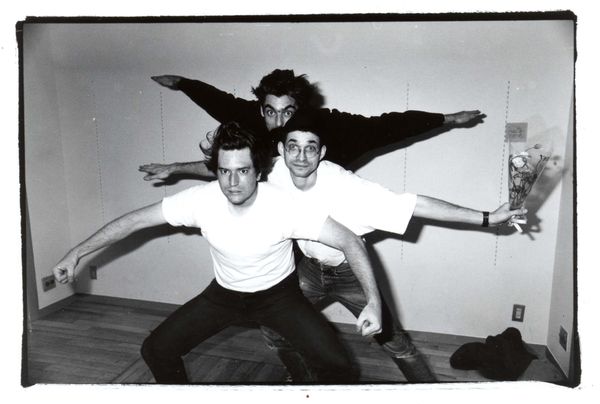
Albini may be best known for his work on Nirvana’s In Utero, but it was his own bands, Big Black and Shellac, that made him a badass.
Satire
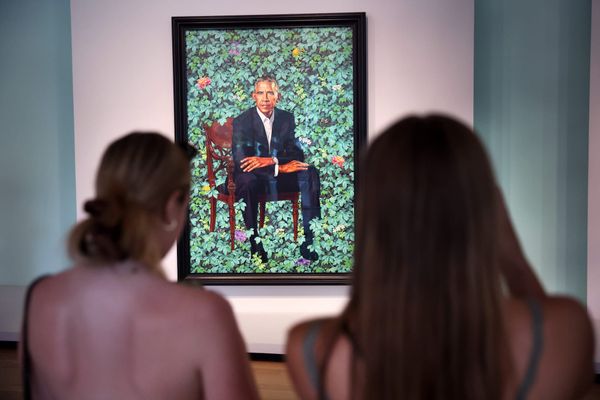
Art dealer Gloria McWhitey said she couldn’t believe minority groups were still disenfranchised, “even after all that money we spent on our Basel booth.”
Art
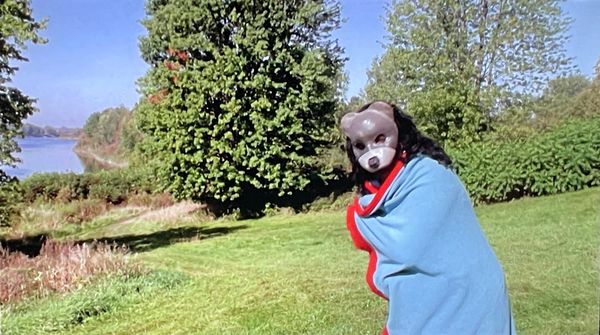
At the center of the acclaimed Abenaki filmmaker’s practice is her effort to counter White, colonialist versions of history.
Art
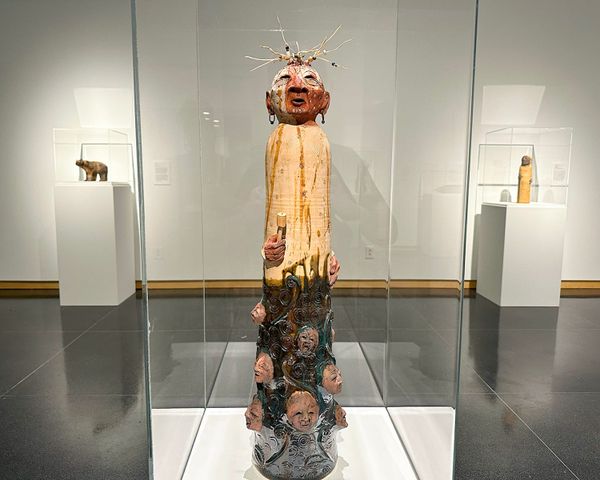
The Onondaga artist has a propensity for cultural criticism — especially on the issues affecting Haudenosaunee and other Indigenous peoples, past and present.
Art
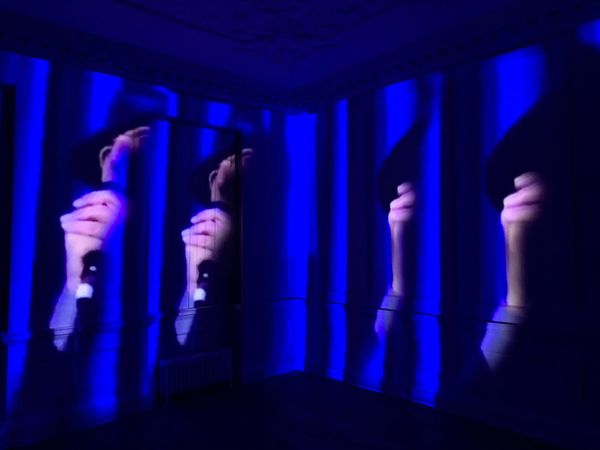
Her posthumous exhibition Aye! makes space for gaps in understanding and sonic vibrations to cultivate cosmic wonder.