Interview
The Exposed Nerves of Kim Jones’s Art
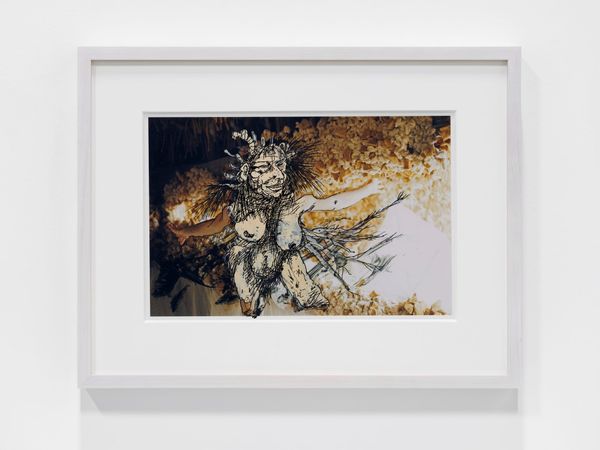
“My drawings were always kind of grim and dark, and leaning toward the nasty part of art, whatever you want to call it,” Jones explains in an interview with Hyperallergic.

Natalie Haddad is an art writer, historian and former editor at Hyperallergic. She holds a PhD in Art History, Theory and Criticism from the University of California San Diego and has written extensively on modern and contemporary art.

Interview
“My drawings were always kind of grim and dark, and leaning toward the nasty part of art, whatever you want to call it,” Jones explains in an interview with Hyperallergic.
Art
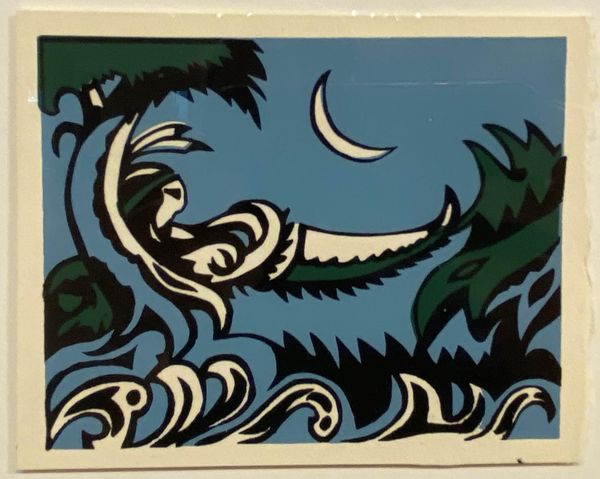
Launched in 1962, the Micmac Indian Craftsmen collective designed notecards, tapestries, porcelain, and other objects that gained a worldwide audience.
Art
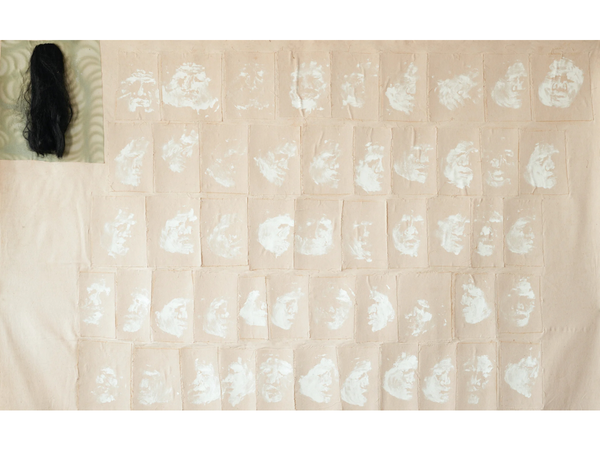
Once Carlos Villa and Leo Valledor recognized that they could never fully assimilate into mainstream America, they set out on their own paths.
Art
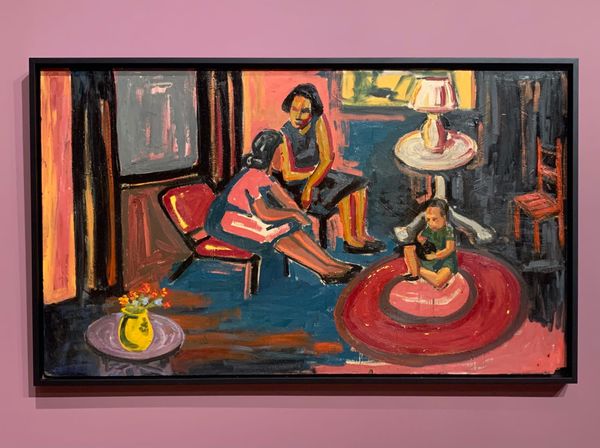
When White-dominated arts institutions would not offer them opportunities, Robert L. Douglas and other Louisville Black artists organized together to create their own art communities.
Books
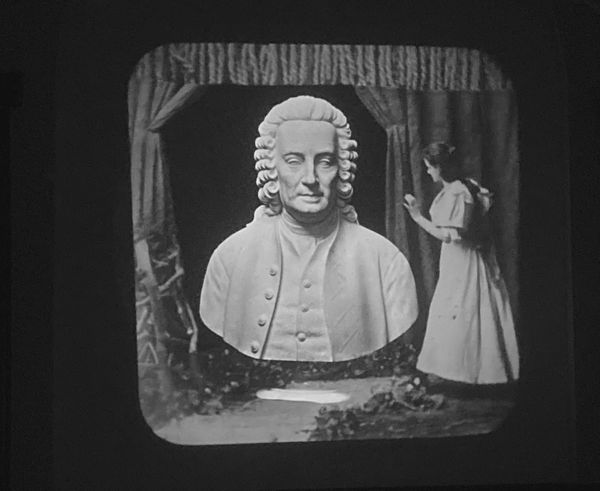
The texts in Chloe Aridjis’s new collection of stories and essays unspool not via chronological order, but through the strange rationality of dreams.
Art
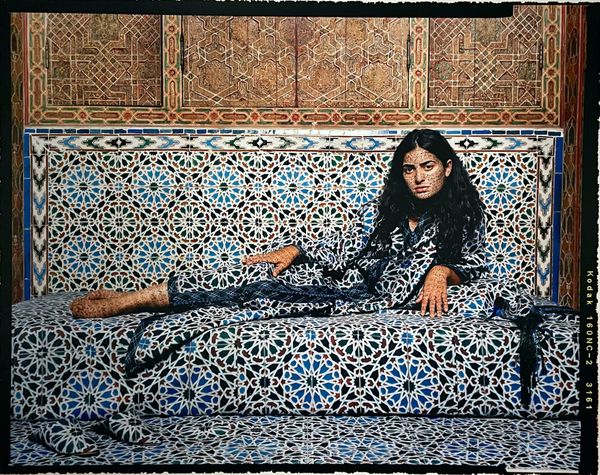
The exhibition Women Defining Women at LACMA suffers from poorly defined parameters and a weak understanding of its own premise.
Books
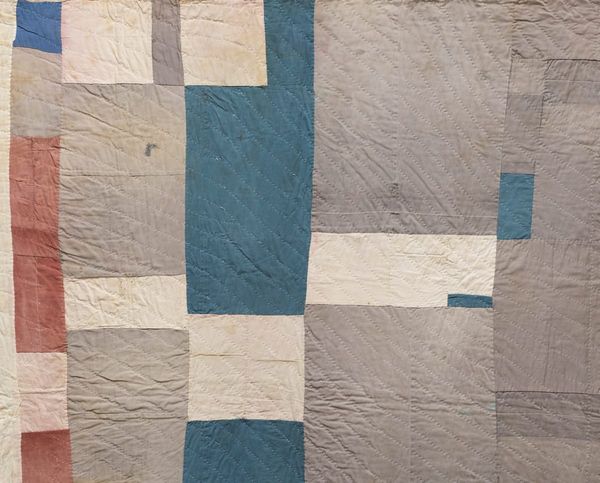
Stitching Love and Loss narrates the history of the Pettway family, the community of Gee’s Bend, and the entwined tragedies of slavery and Indigenous dispossession.
Art
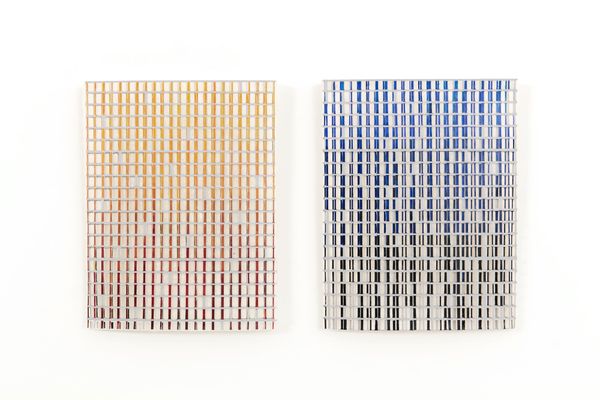
Lackey’s “cut paintings” bring to the forefront the often invisible or rarely acknowledged experiences of connection.
Art
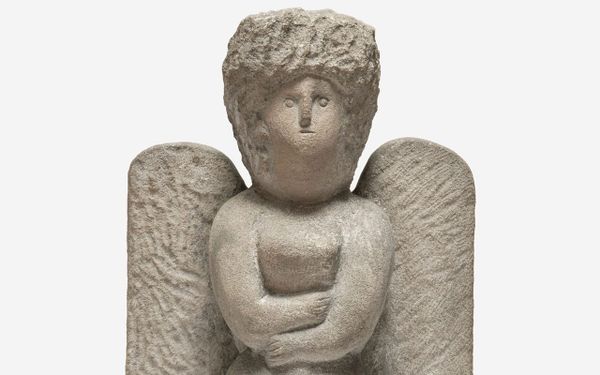
The self-taught artist, who carved gravestones for a living, is finally receiving institutional recognition.
Art
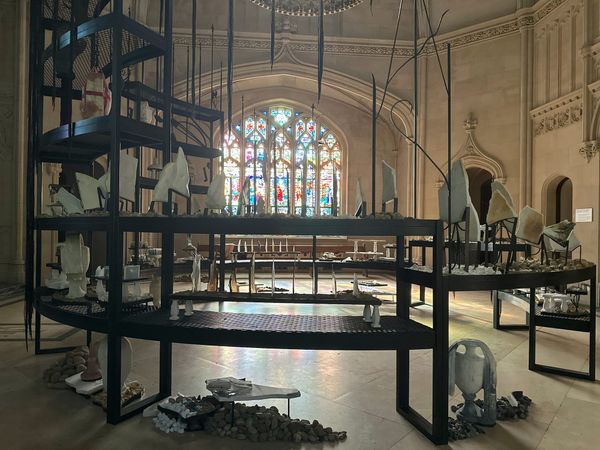
The lots at the cemetery’s perimeter are marginal sites for people who, very likely, were marginalized during their lives.

Art
The glitch, perhaps, is that we thought technology, the earth, and the spirit were all separate things when really they all glide together.
Art
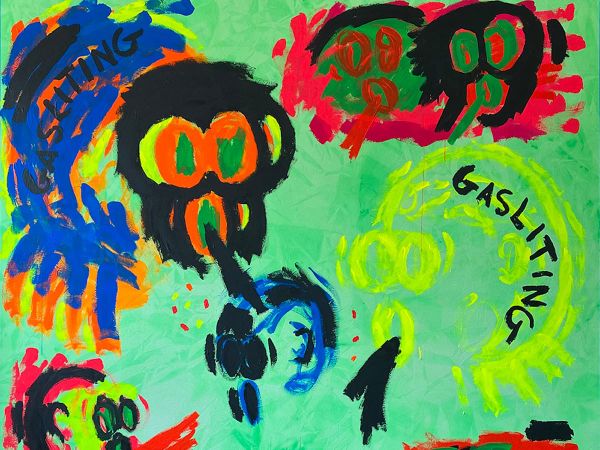
Bernstein’s latest works are beset with a deathlike quality rarely seen in her earlier pieces, even ones that directly addressed death in war or genocide.