Art
The Everyday Politics of Conceptual Art
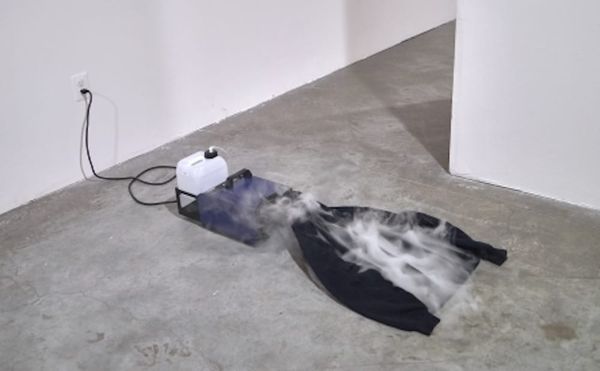
While Michael E. Smith’s sculptures and installations draw on conceptual art, his practice centers on the objects he uses, and the messy details of life.

Natalie Haddad is an art writer, historian and former editor at Hyperallergic. She holds a PhD in Art History, Theory and Criticism from the University of California San Diego and has written extensively on modern and contemporary art.

Art
While Michael E. Smith’s sculptures and installations draw on conceptual art, his practice centers on the objects he uses, and the messy details of life.
Art
Aldrich brings a rich sense of materiality to a practice founded on the gap between images and language.
Art
For fans of Kelley and Shaw, Michigan Stories is a kind of origin story, a way to decipher the work of two multifaceted and prolific artists.
Art
The exhibition is strongest conceptually when the curators focus on the artist collectives that sought a new social and cosmic order through art.
Art
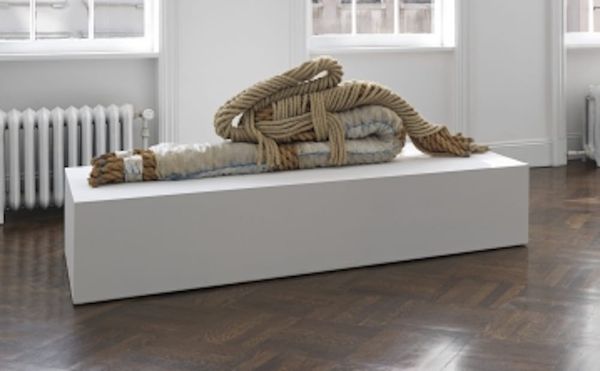
Grossen's rope sculptures complicate the boundary between art and craft in a productive way.

Art
There may be no artist in America better equipped to express the perversity of the Trump administration than Bernstein.

Art
Ephemera provides an important history lesson, especially for a war that is disappearing from America’s collective memory, but the most affective works in World War I and the Visual Arts are those that convey the pathos of the war experience.

Art
Flint Water Project politicizes the readymade, positing the bottles as symbols of gross negligence and misconduct on the part of city and state officials, and the dire consequences.

Art
The talent and tumult of Richard Gerstl’s work beg the question of what would have been had he not ended his life.

Art
Rama's paintings confront us with empowered female sexuality and insanity.
Art
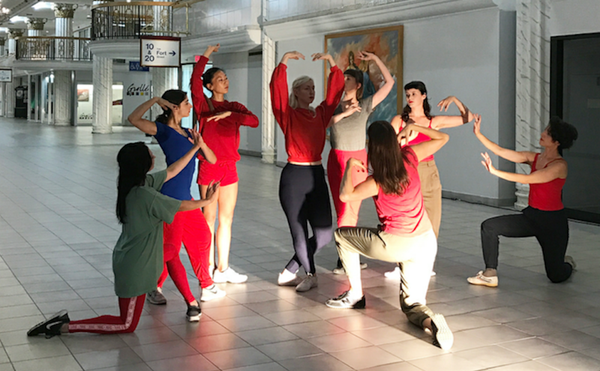
At Winnipeg's Plug In Institute of Contemporary Art, art acts as a kind of magnifying glass, exposing the city's unconventional and, at times, undesirable aspects.
Art
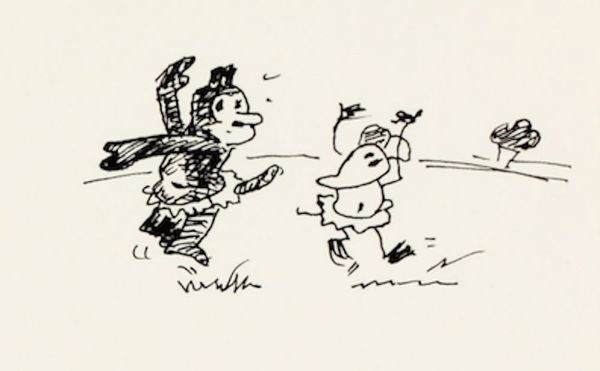
The artist’s presence in her current one-woman survey at Gavin Brown's Enterprise is like a ghost in the machine.