Bad Bunny Makes Meme History
How the "Benito Bowl" took on a second life in the digital realm, Israel's artwashing at the Venice Biennale, an art history of liminalism, and shows to see in NYC.

If you've had Bad Bunny's "NUEVAYoL" playing on loop in your brain, if you've pledged to call the Super Bowl "el Super Tazón" for the rest of your life, if you're considering swapping out all the mid-century furniture in your apartment for white plastic chairs, if you don't even known which football teams played on Sunday night ... then you might be one of millions of people who were moved, transfixed, and inspired by the Puerto Rican singer's historic half-time performance.
Today, we explore how the show took on a second life online, in the form of myriad memes that pulse with joy and resistance. Against the backdrop of Trump's violent crackdown on people from Latin America and the Caribbean, particularly immigrants and people of color, Bad Bunny's beautiful tribute to the region and its culture makes fascism look no less dangerous — but much more boring and uninspiring, and definitely lacking sazón.
—Valentina Di Liscia, senior editor
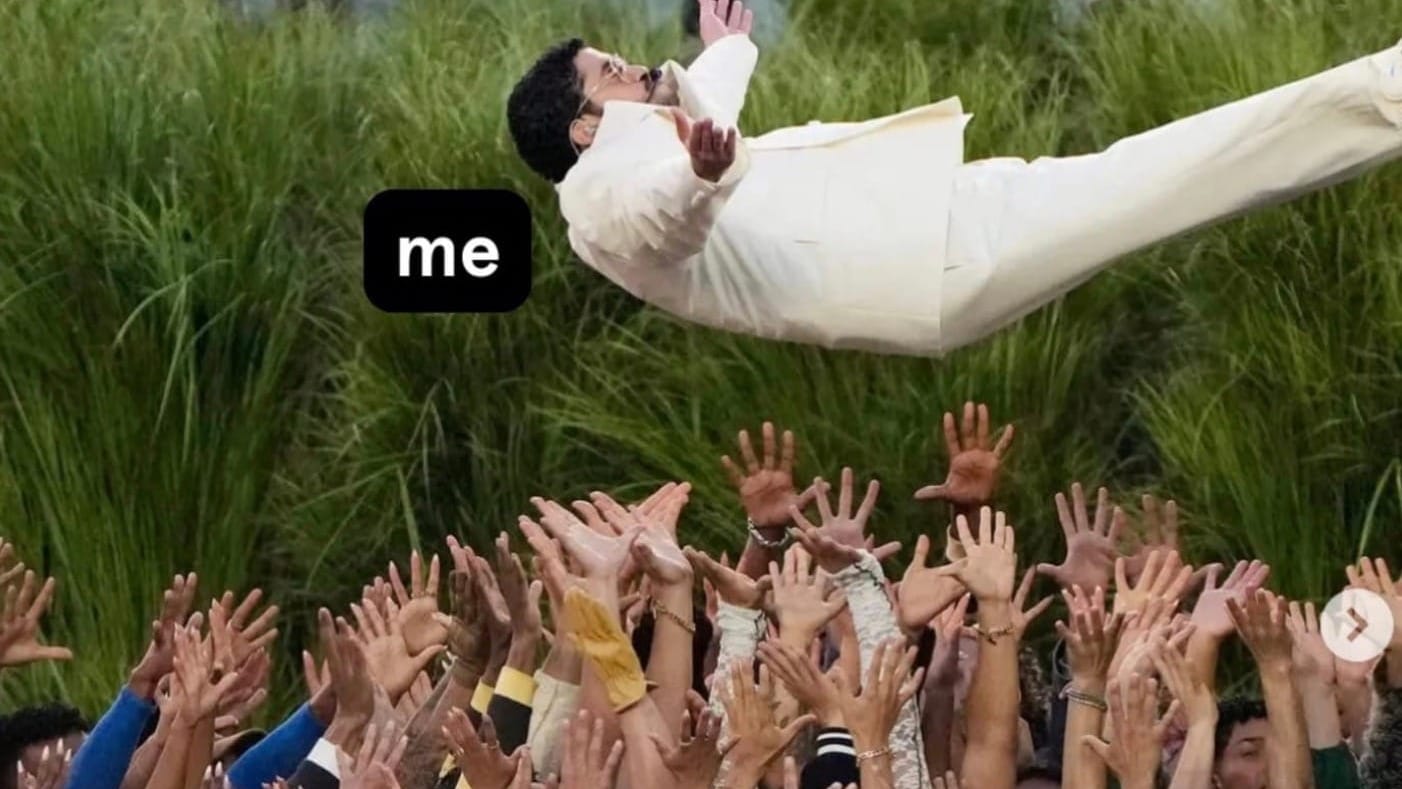
Bad Bunny’s “Benito Bowl” Enters the Meme Canon
With endless references to Puerto Rico's cultural landscape and Latine and Caribbean pride and symbolism, Bad Bunny's Super Bowl performance was primed for meme-ing, Staff Writer Rhea Nayyar argues. The mostly-Spanish show was marked by surprises, like unexpected cameos (such as Lady Gaga, now forever known as "Leidy Gaga") and sugarcane plants that turned out to be people in grassy costumes — which, as Nayyar predicts, we can expect to see again come October ...
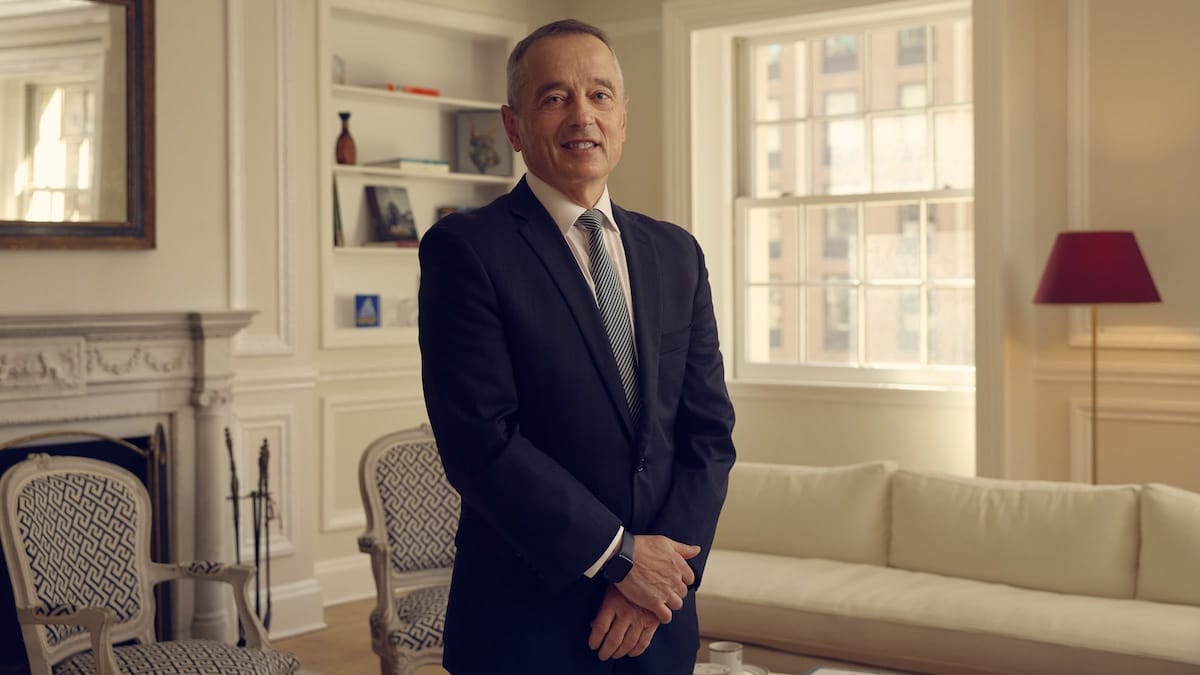
Matthew Bogdanos Awarded Marica Vilcek Prize in Art History for Repatriation of Stolen Artifacts
The leader of the Manhattan DA’s Antiquities Trafficking Unit is acknowledged for his lifelong dedication to recovering and safeguarding looted antiquities.
Opinion
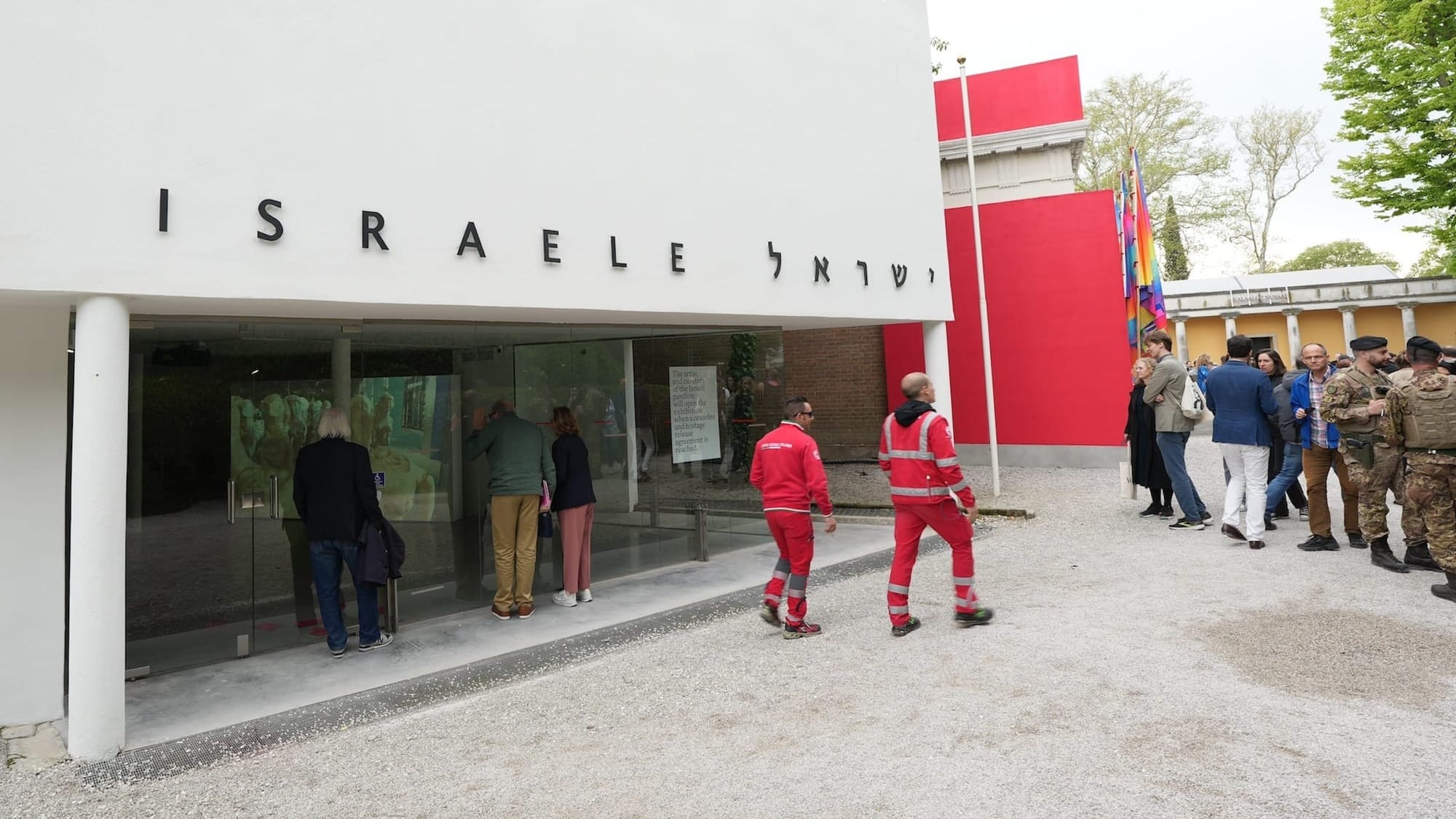
Israel's Plan to Artwash Genocide at the Venice Biennale
Israel has strategically used its Venice Biennale pavilion to legitimize unspeakable violence against Palestinians, and this year's edition will be no exception, Adam Broomberg warns. “Art here no longer operates even symbolically as a cover; it functions as a procedural mechanism, carried out through an artist selected for compliance rather than merit,” Broomberg writes. “Israel’s participation in this year’s Venice Biennale has thus been reduced to a single objective: to insist on visibility at any cost, asserting presence in defiance of a boycott.”
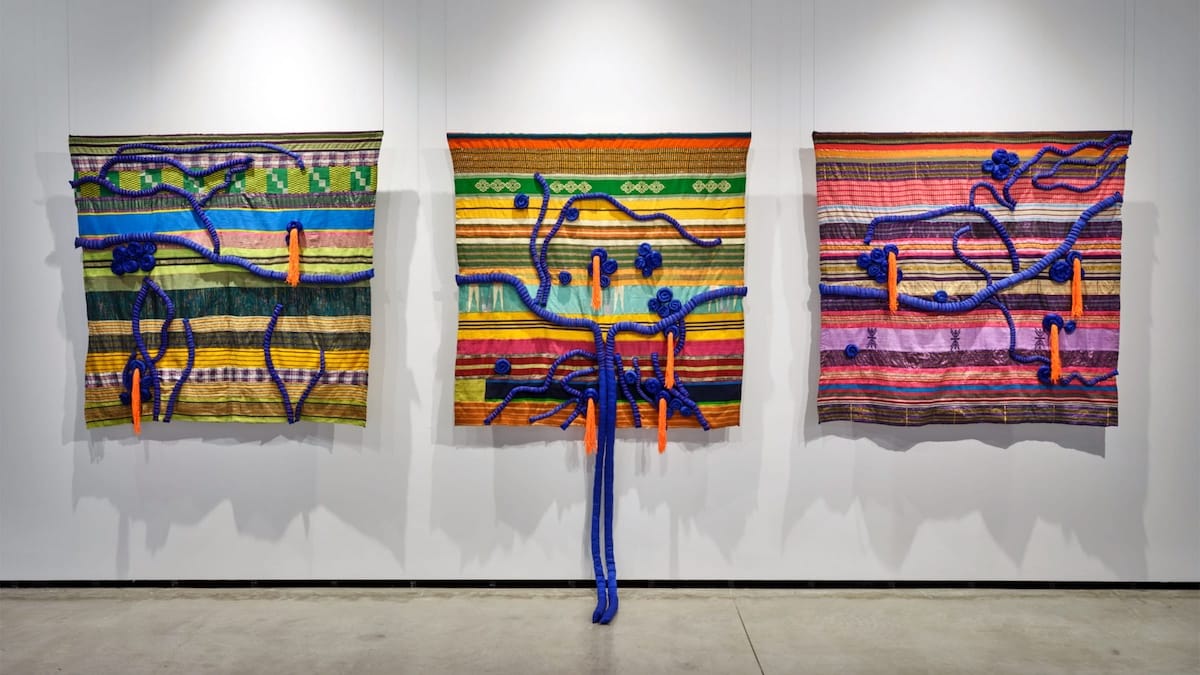
Interdisciplinary Graduate Programs at SFU’s School for the Contemporary Arts
Transform your art practice with access to internationally-recognized faculty and state-of-the-art facilities in downtown Vancouver. MFA and MA applications are accepted through February 15.
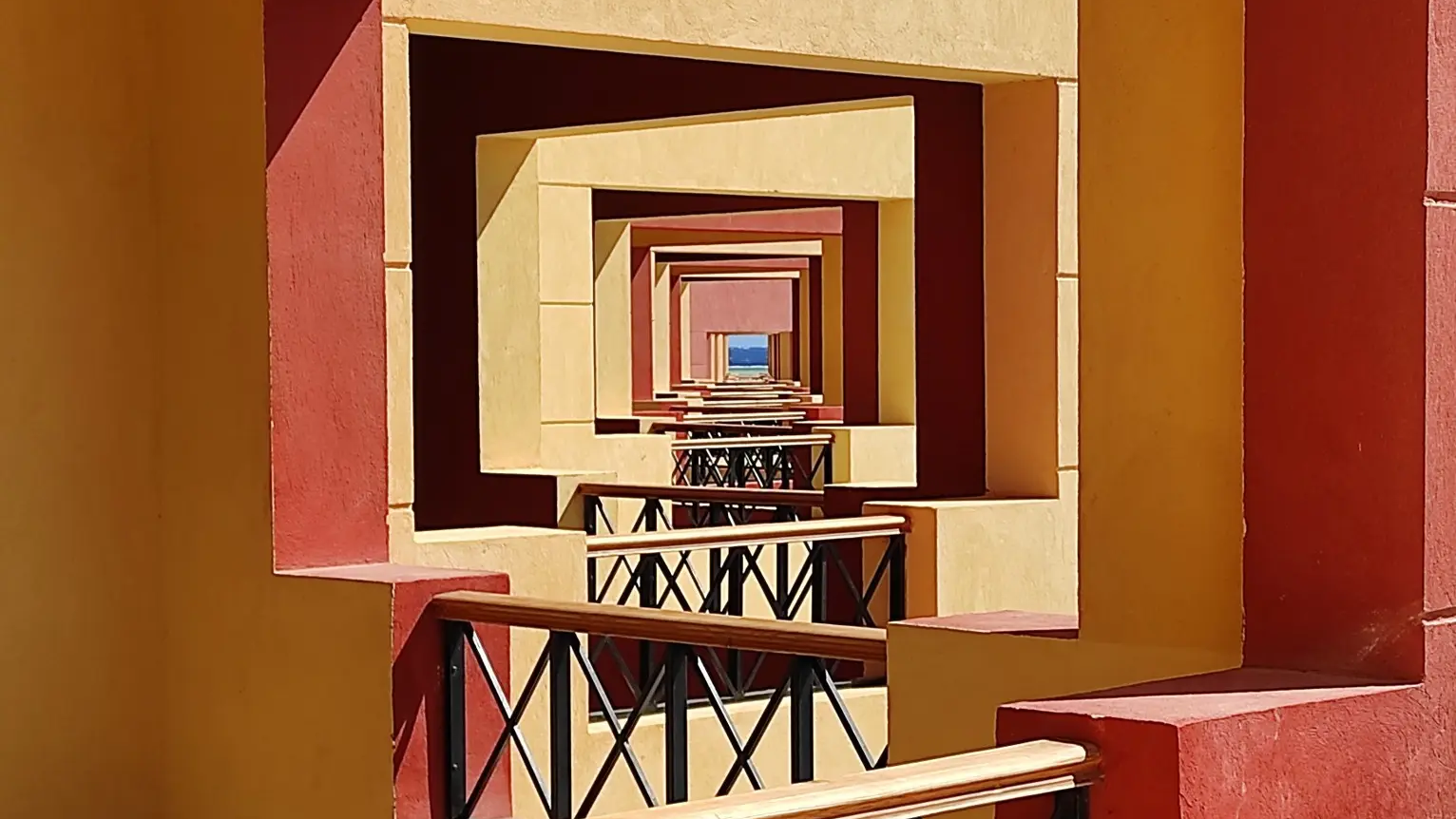
How Liminalism Became the Defining Aesthetic of Our Time
Abandoned malls, vacant airports, office floors after hours: These are some of the images that evoke "liminality," the internet aesthetic of uncanny, in-between spaces. To our screen-weary eyes, there's something irresistible about these snapshots of late-stage capitalism, writes Ed Simon: “The placelessness of Liminalism — these spaces could notably be anywhere — flattens experience in the same way that digital homogenization obliterates distance. Anonymity, alienation, and anxiety are now the bywords of our age, and Liminalism is the ultimate expression of that trinity."
From Our Critics
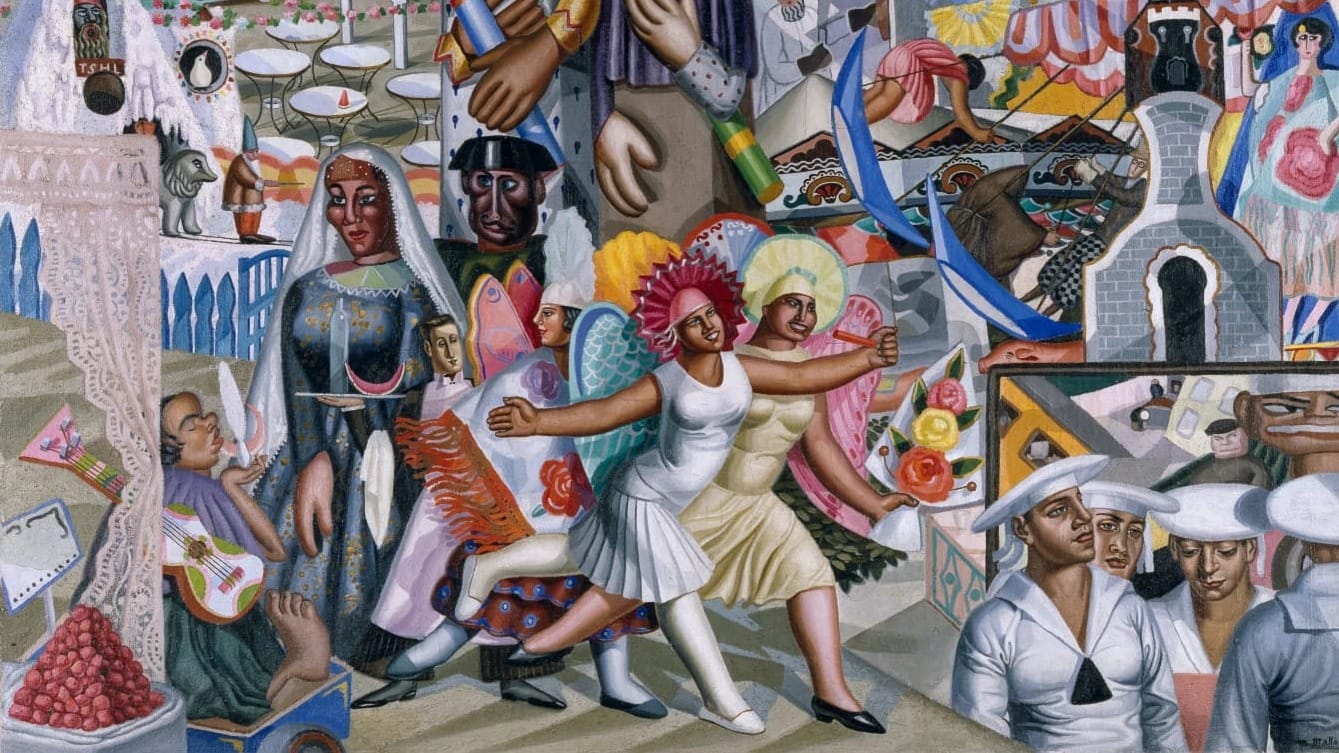
Spain’s Cosmic Mother of Modernism
Maruja Mallo viewed herself as an extension of her modernist paintings, in which female energy is a conduit for natural and even otherworldly forces. | Lauren Moya Ford
Art Guide
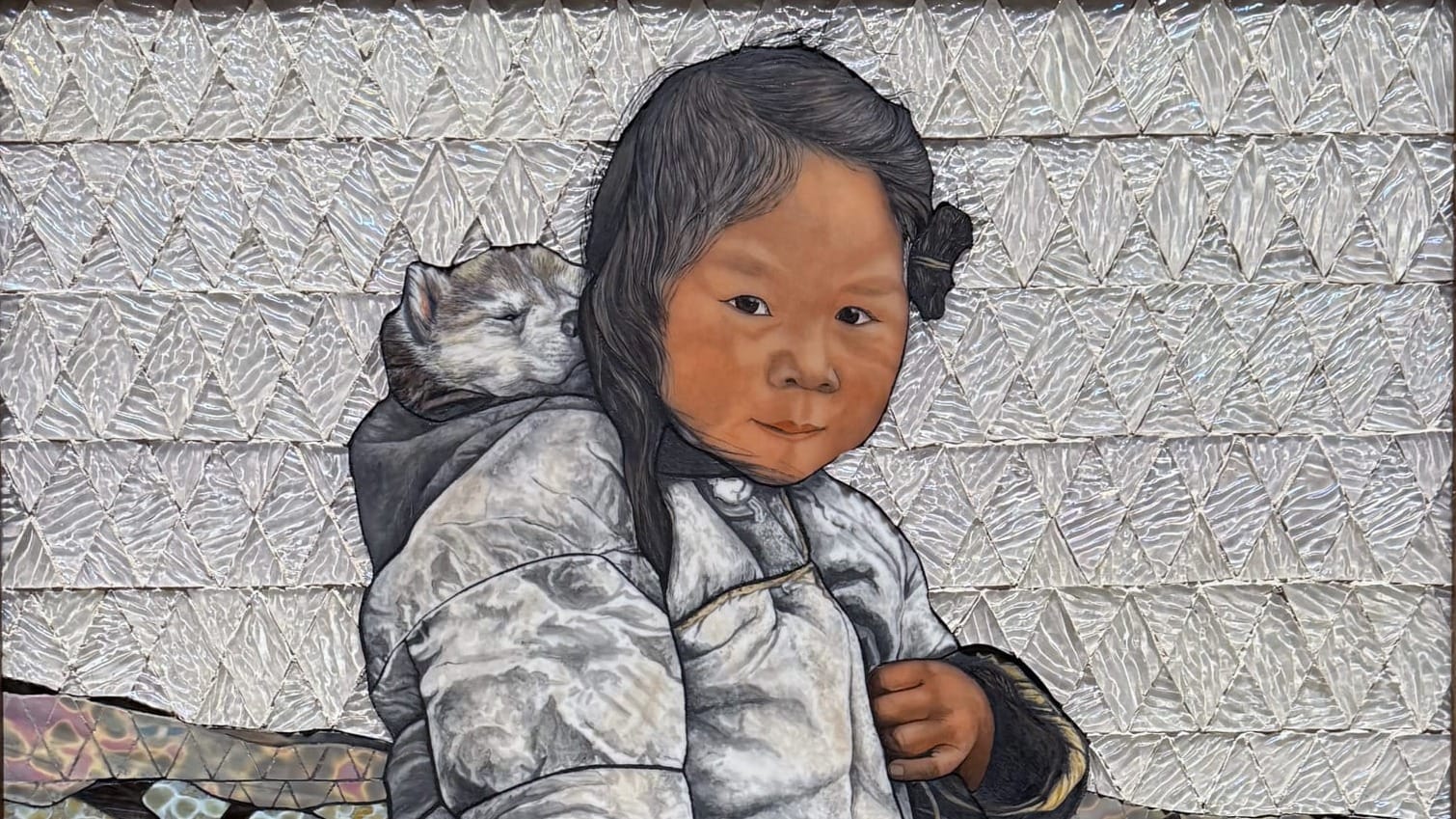
Five Shows to See in New York City Right Now
This week's standout exhibitions in New York City ground us firmly in land and place, in the here and now. Our recommendations include Francisco Goya's visions of war at the Hispanic Society, Alison Nguyen at the Storefront for Art & Architecture, Indigenous artistry in every medium, and three millennia of storytelling at the Morgan Library & Museum.
Member Comment
Christopher Pelham on “Epstein Files Expose the Depths of the Art World's Rot” by Hrag Vartanian:
Commenting privileges are reserved for paid members. Join us today!
From the Archive
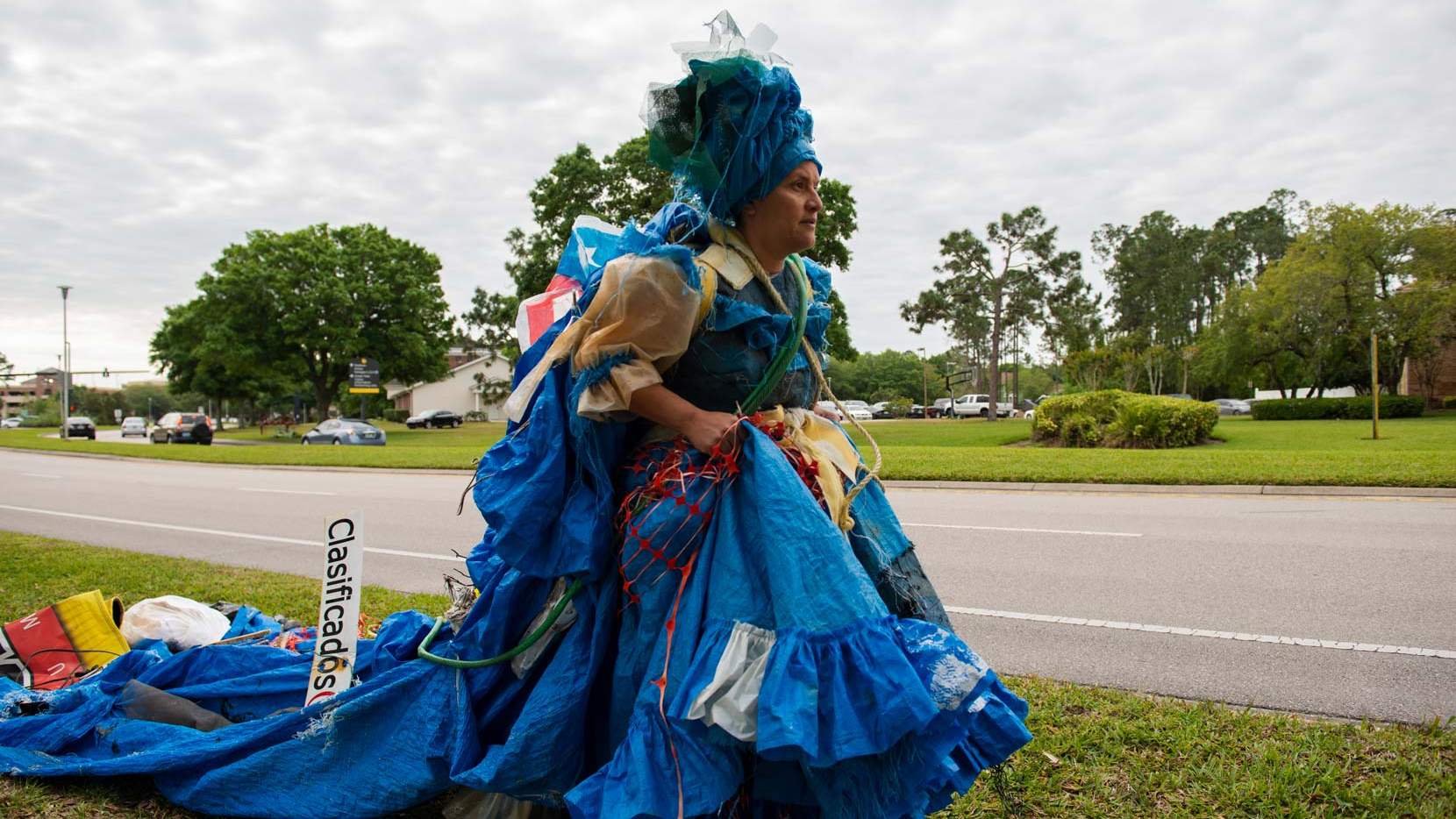
A Visual Archive of Diasporican Liberation
A new book pulses with artistic forms by Puerto Rican artists born of necessity, urgency, collaboration, and activism. | Alicia Grullón