
Becoming Caravaggio
Mass layoffs at the MFA Boston, the Newark Museum of Art gets a new director, and why we can never get enough of Caravaggio.

Last week, I called John Marciari, curator of the Morgan Library & Museum’s new exhibition on Caravaggio’s masterpiece “The Boy with a Basket of Fruit” (c. 1593), from my living room. It was the eve of a massive winter snowstorm, and I was looking glumly out the window, which, in true New York fashion, faces only other apartments.
Marciari brought me to a very different place: the luxurious, languid heat of late-summer Rome, in one of the final years of the 16th century. There, an ordinary boy has been made to hold a heavy basket of fruit for far longer than he’d like in a hot, airless studio, and a young, unknown painter is on the precipice of greatness.
In our interview, Marciari fills me in on the life and influence of this — shall we say, colorful character; Rome’s burgeoning and surprisingly modern gallery system (think 1960s New York); and what it’s like to essentially live with a Caravaggio. No fair.
—Lisa Yin Zhang, associate editor
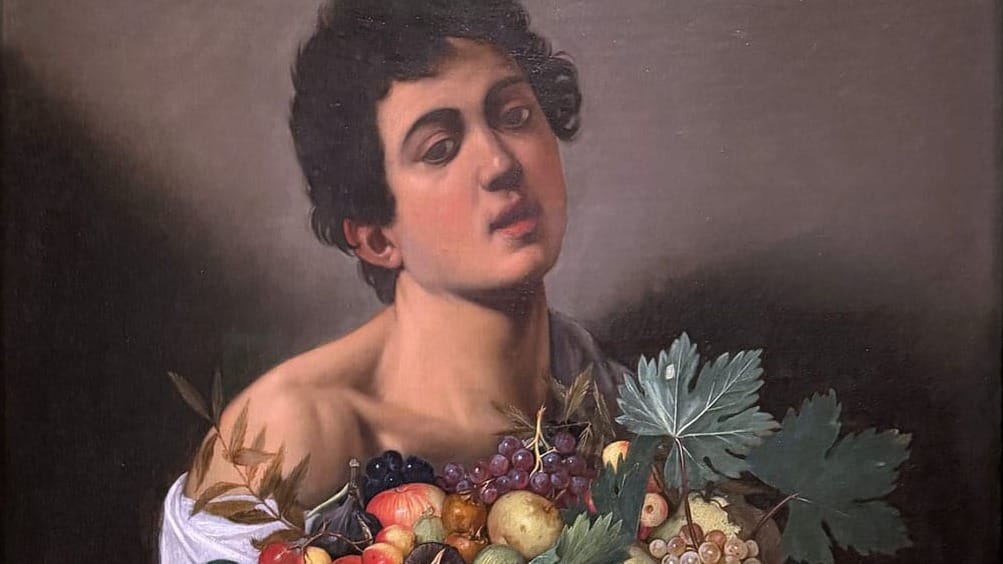
The Moment Caravaggio Became Caravaggio
Even an Old Master was young once. A Morgan Library exhibition about Caravaggio’s “Boy with a Basket of Fruit” is a portrait of an artist as a young man — ambitious, talented, and maybe a little petty. “He’s not a perfect artist yet,” curator Marciari told me. But this work is the first in a sequence tracing the arc of an unknown provincial painter's transformation into one of the undisputed giants of Western art history.

Request for Proposals: Operator for the Harlem African Burial Ground Cultural Education Center
Learn about this opportunity to develop a cultural education center at the historic East Harlem site during informational sessions in January and February.
News
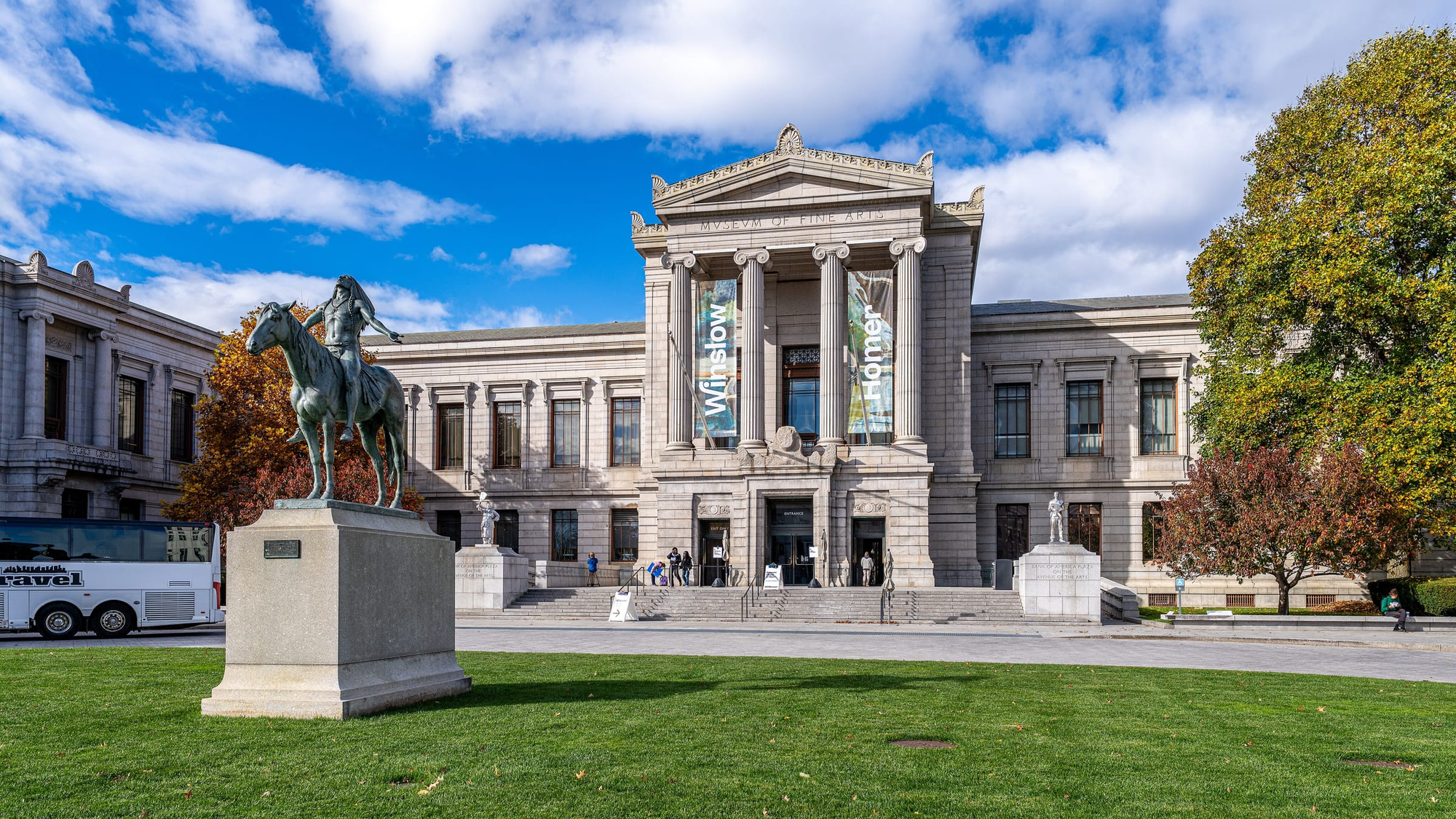
- The Museum of Fine Arts (MFA) Boston lays off 33 workers, a 6.3% staff reduction, citing a $13 million projected deficit. A union representative said the unit is “deeply concerned” about the impact of the staff cuts on affected and remaining workers.
- The Newark Museum of Art names Lisa Funderburke as its new leader. She joins New Jersey's largest fine art museum after nine years at the helm of the Artist Communities Alliance.
From Our Critics
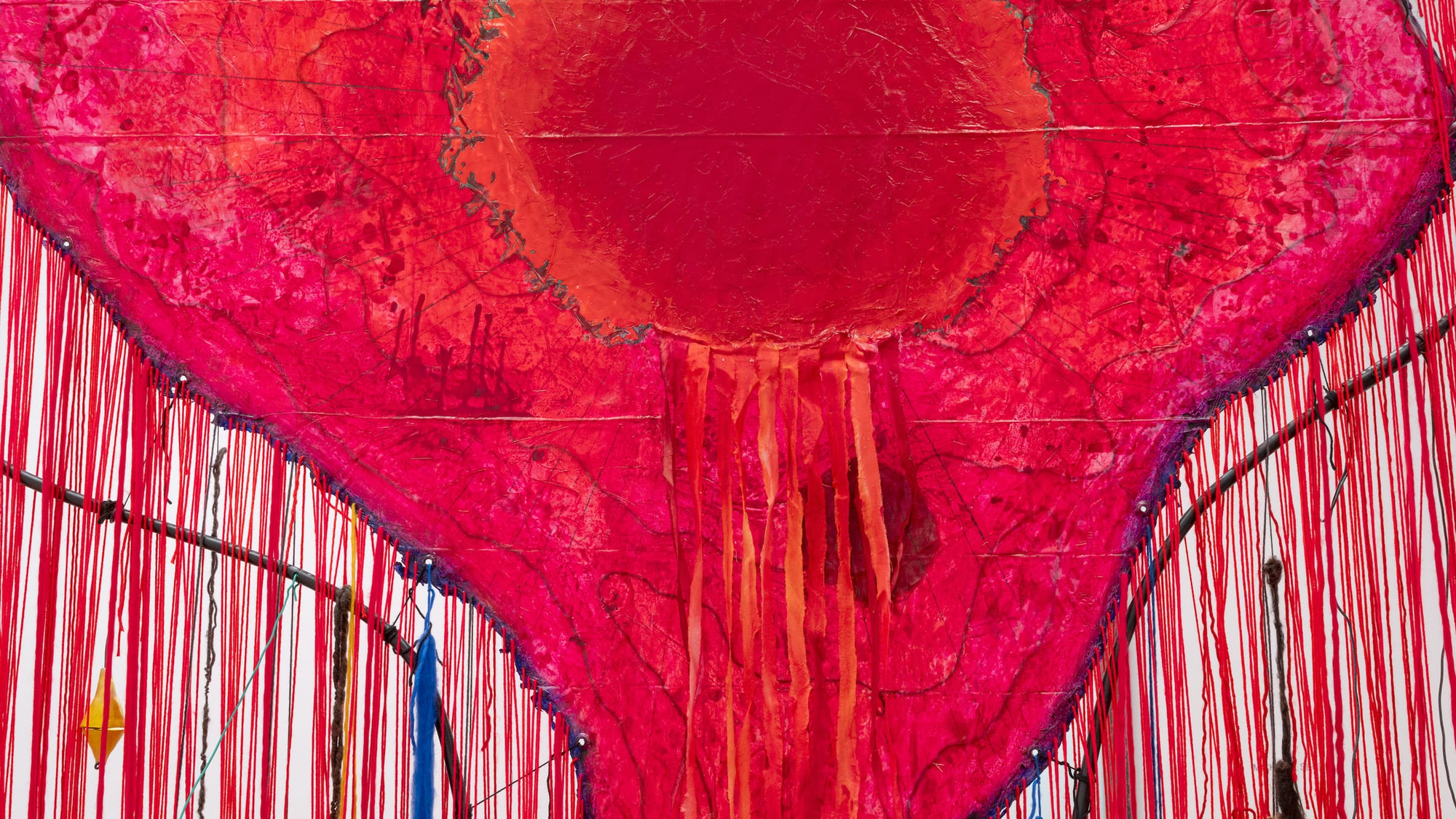
Michelle Segre’s Impermanent Worlds
By remaining open to time and its effects, Segre’s art defies the idea of permanence often associated with both sculpture and empire. | John Yau
Member Comment
Laurie Phillips on Sheila Dickinson's "For Dyani White Hawk, Love Is an Act of Resistance":
Commenting privileges are reserved for paid members. Join us today!
Community
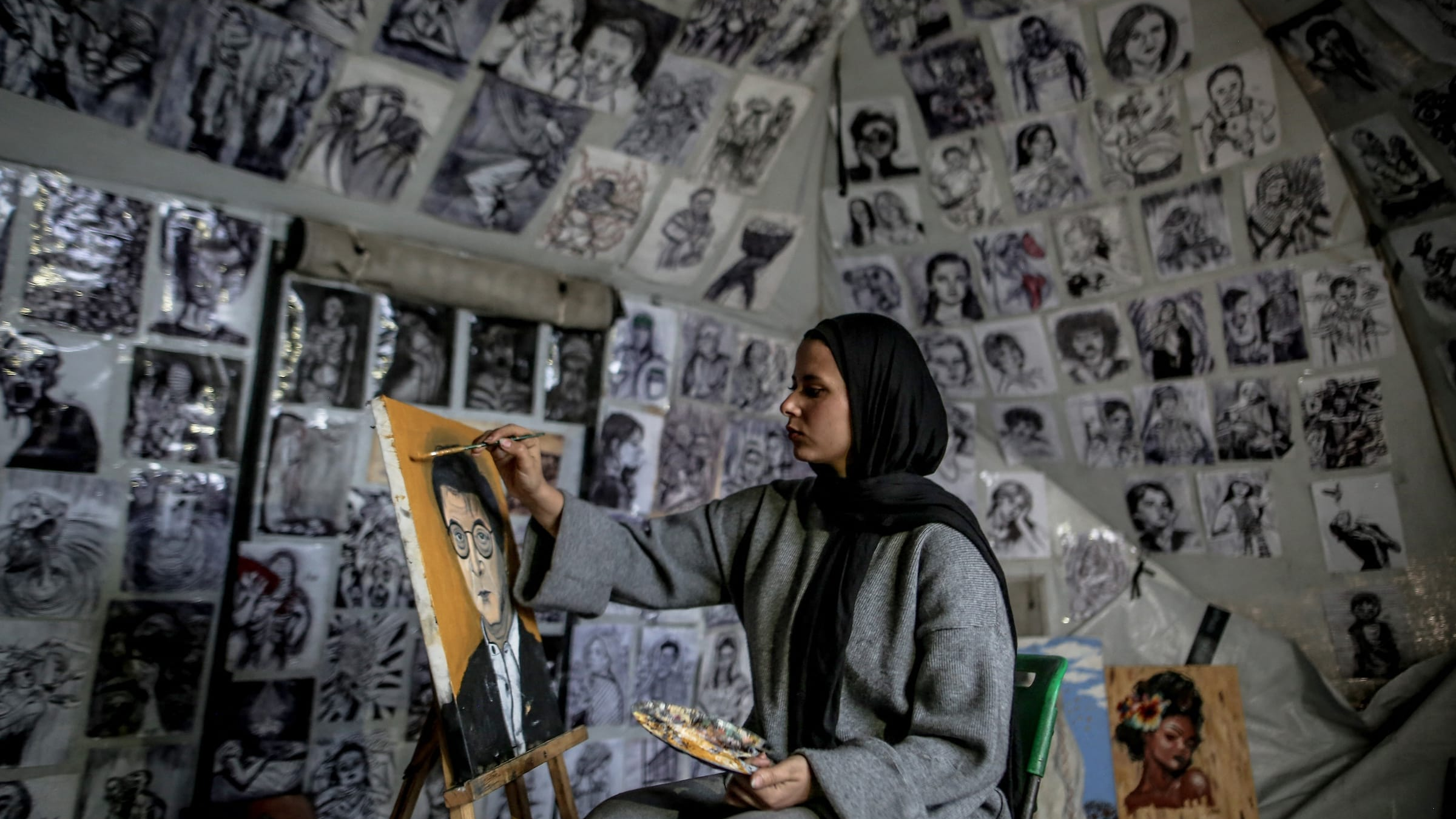
Required Reading
An 18-year-old painter in Gaza, Zohran’s documentarian, anti-ICE art sleds in Minnesota, the brilliance of “Heated Rivalry,” hidden reggaetón history, and more links from around the internet.
Art Movements: The Brooklyn Museum's New Top Contemporary Art Curator
Robert Wiesenberger is the Brooklyn Museum’s new senior curator. Plus, the Newark Museum, Grey Art Museum, and the Clark Art Institute get new directors.
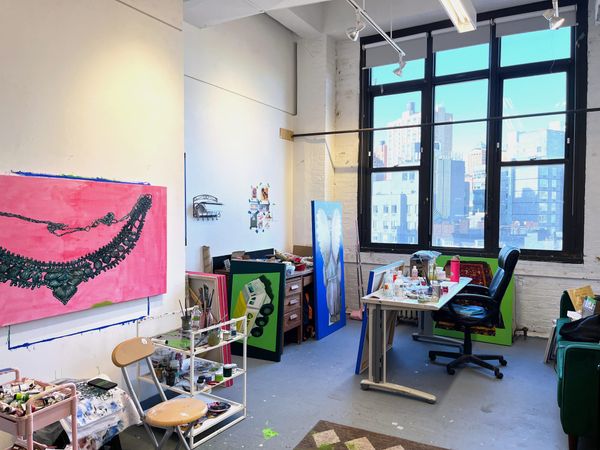
A View From the Easel
This week, Sasha Lynn Roberts watches the sunrise as she paints in Pupukea, Hawaii, and Arleene Correa Valencia watches the sunset as she embroider canvas in Napa, California. Your studio could be next!

.jpg?ref=hyperallergic.com)