Detroit Institute of Arts Reinstalls African American Galleries at the Heart of the Museum
African American art history has often been underrepresented. “Reimagine African American Art” invites visitors to discover transformative works across two centuries.

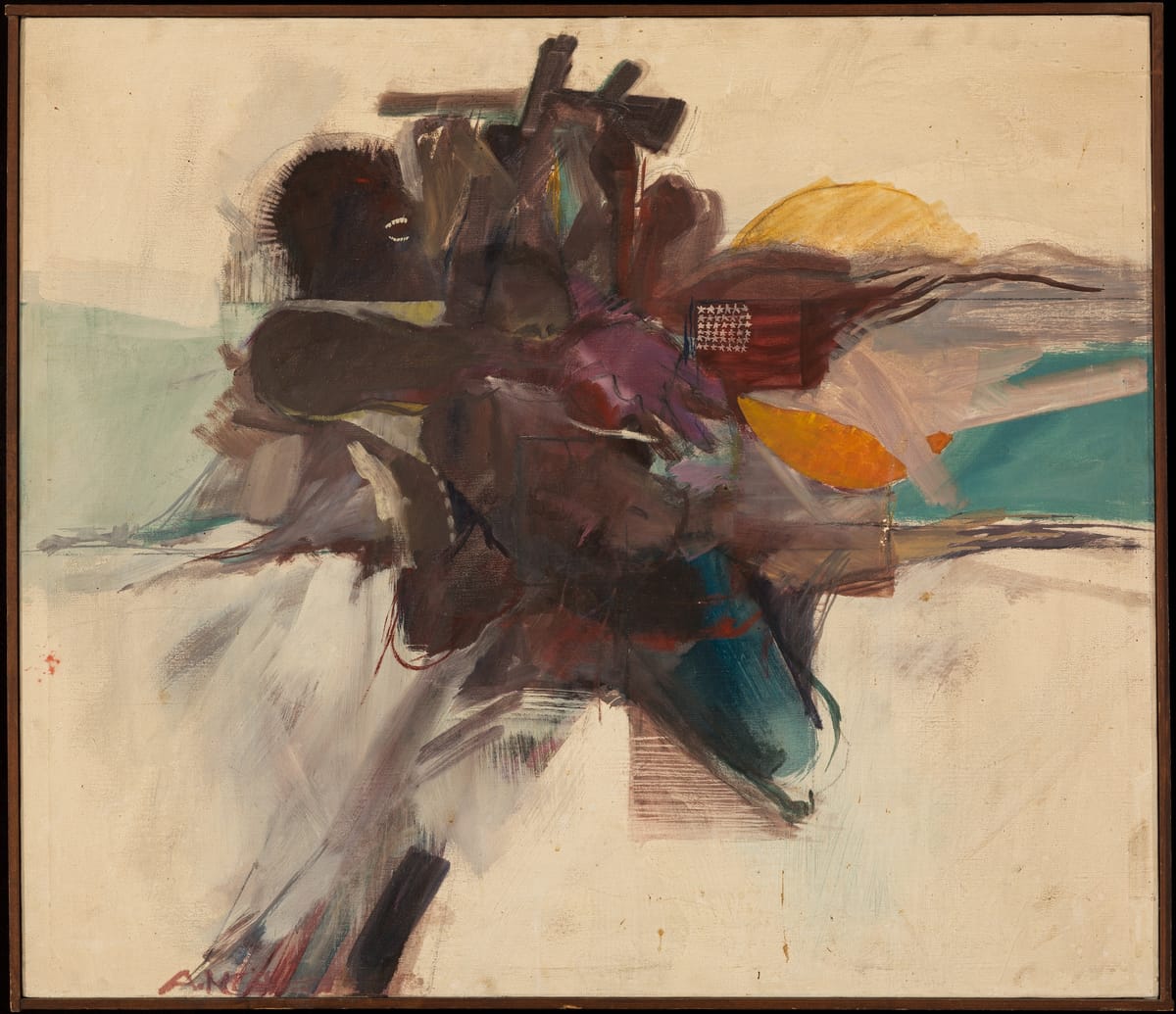
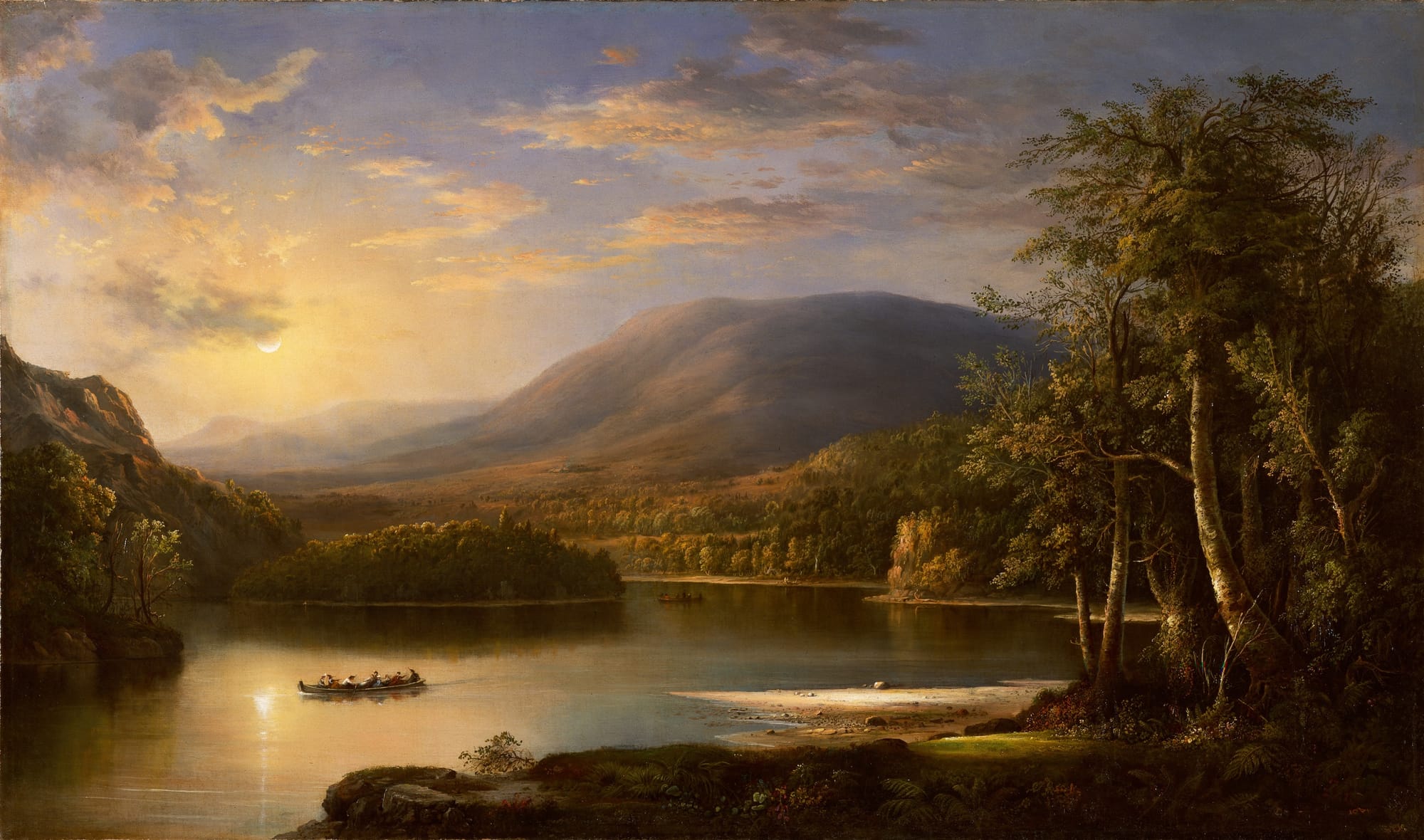
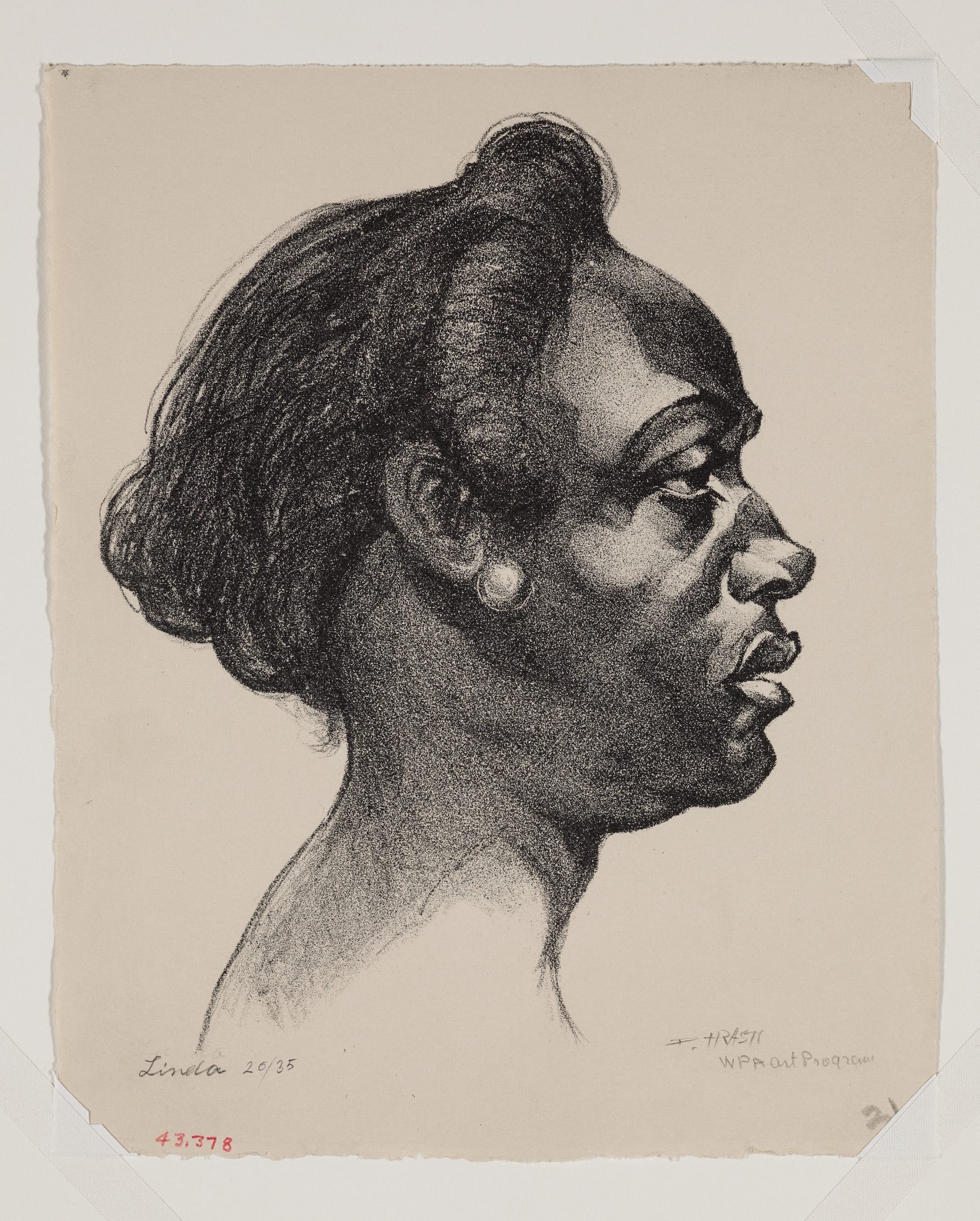
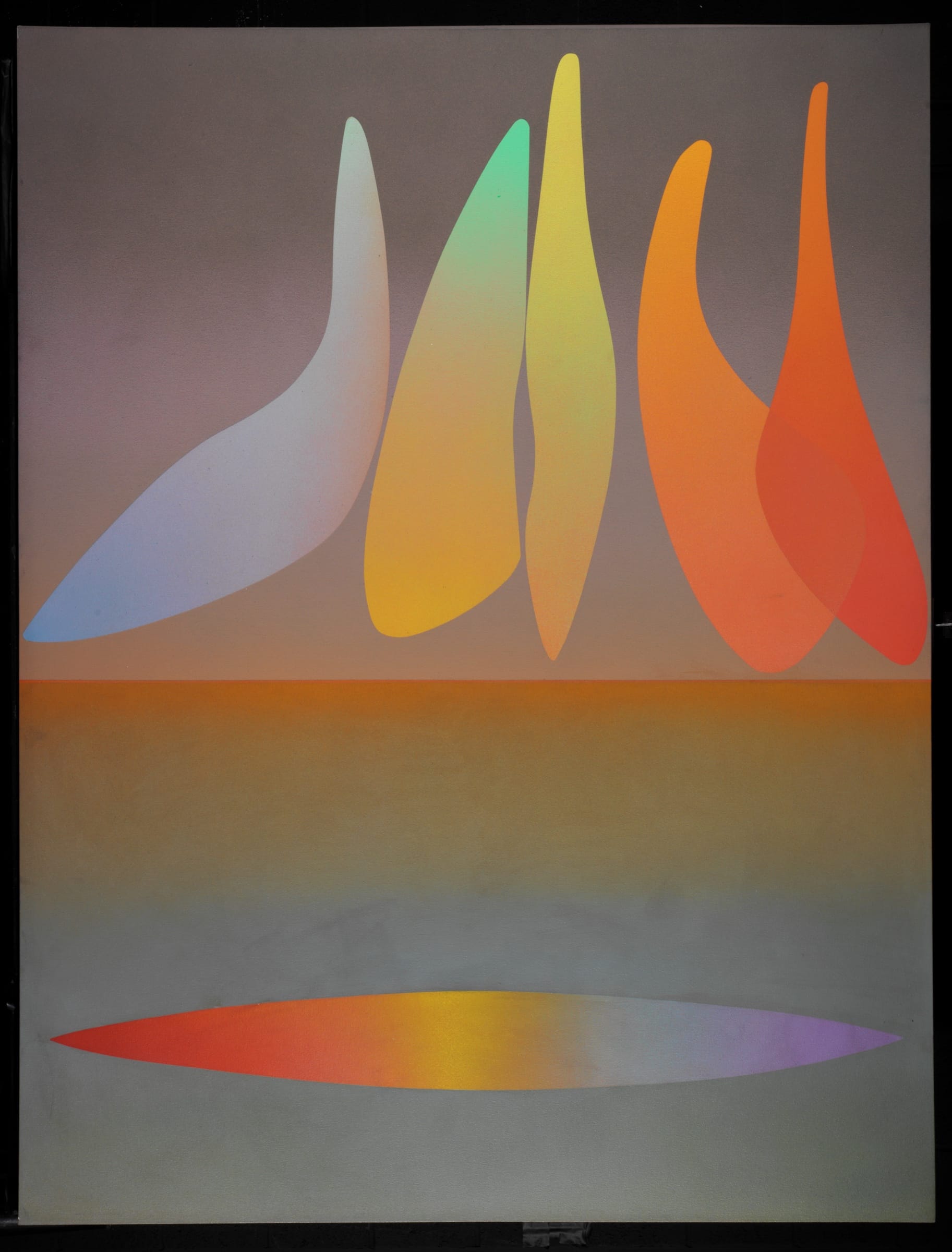
For the first time since 2007, the Detroit Institute of Arts (DIA) is reinstalling its African American galleries to showcase new works in its collection in concert with existing favorites. The exhibition Reimagine African American Art traces the evolution of African American culture, providing a powerful lens into the lives, achievements, and resilience of Black artists. Located in a central gallery adjacent to Diego Rivera’s iconic Detroit Industry Murals, the reinstalled galleries span nearly two centuries of artistic production — from the 1800s, when a small number of African Americans overcame tremendous obstacles to become professional artists, to the 1980s, when broader national and international recognition began to emerge.
“These artists were working in the 18th century, and some even earlier,” says Valerie Mercer, Curator and Head of the DIA’s Center for African American Art. “African American history isn’t taught enough in schools. I’ve studied so much art history in my life — I received my undergraduate degree at New York University and my graduate degree at Harvard — and I’ve never had a course on African American art.”
In 2001, Mercer joined the Detroit Institute of Arts as the first curator dedicated to African American art in an encyclopedic American museum. The DIA began collecting African American art in 1943, and the establishment of the Center for African American Art in 2000 further affirmed its long-term commitment to preserving and presenting this history. Today, the DIA holds one of the most significant collections of African American art in the country.
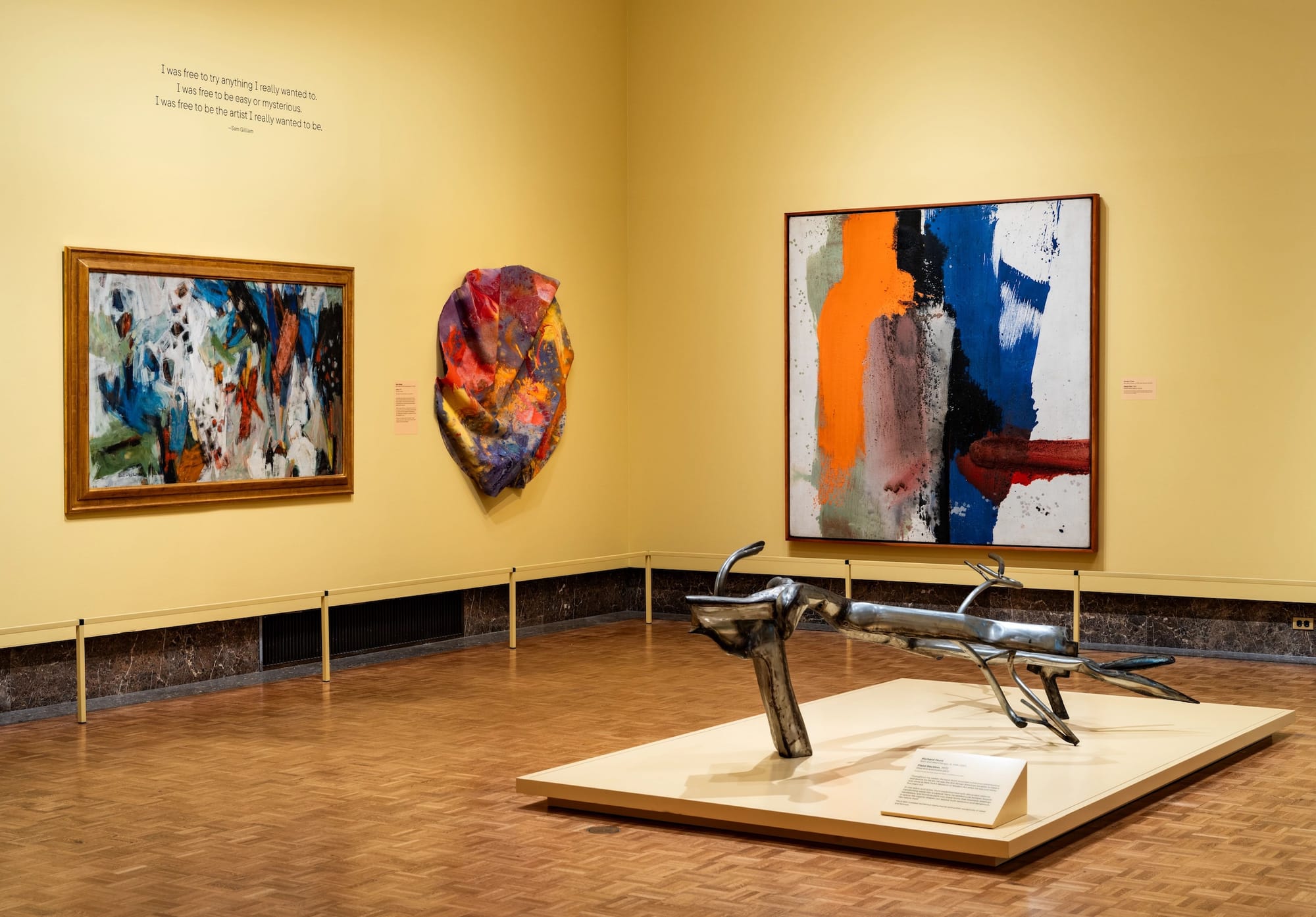
Four dedicated galleries explore key historical movements such as the Harlem Renaissance, Social Realism, the Civil Rights era, and the Black Arts Movement across a wide range of media, like drawings, prints, photography, paintings, and sculpture.
Featured artists include Robert S. Duncanson, Mary Edmonia Lewis, Aaron Douglas, Dox Thrash, Hale Woodruff, Hughie Lee-Smith, Allie McGhee, Wadsworth Jarrell, Vincent Smith, Bob Thompson, Charles Alston, Sam Gilliam, Edward Clark, Charles McGhee, Mavis Iona Pusey, Felrath Hines, and Alvin Loving.
The galleries bring together centuries of artistic innovation, offering a deeper understanding of African American art and its central role in United States history. When the DIA’s newly reinstalled Contemporary galleries open later in 2026, African American art will be presented within a broader global context, alongside works by artists from Detroit and across Asia, Latin America, Africa, Europe, and beyond.
For more information, visit dia.org.