Doris Salcedo Traces the Shape of Memory
The Colombian artist reflects on the state’s attempts to erase history, and the people’s continued refusal. Also: How should artists decide whether to participate in documenta 16?

In the face of decades of violence and erasure in Colombia, artist Doris Salcedo has made memory her medium. Senior Editor Valentina Di Liscia writes that her poignant sculptures evoke the victims of the devastating guerrilla conflicts “not by simply remembering or looking back, but by delicately articulating the contours of their absence.” Recently, the Colombian government drew ire for removing LGBTQ+, leftist, and feminist objects from the Museo Nacional in Bogotá, later reinstalled after public protests. Di Liscia spoke with Salcedo about the significance of that resistance, the generational wounds of political violence, and how Colombian artists are building paths forward, as they always have.
Meanwhile, artists around the world are grappling with the upcoming edition of the embattled documenta. Two anonymous artists who participated in the last iteration write candidly about the vicious attacks they endured from German media and politicians for opposing the genocide in Palestine. Their practical advice is for artists who are on the fence about showing their work at documenta 16, but it’s also an essential guide to navigating institutional networks that seek to quash meaningful political dissent, the very kernel of artmaking and creativity.
Today, we also report on an investigation into an Israeli airstrike in Lebanon that killed artist Ali Cherri’s parents in 2024, an overdue step toward justice, and the sentencing of Daniel Sikkema, who was found guilty of ordering the murder of his husband, gallerist Brent Sikkema.
More below, including glimmers of hope from the midterms — Claire Valdez will be your artist in Congress, after all.
—Lakshmi Rivera Amin, associate editor, books
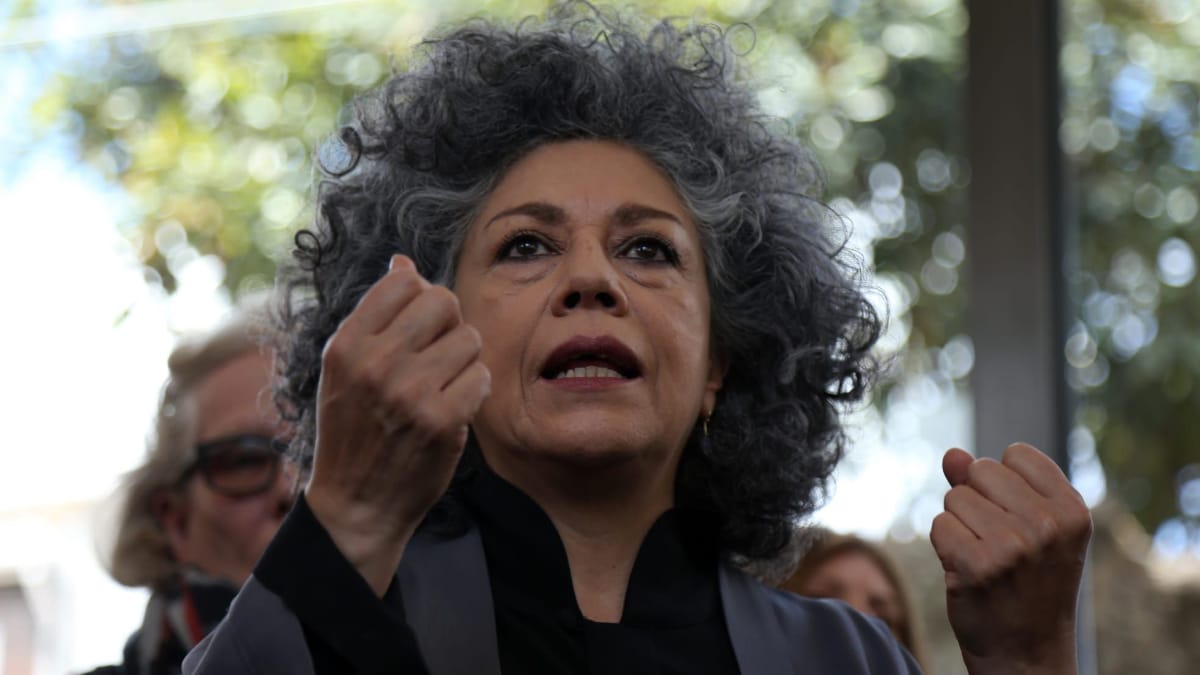
Doris Salcedo on Colombia’s Refusal to Forget
On October 15, dozens of objects were removed from display at the Museo Nacional in Bogotá under the orders of the country’s far-right president, Abelardo de la Espriella. Among them were artworks and materials related to LGBTQ+ and feminist movements; the country’s 2016 peace agreement with the Revolutionary Armed Forces of Colombia (FARC); and the campaigns of left-wing leaders Carlos Pizarro and Bernardo Jaramillo Ossa, both assassinated in the 1990s, whom de la Espriella has called “terrorists.” The objects were reinstated within two weeks by a court order, but the incident roiled the nation: Hundreds took to the streets in protest and faced police repression.
In the days that followed, I called Doris Salcedo. | Valentina Di Liscia
Read More
School of the Art Institute of Chicago’s Graduate Programs and Deadlines
Explore graduate study at the most influential art and design school in the United States.
News
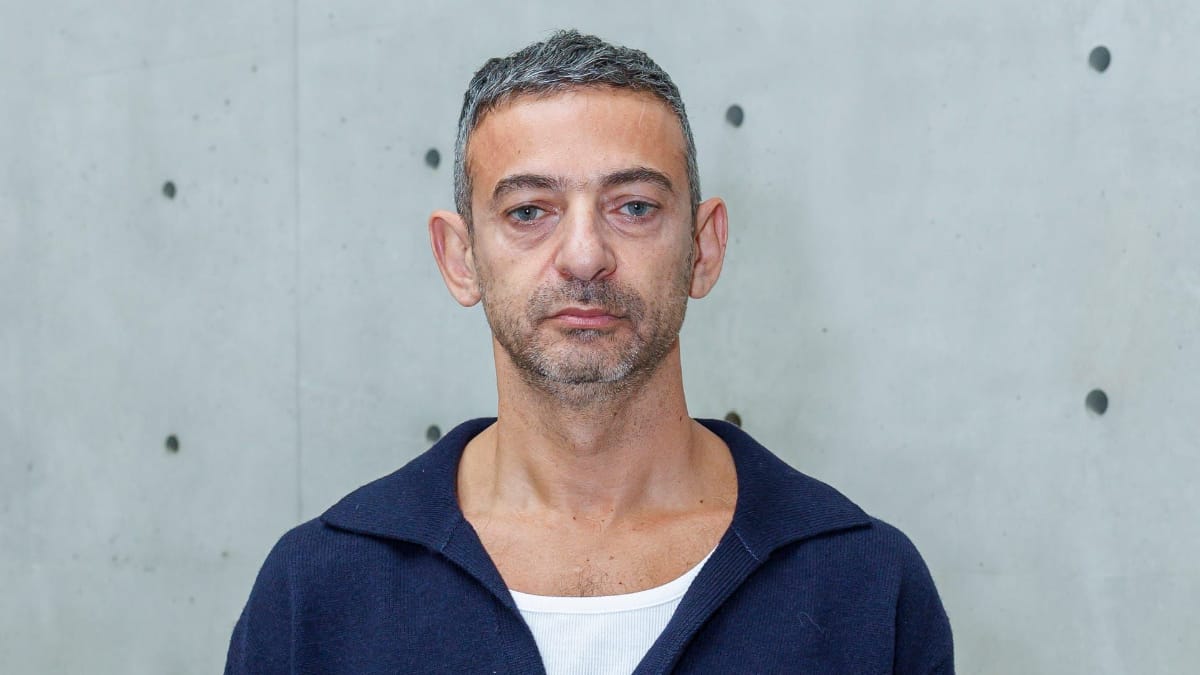
- France’s War Crimes Unit opens an investigation into a deadly Israeli airstrike in Beirut that killed the parents of French-Lebanese artist and filmmaker Ali Cherri.
- New York State Assemblywoman Claire Valdez, an artist, former cultural worker, and union organizer, is elected to represent New York’s 7th Congressional District.
- Two arts organizations remain concerned that one of New York City’s approved ballot measures could weaken review processes over public land usage, leaving areas such as landmark sites vulnerable to hasty sales and without sufficient community input.
- Daniel Sikkema is sentenced to life in prison for his role in the murder-for-hire of his estranged husband, New York art dealer Brent Sikkema.
Opinion
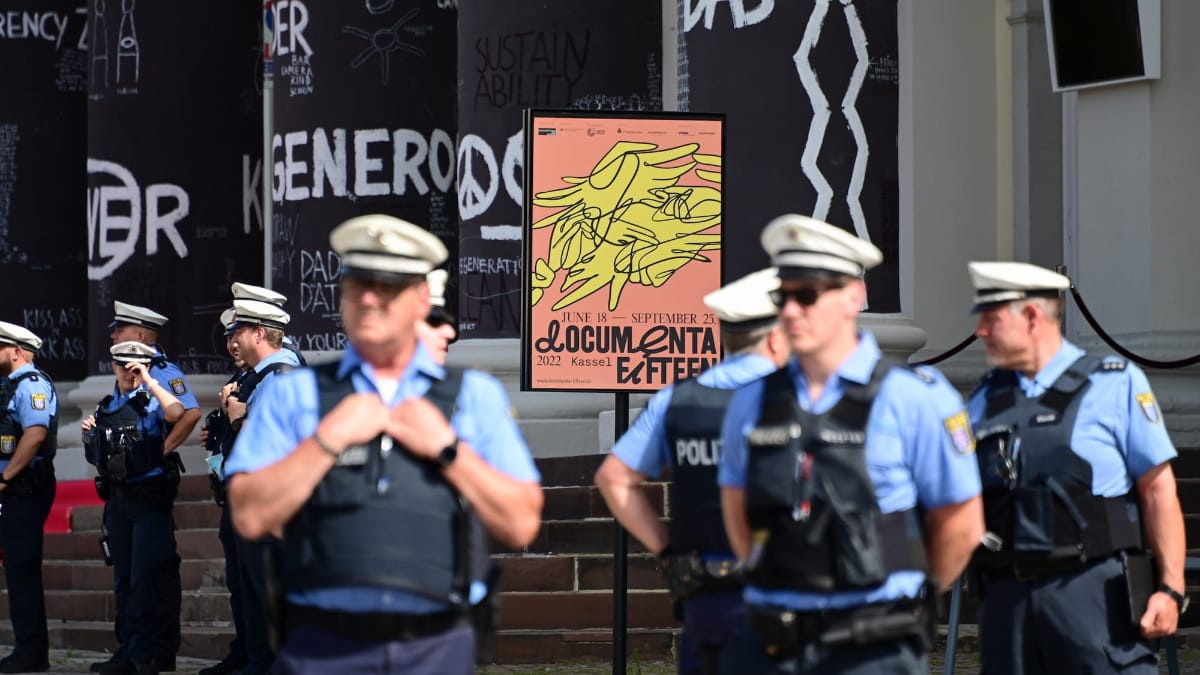
So You’ve Been Invited to Documenta 16. Here’s Our Advice.
As two documenta 15 artists who were mercilessly vilified due to our support of Palestine, here’s what you need to consider when you make your choice. | Anonymous Documenta 15 Artists
Read More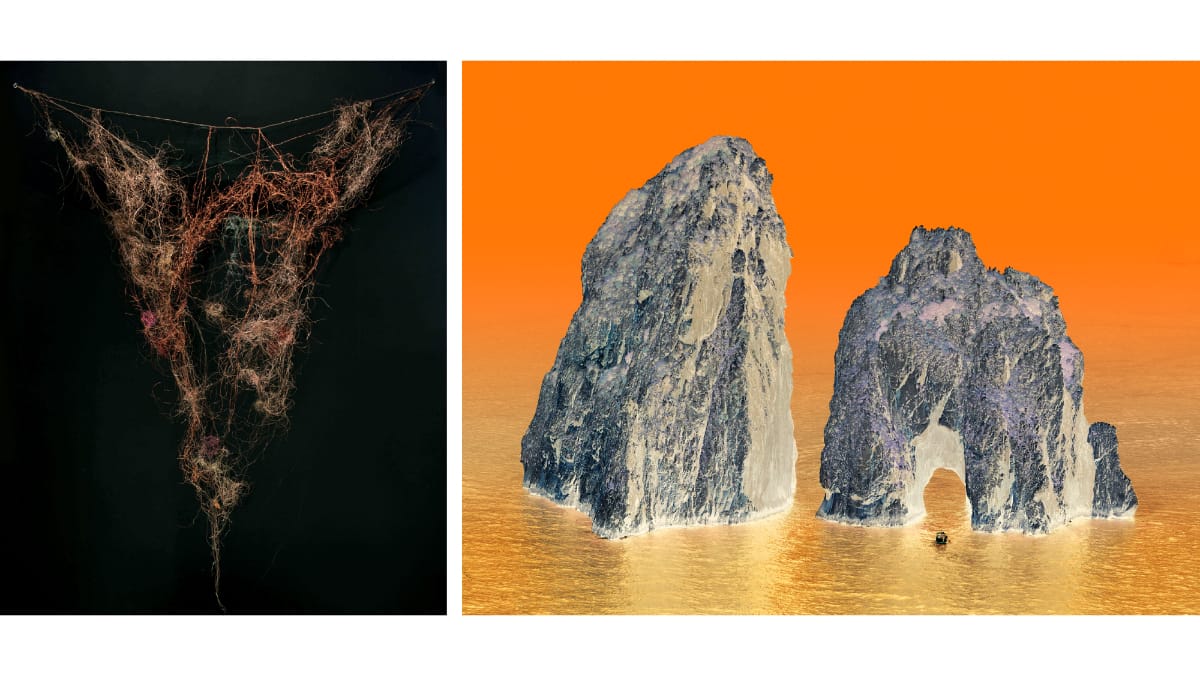
Borusan Contemporary Presents Two New Exhibitions
From “the act of looking” to intelligent technologies, “Olivo Barbieri: Time Space Geometry” and “Haunted” explore how images shape our perception of reality. Opening September 19, 2026.
From Our Critics
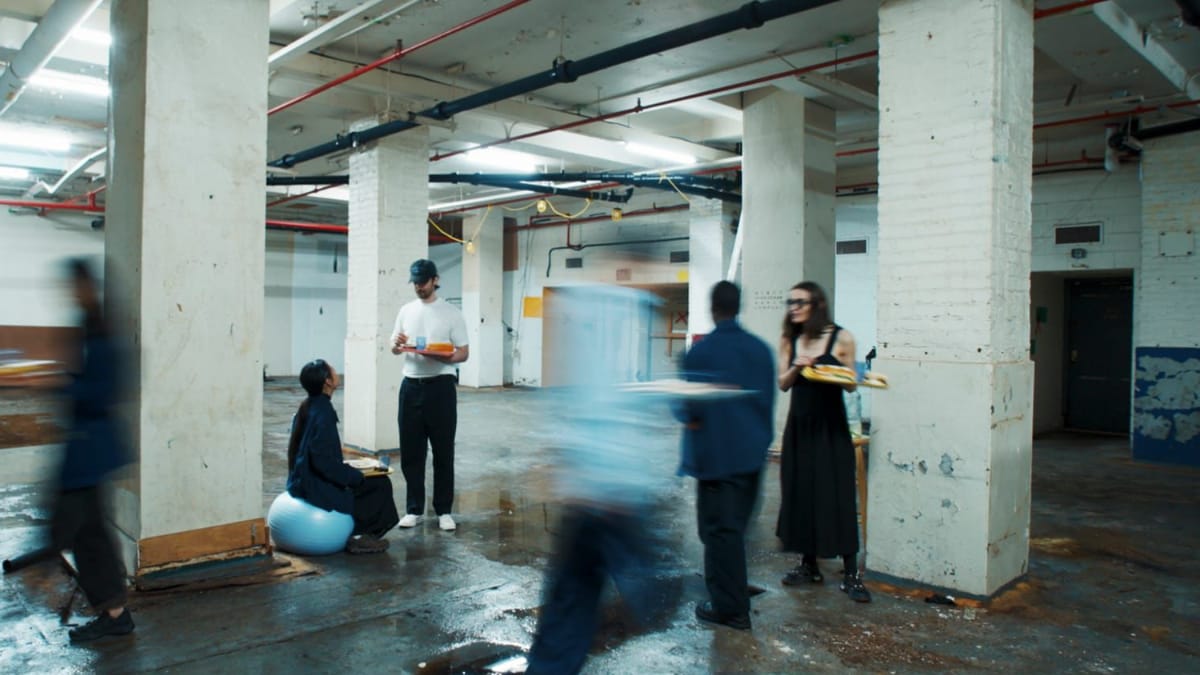
The Prior Occupants of Westbeth Are Just Beyond Reach
A little more legibility would’ve benefited Alison Nguyen’s fragmented short film about the famed NYC artists’ housing complex. | Rhea Nayyar
Read MoreIn Memoriam
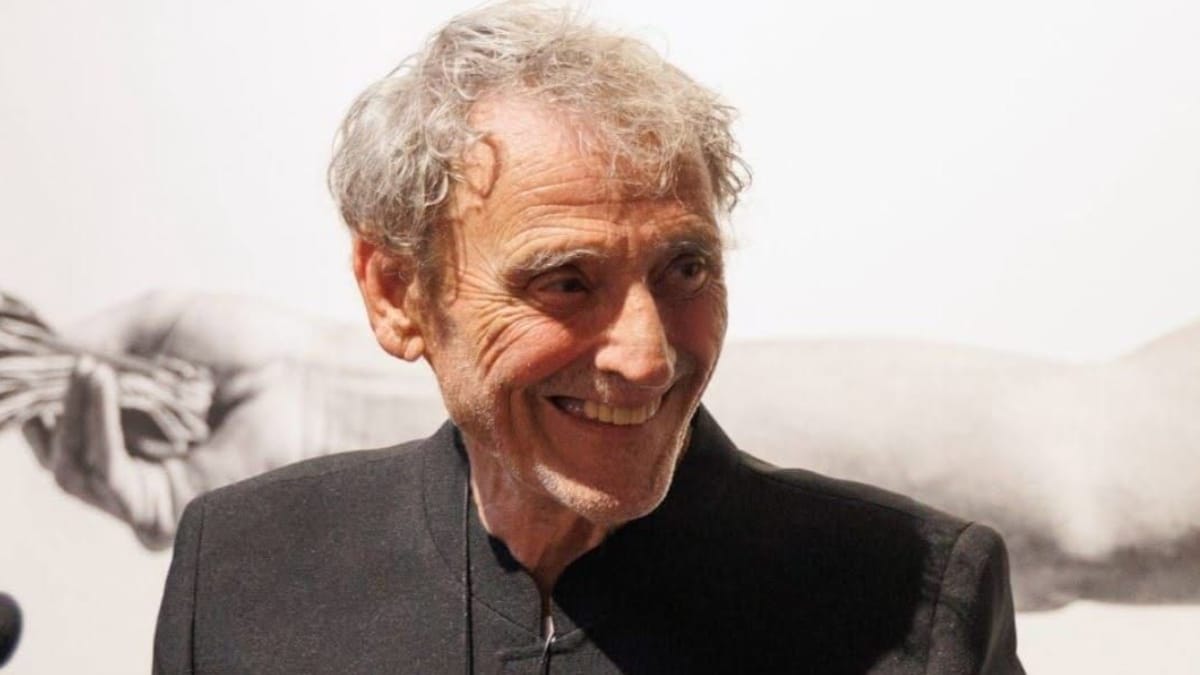
Miquel Navarro, Sculptor of Cities Real and Imagined, Dies at 81
In this column honoring those we lost in the art community, we remember a leading Spanish sculptor, a Dutch museum leader, and an Indian modernist.
Read MoreHyper Links
- Brandon Taylor discusses his 2025 novel Minor Black Figures, an indictment of the art world’s racist essentialism toward the work and lives of Black artists. [LitHub]
- Voters in Providence overwhelmingly approved a ballot measure to restrict municipal investments connected to human rights violations after citizens against the genocide in Gaza organized a petition. [Rhode Island Current]
- The Pope met the bard (Bob Dylan), who, for some reason, refused to remove his hoodie. [CNN]
From the Archive
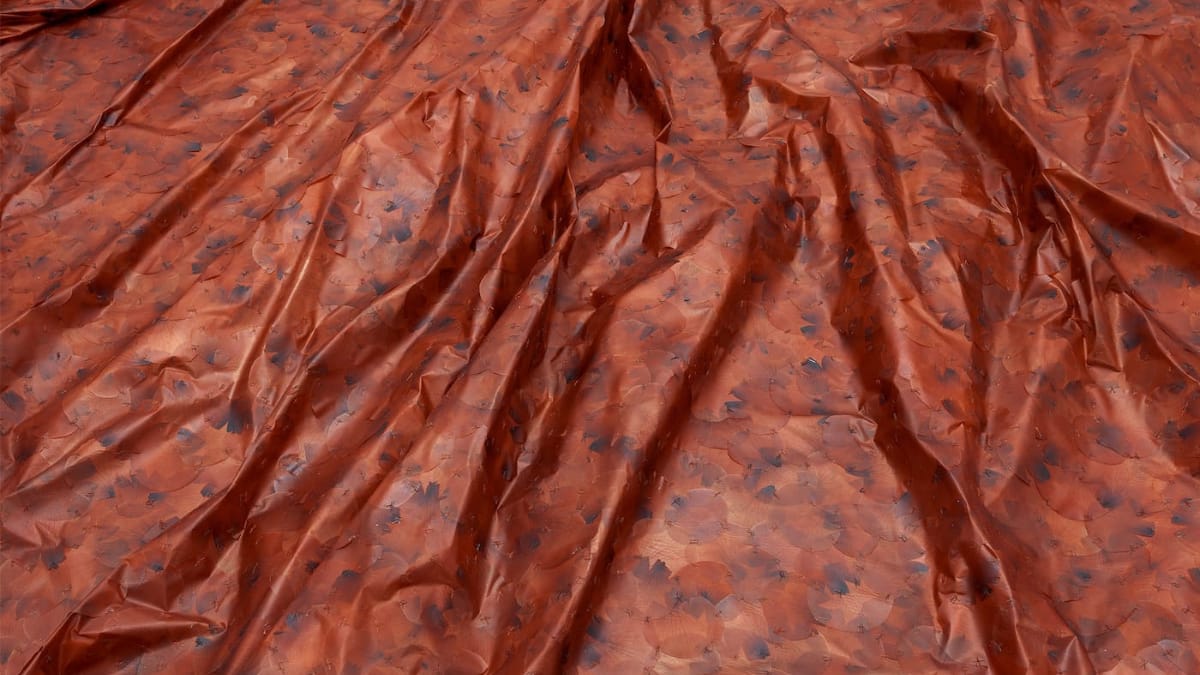
Doris Salcedo Captures the Weight of Mourning
Doris Salcedo is interested in replicating the indefinite, affective qualities of mourning — its weight, intangibility, absurdity, and reliance on personal associations. | Mira Dayal
Read More