Et Tu, South Africa?
Christina Sharpe and Rinaldo Walcott lambast the country's culture minister for canceling a show about Palestinian grief for the Venice Biennale.

Sometimes you wake up to news headlines that don't make any sense. Take this one, for example: South Africa Axes Venice Biennale Proposal Centering Gaza Victims.
You ask yourself: Wait a second, isn't South Africa the same country that accused Israel of genocide at the International Court of Justice? Yes, it is, but it happens to have a right-wing arts and culture minister who found artist Gabrielle Goliath’s performance piece “highly divisive in nature.” He later came up with the bizarre, unfounded claim that a “foreign power” was involved in the artwork.
Writer and scholar Christina Sharpe and University of Buffalo professor Rinaldo Walcott saw this and felt an immediate urge to respond. In a must-read piece this week, they lament a world in which the country that toppled Apartheid abandons its own revolutionary legacy.
Meanwhile, the White House brings the Smithsonian to its knees, forcing the DC institution to submit all information — down to wall-label texts — about its programming to make sure it aligns with the president's worldview. Brace yourself for a lineup of unironic shows about American exceptionalism with gold cursive titles.
—Hakim Bishara, editor-in-chief
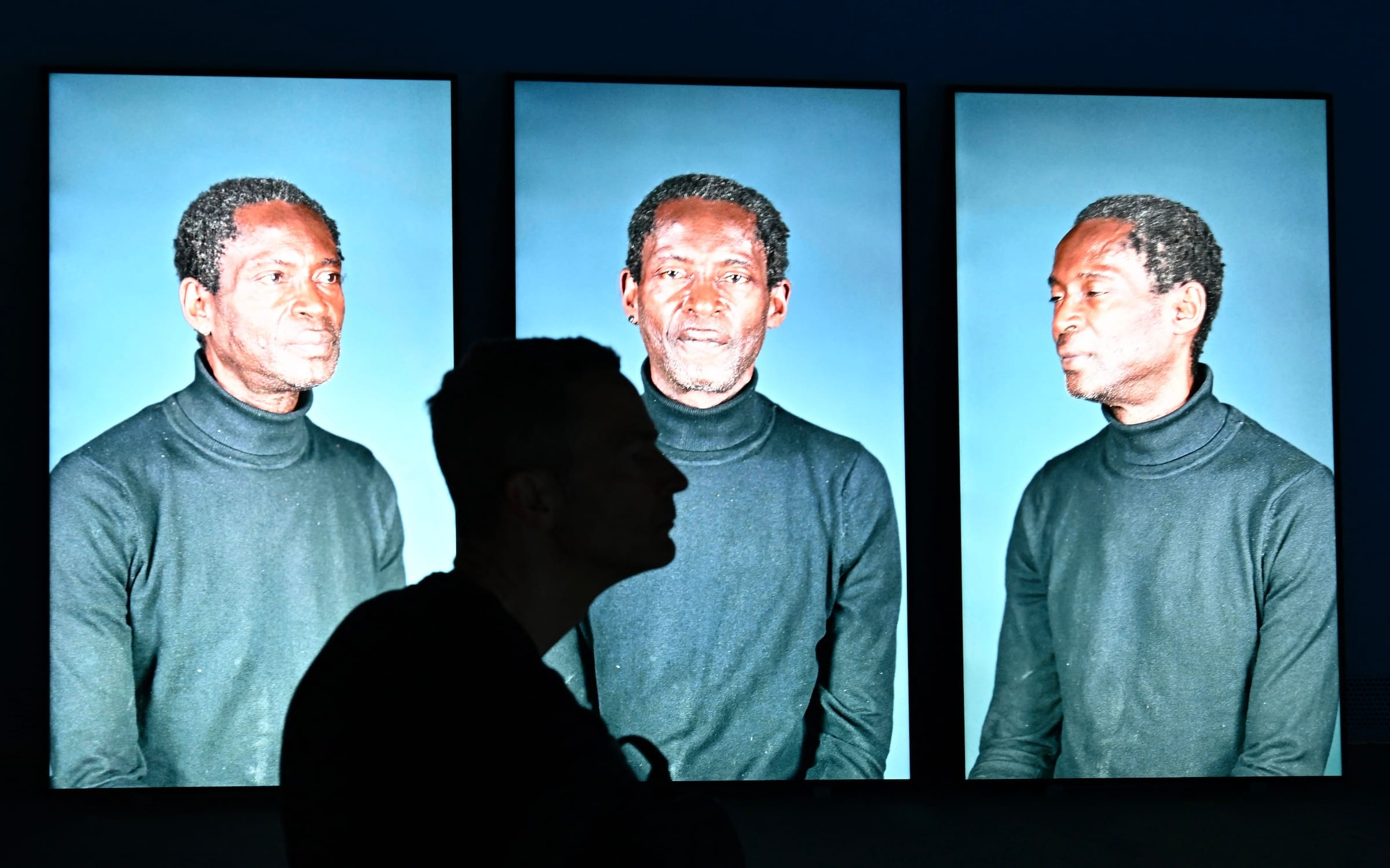
The South African Pavilion Is Betraying Its Own History
"South Africa’s cancellation of Elegy threatens to join the ignoble set of actions meant to disappear Gaza and Palestinians from the art world’s public sphere," write Christina Sharpe and Rinaldo Walcott. "To say that this action is like a tremor from the trauma of the genocide-in-progress is not to overstate the shattering effect of an official acting as a censor on behalf of the same government whose case against Israeli acts of genocide compelled the world to bear witness."
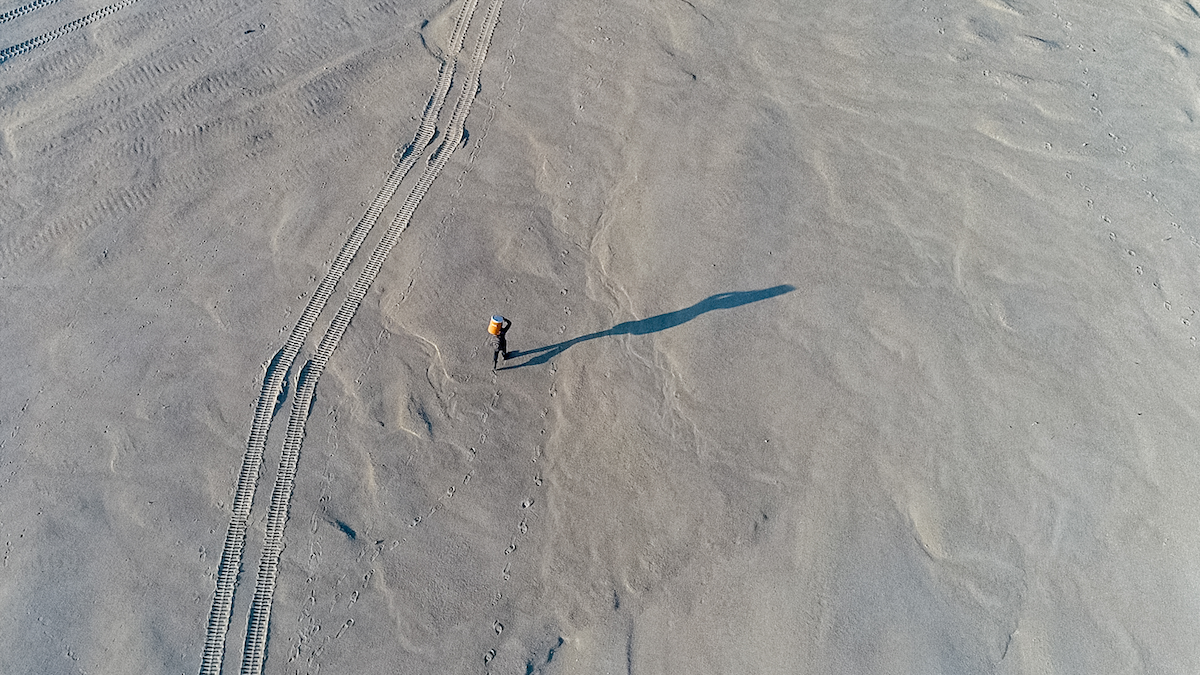
Sandcastles Tells the Tale of Two Singapores
The new short from documentary filmmaker and multimedia journalist Carin Leong explores the transient nature of humankind’s existence through sand.
News
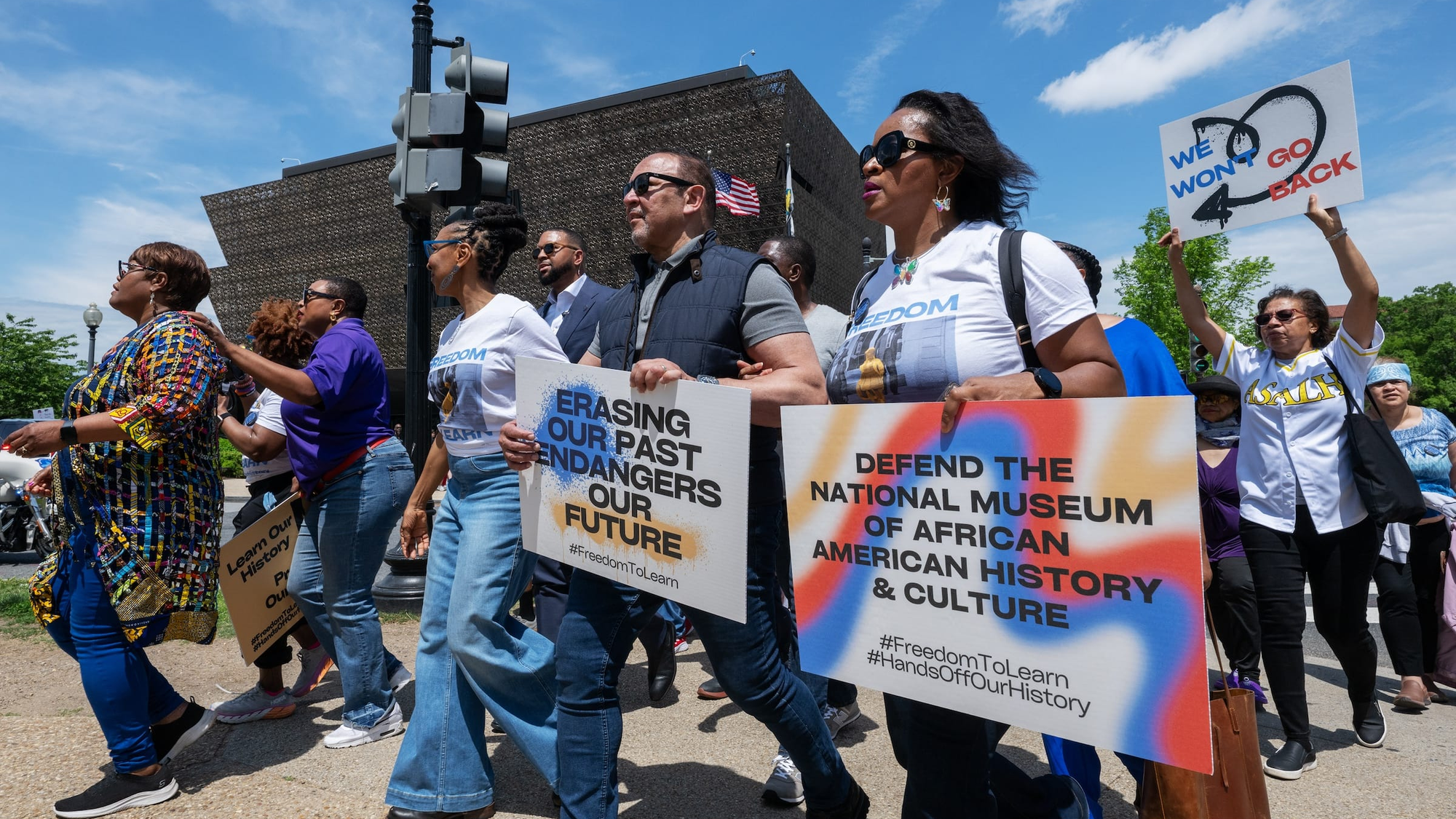
- The Smithsonian Institution has handed over information about its wall texts, curation, and exhibition schedule as part of the White House's targeted inquiry into the museum system.
- South Africa has scrapped a performance centering Israel's genocide in Gaza planned for the country's 2026 Venice Biennale pavilion. The decision was reportedly made by the Department of Sport, Arts and Culture's right-wing minister, Gayton McKenzie.
- After years of declining enrollment and financial woes, the California College of the Arts will shutter and be absorbed into Vanderbilt University, a choice that raised questions in the local art community.
- Sculptor Mehdi Salahshour and filmmaker Javad Ganji are among the members of Iran’s creative community reportedly killed during anti-government protests in recent weeks.
- The US House of Representatives just advanced a bill to fund arts organizations like the Smithsonian Institution, the National Endowment for the Arts, and others — despite Trump's attacks on the sector.
Develop Your Work and Aesthetic Philosophy at New York Studio School
Forge a lifelong art practice with NYSS’s unique MFA and Certificate programs. The priority application deadline for financial aid is February 15.
Opinion
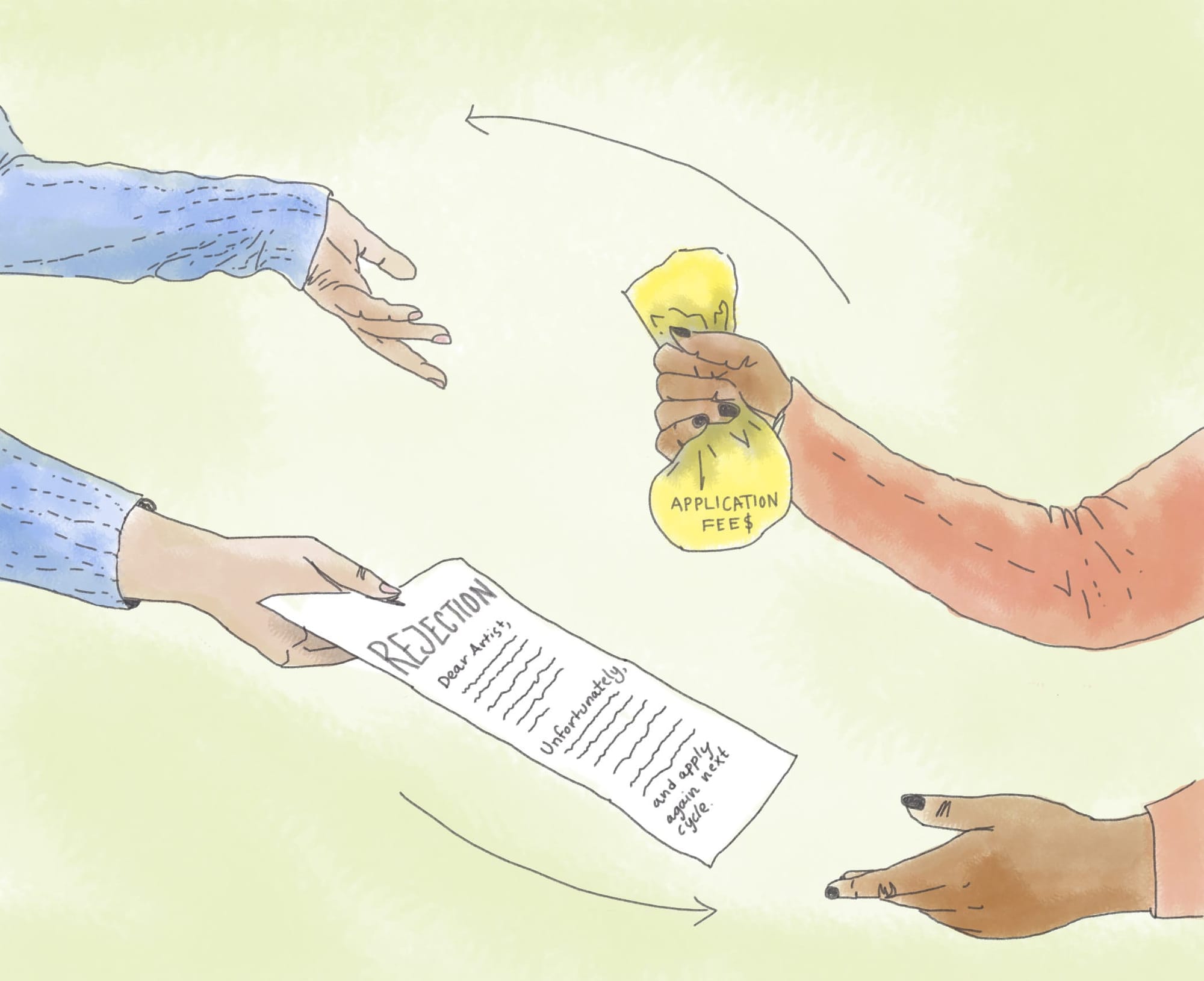
Why Are We Paying for the Privilege of Rejection?
Artist Damien Davis is back with an impassioned takedown of that most ubiquitous of art-world barriers: application fees. Far from a minor constraint, they pile up quickly and train artists "to treat unpaid administrative labor as a prerequisite for being seen." Read his essay for guidelines on identifying predatory fees and working against the normalization of "access as something artists should pay for in advance."
Curating a Show on My Ineffable Mother, Ursula K. Le Guin
How does one curate a show about a parent? Theo Downes-Le Guin began this daunting task last year while organizing an exhibition about the singular Ursula K. Le Guin, who constantly remade herself and detested being pigeon-holed. It's fitting, then, that her own typewriter would be on view for visitors to leave their own mark on the show, changing it with each word they write.
From Our Critics
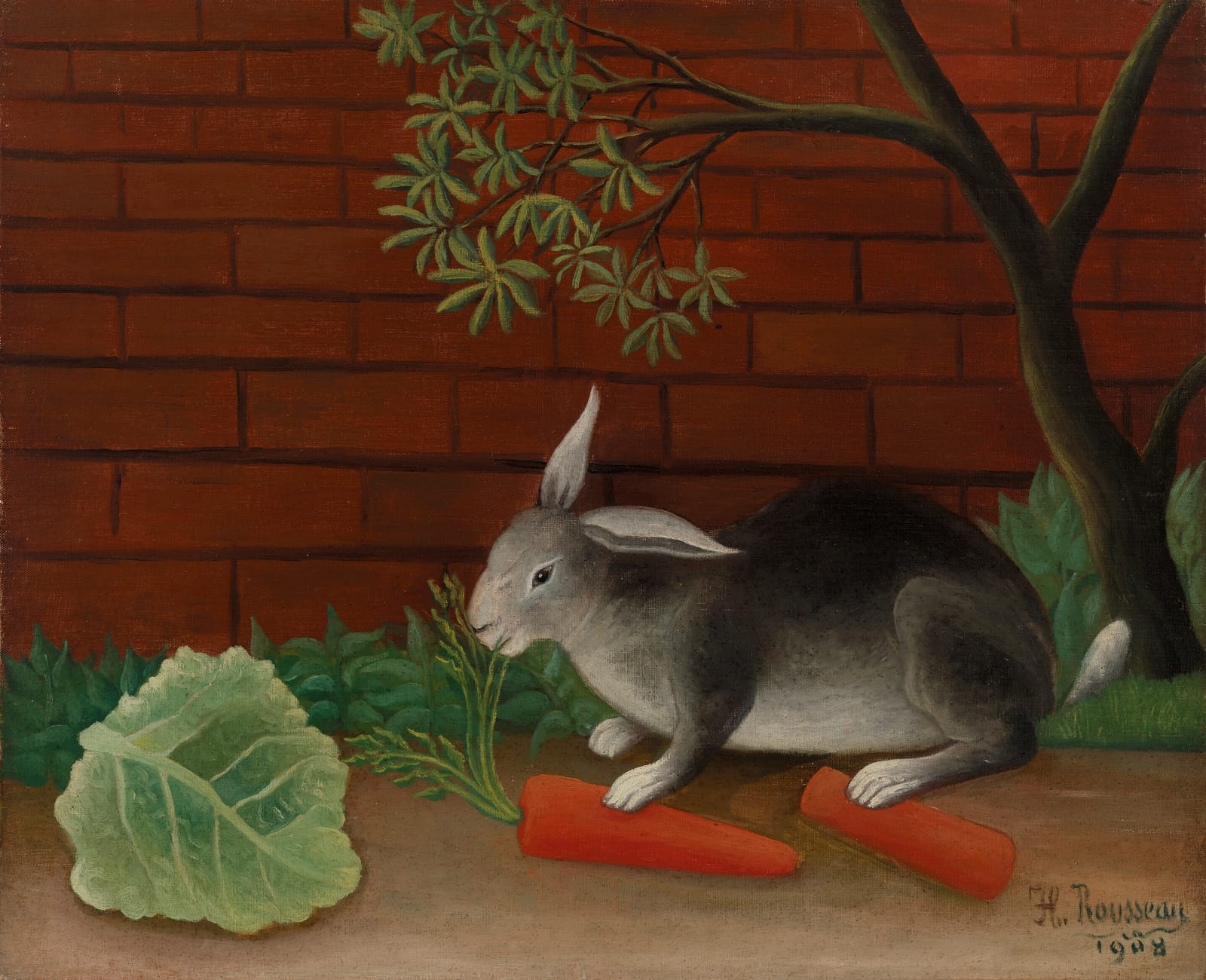
Uncovering the Secrets of Henri Rousseau’s Paintings
A new exhibition freshly contextualizes many artworks in the light of his personal story, while conservators conducted revelatory technical studies. | Judith Stein
Visions of Venezuela and Cuba From Exile
An exhibition near Washington, DC, offers an immersive reclamation of memory and identity in all their fluidity and impermanence. | Courtney Levine
The Internet According to Sex Workers and Cyberfeminists
Mindy Seu’s A Sexual History of the Internet is part performance, part artist book, and part financial experiment. | Eileen Skyers
The Contemporary Relevance of Palestinian Tatreez
“When people wear Palestinian embroidery, it’s not just decorative. It's beautiful, of course, but it is saying something,” says author Joanna Barakat. | Greta Rainbow
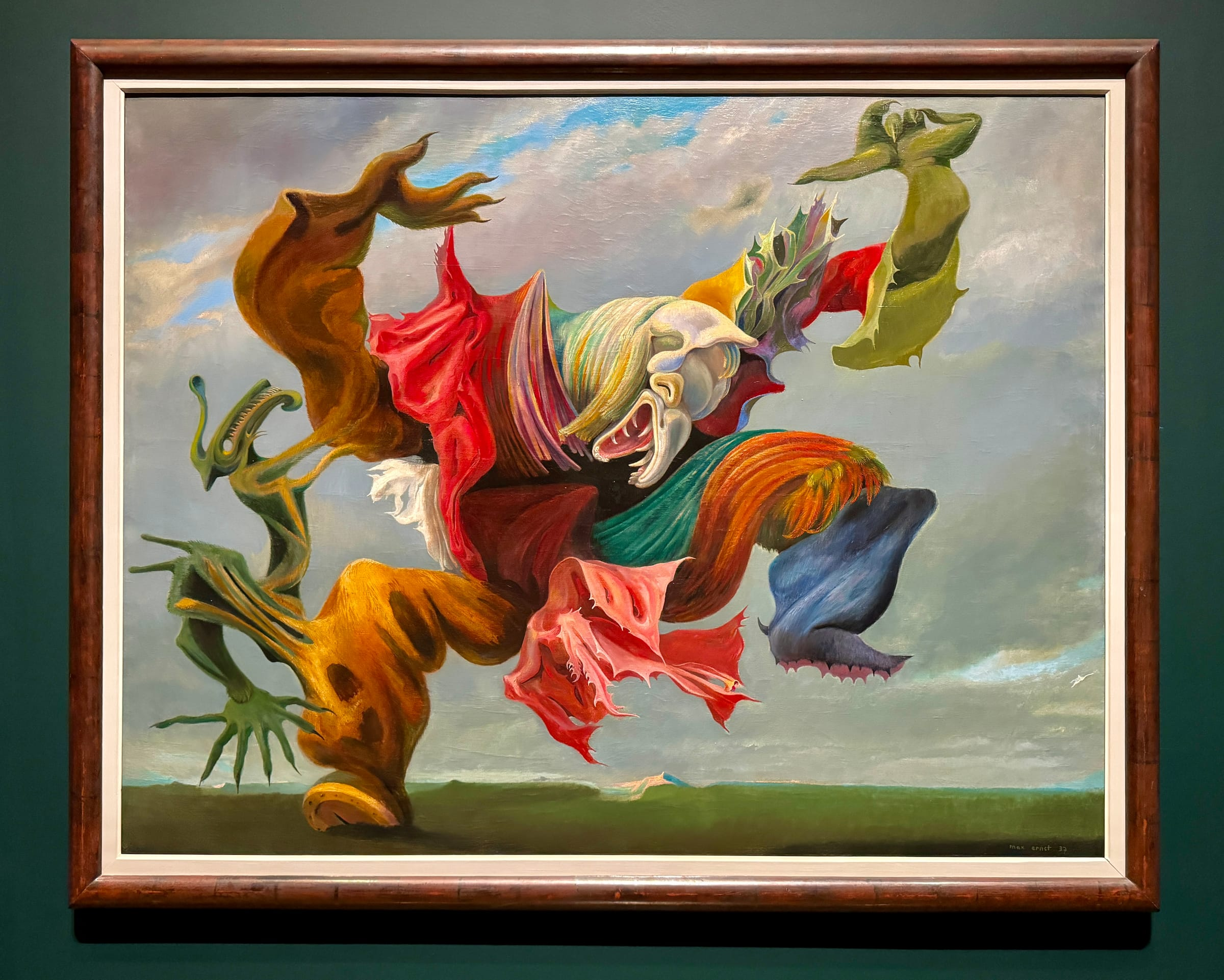
The Nightmares Beneath the Surface of "Dreamworlds"
The traumas of war and genocide and the fascist leanings of Salvador Dalí are among the subjects that this sprawling exhibition leaves out. | Isabella Segalovich
Ana Mendieta’s Injured Earth
Although many of her earthworks have been erased by time, the late Cuban-American artist’s interventions attest to her continued presence, etched into the land. | Natalie Haddad
Black Artists Create New Universes in “Unbound”
The exhibition at the Museum of the African Diaspora moves between history and futurity without settling on a singular narrative of the universe, instead prompting reflection. | Alexandra M. Thomas
Repatriation: The Game
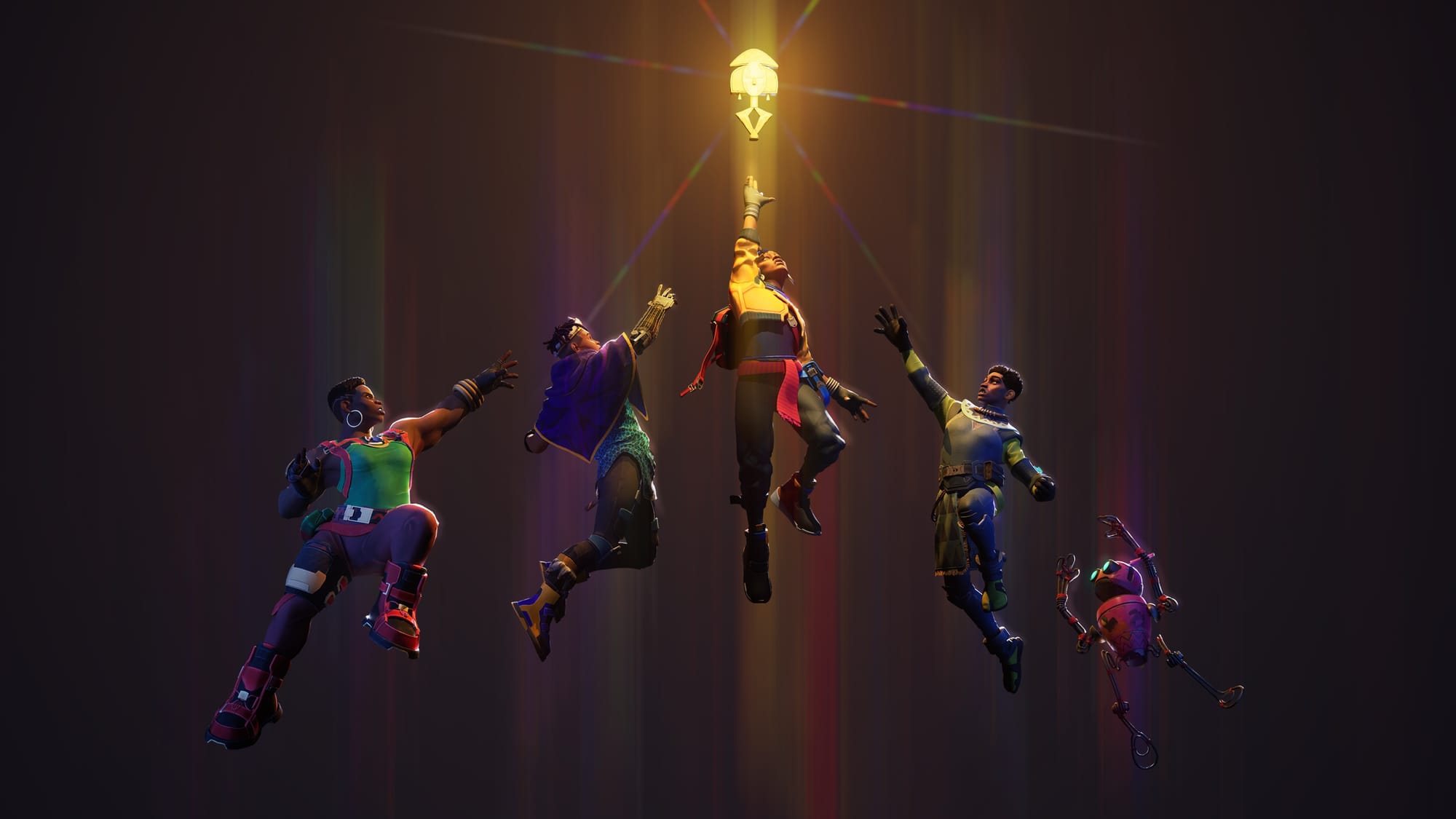
A Video Game Lets You Take Back Looted Artifacts
Bernard Dayo introduces readers to a new game in which players join a heist crew — consisting of hackers, acrobats, a museum insider, and even a grandma — to infiltrate museums and take back looted African artifacts, such as a drum sacred to the Shona people now in the British Museum. But there's more than a heist at stake. Users must learn musical rhythms, consult elders, and participate in ceremonies to reactivate the social meaning of these objects.
Community

Required Reading
The Schomburg Qur’an, Auudi Dorsey’s paintings of Black community at the beach, an unsolved Pollock theft, remembering Claudette Colvin, dollhouse furniture, and more must-reads from around the internet.
Art Movements: Pineapples, Coconuts, and More Art Awards
Organizations including Creative Capital and United States Artists awarded millions of dollars to artists this week. Plus: a baby rave and more industry news this week.
In Memoriam
A painter of Colombian national memory, a founder of Art Informel, and an Italian conceptual photographer are among the people we honor this week.
A View From the Easel
In this week's edition of artists sharing the spaces where they work, Washington Heights-based Argentinian artist Natacha Voliakovsky uses her body as a canvas for protest, while Brooklyn-based Traci Johnson transforms her studio into a cocoon of faux fur and yarn.