Everyday Traces of NYC’s SWANA Diaspora
An exhibition at NYPL offers a window into life within this paradox where invisibility and visibility are two sides of the same coin.

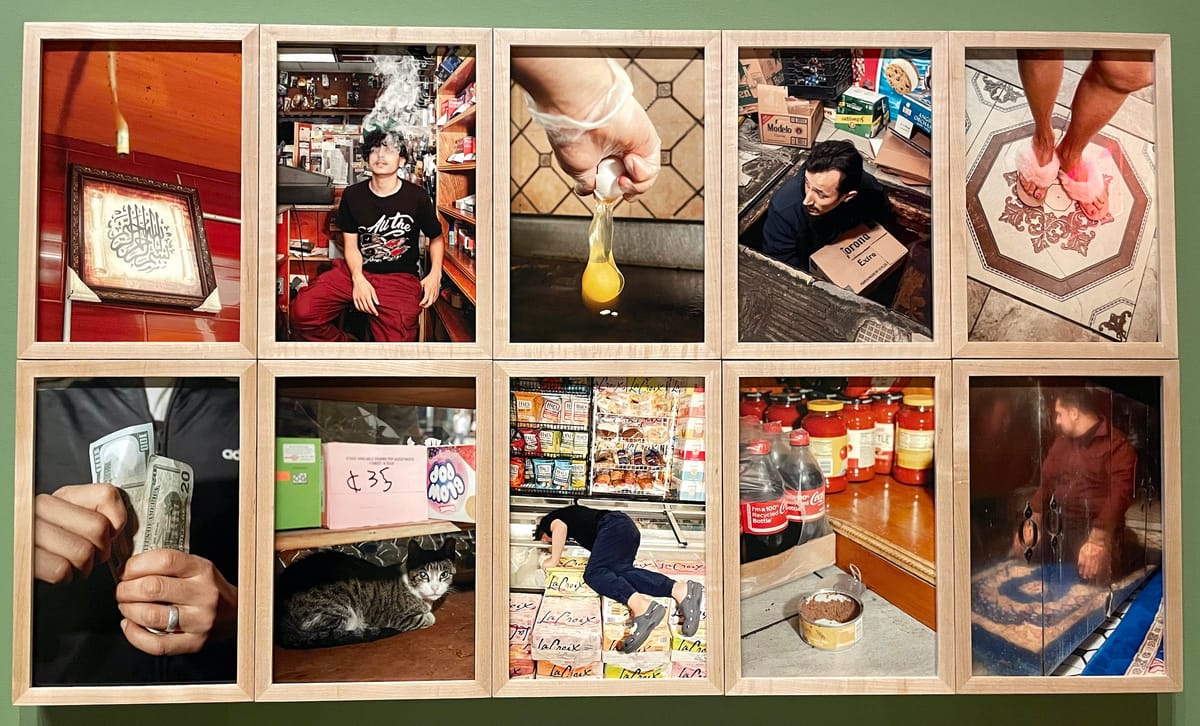
Of all the topics addressed in Niyū Yūrk, a small but significant exhibition at the New York Public Library, one should be especially familiar to anyone who identifies as Southwest Asian/North African (SWANA) in the United States: the census. Unlike virtually all other non-European ethnicities, SWANA — or Middle Eastern/North African (MENA), as used in the show — is grouped under “White” on the US census. It’s not just the census, though. It’s medical forms, college applications, just about anything with a check box for ethnicity. Efforts have been made to change this, with some success. More institutions are adding a separate category on forms — and one might appear on the 2030 census. But as of 2020, the census reads under “White”: “print, for example, German, Irish, English, Italian, Lebanese, Egyptian, etc.”
When I searched “MENA census” online, the AI overview read that the possible 2030 update is “a change reflecting that many people in these groups don’t see themselves as White.” Well yes. But that’s only part of the story. Neither do most White people — Indiana Jones wasn’t cheered on for slaughtering the “bad guys” because they were all cut from the same ethnic cloth. One easy way to rationalize racism is to erase the target from official existence, and being a person of SWANA descent in the US can feel defined by erasure.
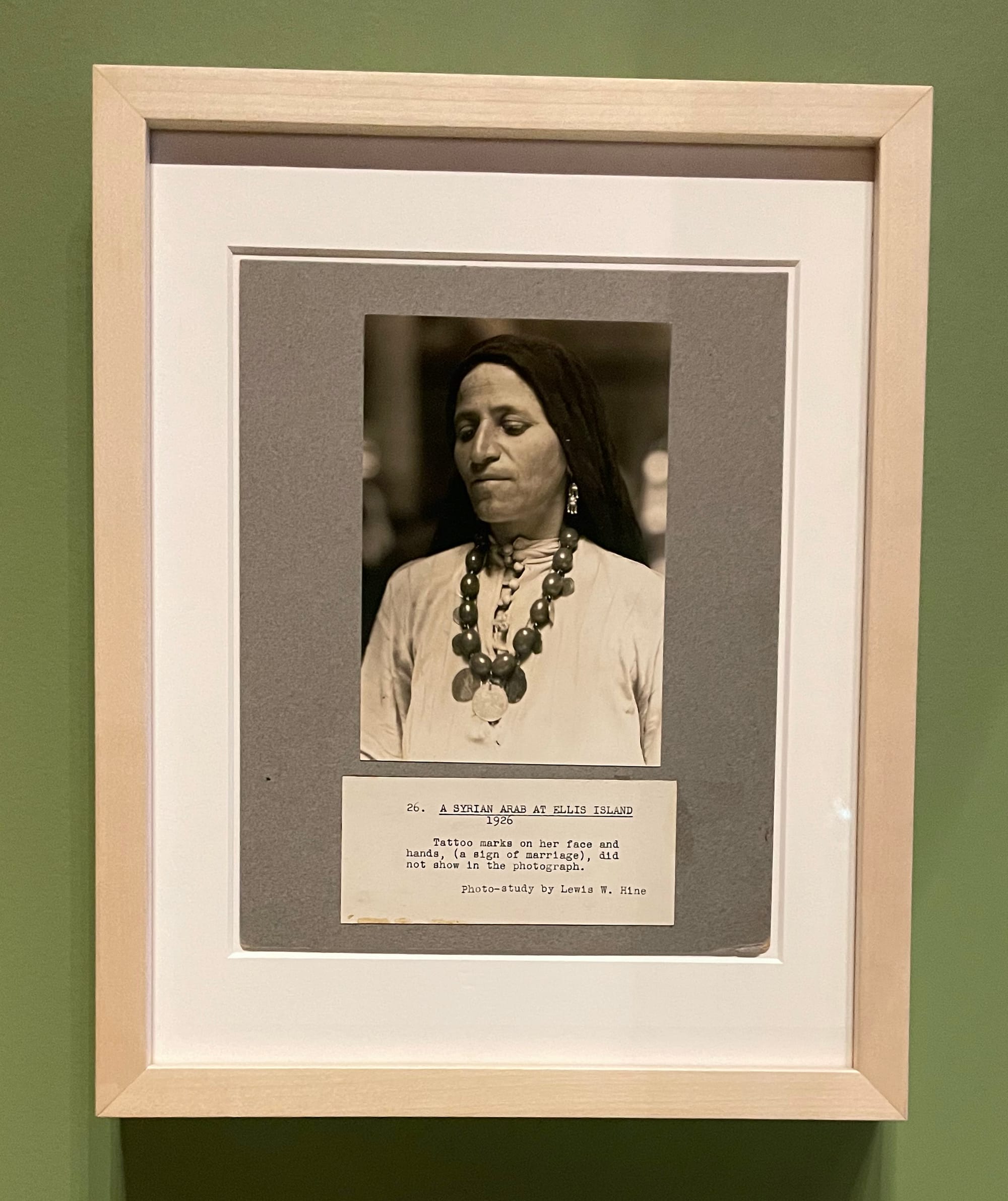
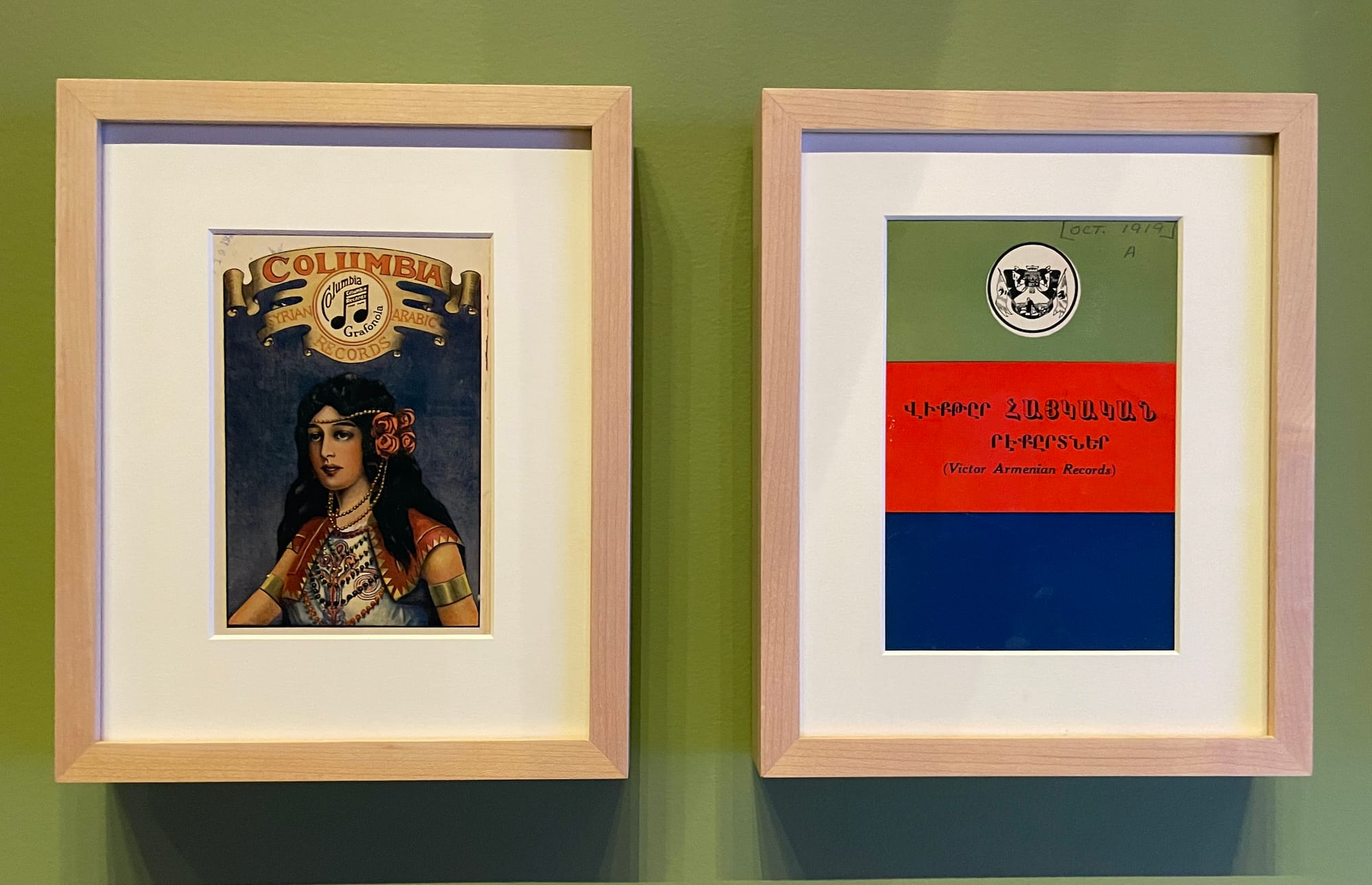
The exhibition, which examines the history of that diaspora New York City, presents everyday presences, like the city’s many SWANA-owned bodegas, as well as photographs of early immigrants (e.g. Lewis Hine’s portrait of “A Syrian Arab at Ellis Island,” 1926), and archival documents: for instance, publications from the Organization of Arab Students in the USA, poetry and literature, and vinyl records. We’re introduced to figures such as Ibrahim Farrah, a Lebanese-American dance scholar who founded the journal Arabesqué, Iranian-American transhumanist author FM-2030, and the ArteEast film collective. An interview with the seminal Palestinian scholar Edward Said plays on a screen.
Limited by geographic and institutional parameters (all materials are drawn from the NYPL’s collection), curator Hiba Abid has composed a sensitive narrative of SWANA lives. It’s validating to see yourself reflected in others, but the overriding message seems to be: The US has a SWANA diaspora, it’s not new, and those who belong to it are part of the social fabric. That’s not so much because of Abid’s curating as it is where we are in US culture. Speaking as an Arab American, why do we still need to assert our presence? As many marginalized and diasporic communities make headway in transitioning from saying “we’re here” to presenting nuanced self-portraits, SWANA identity feels perpetually stuck in the stage of proving its existence.
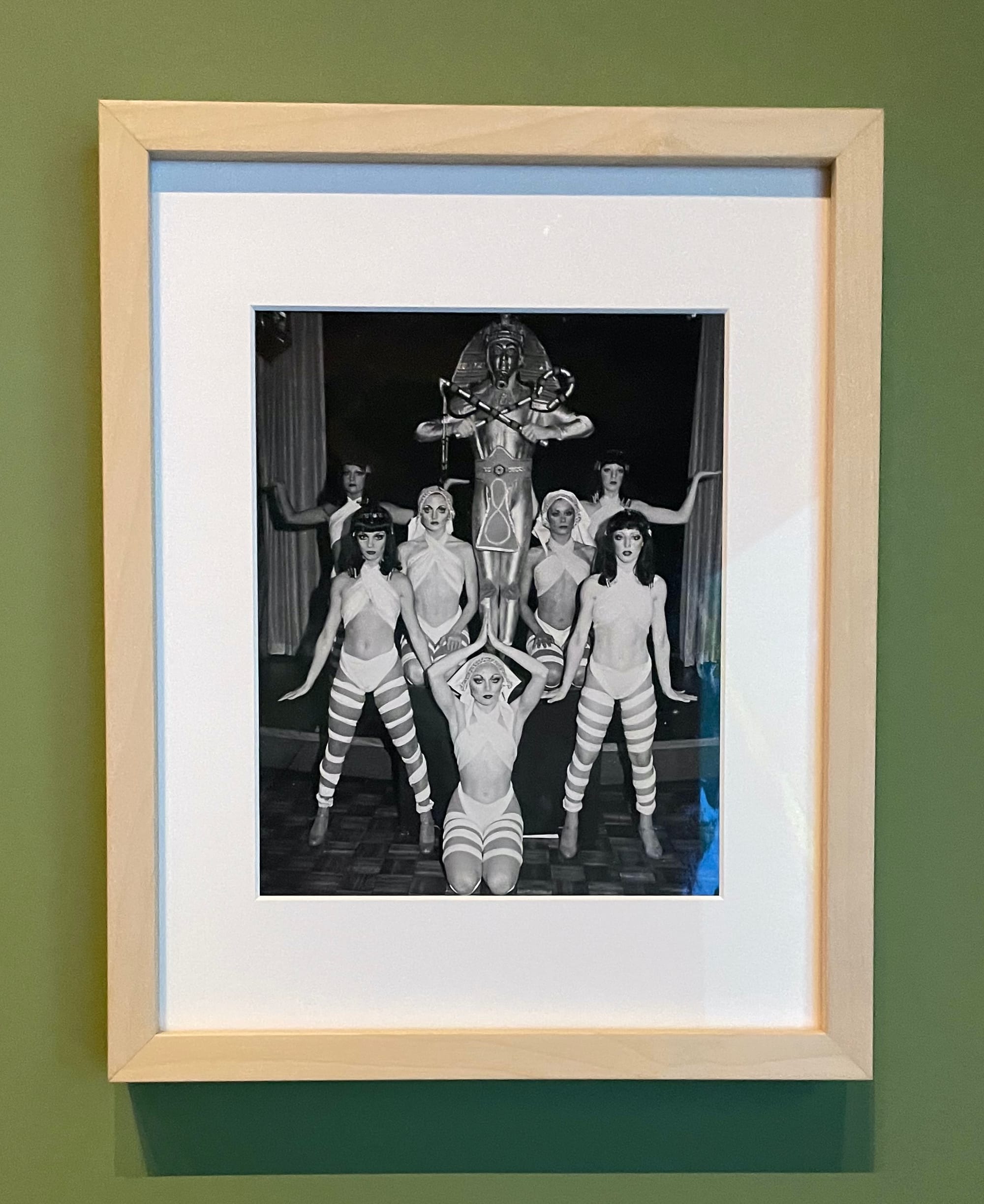
The description on the NYPL’s webpage for Niyū Yūrk describes the diaspora as “often overlooked,” and explains that “New York City has shaped the lives, identities, and creative practices of MENA communities, artists, and writers” before adding that the show “emphasizes their enduring contributions to the city’s cultural landscape and place in global culture.”
This framing of being shaped by the city before shaping it speaks to the paradox of being SWANA in the US: Invisibility can feel like a constant condition, yet seeking “visibility” in a broader social landscape often means being subjected to longstanding Western colonial stereotypes of a “barbaric” and “backwards” people. The two most common tropes in US media representations of SWANA people are the “villain” — which still circulates in film and TV, sociopolitical propaganda, and the Western imagination — and the “victim.”
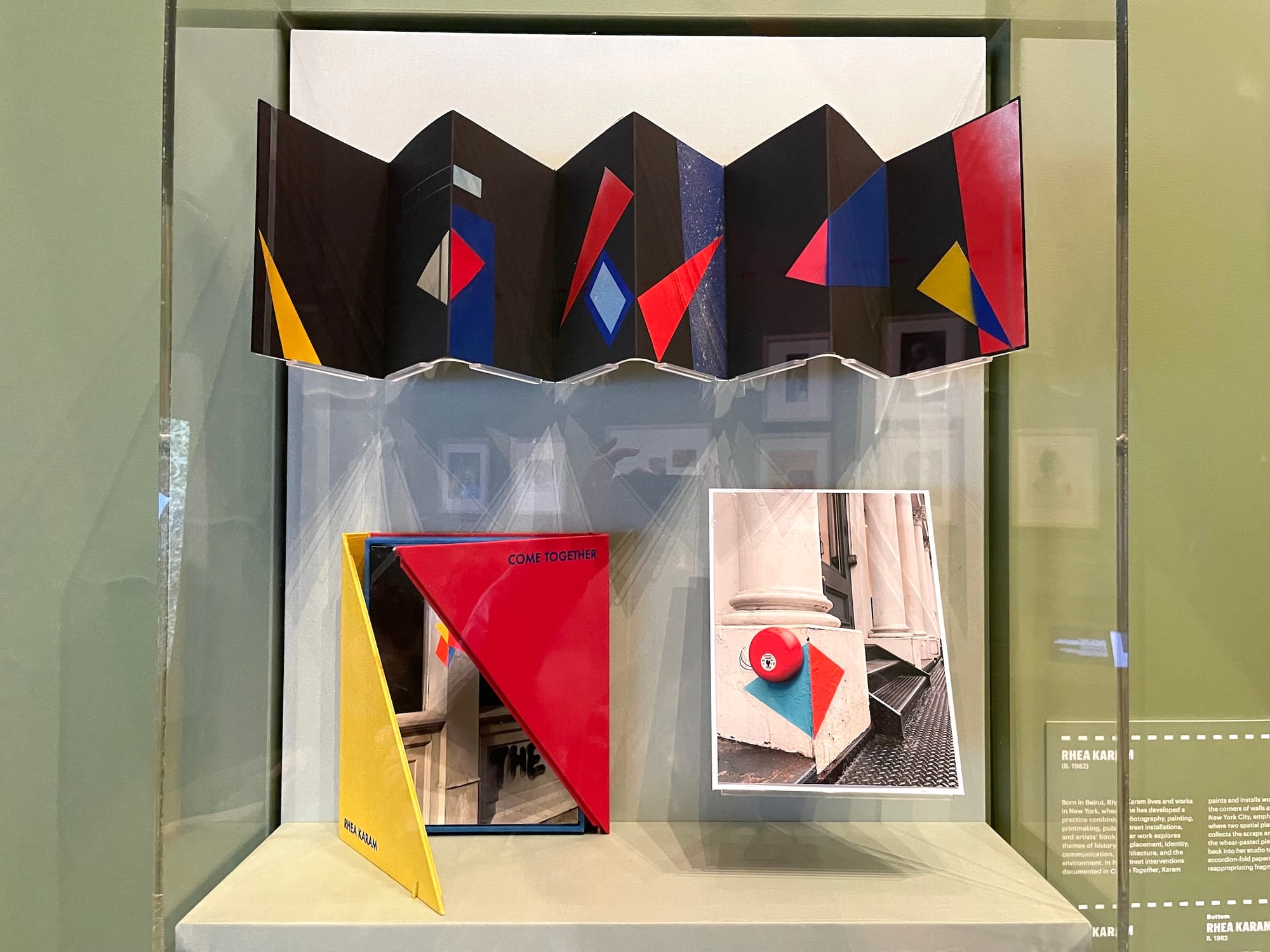
The “victim” portrayal has become more prominent since the start of Israel’s genocide in Gaza — and by “victim,” I’m referring to externally constructed images. The past few years have given us documentary films, art exhibitions, articles, and more that shed light on the genocide and the reality of the apartheid state. They’re necessary and meaningful cultural records. But what’s left when the media moves on to something else? Beyond this context, SWANA presence in American popular culture remains as minute as ever. (A low point for me last year was seeing Wes Anderson’s The Phoenician Scheme, which reimagined the ancient civilization as a generic modern Middle Eastern country and featured a cast of colonialist and vaguely Orientalist characters, none played by SWANA actors. How does this still happen?)
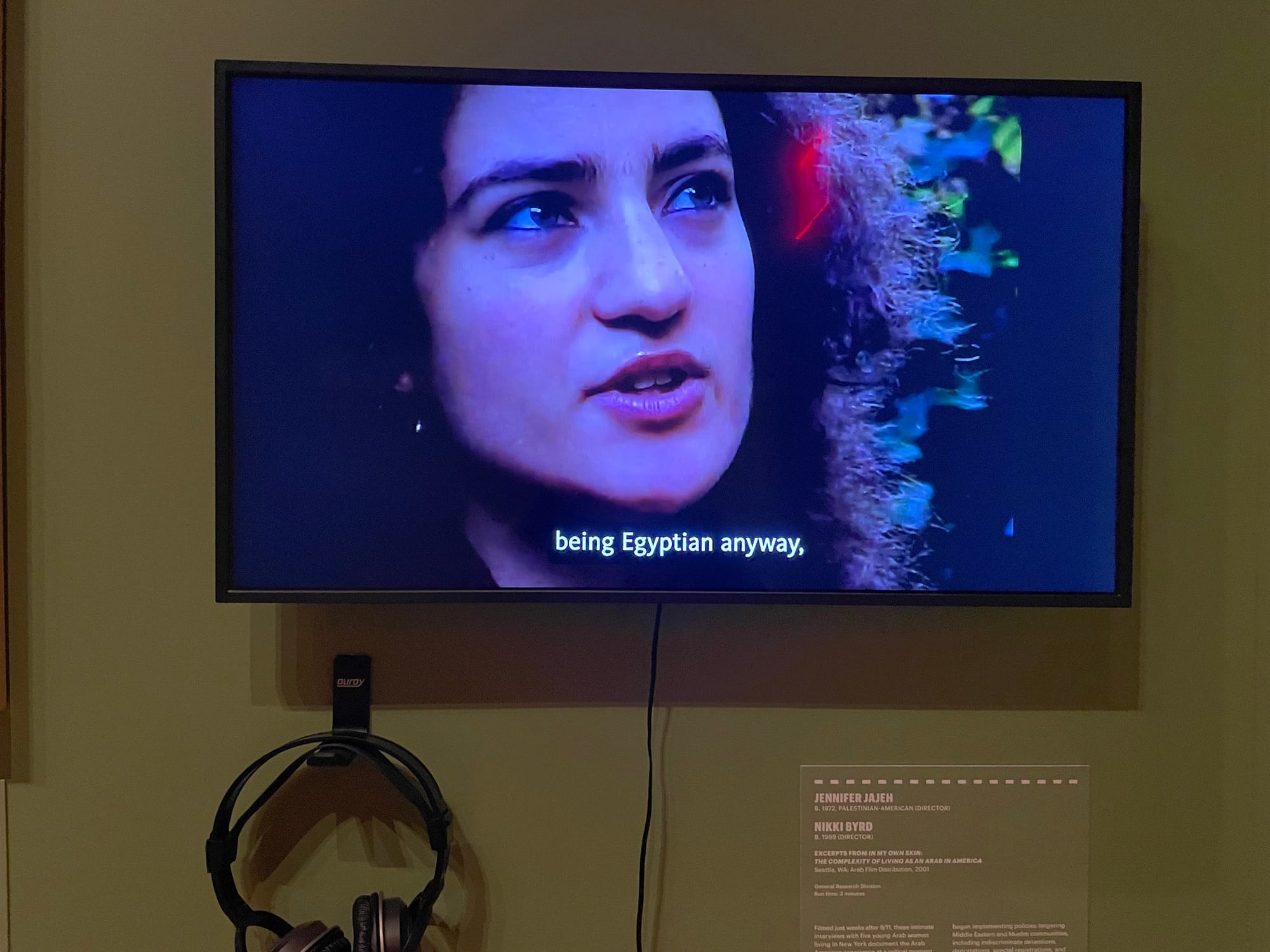
Niyū Yūrk’s most effective work is the short film "In My Own Skin" by Jennifer Jajeh and Nikki Byrd (2001). In it are brief interviews with five Arab women in the US discussing their experiences as immigrants shortly after 9/11. Instead of asserting their existence, they describe being forced to repress it, to prove their Americanism — in effect, to be invisible or White. The videos are available to watch online, which is worth doing. If you’re part of the SWANA diaspora, you’ll likely identify with them, especially if you were around post-9/11. If not, they offer a window into life within this paradox where invisibility and visibility are two sides of the same coin.
Niyū Yūrk continues at the New York Public Library (Stephen A. Schwarzman Building, Fifth Avenue and 42nd Street, Manhattan), through March 8. The exhibition was curated by Hiba Abid.