Figurative Expressionist Painter Jay Milder Dies at 92
He carved out a space for himself in the downtown art scene as a bold artist and gallerist who championed contemporaries such as Claes Oldenburg and Jim Dine.

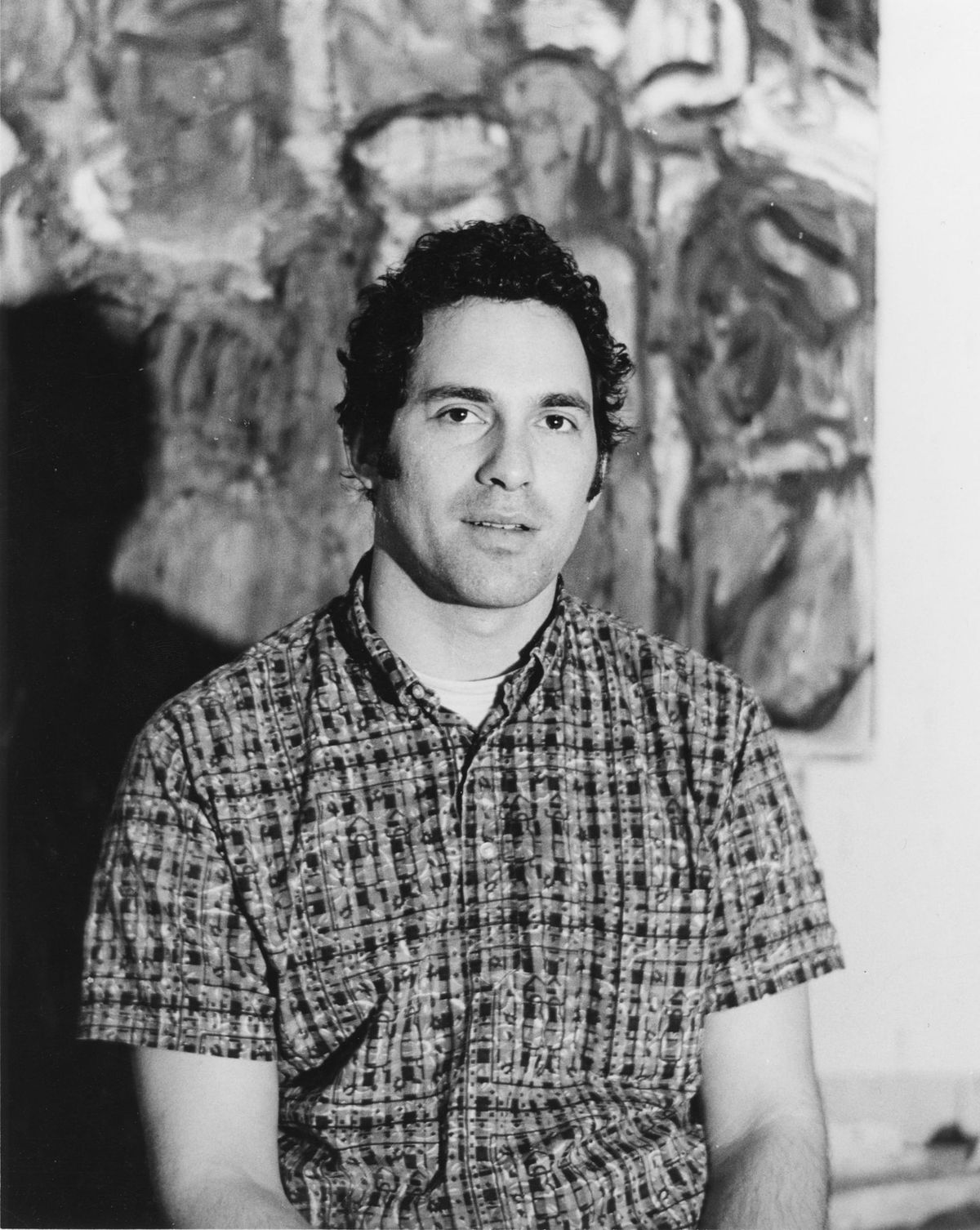
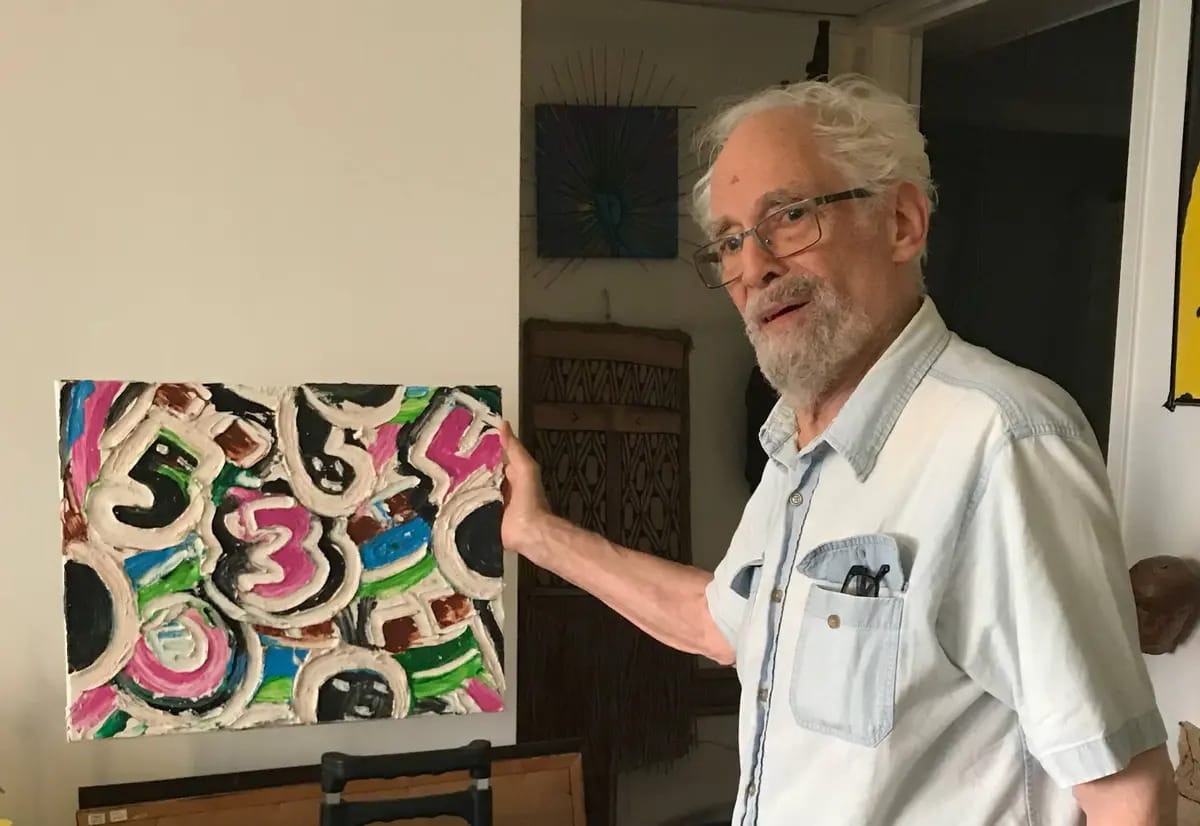
Jay Milder, founder of City Gallery and painter of bold abstractions that interpreted New York City life, has died at the age of 92. The news of his passing was announced by Eric Firestone Gallery, which has represented the artist since 2022.
Milder passed away in his beloved city on Wednesday, May 27, from a stroke, according to the gallery.
Born in Omaha in 1934, Milder moved from Nebraska to New York after graduating from high school. In the decades following his arrival, Milder carved out a space for himself in the downtown art scene as a bold Figurative Expressionist and cooperative gallerist who championed informal and improvisational works.
"Jay was at the center of something,” dealer Eric Firestone told Hyperallergic in an email. “He moved through the world the way he painted: with total commitment, and on his own terms.”
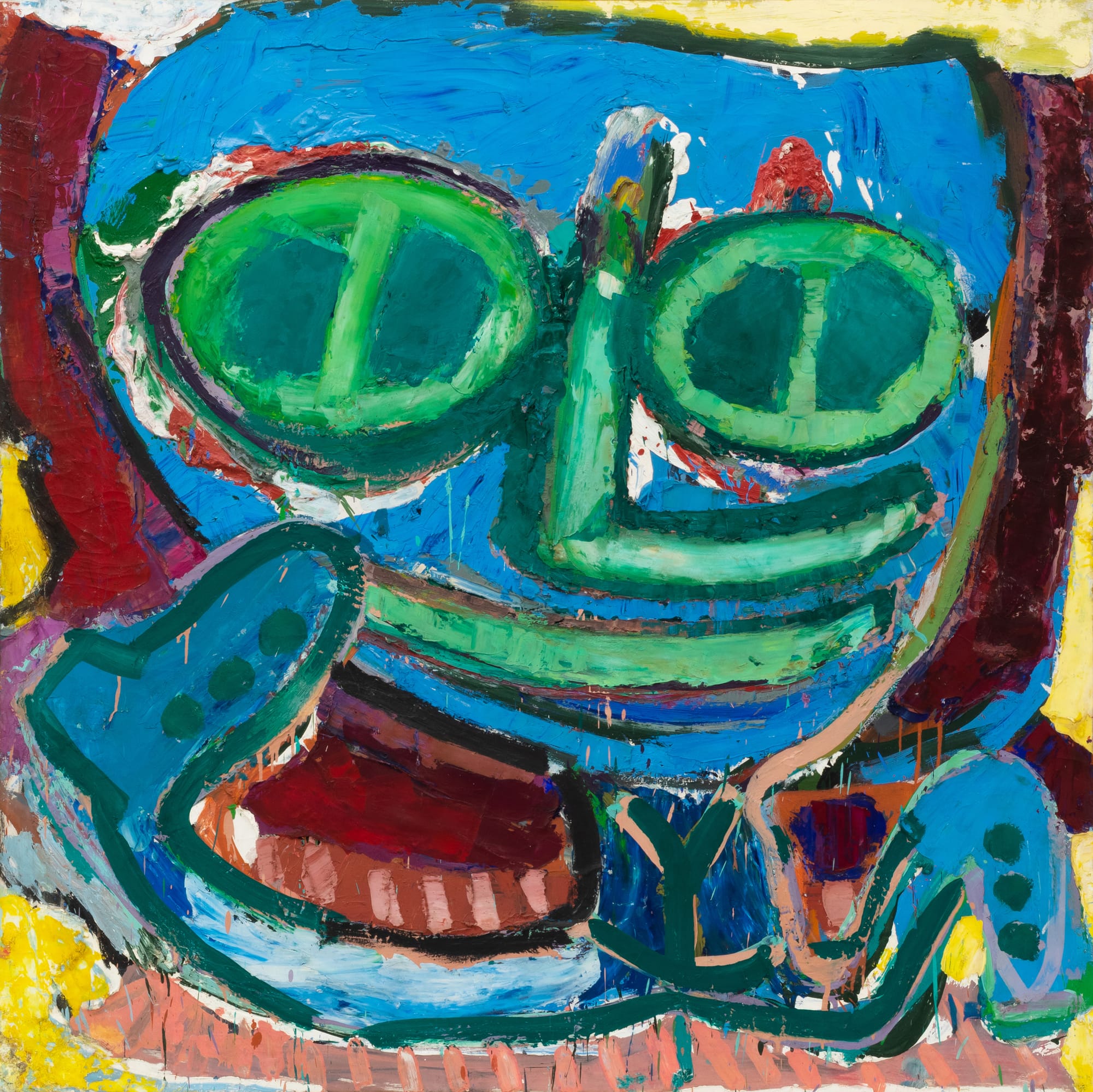
Milder co-founded City Gallery, an artist-run space, with Red Grooms in 1958 at the friends’ shared Flatiron loft. The gallery, which was only open through the following year, held some of the first New York shows of works by the now-revered Swedish-American sculptor Claes Oldenburg and Abstract Expressionist Jim Dine. Its roster also included Mimi Gross, Lester Johnson, and others.
The gallery marked a new age of urban, anti-establishment experimental art that punctuated New York City's art world in the late 1950s and ’60s. Melissa Rachleff Burtt, author of Inventing Downtown: Artist-Run Galleries in New York City (2017), interviewed Milder in 2013 and 2015.
“I vividly remember him describing frustration with the Tenth Street co-op scene, how the gallery he joined refused to have Claes Oldenburg as a member,” Rachleff recalled in an email to Hyperallergic. “But that frustration prompted Jay [and others] to start the City Gallery in a loft Grooms and Milder shared in Chelsea. They were savvy about getting press, and about having a large group show with established artists included.”
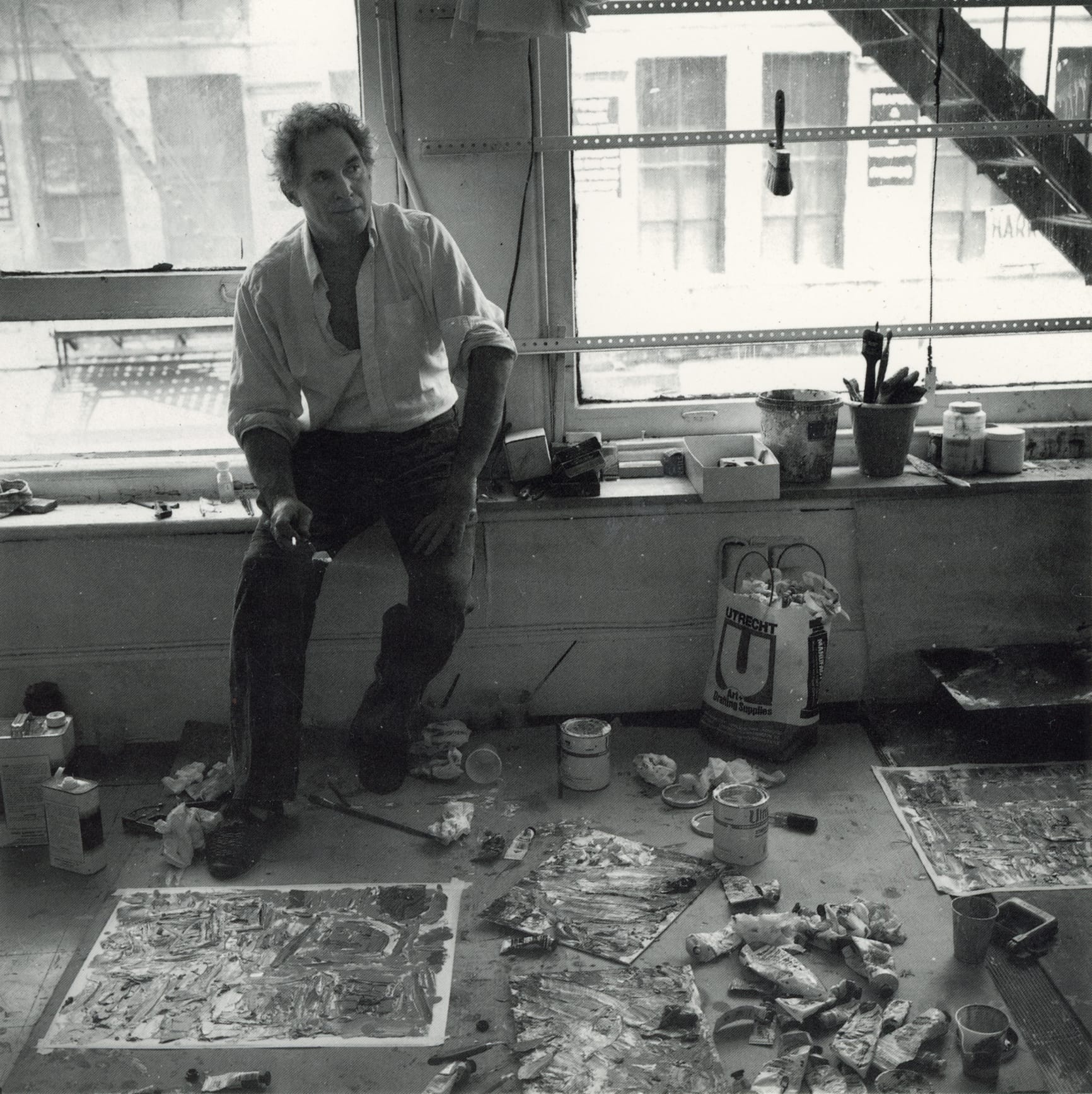
In 2015, Burtt visited Milder’s studio in a large building in Pennsylvania, where she viewed his abstracted subterranean portrait series Subway Runners (1960–64), which debuted in a 1964 exhibition at Martha Jackson Gallery. The warped, emotive faces were shown again in 2022 in a solo exhibition at Eric Firestone Gallery.
“The figures were schematic characters [with] lots of personality, people crushed together somewhat incongruously,” Burtt recounted. “Exactly what the subway feels like even now.”
After moving to New York City as a teenager, Milder traveled to Paris, Chicago, and Provincetown in the 1950s. In France, he studied with the Russian sculptor Ossip Zadkine and Cubist painter André Lhote and recruited Ed Clark, who would become a pioneering member of the New York School, as an informal mentor. When he returned to the United States, Milder studied at the Art Institute of Chicago, meeting his future gallery partner Red Grooms during a summer he spent in Massachusetts.
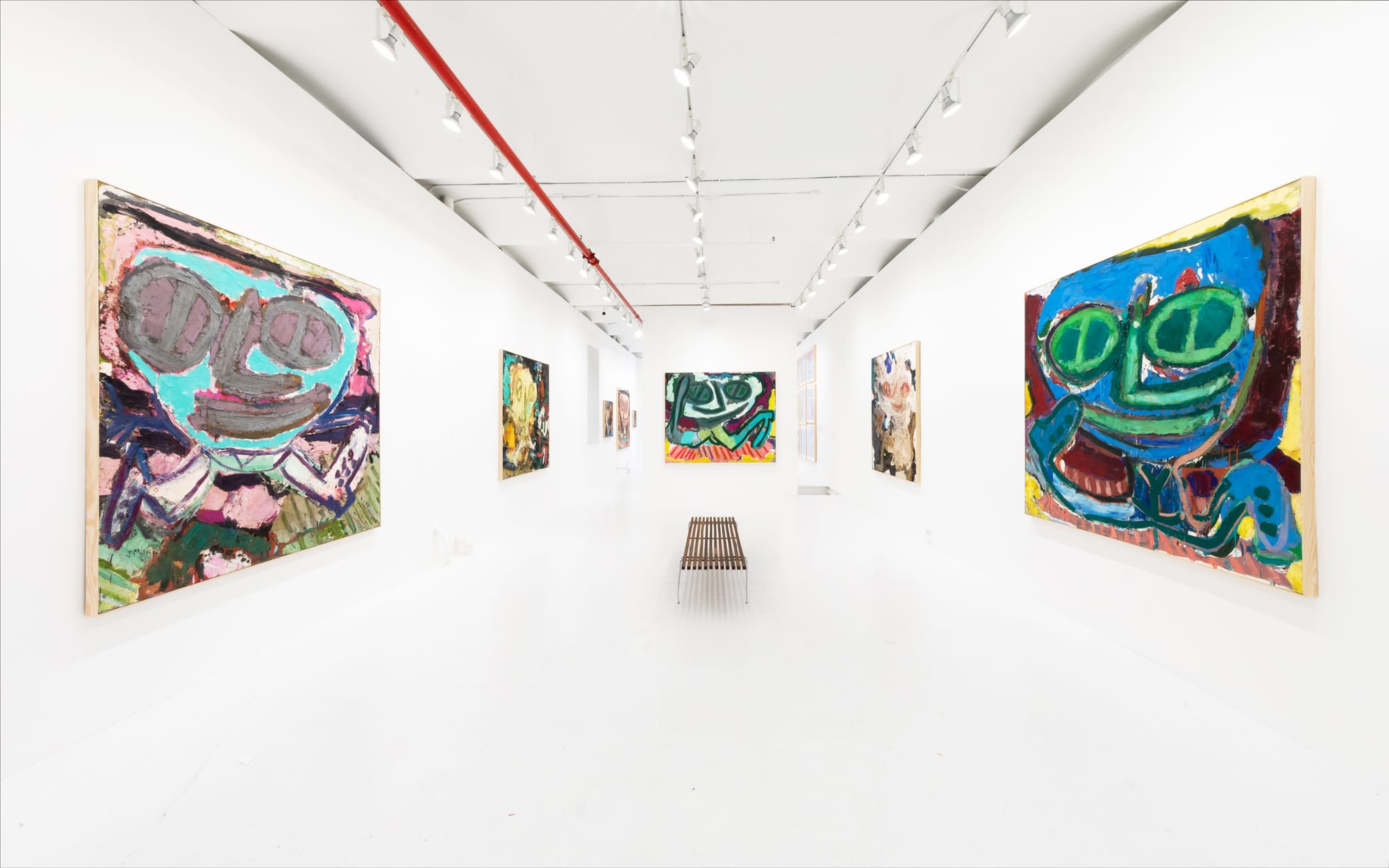
Works by Milder, now associated with a “second-generation New York School” Figurative Expressionism, according to Eric Firestone, are held in the collections of major institutions, including the Brooklyn Museum and the New Museum.
Burtt recalled learning that Milder’s grandfather was a Jewish mystic, who exerted an undeniable influence on his craft. He often invoked Kabbalistic, or Jewish mystical, numerology in his paintings. “This mysticism, this spirit of seeking, is fundamental to Jay, as well as his playfulness and love of urban places,” Burtt said.
Curator and Milder's close friend Martha Henry remembered Milder as "funny and generous," quipping that the painter enjoyed "dancing to reggae and salsa, despite knowing none of the steps."
"He believed that painting was a spiritual and regenerative act," Henry told Hyperallergic. "That view may seem almost quaint today because it is so distant from the cynicism and loss of faith that permeate contemporary life."