Fixing the Potholes in NYC’s Cultural Infrastructure
If “pothole politics” is about fixing what people experience in their daily lives, then cultural funding should follow the same logic: steady, predictable, and built to last.

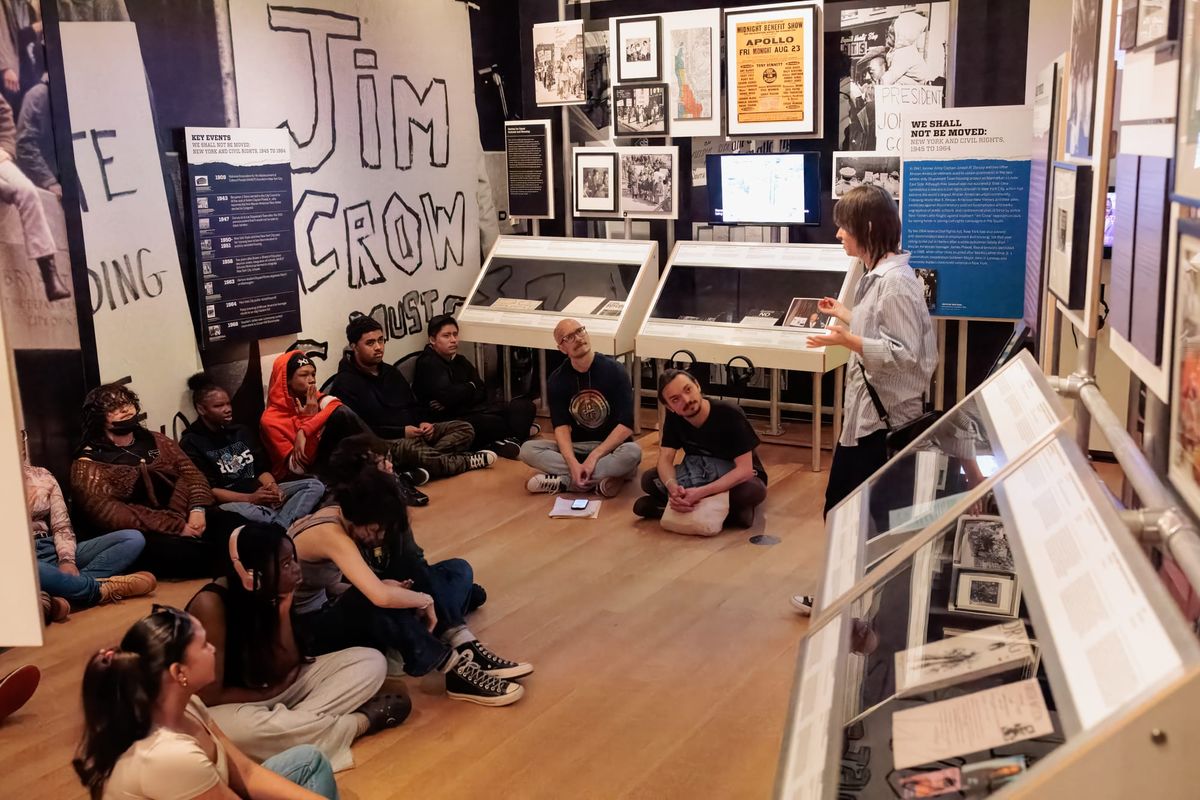
New Yorkers understand something simple: when the basics work, the city works. When they don’t, people notice immediately.
That’s the premise behind what Mayor Zohran K. Mamdani has rightly called “pothole politics”: the idea that government earns trust not through rhetoric, but through consistent attention to the systems people rely on every day. It’s about fixing what’s visible, what’s used, and what shapes daily life.
Culture belongs squarely in that category.
What may not always be visible is the full depth of the cultural sector’s reach across all five boroughs; its work with artists, educators, community organizations, and neighborhoods citywide. But the impact is felt every day — in classrooms, in public spaces, and in moments of connection and belonging.
Thirty-nine of New York’s cultural institutions operate within a uniquely American public-private model, one that dates to 1869. These institutions are not tenants. They are stewards of city-owned assets, entrusted with delivering public value at scale.
And they do.
Every year, more than 4 million people are served by these institutions at no cost — more than the population of the entire state of Connecticut, and more than the populations of 22 US states. Millions more access programs at reduced cost. Free and low-cost access is not an add-on; it is foundational.
When the city calls, cultural institutions respond. We have served as early voting sites, cooling centers, and pandemic response partners. Through programs like IDNYC, our institutions extend access to communities that might otherwise be left out. We are part of the city’s civic infrastructure, even if our organizations are not always recognized in that way.
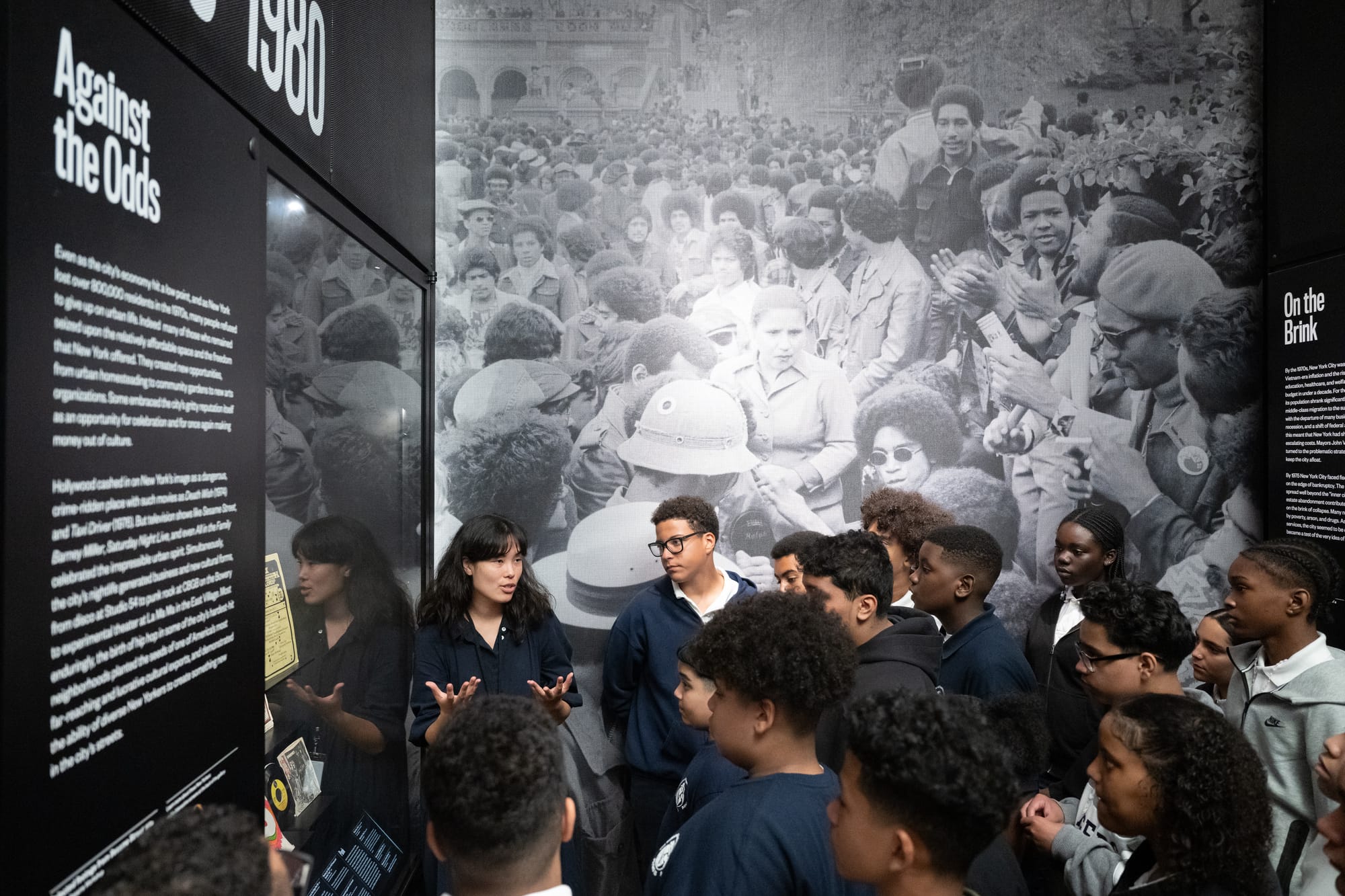
They are also engines of economic activity and education. Before the pandemic, cultural institutions welcomed 24 million visitors annually. Today, the sector generates $110 billion in economic activity and supports more than 15,700 jobs — including thousands of union positions. Each year, 2.5 million students visit these institutions, and partnerships reach 82% of New York City public schools.
These are not abstract figures. They point to something more fundamental: Cultural institutions are part of the city’s operating system.
And like any system, they require maintenance.
Right now, culture represents just 0.21% of the city’s budget, below its long-term average. Recent investments have been meaningful, including $75 million in last year’s budget. But $30 million of that funding remains for one-time support, leaving many institutions, particularly small and community-based organizations, in a cycle of uncertainty.
That is not how essential infrastructure should be funded.
If pothole politics is about fixing what people experience in their daily lives, then cultural funding should follow the same logic: steady, predictable, and built to last.
That means restoring and baselining $30 million for the Department of Cultural Affairs to ensure stability across the sector. It means accounting for rising operating costs and wages so institutions can sustain their workforce. It means developing a comprehensive cultural capital plan to modernize facilities and reduce delays. And it means continuing to fund initiatives that expand access — programs like CASA for youth and children, Su-CASA for senior citizens, and arts education partnerships that bring culture directly into communities.
Cultural institutions are also among the city’s most important public spaces — places where New Yorkers expect safety, accessibility, and a sense of belonging. They are where the city tells its story, and where residents see themselves reflected in it.
In that sense, they are not separate from the everyday concerns of New Yorkers. They are part of them. The question is not whether culture matters. The numbers — and the lived experience of millions of New Yorkers — make that clear.
The question is whether the city will treat cultural infrastructure with the same seriousness it brings to every other system people depend on.
A city that invests in its cultural institutions is a city that takes care of its civic life — supporting the places and experiences New Yorkers rely on, in ways that people feel every day.
Stephanie Hill Wilchfort is the Ronay Menschel Director and President of the Museum of the City of New York and Chair of the Cultural Institutions Group.