For Sophie Lewis, Femininity Is Not the Enemy of Feminism
In “Femmephilia,” the author reclaims femininity, sexual pleasure, and adornment from patriarchal narratives in art and theorizes their liberatory powers.

In challenging the opprobrious history of misogyny within visual art and broader culture, feminist critics can at times dismiss the delights of femininity itself. As independent scholar Sophie Lewis puts it, “when certain feminists first turned against girly things, it was a giant error in Western women’s liberation history.”
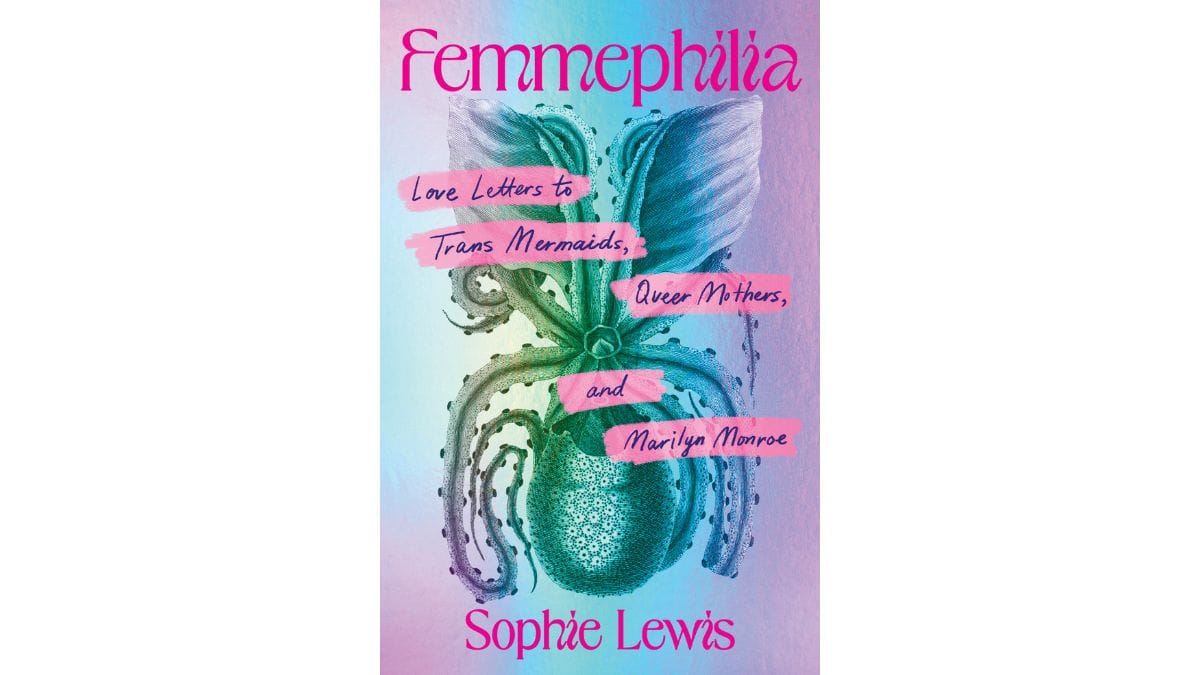
Lewis’s new book Femmephilia: Love Letters to Trans Mermaids, Queer Mothers, and Marilyn Monroe (2026) aims to redress the strains of feminism that frame adornment as inherently frivolous. Engaging and embracing the “femme” impulses that abound in visual art, literature, and pop culture, Lewis celebrates what she deems the “liberatory,” rather than patriarchal, powers of femininity and feminine aesthetics.
Best known for her trenchant critiques of the nuclear family and trans-exclusionary feminism, Lewis has a keen penchant for the visual that has often been overlooked. But whether it’s plumbing the trippy subaqueous mise-en-scène of My Octopus Teacher (2020) or basking in the somatic smorgasbord of multimedia artist’s Adham Faramawy’s “Skin Flick” (2019), Femmephilia exalts in the act of looking as part and parcel of a feminist project.
Analyzing the myth of Daphne as represented in Faramawy’s 13-minute video, Lewis reframes feminist readings of the nymph as helpless virgin-turned-asexual tree. The artwork doesn’t “shame Apollo, nor does it kink-shame the desire to hug (or fuck) a tree,” Lewis argues. In Faramawy’s heady, libidinous version of the myth, the joys of eros are not to be hastily abandoned. Nor, for that matter, is beauty — at least not the kind that counts. “Beauty is a totalitarian god,” admits Lewis in a bold, single-line paragraph, only to follow it with, “but beauty — with a lower-case ‘b’ — is also sniffable, palpable, and unlearnable, perhaps, in the loamy undercommons, away from Apollo’s gaze.”
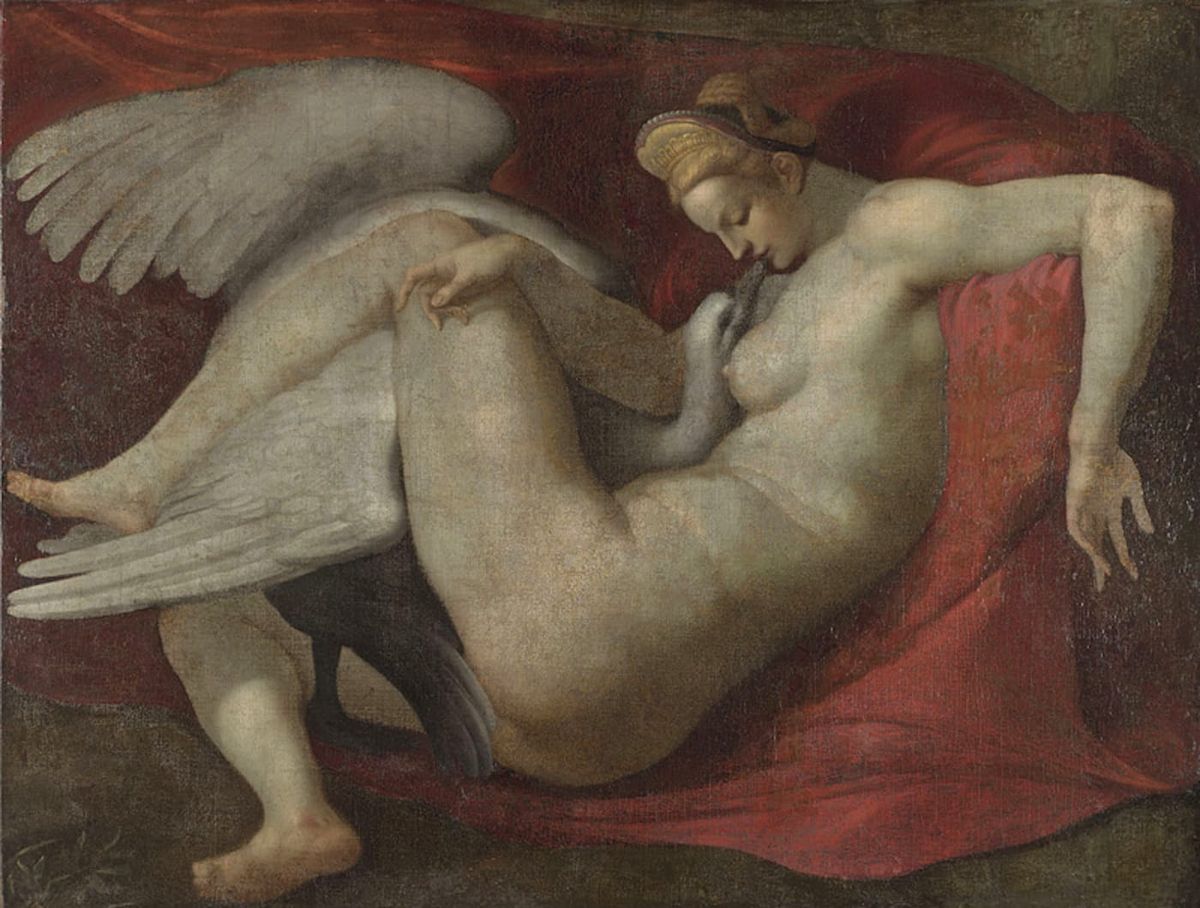
Across Femmephilia, the sensorial elements of visual art merge with that of body horror, porn, poetry, myth, octopi — the slick legs of culture and nature tangled together. In a spirited, lusty read of Michelangelo’s lost “Leda and the Swan,” a tempera-on-canvas painting from 1530, Lewis celebrates the complicated power dynamic between the queen of Sparta and the “theriomorphic Zeus between her legs […] trying his best to please.” While Leda’s story is often relayed as rape, effectively normalizing violence against women in mythology, Michelangelo renders something consensual. “She could crush him with ease, or wring his neck, if she wanted to,” Lewis muses, “but there is something she wants, something she’s receiving.”