From an Extinct Lion to an Alligator Mid-Meal, Preserving Moments from the Bronx Zoo’s Glass Plate Archive
Since 1901, the Wildlife Conservation Society's Bronx Zoo has maintained a photography department, and now holds a collection of over 70,000 glass plate and film negatives.

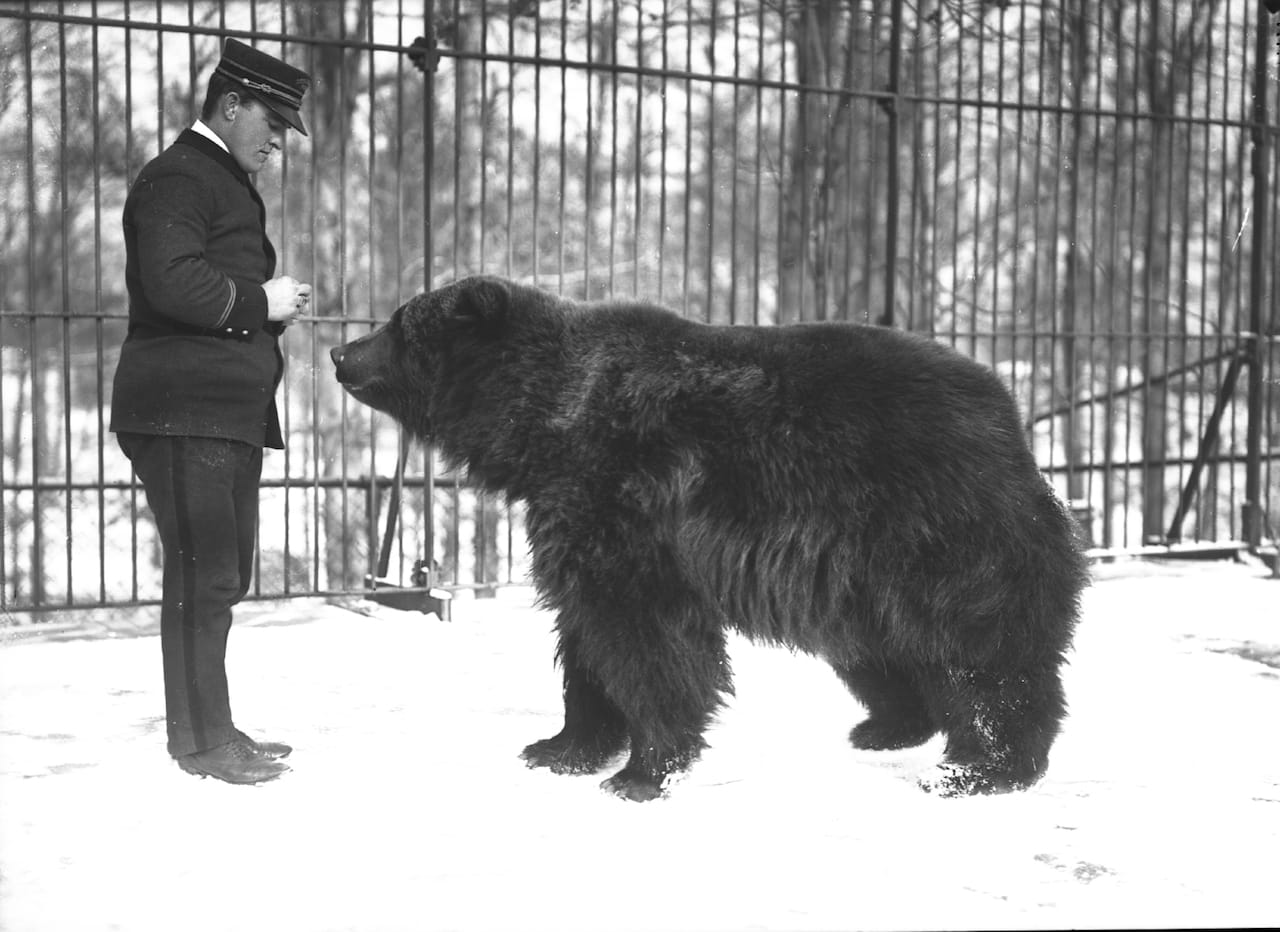
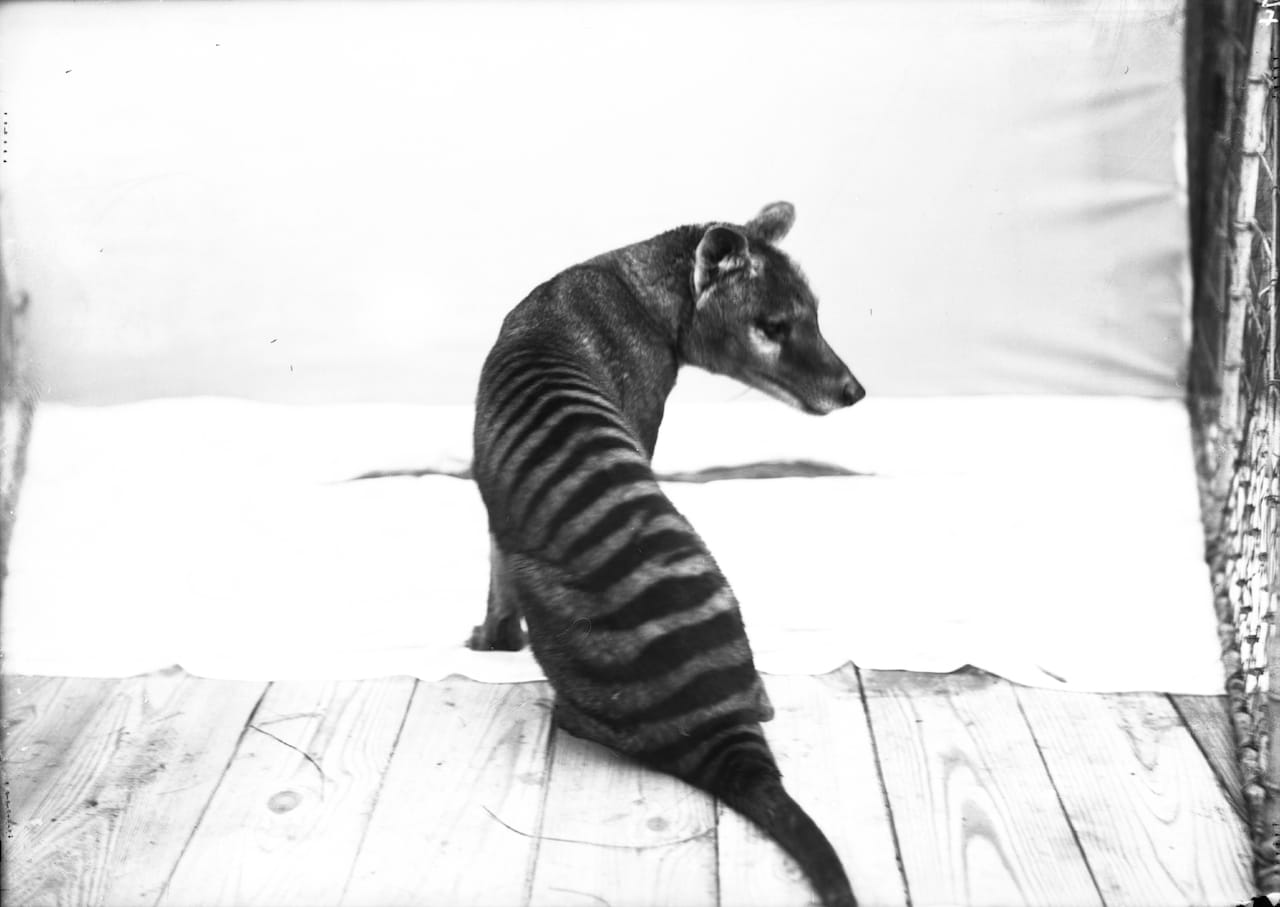
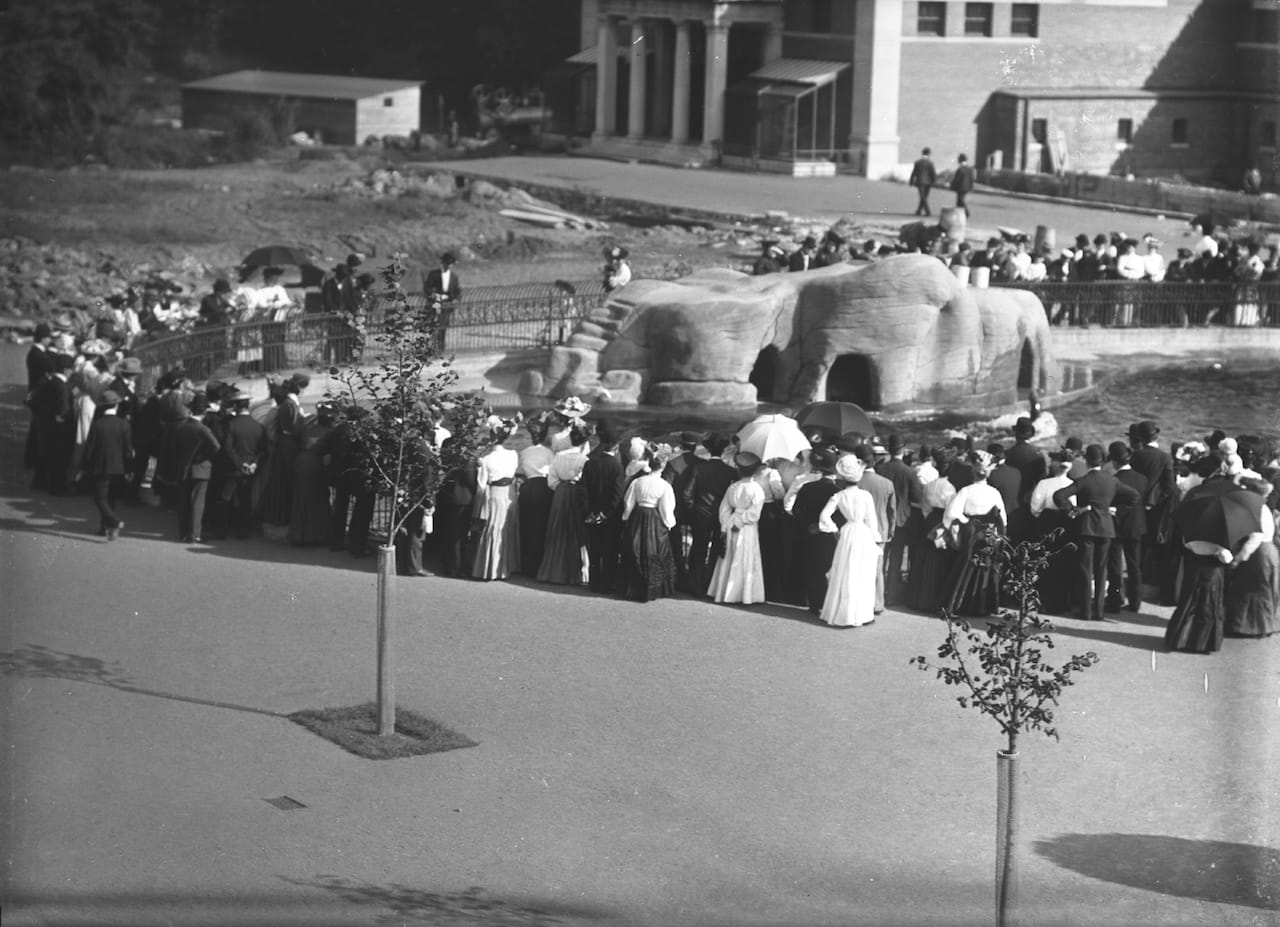
Since 1901, the Wildlife Conservation Society’s Bronx Zoo has maintained a photography department, and now holds a collection of over 70,000 glass plate and film negatives. The images capture the progression of animal care over the 20th century, visitor interactions, and even now-extinct animals, including one of the four thylacines (Tasmanian tigers) that lived at the zoo between 1902 and 1919. This month, the Wildlife Conservation Society (WCS) Archives announced it received a grant from the New York State Program for the Conservation and Preservation of Library Research Materials to rehouse a portion of the archive to protect it from decay.
“This project will go until June,” WCS Archivist Dr. Madeleine Thompson told Hyperallergic. “Beyond that, we hope to raise funds to rehouse the entire photo collection and eventually start to digitize the photos.”
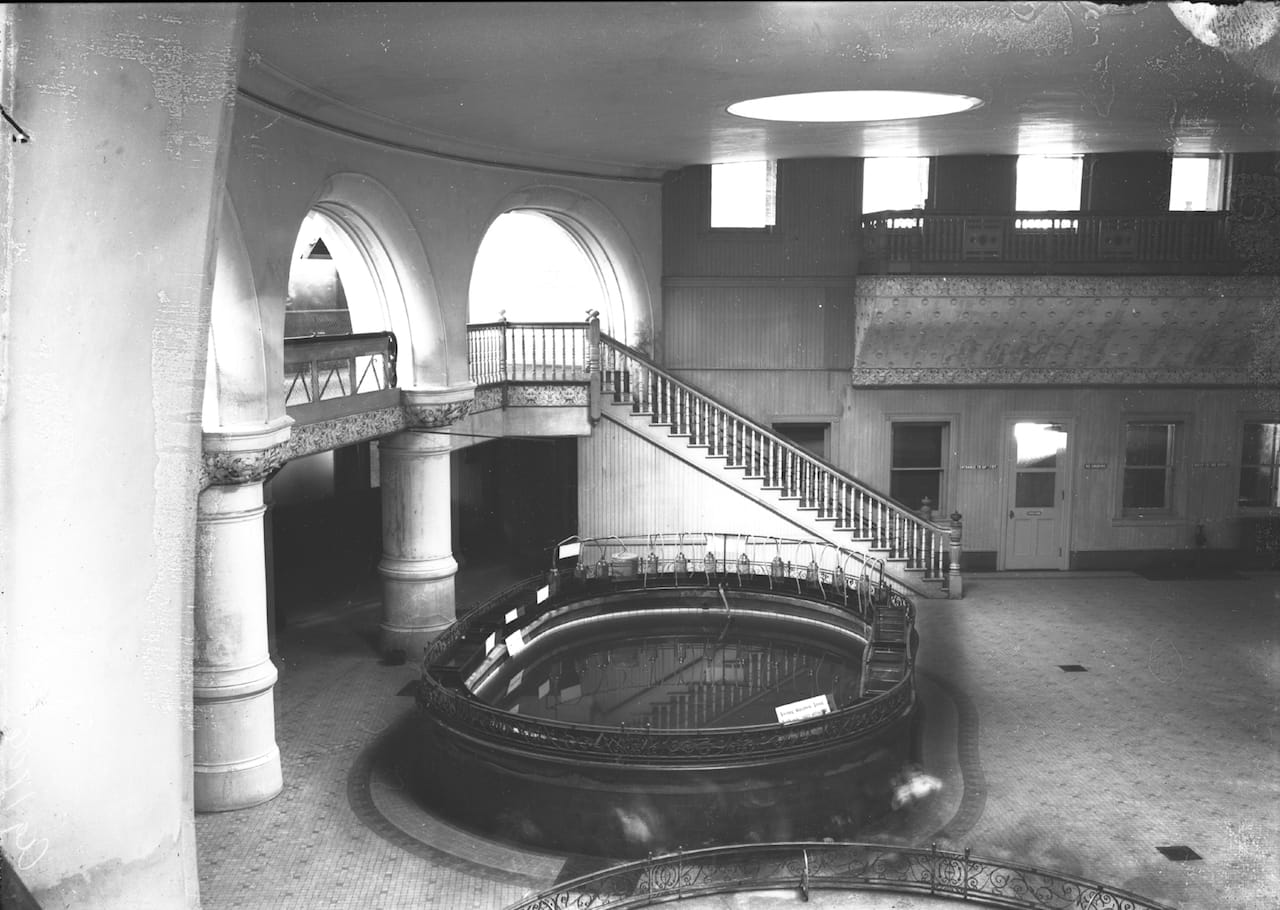
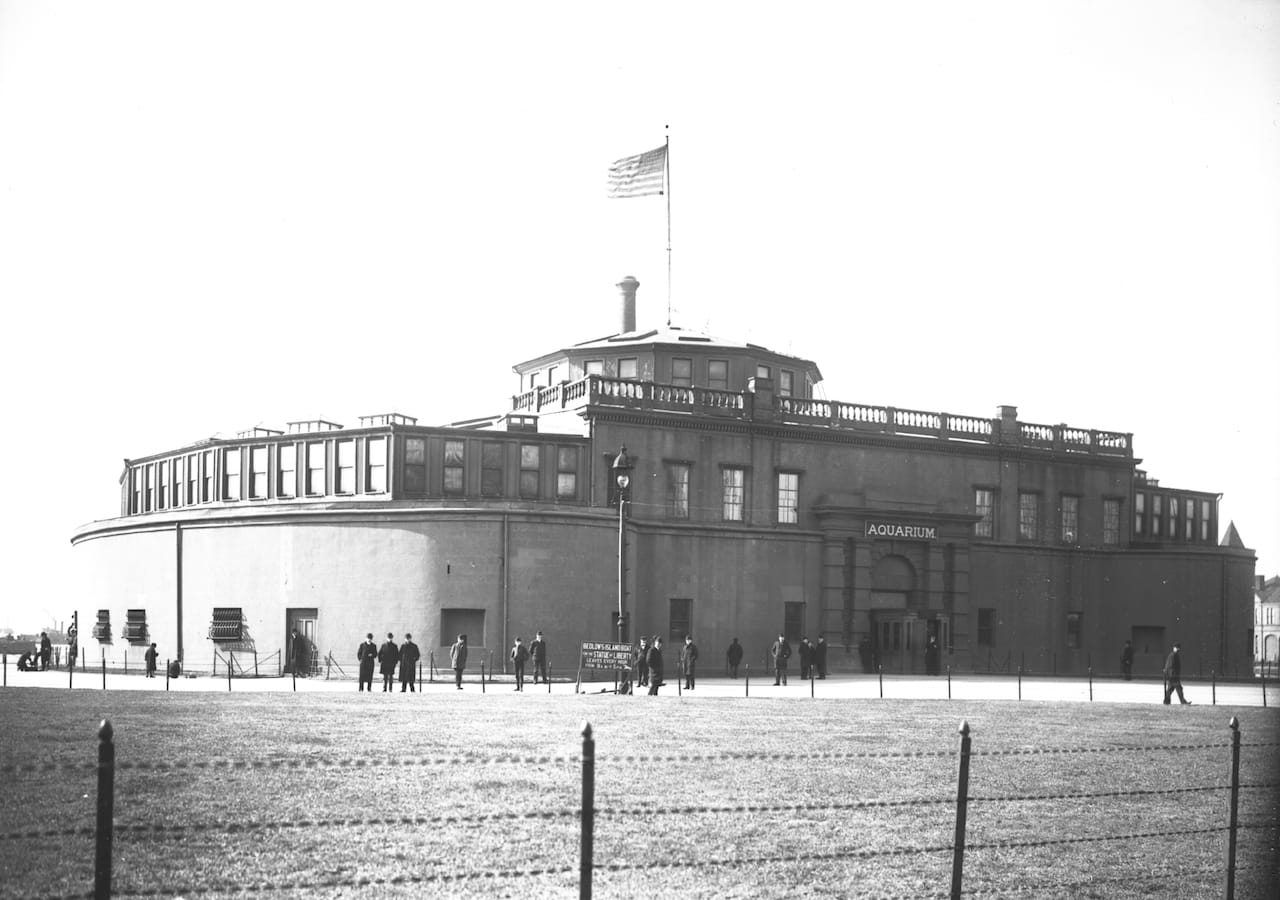
The project focuses on an initial 12,000 negatives from the late 1800s to 1930s, with the first dated 1889, showing an alligator mid-meal, its tail blurred in the water. The WCS Archives also include material on the New York Aquarium, which WCS has managed since 1902, when it was still at Battery Park in Castle Clinton (it’s now at Coney Island). Thompson stated that they will be sharing historic stories they uncover on the WCS Archives blog.
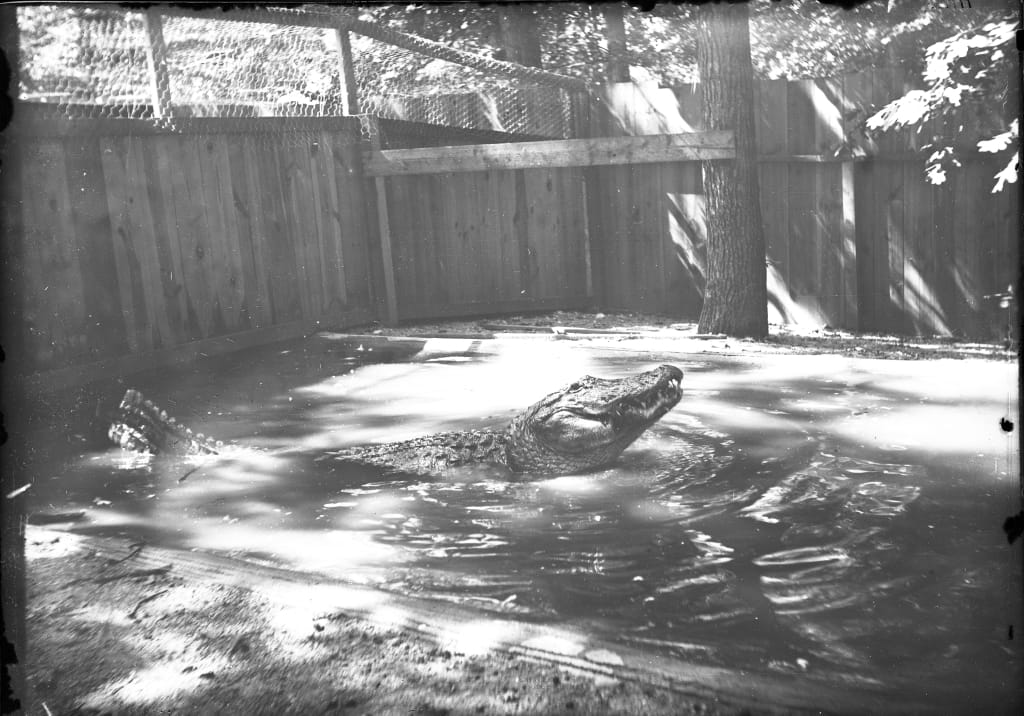
“We are still getting to know much of the historic photo collection, and I think that we’re going to continue to find amazing stories as we continue the project,” she explained.
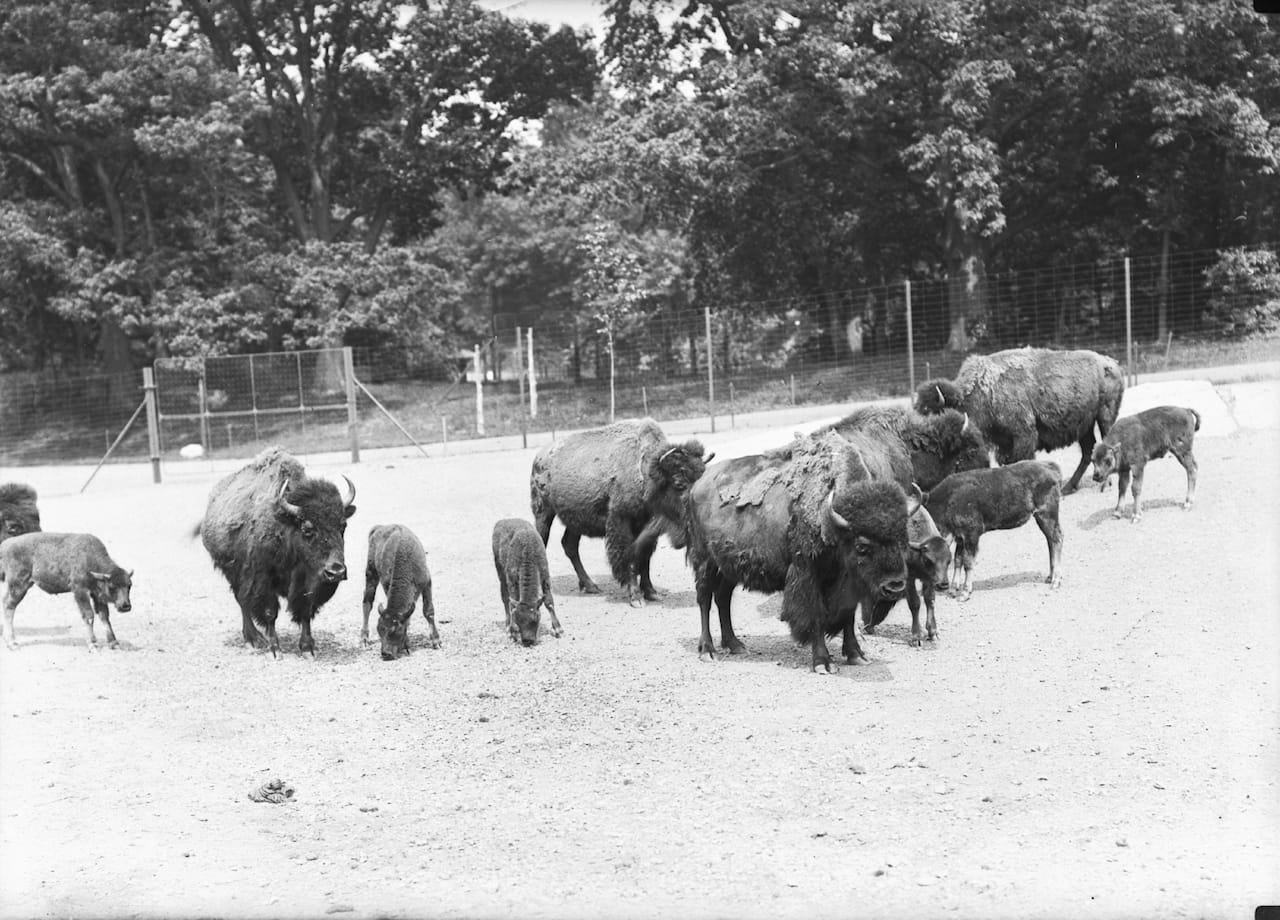
Below you can see a sampling of the glass plate negatives in the WCS Archives. In 1901 there was Cyclone the grizzly bear, which William T. Hornaday, the zoo’s first director, declared a “fine-spirited dignified little grizzly.” Hornaday also spearheaded the American Bison Society, which bred bison at the Bronx Zoo, an effort to reintroduce the nearly eradicated animal to the Great Plains. In 1907, the zoo sent the first 15 to roam Oklahoma’s Wichita Mountains Wildlife Refuge. Some of this bison herd, with its young calves, is shown in one black-and-white 1907 image.
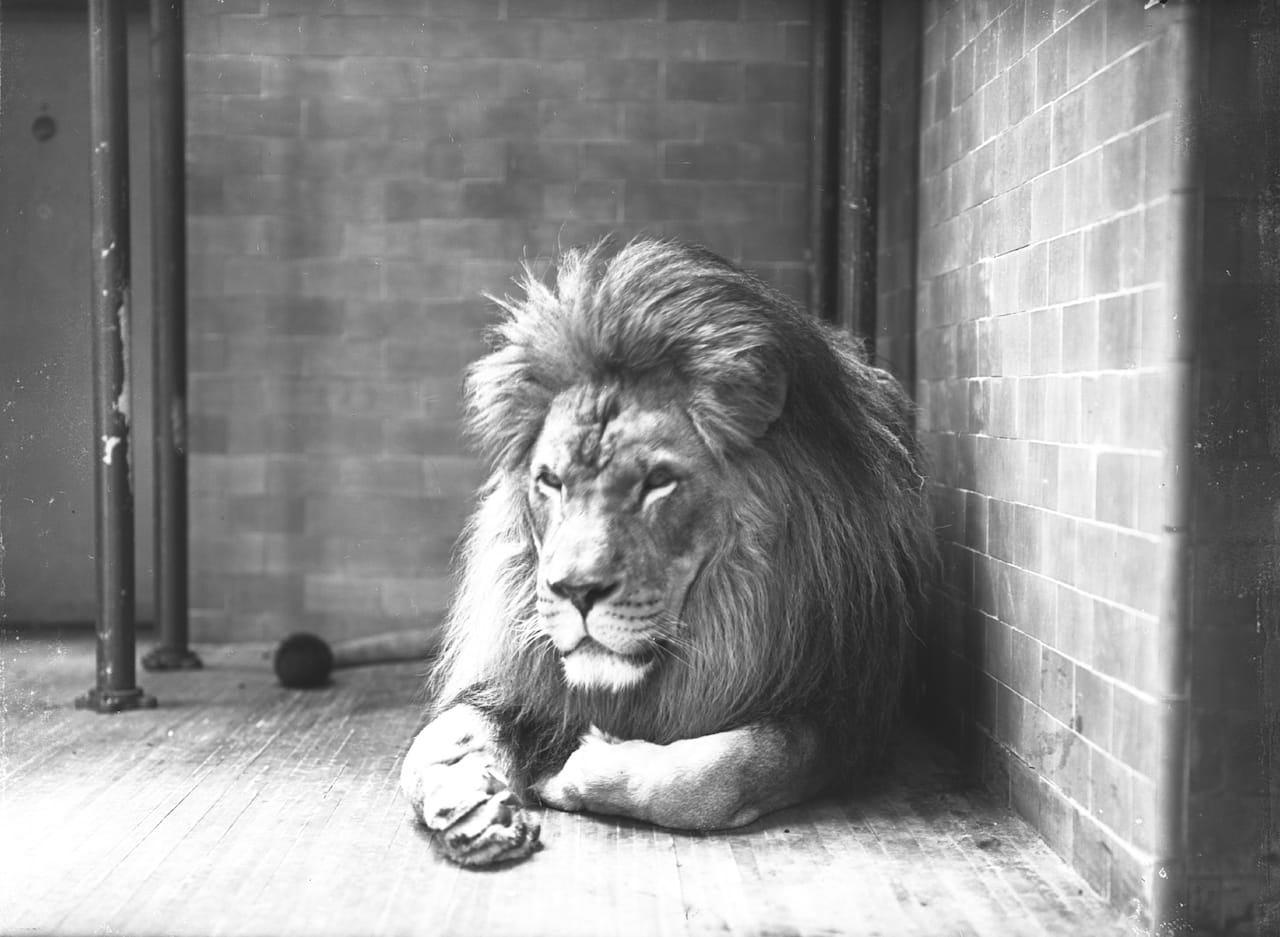
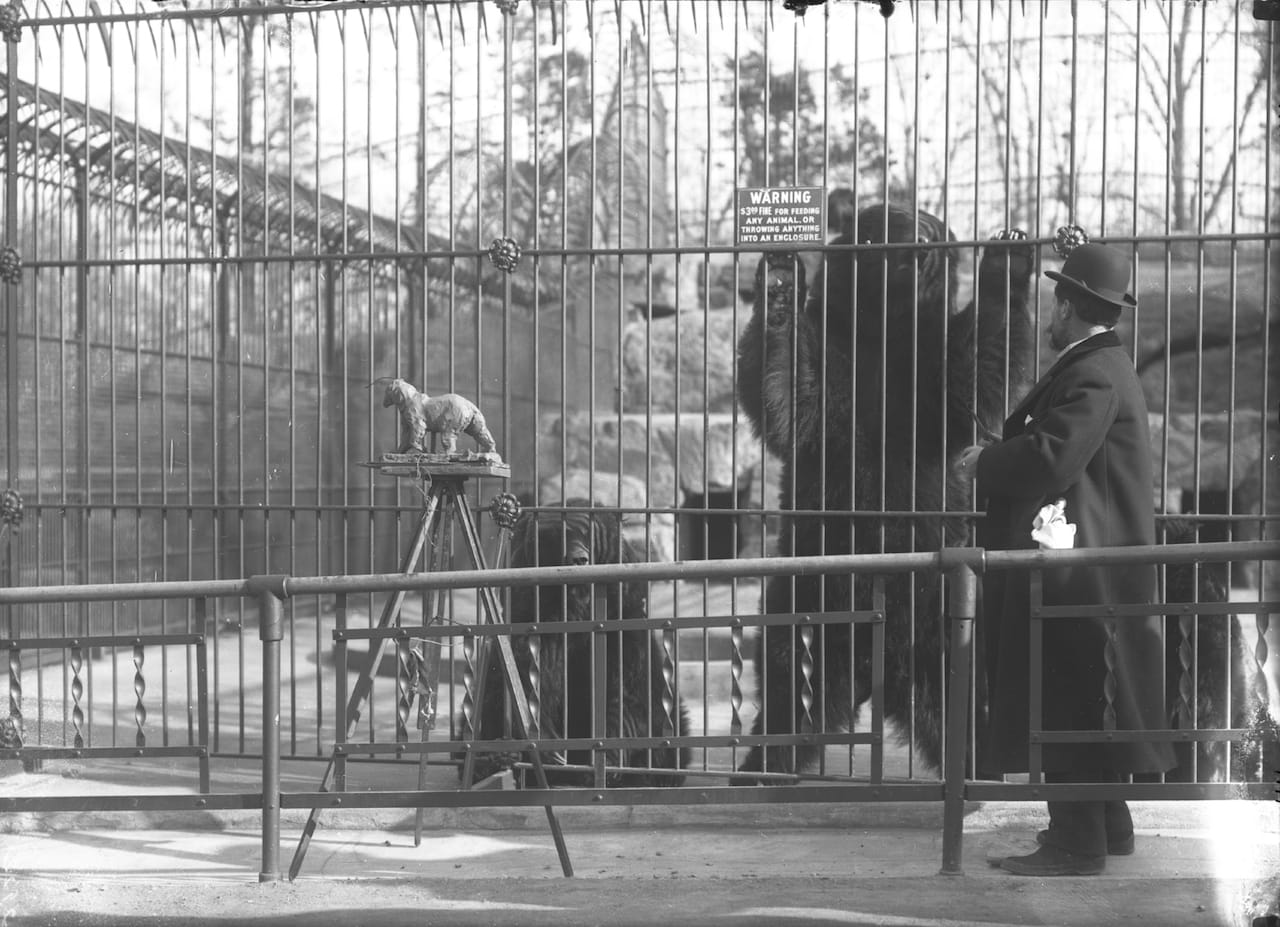
There are also a few artist muses, as many people since the zoo’s founding in 1899 visited to sketch the exotic animals. For example, Sultan, a Barbary lion (a species now-extinct in the wild), was described in a November 1914 Bulletin has having a “particularly fine mane of rather a dark hue, which pleases the sculptors and painters because it is not too abundant, and does not mask the muscles of the shoulder.” In a 1906 photograph, a man in a bowler hat watches a bear while he works on a bear sculpture propped up by the cage.
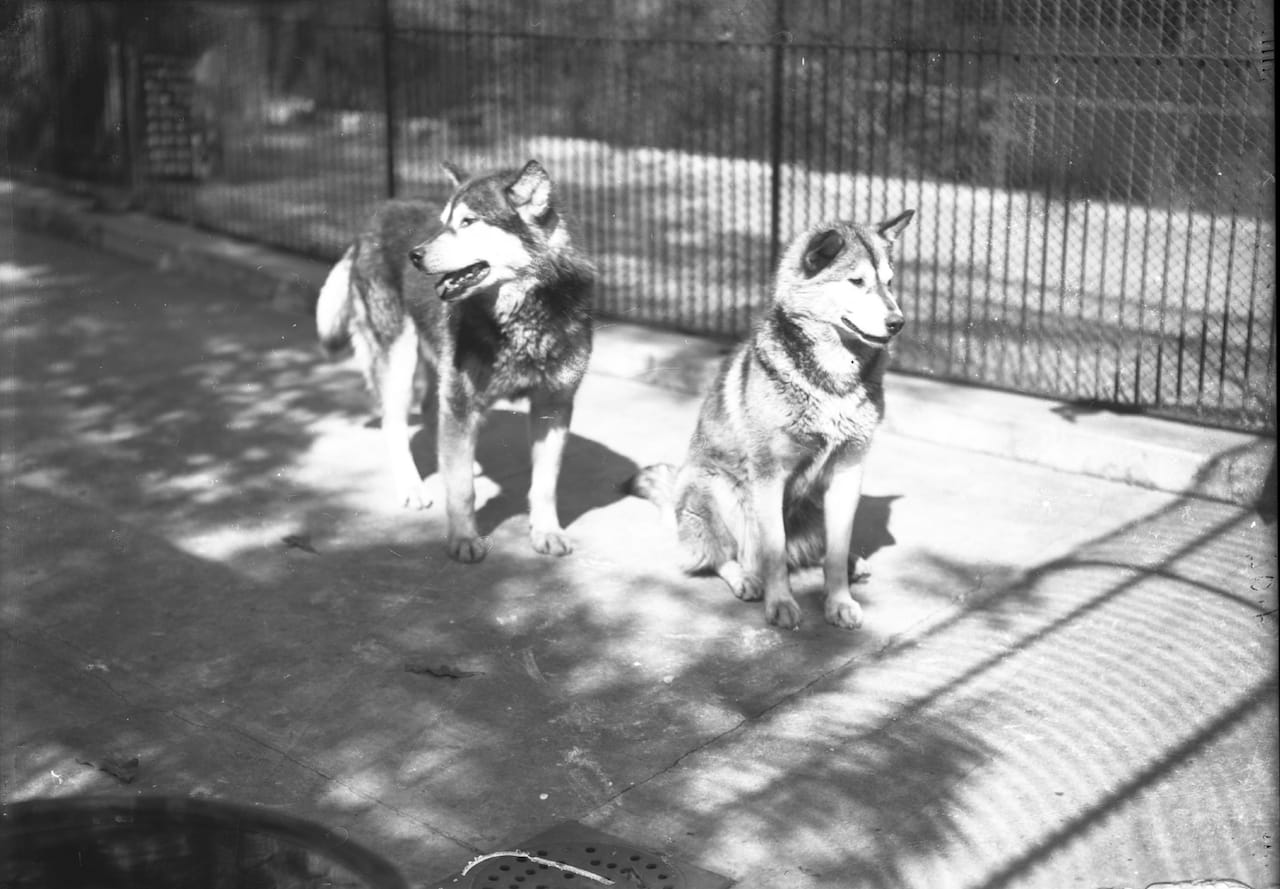
There is history both light and dark connected to the zoo, reflecting the complicated history of New York City, whether the exhibiting of the Congolese man Ota Benga in 1906, or the residence of North Pole explorer Robert Peary’s dogs that started in 1902 after he no longer needed them for sled pulling. The WCS Archives project will secure the accessibility of this visual side of its history.
Read more about the WCS Archives project at the Wildlife Conservation Society.