Haroutiun Galentz’s True Colors
A new book traces the function of color as both a mask and a mirror in psychological portraits by the modernist painter, who lost his parents during the Armenian Genocide.

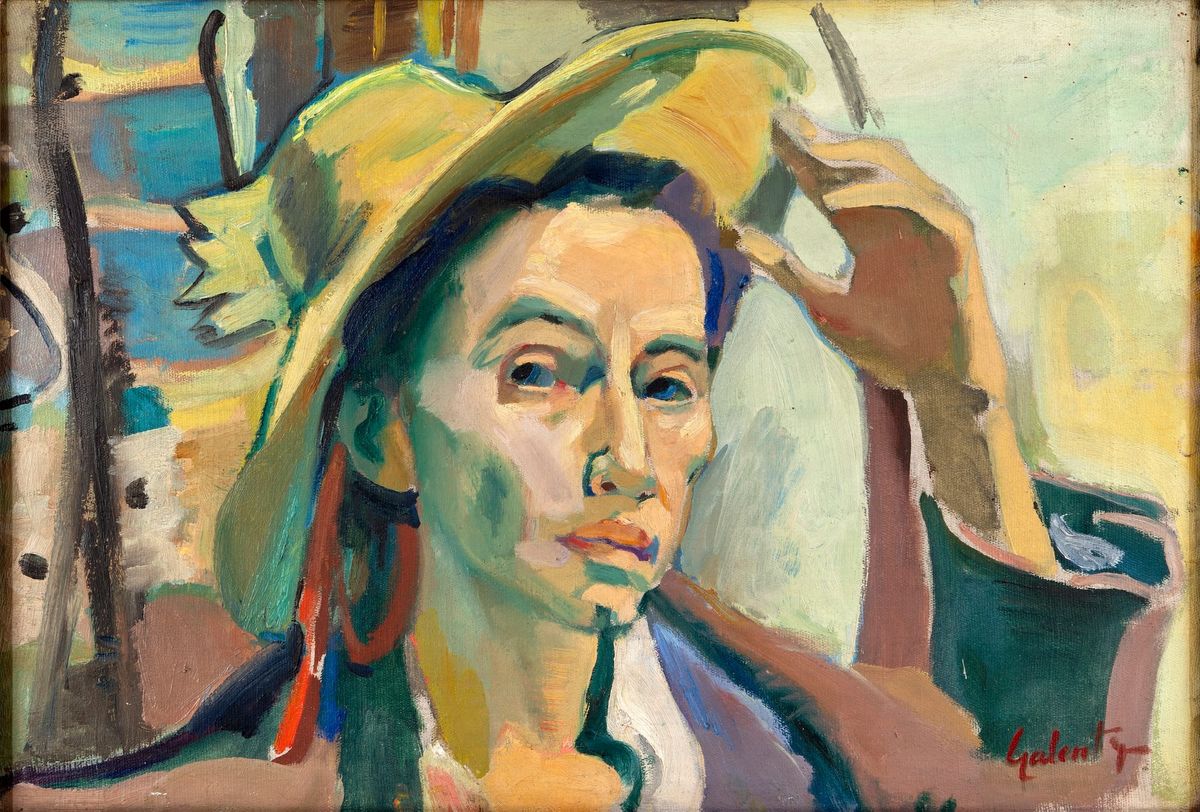
Painter Haroutiun Galentz (1910–1967), orphaned and displaced during the Armenian Genocide, remains one of the 20th century’s most vital yet enigmatic modernist figures. He navigated the impossible demands of Lebanese nationalism, French colonialism, Soviet Stalinism, and Armenian socialism, but his work has been studied differently across these contexts. By reuniting his displaced works and reading them chronologically, Haroutiun Galentz: The Form of Colour (2025) argues that the artist developed a singular modernist language rooted in color and psychological portraiture.
This language, editors Vartan Karapetian and Marie Tomb claim, was not a rejection of his circumstances but a sophisticated response to displacement and ideological pressure. The argument is persuasive, but it raises an uncomfortable question: If color and form were sincere expressions of a fractured self, were they also a convenient disguise, a coping mechanism that protected him from confronting the harsh realities of his life?
The book argues, especially through art historian Silvia Burini's semiotic essay, that Galentz's portraits and landscapes used chromatic intensity and structural distortion to express inner truth. Burini writes that Galentz's bold, often unnatural colors — vivid reds, deep blues, striking violets — are not arbitrary but function as emotional equivalents. Consider the self-portrait "Bonjour Tristesse” (1955). The title, borrowed from Françoise Sagan's 1954 novel, announces melancholy. To express it, Galentz fractures his own face into warm and cool planes, shadow and light. The sadness is not in the expression but in the structure of color.
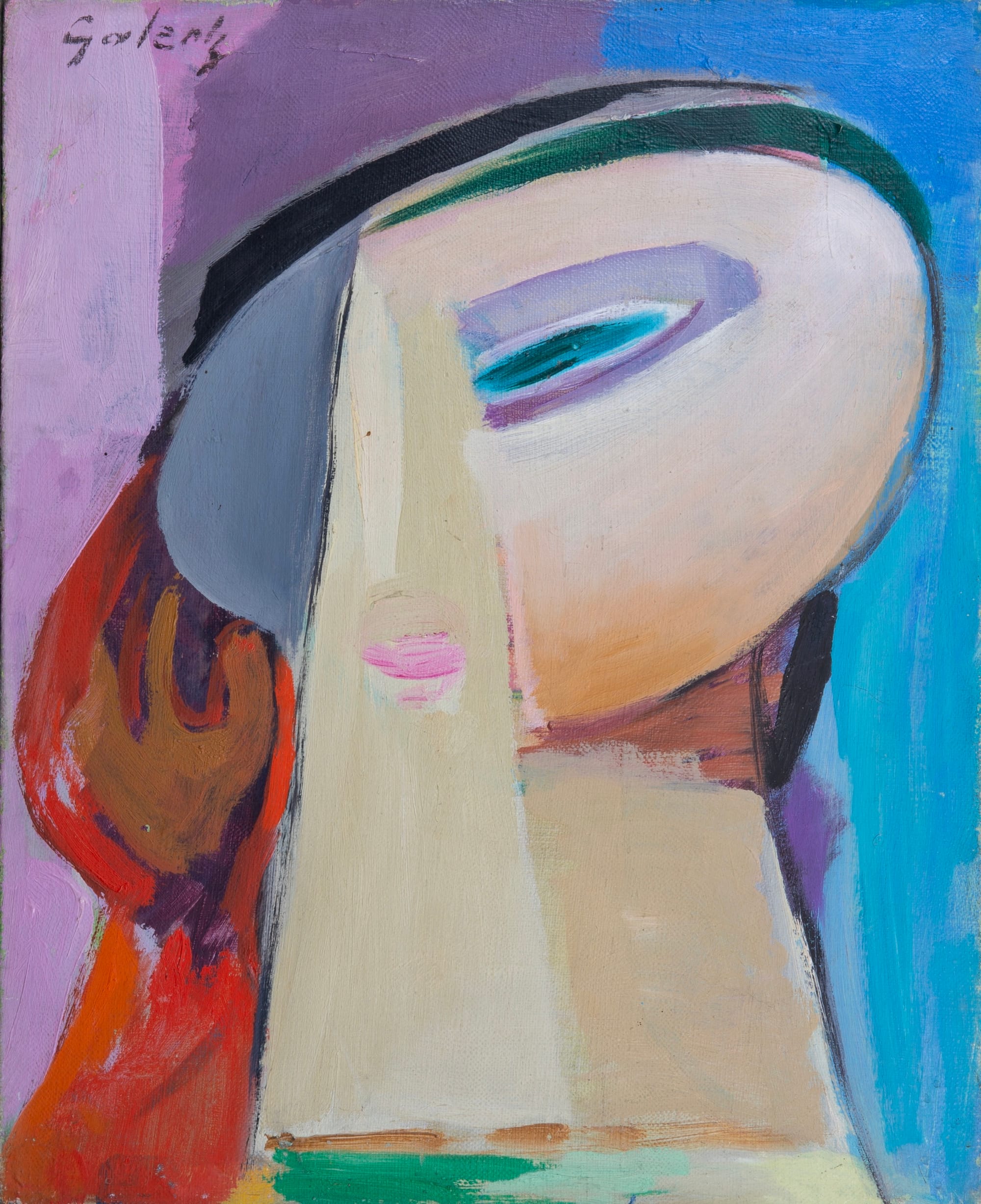
What emerges is Galentz's radical understanding of portraiture. He did not paint what a person looks like. He painted what it feels like to be that person, or perhaps what it feels like to be himself looking at that person. He painted faces and landscapes the way he did because realism felt untrue to his experience of the loss of both of his parents in 1915 amid the violence and displacement of the Armenian Genocide; of teaching himself to make art as an unhoused orphan in Syria; of a fractured, displaced world.