Highlights and Hidden Gems at Dumbo Open Studios
Works on paper were a highlight in the event’s 10th year — not to mention the impromptu conversations and artistic community.
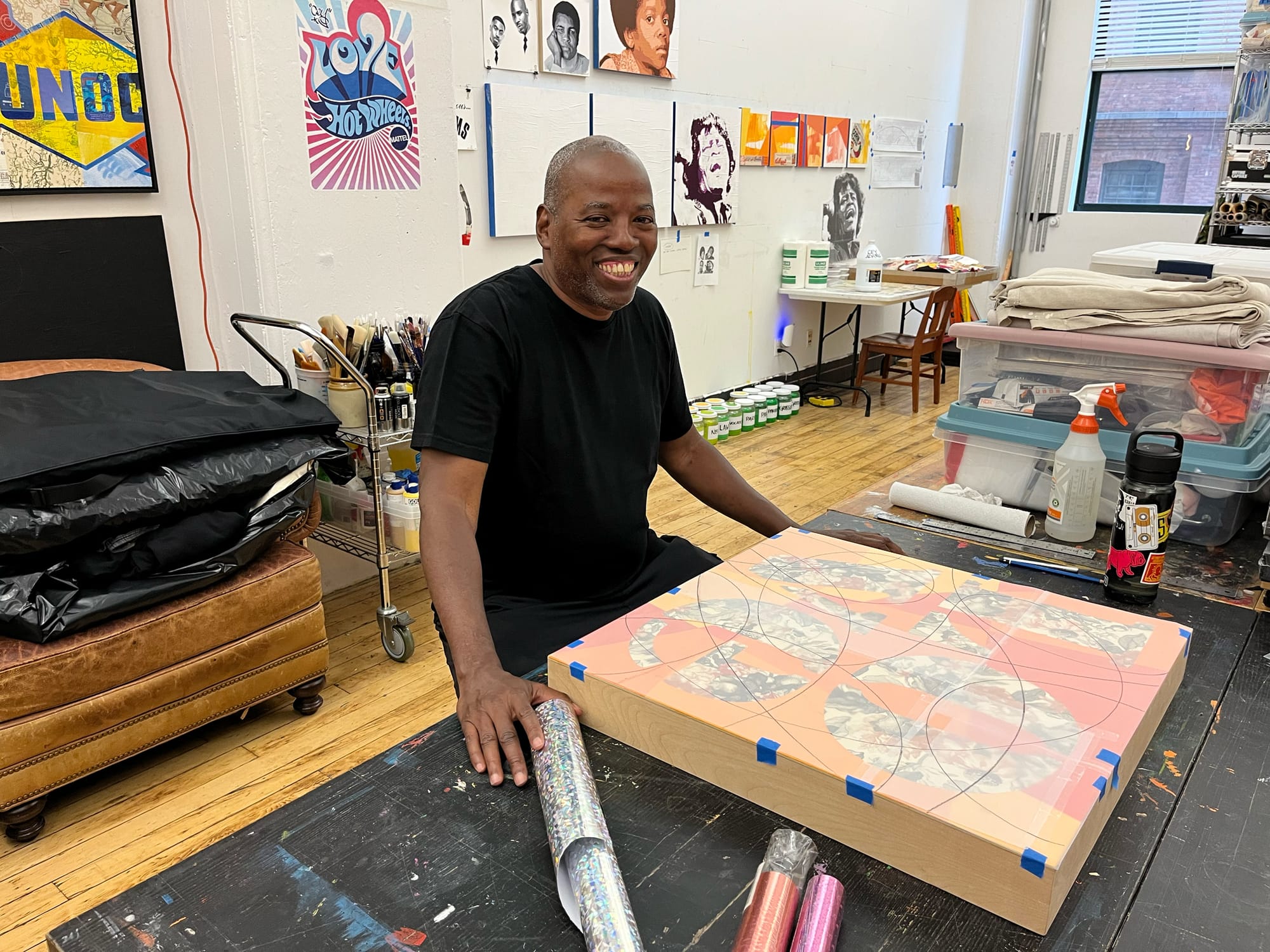
This past Sunday afternoon, April 19, artist Cey Adams put the finishing touches on his newest mixed-media collage on a large wooden drafting table as a handful of visitors trickled into his Jay Street studio as part of this year’s edition of DUMBO Open Studios.
The graphic designer and founding creative director of Def Jam Recordings did not expect to sell anything. But he kept his loft door open because he enjoys the event’s impromptu conversations and the artist community that his building’s owner, Two Trees, has cultivated in Brooklyn for decades.
“I like the idea that this exists,” Adams said. “When the pandemic happened, the owners asked me to do a Black Lives Matter mural at a time when a lot of artists were trying to figure out how to sustain themselves. I didn’t have to apply — they commissioned me to do it.”
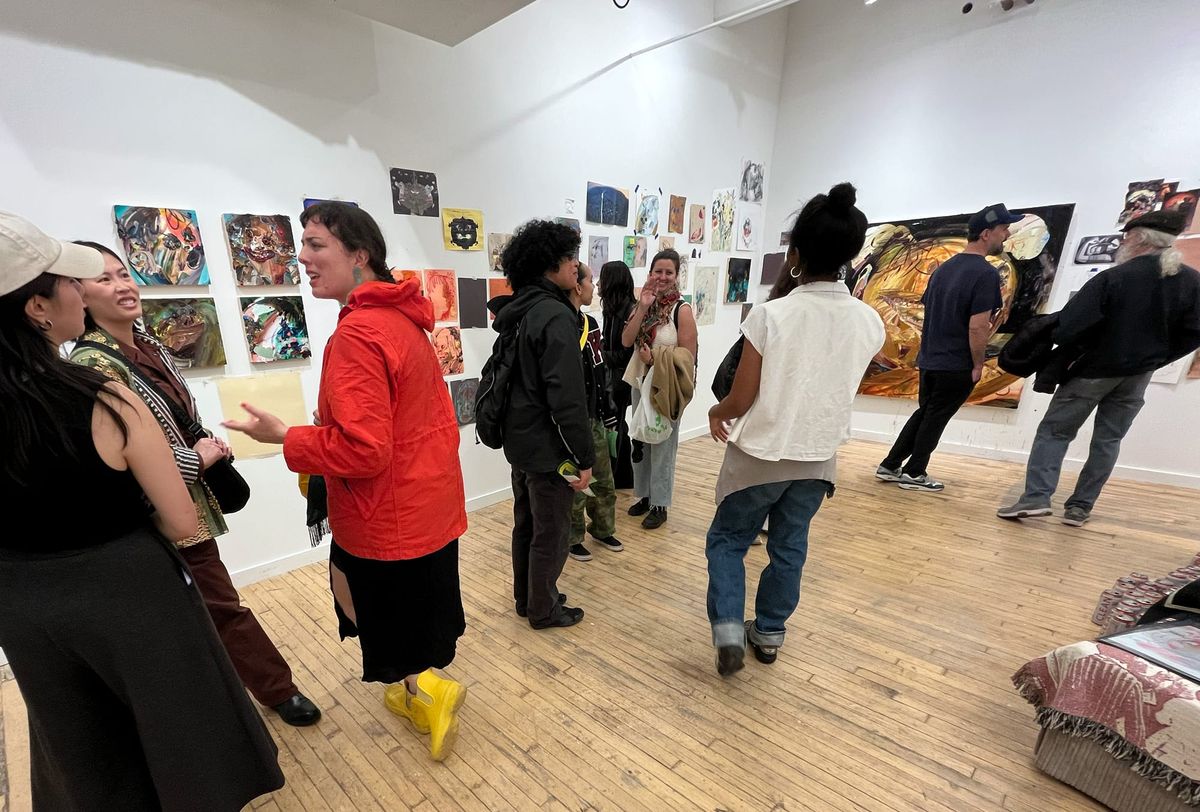
It has been decades since the chic waterfront neighborhood was primarily known as an artists’ enclave. Some longtime DUMBO artists have moved away as commercial rents rose in the aftermath of the Covid-19 pandemic, but hundreds of creatives still work in converted factories above cobblestone streets where tourists jostle to photograph the iconic view of the Empire State Building centered beneath the Manhattan Bridge.
This year, more than 175 artists across 21 buildings participated in Art in DUMBO’s 10th annual open studios event. It is jointly managed by Team Dumbo, the area’s business improvement district, and Two Trees, which owns four of those buildings and administers two residency programs that offer subsidized studio space for 29 artists within them.
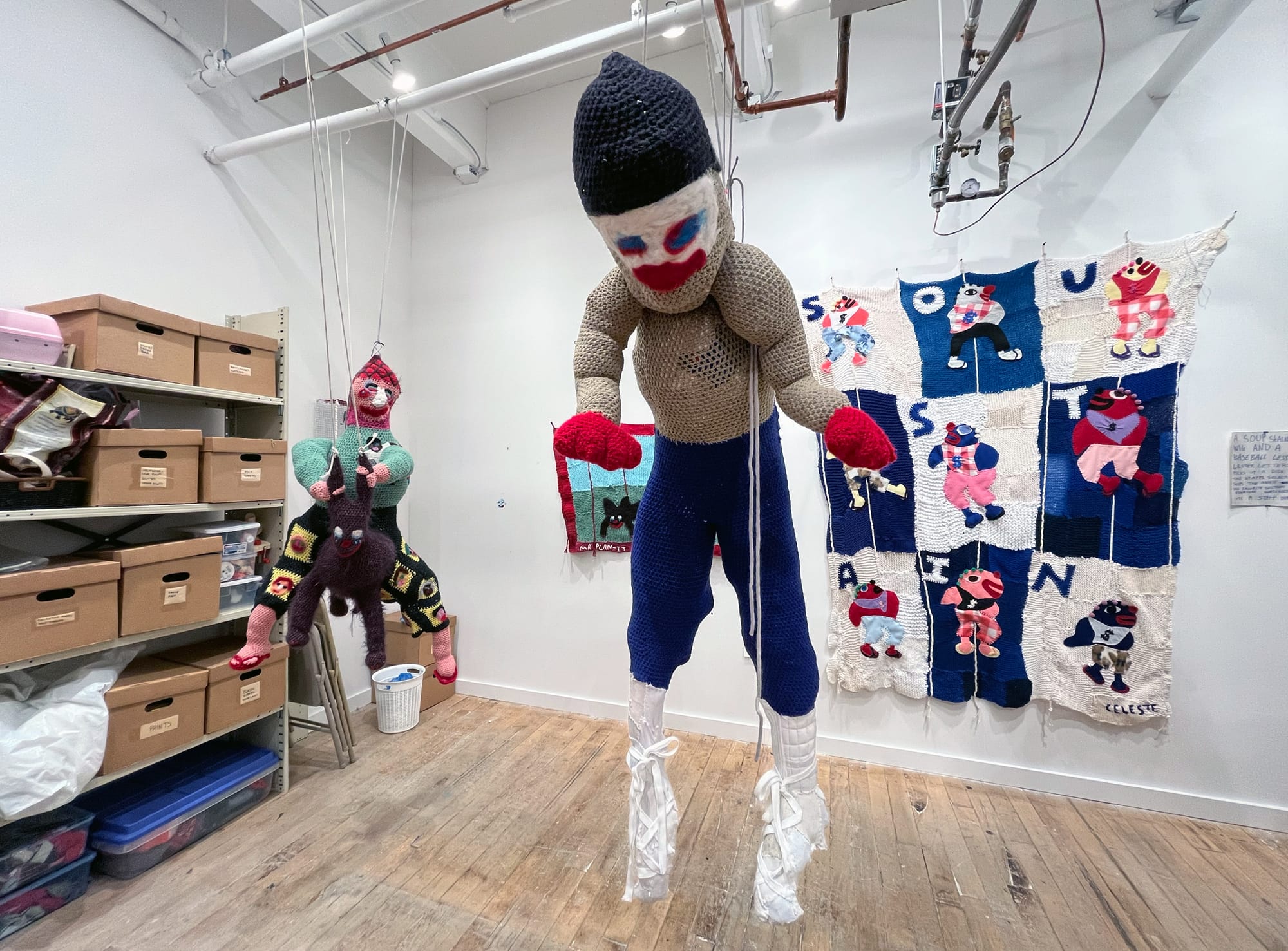
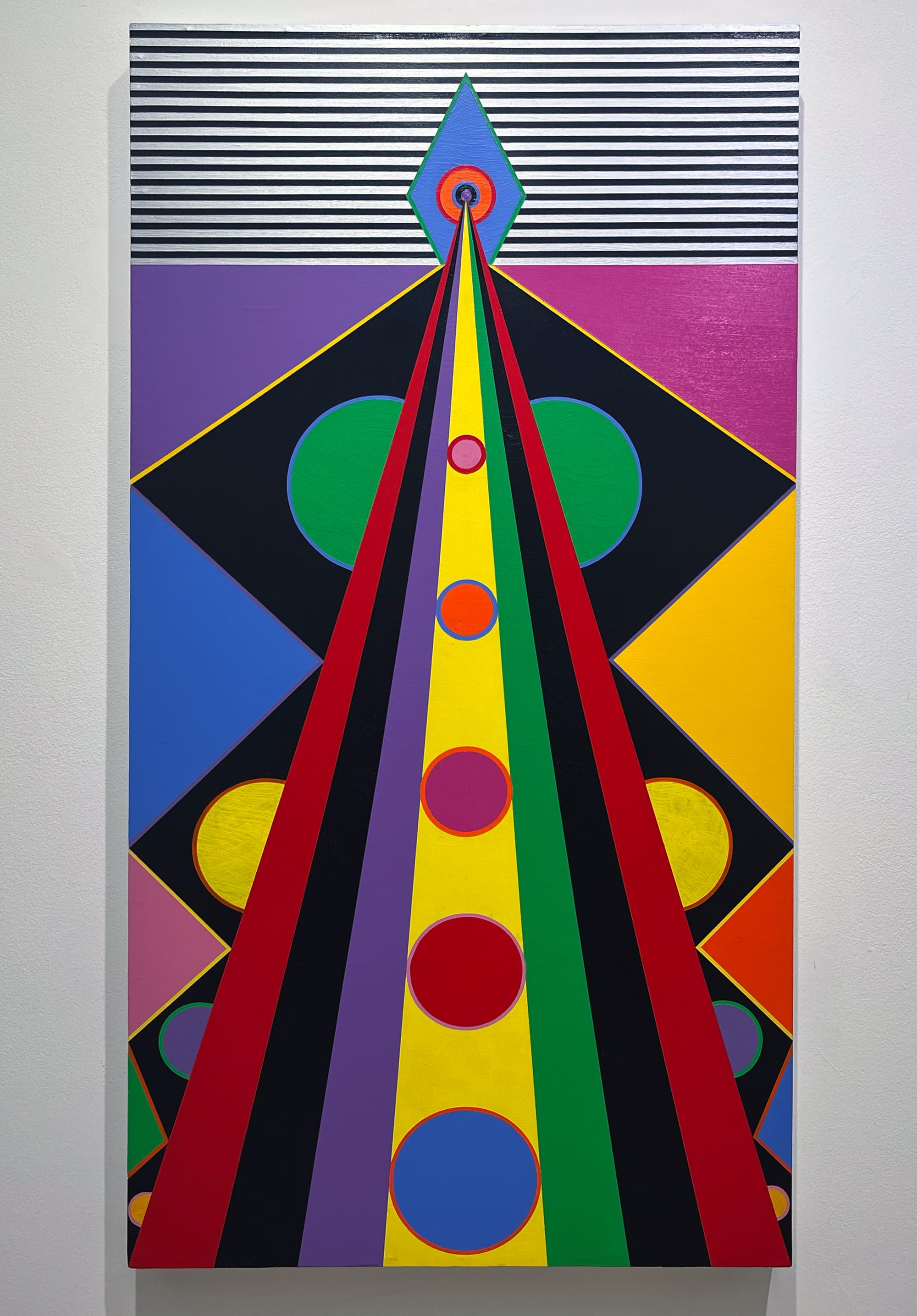
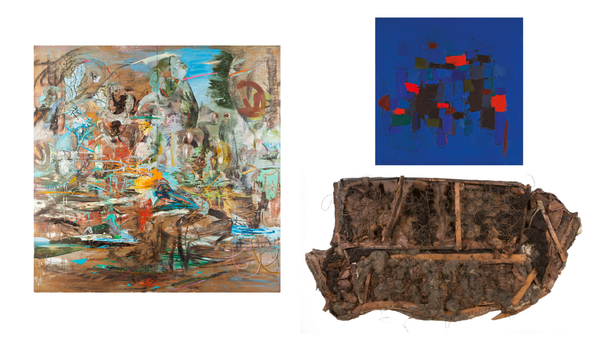
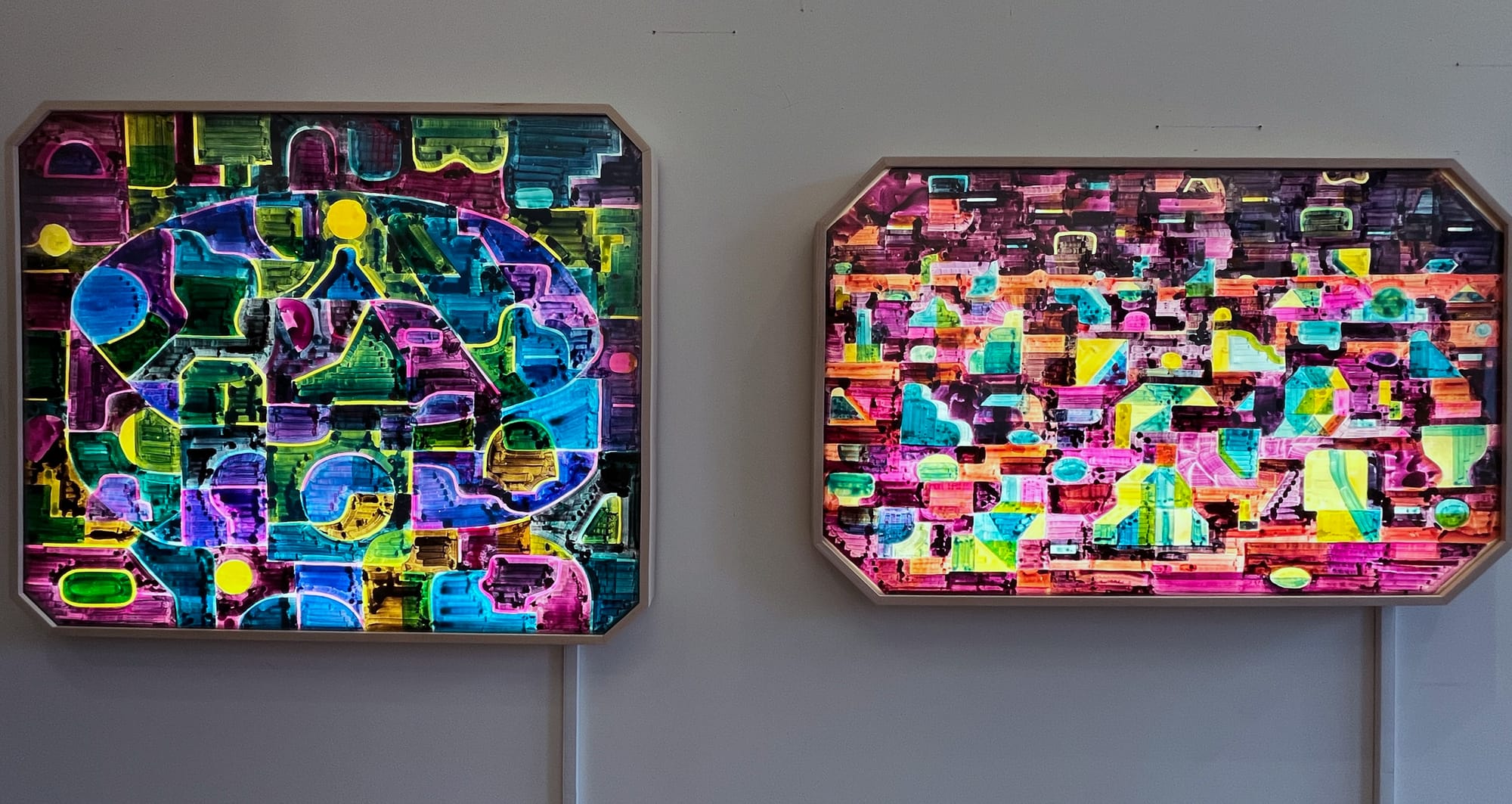
Left: Celeste Diaz Falzone’s studio at Sharpe Walentas; right: Rico Gatson, “Untitled (Goddess of Light 1)” (2026), acrylic on wood
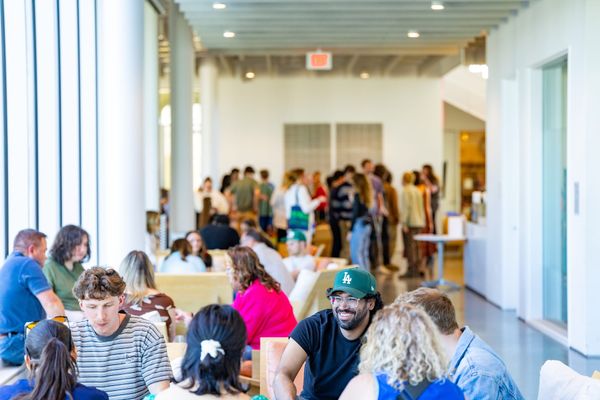
The crowds appeared a bit tamer than in past years due to the rain, but that didn’t dampen anyone’s spirits. Ariel Willmott, cultural affairs director at Two Trees and the Walentas Family Foundation, said more than half of the artists she surveyed reported making a sale, and many mentioned that they believed the event would help facilitate exhibitions and future studio visits.
“The whole arts community gets a boost of support from having this kind of public showing where people see artists working and recognize that they deserve to exist and should exist,” Willmott told Hyperallergic.
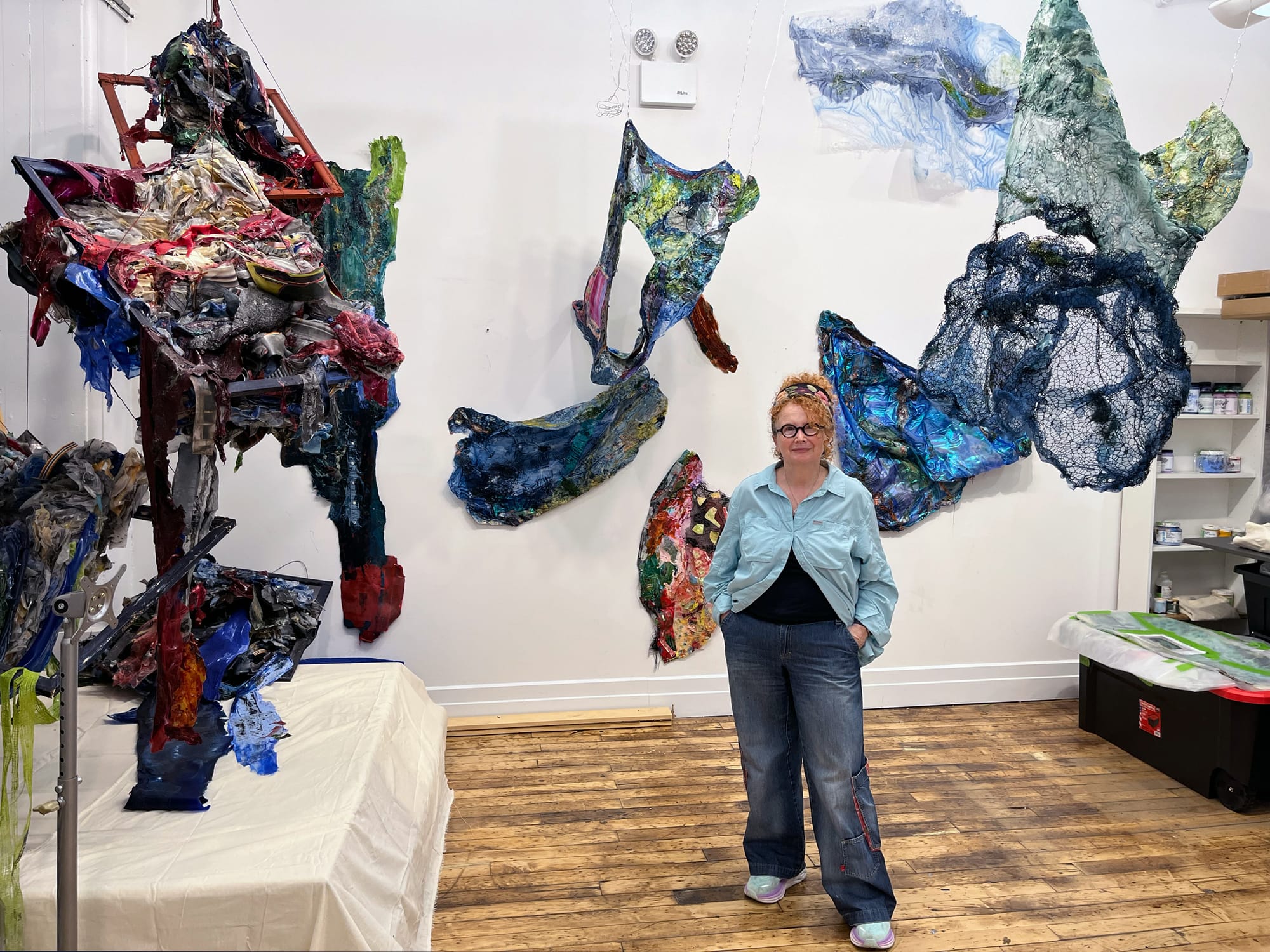
The Sharpe-Walentas Studio, Two Trees’s one-year residency program at 20 Jay Street, was a hive of near-constant activity throughout the weekend.
Crowds swarmed a warren of fourth-floor studios containing animator Dakota Gearhart’s psychedelic backdrop for her underwater variety show Life Touching Life (2024–ongoing), Celeste Diaz Falzone’s startling collection of fabric clowns, and Natalie Collette Wood’s earthy living sculptures.
Wood recently finished adorning two patio chairs and a small table she planned to install at Harlem’s Jackie Robinson Park with succulents, grapevines, and two types of moss.
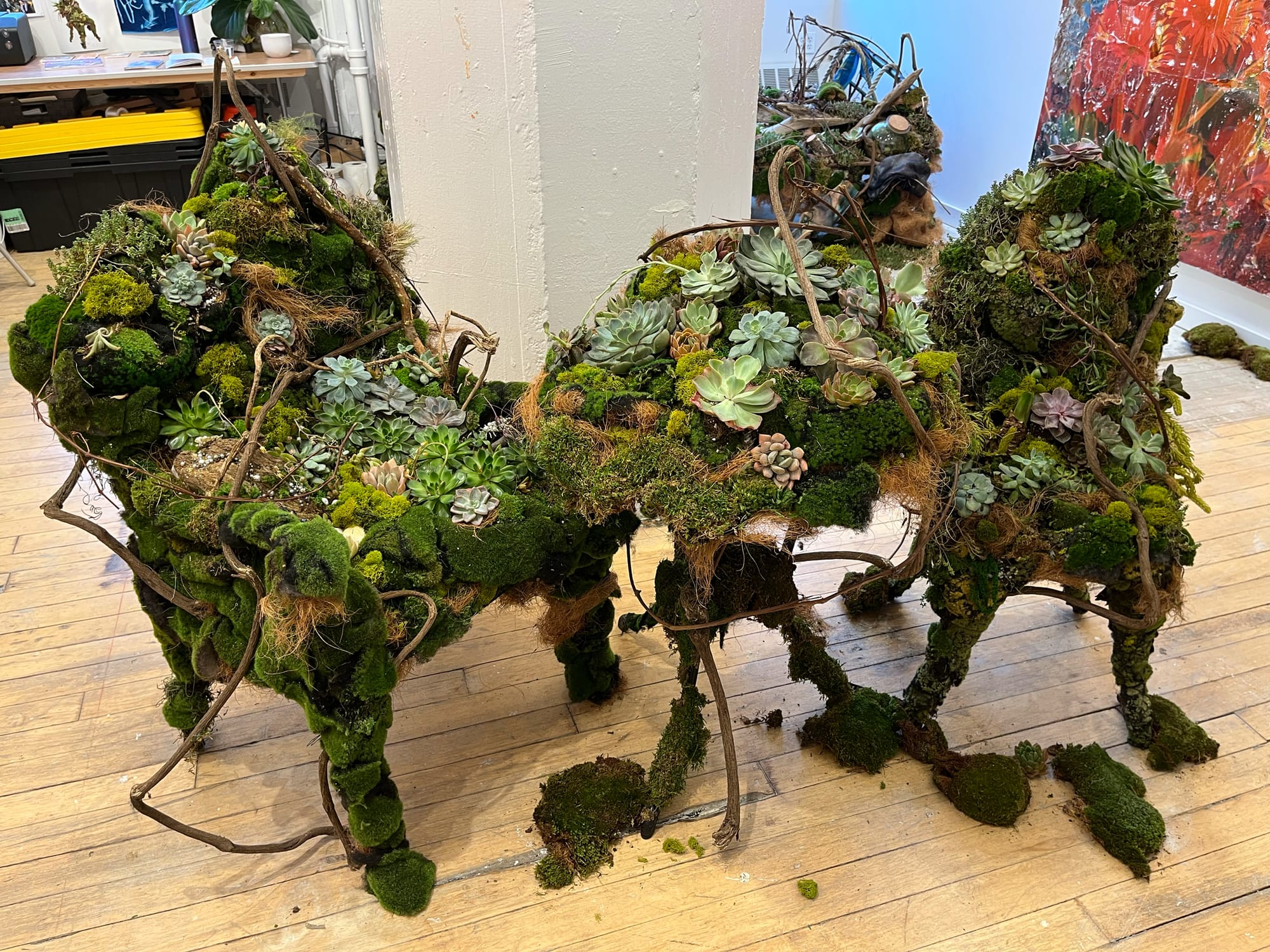
Have visitors had trouble differentiating the artwork from usable furniture?
“It’s only when there’s drinking involved that people will sit on them. I trust people,” she said. “Nobody has damaged them, and we hope to keep that streak going.”
Elsewhere at Sharpe Walentas, works on paper were a highlight, including Bianca Fields’s dark, energetic sketches, Amy Cutler’s intricate and enigmatic drawings of women, and Jason Karolak’s kaleidoscopic gouache-and-ink works. Karolak said he was influenced by his research into utopian communities and the shapes of termite mounds during a residency in southern Senegal. “They’re not symbols, per se, but they’re not empty either,” he said.
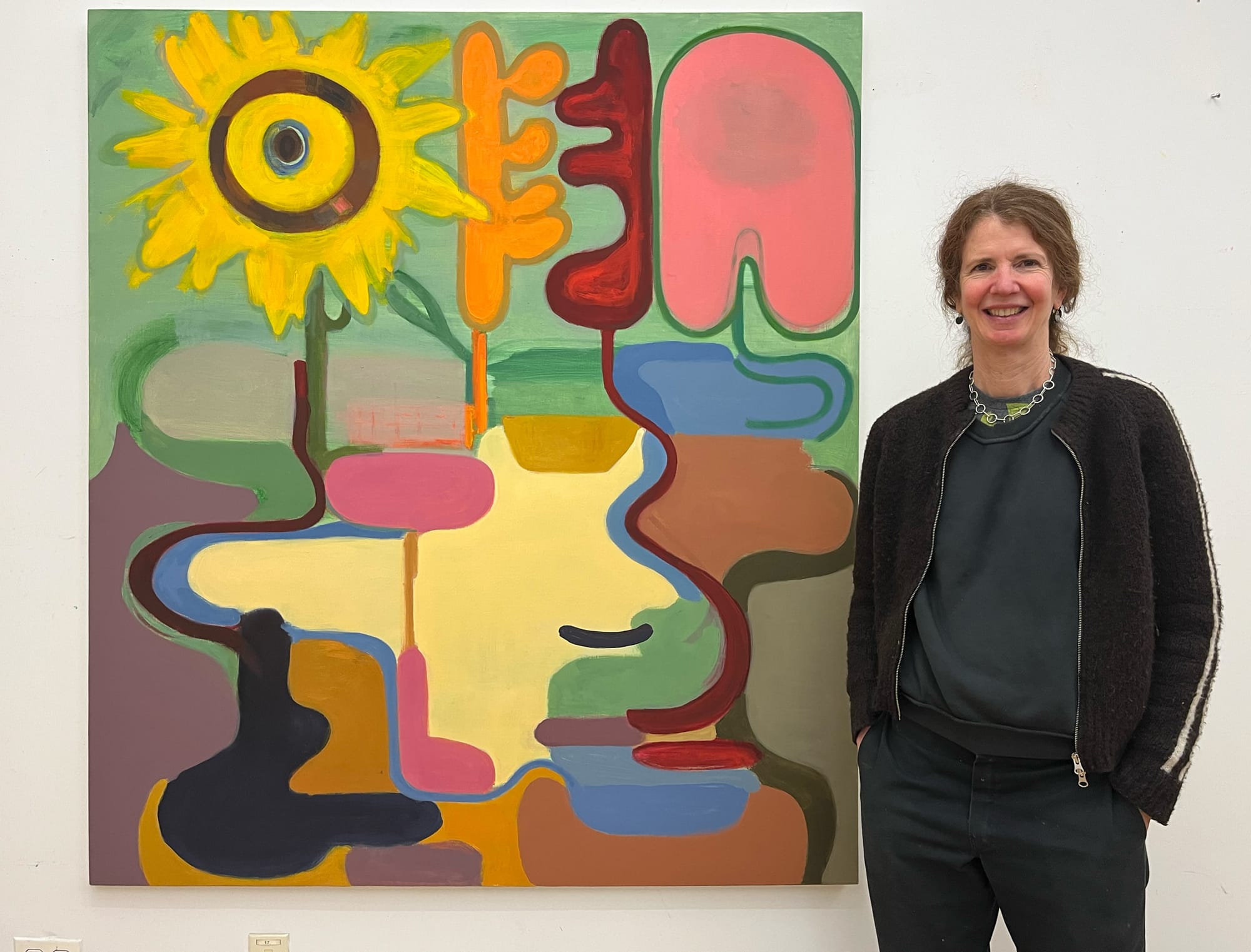
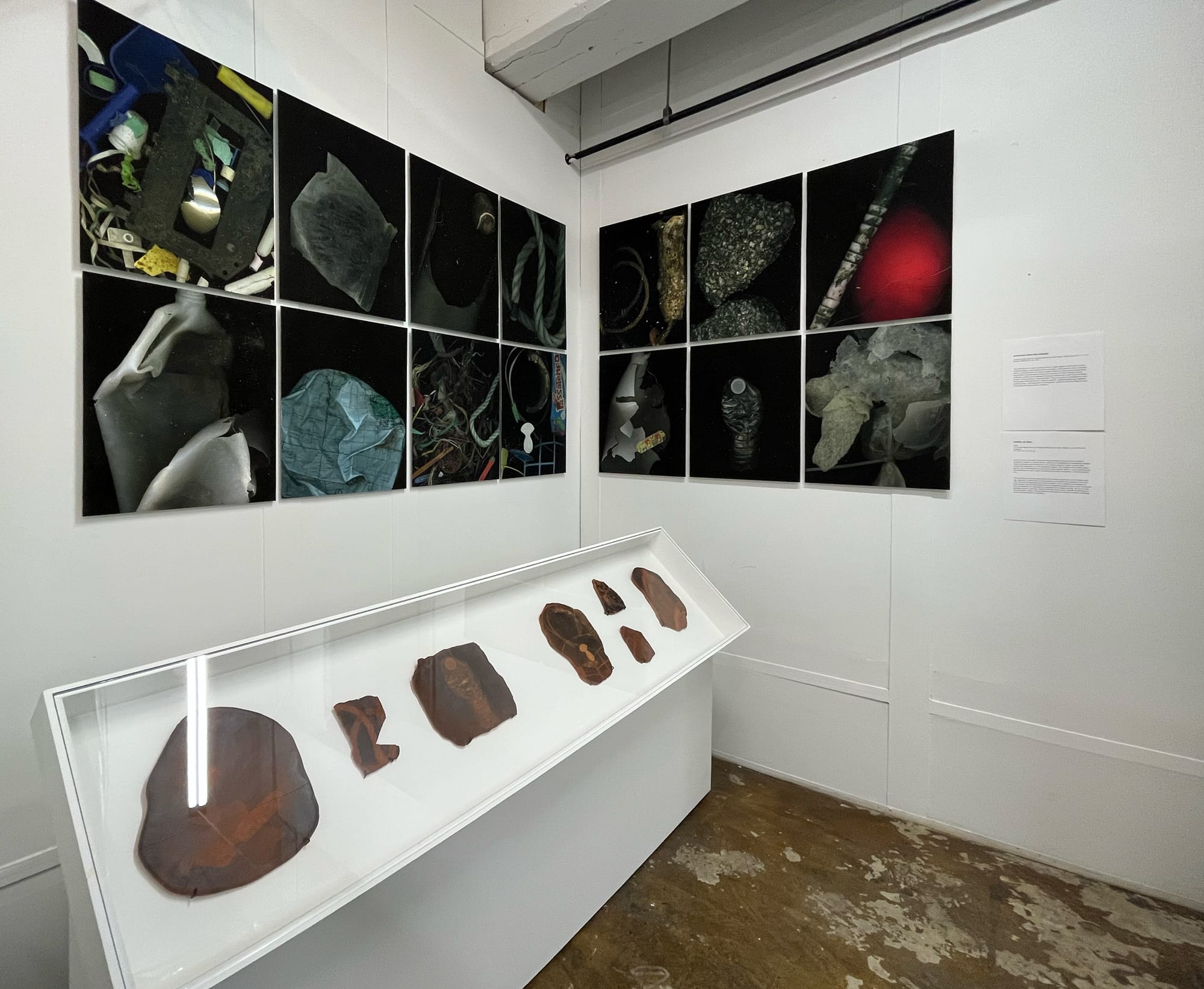
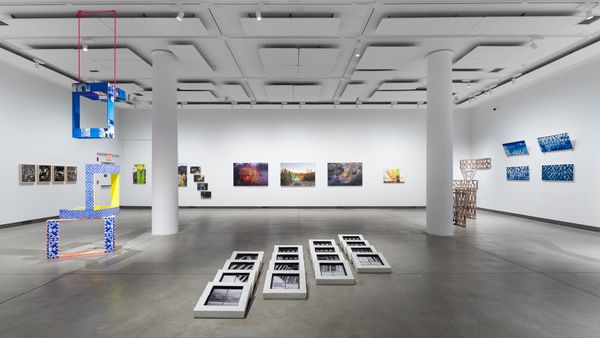
Some studios in the building are so spacious they essentially function as galleries.
Artist Elizabeth Hazan converted part of her third-floor studio into Platform Project Space, which has organized shows since 2018. Curator Tracy McKenna’s current group exhibition at Platform, Free Bird, includes works by Ben Godward, Rico Gatson, An Hoang, Jenna Ransom, Caris Reid, and Dani Tull that deal with themes of lightness, freedom, and flight.
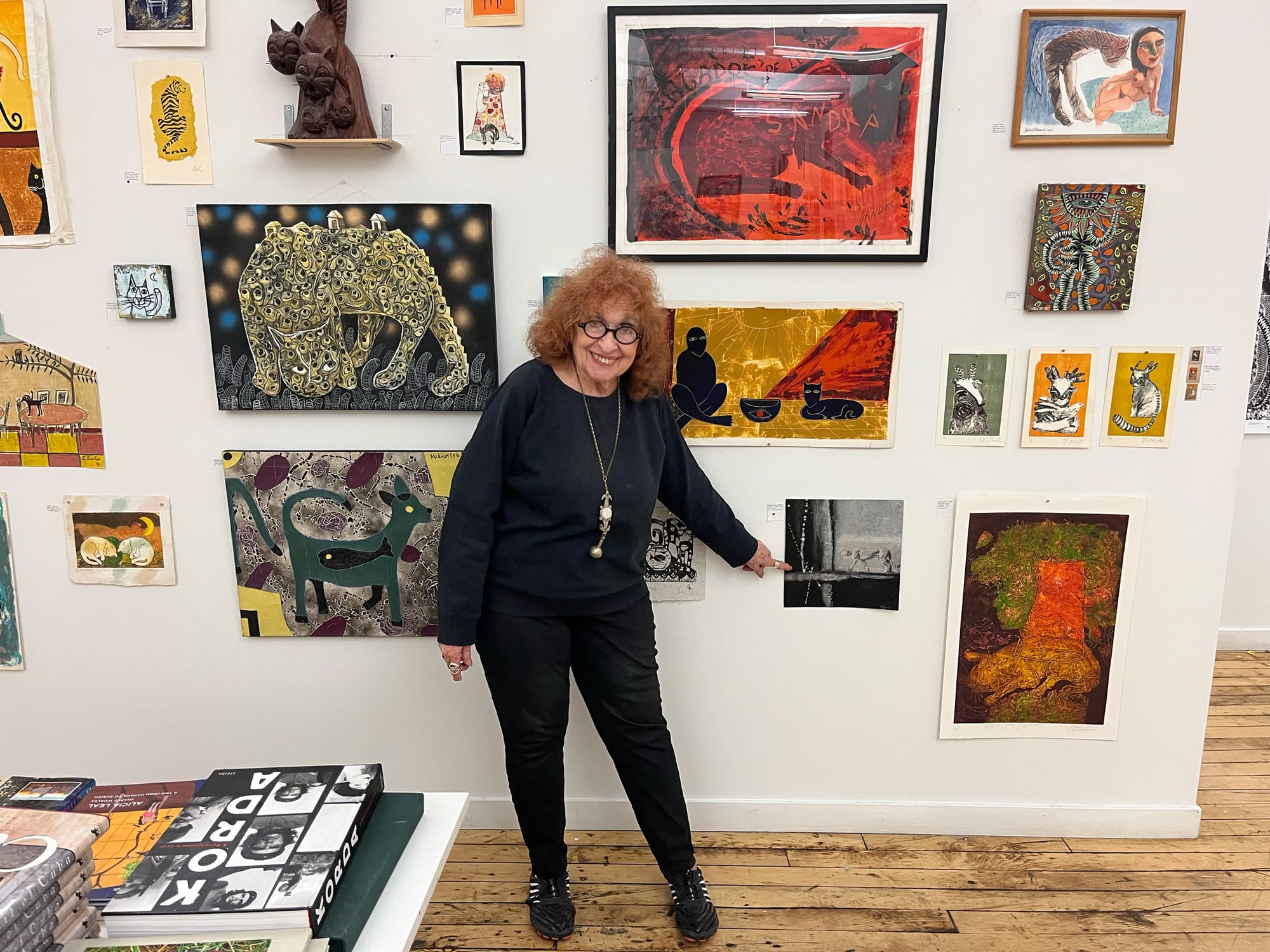
Down the hall, the Center for Cuban Studies was teeming with drawings, paintings, and wood works of cats on every spare surface for its exhibition Gatos Cubanos. Sandra Levinson, the nonprofit’s co-founder, brought more than 400 works from Cuba over several trips to the island.
“Most of them are small paper works and I usually take two large suitcases,” she said. “Last time I had to pay $250 for an extra suitcase.”
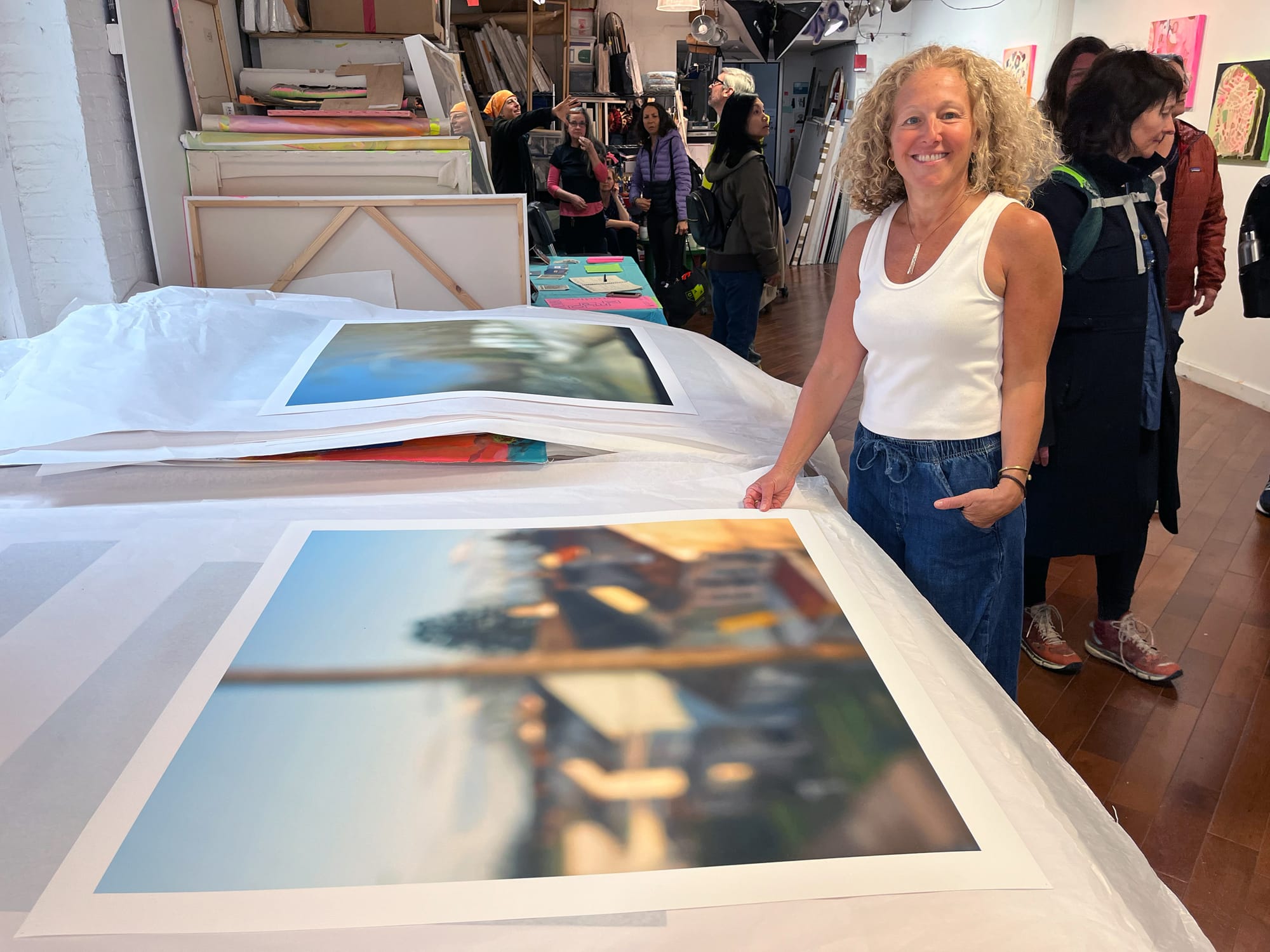
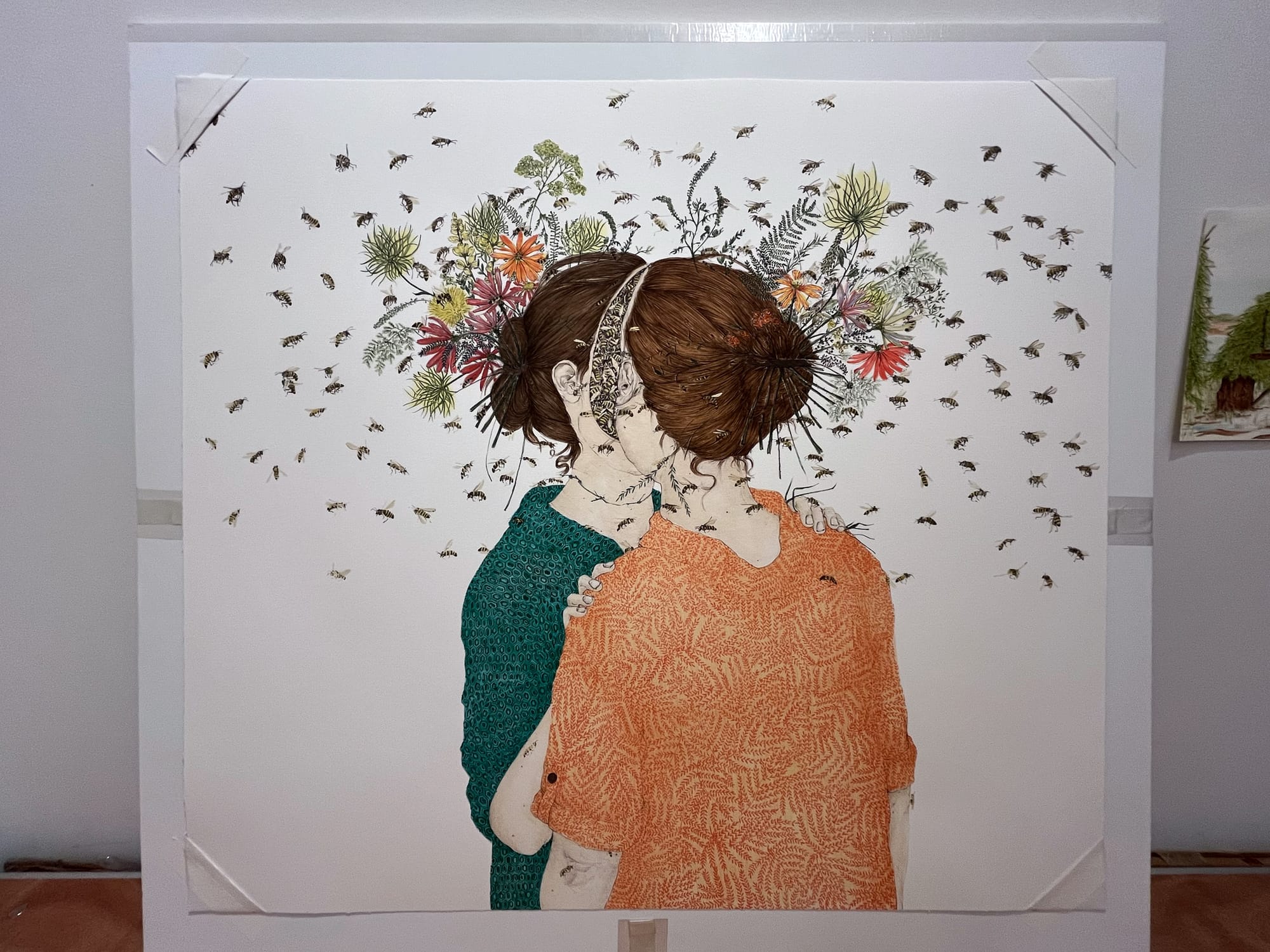
There were hidden gems in DUMBO’s other buildings, too. At 68 Jay Street, photographer Andrea Sanders’s purposely blurry depictions of landscapes in Vermont and Upstate New York enticed a number of visitors.
“I like the emptiness and loneliness of small towns and houses,” Sanders said. “The soft focus aspect is all about memory and time.”
On the seventh floor, Lydia Nobles’s massive epoxy and resin sculpture paired nicely with Samantha Keely Smith’s ethereal oil paintings, where wispy, ghostly figures waft around as if in a dream.
“They’re part of an inner psychological landscape,” Smith said. “Sometimes they appear and disappear. Everything is in constant motion.”
No art tour of DUMBO would be complete without a visit to Smack Mellon’s studios on 92 Plymouth Street. This year, several artists, including María-Elena Pombo, S Emsaki, and Matthew Li grappled with human-driven ecological changes and climate degradation. Li created water-soluble model houses out of sand, tapioca starch, and wildflower seeds that he planned to plant in different parts of the city in the fall — a vision of a flourishing city germinating in DUMBO.