Hopeful Art Fundraisers for Earthquake Relief in Venezuela
Art sales featuring everything from paintings and prints to photographs, artist books, and zines are benefiting urgently needed aid efforts.

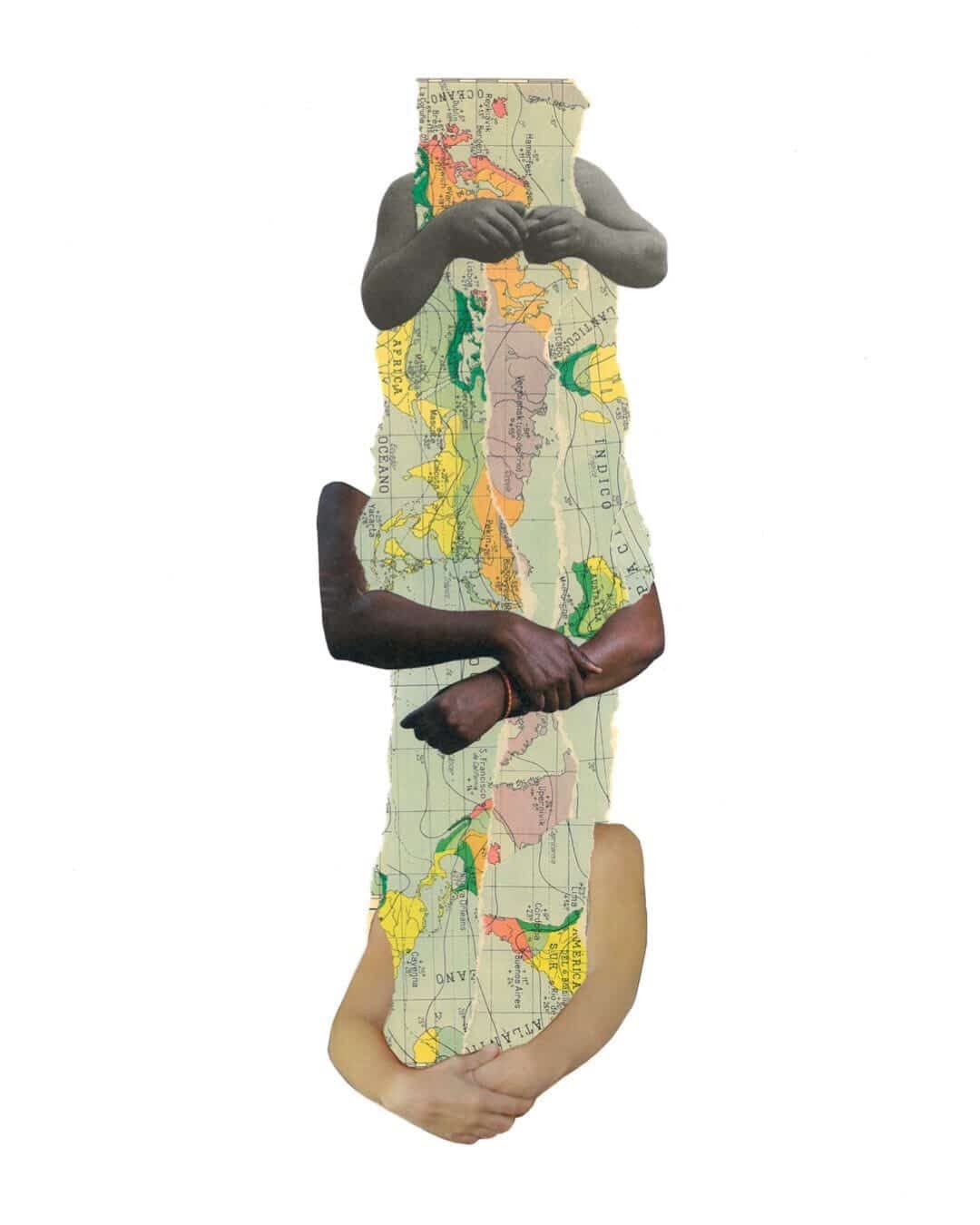
Following the devastating earthquakes that hit Venezuela on June 24, leaving thousands dead or injured, tens of thousands missing, and countless families displaced, the nation has seen an outpouring of help. On the ground, locals move rubble by hand to find survivors. Abroad, the Venezuelan diaspora, caught between feeling helpless and relentless, turned to networks and contacts, pooling donations to send home.
Interdisciplinary artist Cristóbal Ochoa was one of them. He was a political activist in Venezuela before fleeing to France as a political refugee in 2017; he now splits his time between Paris and Madrid. Days after the twin earthquakes, he postponed his own solo exhibition, originally set to open July 4 at the Museo de Arte Contemporáneo Florencio de la Fuente in Cuenca, and instead turned to organizing TODOS X VENEZUELA. Works are offered at a 30% discount to encourage sales, and every dollar from the solidarity art fundraiser goes directly from the buyer to the artist's chosen humanitarian organizations, including Caritas.
Pieces include works like "El pasaporte exquisito" (“The exquisite passport”), an original document intervened by Venezuelan artist Flores Solano, who now lives in Santiago de Compostela, and Mexico-based Josune Delgado’s painting “El Apapacho,” depicting a family embrace. Collaborator Beatriz García said that the digital catalog, shared and updated on Instagram, has so far raised €5,480 (~$6,265) from 46 artist contributions, and continues to welcome new submissions.
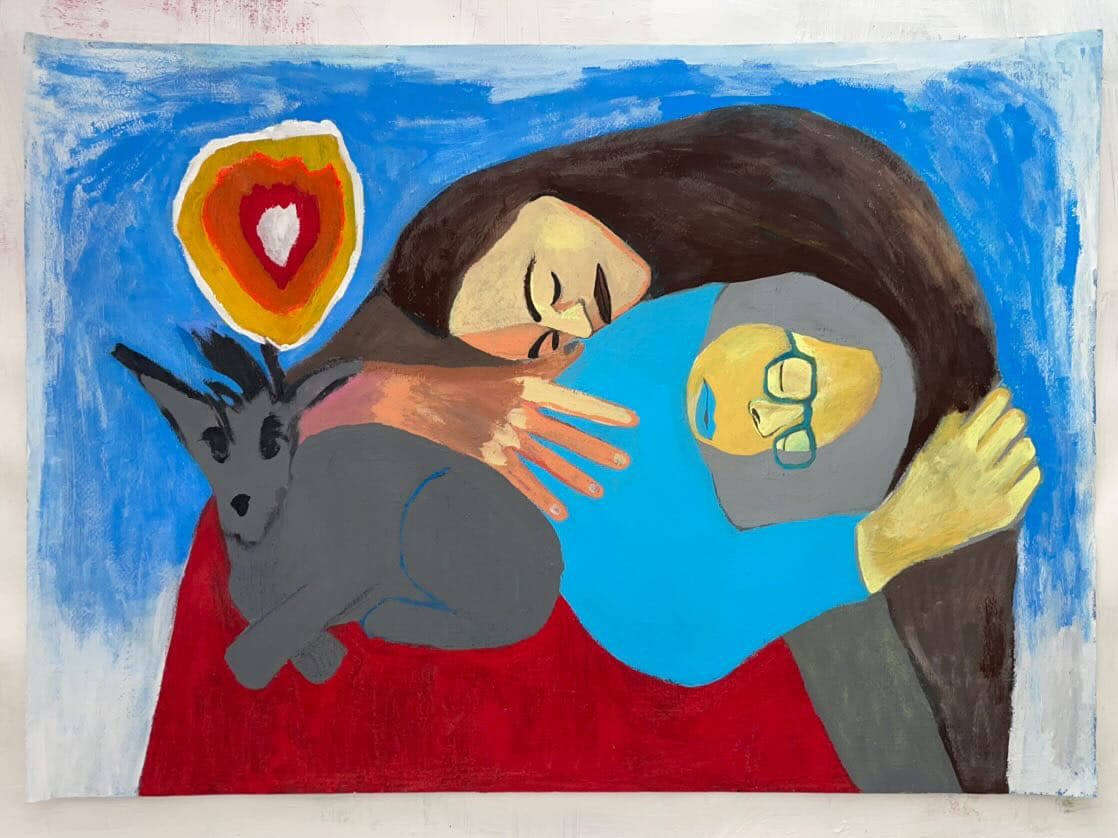
It's a grassroots network, circulated directly through contacts and social media, artist by artist. That spirit runs through many relief efforts right now, defined by direct, personal connections or trustworthy intermediary institutions, reflecting both urgency and broader skepticism of traditional aid channels.
New York-based artist María Elena Pombo has been running a real-time feed of direct needs on her Instagram stories: people sewing body bags, sourcing tents ahead of the rainy season, feeding rescue teams. "After years of crisis, many Venezuelans have learned to rely on one another," she said, and sending money directly to “trusted personal networks that can adapt quickly as needs on the ground continue to change” is "placing your trust in the kind of future you want to help build." This decentralization has become a defining condition of Venezuelan lives, citizens fending for themselves at home while a scattered diaspora builds its own support infrastructure.
"We're not doctors or rescue workers, and we're not the ones on the ground saving lives," said participating artist Valentina Vacó, "but as artists, we can put our work and our community in service of an urgent cause ... We feel a responsibility to help rebuild a place that, however far away we live, will always be home."
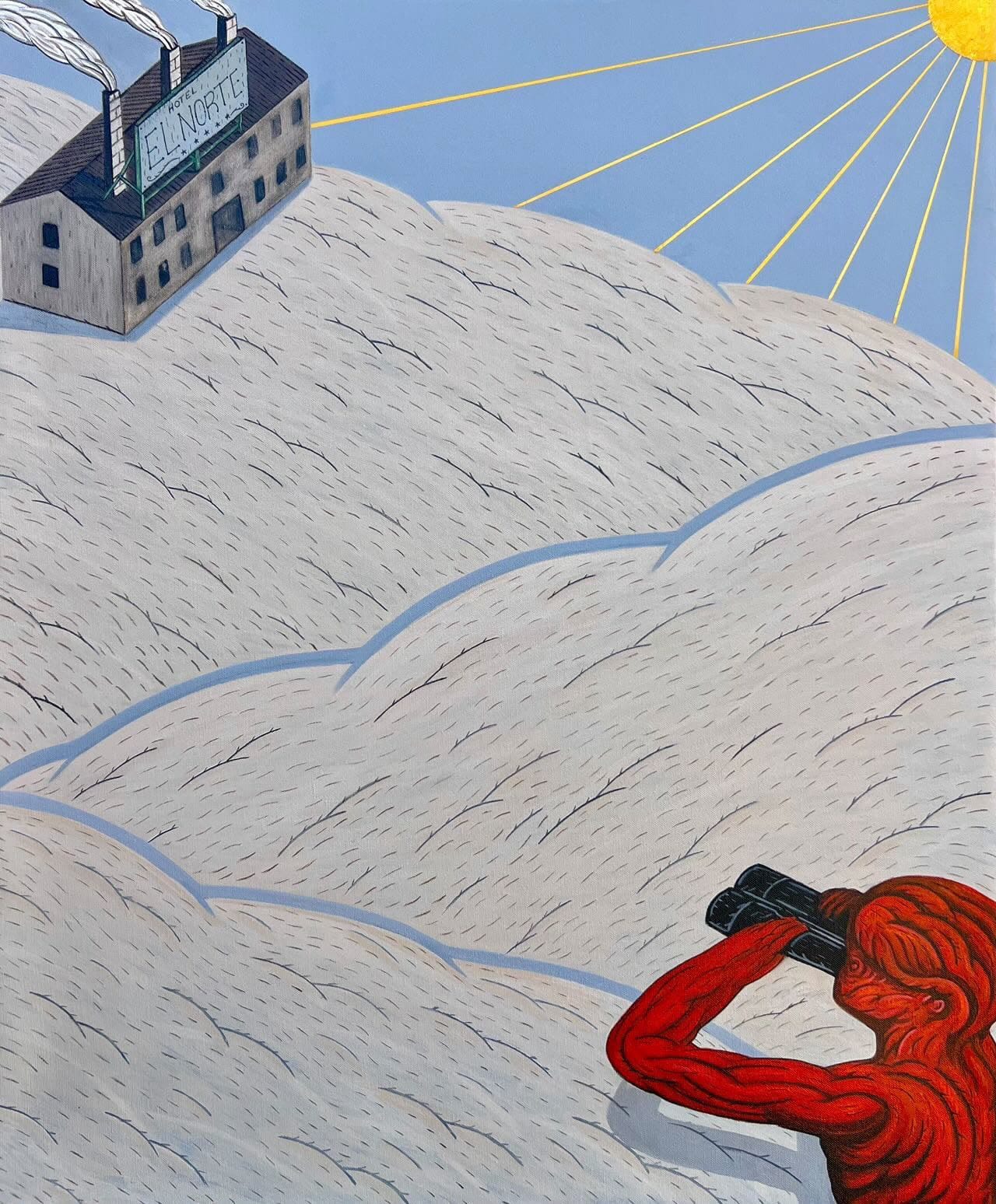
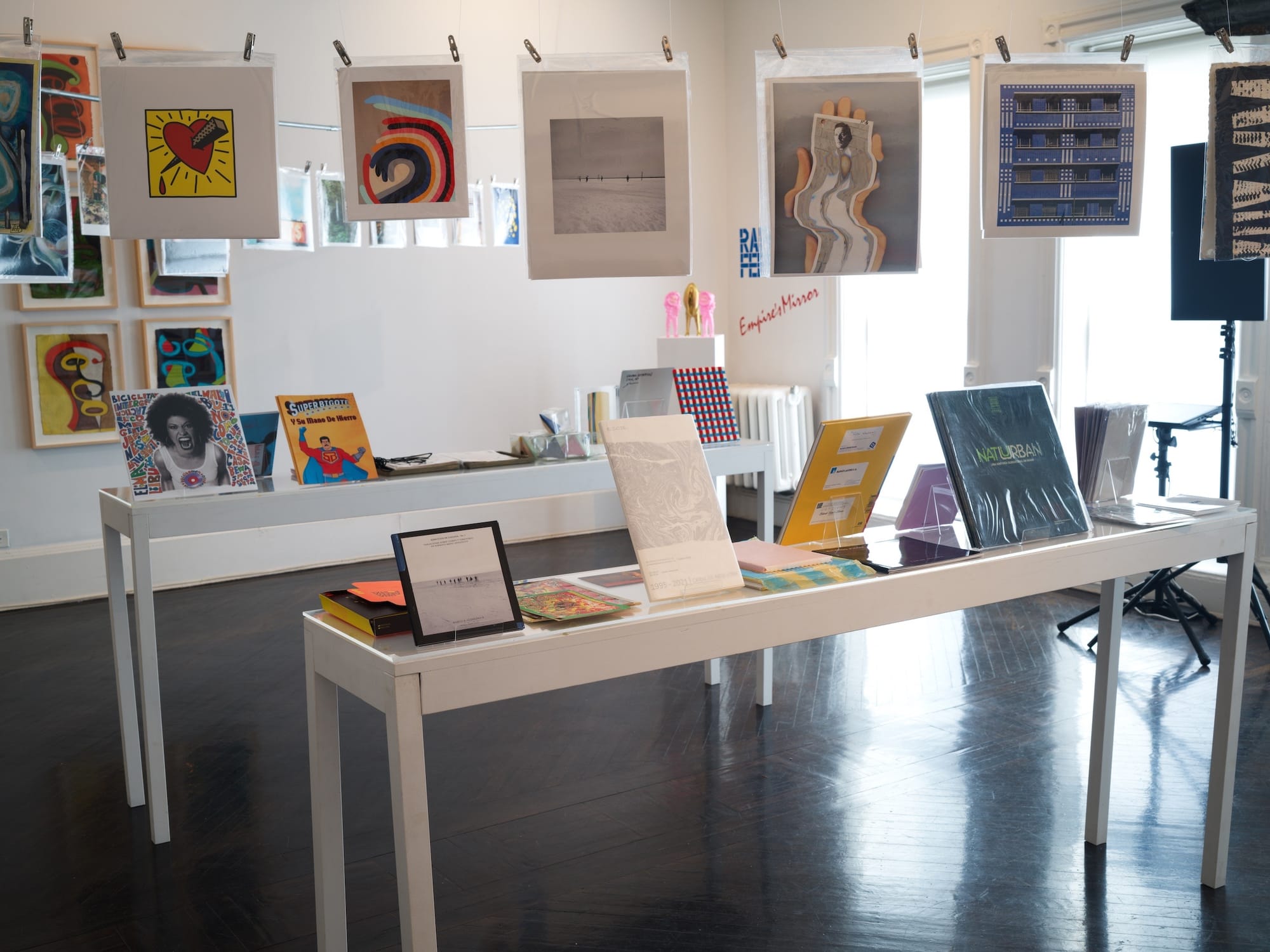
Before the earthquakes, the exhibition Venezuelan Cultural Diplomacy at Henrique Faria New York was already taking stock of the strain on Venezuela's art scene in recent years: artists and cultural workers have crossed borders, and Venezuelan art, displaced like its people, has become harder to safeguard. Running concurrently in the gallery is the traveling installation KIOSKO, staged by Eugenia Sucre Projects and the artist-led platform El Consulado. On view through July 6 with online sales continuing through July 10, it gathers more than 200 small-format works — drawings, prints, zines, artist books, vinyl — by Venezuelan artists, all offered for sale with proceeds going to World Central Kitchen.
Many institutions that have spent recent years building infrastructure to support artists in exile are now redirecting that effort toward humanitarian aid. At Sorondo Projects, a Barcelona-based gallery representing Venezuelan artists, founder Juliana Sorondo described her work as “creating spaces for sharing the complexity of the country's reality with international audiences.” Following the back-to-back earthquakes, she said, they “want to go a step further and transform that commitment into concrete aid.” Sorondo Projects is offering a selection of photographic works — donated by artists including Pombo, Suwon Lee, Angyvir Padilla, Silvana Trevale, and Miguel Braceli — each available for a suggested minimum donation of €150 (~$171). Proceeds will be sent to Fundación Sun.Risas and the We Love Venezuela Foundation.
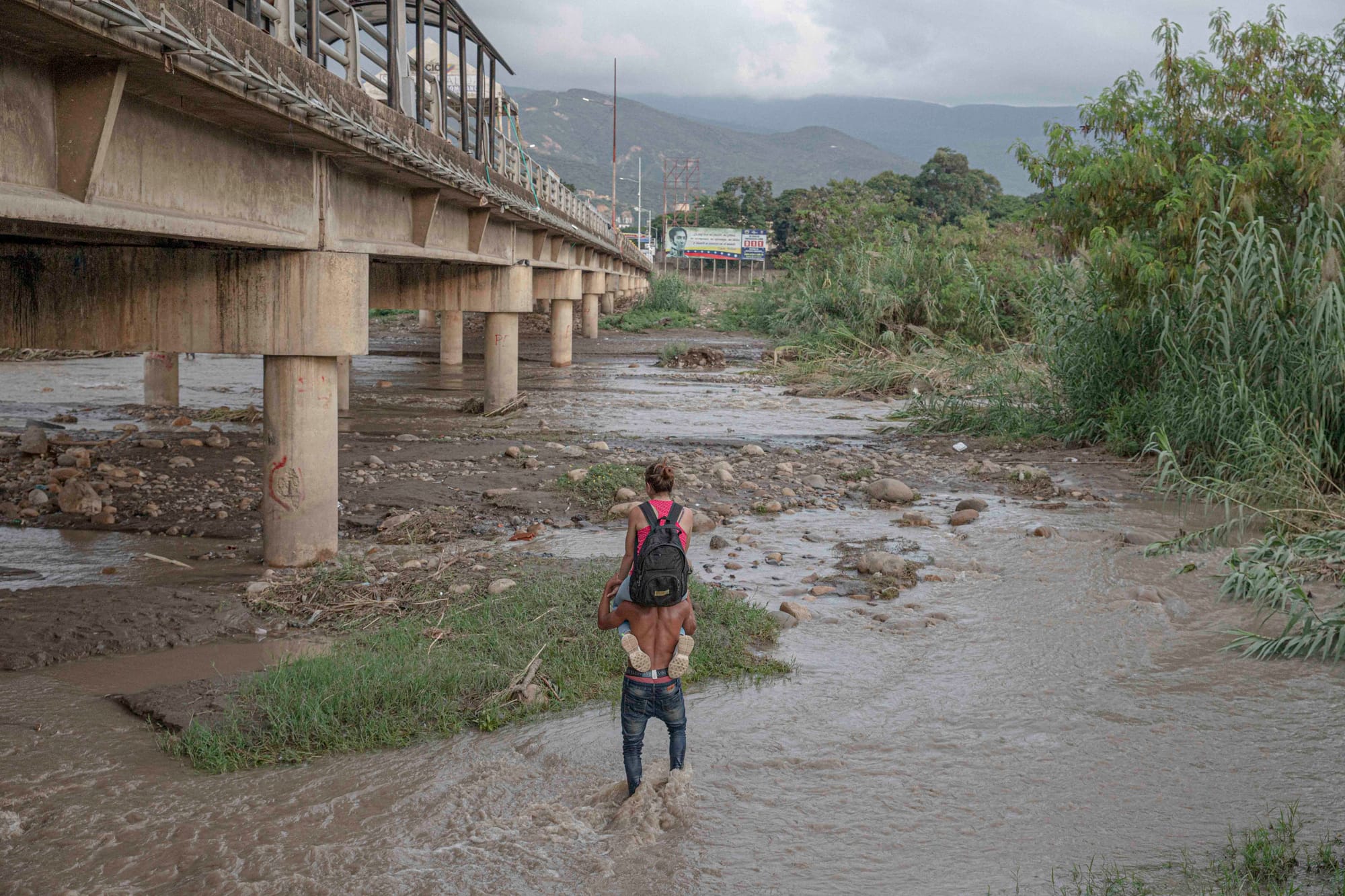
Among the pieces is a photograph by Fabiola Ferrero depicting a woman being carried on a man’s shoulders as they cross by foot the river Táchira, the natural border between Venezuela and Colombia. “This is how we Venezuelans are, holding each other up,” Ferrero said, capturing exactly the sentiment running through this entire wave of mobilization.
Venezuelans have long had to ask for visibility, solidarity, and support — organizing and making ourselves seen from a distance because we had no other choice. Here’s what that looks like right now: donate to trusted organizations and amplify the voices leading the response on the ground. These acts keep pressure and attention pointed toward a country before the news cycle moves on. The rebuilding will take longer than this week's headlines.