In an Unlikely Pairing, Giacometti Sculptures Head to The Met's Temple of Dendur
The museum and the artist’s foundation are collaborating on a surprising exhibition opening this June.

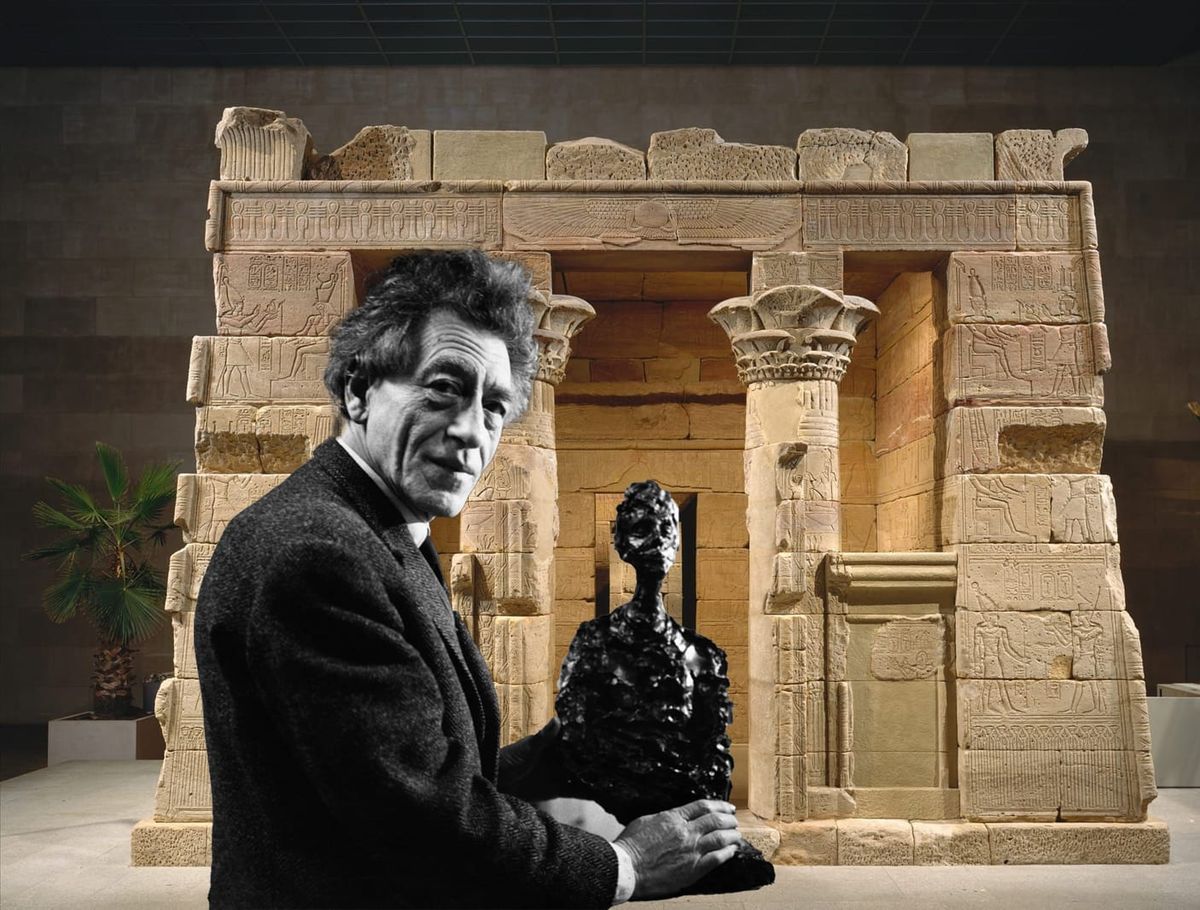
In a bold crossover, the Metropolitan Museum of Art will present the slender works of 20th-century Swiss sculptor Alberto Giacometti inside its Ancient Egyptian Temple of Dendur this summer.
Made possible by a loan from the Paris-based Fondation Giacometti, Giacometti in the Temple of Dendur will showcase 17 of the artist’s sculptures within and around the first-century BCE Roman Period temple. The late artist’s foundation will loan 14 of the works for the exhibition, and The Met will contribute three works from its own collection.
The temple honors the Egyptian goddess Isis, a deity associated with motherhood, magic, and healing, and her two brothers. The majority of the forthcoming exhibition’s 17 Giacometti sculptures depict feminine figures, including the pre-war 1932 bronze sculpture “Femme qui marche I (Woman walking)” and the 1956 “Femme de Venise I (Woman of Venice).” The sculptures, which evoke the lean Ancient Egyptian figures etched into the structure, range in height from a slight 11 inches (27.9 cm) to over 8 feet (2.5 m) tall.
In an exhibition announcement, Fondation Giacometti Curator Emilie Bouvard explained that the figurative sculptor was drawn to Ancient Egyptian art from a young age.
“At once naturalistic and highly symbolic, Egyptian art resonated with his enduring search for both monumentality and humanity,” Bouvard said. “The opportunity to present his work within a setting of such profound historical and architectural significance offers a rare and compelling perspective on his oeuvre.”
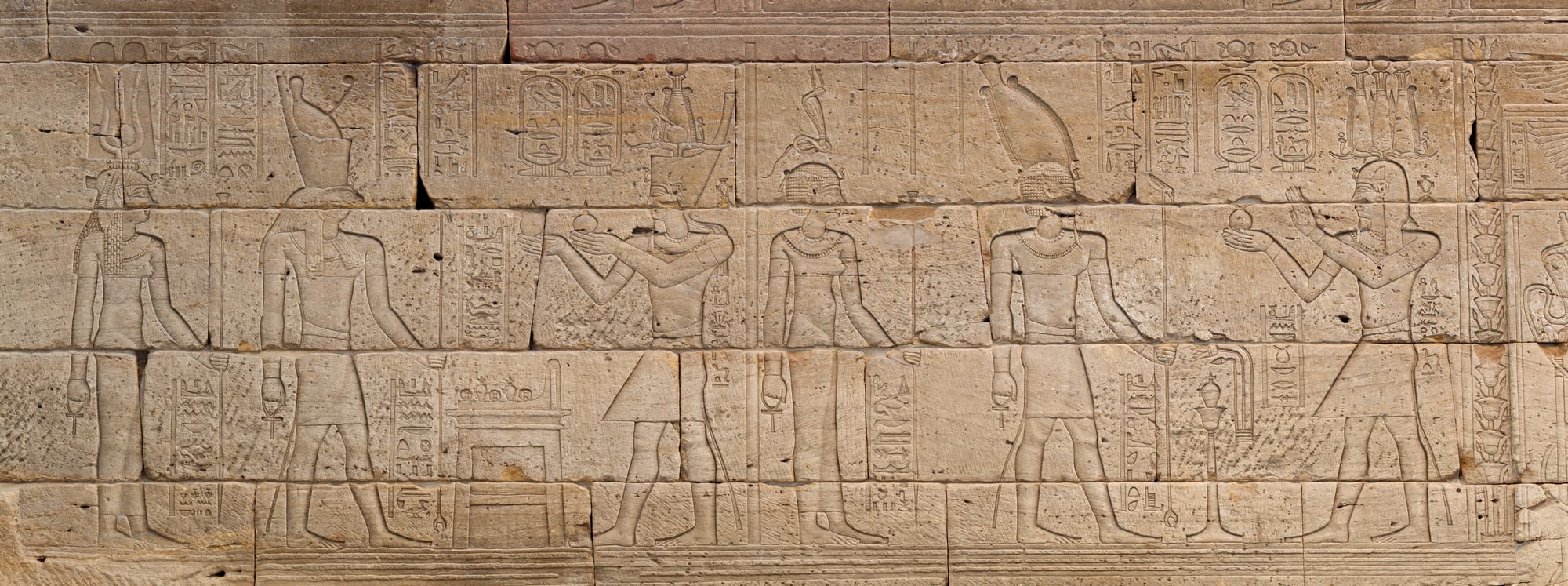
Giacometti frequently encountered Egyptian sculpture during his early adulthood on visits to the Louvre Museum, shortly after his move to Paris in 1922, according to The Met. Throughout his lifetime, the artist acquired books on Egyptian art, and his sketchbooks from the 1920s and ’30s suggest that these ancient models influenced his expressive walking figures, the museum said.
The museum hopes that situating his sculptures around and within the Temple of Dendur will inspire an understanding of the structure as “a living sacred environment,” Associate Curator of Egyptian Art Aude Semat said in a press release.
“The installation foregrounds the temple’s original spatial and symbolic functions while opening a dialogue across millennia about how sculpture mediates presence and belief,” Semat said.
The temple became one of the museum’s most iconic exhibits after Egypt gifted it to the United States in 1965 in an expression of gratitude for US-backed efforts to preserve it after the local government constructed a dam on the Nile that threatened to flood the site.
The Met officially acquired the structure in 1967 and reconstructed the temple one brick at a time in the museum’s Sackler Wing, which opened to the public in 1978. The institution later removed the Sackler family name from the Dendur exhibition space following protests over the role that Purdue Pharma, founded by Mortimer and Raymond Sackler, played in the opioid epidemic.
Born in 1901, Giacometti was raised in Switzerland by his father, the Impressionist painter Giovanni Giacometti. In his late twenties, he joined the Surrealism movement, but departed from the style in 1935. Before World War II, the sculptor focused on small-scale works, eventually evolving his practice to create his renowned tall, slim figures in the post-war period.
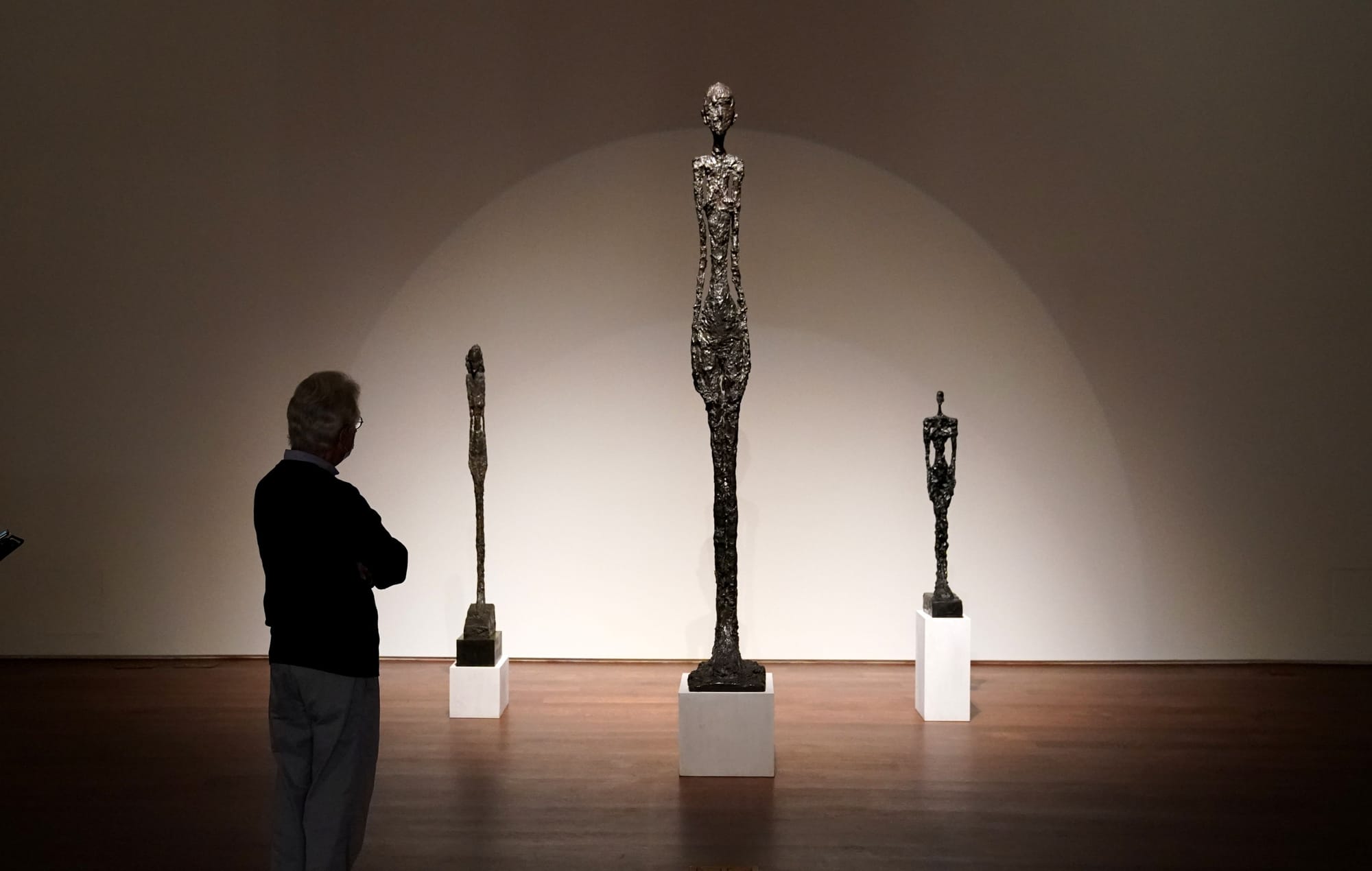
“Giacometti continuously returned to the question of how to infuse his work with the experience of being human,” Met Curator of Modern Art and Senior Research Coordinator Stephanie D’Alessandro said in the release. “Seen within and around the Temple of Dendur, his sculptures sharpen our understanding of his lifelong effort to distill the human presence to its most essential form.”
The exhibition will open on June 12 and run through September 8.