In Queens, Immigrant Women Sew a Truer Atlas
The largely undocumented Latin American women of New York’s “costureros,” or needlework circles, are creating a countermap to archive the stories of their lives.
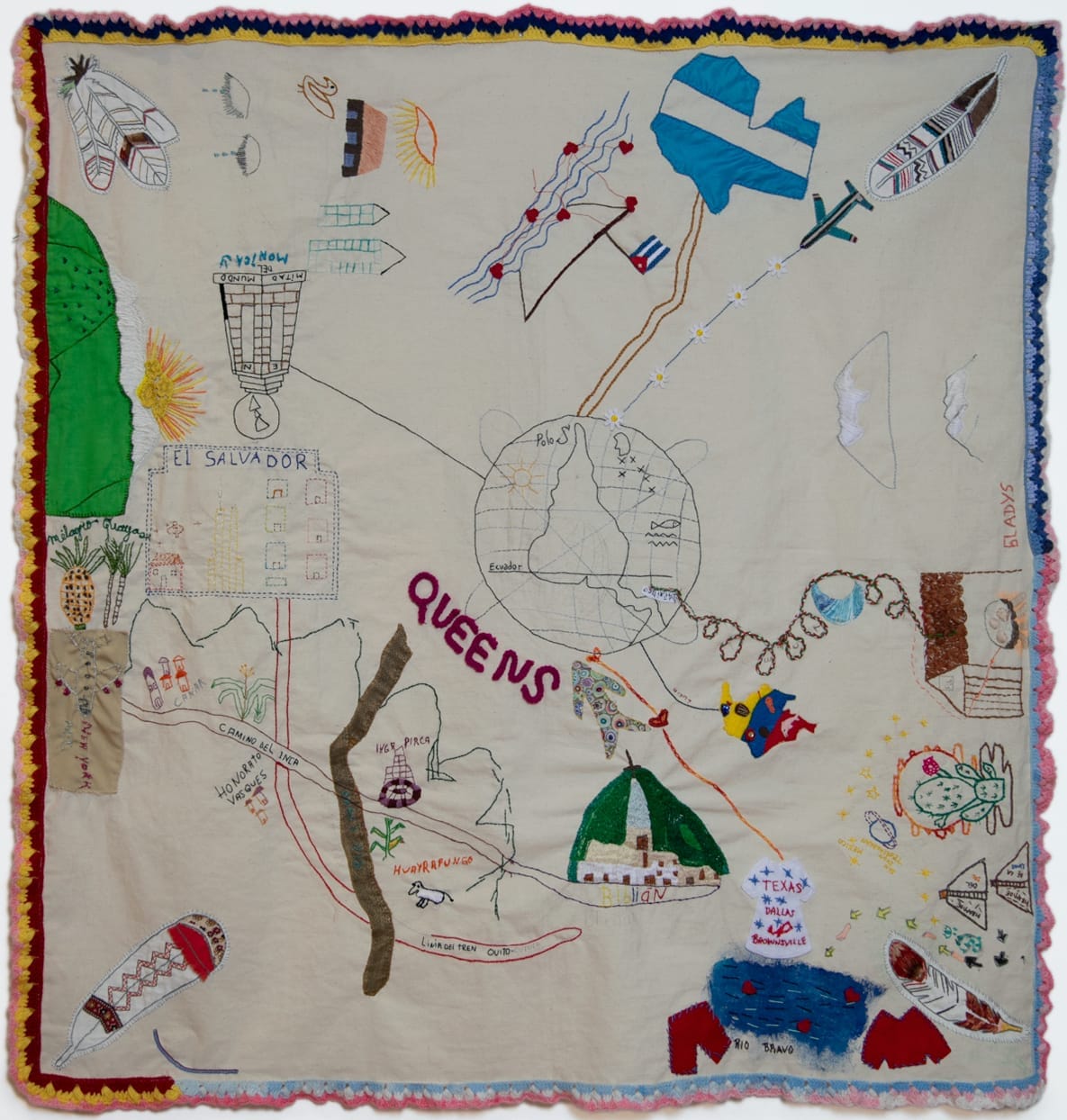
This article is part of a series focusing on underrepresented craft histories, researched and written by the 2025 Craft Archive Fellows, and organized in collaboration with the Center for Craft.
How can we delve into the archives of the present? Is it possible to unveil and touch the documents that communities are creating today to record and remember their history, or does understanding only arise with the passage of time? When does an object become an archive?
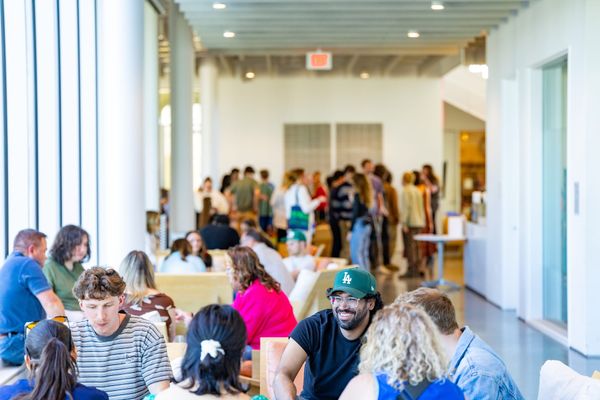
For the past two years, I have been working with two immigrant-led costureros: circles of women from all over Latin America that gather to create textiles together. Located in different community centers in Northwestern Queens in New York City, these spaces have become a safe haven for many undocumented, working-class immigrants who are enduring racial profiling and persecution under the current immigration crackdown. Amid this terror, the intimacy and secrecy of the costurero set a table where gossip and generosity sit side by side with threads and needles.
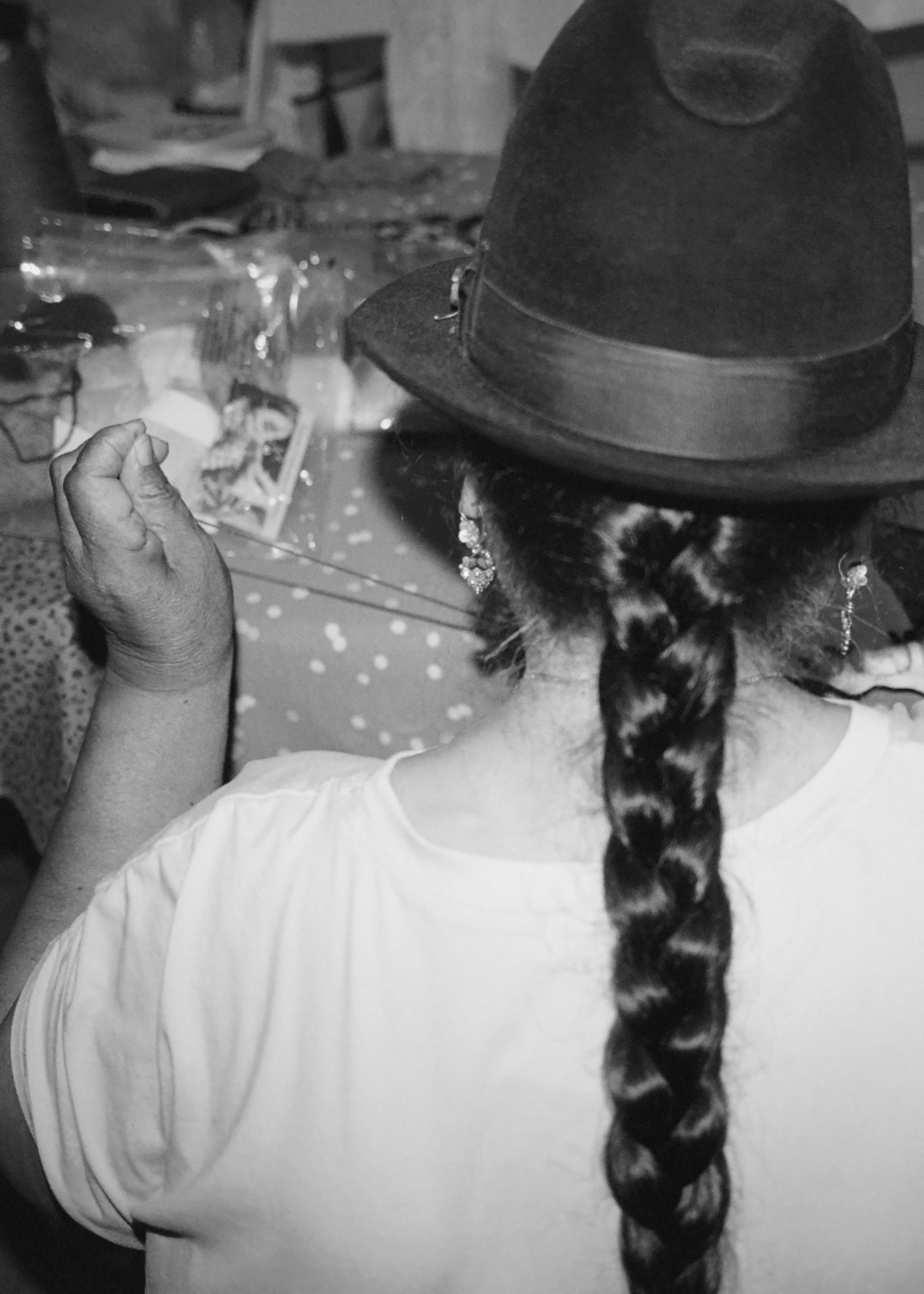
The first group, BordeAndo, was founded in 2018 as a community engagement initiative of the Queens Museum, though it soon grew beyond the institution to become an independent collective. Its name plays with multiple meanings in Spanish: bordar (to embroider), borde (border or frontier), and the suffix -ando, which evokes movement or walking. Most of its members come from the Ecuadorian highlands (la Sierra), though others are from the Dominican Republic, El Salvador, and Mexico. They range in age from 30 to 83 and have lived in the United States for between 10 and 50 years.
Las Comadres Bordadoras was founded in 2021 in the aftermath of the COVID-19 pandemic by two Mexican immigrants, who sought to bring women out of isolation and foster a mutual support network. Their name, also difficult to translate, gestures toward camaraderie and kinship. The comadre refers specifically to women who are, in their words, “a midpoint between friend and family.” The comadres come from Mexico, Cuba, El Salvador, Uruguay, Colombia, Ecuador, and Argentina; range in age from 35 to 75; and have lived in the United States for between two and 30 years. They mostly embroider Mexican cloth napkins, but all forms of needlework are welcome. This costurero calls itself “nomadic” because it has moved around community gardens, public libraries, and schools in the area since its conception. Both circles are intergenerational, international spaces of confluence for transnational, working-class, largely undocumented immigrant women.
Last year, BordeAndo and Las Comadres Bordadoras were the protagonists of Thread of Voice / Un hilo de voz at the Queens Museum. The exhibition, which I curated, featured Andrés Altamirano’s photographs of the costurero members along with film by documentarian Eleonora Privitera. The visual narrative and documentation of this project was also done in collaboration with Altamirano.
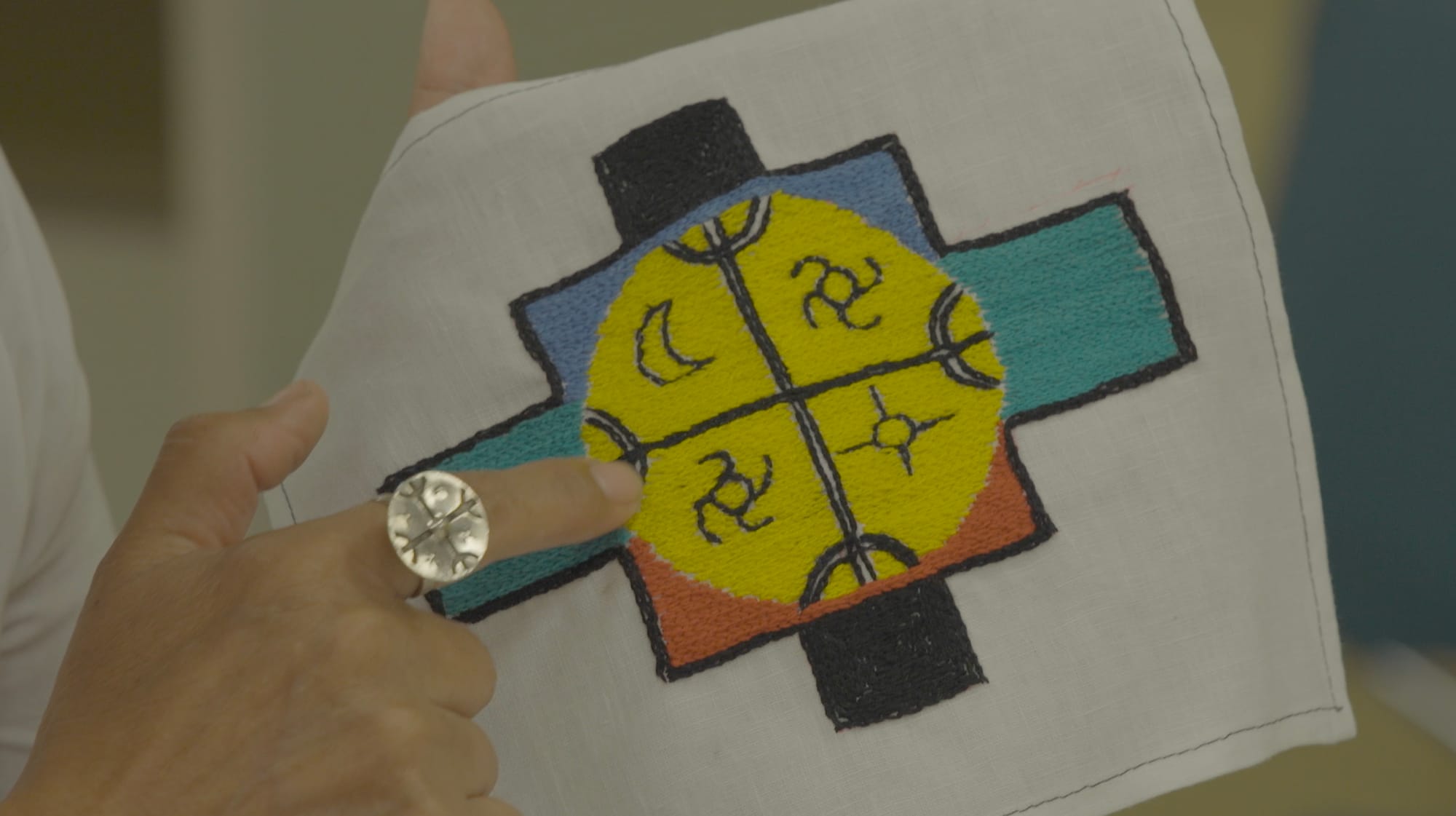
I see these costureros as living archives — as sites where craft traditions converge, and concrete embodied and material practices connect geographies of affect and displacement, like a woman knitting a stitch learned by her grandmother back home or another embroidering a napkin for the altar of a dead loved one whose grave she cannot visit because of her migratory status. “Text” and “textile” share an etymological root — the Latin verb texere — that reveals both that texts are woven and textiles written. In this sense, textiles are texts that we have forgotten how to read, encoded with bodily gestures, storytelling practices, and materialities that could, if safeguarded, be called archives.