In “Whistler,” Ann Patchett Tackles Loss and Art
The beloved author’s new novel tells a story of familial loss and reconnection, beginning with a chance encounter at The Met. But why does it seem to imply that grief and art are at odds?

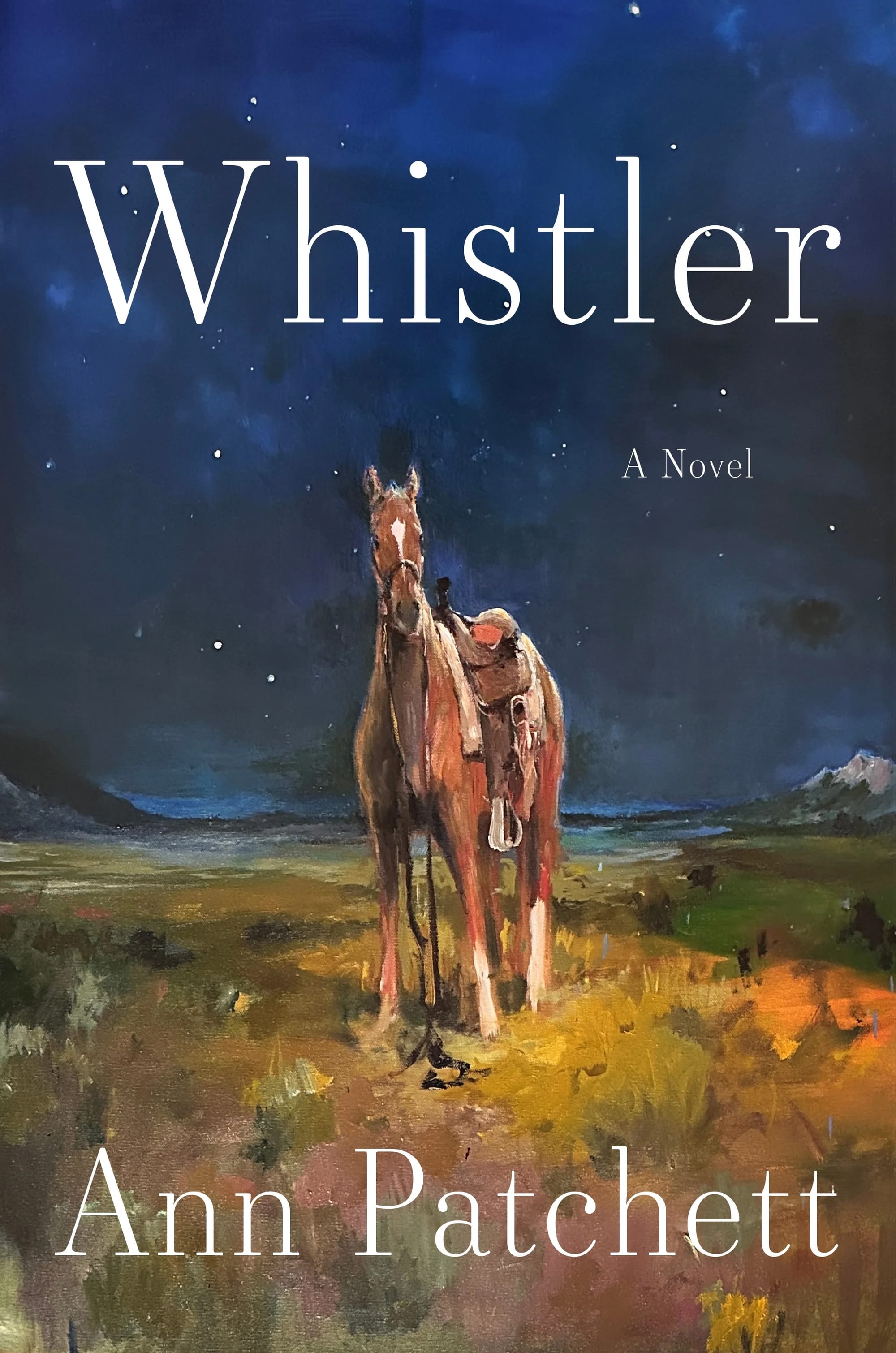
Artists and authors are taking the Year of the Horse quite seriously. Christopher Nolan’s adaptation of Homer’s Odyssey hit theaters this summer, featuring the classic Trojan horse and all it stands for: things both passed down orally and things unspeakable. And just a month before that came Ann Patchett’s Whistler, her 10th novel for adults, which also takes this year’s zodiac quite seriously — the book is named for a horse in a story within the story.
Patchett is known for her character-driven tales, and for writing literary fiction that remains accessible. She is perhaps best known for her 2001 breakaway hit Bel Canto, based on the Japanese embassy hostage crisis in Peru from the late 1990s, and for The Dutch House, published in 2019. She has become something of a model within American fiction, with some characterizing her books as “beach reads” and others following Patchett’s relationship-centered style. In Virginia Evans’s The Correspondent (2025), Patchett herself even features as a minor character.
Whistler opens with a chance encounter at the Metropolitan Museum of Art. Daphne has not been in touch with her stepfather Eddie in 44 years. He and her mother suddenly divorced when she was nine, following a disastrous car accident that Eddie and Daphne both miraculously survived. While they waited for help in their smashed-up car, Eddie told Daphne the story of Whistler the horse, allegedly a tale he once received as a book pitch on his desk. (Eddie was an editor; Daphne became a high school English teacher for an all-girls private school in Manhattan.) Years later, Daphne still blames herself for Eddie’s sudden banishment from their family.
Now 53 years old, Daphne is wandering the galleries with her husband, who spots an “old man” following them. The Met reappears only one other time in the book — at the very end, when members of the family conveniently make another trip there. But the museum, and the effects of art on memory and grief, hover over the entire story; another narrative thread involving a collection of rabbit paintings makes this preoccupation clear. This first serendipitous encounter at The Met, in the Contemporary wing, no less, is referenced again and again — Daphne’s first chance to reconnect with the only father figure she had ever had. The significance of their reunion is such that Daphne’s husband, watching her cry upon seeing Eddie again — before Charles Ray’s sculpture “Two horses” (2019) — and “understanding none of it … [still knew] the big reveal should not have come here, in front of art.”
That may be the book’s most central, crucial line. Eddie is the anchor, a center of gravity, for the broken family’s appreciation of the arts — of anything beyond pure survival, really. When the adult Daphne finally tells her mother about their run-in, she replies, “At the museum, that makes sense. Eddie had a great eye for art … Anything I know about art today is something Eddie taught me.”