In Brief
Artists Petition the Pope to Abolish Hell (Again)
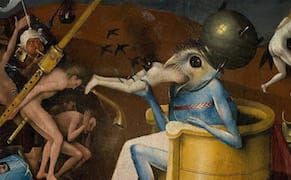
A group of artists is collecting signatures on a petition demanding that Pope Francis I abolish hell.

In Brief
A group of artists is collecting signatures on a petition demanding that Pope Francis I abolish hell.
Community
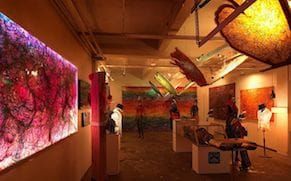
CHICAGO — The 83rd installment of a series in which artists send in a photo and a description of their workspace. Want to take part? Submit your studio — just check out the submission guidelines.
Art
Let's face it: there's Brooklyn, and then there's the rest of New York City. (Sorry, rest of New York City!)
Film
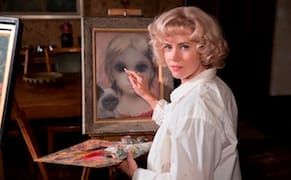
At first glance, Big Eyes may look like the least Burtonesque film Tim Burton has ever made.
Art
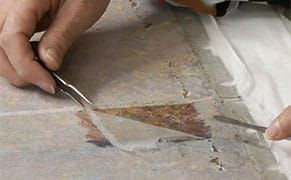
Conservators are probably the closest thing the art world has to surgeons.
Art
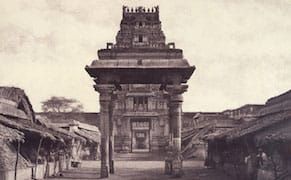
WASHINGTON, DC — Captain Linnaeus Tripe: Photographer of India and Burma 1852–1860, on display in the National Gallery of Art through January 4, showcases some of the earliest photographs of India and Burma.
Art
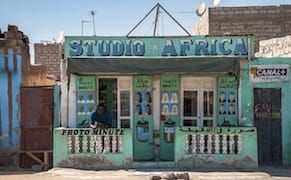
“Once everyone gets their own camera, they won't need us anymore,” one of the photographers told Tache. “Who knows, maybe they will shoot even better than us. We will disappear little by little and only the laboratories will remain, for the customers."
Books
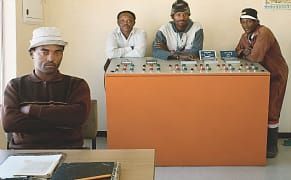
Beginning in the 1940s, South African photographer David Goldblatt documented the people and landscapes of his country in striking black and white. It was only after apartheid that he felt comfortable with color in his work.
Art
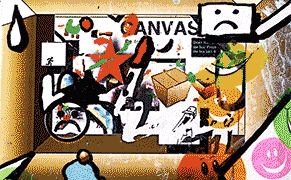
"New Expressions," Jacob Ciocci's eight-page online commission for NewHive, describes a how-to guide for creating animated paintings.
Art
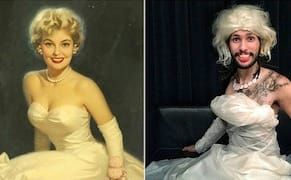
When most people are bored at work, they surf Facebook. Not so with Francesco Fragomeni and Chris Limbrick, two employees at the website creation startup Squarespace who funneled their creative energy into photographic homages to the art historical canon.
Art
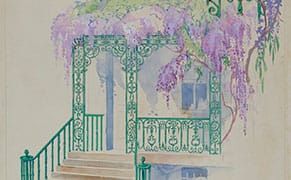
In 2013, the National Gallery of Art began digitizing their enormous collection of roughly 18,000 watercolors from the Index of American Design.
Art
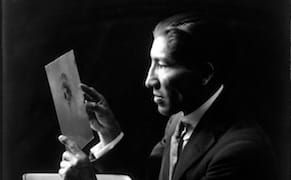
In 1905, when the Andean photographer Martín Chambi was 14 years old, he traveled to northwestern Peru with his father, who had a job working in a gold mine there. At the time, there were no indigenous photographers in the country, and images of the Quechua people were mostly captured through the le