Maria Martins Was More Than Just Duchamp’s Lover
A new book by leading Duchamp scholar Francis M. Naumann chronicles the artist’s affair with the Brazilian sculptor, but frequently reduces her influence and career to sexual allure.

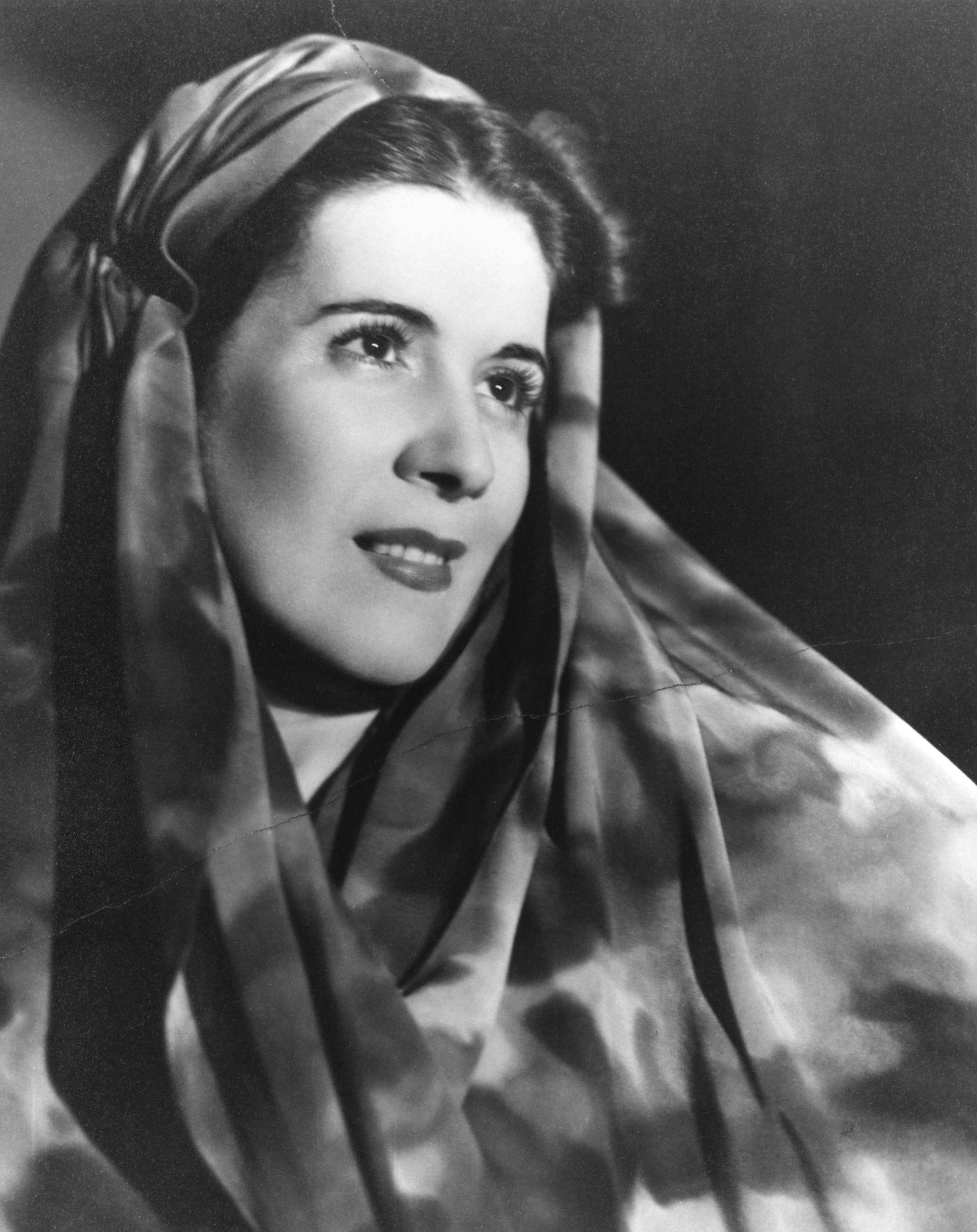
In Marcel Duchamp’s enigmatic last artwork, a nude woman lies sprawled out in a field. According to Francis M. Naumann, the figure in Étant donnés (1946–66) is based on Maria Martins, the Brazilian sculptor who was Duchamp’s model and first true love. In Impossible: The Love Affair Between Marcel Duchamp and Maria Martins, and the Artwork It Inspired (2026), the historian draws a clear line from the artists’ little-known liaison to Duchamp’s mysterious magnum opus, arguing that Martins spurred his final two decades of artistic creation.
The book takes its name from Martins’s arresting 1946 bronze sculpture. In the piece, two figures with sharp, pointed barbs draw closer to each other. For Naumann, the tension in the sculpture reflects the tortured relationship between Martins and Duchamp, who were magnetically drawn to one another but whose life circumstances ultimately kept them apart. The two artists first met in New York City in 1943, likely at Martins’s second solo show at Valentine Gallery. At the time, Duchamp was a 56-year-old French expat and renowned artist and chess player, and Martins was a 49-year-old sculptor on the rise with studios in New York and Washington, DC. She was also married to the Brazilian ambassador to the United States with no plans for divorce.
Still, the meeting proved pivotal. During their roughly eight-year affair, Martins was “the center of [Duchamp’s] emotional life,” Naumann writes, and “the main focus of his creative activities ... for some twenty years to come,” even after she moved to Paris and then São Paolo. Through sketches, artworks, letters, and gifts, the author reveals an unexpected creative exchange between the artists that proved beneficial to both, but especially to Duchamp. Naumann theorizes that Duchamp’s Étant donnés wasn’t just inspired by his drawings of Martins posing nude, but by his appreciation of her own daring artworks. Among them are the 1948 bronze sculpture “Huitième voile (Eighth Veil)” and her now-lost 1945 piece “Je crus avoir longuement rêvé que j'étais libre (I Believed that I Long Dreamed I Was Free),” in which female figures take a similarly open and erotic posture as in Duchamp’s later work.
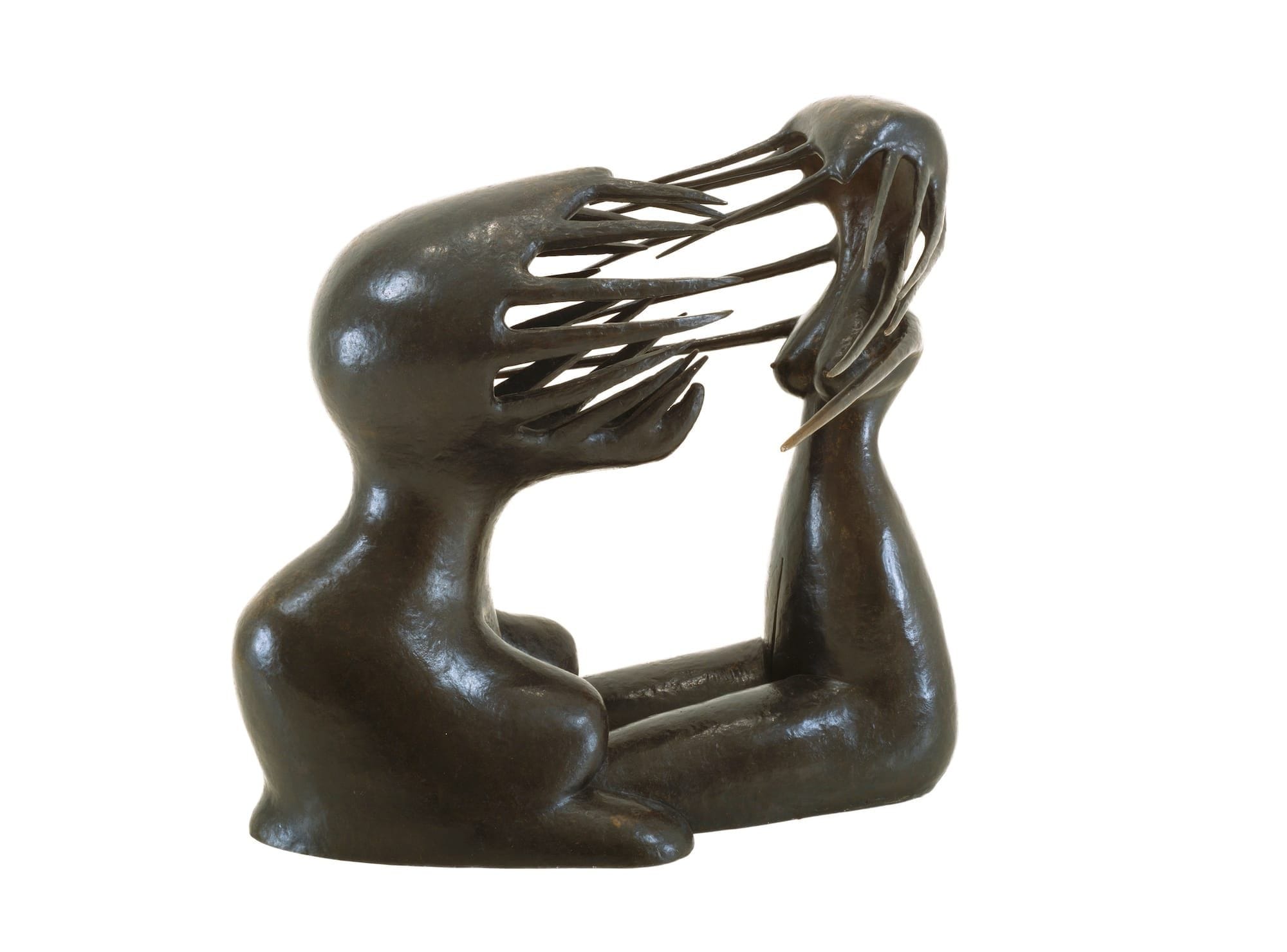
Though the book sheds crucial light on Martins’s work, its overall portrayal of her is uneven. There’s already a clear imbalance in the way Naumann names his subjects: he calls Martins by her first name throughout the book, while Duchamp is referred to by his last name, reinforcing a sense of unequal standing. Moreover, the author proclaims Martins to be “one of the most important and accomplished Surrealist sculptors of her generation,” but he also calls her a “classic femme fatale, a seductress who did whatever she needed to get a man to fall in love with her.” He repeatedly emphasizes Martins’s physical attractiveness and even speculates that she "probably treated the act of making love as a wild and uninhibited event, entrapping her men as a Venus fly trap consumes its prey.” These passages feel one-dimensional, cartoonish, and frankly bizarre.