Martha Cooper Captures How Urban Youth Made New York
Her photographs showcase an intensely physical side of the city: breaking down boxes to dance upon, spray-painting subway cars.

What are the bodily characteristics that make a city? That is what I was thinking about while walking through the Bronx Documentary Center's exhibition Martha Cooper: Streetwise. Martha Cooper is perhaps best known for documenting New York City’s graffiti and breaking culture in the early 1980s, though this exhibition offers a survey of her career from the late 1970s through 2010s in New York, Baltimore, Tokyo, and the South African Township of Soweto. Still, I found myself drawn to Cooper's images of the city, because they inspired me to think deeply on the physical experience of living here.
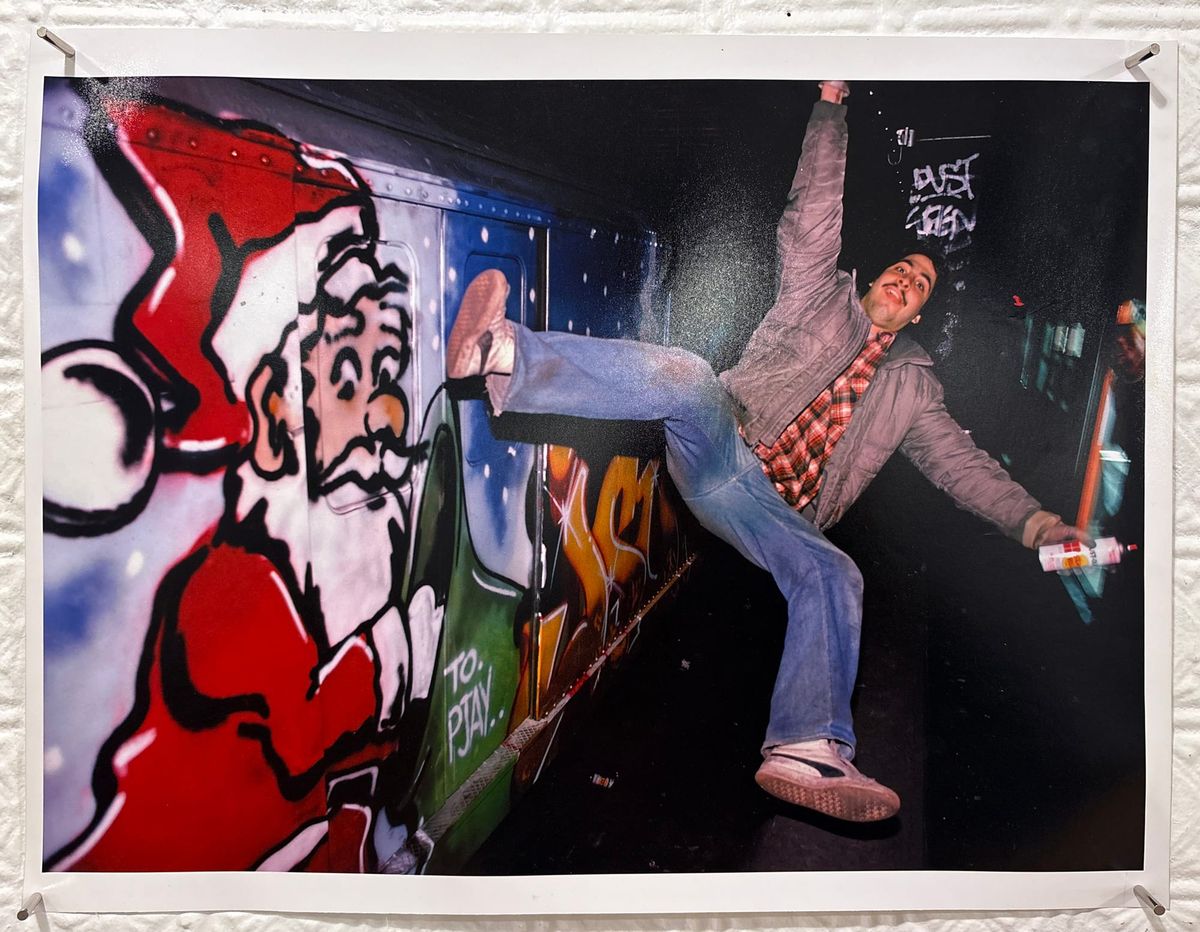
One of the works that opens the exhibition is “Cops patrolling on the number # 1 line Harlem” (1981), among Cooper's best-known. It showcases the gritty romanticism of New York City during the 1980s: Two cops patrol a subway car while a woman sits in a collage of dilapidated grays, colorful advertisements, and graffiti. Even though one cop looks directly at the camera, it is the gaze of the woman sitting who connects with the viewer. Her eyes are more alert than theirs, and the red coat that adorns her tense body induces a flash of caution greater than the police uniforms, which almost blend in with the scenery. Yesterday’s New York, much like today’s, was a time of hyper-vigilance for residents.
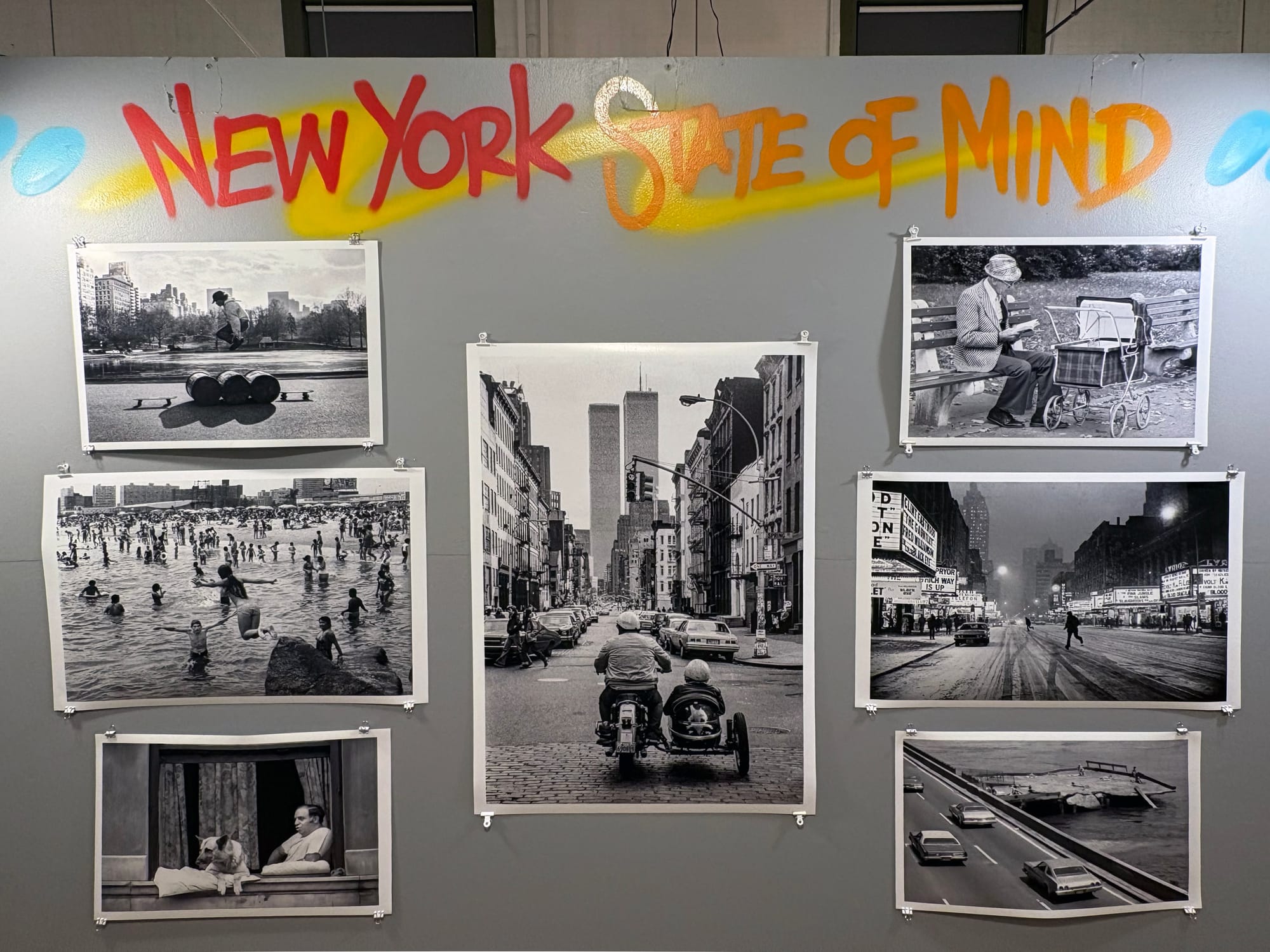
The section “Street Play” centers on Cooper's documentation of the Lower East Side between 1978 and 1980. I was struck by these images. Growing up in New York City is about making do and having the world as your playground. We have parks, but we also have fire escapes, fire hydrants, streets, rooftops, windowsills, alleys, and vacant lots on which to unleash our energy. All these spaces and objects, combined with a childlike imagination, instill a sense of limitless potential for the uses of public space in our city. They reminded me so much of depictions of midcentury youth by photographers such as Helen Levitt and Arthur Leipzig. It made me realize that photographers like Cooper and her contemporary Jamel Shabazz do not get enough credit for continuing this legacy of photographing urban youth.
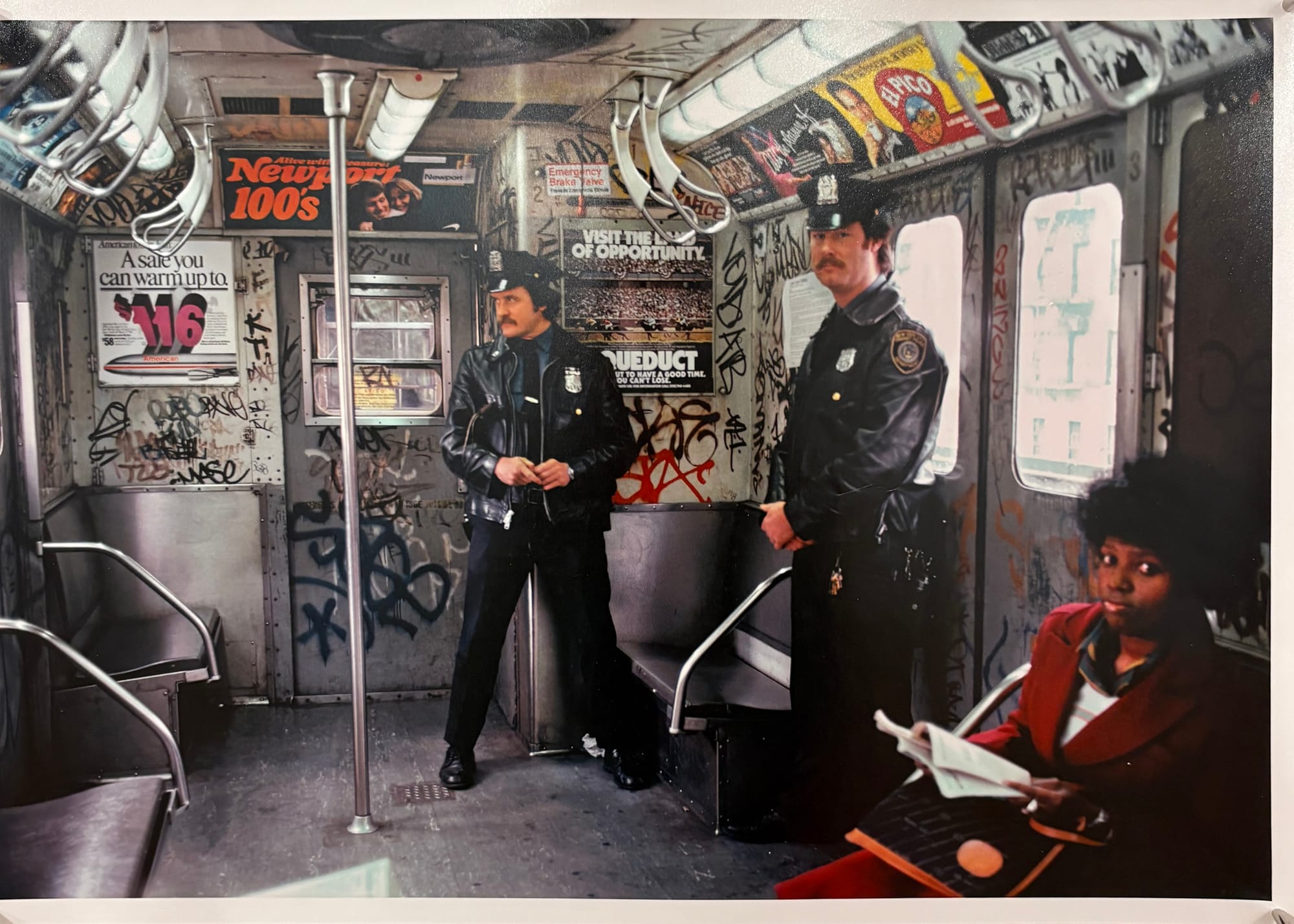
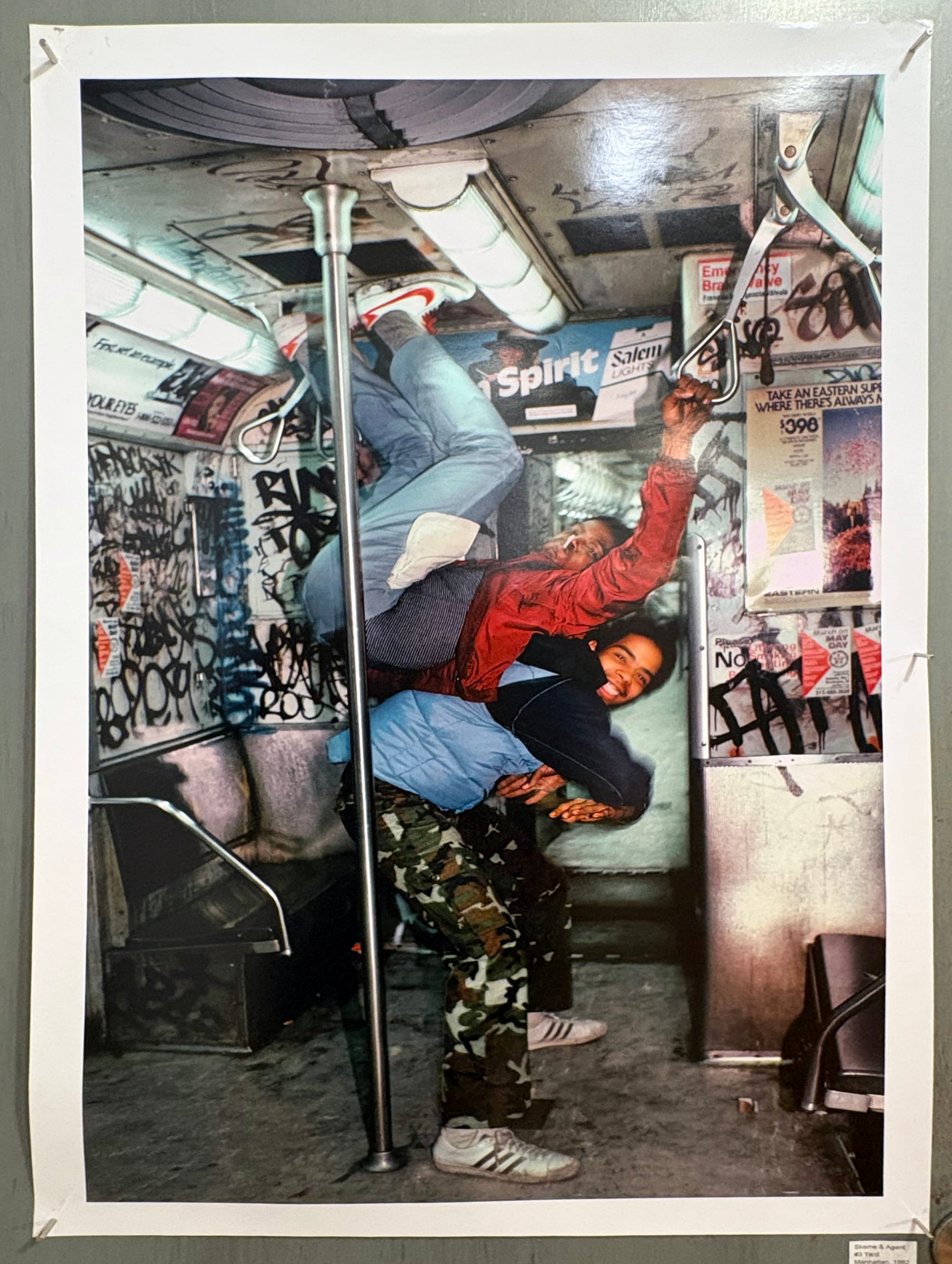
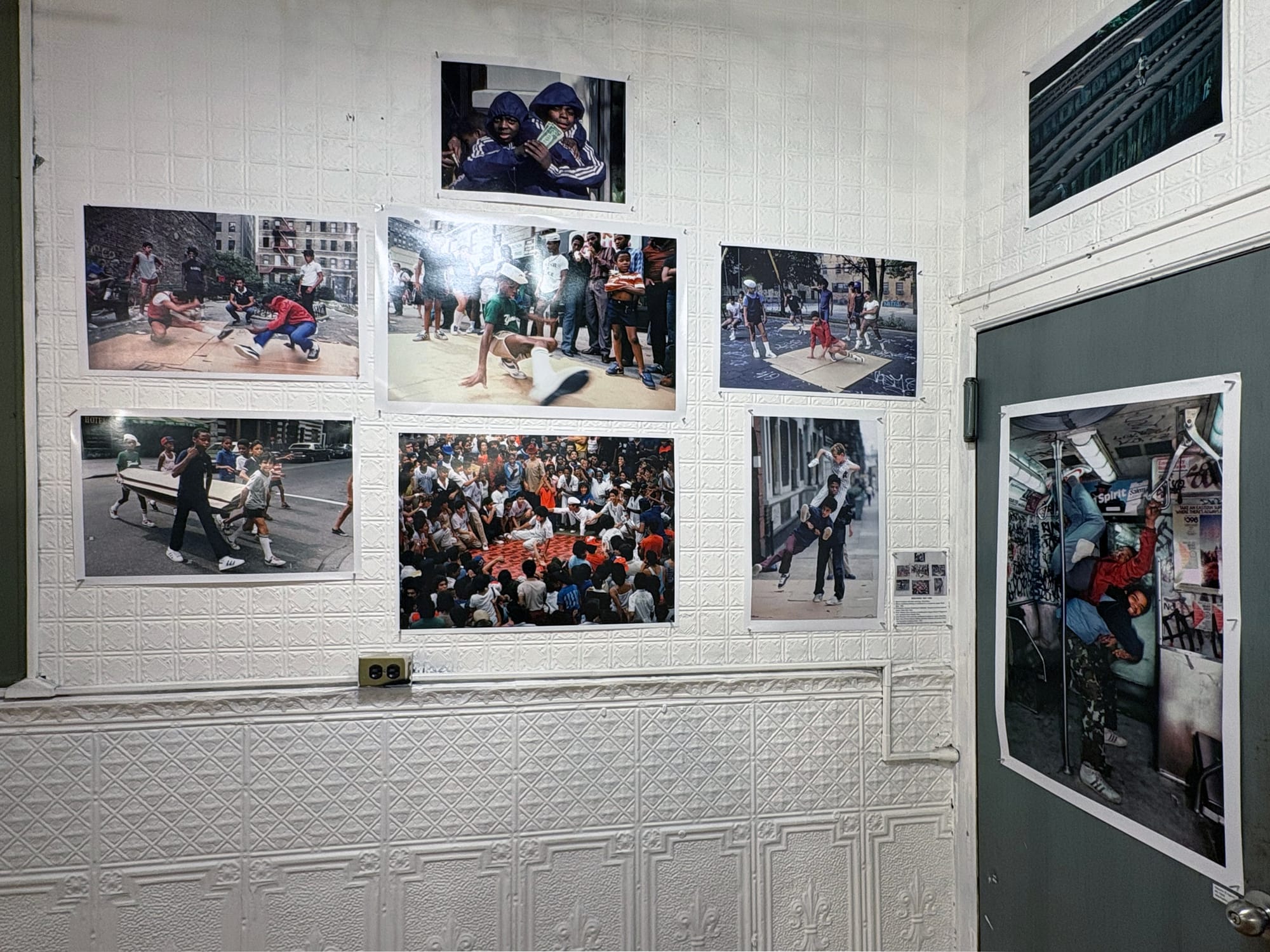
Cooper’s famous photographs of hip hop’s infancy are a main feature in this exhibition, set in clubs, streets, and trains. These works showcase the intensely physical relationship between the youth and the city: breaking down boxes to dance upon, spray-painting on walls and subway cars, and climbing on and dangling from public transit. This was an era when architecture and infrastructure literally and figuratively spoke the city through words and color, and its inhabitants spoke back to it through physical gestures.
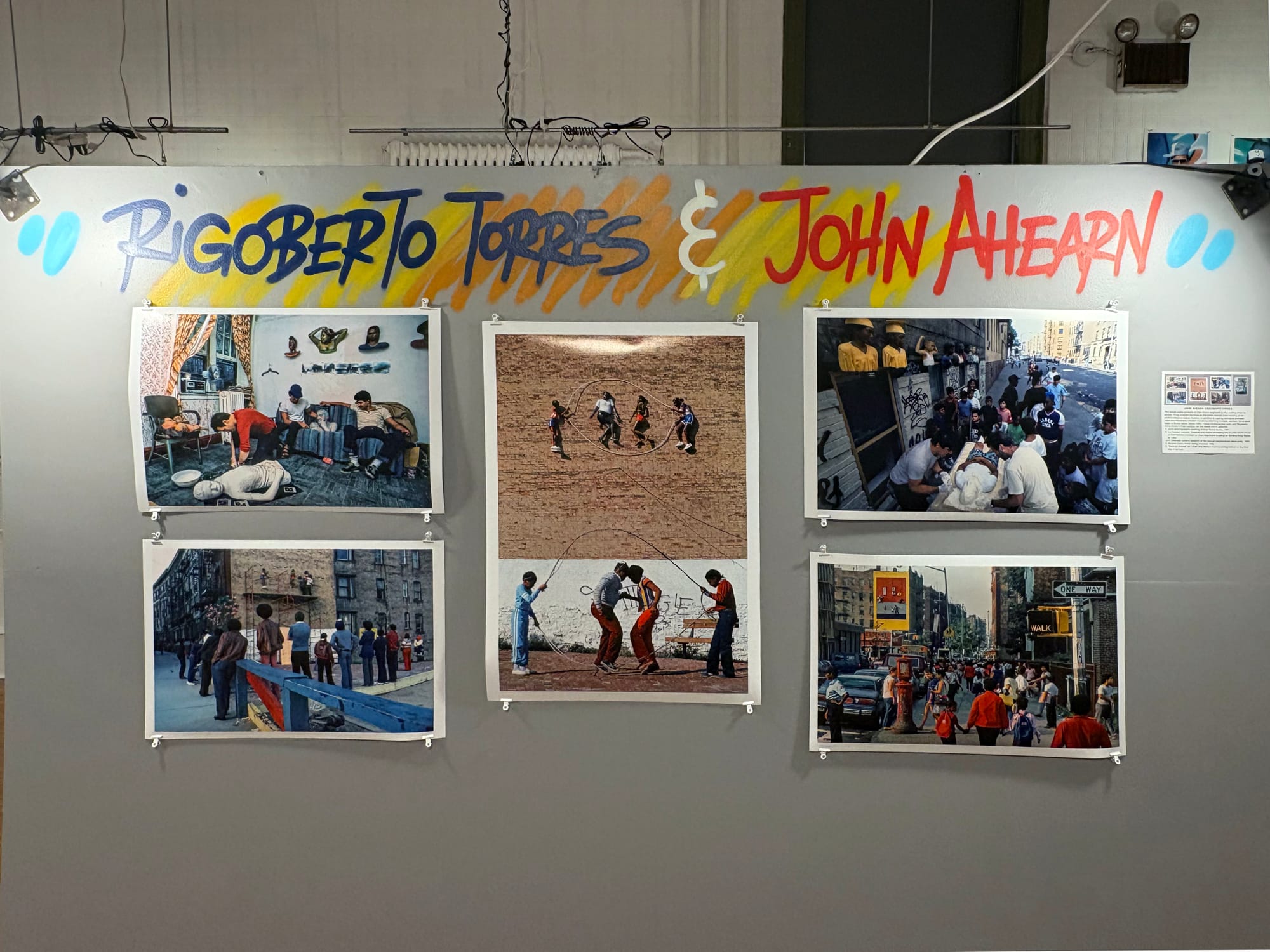
This symbiotic relationship was especially evident in Cooper’s photographs of the work of Bronx artists Rigoberto Torres and John Ahearn. Torres and Ahearn make live cast portraits of people in their Bronx neighborhood and attach them as 3D murals onto the building walls in their community. In one photograph I particularly loved, Cooper captures a group of friends playing double dutch below a mural of the same friends playing double dutch. I was mesmerized by how beautifully this photograph documents Torres and Ahearn's murals as careful and compassionate commemorations that seamlessly engage with the physical presence and identities that inspired their work.
Streetwise is a crucial visual and psychological analysis of the eclectic ways people physically express and assert themselves in New York City. These photographs are not purely nostalgic or romanticizing works — rather, they are a love letter to the landscape that invites us to contemplate the ways we choose to make it our own in turn through creative expression.
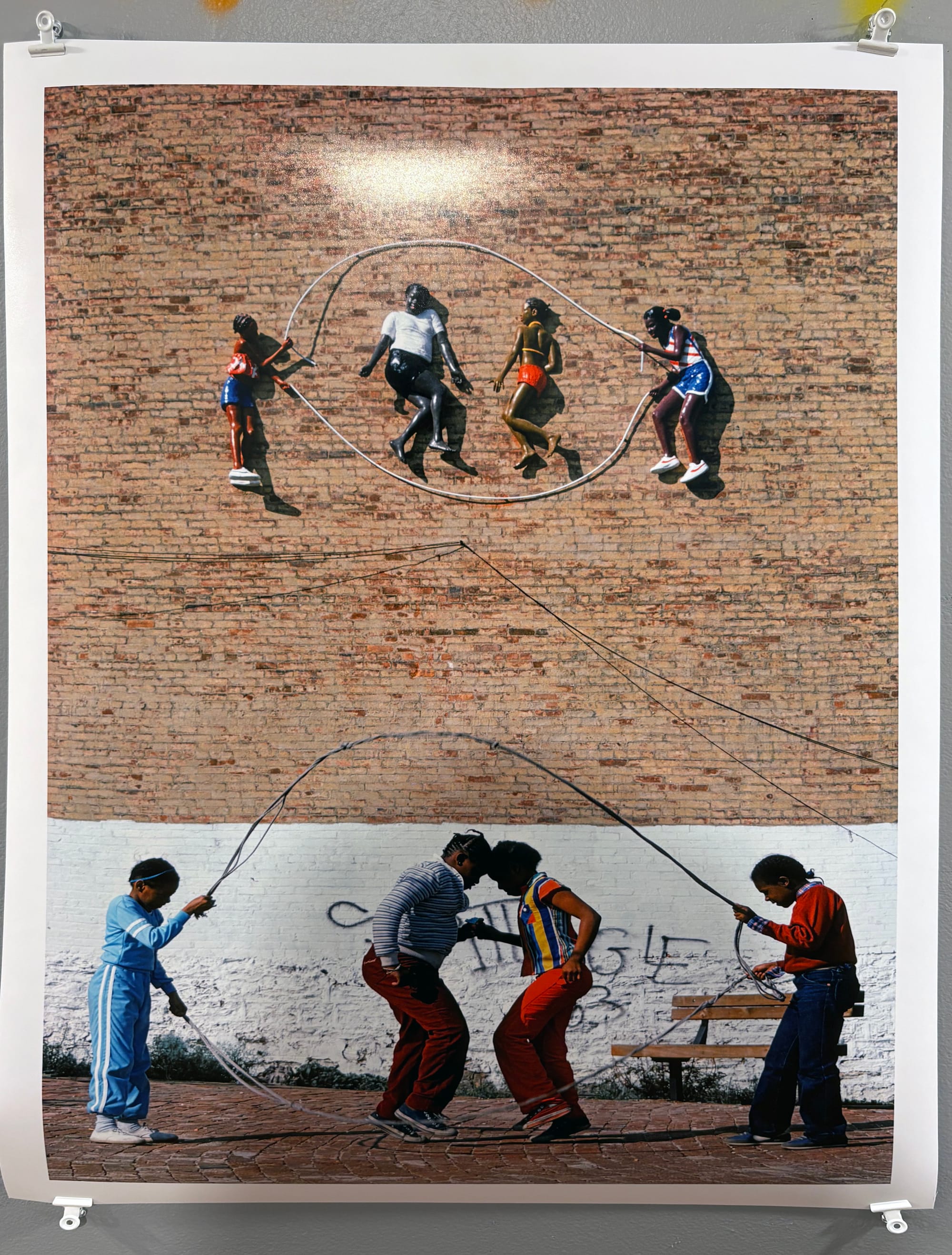
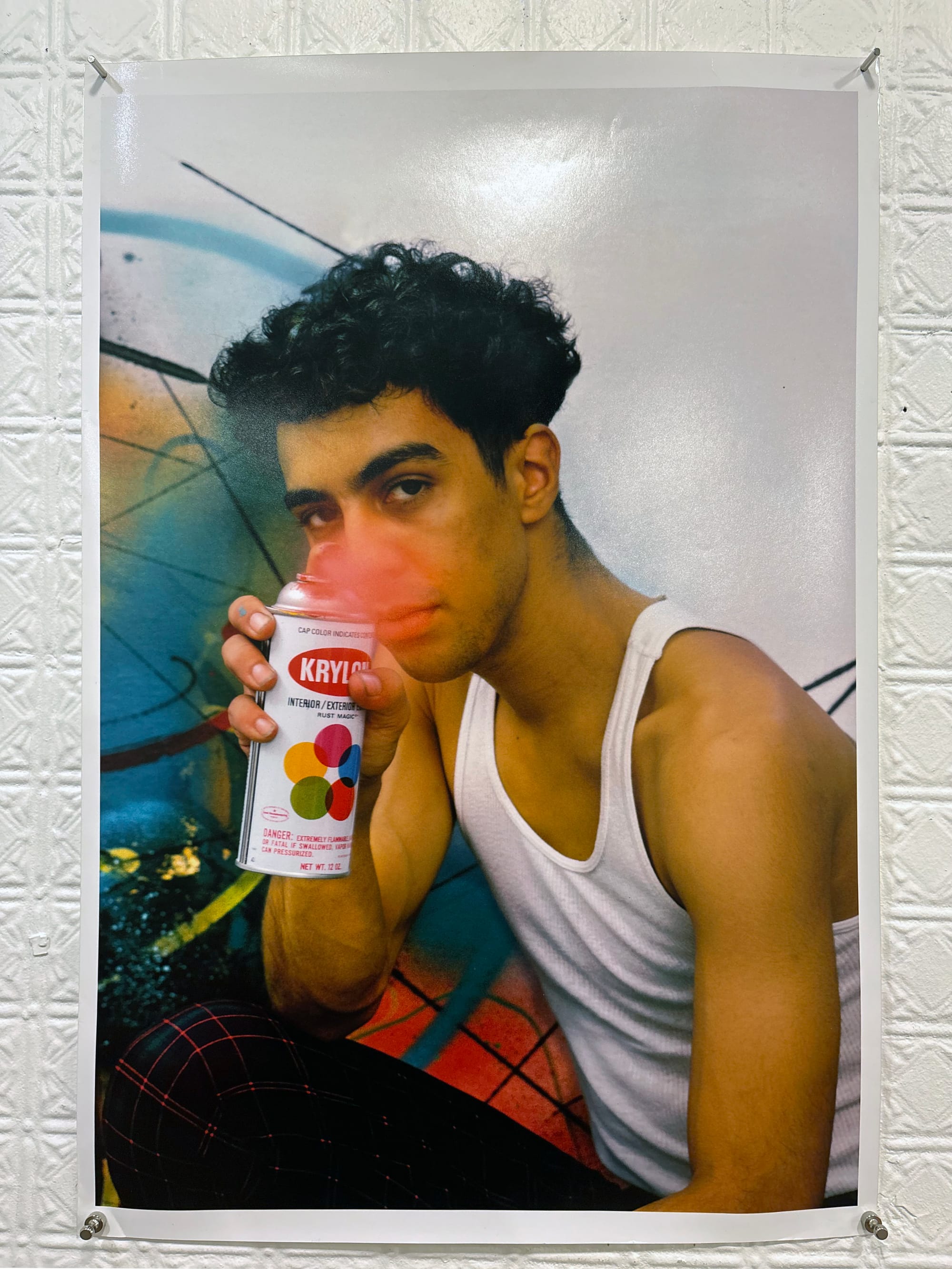
Left: Martha Cooper, "La Freeda, Jevette, Towana, and Staice recreating the Double Dutch mural of themselves installed on their apartment building on Banana Kelly Street" (1982); right: Martha Cooper, "Futura 2000" (1983
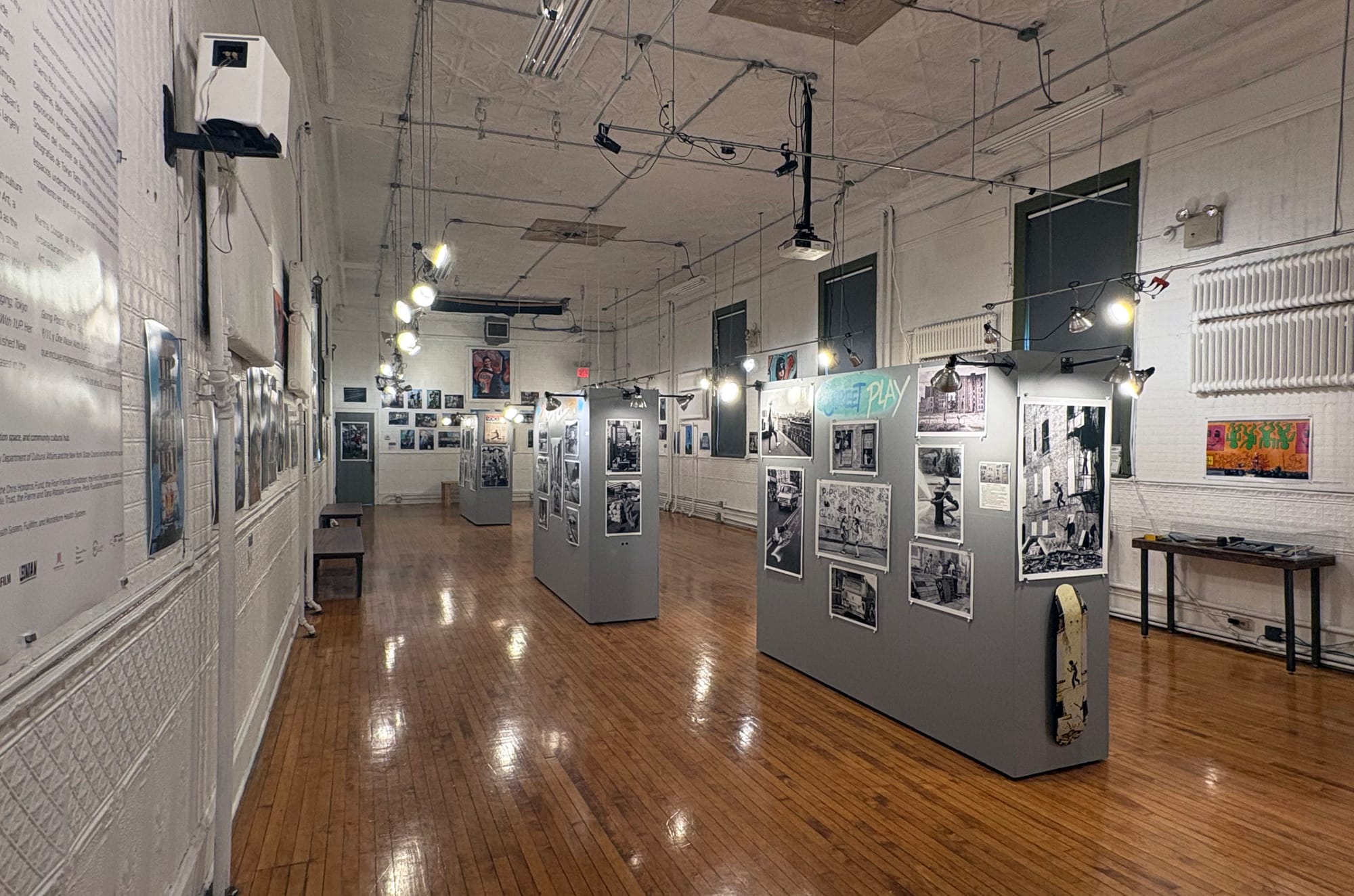
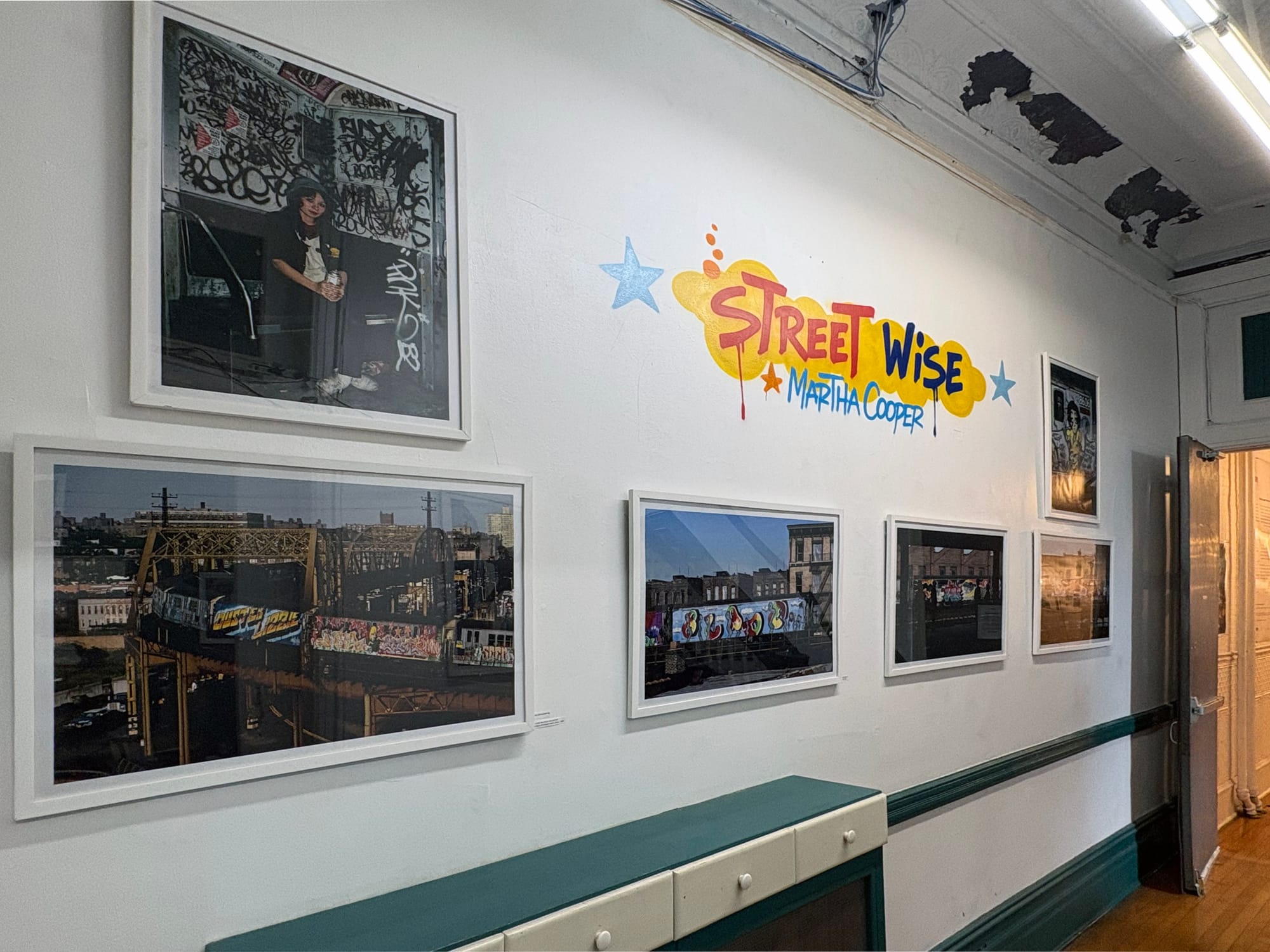
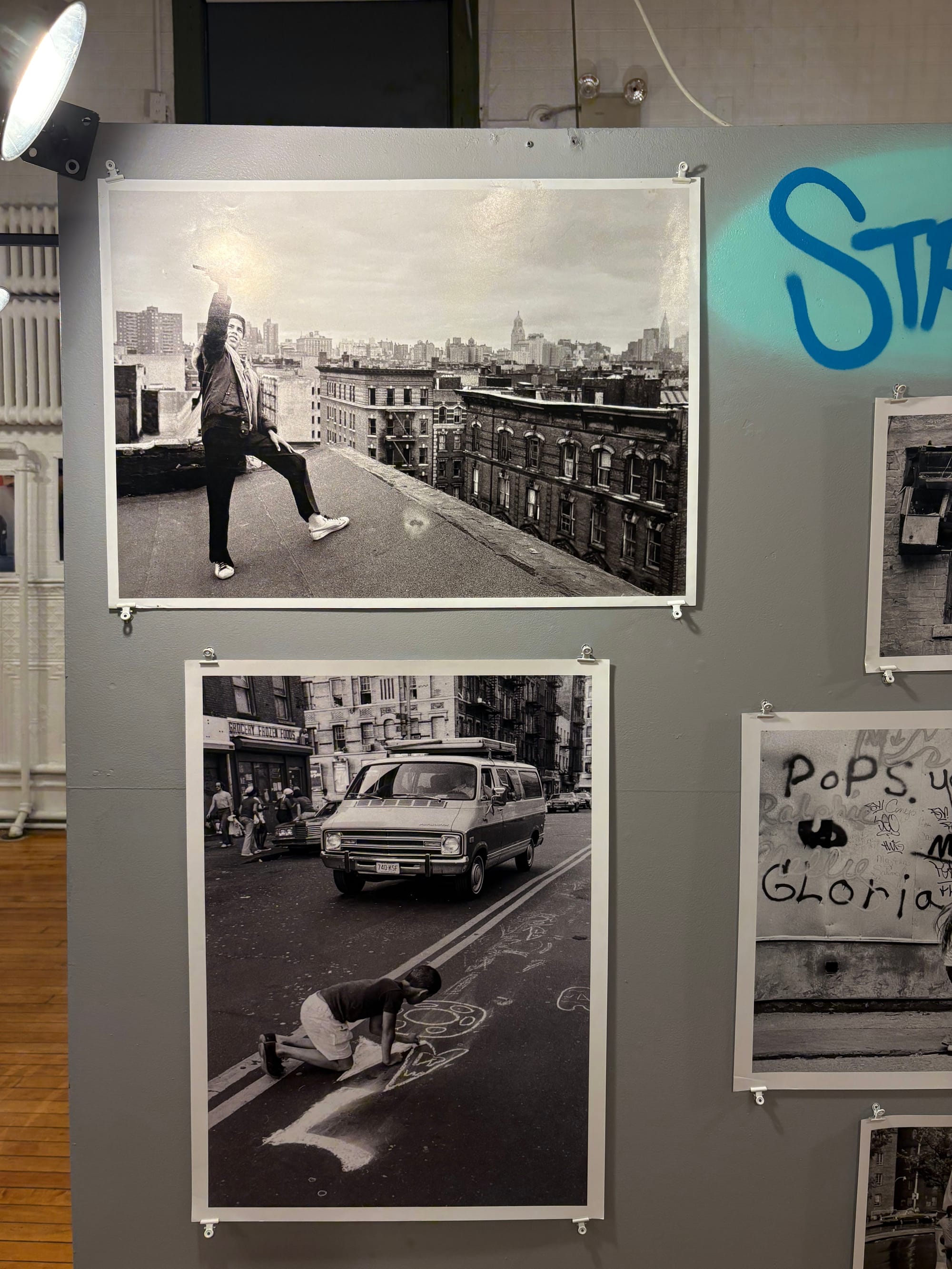
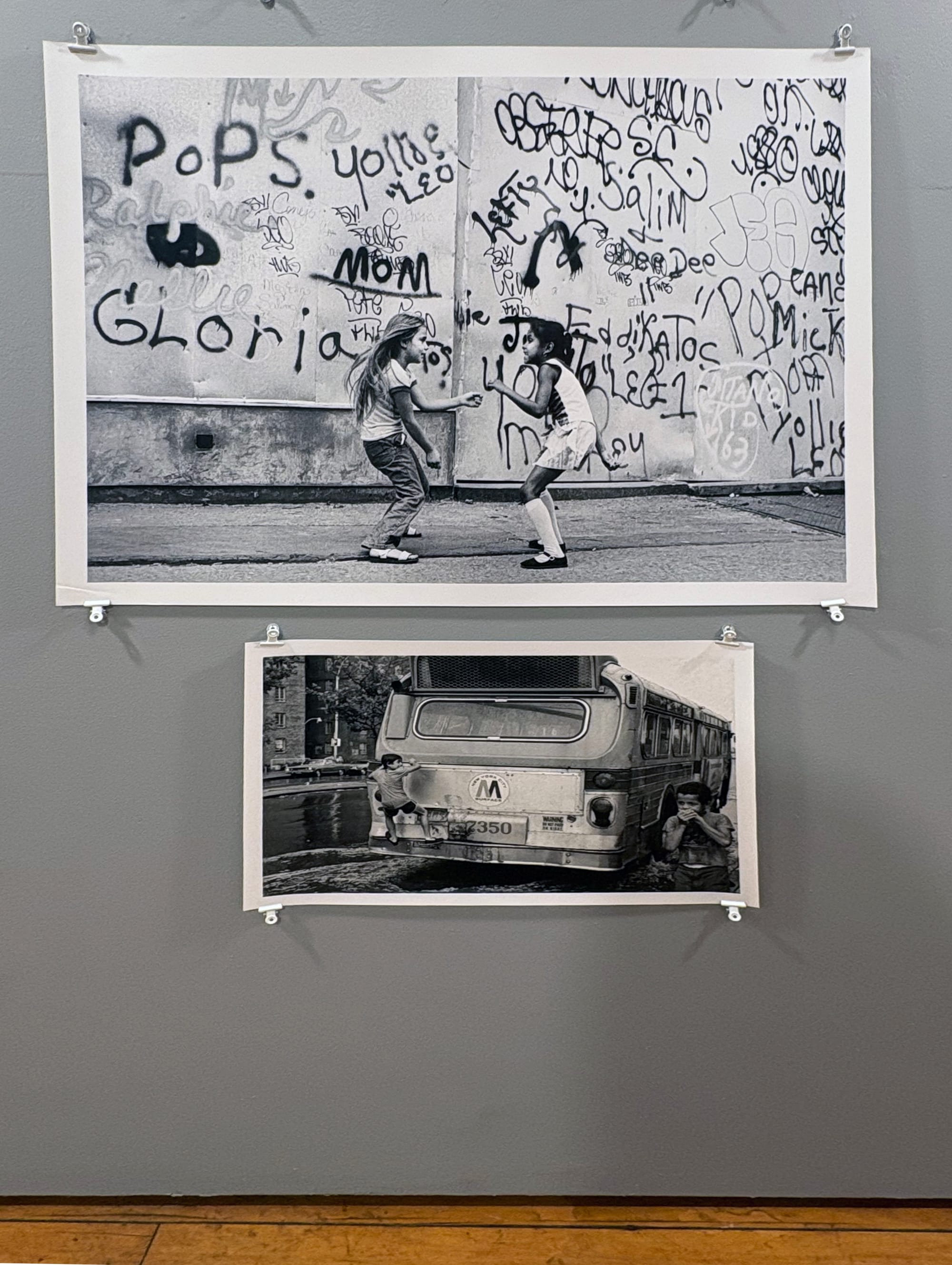
Installation views of Martha Cooper: Streetwise
Martha Cooper: Streetwise continues at Bronx Documentary Center Annex (364 East 151st Street, Melrose, Bronx) through June 14. The exhibition was organized by the institution.