Nan Goldin Speaks Out on Art Gallery of Ontario’s Halted Acquisition
“It’s chilling that this censorship plays out especially regarding Palestine, the great exception to free speech,” Goldin told Hyperallergic.

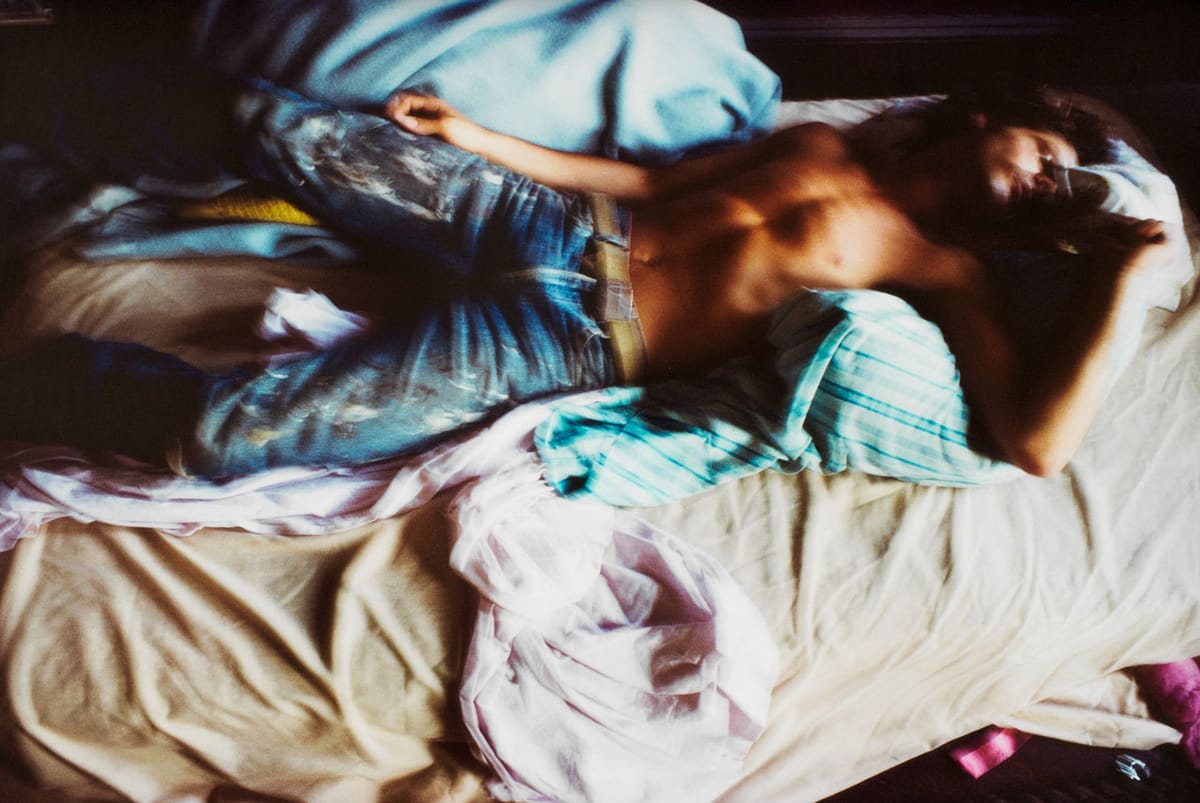
Artist Nan Goldin accuses the Art Gallery of Ontario (AGO) of censorship following the revelation that the museum reneged on a joint acquisition of her video artwork “Stendhal Syndrome” (2024) over her public support of Gaza. An internal memo of the 11-9 committee vote during a May 2025 meeting, first reported by the Globe and Mail, indicated that certain members of the acquisitions committee, including AGO trustee Judy Schulich, characterized Goldin's 2024 speech in Berlin in solidarity with Gaza as “offensive” and “antisemitic.”
“It’s chilling that this censorship plays out especially regarding Palestine, the great exception to free speech,” Goldin said in a statement to Hyperallergic.
The acquisitions committee was referring to Goldin's address at the Neue Nationalgalerie in Berlin in November 2o24, during the opening reception of the artist's traveling retrospective This Will Not End Well. Goldin, who is Jewish, took to the podium to “amplify [her] position of moral outrage at the genocide in Gaza, in Lebanon,” and to criticize Germany's conflation of antisemitism and anti-Zionism.
The Globe and Mail reported that AGO curator John Zeppetelli, who pitched and advocated for the acquisition to the department's committee, resigned from his staff role following the vote. Three volunteer committee members also reportedly resigned. Per the memo, those who voted in favor of acquiring Goldin's piece expressed that “refusing the work because of the artist’s views was censorship,” and said that they did not find the artist's remarks at the Neue Nationalgalerie to be antisemitic.
Zeppetelli did not respond to Hyperallergic's request for comment. He is currently working in reduced capacity as a guest curator at the AGO, according to the Globe and Mail.
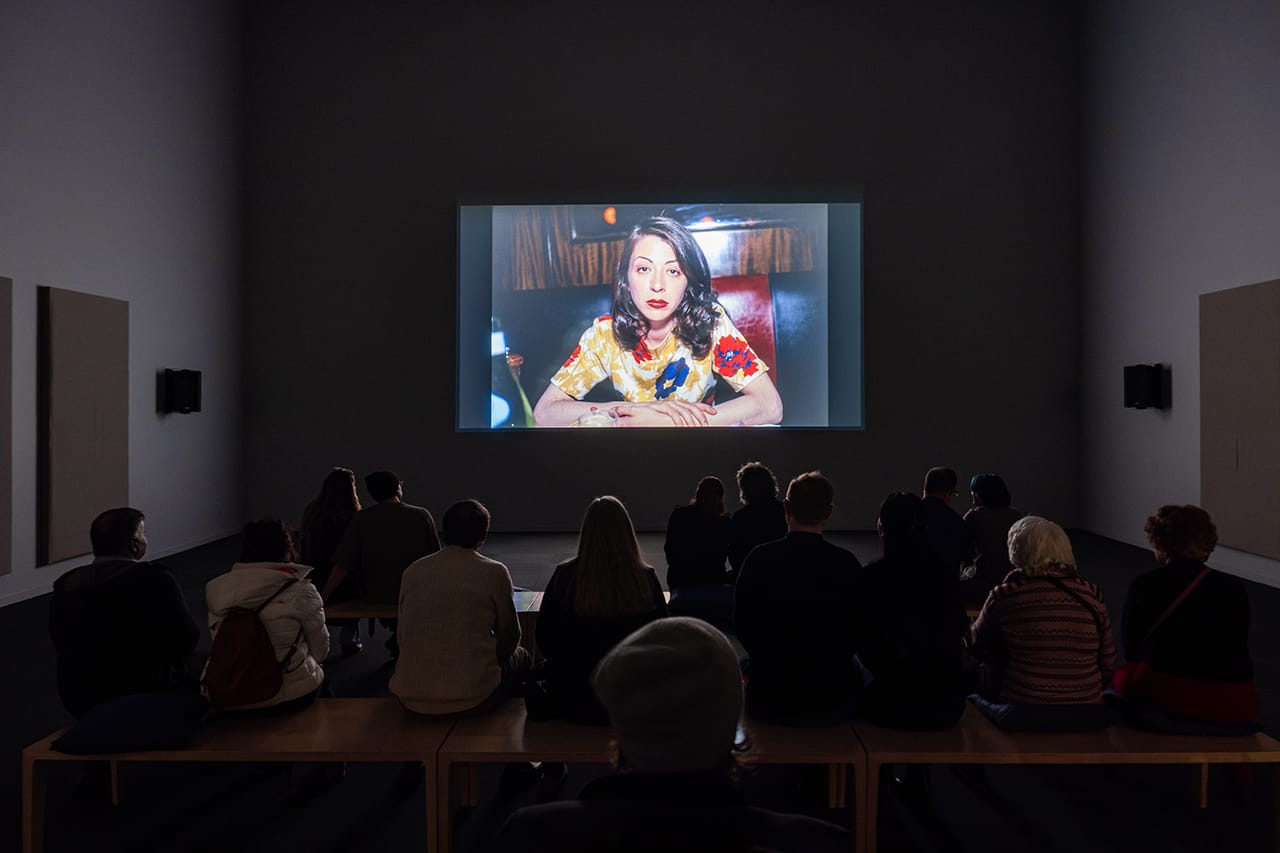
AGO trustee Judy Schulich, executive vice president of the Schulich Foundation, was among the committee members who voted against the acquisition of Goldin's “Stendhal Syndrome.” The video artwork juxtaposes 20 years of the artist's photos of Classical, Baroque, and Renaissance masterpieces with photos of her friends, family, and lovers.
Shortly after the Globe and Mail's initial report, independent Toronto-based journalist Samira Mohyeddin revealed that Schulich was the committee member who said that Goldin's speech was antisemitic, citing an anonymous source. The source also told Mohyeddin that Schulich had recruited a fellow to the collections committee who “compared Nan Goldin to Leni Riefenstahl at the meeting.”
Riefenstahl, a German filmmaker, directed several Nazi propaganda films, including collaborations with Adolf Hitler.
The Globe and Mail's follow-up report corroborated Mohyeddin's update and cited documentation of the vote meeting, which also noted an unnamed person who compared Goldin and Riefenstahl.
“I appreciate whoever provided the tip that led to the tweet that revealed Judy Schulich as the head of the charge,” Goldin told Hyperallergic. “This woman and her virulent and deadly ideology should be exposed to the public instead of hiding behind her position of power to censor. It was distressing to learn that 11 people followed suit and voted against the acquisition, proving how scared people are.”
Schulich did not immediately respond to a request for comment. In a statement shared with Hyperallergic, a spokesperson for AGO said that “political views are never intended to be part of the [acquisition] process.”
“In this instance, personal political views did surface,” the statement continued. “As a result, the AGO engaged an independent governance expert to review matters relating to that meeting.”
Schulich's father, Canadian mining magnate and billionaire Seymour Schulich, developed the Schulich Foundation in 2003 after amassing his fortune by introducing the royalty payment model from the natural gas industry to the gold mining industry.
The private foundation has become one of the nation's most active philanthropists, investing hundreds of millions of dollars in higher education in Canada and Israel as well as in Canadian healthcare. In 2012, Seymour Schulich established the Schulich Leader scholarship program, which supports students pursuing STEM programs in Canada and Israel. Judy Schulich serves as the program's president.
Goldin noted that although the news of the halted acquisition was only recently reported, her gallery, Gagosian, informed her that AGO had backed out of the joint acquisition nine months ago.
“I worry about how many other people are experiencing this kind of censorship without it being reported,” Goldin said.
The Walker Art Center in Minneapolis and the Vancouver Art Gallery moved forward with the joint acquisition of “Stendhal Syndrome” in October. The piece is currently on view at the Vancouver Art Gallery through April 6.
This is not the first time Goldin says she has encountered institutional censorship on the basis of her advocacy for Gaza. Following her speech at the Neue Nationalgalerie, the artist stated in an interview that the museum had censored her at the retrospective when she had altered her seminal slideshow work, “The Ballad of Sexual Dependency” (1985), to include a slide expressing solidarity with the people of Gaza, the Occupied West Bank, and Lebanon.
“I feel that anyone who uses the conflation of antisemitism and anti-Zionism at this point is repeating Israel's propaganda as a way of deflecting from what the world has witnessed for the last two and a half years — this genocide,” Goldin told Hyperallergic.