National Gallery of Art Protects Works Ahead of Trump's IndyCar Race
I.M. Pei skylights and an outdoor Alexander Calder sculpture are among the structures that have been boarded up ahead of this month’s race.

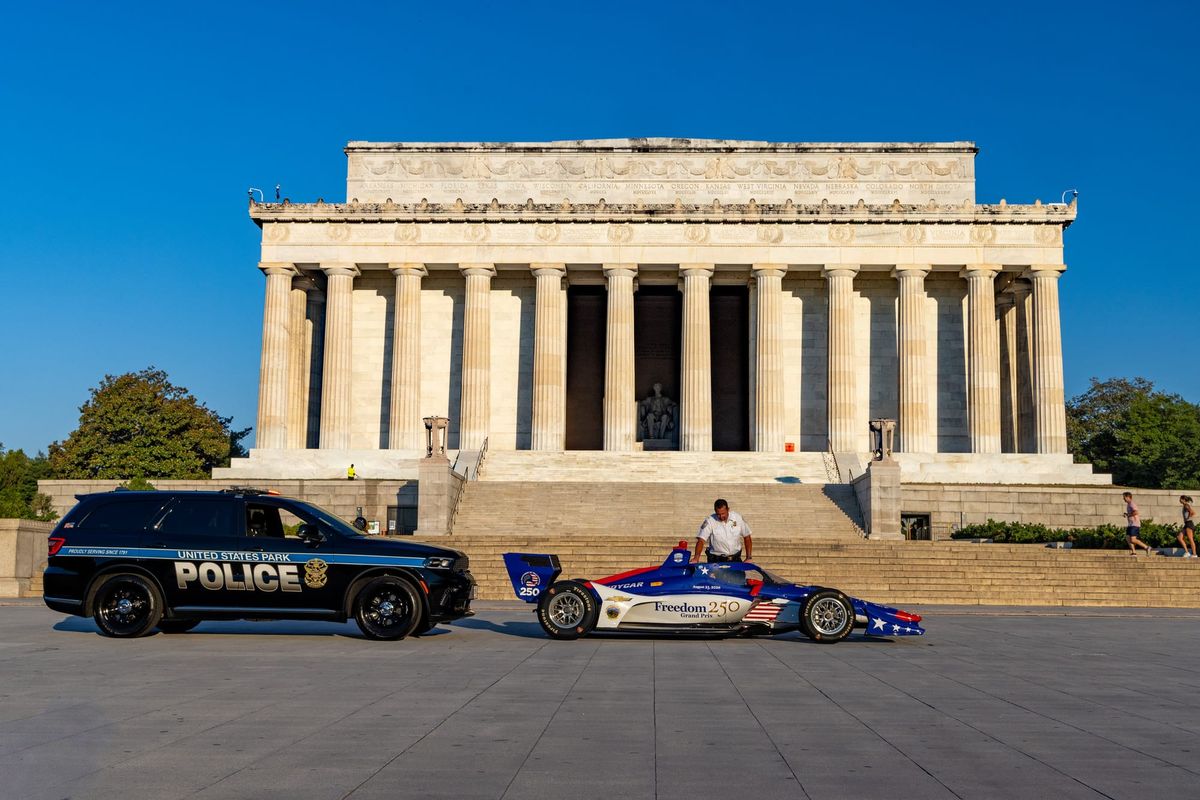
An IndyCar race taking place in the nation’s capital later this month as part of President Trump's “Freedom 250” celebrations is under scrutiny as experts study the possible impact of race car vibrations on thousands of artworks held in museum collections near the track.
The National Gallery of Art (NGA), one of several institutions located on the 1.7-mile Freedom 250 Grand Prix circuit — along with the Hirshhorn Museum, the National Archives, and the National Museum of the American Indian, and others — conducted a study to examine possible consequences “out of a great abundance of caution,” a spokesperson said.
“Based on the results, we have implemented a set of measures to ensure the safety of our staff, visitors, collection, and facilities during the race,” the NGA spokesperson told Hyperallergic in a statement, noting that the museum is not disclosing specific findings.
According to the New Republic, some artworks at the Washington, DC, museum have been reinstalled to face away from the side of the building that faces the racetrack. Further images from the Washington Post showed that some outdoor artworks had been boarded up, including I.M. Pei's skylights in front of the museum's East building.
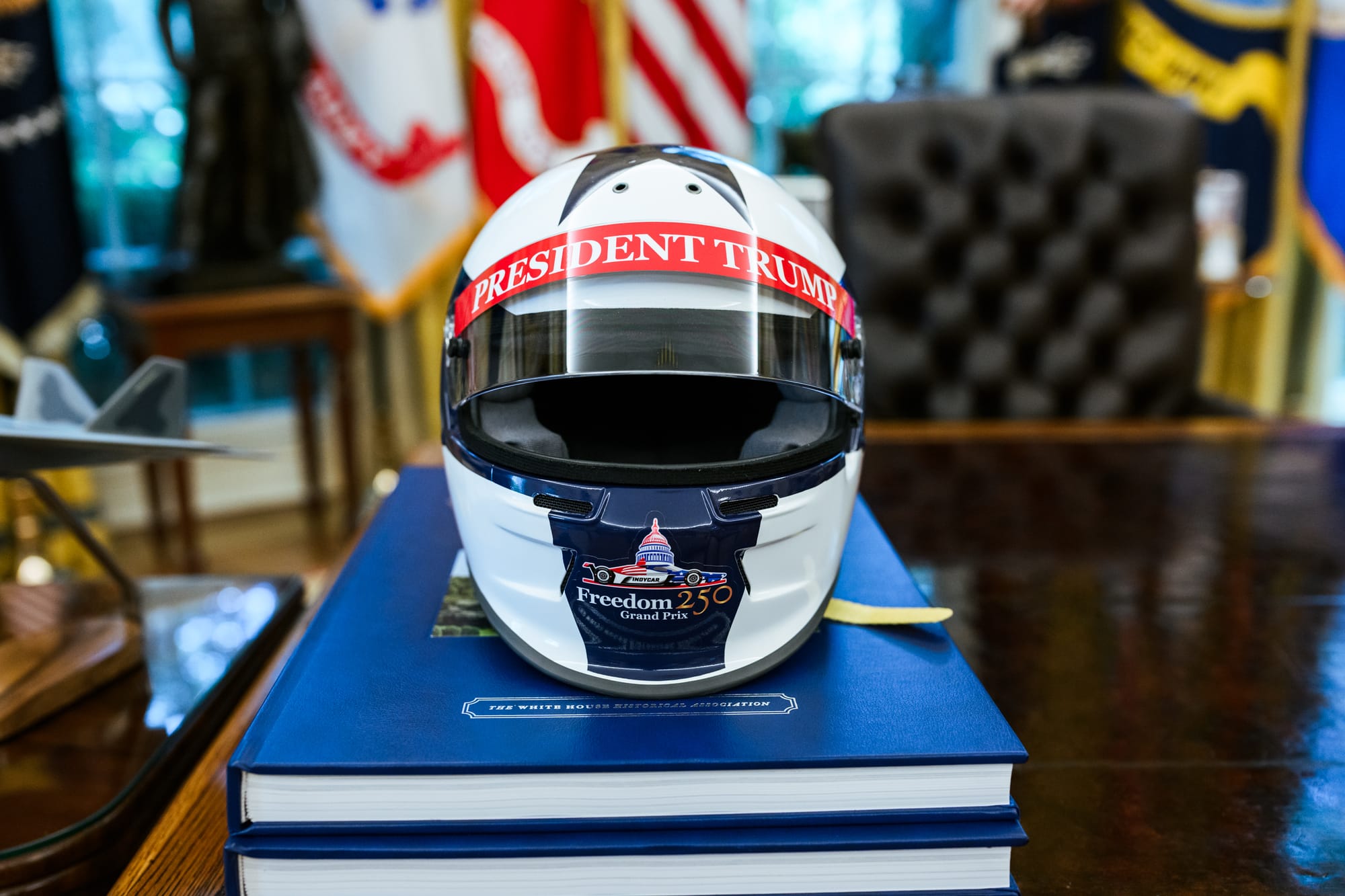
A White House spokesperson told Hyperallergic that the White House and IndyCar's parent company, Penske Corporation, "have followed all appropriate protocols and been in close coordination with all relevant agencies to ensure this is also the safest and most secure race for all visitors to enjoy.” (Penske Corporation is owned by Republican donor Roger Penske, who is the father of Jay Penske, founder of Penske Media Corporation.)