On Being a Somali Artist in Minnesota
Violence has a way of turning familiar places into guarded ground. And yet, I ask not what has been taken, but what we will continue to build from what remains.
MINNEAPOLIS — The first time I got lost in Minnesota, I was a teenager. My dad was having a hard time finding a job in Seattle, and we moved to the state after he found a translation job almost instantly. We lived in the suburbs, and I really wanted to visit the city.
So I took the Metro Transit bus for the first time and made it all the way to the Mall of America in Bloomington. While looking for a transfer that would take me into Minneapolis, I lost my bag. I was a minor, without a phone, and new to the city. I didn’t know how to call home. I only knew that I was trying to get to the Brian Coyle Community Center.
I remember around five different people helping me that day, each from a different part of the world. One person gave me their bus pass. Another let me call my family. Someone else walked me to the right stop and waited with me until the bus arrived.
This story encapsulates the spirit of Minnesota. Kindness is woven into the land and its people. So many of us — former refugees from East Africa to Southeast Asia — built our second homes in Minnesota, held by the calm, bitter snow and the welcoming of those who called this place home first.
I grew up here. My ears feel blessed when I hear so many different languages in one place. I waltz with joy at the arrival of the first snowfall. Minnesota is home.
This place carries a deeper history long before Somalis arrived here, and it is here that I found my artistic passion — my calling in life. I fell in love with the ability to exhume the unimaginable power of refugees. I fell in love with telling stories that embody our resilience.
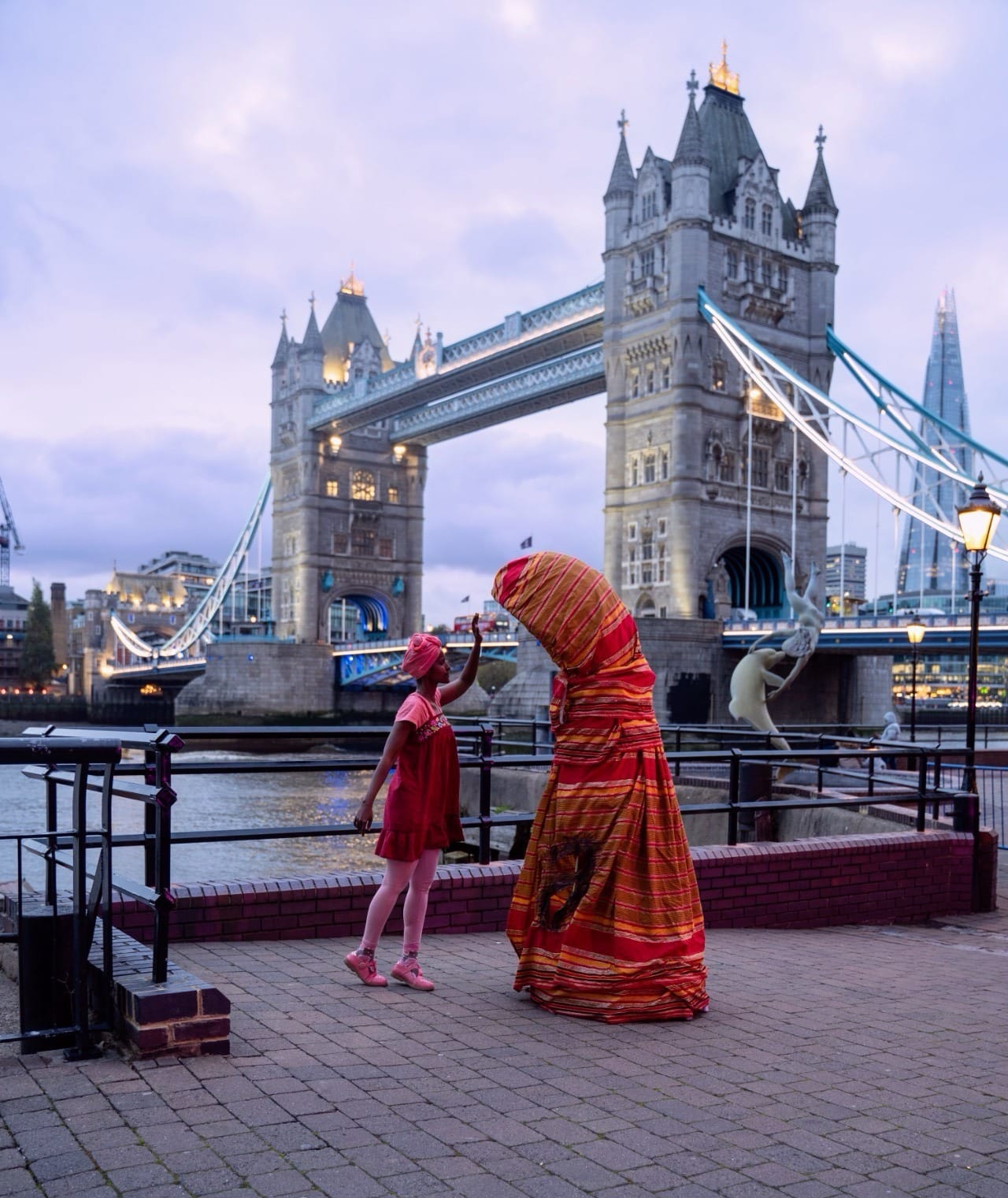
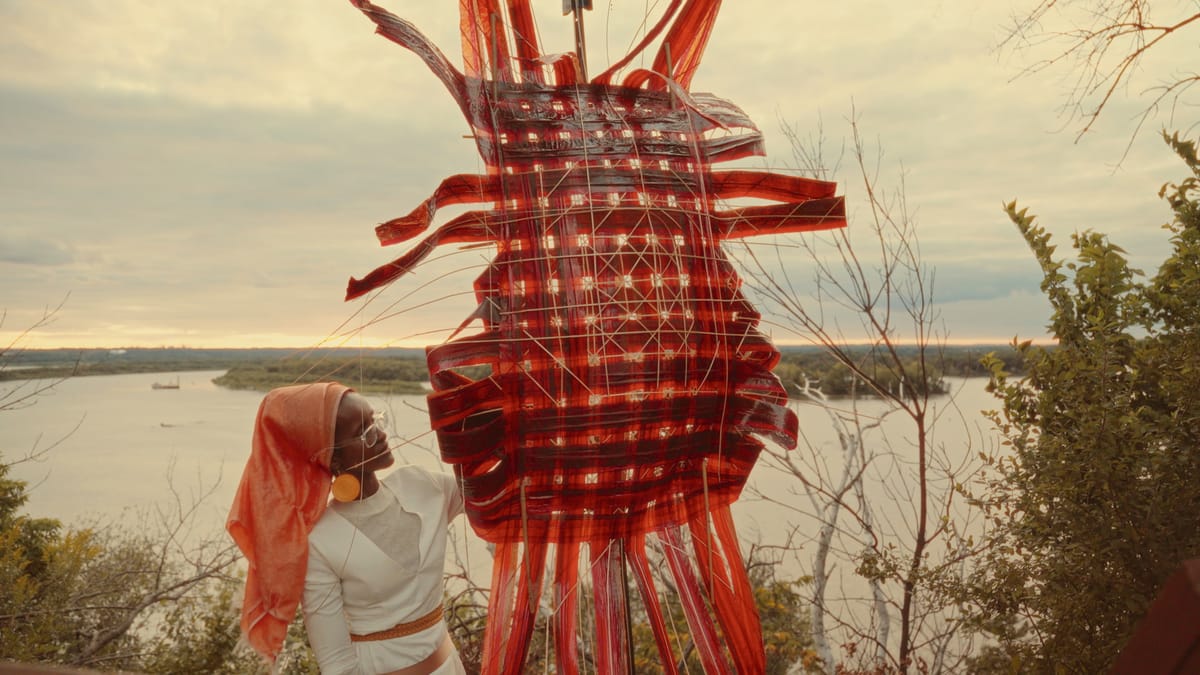
In works like my one-act play “How to Have Fun in a Civil War” (2016), my “Healing Aqal” (2020) installations placed throughout Minneapolis, and my public art project “Weaving Abundance” (2024), I illuminate Indigenous and cultural traditions that Somalis, Muslims, and Black communities have practiced for generations. My goal is to help us see the beauty of the past not as nostalgia, but as a living, breathing archive.
My work draws on the tools of the past to heal the present and to design the future. It is rooted in radical imagination; in abundance, in kindness, and in collective care.
Today, the world is getting to know us — Somalis.
We arrive loud, immaculate, fluent in speed, presence, and success. It becomes easy to forget that trauma ever touched us, that we have known unimaginable pain.
But I remember, as a child, sleeping under the starry nights of Mogadishu, prayerfully wishing for the civil war to disappear. I wondered if peace could arrive with the morning sunlight, and whether there would be enough food for all the people I loved.
And I remember, as an English Language Learner educator at a community center, witnessing these Somali elders work long, treacherous hours — cleaning hospitals overnight, maintaining malls and gyms in silence — carrying invisible labor while raising families and saving their earnings to open halal markets and small businesses. Their exhaustion was visible, but so was their unwavering resilience.
Today, the world meets us from a deeply stigmatizing place. It keeps asking, “How did you get here? What vile thing did you do to get here, because you should not be here?”
To live in Minnesota as Somalis at this moment can feel like being skinned bit by bit. The pain of an entire community being bullied by a government is unimaginable — and, unfortunately, unoriginal. This has happened to so many other communities before us.
In places where I walk and know the streets by name, I can hear people whispering to their children: “Are we safe?” Even friends who were born here pause before crossing the street, sensing that ordinary days can be interrupted without warning.
There was a time when the morning bus felt like a possibility. Now it feels like an unanswered question. Will someone you love be asked to explain themselves before they make it home?
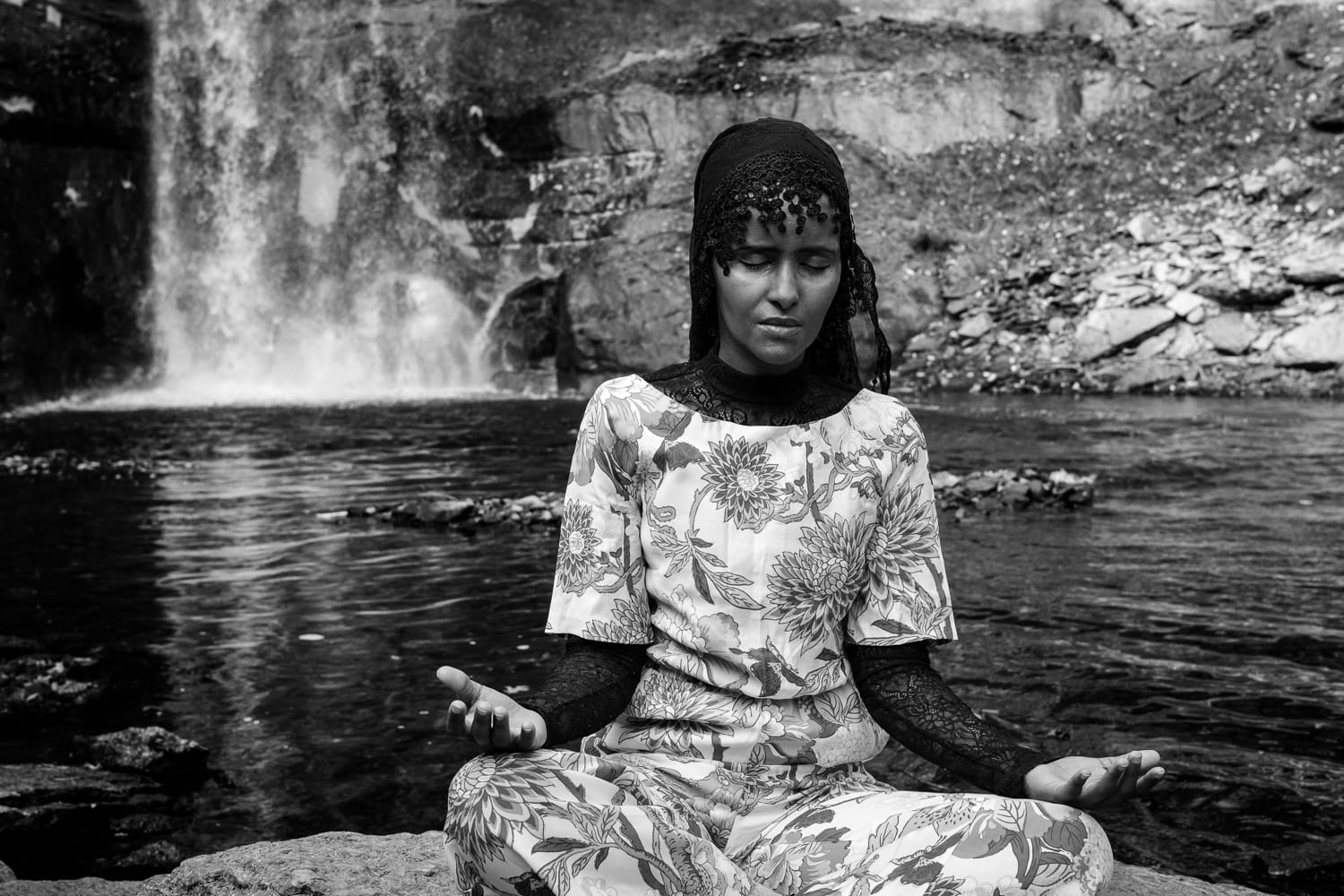
Violence has a way of turning familiar places into guarded ground. And yet, I think about kindness — the way strangers once helped me when I was lost — and I ask not what has been taken, but what we will continue to build from what remains.
We are people whom violence tried to erase in our first home. And now we are here in our new home, and violence is trying to erase us once again.
So we are unwavering. We remain generous, kind, and ourselves.
We have tasted the beauty of peace. And because we have known it, we are unwavering in our resilience, and in our divine belonging.
We sit in stillness, cocooned in the snow. We take refuge in our ability to be with ourselves and with one another, in relationship to this second home that has chosen us. We remind ourselves that we are worthy of peace, of belonging, of dignity. We remain steadfast.
As an artist, as a Somali, as an American, I ask myself what my role is in this moment. I am not here to perform grief. I am here to witness. To stay strong. To stand strong.
Our greatest asset has always been our ability to build — to bring life to ourselves and to those around us.
We live both unafraid and brave because we must.
The world is getting to know us today.
And when tomorrow comes, kindness will too.