Georgia O’Keeffe the Wanderer
A new documentary presents the artist as a perpetual voyager, generously highlighting her lesser-known work and combating myths about her relationship with Alfred Stieglitz.

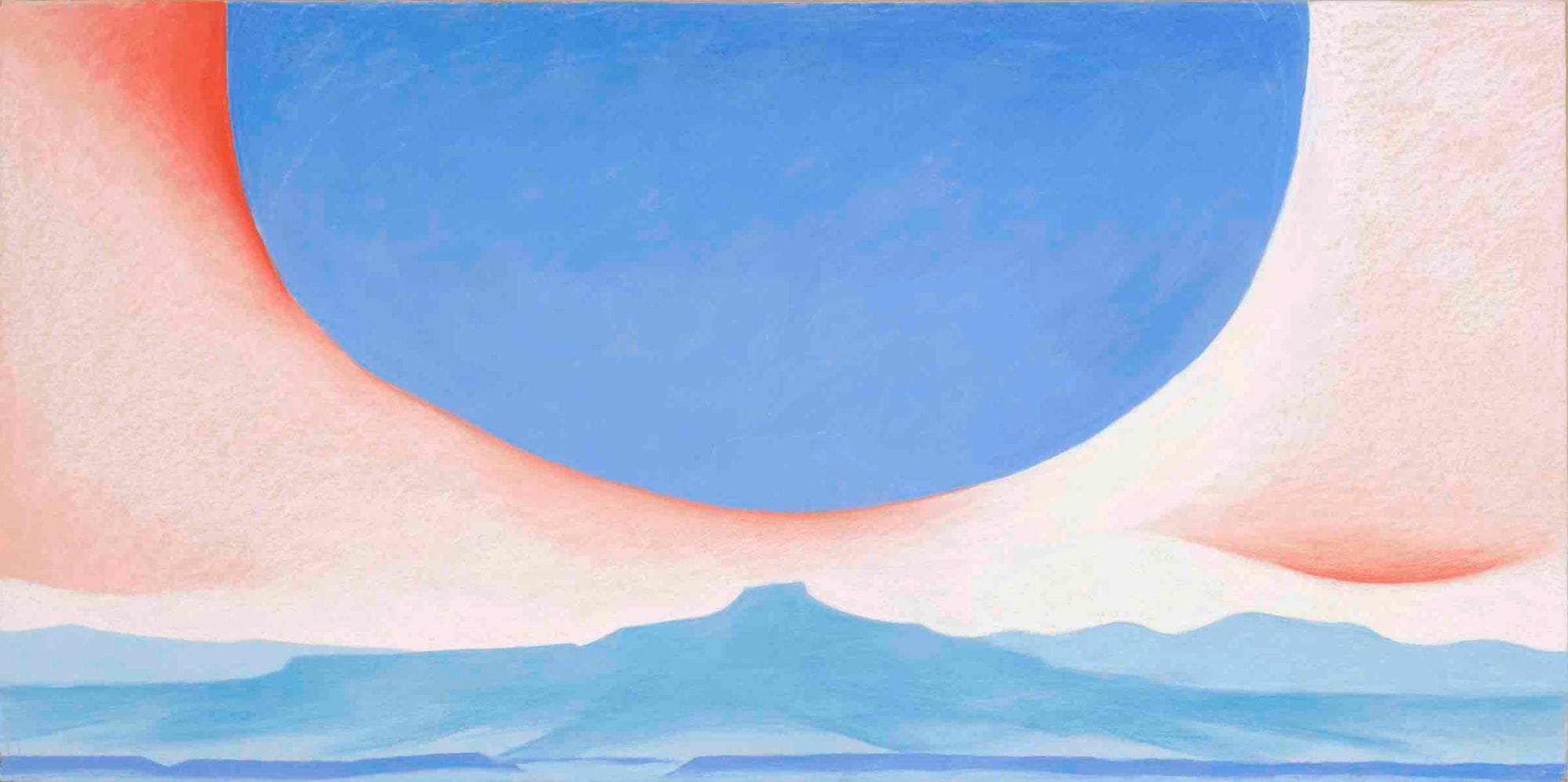
Georgia O’Keeffe: The Brightness of Light, a new documentary directed by Paul Wagner, begins by asserting that the American artist remains largely unknown in Europe.
This seems unlikely, and in any case incidental to the story. Anyone who has opened an art history textbook can recognize one of the most important painters of the 20th century. After this initial hiccup, the film launches into clichéd descriptors from a cast of authorities: O’Keeffe was driven, passionate, fearless, committed, astounding. Thankfully, the documentary soon finds its rhythm, unspooling in a slow, patient manner that honors O’Keeffe without dramatizing her life.
An even-toned neutrality, combined with a near-perfect balance of archival footage, still images, scholarly interviews, and visual documentation of her work, presents O’Keeffe as a measured, determined artist who drew inspiration from the Southwest American landscape — a wanderer in search of beauty, truth, and presence. The roots of her immense work ethic lay in her upbringing on a farm in Sun Prairie, Wisconsin, where she grew up with six siblings. The family eventually moved east and boarding school helped shape her emerging talent. From there, she attended the School of the Art Institute of Chicago, returned to Virginia with her family, won a two-week residency in upstate New York, and lived in South Carolina, Texas, and New York City. These peripatetic tendencies would remain with her throughout her life.
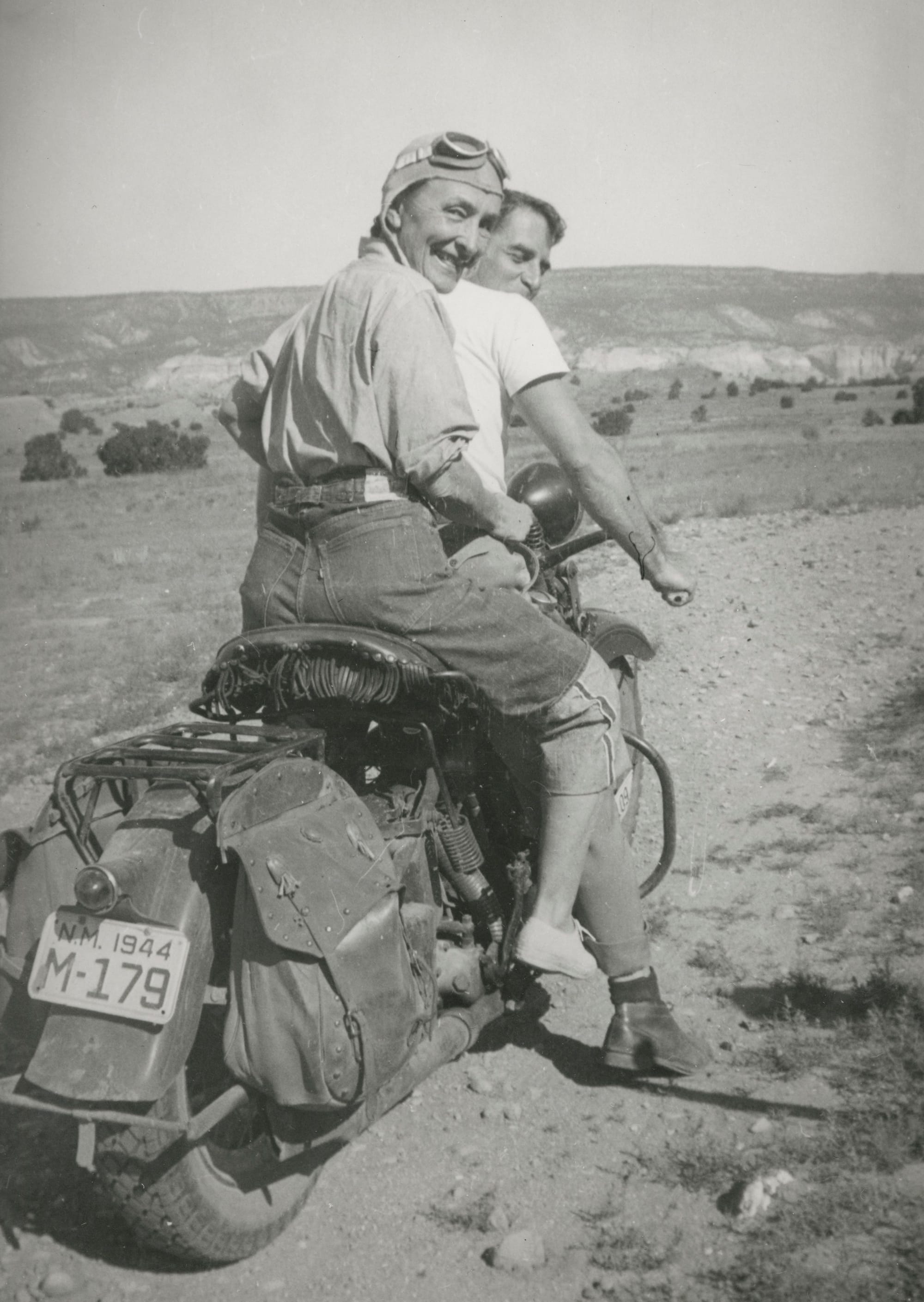
After meeting Alfred Stieglitz, the renowned photographer and gallerist she would later marry, O’Keeffe found herself nearly subsumed by an unexpected and unwanted notoriety when he exhibited his photographs of her, both clothed and nude. To her credit, through relentless work and a hard-edged refusal to play the ingénue, she maintained the seriousness of her practice and moved beyond typecasting.
Her breakthrough emerged from frustration. In 1915, dissatisfied with what she saw as the derivative nature of her work, she created a series of large charcoal drawings that were physical, intuitive, swooping, and abstract. She mailed them to a friend in New York, who in turn showed them to Stieglitz. Through his gallery 291, Stieglitz exhibited the drawings and continued to champion her career with annual exhibitions.
In 1918, at age 30, O’Keeffe moved to New York. Stieglitz was 54 and still married. Their relationship officially began and would be extensively documented through his photographs.