Required Reading
This week, magazine covers and Old Masters, arts funders, perfect writers, economics of art books, the case against Houston art fairs, why books are banned, and more.

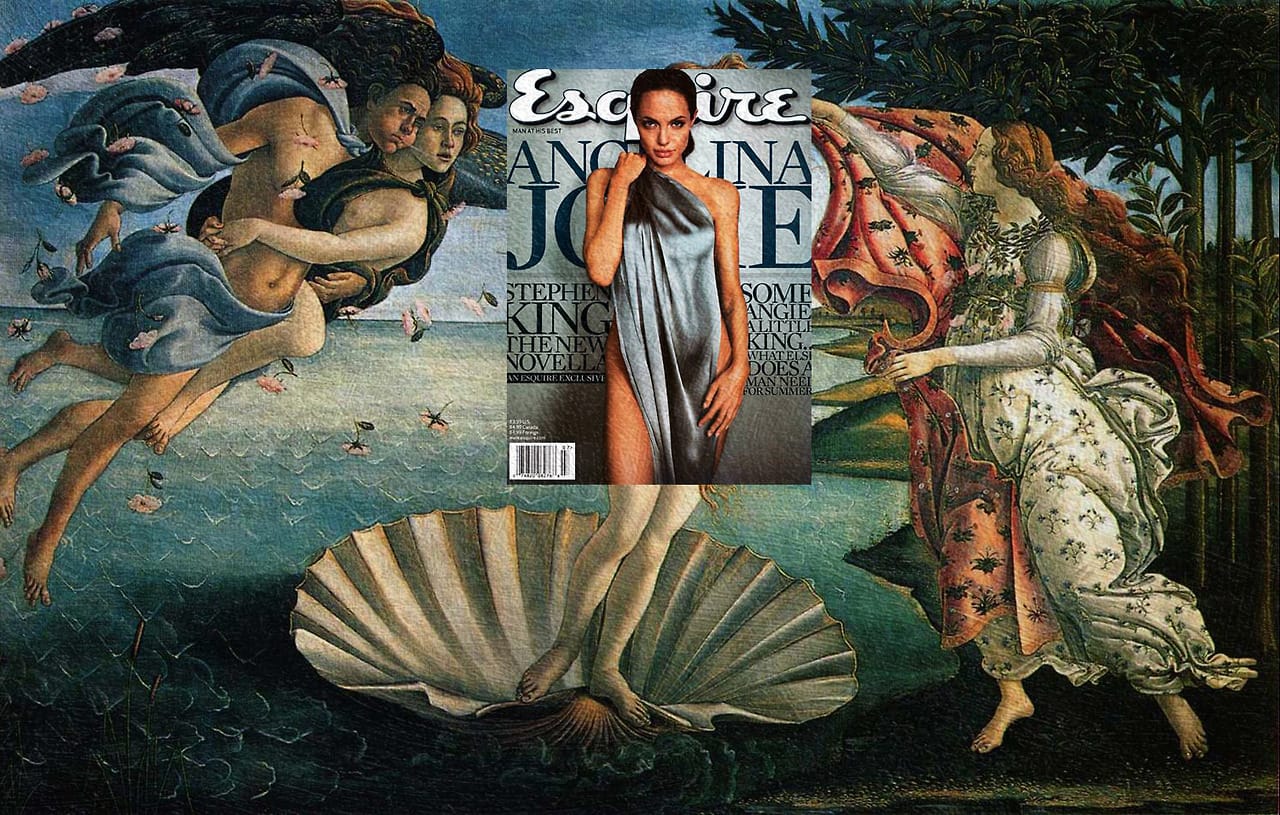
This week, magazine covers and Old Masters, arts funders, perfect writers, economics of art books, the case against Houston art fairs, why books are banned, and more.

A look at the source of arts funding by Rachel Spence for the Financial Times:
Art and patronage are ancient bedfellows and bursts of outrage are nothing new. But the sheer weight of discontent suggests we are reaching a tipping point.
… The thrust of this argument is that art is compromised if the finance is unethical. “In the 31st biennial, much of the work seeks to show that struggles for justice in Brazil, Latin America and elsewhere in the world are connected,” the São Paulo curators continue. In other words, work will lose its integrity if it depends on support from those seen to be perpetuating problems.
… Now, the growing dependence on private funding is igniting new concerns. “The corporate ethos has permeated deeply into museum culture,” says Professor Julian Stallabrass of the Courtauld Institute of Art, who has written extensively on the pact between commerce and culture. “The brand permeates everything, from the products in the shop to the designer uniform of the staff.”
This is a complicated story about how an illegal trade in Native American artifacts revealed the rifts in a community:
Gardiner was working for a team of federal agents trying to put an end to the illegal trade in prehistoric artifacts that was obliterating the archaeological record of the Four Corners region.
… Gardiner told them of a highly organized black market in prehistoric Southwestern artifacts. He rattled off the names of well-known collectors and dealers from Phoenix to Austin to Santa Fe.
… After Jim Redd’s suicide, prosecutors filed felony charges against his daughter for taking three artifacts from Hoskininni Mesa in the Navajo Nation, based on photos they found on her computer. If convicted, Jericca Redd faced seven years in prison and would lose custody of her child.
Paul Ford’s satire considers what makes a “perfect writer” (I really like the use of italics throughout):
The perfect writer never bites the feeding hand, nor bites the hand that feeds the feeding hand, and keeps a mental tally of the hands of brands.
What works and doesn’t work with photo and art books? Markus Hartmann has some shocking info (emphasis mine) (h/t @jmcolberg):
I recently had a meeting with Willibald Sauerländer, one of the greatest living German speaking and writing art historians of our time. He is over 90 years old and has seen the rise and decline of art book publishing after the Second World War. During our conversation he shared with me his personal vision of the publishing world, and said that the more general art history books, like the ones he created from the 1960s to 1990s with notable publishers like Beck, DuMont, and Hanser (some of them were translated into French, English, and other languages) no longer exist. The print runs of his books, which used to be between 3,000 and 5,000 copies, have shrunk to 500 copies, which is simply not enough to make such books worthwhile for a serious publisher today. He made this remark as a rather dry statement, being not regretful, but just accepting of the status quo and a bit curious about what the future may bring otherwise. I mention this to explain that, before the turn of the millennium, it was possible to publish a book on a theme or on an artist without an exhibition or some other related event, and actually sell a few thousand copies if the book was any good and well reviewed. Those times are over.
A fascinating investigation into how one journalist was driven to suicide when he published a major report on the links between the cocaine trade, Nicaragua’s Contra rebels, and African American neighborhoods in California. The article was by Gary Webb and titled “Dark Alliance.” The details are still only coming out and the whole thing will make you confused and angry:
The 20,000-word series enraged black communities, prompted Congressional hearings, and became one of the first major national security stories in history to blow up online. It also sparked an aggressive backlash from the nation’s most powerful media outlets, which devoted considerable resources to discredit author Gary Webb’s reporting. Their efforts succeeded, costing Webb his career. On December 10, 2004, the journalist was found dead in his apartment, having ended his eight-year downfall with two .38-caliber bullets to the head.
These days, Webb is being cast in a more sympathetic light. He’s portrayed heroically in a major motion picture set to premiere nationwide next month. And documents newly released by the CIA provide fresh context to the “Dark Alliance” saga — information that paints an ugly portrait of the mainstream media at the time.
Houston art blogger Robert Boyd makes his case for the elimination of Houston art fairs, and it is quite funny and often tongue-in-cheek:
For some strange reason, there is always a lot of art that has to do with money at art fairs. I can’t figure it out! What’s the connection between “art” and “money”?
Now admittedly some people might call this art crass and idiotic. What people, you ask?Poor people.
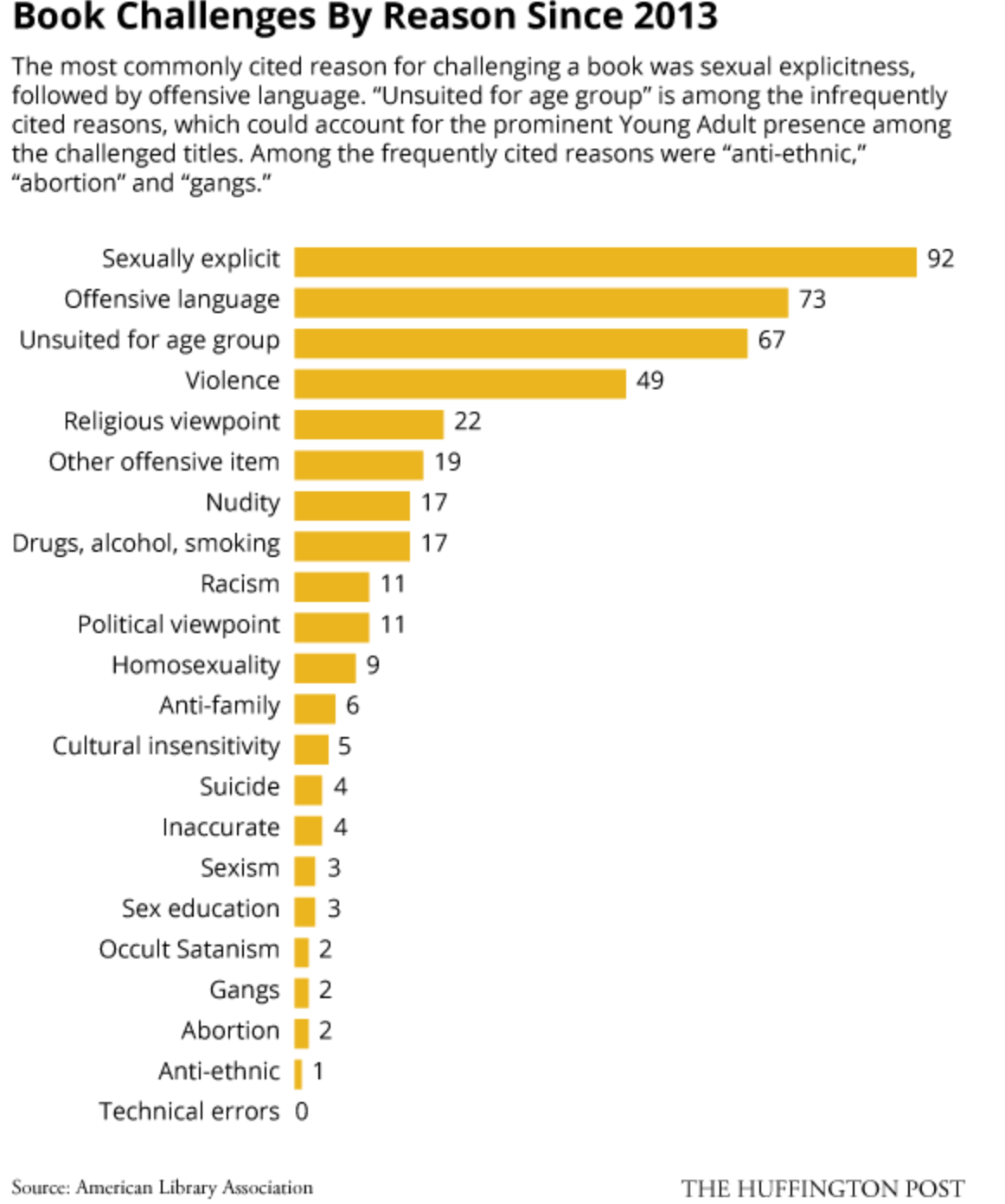
It was banned book week last week in the US, and the Huffington Post compiles some useful graphics on why most books are banned:
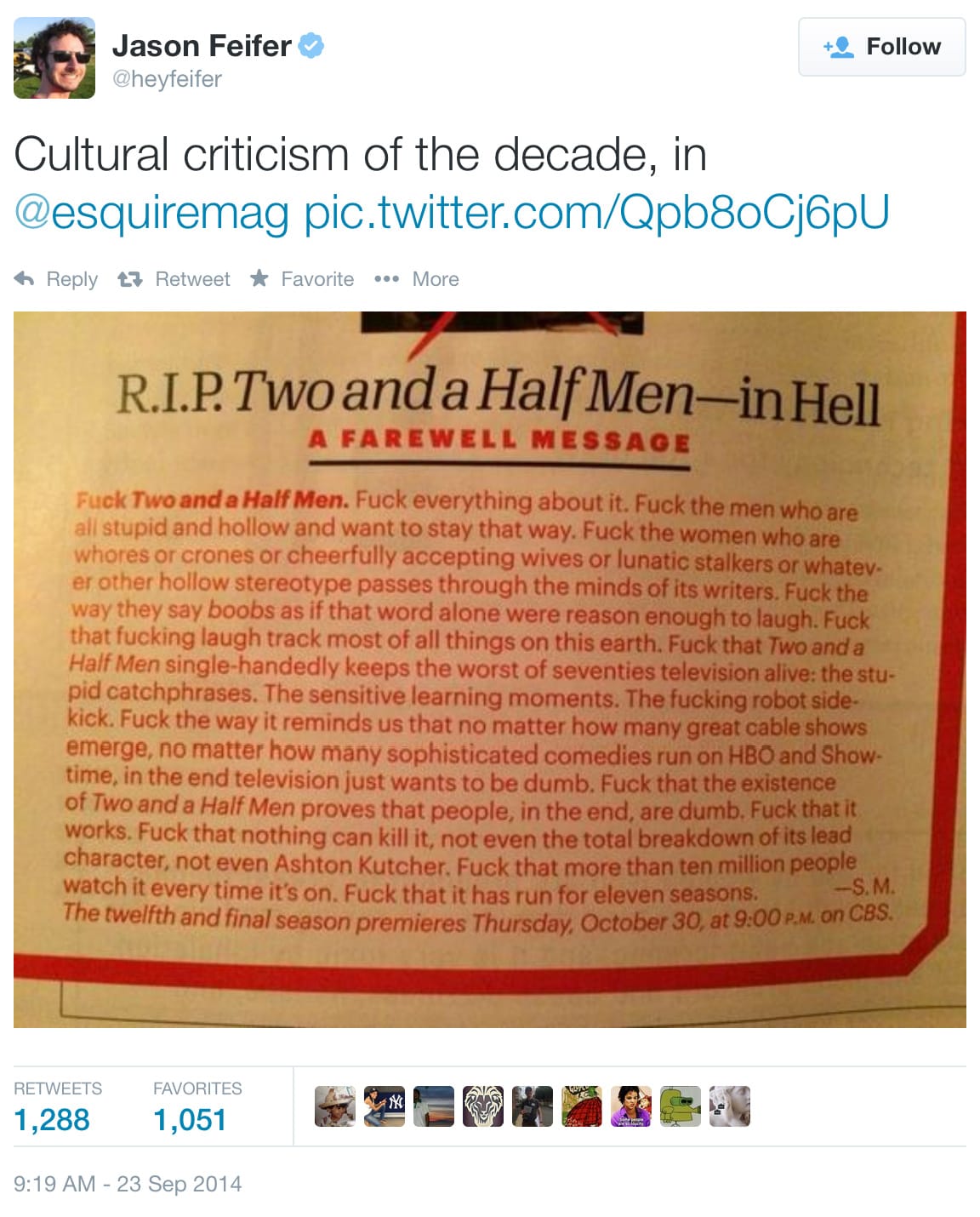
Cultural criticism at its best:
Was the media and public response to the female UAE fighter pilot condescending and racist? Max Fisher thinks so:
Take the way that praise for Mansouri’s individual accomplishment, which is indeed a very big deal and extremely deserving of praise, is frequently extended to her government. As a serial abuser of women’s rights, the UAE deserves that praise only if we begin with the idea that Muslim and Arab societies are inherently backward in their treatment of women.
He does seem to ignore the historic symbolism of a female pilot in the region, particularly Sabiha Gökçen, who is a symbol of secular feminism in Turkey.
An extensive collection of pulp book covers.
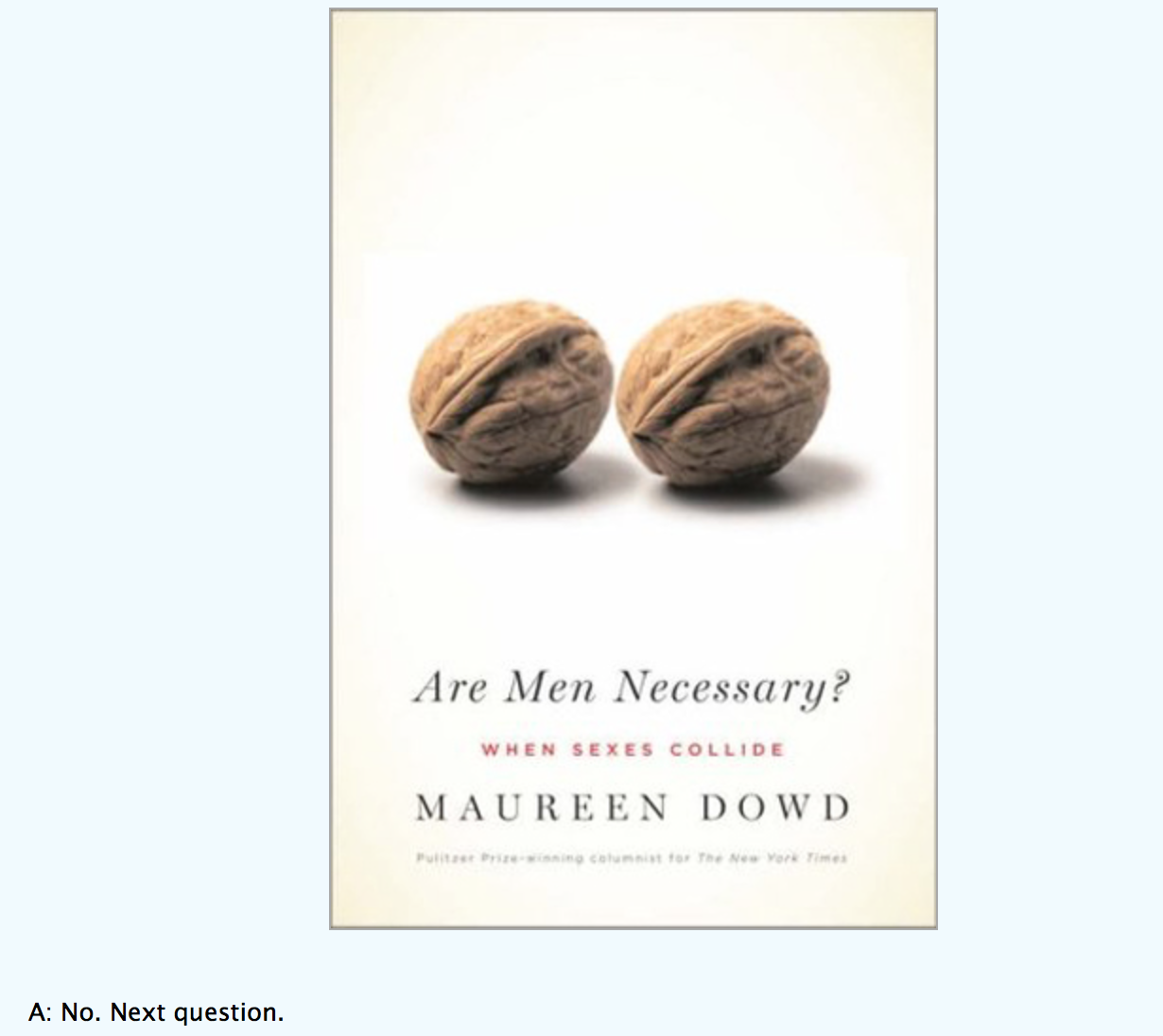
And your laugh for today is this funny post on Hairpin, where writers Caitlin Ellis and Anna Fitzpatrick answer book titles:
Required Reading is published every Sunday morning EST, and is comprised of a short list of art-related links to long-form articles, videos, blog posts, or photo essays worth a second look.