Required Reading
This week, the case against repatriating cultural artifacts, British surrealists against fascism, Ai Weiwei on the internet, Isamu Noguchi's playground, and more.


This week, the case against repatriating cultural artifacts, British surrealists against fascism, Ai Weiwei on the internet, Isamu Noguchi’s playground, and more.

Matt Taibbi interviews the woman JP Morgan Chase doesn’t want to talk. It is a must-read:
Thanks to a confidentiality agreement, she’s kept her mouth shut since then. “My closest family and friends don’t know what I’ve been living with,” she says. “Even my brother will only find out for the first time when he sees this interview.”
This is an argument you don’t often hear: James Cuno makes the case against repatriating cultural artifacts:
These arguments amount to protectionist claims on culture. Rather than acknowledge that culture is in a state of constant flux, modern governments present it as standing still, in order to use cultural objects to promote their own states’ national identities.
In the battle over cultural heritage, repatriation claims based strictly on national origin are more than just denials of cultural exchange: they are also arguments against the promise of encyclopedic museums — a category that includes the Metropolitan Museum of Art, in New York; the British Museum, in London; and the Louvre, in Paris. By presenting the artifacts of one time and one culture next to those of other times and cultures, encyclopedic museums encourage curiosity about the world and its many peoples. They also promote a cosmopolitan worldview, as opposed to a nationalist concept of cultural identity.
Curator Lindsay Howard has selected some quirky art exhibition trailers. Most are awful, but there are some gems, including Eva and Franco Mattes’s Breaking Banality at PNCA:
How the British surrealist group took a militant line on fascist Spain and campaigned in ways for Britain to intervene:
The greatest war art of the 20th century was not created in response to either world war, but the civil war that tore apart Spain when General Franco led a far-right revolt against the democratically elected Spanish republic.
Hyperallergic contributor Ben Valentine interviewed artist Ai Weiwei for the Walker Art Center’s magazine. He asked the Chinese dissident artist about how social media changes his art practice, and the artist responded:
I try to not separate my daily activity from my work. Everything is my work. The Internet changed things even before I noticed, and now we are facing very different matters and situations in every respect. You can never know what is and what is not powerful, but you can always find out what the powerful people are scared of. A state like China looks so powerful, but they are so scared of the Internet, so the Internet is more powerful than them.
Can you guess which three countries are the places Facebook censors the most content? India, Turkey, and Pakistan.
Whoever “photobombed” this photo of North Korean dictator Kim Jong-un with these two stuffed animals deserves a medal:

How the CIA helped fund England’s first animated feature film, which was Animal Farm:
The CIA also thought it would be cheaper to make the film in England and believed, with good reason, that they would be able to keep the English animators in the dark about who was funding the film. In addition, they didn’t trust the political leanings of some American illustrators. And the British government was supposedly happy with a film full of anti-Russian propaganda at a time when the Cold War was in full blast.
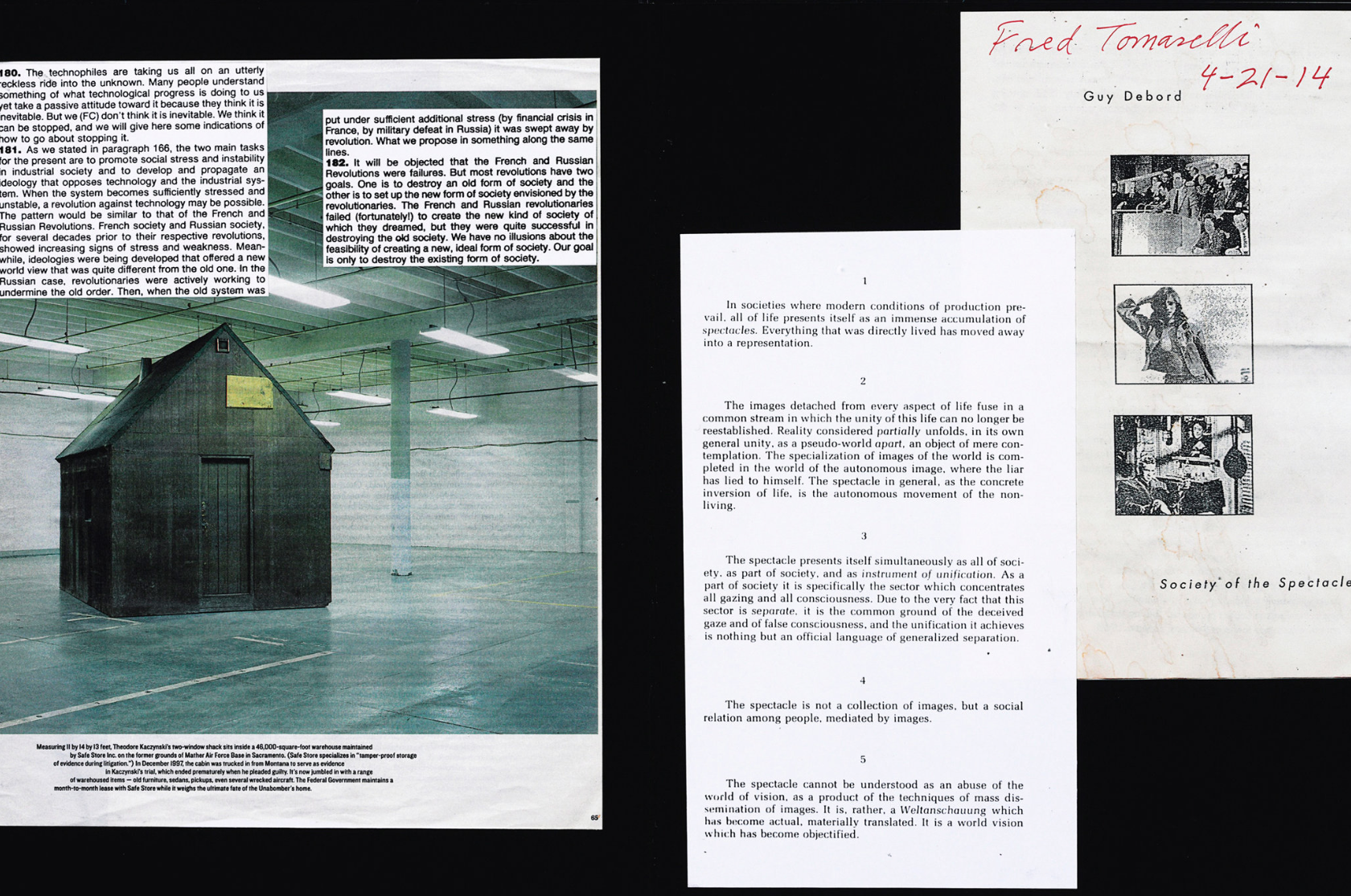
File this under cool: On December 2, Christie’s will auction 75 first-edition books, each of which is a unique object that has been annotated with words and/or illustrations by its author. The event is for charity and includes Fred Tomaselli’s Monsters of Paradise (2005):
Is the future female and trans for Doctor Who?
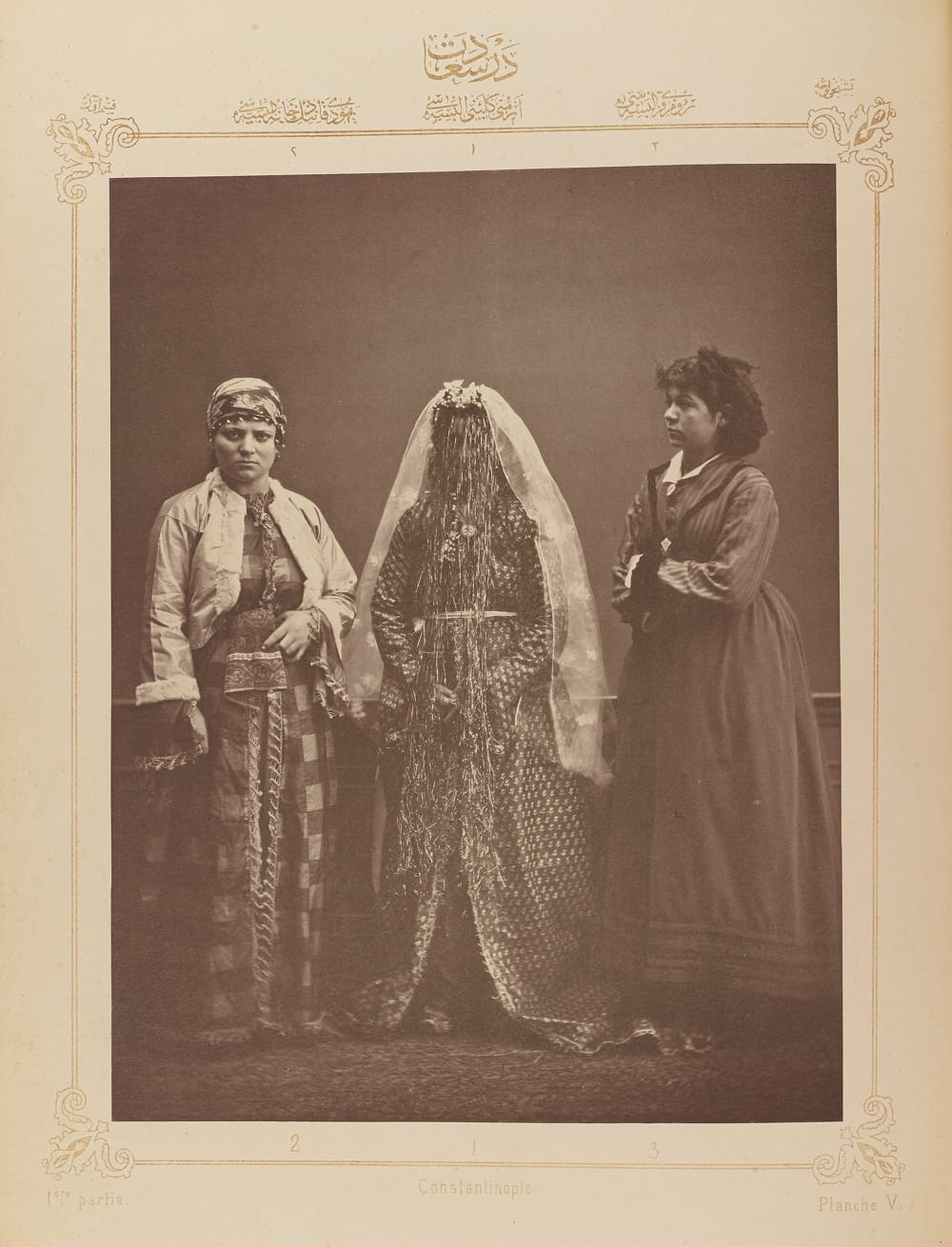
A fantastic piece about the history of Armenians photographers in the Ottoman Empire with stunning images from the Getty Museum archive, including J. Pascal Sebah’s image of a late-19th-century Armenian Bride:
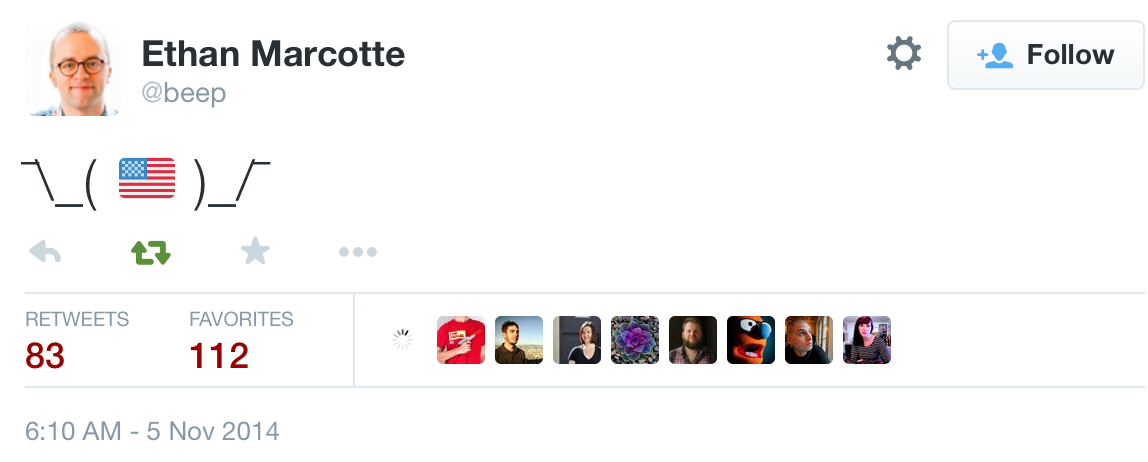
This may have been the best reaction to this past week’s US elections:
Required Reading is published every Sunday morning EST, and is comprised of a short list of art-related links to long-form articles, videos, blog posts, or photo essays worth a second look.