Required Reading
This week, the post-AIDS body, the conservatives are trying to change higher education in North Carolina, Saudi Arabia is destroying its heritage, white fragility, skin tone in comics, cat haikus, and more.

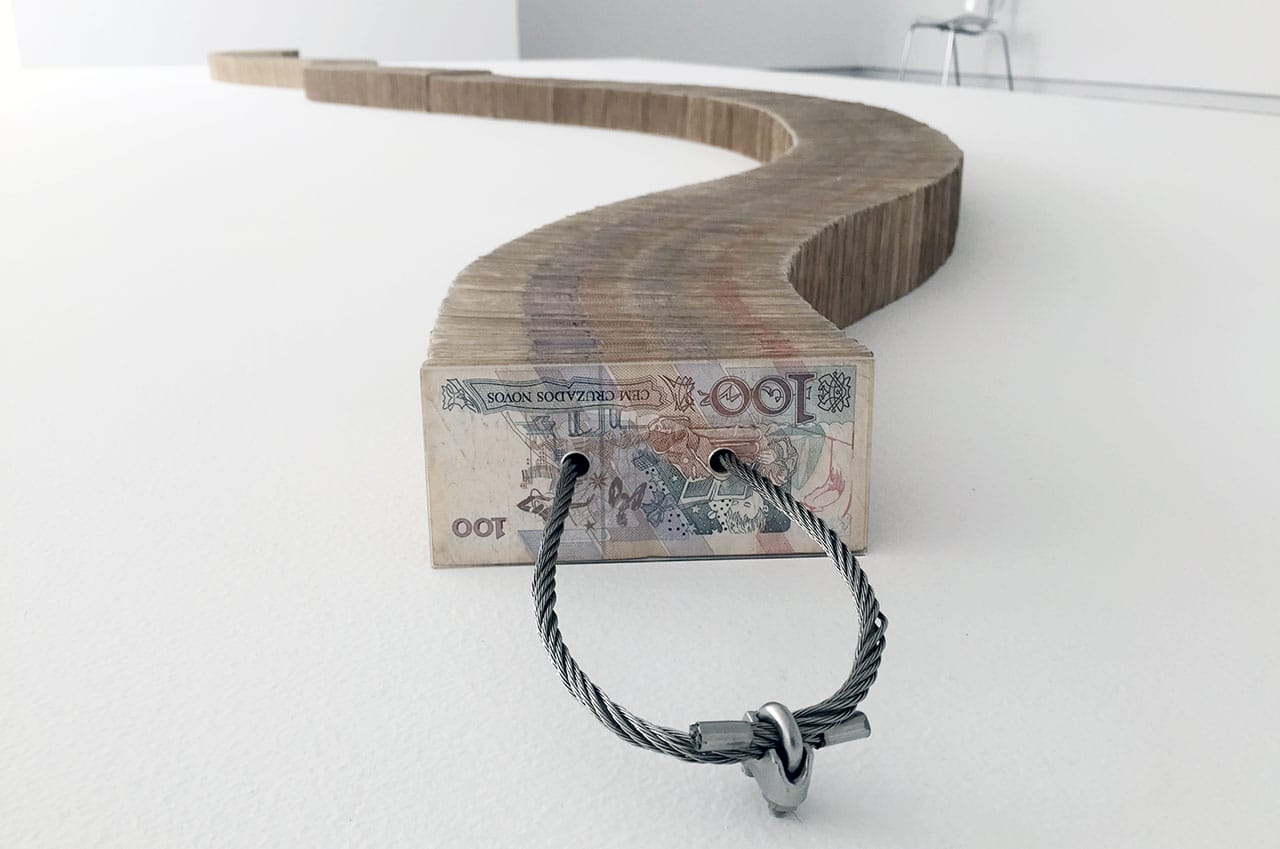
This week, the post-AIDS body, the conservatives are trying to change higher education in North Carolina, Saudi Arabia is destroying its heritage, white fragility, skin tone in comics, cat haikus, and more.

Best known as a target of controversy concerning the use of federal funds to support artwork with visible gay content, Ron Athey has written an extensive piece on the “post-AIDS” Body:
In terms of post-AIDS, it’s not quite over, but it sure gets tiring. I tried to shake it a few times. In 1998, also fatigued with organizing the tours with a troupe of eight personalities, I gave myself the challenge to make my first solo, The Solar Anus, which was inspired by the 1931 Georges Bataille essay (which in turn inspired my tattoo) and the action photographs of Pierre Molinier. Suddenly the topics were extreme beauty, finding context for a live (self) sex action, and deeper exploration into using hypnosis via soundtrack and movement articulation. I categorized the new ink around my anus as my first intellectual tattoo, and the performance my first portable: it fit entirely in one case! Crown, walking stick, high heels with “love spurs,” powder, lubrication, DVD, speed rail set, and leather sling that made a chair. It was undeniable: even with all this glamor, there was a deep melancholy in the piece. Because the AIDS body was still present. Brassy, because defiant, because still here, because a survivor, because of AIDS.
What’s going on at the University of North Carolina, and does it really indicate that the state’s new leaders want to change the mission of public higher education in North Carolina (read: make it more conservative)? Look for the buzzwords:
In 2013, the Republican governor, Pat McCrory, told William Bennett, a conservative talk-show host and former Secretary of Education, that the state shouldn’t “subsidize” courses in gender studies or Swahili (that is, offer them at public universities). The following year, he laid out his agenda in a speech at the University of North Carolina at Chapel Hill. Using the language of business schools, he urged his audience to “reform and adapt the U.N.C. brand to the ever-changing competitive environment of the twenty-first century” and to “[hone] in on skills and subjects employers need.” McCrory also had a warning for faculty members whose subjects could be understood as political: “Our universities should not be used to indoctrinate our students to become liberals or conservatives, but should teach a diversity of opinions which will allow our future leaders to decide for themselves.”
Is Saudi Arabia destroying its heritage?
Over the last few years, mosques and key sites dating from the time of Muhammad have been knocked down or destroyed, as have Ottoman-era mansions, ancient wells and stone bridges. Over 98% of the Kingdom’s historical and religious sites have been destroyed since 1985, estimates the Islamic Heritage Research Foundation in London. “It’s as if they wanted to wipe out history,” says Ali Al-Ahmed, of the Institute for Gulf Affairs in Washington, DC.
Why do white people freak out when they’re called out about race? Well, “white fragility” is a new term that helps us understand this phenomenon:
I think we get tired of certain terms. What I do used to be called “diversity training,” then “cultural competency” and now, “anti-racism.” These terms are really useful for periods of time, but then they get coopted, and people build all this baggage around them, and you have to come up with new terms or else people won’t engage.
And I think “white privilege” has reached that point. It rocked my world when I first really got it, when I came across Peggy McIntosh. It’s a really powerful start for people. But unfortunately it’s been played so much now that it turns people off.
The great over or under toilet-paper debate has been settled (just look at the patent):
The patent for toilet paper should settle the over vs under debate pic.twitter.com/arZl6l6ALn
— Owen Williams (@ow) March 17, 2015
Crowdsourced entrepreneurs are not realizing the tax implications of it all:
One of the most overlooked complications is sales tax. The rules governing it vary by location, and trying to comply with them can be a brain-bending exercise in untangling financial minutiae. In many states, merchants have to remit the tax on anything they sell to an in-state buyer. Do digital goods like e-books count? In most states yes, but a few, like North Dakota, specifically exempt them. What about intangibles, like the Skype chats artists sometimes offer their backers? Some states tax them just like retail goods; some exclude them. In others, the rules are still being written.
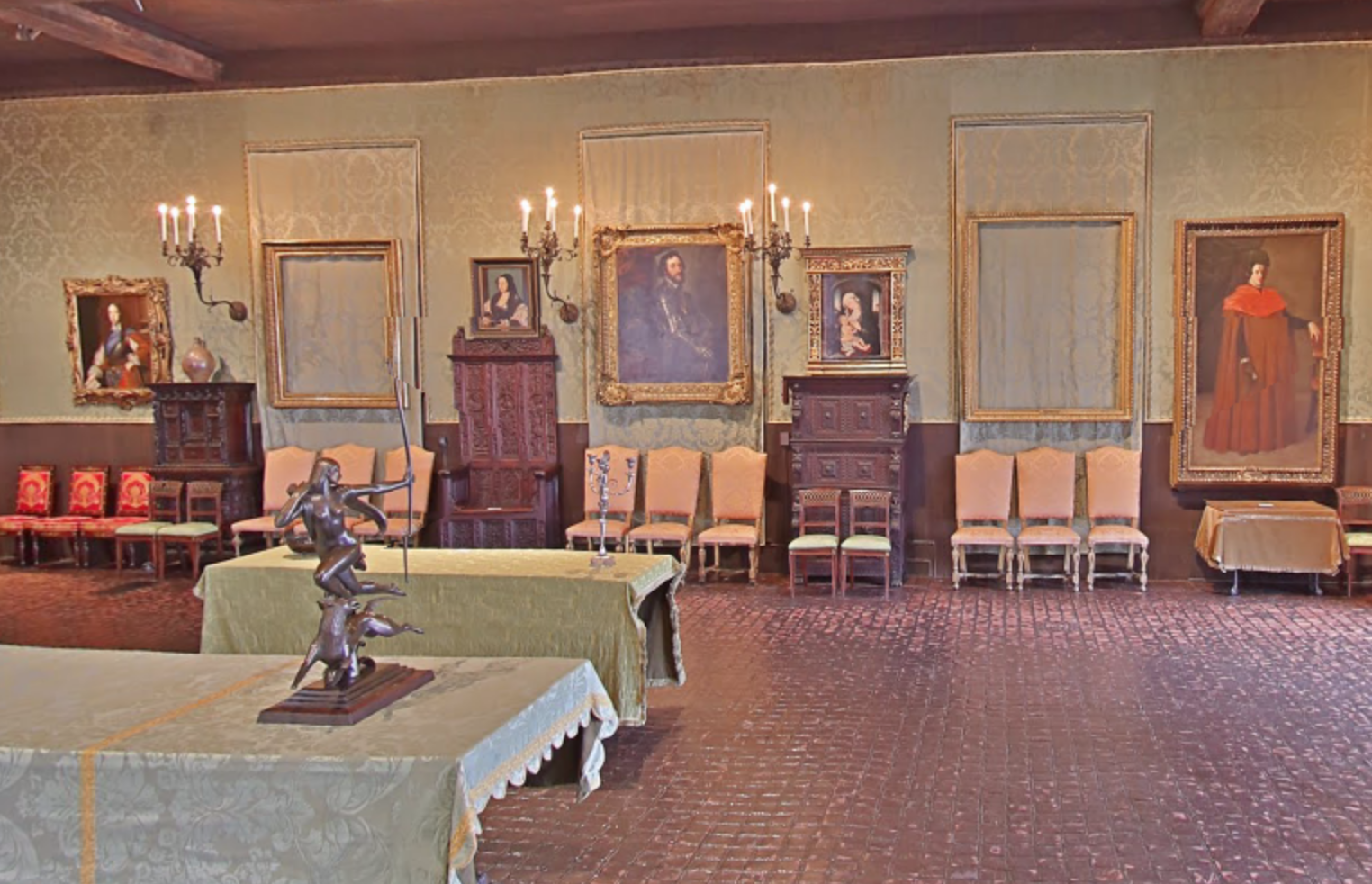
The Isabella Stewart Gardner Museum has partnered with Google Art Project on the 25th anniversary of the infamous art heist to create a virtual tour of the museum as it once was. It’s part of an effort to renew interest in the case:
The racial politics of skin tone in comic books:
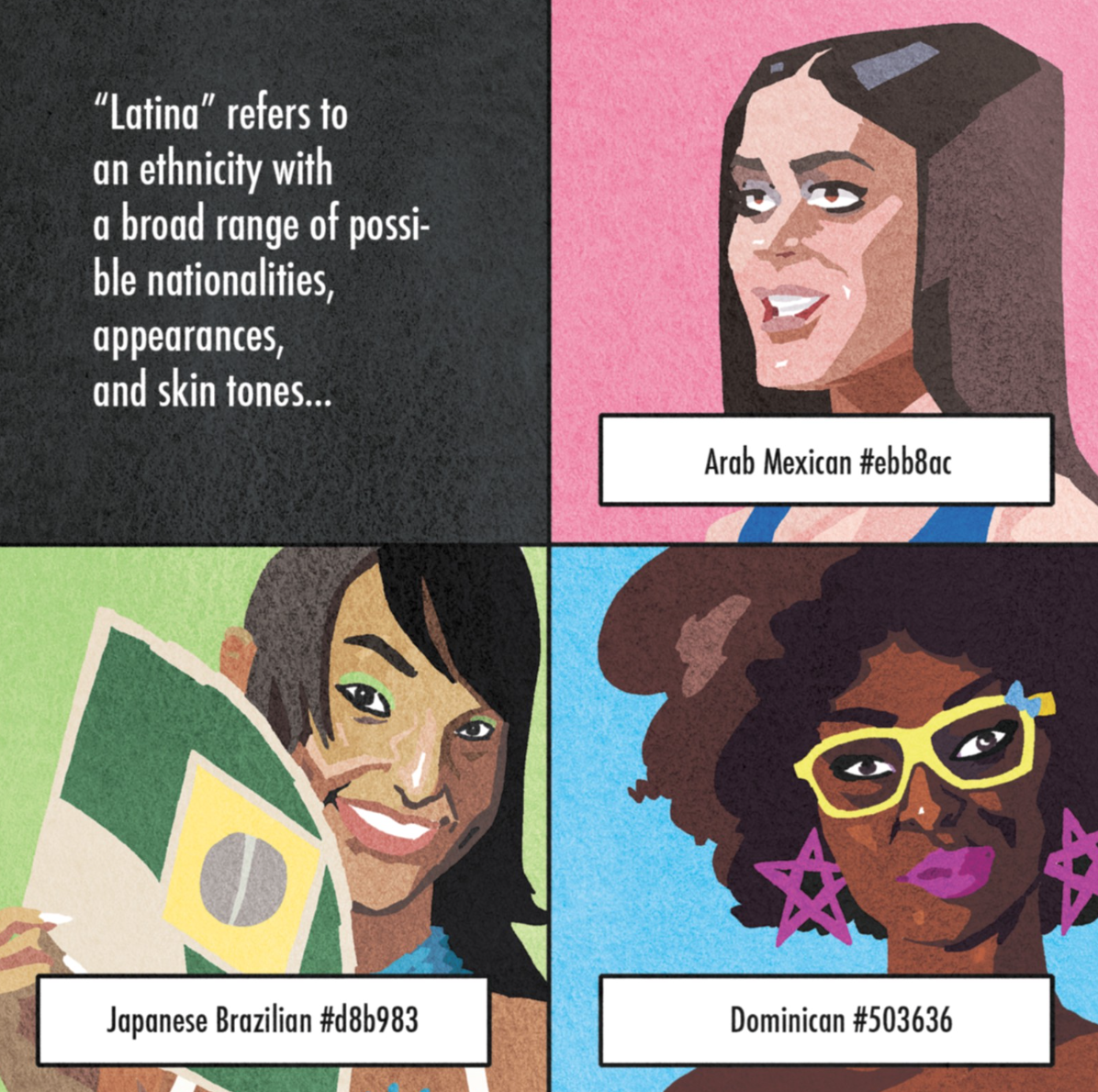

First they came for the God emoji, and then … what’s next?
The world’s largest spiral escalator:
A shopping mall in China has revealed the world’s largest spiral escalator. http://t.co/bR2uQaoqIo pic.twitter.com/aZ1AizI0jd — New York Daily News (@NYDailyNews) March 18, 2015
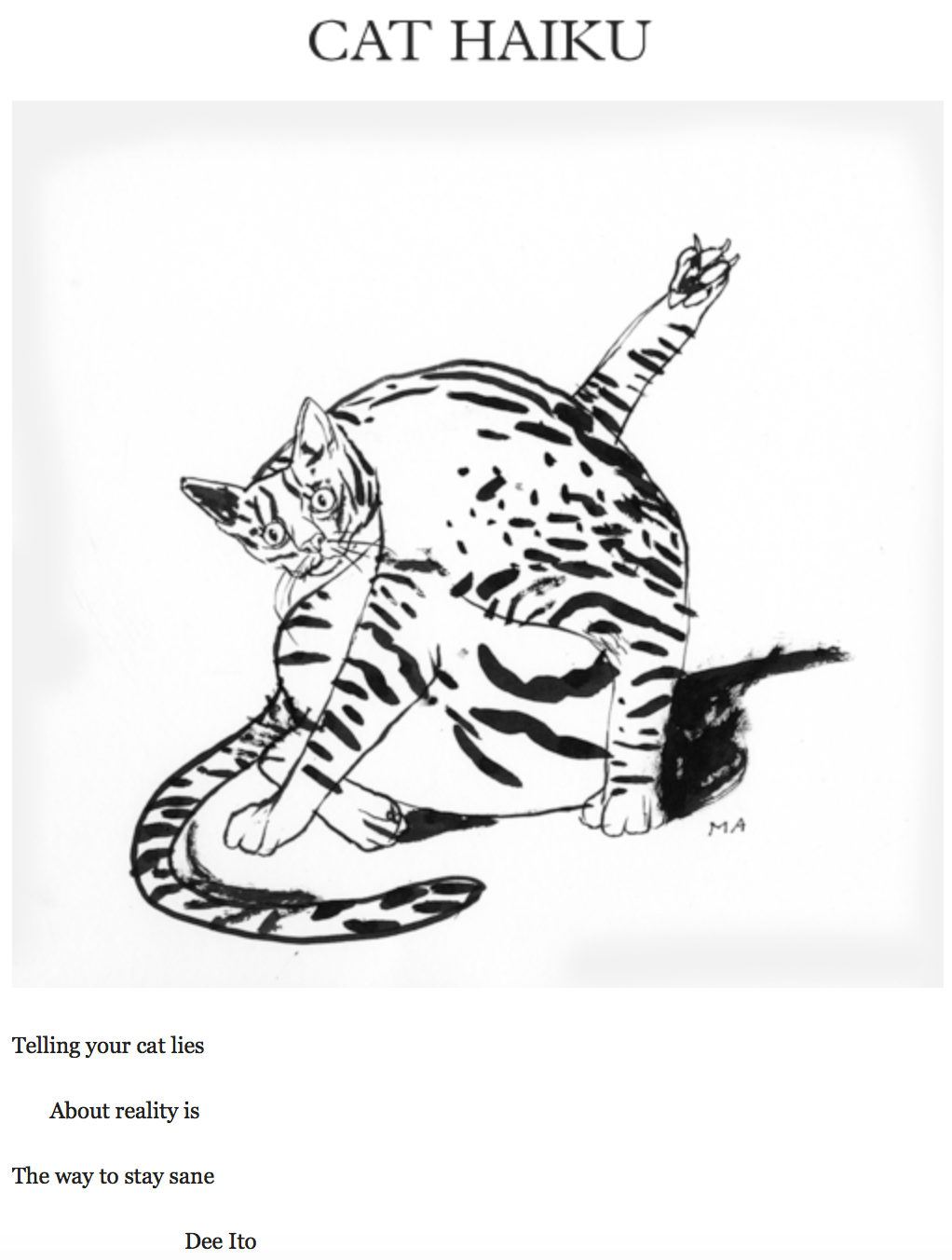
A fantastic collection of cat haikus:
Required Reading is published every Sunday morning ET, and is comprised of a short list of art-related links to long-form articles, videos, blog posts, or photo essays worth a second look.