Required Reading
This week, artists & empire, the first flower in space, Hollywood's white problem, art in museum storage, MLK in Brooklyn, and more.

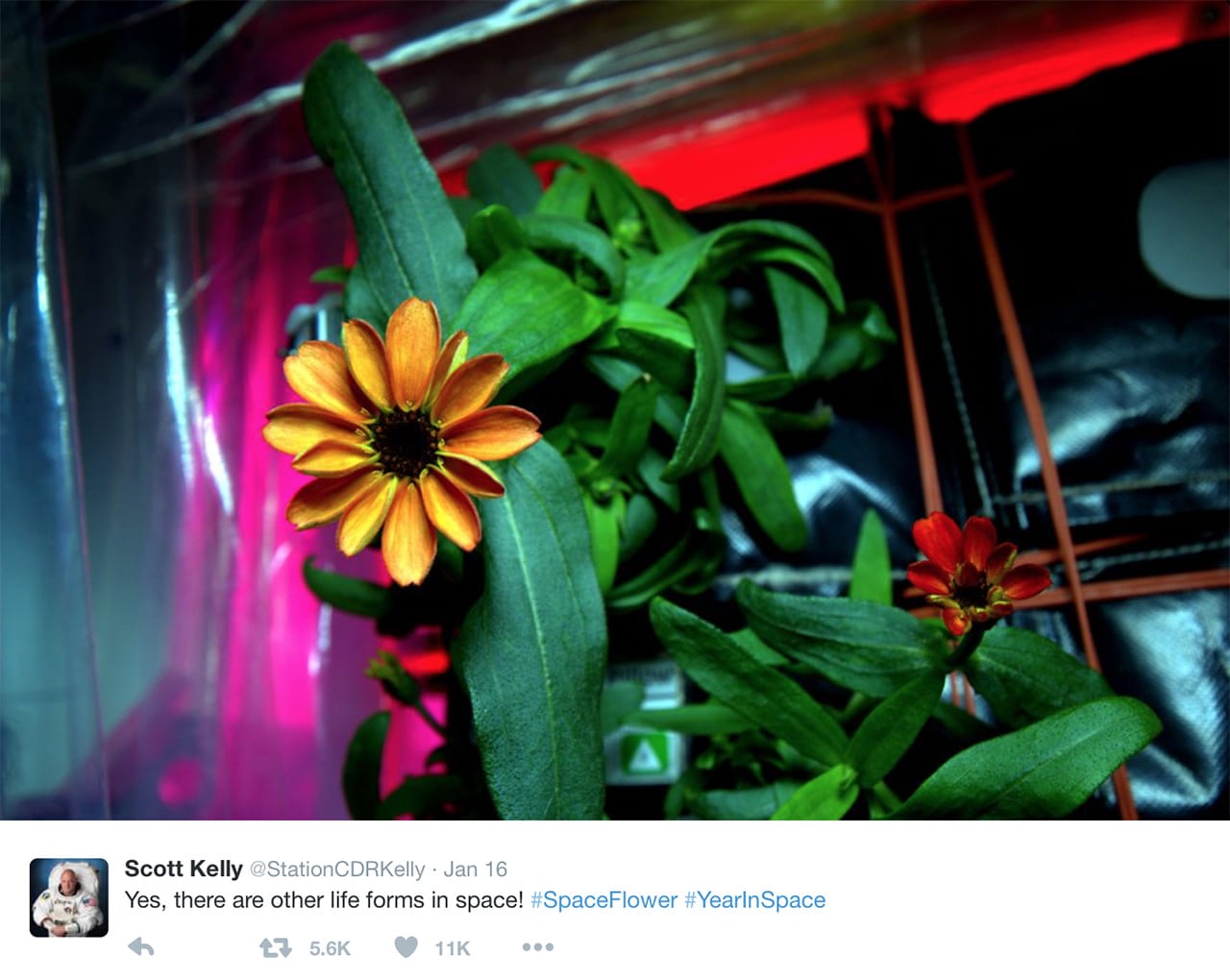
This week, artists & empire, the first flower in space, Hollywood’s white problem, art in museum storage, MLK in Brooklyn, and more.

The most Instagrammed place in Arkansas is the Crystal Bridges Museum.
Inigo Thomas reviews the Artist & Empire exhibition at Tate Britain:
‘Portraiture is always independent of Art and has little or nothing to do with it,’ the painter Benjamin Haydon wrote in the 1820s. ‘It is one of the staple manufactures of the empire. Wherever the British settle, wherever they colonise, they carry and will ever carry on trial by jury, horse racing and portrait painting.’ Portraiture isn’t really independent of art, but as Caroline Corbeau-Parsons explains in the catalogue to the Artist and Empire exhibition at Tate Britain (until 10 April), portraiture in India wasn’t simply painting; it was part of a rite introduced by Warren Hastings to reduce corruption within the East India Company. Instead of accepting ornate gifts from Indian potentates, officials were to be given pictures of those they wished to influence or rule over.
So painters like Frederick had an imperial calling, just as religious men, like his brother Charles, had. Or at least an opportunity: the problem faced by portrait painters in India was that their sitters didn’t always pay since they got nothing in return. That presumably was the point: the unreciprocated act of giving was a blunt reminder of the power of those unto whom gifts are given, but the people most likely to lose out were the artists themselves.
British actress Charlotte Rampling says the Oscars diversity row is “racist to white people“:
“One can never really know, but perhaps the black actors did not deserve to make the final list,” added Rampling. Asked if the Academy of Motion Picture Arts and Sciences should introduce quotas, a proposal which no current advocate of increased diversity has mooted, she responded: “Why classify people? These days everyone is more or less accepted … People will always say: ‘Him, he’s less handsome’; ‘Him, he’s too black’; ‘He is too white’ … someone will always be saying ‘You are too’ [this or that] … But do we have to take from this that there should be lots of minorities everywhere?”
Will the emerging “sleep tech” exacerbate the division between rich and poor? Natalie O’Neill writes:
Some experts believe that sleep reduction gadgets will intensify the planet’s income inequality problem, because only wealthy people will be able to afford them and can spend those extra waking hours working, making the rich even richer.
… Like computers, early models of these sleep innovations will likely cost tens of thousands of dollars, offering a biological advantage to those who are already economically advantaged, Rinesi said. That will likely trigger outrage and protest, he predicted. “The social and economic impact is going to be huge. It’s going to create a lot of resentment and envy. We are not used to wealthy people having a completely different biological experience of being alive.”
Talia Kosh lists the most interesting “appropriation” cases to watch in 2016, including a case that involves Google Books:
4. Google Books Is A Great Way to Discover Books-except for all those missing pages.
In the case, Authors Guild v. Google Books, Inc. the Authors Guild has asked the U.S. Supreme Court to overturn a federal appeals court’s rulings on transformative use, according to a petition for review filed Dec. 31. The future of fair use could hinge on this case.
The Authors Guild has been fighting Google in court since 2005 over its mass digitization of library collections in order to create a database for full-text searching. The Authors Guild rightfully argues that there is a circuit split regarding fair use and specifically the “transformative use” factor. It’s often in times of circuit splits that the Supreme Court will take up a case.
Some of the questions presented in the Guild’s petition are:
Whether, in order to be “transformative” under the fair use exception to copyright, the use of the copyrighted work must produce “new expression, meaning, or message,” as this Court stated in Campbell and as the Third, Sixth, and Eleventh circuits have held, or whether the verbatim copying of works for a different, non-expressive purpose can be a transformative fair use, as the Second, Fourth, and Ninth circuits have held; and
Whether the Second Circuit has erred in making “transformative purpose” a decisive factor, replacing the statutory four-factor test, as the Seventh Circuit has charged.
With a split in the circuits, the Supreme Court is the one in the hot seat.
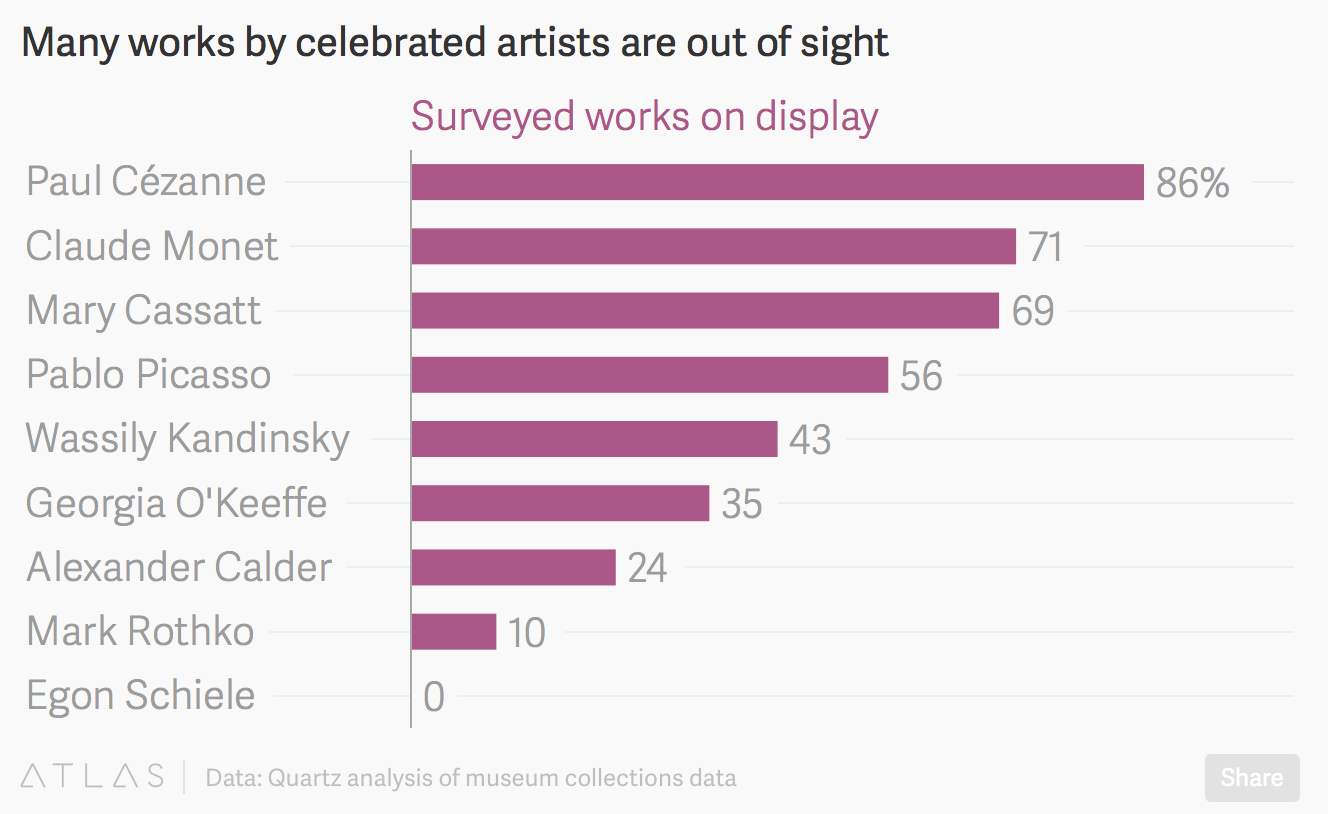
You might not be surprised to learn that the majority of fine art is in storage at museums, and only roughly 5% is on display at any time:
A US man’s obituary made waves this week because it had one notable line (emphasis mine):
“Jeffrey would ask that in lieu of flowers, please do not vote for Donald Trump,” said the newspaper obituary that began appearing in the Post-Gazette Wednesday, three days after Mr. Cohen’s unexpected death from an apparent heart attack at age 70.
On February 10, 1963, Dr. Martin Luther King, Jr. delivered a speech at the historic Plymouth Church in Brooklyn Heights. It was a speech about the American Dream, and here it is:
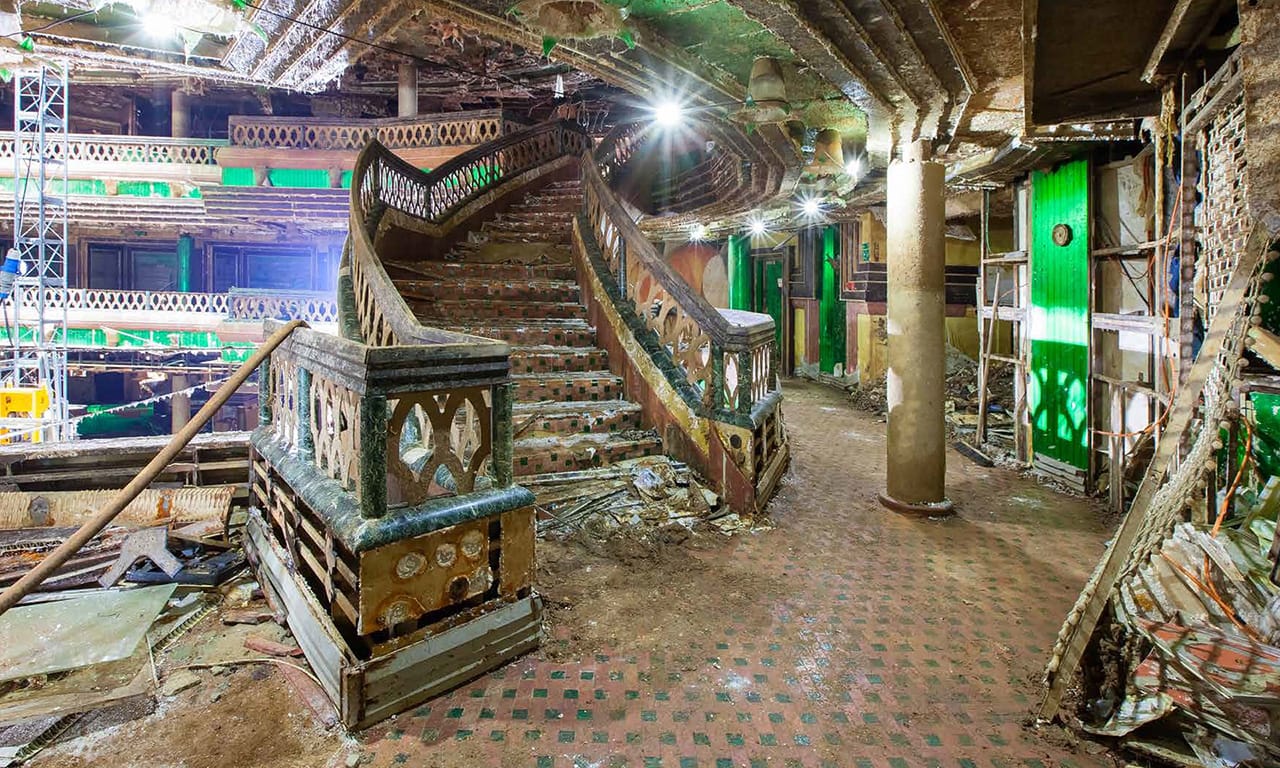
The German photographer Jonathan Danko Kielkowski has some incredible images of the Concordia cruise ship, which ran aground off Tuscany in 2012 with the loss of 32 lives:
You want to know why people aren’t emailing you back? It begins:
Jan. 4-10: They’re still recovering from the craziness of the holidays!
Jan. 11-17: Their New Year’s resolution was to spend less time online.
Jan. 18-24: Out of the office for Martin Luther King, Jr., Day.
Jan. 25-31: They thought that they wouldn’t have such bad seasonal depression this year, but it’s just so dark outside, you know? Maybe they should have bought one of those sunlight-mimicking U.V. lamps — do those actually work?
HIPSTER IPSUM provides “Artisanal filler text for your site or project.” Yes, exactly:
Ennui drinking vinegar man braid photo booth bushwick tumblr. Normcore fap humblebrag, dreamcatcher blue bottle intelligentsia four dollar toast mixtape you probably haven’t heard of them fixie. Crucifix retro forage keytar, craft beer before they sold out heirloom VHS etsy. Pork belly squid echo park listicle, mlkshk cronut tacos paleo gochujang yr forage roof party. Humblebrag vegan hoodie mlkshk, mixtape meditation VHS next level vinyl williamsburg. Sriracha small batch blog deep v photo booth master cleanse. Cray salvia echo park pug kickstarter sustainable.
Required Reading is published every Sunday morning ET, and is comprised of a short list of art-related links to long-form articles, videos, blog posts, or photo essays worth a second look.