Required Reading
This week, Paris's Lost and Found, a new contemporary museum in South Africa, Google does evil, rescuing a lost Albanian alphabet, logo redux, and more.

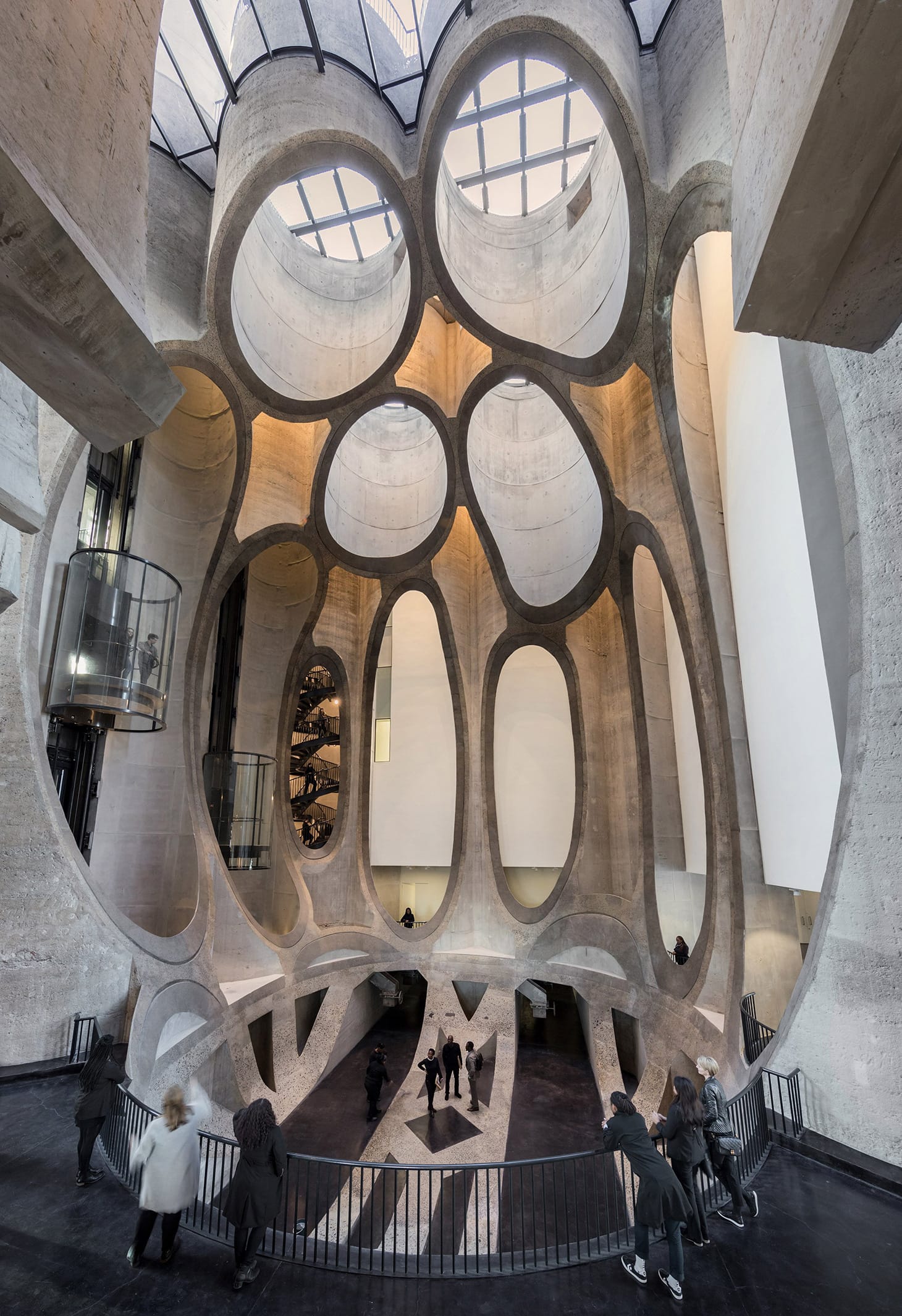
- Paris has a Bureau of Found Objects and this is its story:
On the southern edge of Paris, a five-thousand-square-foot basement houses the city’s lost possessions. The Bureau of Found Objects, as it is officially called, is more than two hundred years old, and one of the largest centralized lost and founds in Europe. Any item left behind on the Métro, in a museum, in an airport, or found on the street and dropped, unaddressed, into a mailbox makes its way here, around six or seven hundred items each day. Umbrellas, wallets, purses, and mittens line the shelves, along with less quotidian possessions: a wedding dress with matching shoes, a prosthetic leg, an urn filled with human remains. The bureau is an administrative department, run by the Police Prefecture and staffed by very French functionaries—and yet it’s also an improbable, poetic space where the entrenched French bureaucracy and the societal ideals of the country collide.
- The Voynich manuscript continues to be a source of great mystery and this week a new flurry of theories and debunkings were a topic of conversation:
- “The Voynich Manuscript and Truth on the Internet,” The New Yorker (September 12, 2017)
- “Here’s What You Need to Know About the Mysterious Voynich Manuscript,” Smithsonian (September 12, 2017)
- “Has a Mysterious Medieval Code Really Been Solved?,” The Atlantic (September 10, 2017)
- A haunting image:
My god, this shot of Rohingya refugees watching their houses burn across the border in Myanmar (Masfiqur Sohan/NurPhoto) pic.twitter.com/y7DZSVA3Ne
— pourmecoffee (@pourmecoffee) September 12, 2017
- Kashmir Hill explains how Google quashes ideas it doesn’t like (including hers):
But the most disturbing part of the experience was what came next: Somehow, very quickly, search results stopped showing the original story at all. As I recall it—and although it has been six years, this episode was seared into my memory—a cached version remained shortly after the post was unpublished, but it was soon scrubbed from Google search results. That was unusual; websites captured by Google’s crawler did not tend to vanish that quickly. And unpublished stories still tend to show up in search results as a headline. Scraped versions could still be found, but the traces of my original story vanished …
Deliberately manipulating search results to eliminate references to a story that Google doesn’t like would be an extraordinary, almost dystopian abuse of the company’s power over information on the internet. I don’t have any hard evidence to prove that that’s what Google did in this instance, but it’s part of why this episode has haunted me for years: The story Google didn’t want people to read swiftly became impossible to find through Google.
“I was intrigued because I had never heard of it,” Muhaxheri says. “Modern Albanian uses Latin characters. When I saw these original letters for the first time in a scanned copy of the book from the Museum of Education in Albania, I realized I had a precious cultural gem in my hands—and as an illustrator, the means to make its story memorable.” His discovery and preservation of this lost alphabet has not gone unnoticed—Muhaxheri was invited by the Albanian prime minister to present his work at a formal reception.
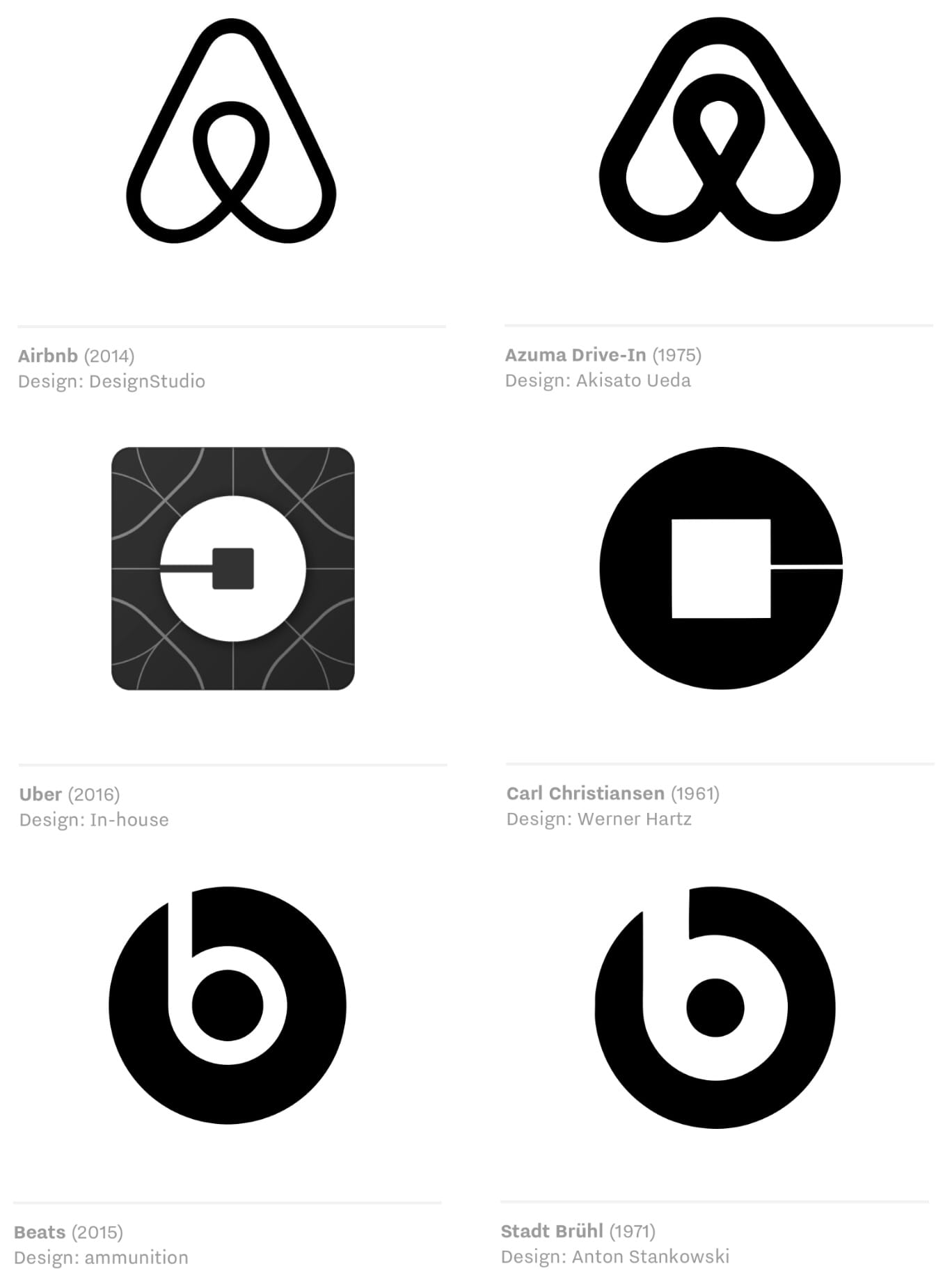
- Ferdinand Vogler points out that most logos have been “done” before:
- TTa-Nehisi Coates writes a must-read article on Trump as “The First White President“:
To Trump, whiteness is neither notional nor symbolic but is the very core of his power. In this, Trump is not singular. But whereas his forebears carried whiteness like an ancestral talisman, Trump cracked the glowing amulet open, releasing its eldritch energies. The repercussions are striking: Trump is the first president to have served in no public capacity before ascending to his perch. But more telling, Trump is also the first president to have publicly affirmed that his daughter is a “piece of ass.” The mind seizes trying to imagine a black man extolling the virtues of sexual assault on tape (“When you’re a star, they let you do it”), fending off multiple accusations of such assaults, immersed in multiple lawsuits for allegedly fraudulent business dealings, exhorting his followers to violence, and then strolling into the White House. But that is the point of white supremacy—to ensure that that which all others achieve with maximal effort, white people (particularly white men) achieve with minimal qualification. Barack Obama delivered to black people the hoary message that if they work twice as hard as white people, anything is possible. But Trump’s counter is persuasive: Work half as hard as black people, and even more is possible.
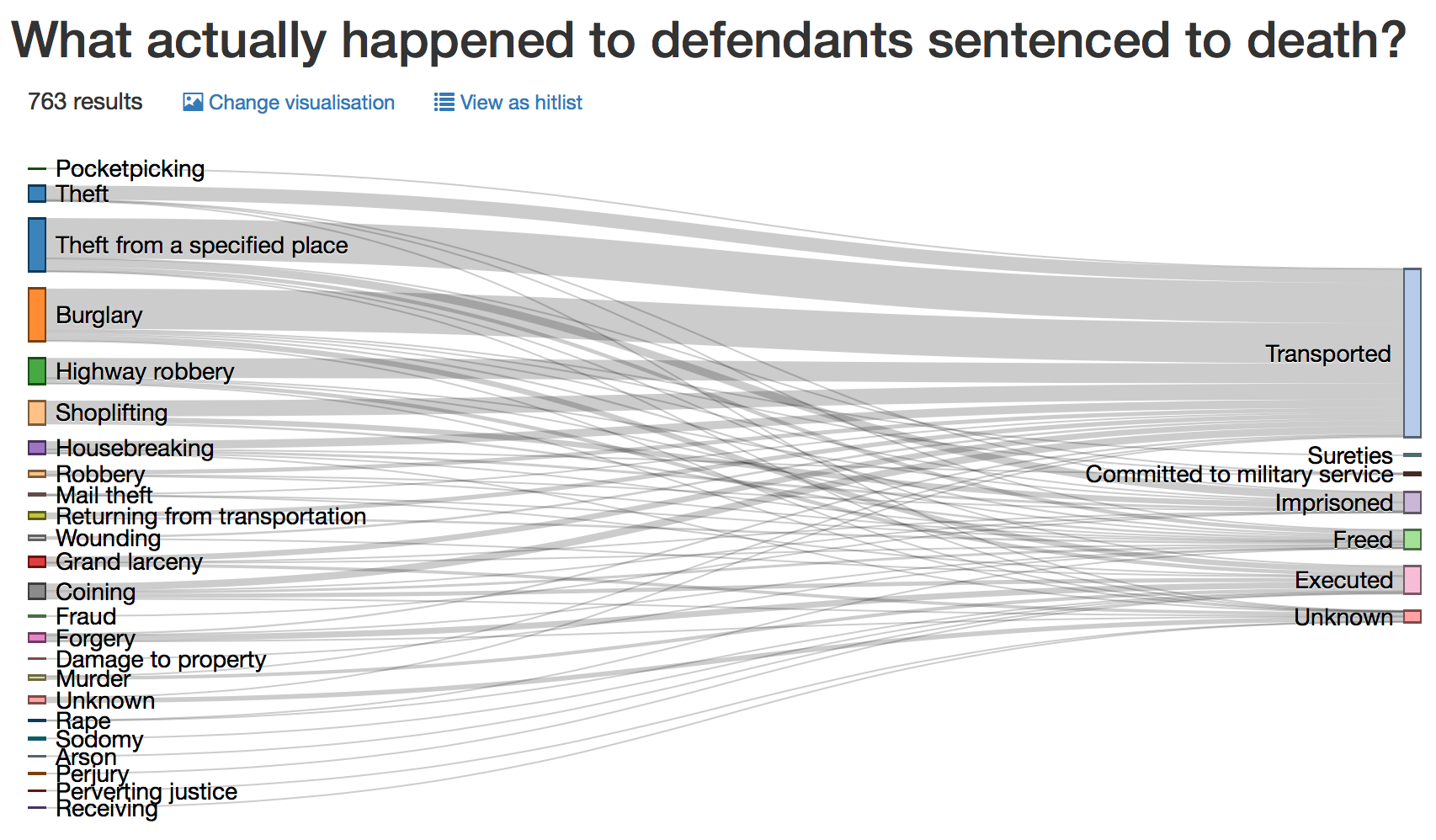
- That whole ‘Australia is a British penal colony’ thing is fascinating when seen visualized, like it is here:
- I honestly have no idea if this is true but the title alone is worth a link (and read). Here it is:
Back in 1982 I was dealing acid at Jim Morrison’s grave and that’s when I first met Vladimir Putin.
Truly staggering image: Hurricanes #Katia making landfall in #Mexico, #Irma in #Cuba as #Jose builds in #Caribbean. pic.twitter.com/0LpKNS2WSX
— Jon Williams (@WilliamsJon) September 9, 2017
- And the world’s oldest trees are endangered:
The bristlecone pine tree, famous for its wind-beaten, gnarly limbs and having the longest lifespan on Earth, is losing a race to the top of mountains throughout the Western United States, putting future generations in peril, researchers said Wednesday.
Required Reading is published every Sunday morning ET, and is comprised of a short list of art-related links to long-form articles, videos, blog posts, or photo essays worth a second look.