The 10 Best London Art Shows of 2025
It was a year of surprising pairings and standout exhibitions by artists including Kerry James Marshall, Jenny Saville, and Leigh Bowery

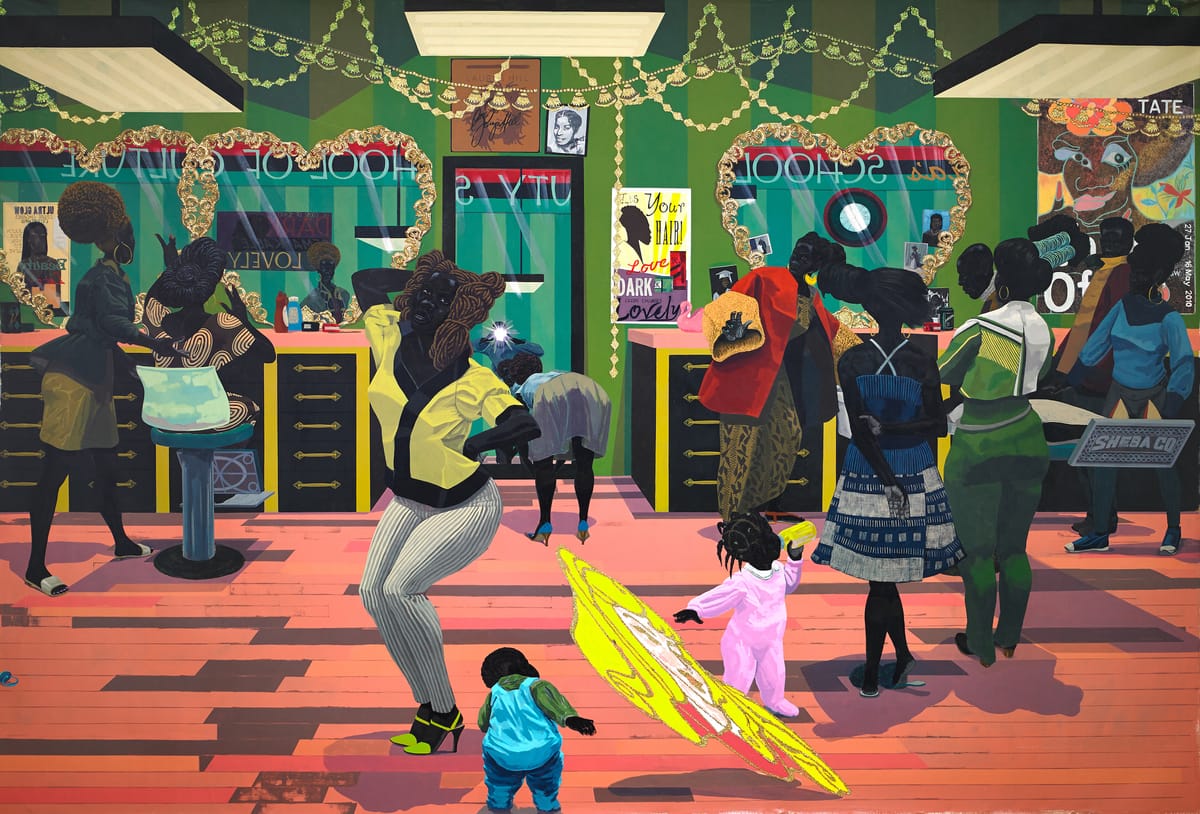
It should come as no surprise to anyone that London would host some standout exhibitions in 2025. But even with the city’s thriving art scene, this year seemed exceptional. It wasn’t just eye-catching shows. Museums made conscious attempts to move out of their comfort zones by giving marquee status to those who are often overlooked or marginalized: Indigenous artists, queer pioneers, trailblazing women — the list goes on.
In addition to high-profile exhibitions featuring Kerry James Marshall, Jenny Saville, Leigh Bowery, and other important and inimitable figures, institutions went out on a limb with surprising pairings (Vincent van Gogh and Anselm Kiefer at the Royal Academy of Arts) and under-appreciated talents such as Edward Burra and Joseph Wright of Derby. Particularly notable was Tate Modern’s survey of Australian Aboriginal artist Emily Kam Kngwarray, organized by two First Nations curators. Our London-based contributors were there for it, bringing their knowledge and unique perspectives.
There’s still much work to be done in making museums more inclusive and aware of narratives and creators left out of standard Western canons, but it feels like London’s art world is on the right track. Below are our critics’ picks for the best shows of the year. —Natalie Haddad, reviews editor
Henri Michaux: The Mescaline Drawings
Courtauld Institute, February 12–June 4
Curated by Ketty Gottardo

Henri Michaux, that Belgian neo-Surrealist who so loathed the bright lights of publicity, was as much a poet as an artist of great graphic intricacy. This exhibition centered the works that emerged as a result of his experimentation with mescaline — how the drug dilated his dreams, causing them to warp, flow, and waver. It is an extended poem and a record of a unique part of his graphic work. —Michael Glover
Leigh Bowery!
Tate Modern, February 27–August 31
Curated by Fiontán Moran, Jessica Baxter, Nicola Rainbird, and Margery King
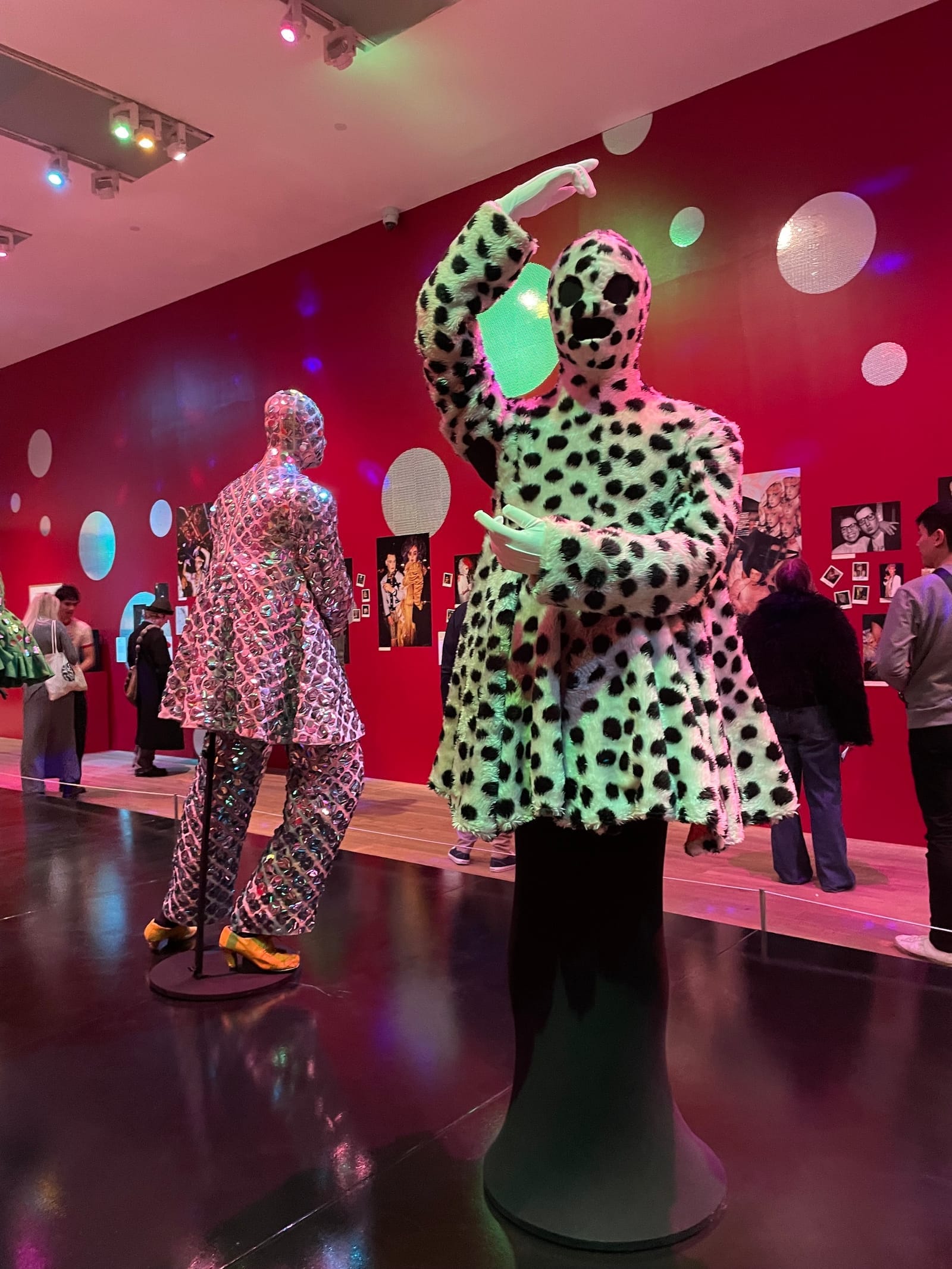
Leigh Bowery … the name alone left me both confused and intrigued when I was a teenager reading magazines like I-D and The Face. Who was this performer who covered his face and transformed his body into a sculpture with his spectacular outfits? Tate Modern’s retrospective of the late artist’s life and work was informative, straightforward in its language and history (as Olivia McEwan notes in her review, linked below), and an extravaganza of colors and textures, attitude and style. I flew across the ocean to see it. —Natalie Haddad, reviews editor
Do Ho Suh: Walk the House
Tate Modern, May 1–October 26
Curated by Nabila Abdel Nabi and Dina Akhmadeeva
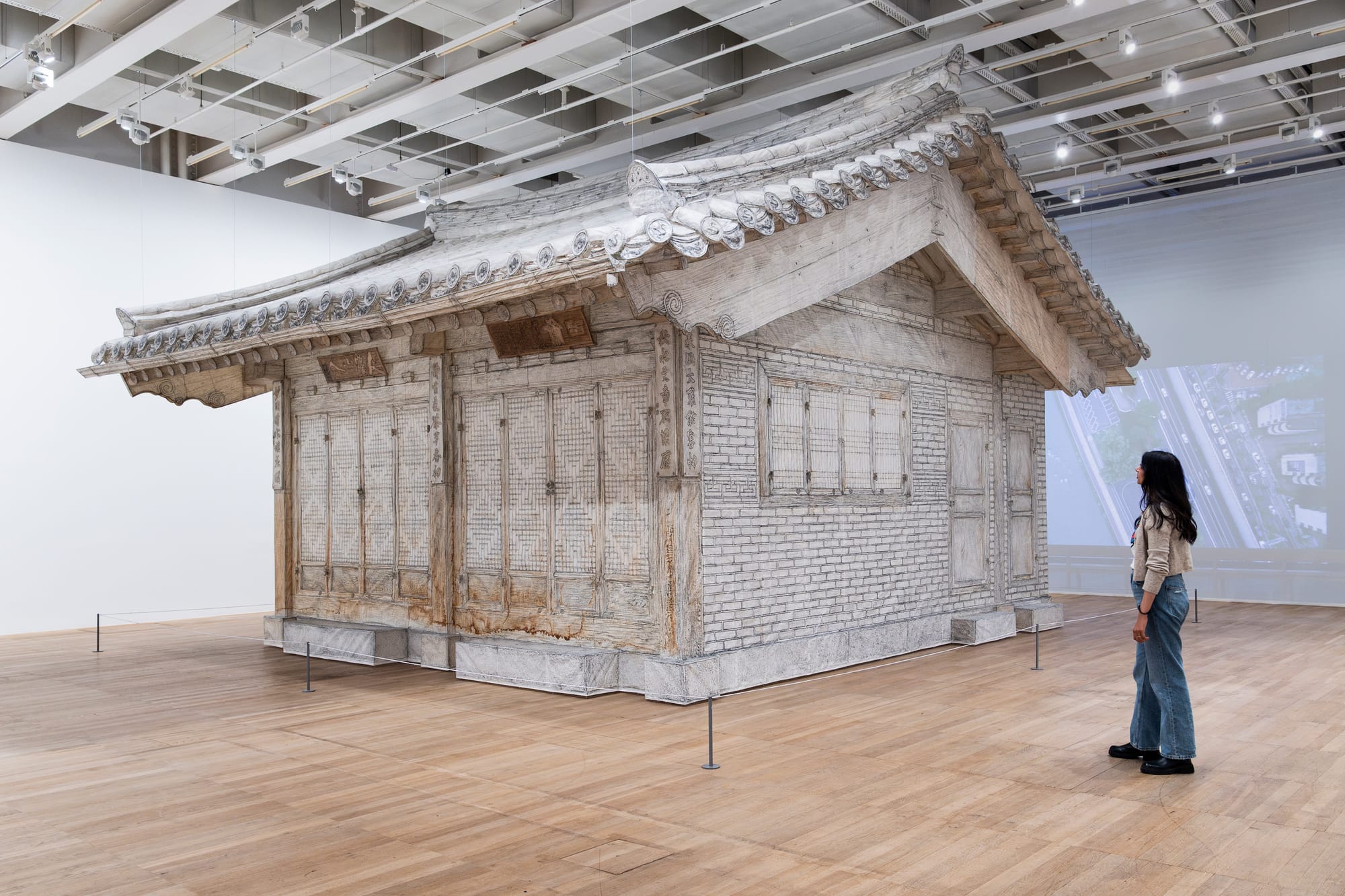
South Korean artist Do Ho Suh recreates the interiors of his previous homes in fabric mesh. These extraordinary spaces provided visitors to his exhibition plenty of Instagram-ready snapping opportunities. However, a more tactile recreation in paper for which he literally — and laboriously — traced his childhood house in pencil rubbings offered an especially poignant meditation on notions of home, habitation, and our memories of them. —Olivia McEwan
Edward Burra
Tate Britain, June 13–October 19
Curated by Thomas Kennedy with Eliza Spindel
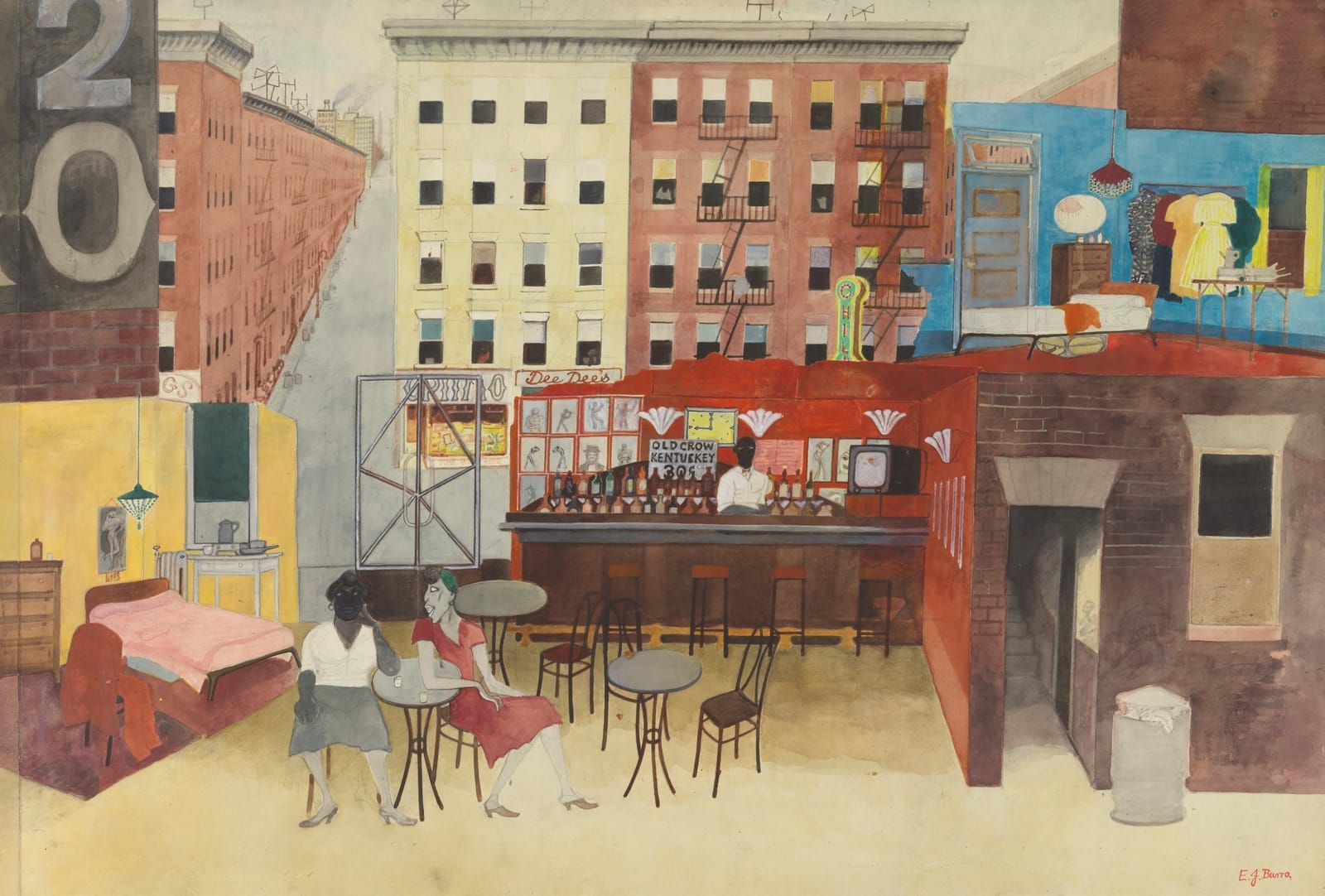
Edward Burra, that oddest of oddballs among the English artists who emerged in the 1920s, looks the polar opposite of his strangely stylized art: serious, dutiful, and nonthreatening. The art itself is all wildness writ large. Tate Britain’s full career tells Burra’s whole story, and makes a strong case for his unorthodox genius. —Michael Glover
Jenny Saville: The Anatomy of Painting
National Portrait Gallery, June 20–September 7
Curated by Sarah Howgate
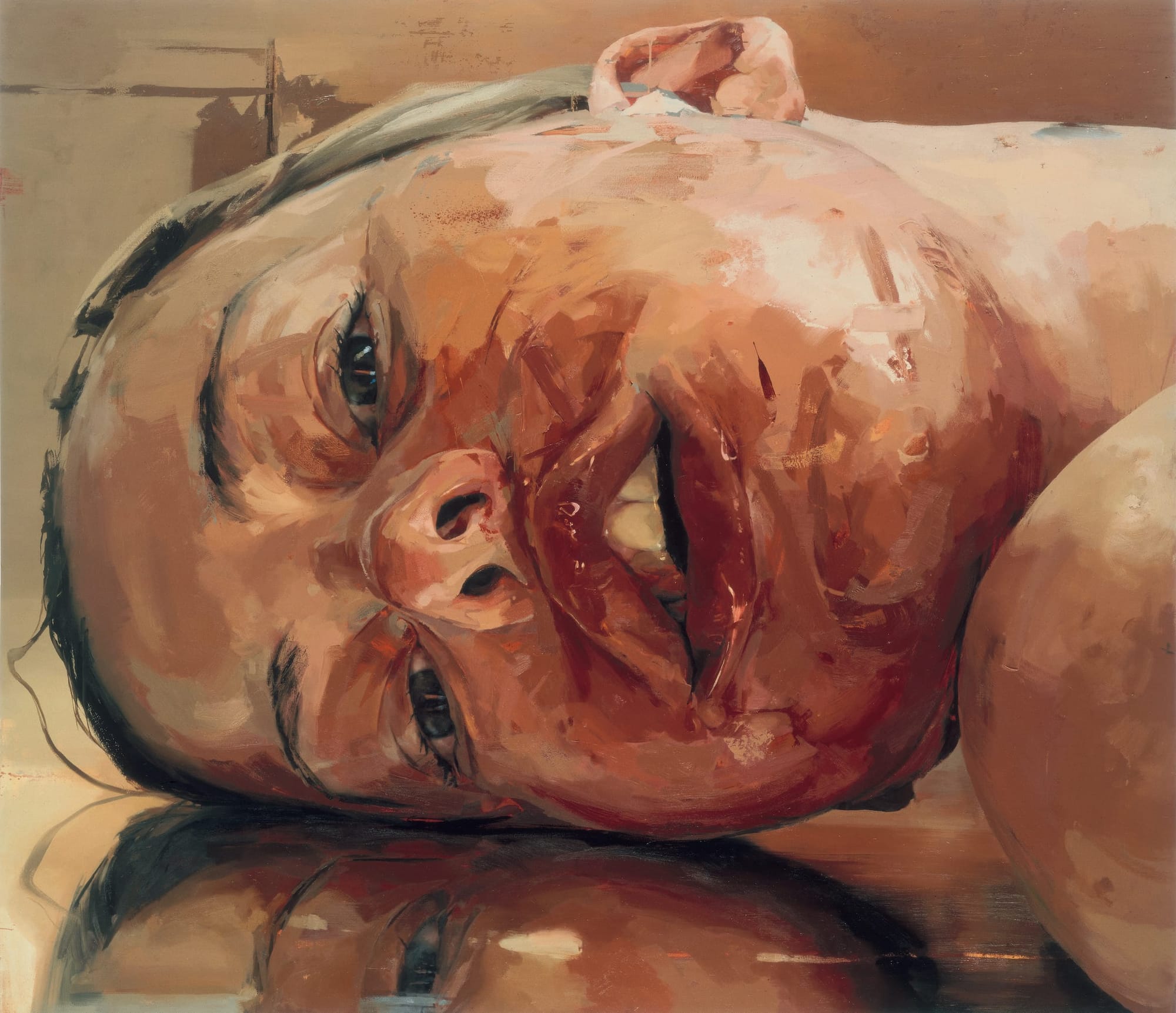
Though technically considered a YBA, Jenny Saville deserves her place in the canon of wider Western art history. While her contemporaries Damien Hirst and Tracey Emin created conceptual objects designed to shock, Saville's painterly work is just as powerful, yet informed by a wealth of art historical precedent in the Renaissance through to De Kooning. Her work is mostly hidden away in private collections, so the National Portrait Gallery's survey presented a rare chance to experience her large-scale, uncompromising flesh in its full impact. Arguably Britain’s greatest living painter. —Olivia McEwan
Van Gogh/Kiefer
Royal Academy of Arts, June 28–October 26
Curated by Julien Domercq and Natasha Fyffe

Van Gogh and Anselm Kiefer? Do the two have much in common? The fact is that Kiefer has been consumed by a passion for van Gogh since his youth in the 1960s, and this extraordinary show of relatively few van Goghs and very many more Kiefers at the Royal Academy demonstrates how the German artist seized hold of the spirit of the post-Impressionist, and scaled it up as poor Vincent could never have afforded to do. A brilliant series of riffs on the most merchandised artist of all time. —Michael Glover
Emily Kam Kngwarray
Tate Modern, July 10–January 11, 2026
Curated by Kelli Cole
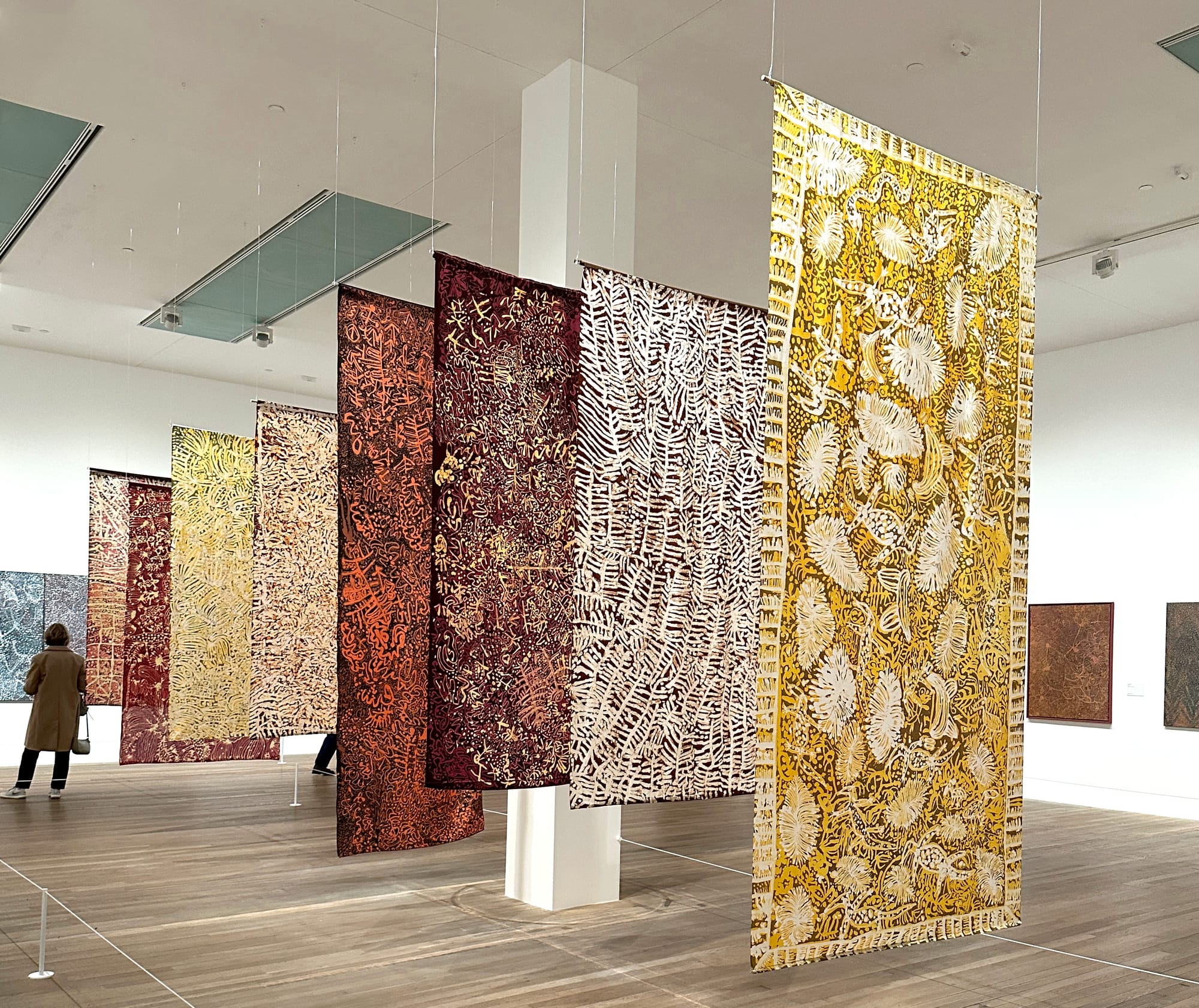
Organized by the exceptional First Nations curators Kelli Cole and Hettie Perkins, this exhibition brings together 80 works by Kngwarray (c. 1914-1996), an artist from Australia’s Northern Territories who began to translate Aboriginal image-making traditions into watercolor, acrylic, and batik, paving the way for contemporary Aboriginal art. The pieces are stunningly beautiful, but don’t mistake abstraction for lack of narrative: they are a form of cultural survival, telling stories passed on for millennia. —Aruna D'Souza
Kerry James Marshall: The Histories
Royal Academy, September 20–January 18, 2026
Curated by Mark Godfrey, Adrian Locke, Rose Thompson, with curatorial researcher Nikita Sena Quarshie

We don’t need much reminder that Marshall is the greatest painter of his generation, but this exhibition, which displays his most ambitious work in galleries grand enough to hold it, contains enough surprises to necessitate an urgent trip to the UK (or Zurich or Paris, its next stops). His newest canvases, on the complicity of Africans in the transatlantic slave trade, are both historically precise and impishly inconvenient — brilliant, in other words. —Aruna D'Souza
Lee Miller
Tate Britain, October 2–February 15, 2026
Curated by Hilary Floe and Saskia Flower
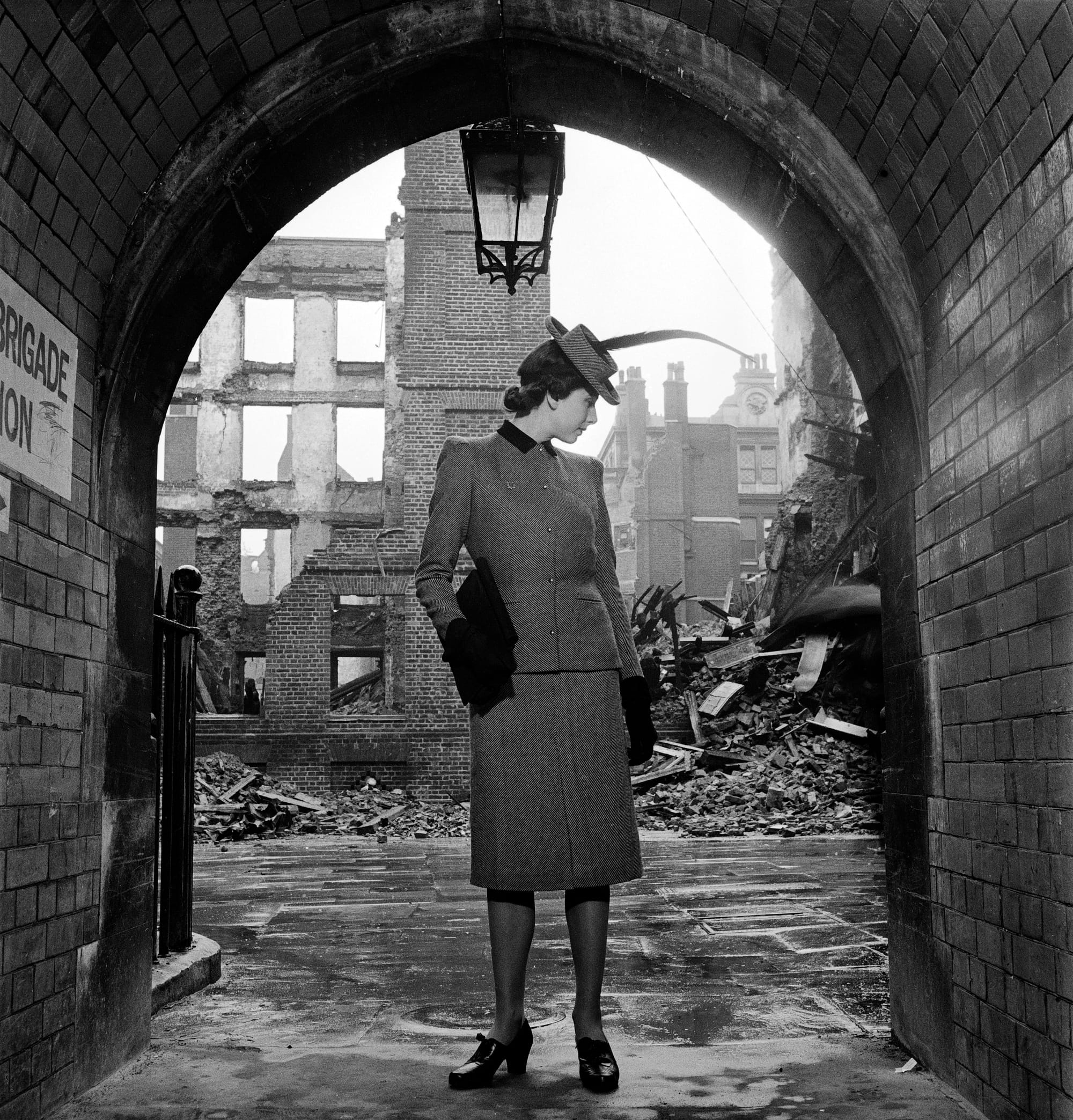
Why is Tate Britain’s retrospective of the photographic career of Lee Miller so important and alluring from start to finish? Because of the discovery of an enormous photographic archive containing approximately 60,000 prints, negatives and documentation in family attic images that was discovered at her final home, Farley Farm in East Sussex. It tells the story of her ambition, her bravery, and her achievements as never before. —Michael Glover
Wright of Derby: From the Shadows
National Gallery, November 7–May 10, 2026
Curated by Christine Riding
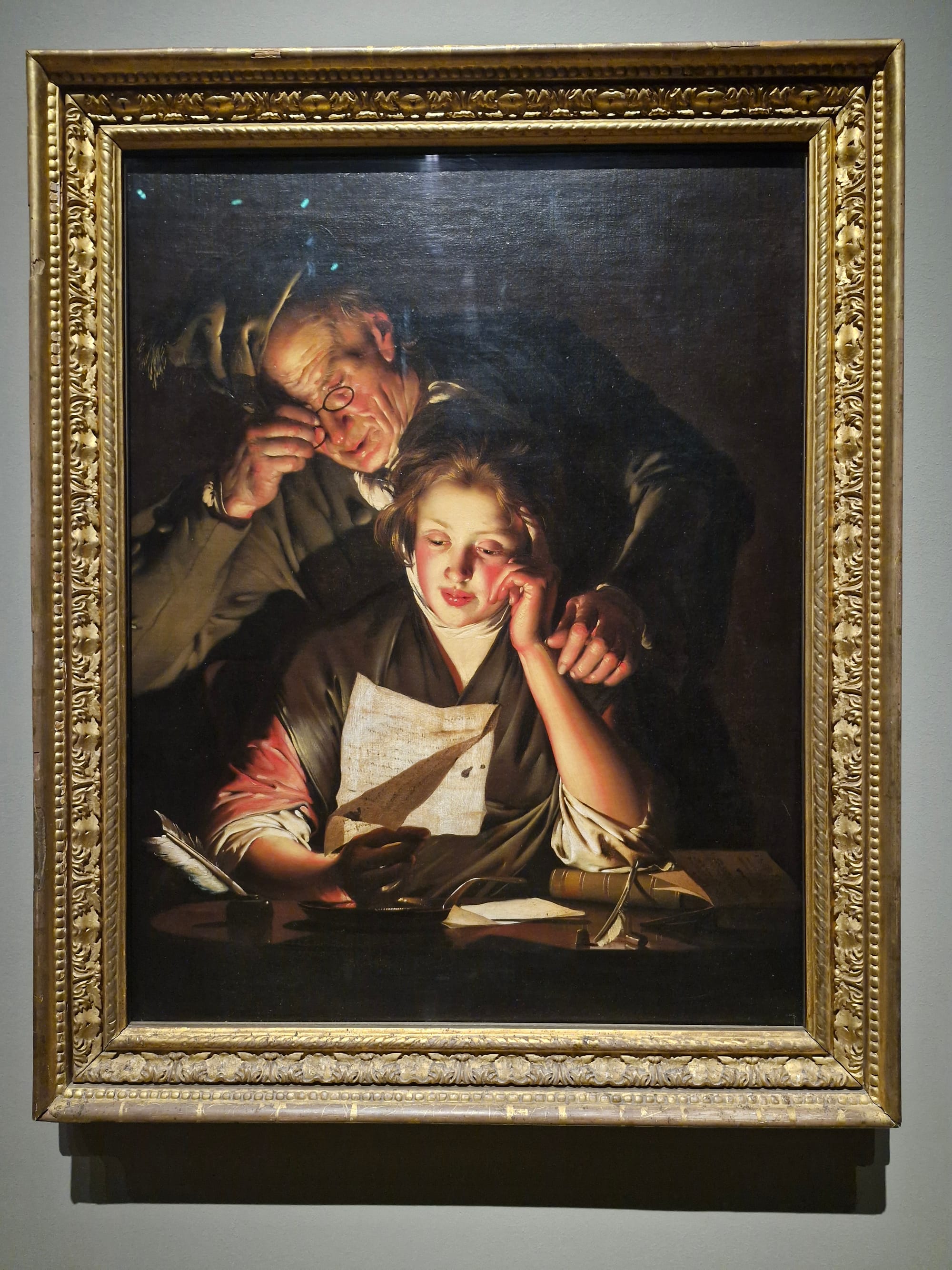
The easiest way to sum up Joseph Wright of Derby is as “Britain’s Caravaggio,” for the National Gallery’s exhibition “From The Shadows” focuses on his use of tenebrism (a form of chiaroscuro) to introduce this unfairly overlooked regional talent. Yet during the age of William Hogarth — who typified a cynical, moralising critique of 18th-century society and politics — it is Wright of Derby’s wide-eyed optimism, spiritualism, and faith in science that reveals his warm heart. A revelatory show. —Olivia McEwan