The de Sades Among Us
The seeds of evil that brought us Epstein, blatant censorship at the University of North Texas, the problem with wall labels, and a Black Medieval angel of love.

Ramadan Mubarak and Happy Lunar New Year!
For long, many in art, academia, and popular culture have trumpeted the Marquis de Sade as a symbol of poetic transgression against society's stiff mores. He was put on a high pedestal despite being a certified rapist who took orgiastic pleasure in hellish torture and abuse. Among his spiritual followers, so to speak, was one Jeffrey Epstein from Manhattan's Upper East Side. The latter had friends in high windows who celebrated him as a business and math guru with slightly eccentric taste in women. In a must-read essay by Ed Simon this week, he draws essential parallels between the morally corrupt aristocracies of then and now, and explains how the seeds of evil sown in 18th-century France have blossomed into today's trove of Epstein files.
I also want to shout out Aruna D’Souza's educated rant about wall labels in exhibitions, Seph Rodney's deconstruction of the politics of representation in art, Bridget Quinn's primer on Finnish painter Helene Schjerfbeck, and Renée Reizman's tribute to the DIY spirit of the Los Angeles art community.
Finally, please join me on March 2 (3–4pm ET) for a virtual conversation with artist and Hyperallergic contributor Damien Davis. We'll discuss his recent essays, studio practice, and things he loves and hates in this art world. Should be fun. See you there?
—Hakim Bishara, editor-in-chief
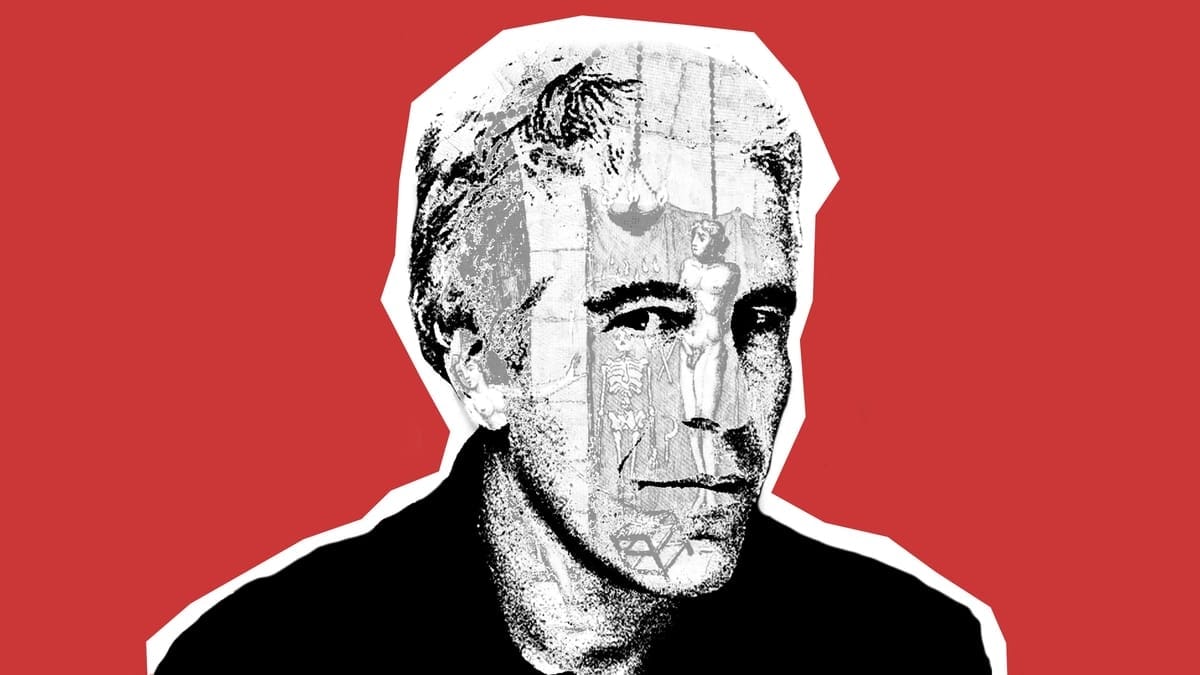
The Marquis de Sade of the Upper East Side
Like the infernal French nobleman, Jeffrey Epstein’s story represents cruel and oppressive politics that were seeded in aristocracy, tended in capitalism, and are now harvested in fascism. | Ed Simon
See also:
- Billionaire retail tycoon Les Wexner continues to deny any knowledge of Jeffrey Epstein’s sex crimes, but not everyone is buying it.
- Artist Tai Shani has withdrawn a forthcoming monograph with Phaidon, citing the “numerous horrific allegations” against owner Leon Black revealed in the latest trove of Epstein files.
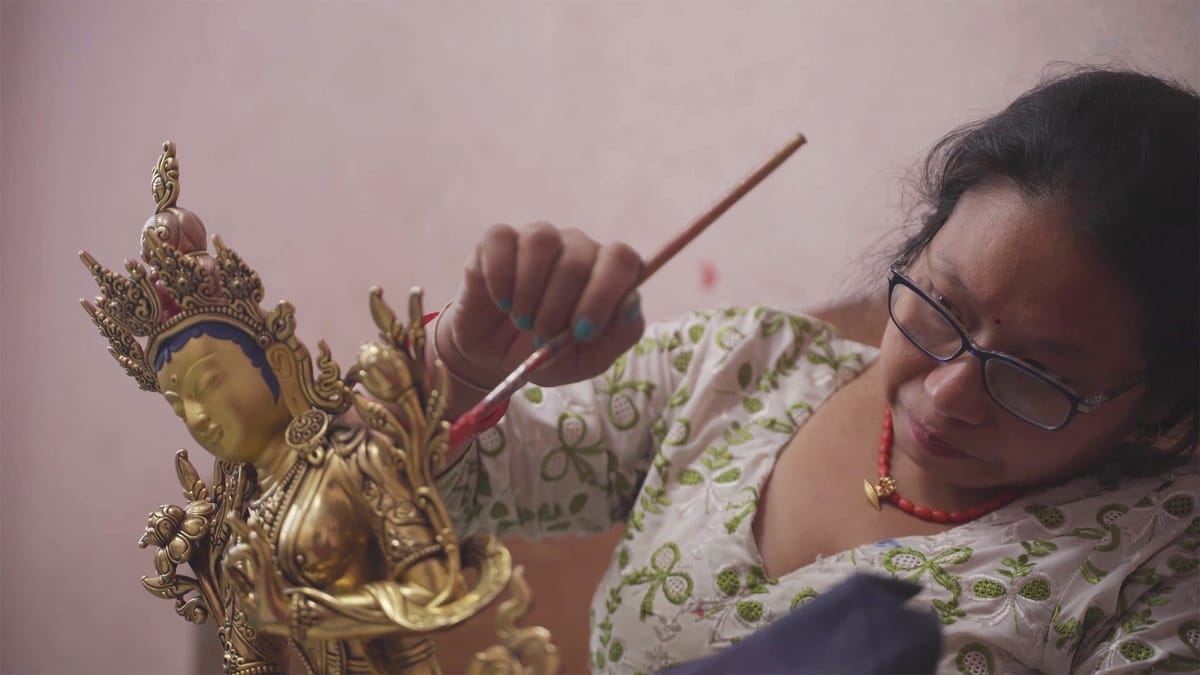
The Rubin’s Annual Grant Program Funds Himalayan Art and Research
The 2026 grant cycle opens February 16. Submit a letter of intent by March 6.
Latest News
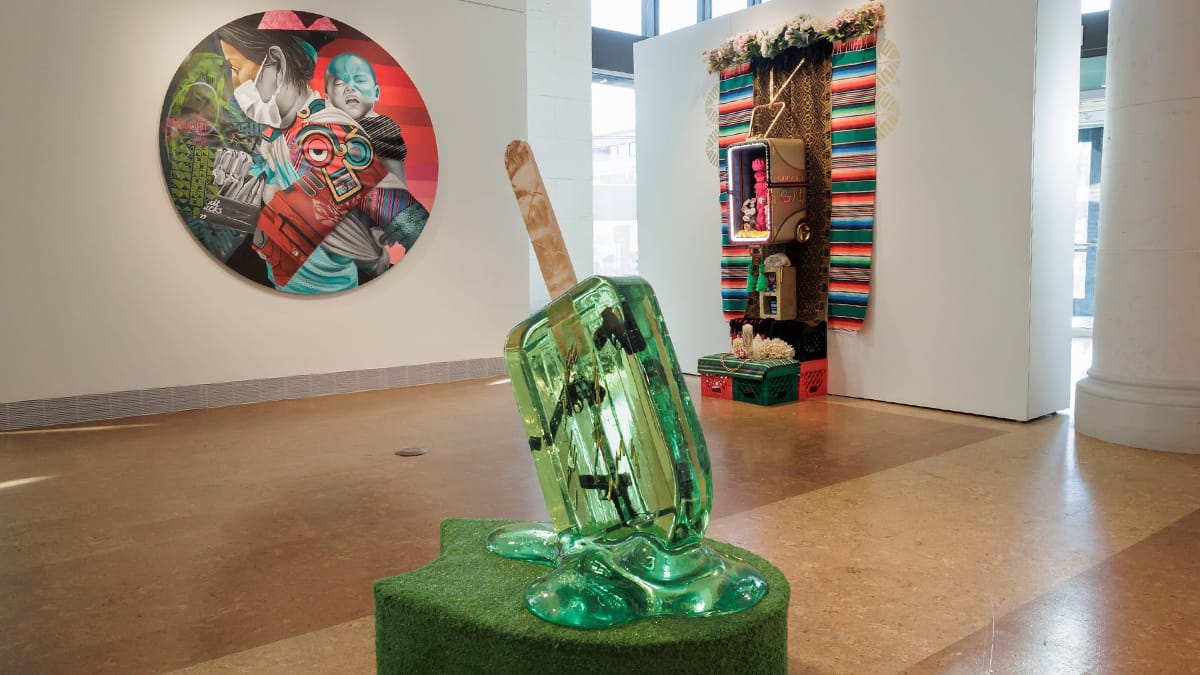
- Graduate students at the University of North Texas have withdrawn their thesis shows in solidarity with Victor “Marka27” Quiñonez, whose exhibition with artworks critical of ICE was abruptly shuttered by the school last week.
- The foundation of artist Gilbert Baker, who designed the Pride flag in 1978, is suing the Trump administration for ordering the flag's removal from Stonewall National Monument, among other interventions at national parks.
- A federal judge orders the Trump administration to restore historical slavery exhibits at Philadelphia's President’s House site, citing George Orwell’s 1984 in the ruling against their removal.
- The British Museum acknowledges that it has updated certain displays in its Middle East Galleries with terms such as “Canaan,” amid news reports accusing the institution of erasing Palestinian history.
- After months of protests, Brooklyn Navy Yard evicted a drone manufacturer that contracts with Customs and Border Patrol, the Israeli military, and an Israeli weapons manufacturer.
Member Event
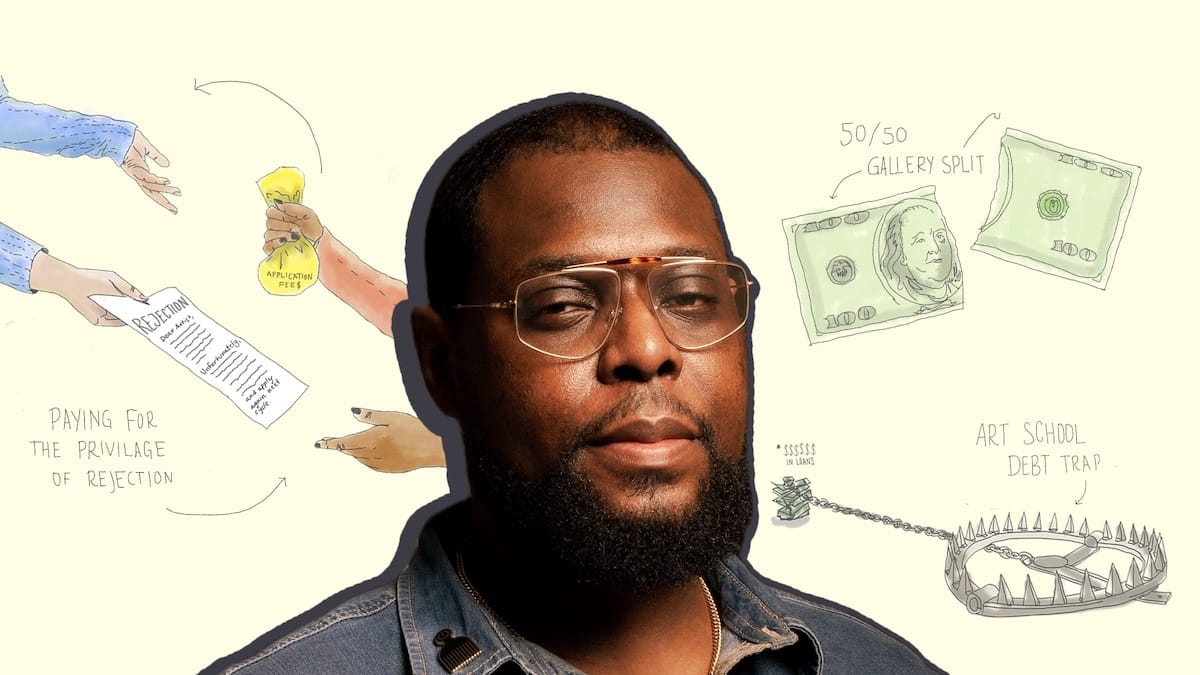
Keeping a Critical Eye on the Art World With Damien Davis
Damien Davis, whose incisive writing for Hyperallergic probes longstanding power imbalances in the art world, joins Editor-in-Chief Hakim Bishara for an online conversation on March 2. Become a member today to join.
From Our Critics
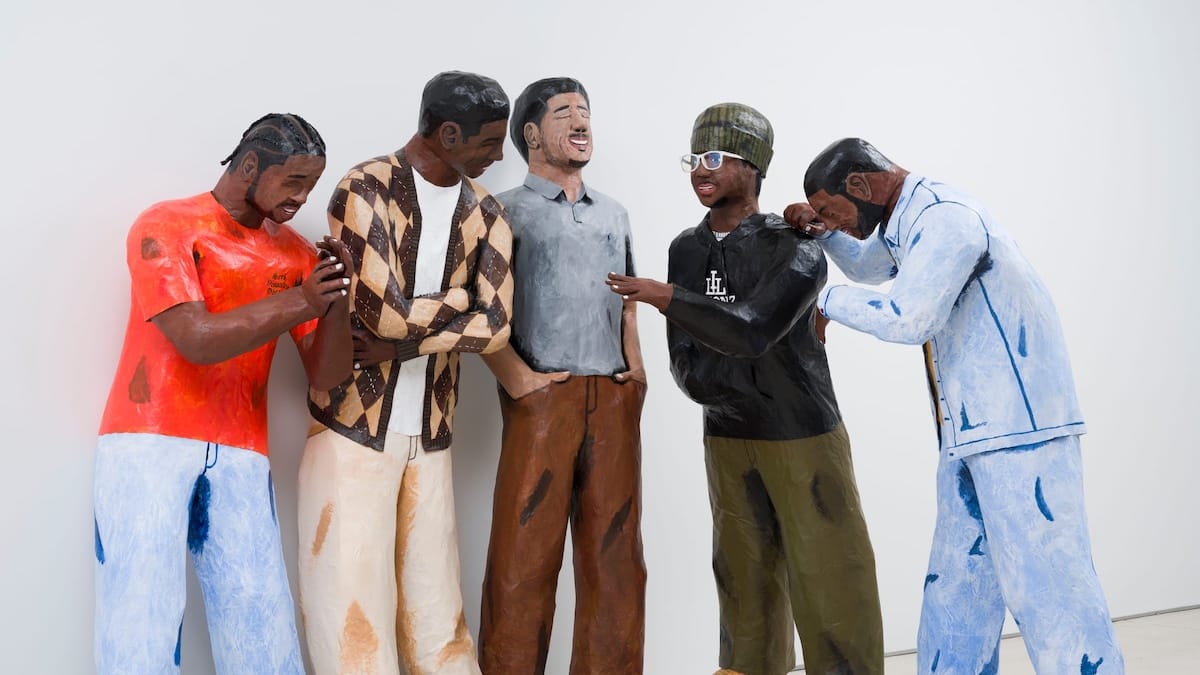
We Must Do More Than Simply Depict Our Lives
The best work in the Bronx Museum’s biennial indicates aspirations beyond this time and place. | Seph Rodney
The Self-Invention of Helene Schjerfbeck
The Finnish artist’s first major exhibition in the US is a moving and harrowing document of her growth, as well as the psychic and physical ravages of aging. | Bridget Quinn
How White Elites Drained Ancient Art of Its Color
The publication of “Chroma” represents an important shift by museums toward recognizing polychromy and its entanglement with white supremacy. | Sarah Bond
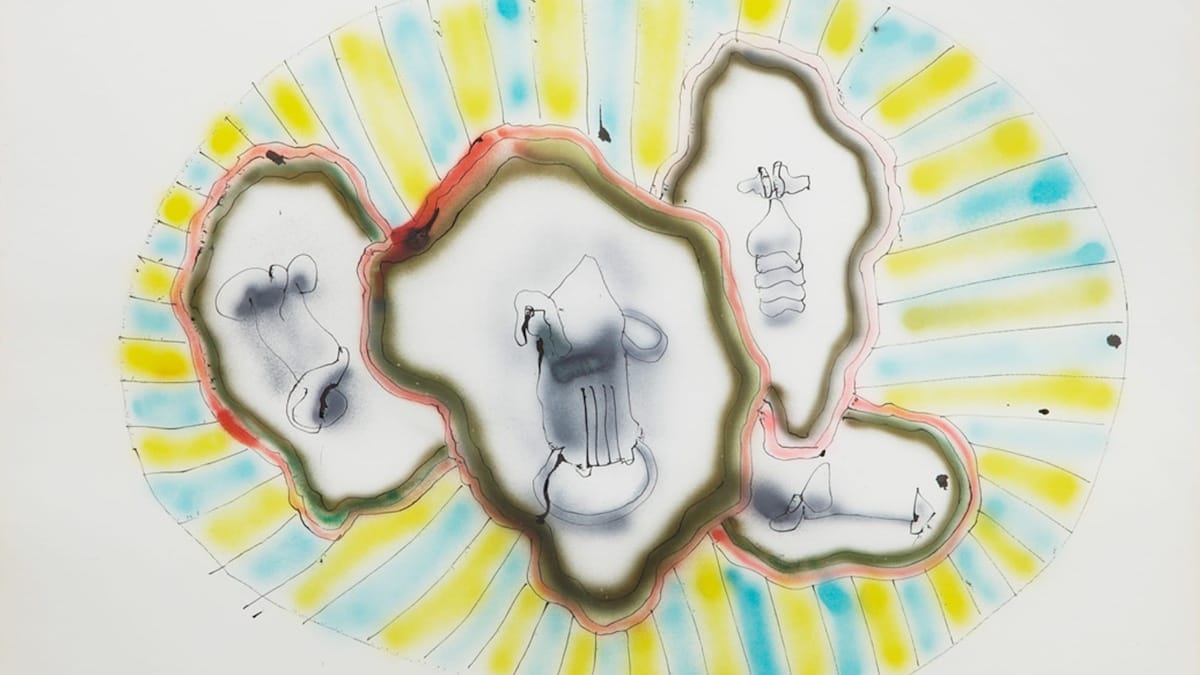
John Altoon’s Fever Dream Drawings
After a stint in 1950s New York, the LA-based artist abandoned abstraction and painting in favor of dreamlike, sexually charged drawings. | John Yau
The Shapeshifting Sculpture of Diane Simpson
From one angle, her sculptural constructions appear deep, but from another flat; here they look angled, there not. | Lori Waxman
Marigold Santos Takes Root
She uses epiphytes — plants that grow on other plants without harming them — as a framework for the expansive ways diasporas form. | Neil Price
Also On View
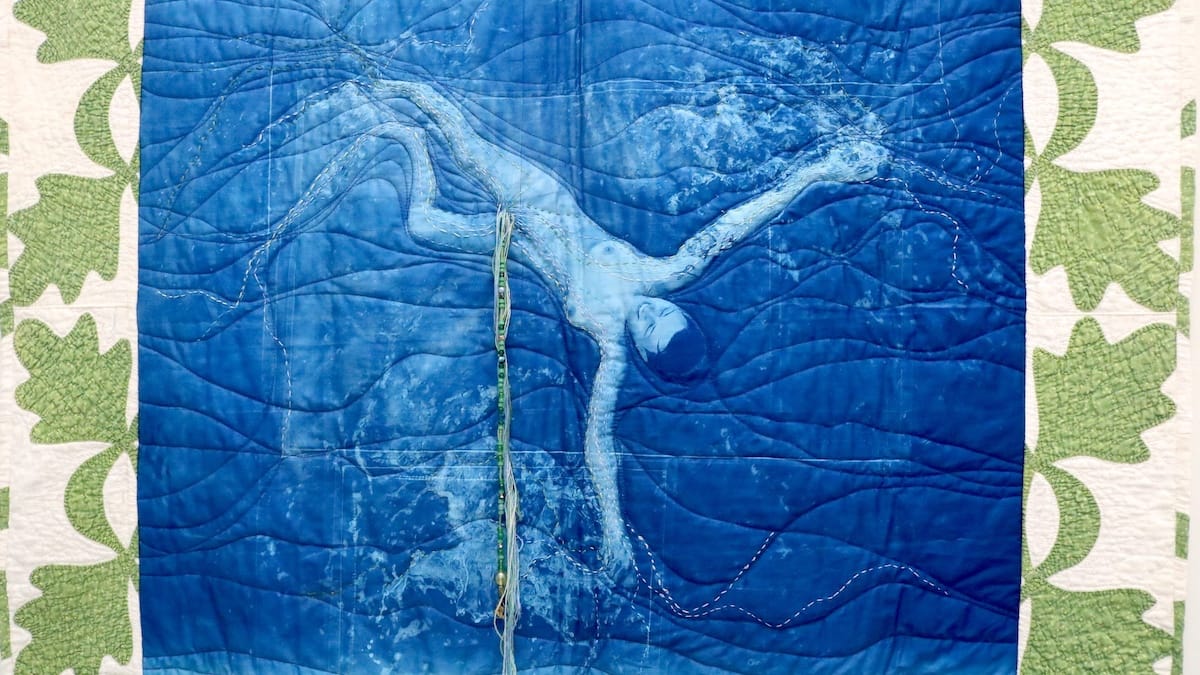
Plunging Into Bex McCharen’s Trans Queer Atlantic
Through oceanic quilts and photographs, the artist transforms Miami’s waters into a site of refuge, memory, and belonging. | Alexandra Martinez
Queer Arab Artists on Their Own Terms
Across two galleries in Manhattan, eight artists and collectives flout the weaponization of their identities to justify violence, instead presenting a vision of belonging and reclaimed lineages. | Rhea Nayyar
Step Into the World of Studio Ghibli’s “Ponyo”
A new exhibition at the Academy Museum in Los Angeles conveys the film’s whimsy and wonder through interactive elements. | Matt Stromberg
Opinion
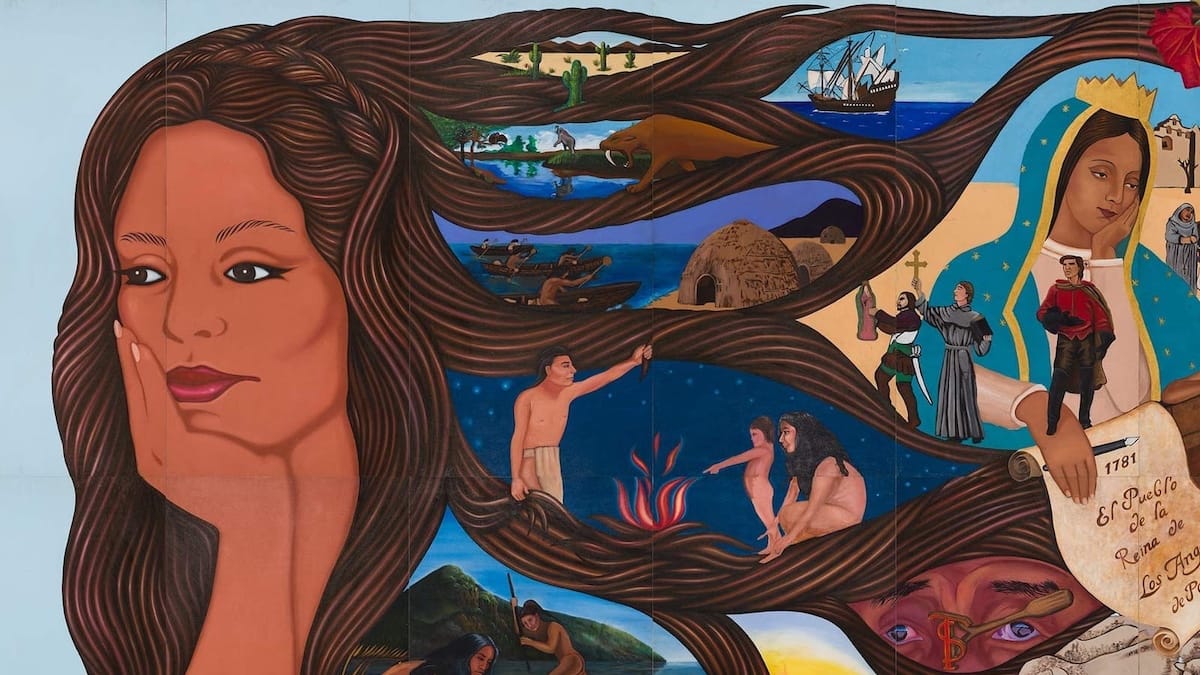
LA’s Art Scene Is Not a New York Outpost
Artist-run spaces represent the heart of Los Angeles’s art scene, yet most people still see the city’s identity as tied to the market — one that’s increasingly influenced by the East Coast. | Renée Reizman
All About Love From a Black Medieval Angel
A rare manuscript illustration casts Blackness not as a mirror of sin, but the ground from which love itself might take shape. | Denva Gallant
The Sticky Politics of Wall Texts
I never thought I would become an art critic who complains about exhibition didactics. And yet, after a visit to the 36th Bienal de São Paulo, here I am. | Aruna D’Souza
Community
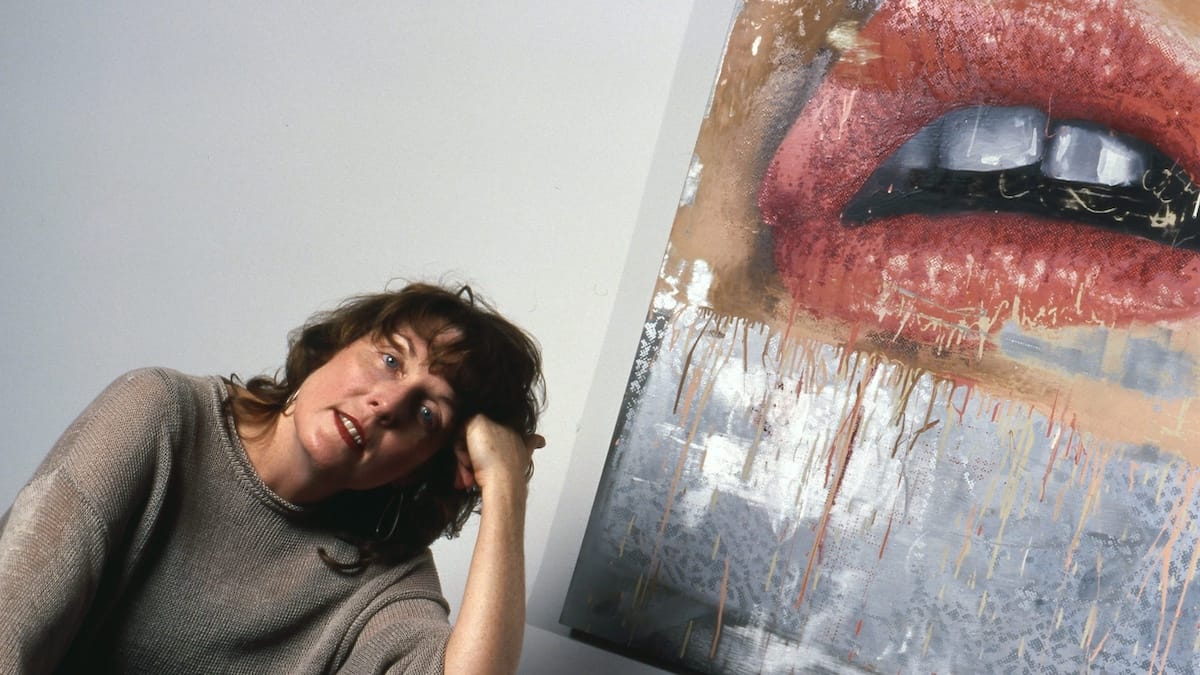
Art Movements: Marilyn Minter Wins Again
The feminist artist received an international award from Anderson Ranch. Plus, new top staff at university museums, and the V&A goes to the zoo.
Remembering Henrike Naumann, LaMonte McLemore, and Frederick Wiseman
This week, we honor Germany’s representative at the Venice Biennale, a singer and photographer, and a documentarian of the lives of institutions.
A View From the Easel
James Horner explores the visual language of binding at his studio in the Bronx, New York, while Ingrid Hernández practices photography at hers in Tijuana, México. Your studio could be next!
Required Reading
Movie poster art, the typist behind Henry James’s novels, Gisèle Pelicot’s new memoir, indie rock in “Heated Rivalry,” and are we in an arts and crafts renaissance?
Opportunities This Month
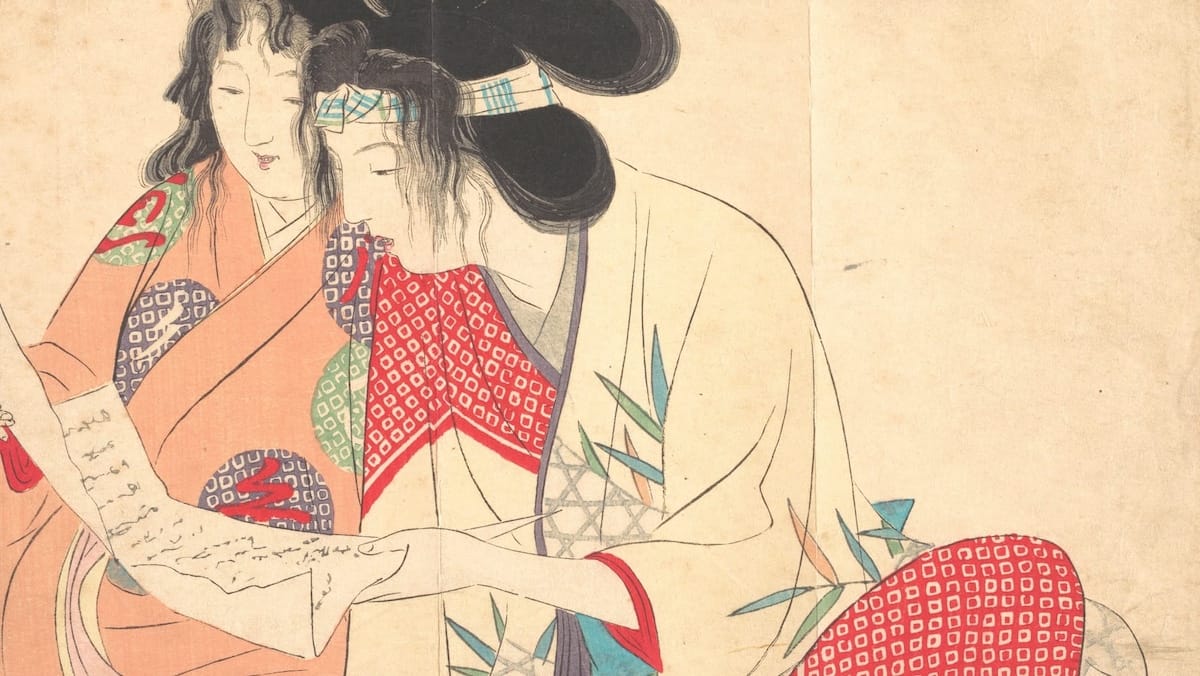
Residencies, fellowships, grants, open calls, and jobs from the Helen Frankenthaler Foundation, the Rubin Museum, and more in our February 2026 list of opportunities for artists, writers, and art workers.