The Met Museum's Staff Have Some Thoughts About the Art
A new book gathers essays by the museum’s curators, researchers, librarians, and conservators on everything from Renaissance portraiture to the work of Wendy Red Star.

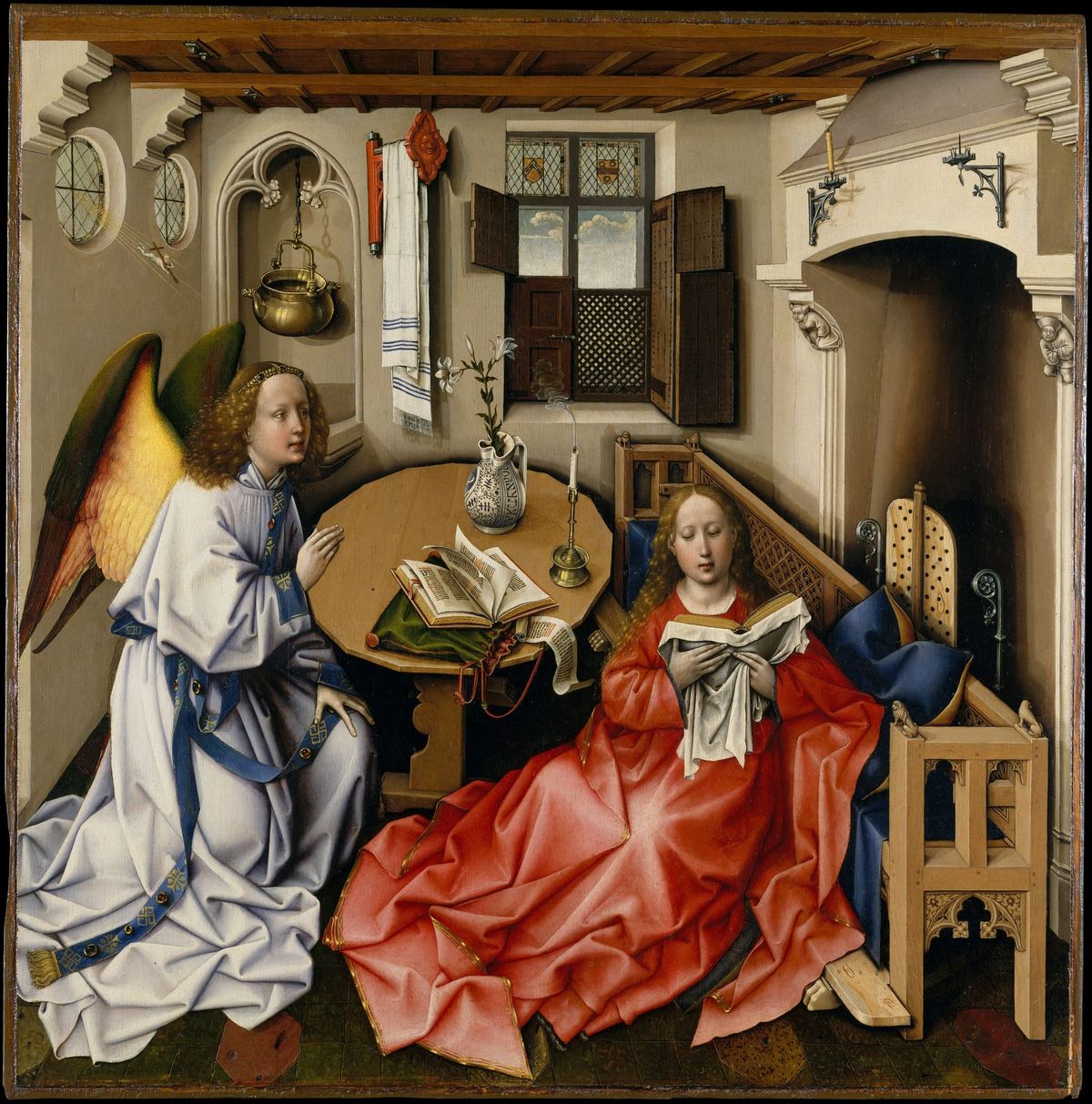
“It is that miraculous connection between artist and subject, the self and the world beyond, that is the fever dream of all great art,” Dale Tucker, the Metropolitan Museum of Art’s senior editor, writes in Points of View: 100 Connections to Art. Composed of short essays written by The Met’s staff, the compendium zeroes in on 100 objects in the museum’s permanent collection, offering new perspectives on artworks through five themes: “Relationships,” “Self,” “Politics,” “Spirituality,” and “Environment.”
Edited by The Met’s CEO and director, Max Hollein, and published last month, Points of View is the museum’s first publication to encourage dialogue across its various professional departments. Each essay positions one of the 29 contributors — whether a curator, producer, librarian, educator, or conservator — as a guide into the anecdotes, discourses, and histories surrounding particular works.
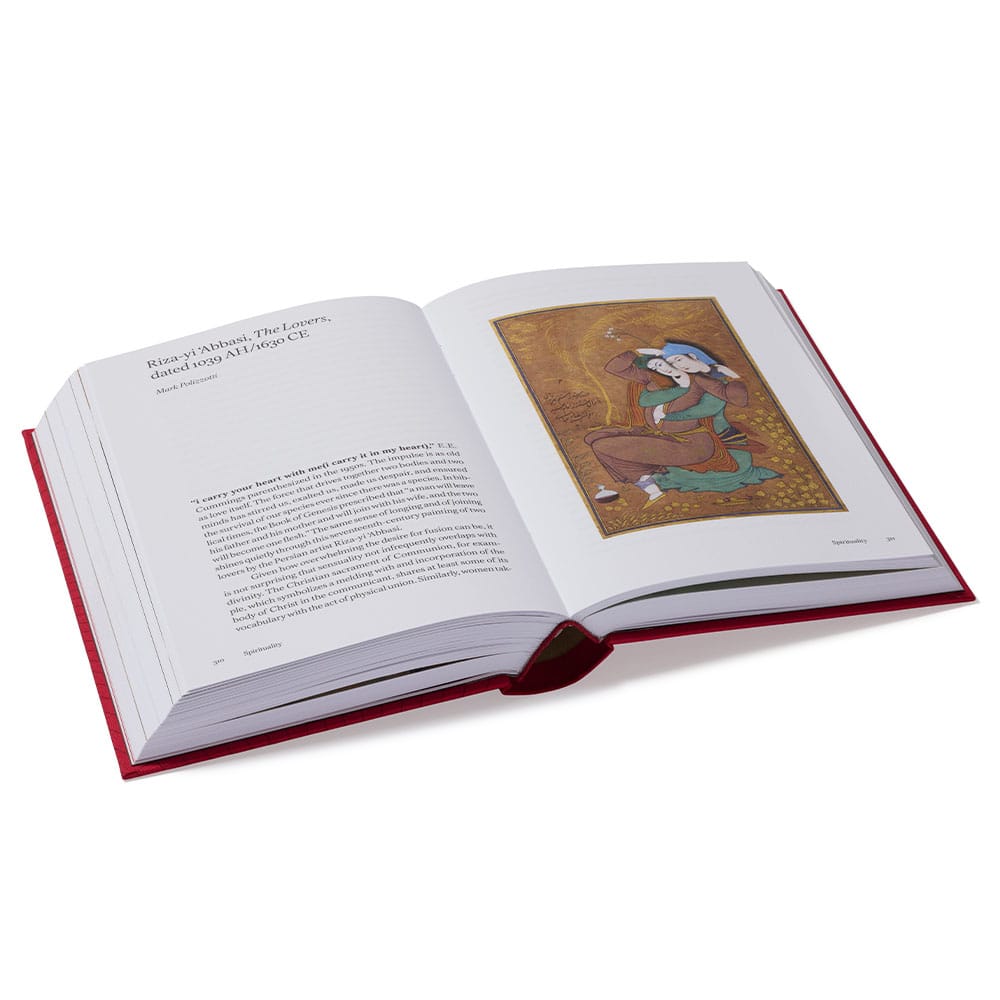
In the book’s preface, Hollein gestures towards The Met’s larger endeavor to “understand other cultures and other eras” through a collaborative model. The 488-page book aptly begins with “Relationships,” where essayists explore interpersonal human connections in artworks such as Greek funerary vessels, modernist sculptures, and Renaissance portraiture. Laura Corey, an associate research curator and project manager for the director’s office, writes about Joan Mitchell’s abstract painting “La Vie en Rose” (1979) in connection with Fleetwood Mac’s 1977 song “Silver Springs.”
“We chose the theme of ‘connections’ to share both personal and unexpected perspectives on art, and to think about the many roles objects play in our world, past and present,” Corey told Hyperallergic. “I never expected to have the opportunity to write about Fleetwood Mac in a Met publication.”
In the subsequent four chapters, relationships take on different hues — between people, cultures, governments, the divine, and the natural world. In “Self,” Digital Managing Director and Producer Christopher Alessandrini examines Leonora Carrington’s “Self-Portrait” (c. 1937–38) through mentions of the British-Mexican artist’s eclectic hobbies and career, writing, “She is regal yet plain, ancient and virginal, stark and auratic like the Oracle of Delphi.”
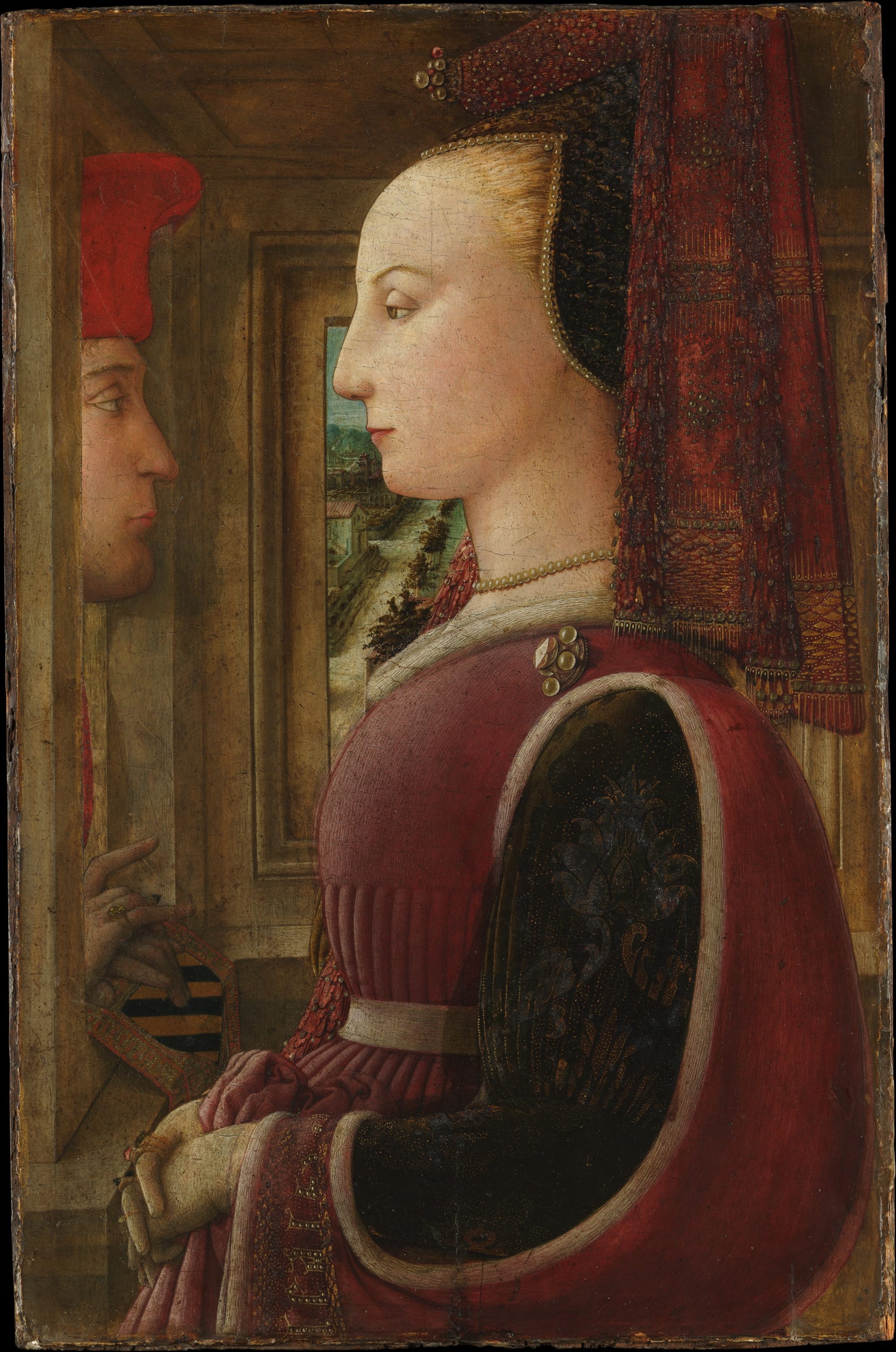
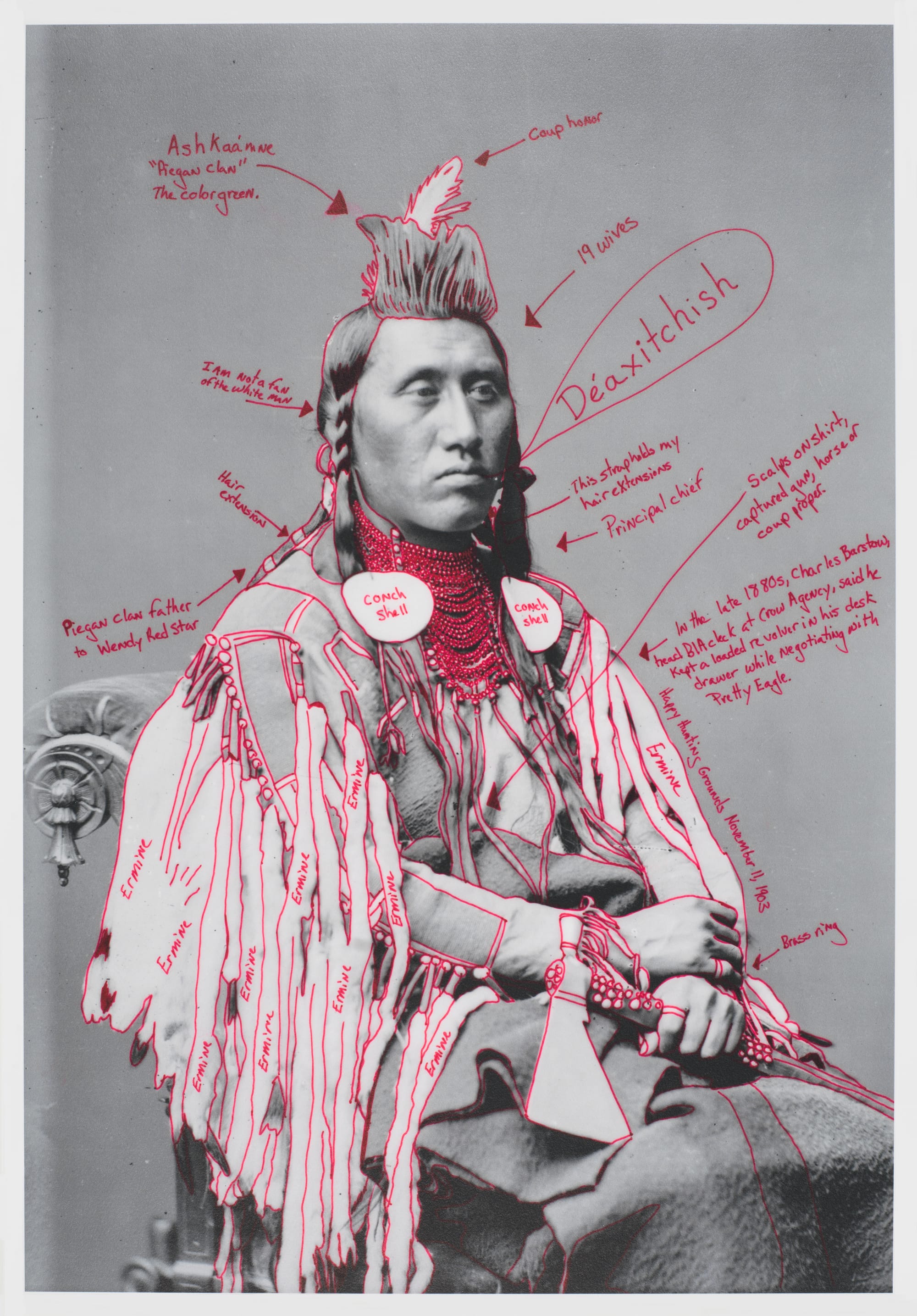
Left: Fra Filippo Lippi, “Portrait of a Woman with a Man at a Casement” (c. 1440) (image public domain via The Met); right: Wendy Red Star, “Déaxitchish / Pretty Eagle from 1880 Crow Peace Delegation” (2014) (© the artist; image courtesy The Met)
Objects in “Politics,” including an Incan tunic and a Sri Lankan casket, show complex expressions of power, diplomacy, and censorship. In the “Spirituality” chapter, writers, including American Decorative Arts Curator and Manager Medill Higgins Harvey, navigate artistic representations of the divine in details like the “striated interlaced scrolls carved into the smooth red surface” of a 14th-century Chinese incense box. And the book’s final chapter, “Environment,” returns readers to Earth through writers’ historical and modern meditations on the natural world, as relayed by their chosen objects of study.
To create a broader perspective on the 100 artworks, the book’s contributors often write about objects outside their area of expertise. Thus, a curator of European paintings reflects on an ancient Mesopotamian sculpture; a researcher of Islamic art ponders a bust from a German-Austrian sculptor; and a managing editor is reminded of his own experiences in a municipal office when looking at George Tooker’s “Government Bureau” (1956).
Even within each essay, the writers often navigate multiple fields of study, leveraging interdisciplinary research to generate new perspectives on works both long studied and long overdue for scholarly attention. When writing about Marsden Hartley’s “Portrait of a German Officer” (1914), for instance, Corey moves away from the decades-long focus on the painting’s abstraction and political undercurrents, and instead revisits the artwork “as a coded message of queer love.”
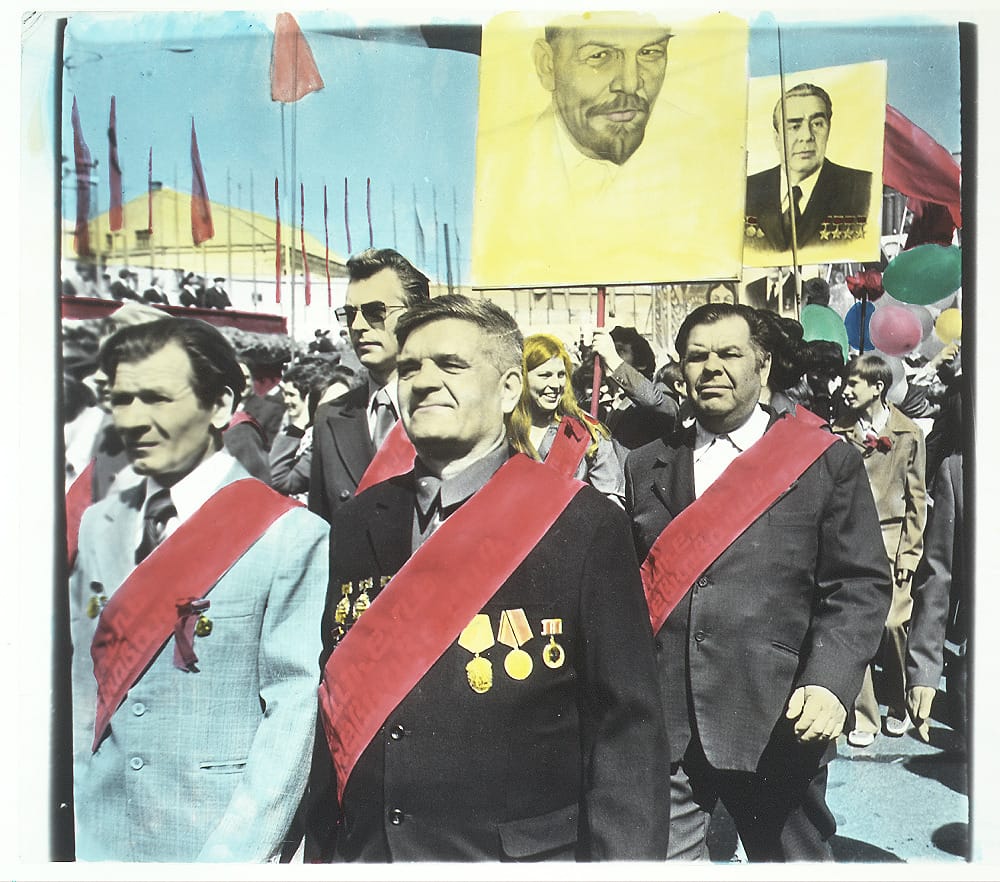
The featured objects, which range from the iconic “Temple of Dendur” (10 BCE) to Isamu Noguchi’s “Radio Nurse” (1937), also do not adhere to any one medium, style, culture, or era. Nevertheless, each contributor tailors their essays to an artwork’s context, whether that be Ukrainian artist Boris Mikhailov’s print “[May Day Parade]” (1975), Persian artist Riza-yi 'Abbasi’s painting “The Lovers” (1630 CE), or Apsáalooke artist Wendy Red Star’s ultra-contemporary digital reproductions.
When writing about Tavares Strachan’s funerary urn, “ENOCH” (2015–17), Andrea Myers Achi, curator of Byzantine art at The Met, connects the recent artwork memorializing the life and tragic death of Robert Henry Lawrence Jr., the first African American astronaut to be selected into a US space program, to Ancient Egyptian sculpture. She calls it “a charged commentary on absence, memory, and reclamation.”
Since starting at The Met as an intern in 2014, Achi found new perspectives on artworks through interdepartmental discussions and exchanges. In her essay, she aims to replicate that experience for readers.
“So many of the ideas in my essays came from spending time in the galleries and from talking with colleagues who work on everything from ancient art to contemporary art,” Achi told Hyperallergic.