The Women Who Were More Than Just Picasso’s Loves
Sue Roe explores the agency and victories her subjects experienced as women who, we are repeatedly reminded, ardently loved Picasso.

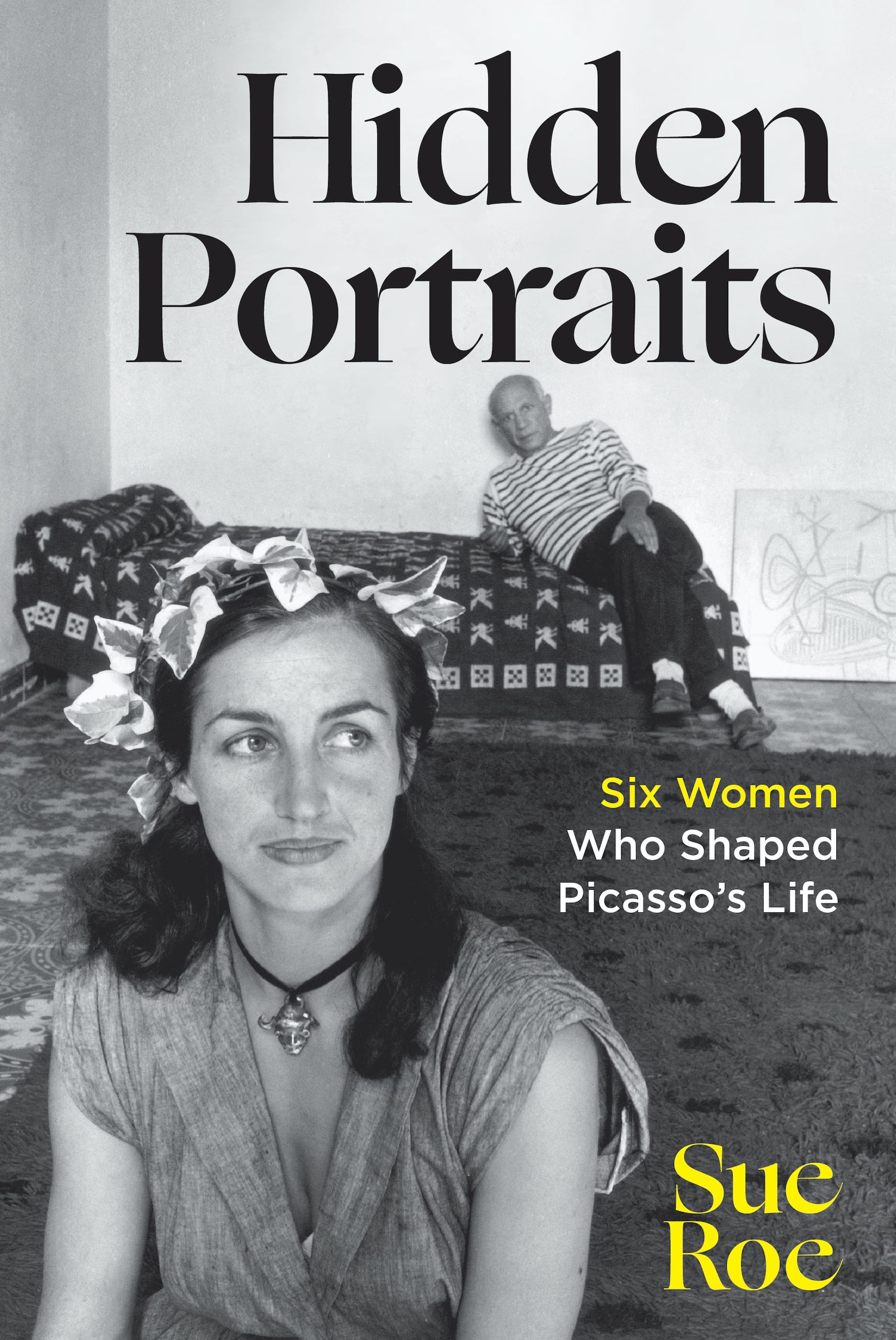
It’s revealing that the title of Sue Roe’s newest book, Hidden Portraits: Six Women Who Shaped Picasso’s Life, names not the women it is ostensibly about, but the one man whose life they supposedly “shaped.” Similarly, while its cover features a fabulous Robert Doisneau photograph of one of these six women, artist Françoise Gilot, behind her lurks Pablo Picasso, unmistakable in his trademark Breton striped shirt, lounging on a daybed. Her eyes look up in his direction and so ours follow. While she is center stage, he is the one who claims our gaze. And speaking of claiming, Gilot wears a leafy crown in Doisneau’s photo, like many a muse in art before her, and hanging from a close-fitting black band around her neck is a large pendant of a bull’s head, the animal that frequently, even obsessively, appears in Picasso’s work throughout his lifetime. It’s all an old story, dressed up for their time, and now ours.
Has any 20th-century artist been written about more than Picasso? Considering John Richardson’s exhaustive four-volume biography, and countless other books, articles, reviews, movies, exhibition catalogs, and whatever else, likely not. And yet, as Roe notes at the outset of her introduction, “Hidden Portraits is the first book in English to tell the story of all six significant women in Picasso’s life.” Those women were, by the way: Fernande Olivier, Olga Khokhlova, Marie-Thérèse Walter, Dora Maar, Françoise Gilot, and Jacqueline Roque.
As the “first book in English” to recount their lives (according to the author), Roe’s is a more-than-welcome addition to Picasso-land, though with the caveat that two of those women, Olivier and Gilot, wrote their own stories, which have been translated into English. It’s worth noting that Olivier’s was suppressed by Picasso during her lifetime, and after Gilot succeeded in publishing hers, Picasso refused to see their two children for the rest of his life. But none of this should come as a surprise. Picasso’s cruelty has long been subjected to examination and approbation. See Claire Dederer’s 2023 book Monsters: A Fan’s Dilemma, or the 1996 Merchant Ivory film Surviving Picasso, among many other examples.
Roe’s narrative is a very different beast. Extensively researched, she provides vivid accounts of each woman from their childhoods (some of which is previously unknown or little known) through the ends of their lives (often upsetting — Walter and Roque both died by suicide). In this way, Hidden Portraits is a rich, often cinematic examination of significant 20th-century lives. Roe seeks to rescue her subjects from being cast as victims and she explores the agency and victories they experienced as women who, we are repeatedly reminded, ardently loved Picasso. It’s complicated, but somehow not quite complicated enough.
“Of course, all six women sat, at least occasionally, for Picasso,” Roe writes, clarifying that, “What we may for convenience call his portraits are primarily expressions of his encounters with paint.” Similarly, the author’s own portraits of her subjects are not entirely about them either. They are, ultimately, about Picasso himself: the love-bombing creature of conquest and control. He locked Olivier, his first great passion (and the only woman his same age; the others were between 10 and 46 years younger than him), in their apartment when he went out, “so anxious was he to keep her to himself,” and years later, when Gilot left him (the only woman ever to do so), he allowed, or instructed, that all her things be thrown out — not just her clothing and casual possessions, but her own artwork, art he’d given her, and cherished letters from Matisse. Roe treats all of it with a dispassionate detachment that is somewhat discomforting.
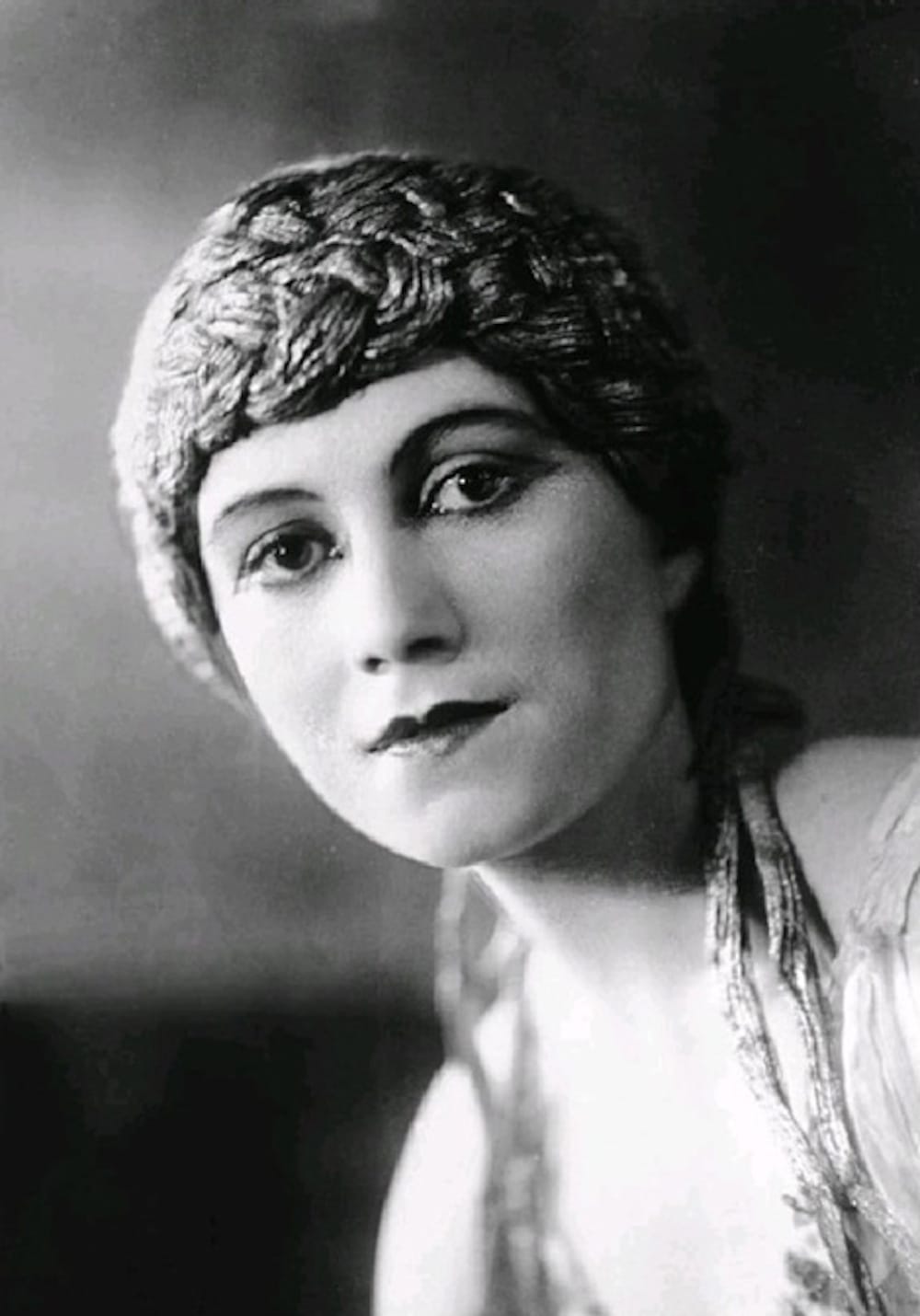
Separate the man from the art, sure. At this point in human history, what choice do we have? But what about the work of the book’s six subjects? Gilot and Maar were artists themselves, Khokhlova a dancer with the esteemed Ballet Russes, and Fernande a writer. What about their own disrupted, even suppressed, work?
Roe’s reserve around her subjects’ struggles can feel disheartening. She ends her book with an appeal that we understand her position as a biographer who can only offer the facts. While she has done a remarkable job of uncovering and expressing them, just facts aren’t really how biography works. The genre is narrative, a story traced through the overwhelming details of a given life, or lives. Roe’s writing about those details is admirable and often incredibly interesting, but too much is left unsaid.
Hidden Portraits: Six Women Who Shaped Picasso's Life by Sue Roe (2025) is published by W. W. Norton & Company and is available online and in bookstores.