Virginia and Leonard Woolf's Hogarth Press Gets an Exhibition of Its Own
They were both writers, and amongst the remarkable fruits of their union was a decision to open a small press, which in time grew into something far from small.

SUSSEX, England — Ouch!
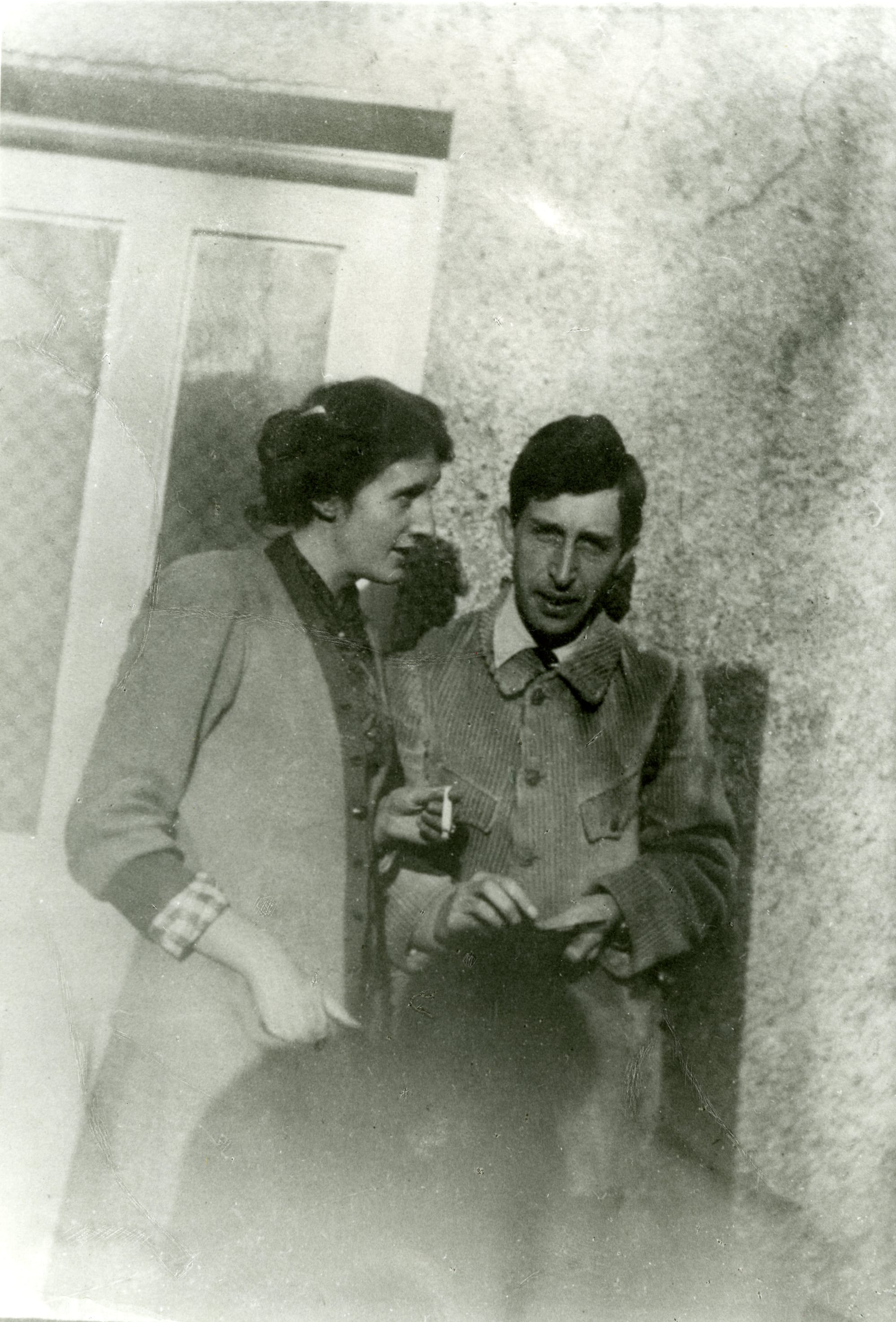
Yes, there’s often a bit of a sting in Virginia Woolf’s comments, even about people of whom she is fond. “I’ve got a confession to make,” she once wrote. “I’m going to marry Leonard Wolf [correct spelling: Woolf]. He’s a penniless Jew. I’m more happy than anyone ever said was possible.” Is that spoken from a great height or not? After all, she was the daughter of the esteemed author Sir Leslie Stephen, hem hem.
“Wolf” and she married. They were both writers. And amongst the remarkable fruits of their union was a decision to open a small press, which in time grew into something far from small.
It was called the Hogarth Press, and an exhibition tells its story in a farmhouse set very much within Woolf country, by which I mean the Firle Estate in Sussex. In 1916 Virginia was out walking on the Downs, a ridge of hills smooth as the nap of a snooker table when seen from below, that runs along that part of the coast of England. She could see it from above: a house that became known as “Charleston.”
It was a former farmhouse with a sheep barn and threshing barn in close attendance. Virginia recommended it to her sister, painter Vanessa Bell, who was looking for somewhere to live. Vanessa was a conscientious objector who had left London to find manual work on a farm — penance for her disobedience to a country at war. She and Duncan Grant bought the place which became their on-and-off home for more than half a century. In time they filled it with many interesting people, artists and writers for the most part, some of whom lived there for a while. They became known as the Bloomsbury Group.
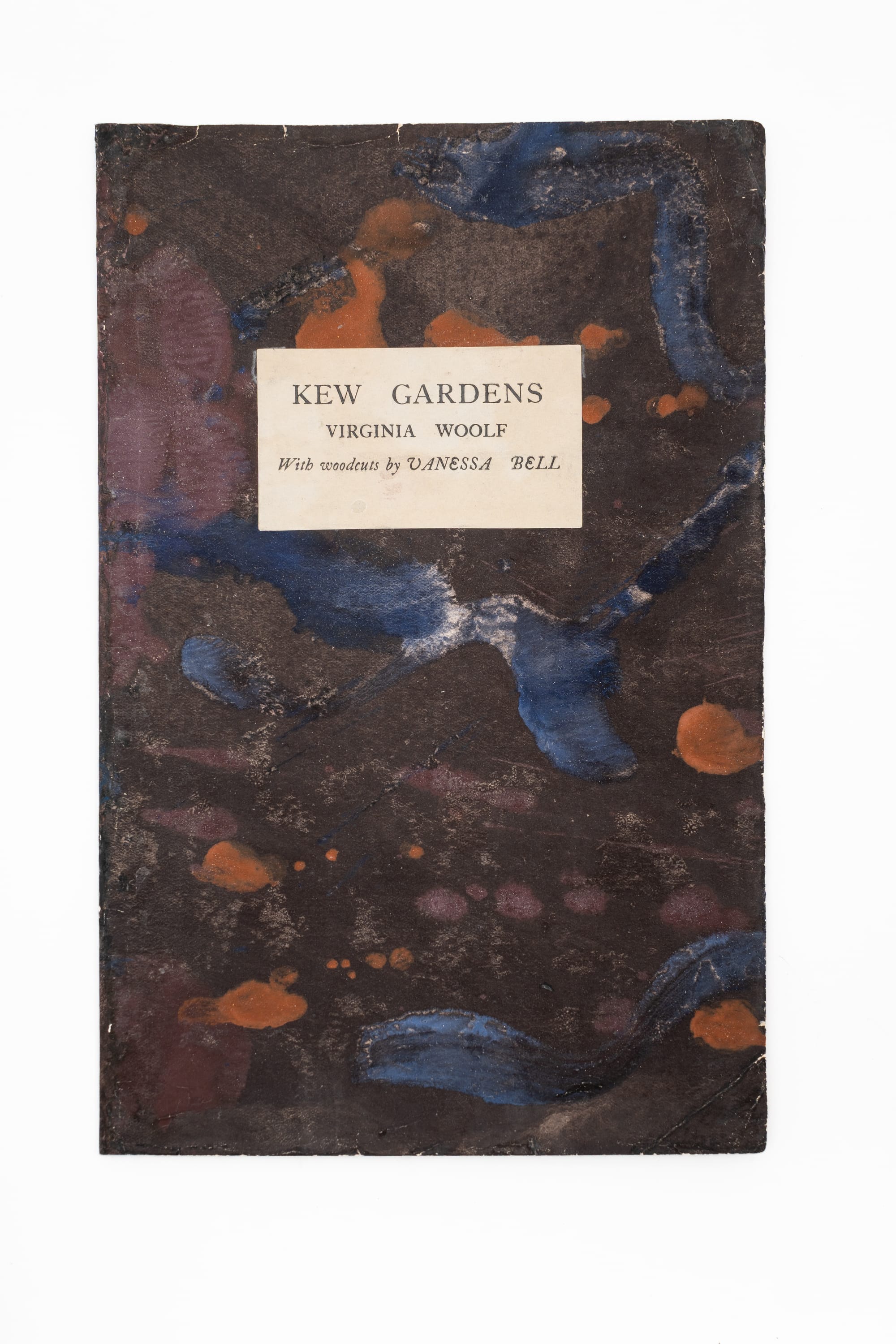
Now, in a building that almost nudges at Charleston’s door, the exhibition puts on display about 200 books, all published by the Hogarth Press, telling the story of the press from its first beginnings in 1917.