We Must Protect South American Rock Art
Given the region’s abundant petroglyphs, why are there so few legal protections and only one World Heritage inscription?

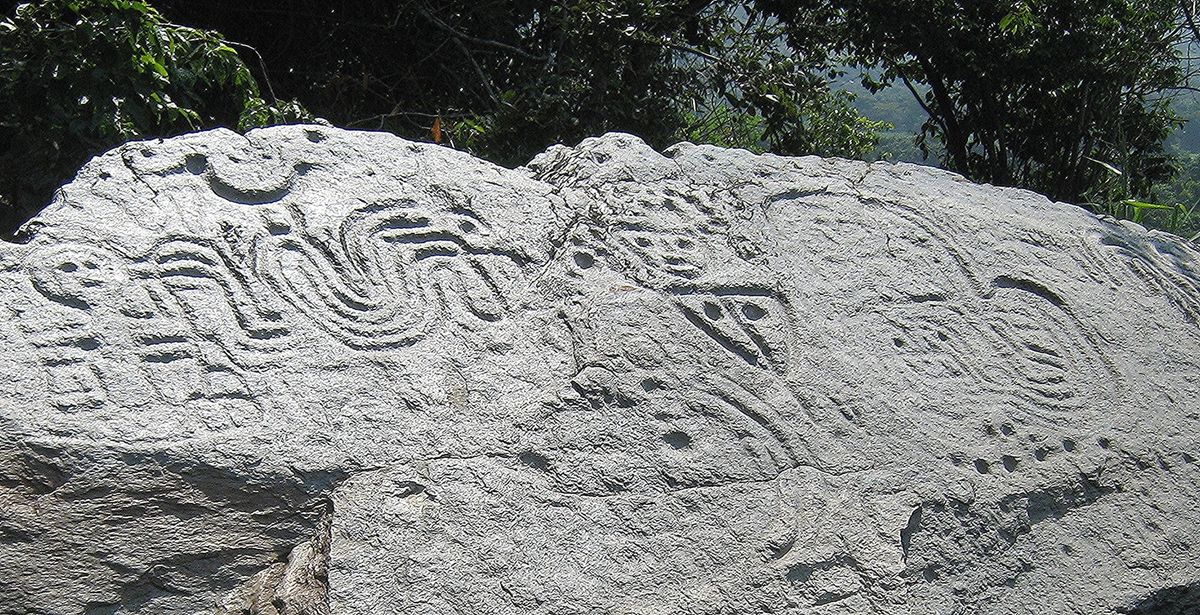
In July, the World Heritage Committee meets in Busan, South Korea, to decide which places will be added to the World Heritage List — and what it will take to safeguard them. As it weighs new inscriptions, the Northern Lowlands of South America face a blunt question: Given the region’s abundant rock art, why are there so few legal protections — and only one World Heritage inscription?
The answer is not ignorance. South American states still carry a 19th-century script of nation-building, shaped by colonial racial hierarchies. The authorized heritage discourse, a term coined by Laurajane Smith, continues to be used to consolidate a single national history and a supposed civilized identity, privileging European legacies and relegating Indigenous and Black cultures to the margins. Heritage is treated as state property and validated only when it is legible to expert dossiers; local meanings and living social functions are sidelined, and borders become fictive cuts that fragment much older connectivities.
As an example, consider the Negro-Orinoco-Lake Valencia corridor, an uninterrupted 1,706-mile (2,745-kilometer) river connection where ecology and culture have been intertwined for millennia. It encompasses the world's largest river capture and blackwater river; vast savannas and tropical forests; ancient flat-topped mountains known as tepuis; and, to the north, Lake Valencia. Also found along this corridor are important rock art landscapes: Tacarigua and Caicara del Orinoco (Venezuela); Atures-Tuparro and Guainía-Casiquiare (Colombia-Venezuela border); and, among others, the Negro-Solimões Confluence (Brazil).
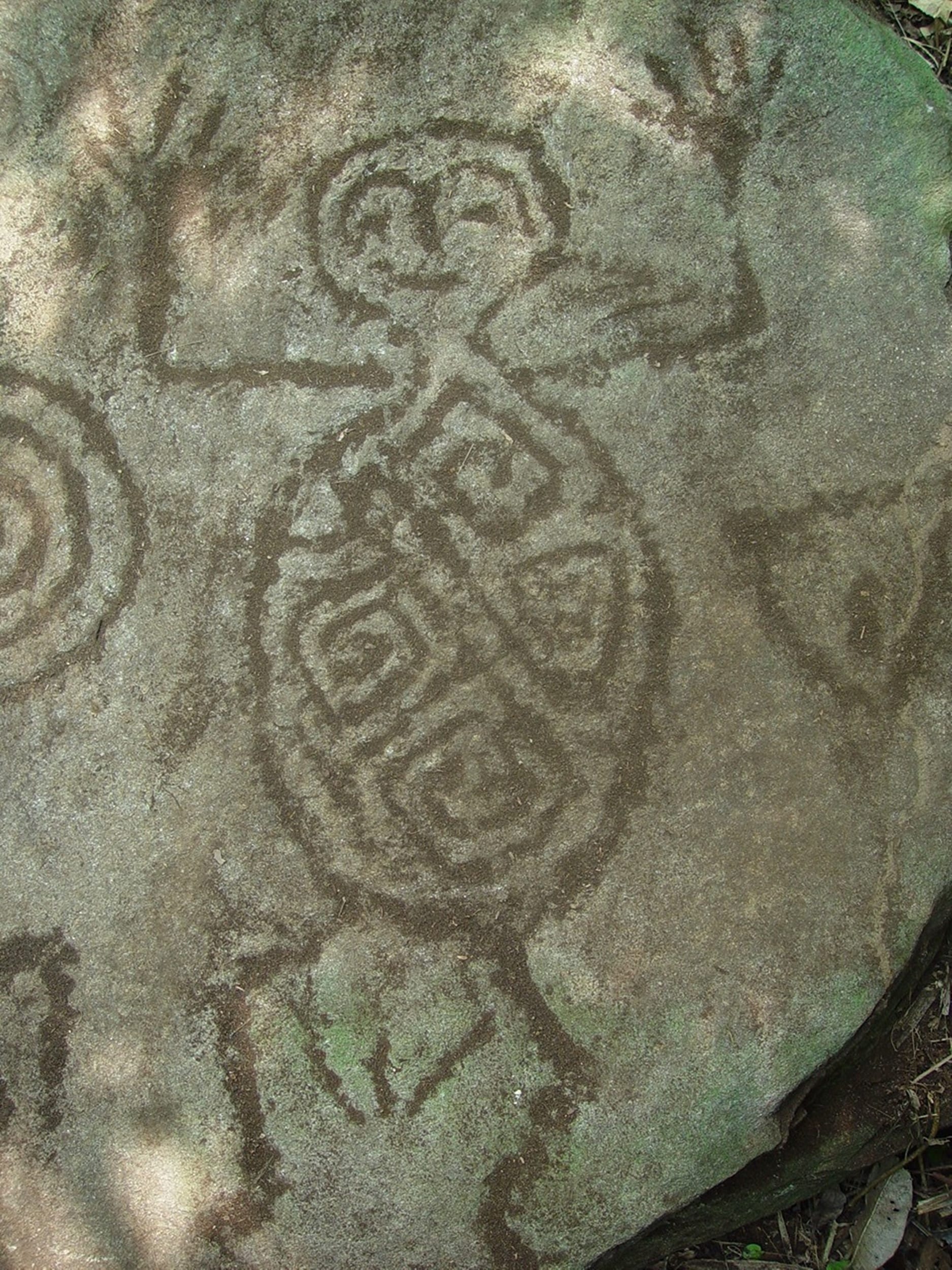
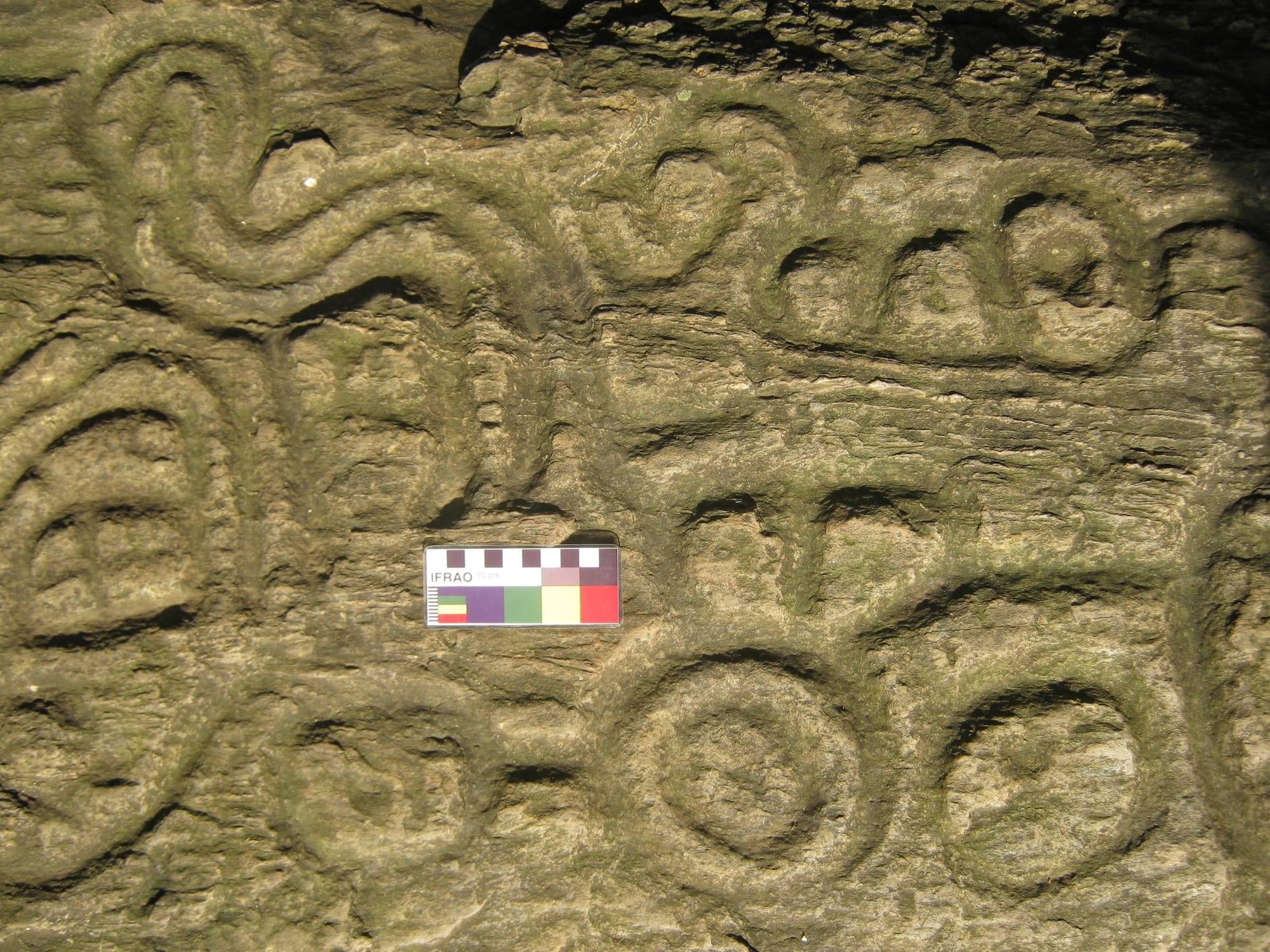
These are not isolated landscapes. Archaeological, linguistic, and ethnohistorical evidence points to long histories of mobility and exchange. Finished goods and raw materials were transported along the corridor, but so were languages, styles, and memories. Within that system, rock art and petroglyphs worked as a technology of emplacement: markings on rapids and confluences where landscape, travel, and oral narration met.
Today, this legacy faces a perfect storm: erosion, shifting water levels, fires, seasonal exposure, vandalism, climate-driven extremes, mining pressures, uncontrolled tourism, and interventions that “open” sites without the capacity to manage them. During the 2023 drought on the Rio Negro, carvings re‑emerged near Manaus as waters dropped — an event that drew attention to the heritage but also showed how quickly exposure becomes risk.
Thinking of the Negro–Orinoco–Lake Valencia corridor as a transnational cultural route could challenge the three states involved. It would require Brazil, Colombia, and Venezuela to treat this heritage not as three national assets but as a shared history and to translate rhetorical governance into real tools: compatible inventories, shared risk maps, conservation standards, public-use protocols, and a framework of ethics and polycentric governance in which communities are decision-makers.
But turning that idea into a World Heritage nomination is a heavy lift — and it won’t happen by July in Busan. Right now, the corridor is a research-based proposal, not a live bid. To become one, Brazil, Colombia, and Venezuela would need to take it up and build a joint dossier that treats nature and culture as one story and delivers measurable benefits with, by, and for the communities that live in these places. Busan isn’t where nominations are filed, but the meeting is a global spotlight on what “protection” looks like in practice. Archaeologist Lynn Meskell has described the World Heritage system as a gridlock, where politics and bureaucracy can turn safeguarding into an obstacle course — especially for countries with lower institutional capacity — and where biases persist that favor European monumentality and technocratic language.
Busan is important because it forces us to consider whether the Negro-Orinoco-Lake Valencia corridor can be treated as an interconnected biocultural landscape. Brazil, Colombia, and Venezuela could translate this shared vision into a joint nomination to the World Heritage List in the Transnational Cultural Route category. This would require a break, both internal and external, with 19th-century approaches to heritage that favor European monumentality and technocratic language.