What Does a Booth Cost at a New York Art Fair?
We asked 13 fairs to open up about booth pricing, and what they shared (and didn't) revealed much about transparency and affordability in the art world.

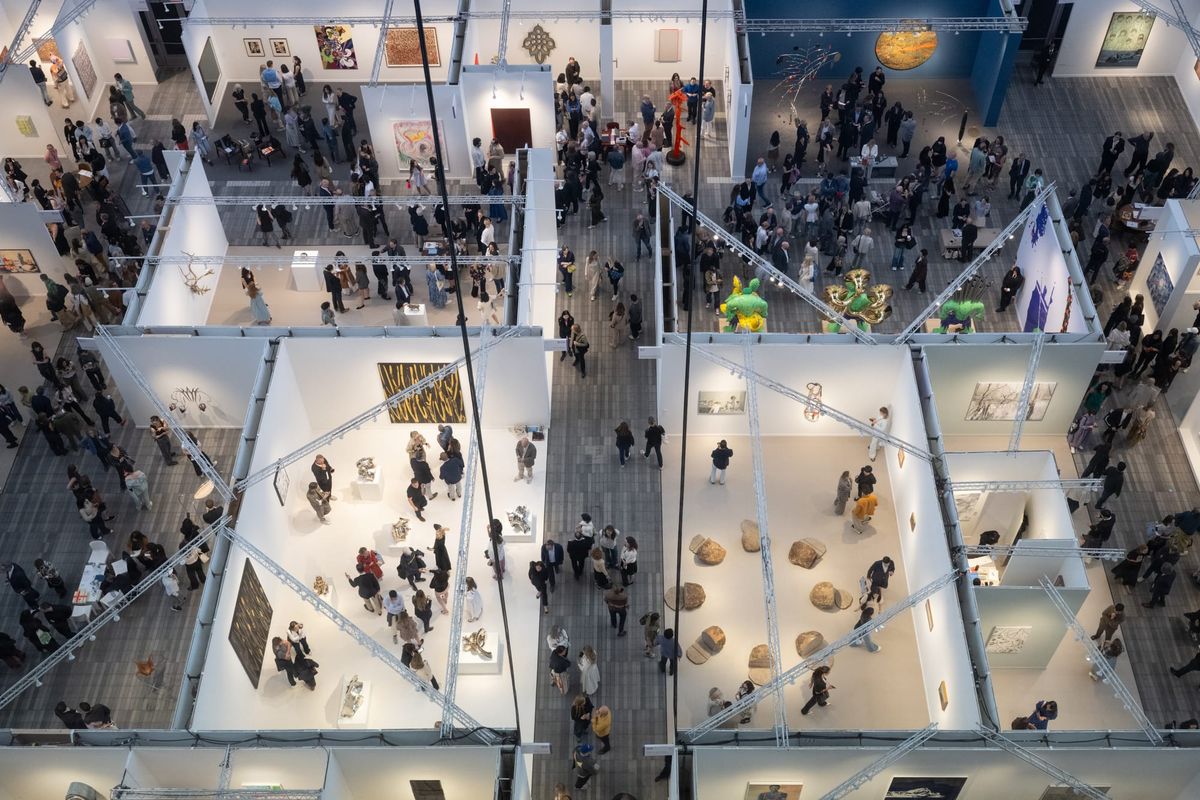
It may have been Shakespeare who said “all the world’s a stage,” but for some in the art world, the most coveted platform is a freshly drywalled booth at an art fair. In New York City, spring fairs are in full throttle, anchored this week by Frieze at The Shed, which kicks off for VIPs today, May 13.
Fairs are where galleries and artists mingle, meet collectors and curators, and, ideally, sell enough work to make it worth the cost. That last point is a delicate calculus for many exhibitors, as booth fees run the gamut from single digits to tens of thousands of dollars. We asked 13 New York art fairs to open up about booth costs, and what they shared (and didn't) revealed much about affordability and the cost-benefit equation for galleries weighing their options in an increasingly tight market.
Booth costs aren't the only factor to consider. There's shipping, installation, and travel expenses, not to mention getting accepted into an art fair to begin with. But the insights below illuminate one aspect of the art world that's still considered taboo in some corners. Read on for a few surprises, including what might be the best deal at a NYC art fair.
Frieze
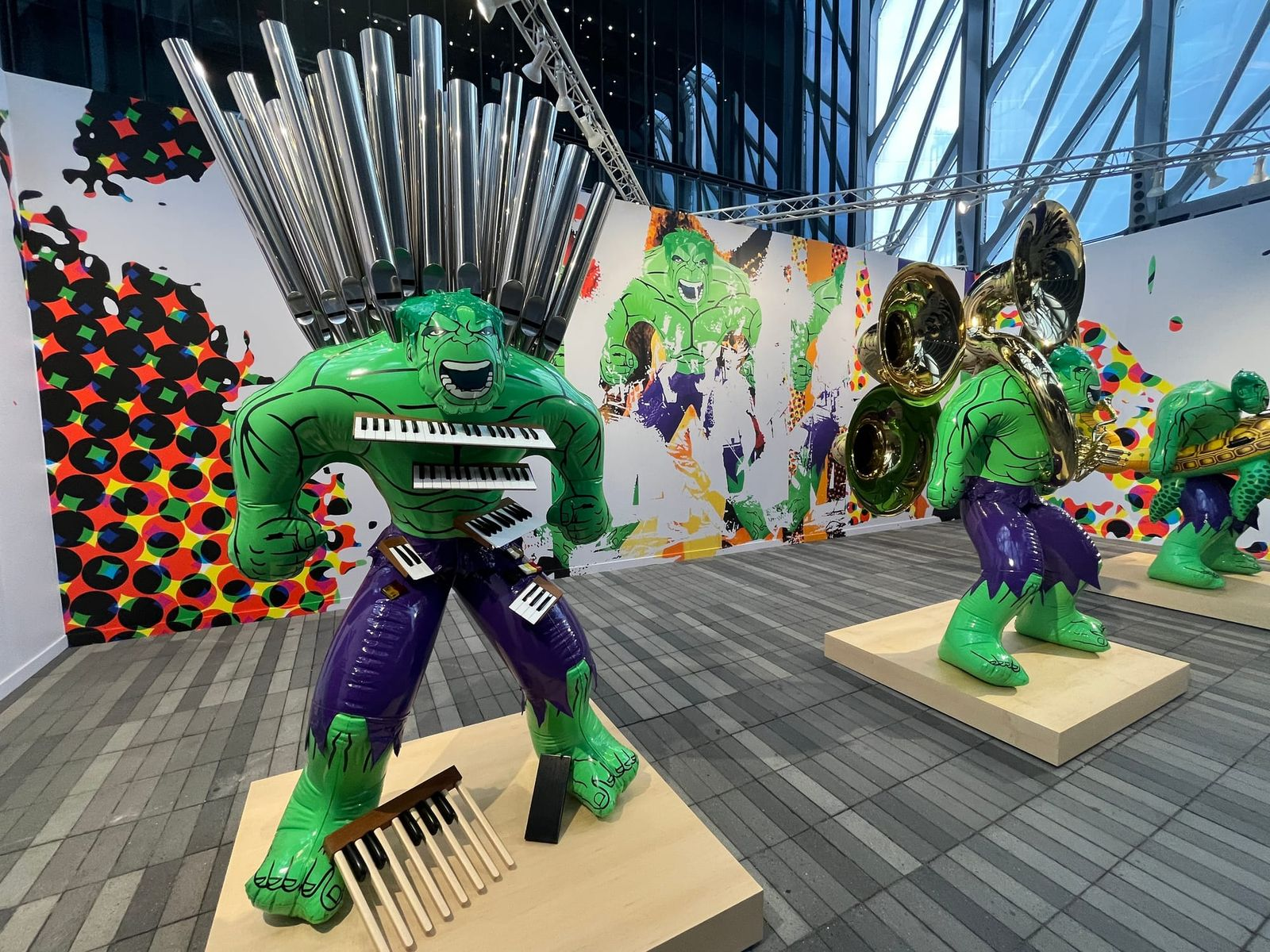
What will a booth set you back at New York City's buzziest spring fair? That depends largely on where on the show floor you want to be. Fees start at $31,977 to $42,669 ($99 per square foot) for a smaller booth in the main section (323 to 431 square feet) and run all the way up to $91,700 to $105,717 ($131 per square foot) for a large booth (700 to 807 square feet). There are more affordable choices in the Focus section, dedicated to younger galleries, where booths range from $11,825 to $14,795 and 215 to 269 square feet (a much more feasible $55 per square foot). A spokesperson for Frieze New York confirmed to Hyperallergic that booth prices for the 2026 edition, opening this week, remain at the 2025 levels. This year's fair will also see the debut of the Sherman Family Foundation Acquisition Fund, a five-year initiative to support artists in the Focus section with two purchases and a $5,000 unrestricted award.
NADA
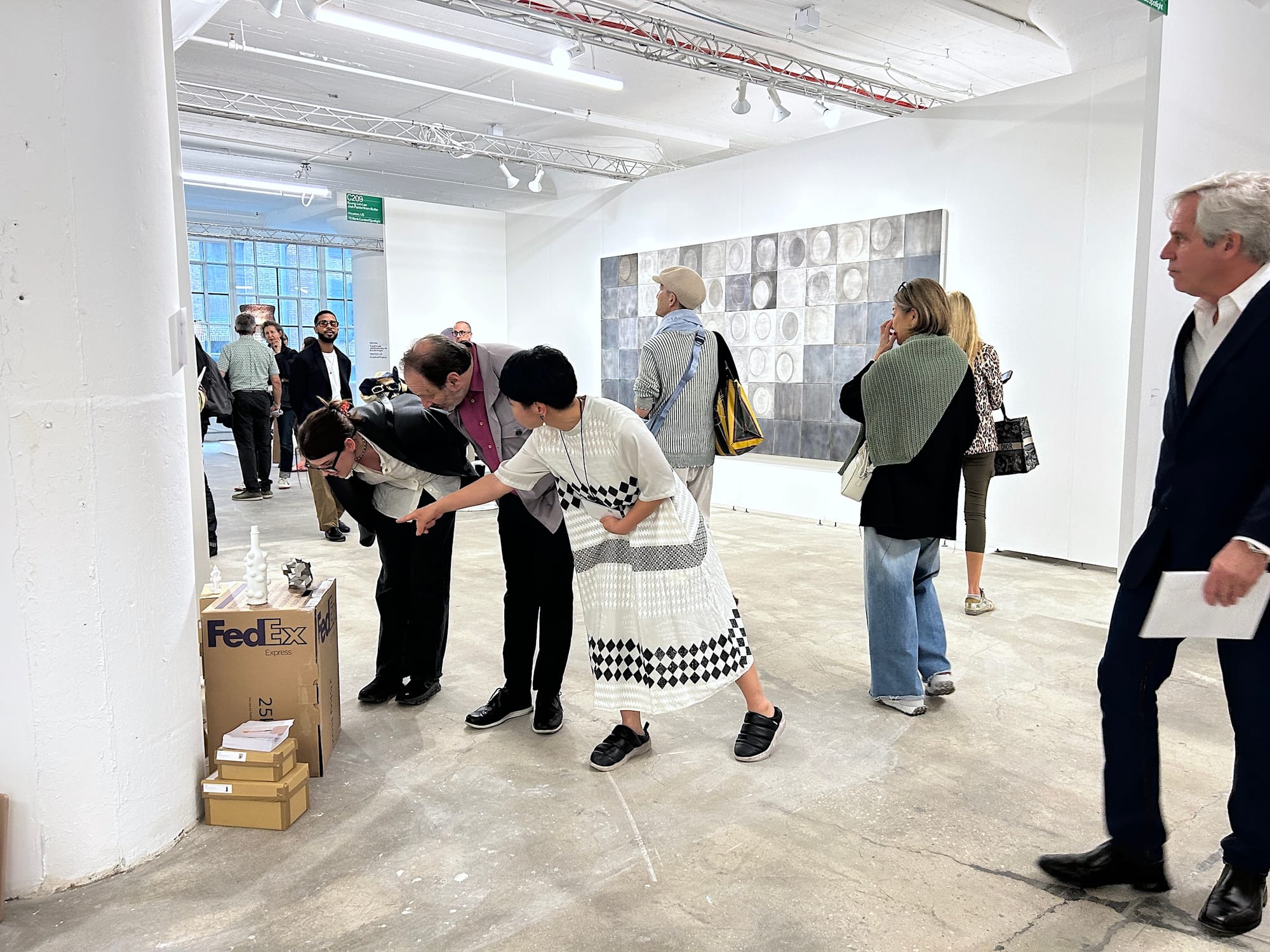
Booths at the New Art Dealers Alliance (NADA) run at $11,000 for 120 to 150 square feet in the Galleries section and $3,500 for the "NADA Projects" tier, sized at 30 to 50 square feet. Organizers told Hyperallergic that prices are based on fair production costs, including venue and contractor fees, and that booth costs have stayed mostly consistent since NADA reintroduced its New York edition in 2022. In particular, NADA Projects, which the fair describes as “an incubator program” that allows galleries to “experiment with fair participation at lower risk,” is one of the best value propositions on this list, considering the fair's respected exhibitor roster and edgy yet market-savvy reputation.
Independent
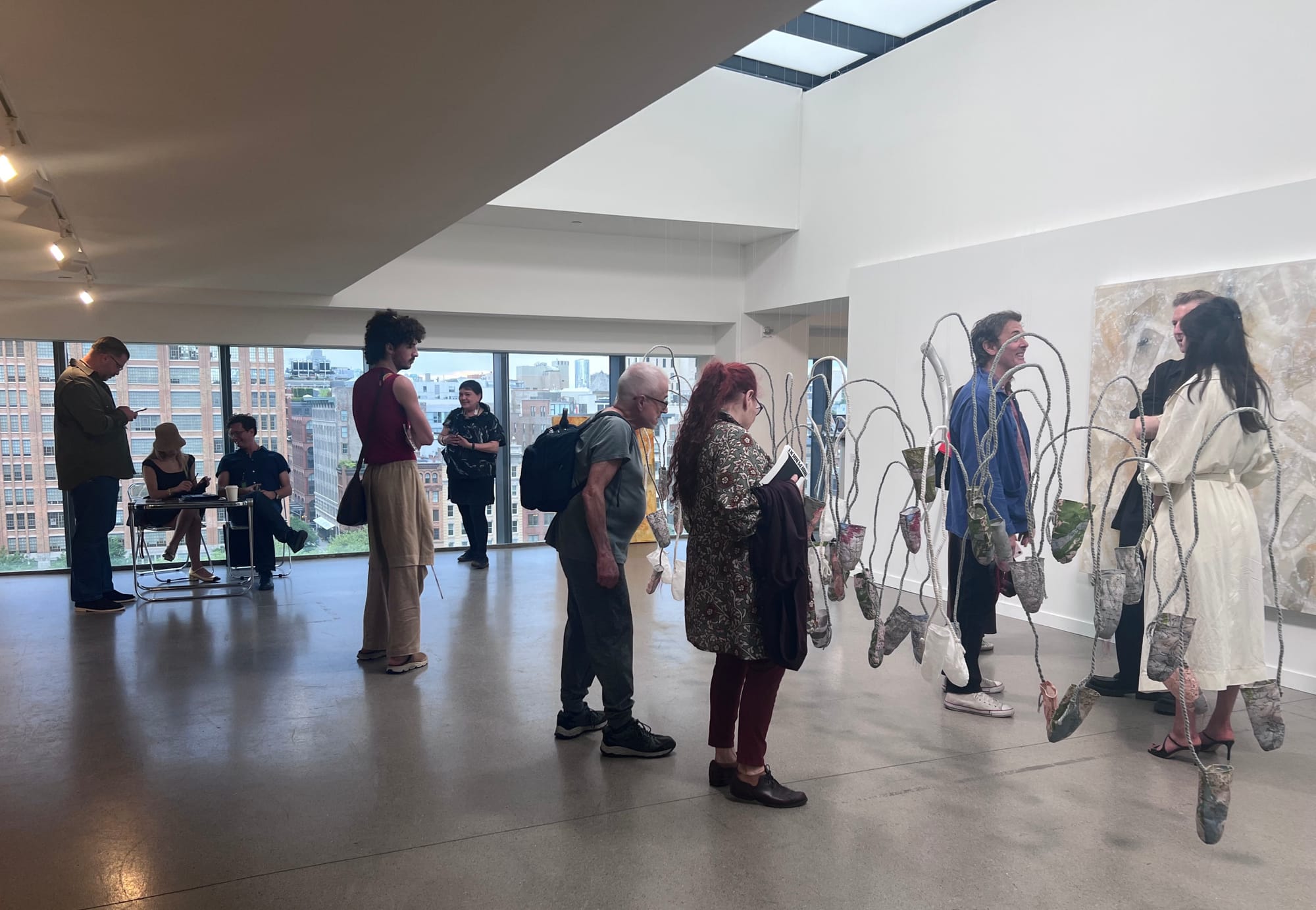
Independent Art Fair, housed at Pier 36 in the Lower East Side, sets its pricing at $110 per square foot. The fair clarified after publication that this is an average, so some booths are more affordable: The highest priced stands are $45,000 and 400 square feet; the lowest priced stands are $7,500 and around 150 square feet. (For comparison, the smallest booth at Frieze runs at $99 per square foot.) It’s worth noting that Independent is partnering with the Henry Street Settlement this year to host the social services nonprofit's annual benefit gala after the Art Dealers Association of America pulled the rug out from under them by scrapping their long-running partnership.
Future Art Fair

At this Chelsea fair, extra-small and “project” booths for nonprofits, artist-run spaces, and galleries younger than five years old start at $3,000, while regular booths scale from 100 to 250 square feet across $9,800 to $15,300. Interestingly, organizers told Hyperallergic that they make a profit from ticket sales and sponsorships, not booth sales. That said, Future Art Fair has always operated a bit differently from its counterparts, founded in 2021 on a signature profit-sharing model that has since evolved to a “pay-it-forward” structure. The show donates 15% of the previous season's profits to a fund that supports emerging dealers at the fair, and exhibitors can choose to contribute to the fund or apply for support. Capitalism who?
TEFAF
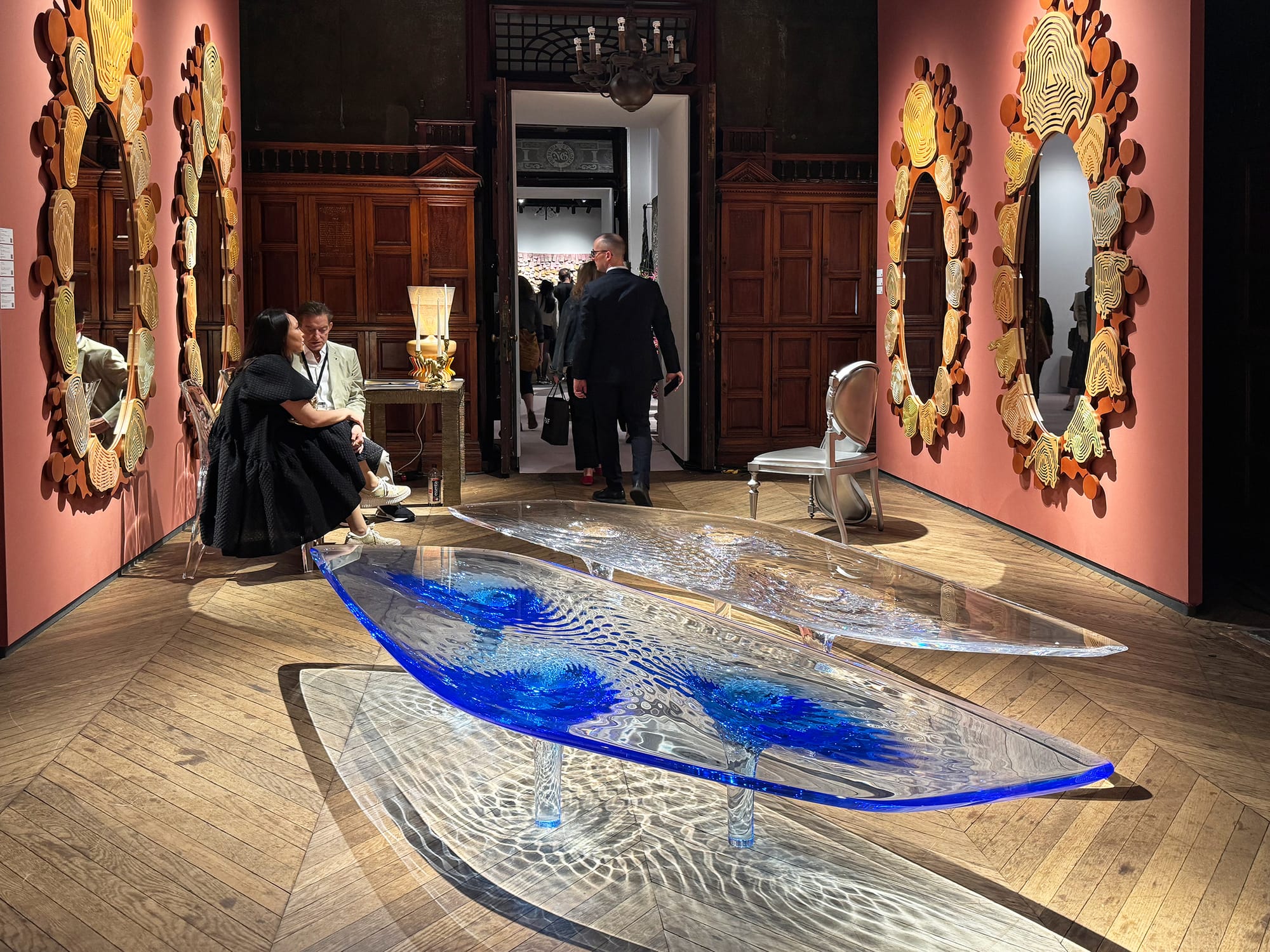
If you've ever plucked an oyster from one of the shimmering carts rolling through the halls of the Park Avenue Armory during the European Fine Art Foundation's (TEFAF) New York fair, you'll be unspurprised to learn that it is one of the season's priciest affairs. Consistent with this nose-in-the-air ethos, TEFAF is also the only fair that declined to disclose booth prices for this story. Sources familiar with the show told Hyperallergic that a sizable space can set galleries back $70,000 to $90,000, with the plush, historic rooms upstairs priced at the higher end. So, is it worth it? Art consultant Dulcina Abreu, founder of the advisory agency DAE, acknowledged that the fair draws an affluent collector class, thanks in part to its inclusion of high-end jewelry. “TEFAF curates a luxury experience — they design even the drinks,” Abreu said.
Affordable Art Fair
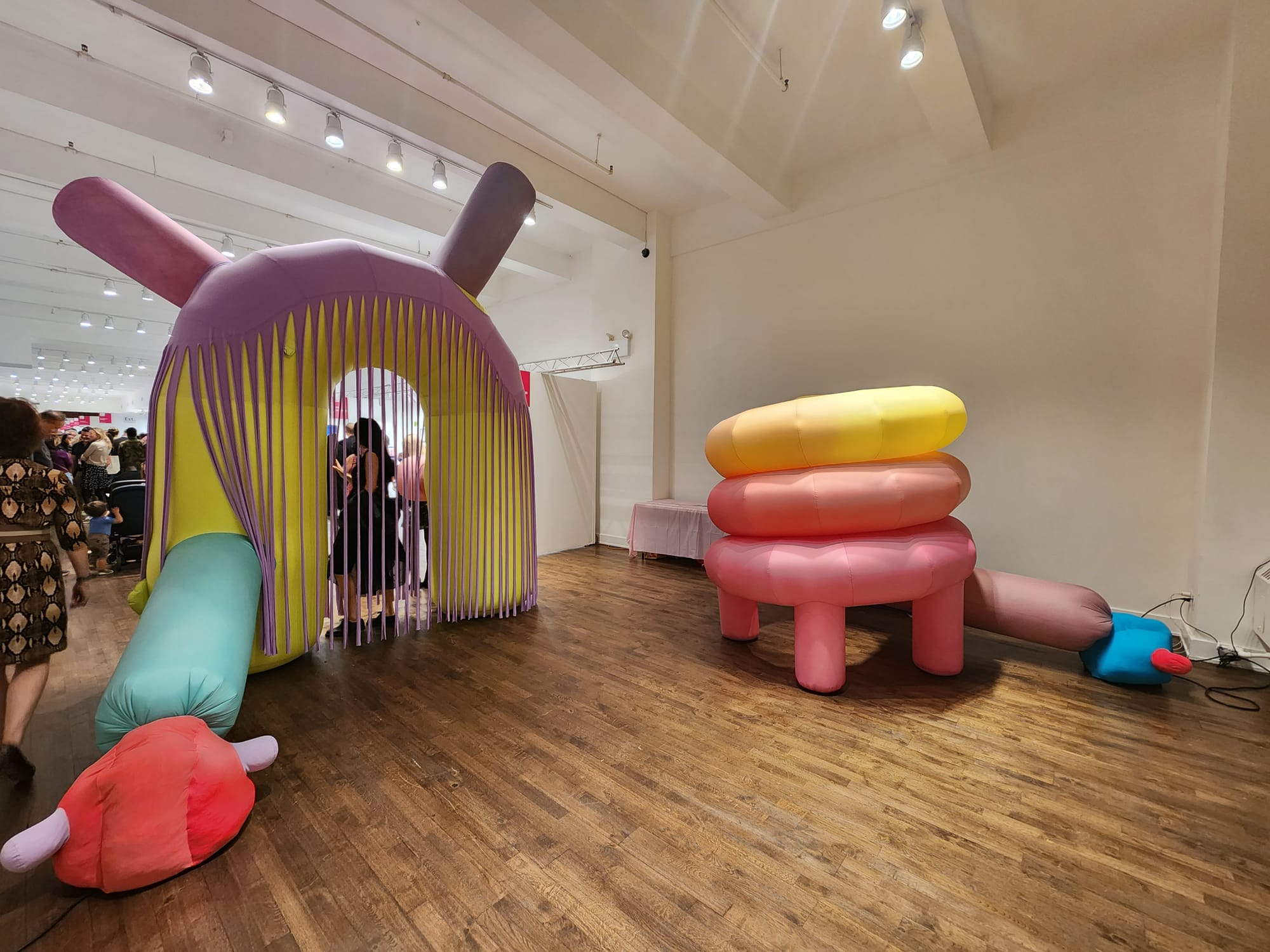
“Affordable” is in its name, but exhibition costs at this beloved fair for galleries and artist collectives are not among the most budget-friendly on our list. A spokesperson confirmed that pricing ranges from $76 to $79 per square foot for booths between 100 and 360 square feet, putting stand fees at about $7,000 to $30,000. That said, fair organizers noted that the show has maintained stand pricing over the last few years despite relocating to Chelsea's Starrett-Lehigh building. The Affordable Art Fair also offers several subsidized opportunities, including a “fellowship” for a local gallery to participate in three consecutive editions free of charge and an allocation for nonprofits and community organizations at each edition.
IFPDA
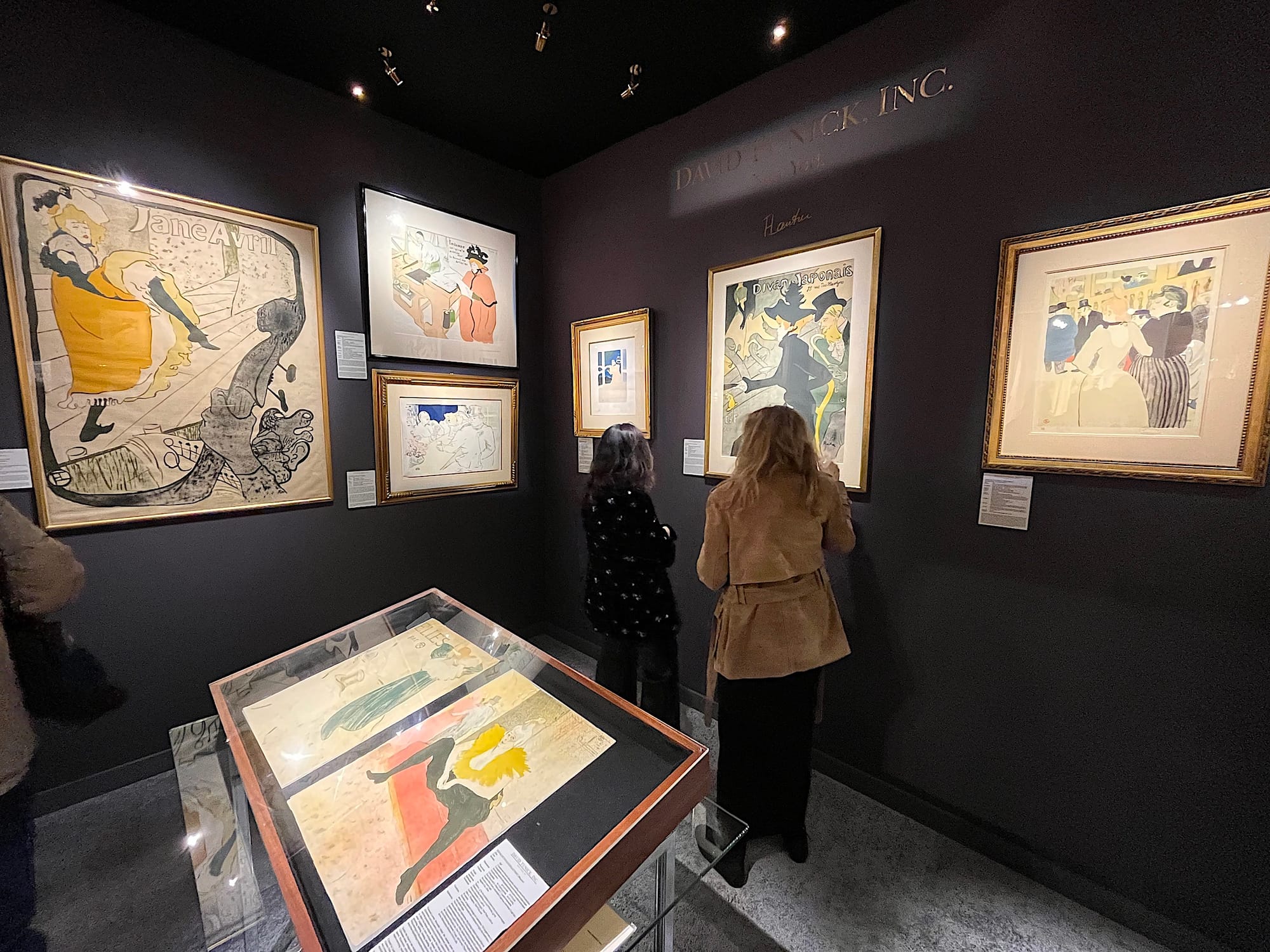
For its last edition in April, the International Fine Prints and Drawings Association’s (IFPDA) fair offered exhibitors eight booth sizes ranging from under $10,000 to north of $60,000 for its “extra-extra-large” spaces. Organizers for the nonprofit told Hyperallergic that costs of renting out the glitzy Park Avenue Armory on the Upper East Side — which also hosts TEFAF and The Photography Show — have continued to increase exponentially with each edition. Still, “it's been important to the IFPDA to hold the price of an extra-small booth level at $12k for the past three years,” a spokesperson said.
Brooklyn Fine Art Print Fair
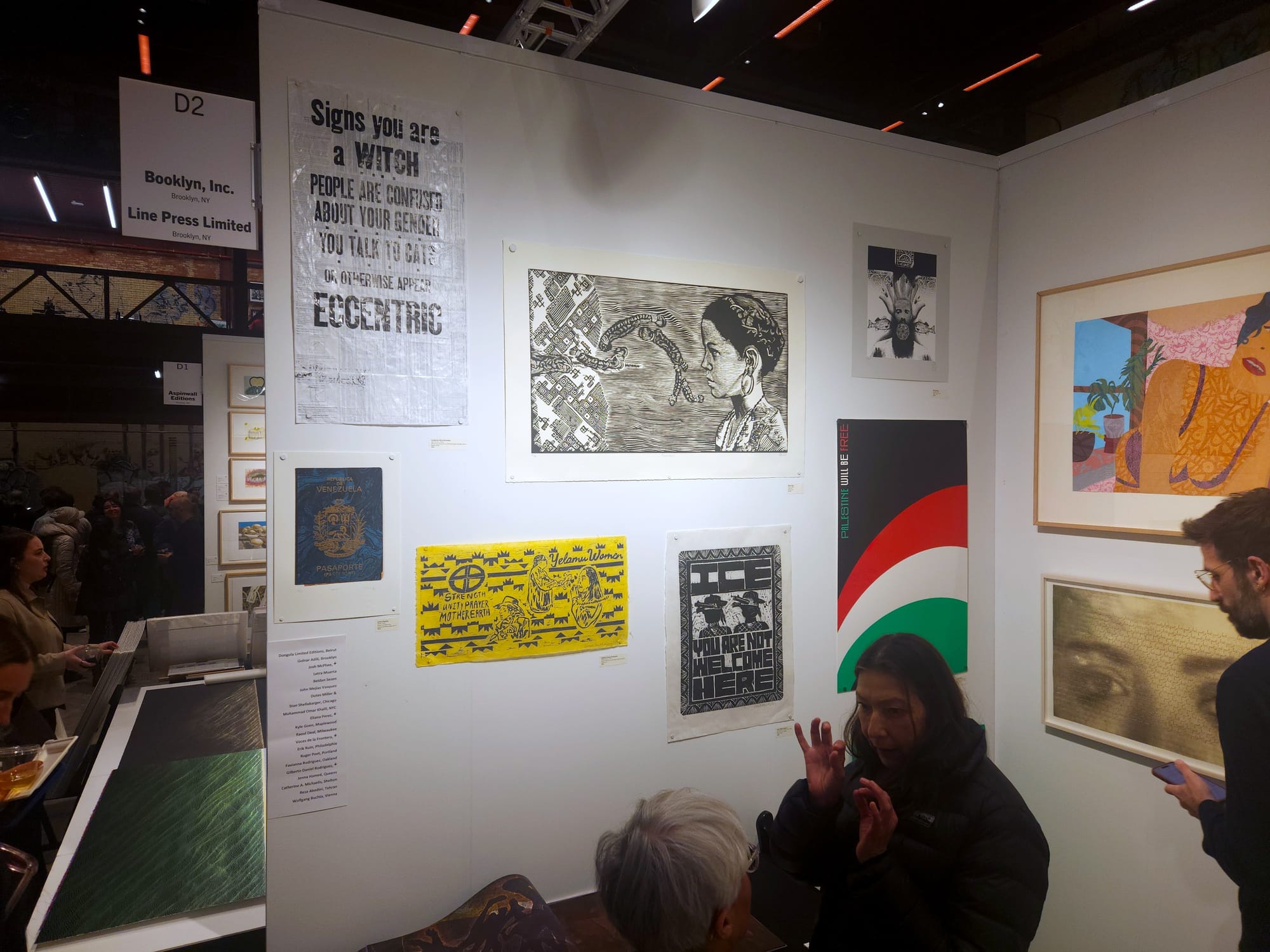
The Brooklyn Fine Art Print Fair marked its second-ever edition this April, priding itself on a “community-driven approach” that doles out 16 feet of free wallspace to eight academic printmaking departments. Traditional gallery booths, starting at 8 by 12 feet, range from $5,000 to $9,000, while self-represented artists can get a table and wall space for $2,500. The fair's ultimate goal, according to a press statement, is to find a sponsor that can underwrite fees for all artists without gallery representation.
Conductor
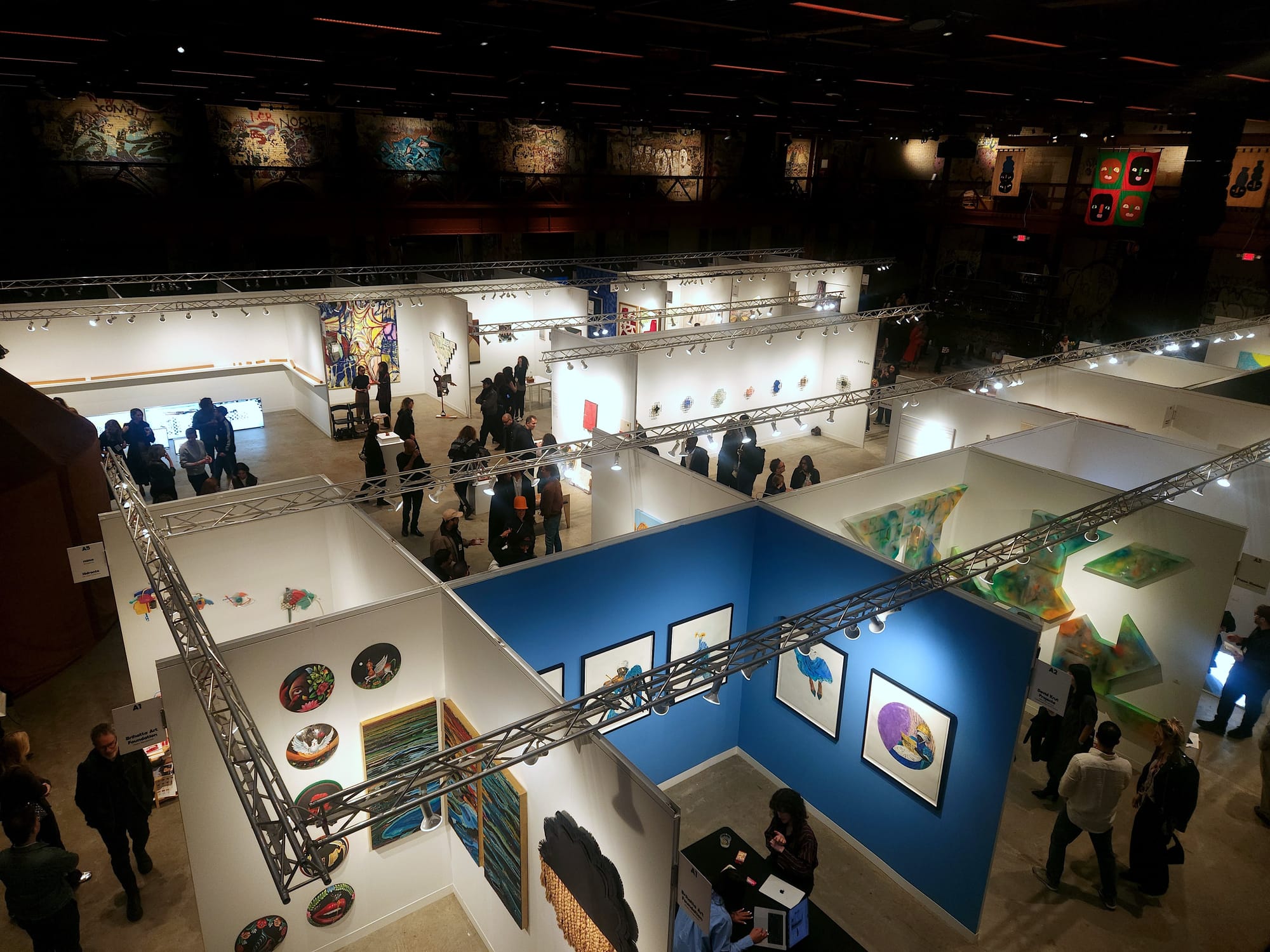
Conductor, a self-described “art fair of the global majority” that mounted its festive inaugural edition at Brooklyn's Powerhouse Arts this April, offers booths starting at $2,500 for nonprofits, $3,500 for artist-run spaces and collectives, and up to $12,500 for the largest spaces for gallery exhibitors. A Special Projects section invites artists without gallery representation to exhibit at no cost, provided that they donate 30% of any sales to Powerhouse Arts.
The Other Art Fair
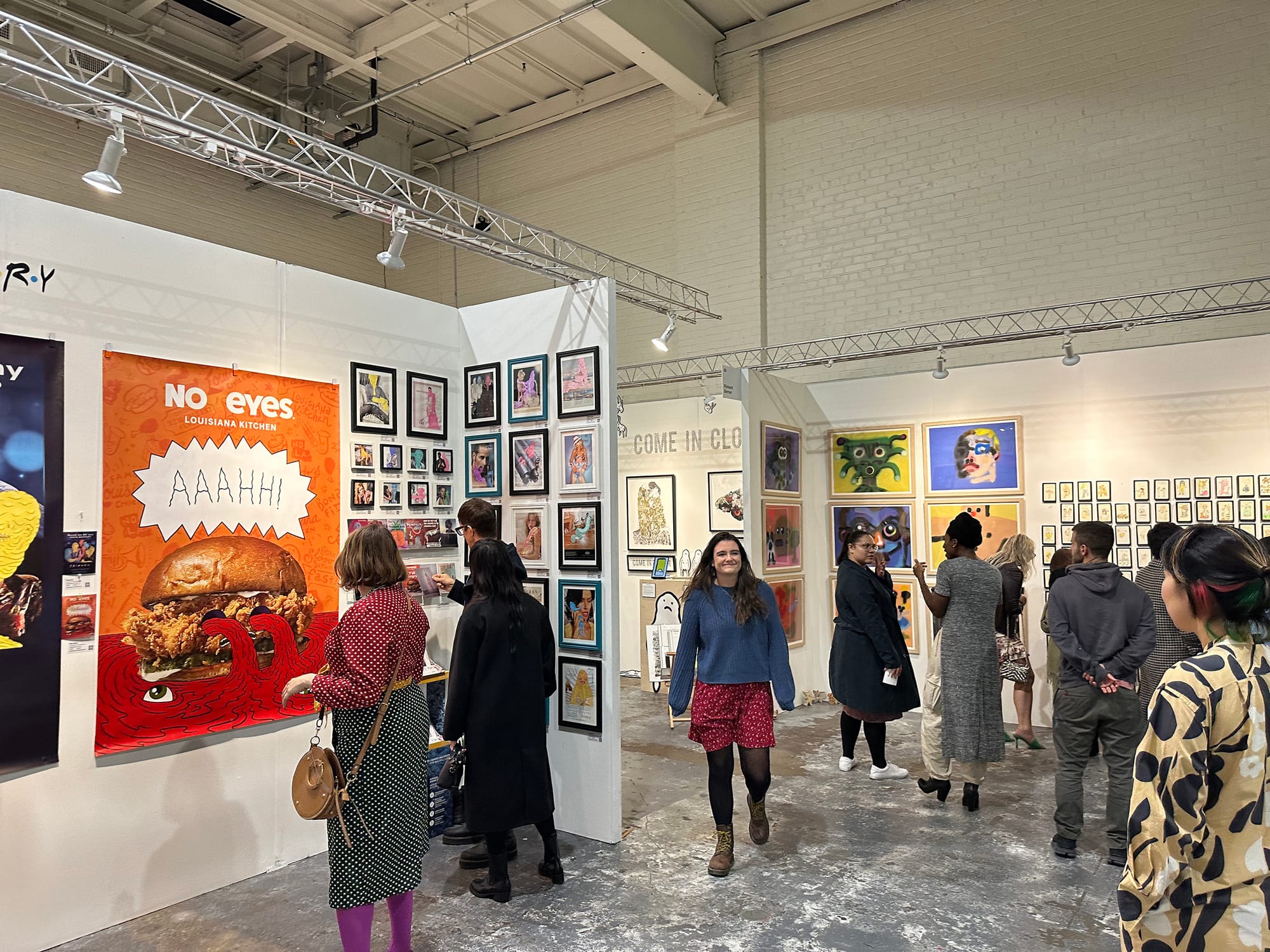
The Other Art Fair offers five booth sizes ranging from 16 to 32 linear feet, with pricing scaled from $2,250 to $5,305 as you add space and spotlights at each tier. It's an affordable option for artists who want to exhibit their own work (artists may have relationships with dealers, but galleries can't apply to show at the fair). First-time exhibitors are eligible for free exhibition space and professional mentorship through the show's New Futures award.
The Photography Show
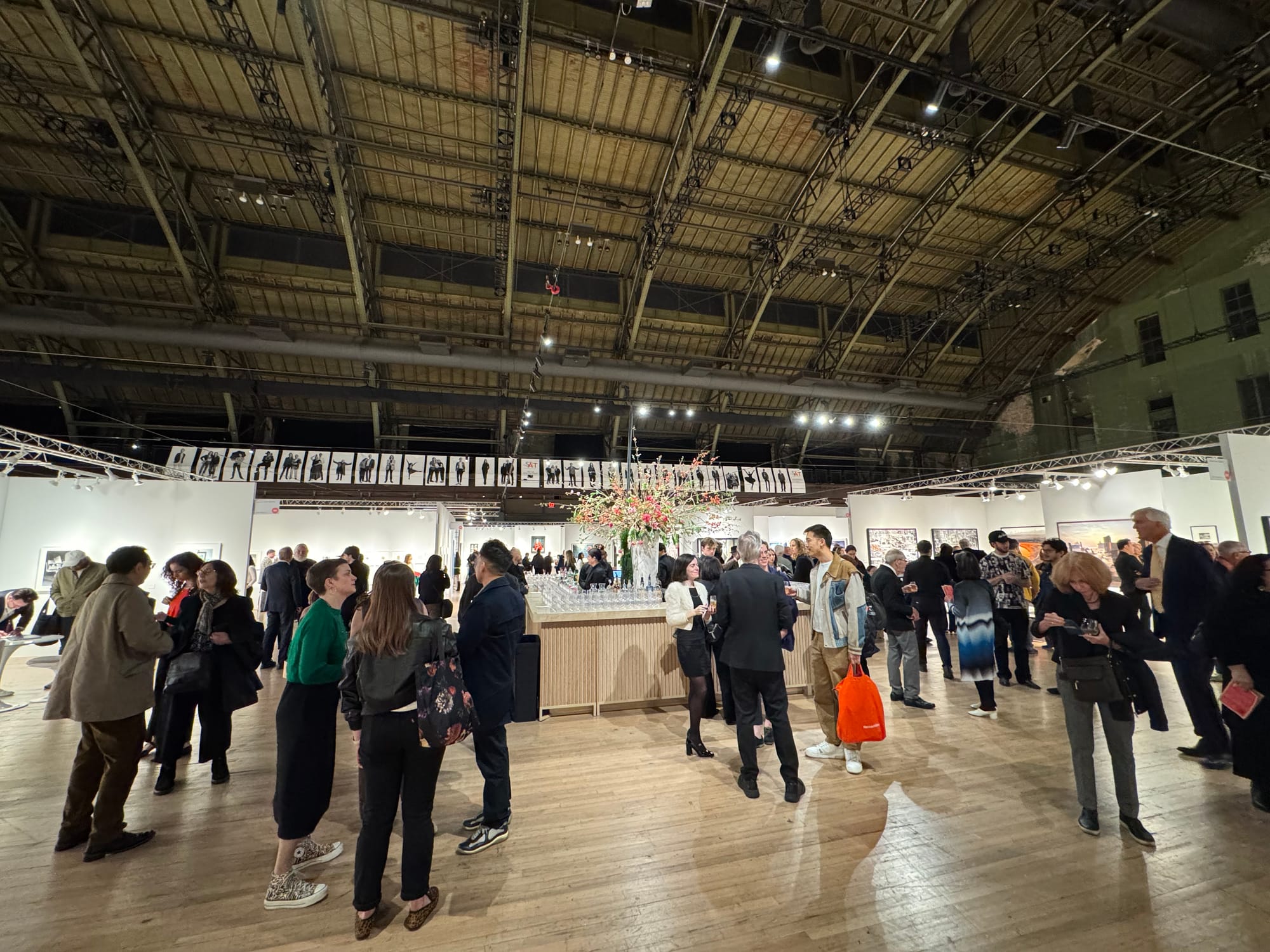
Booths in the main sector at the Photography Show, presented by the Association of International Photography Art Dealers (AIPAD), range from 12 by 12 feet to 20 by 24 feet, starting at $15,500 and going up to $60,000. But emerging dealers can also opt for a more modest 8-by-8-foot table for $7,500 in the fair's vibrant Focal Point section, inclusive of fees, lighting, and furniture. “The goal of supporting these galleries also ensures that innovation and new perspectives are showcased with us, especially within the prestigious setting of the Park Avenue Armory,” AIPAD Executive Director Lydia Melamed Johnson told Hyperallergic. “Affordability shouldn’t be a barrier to participation in New York’s cultural exchange.”
Clio
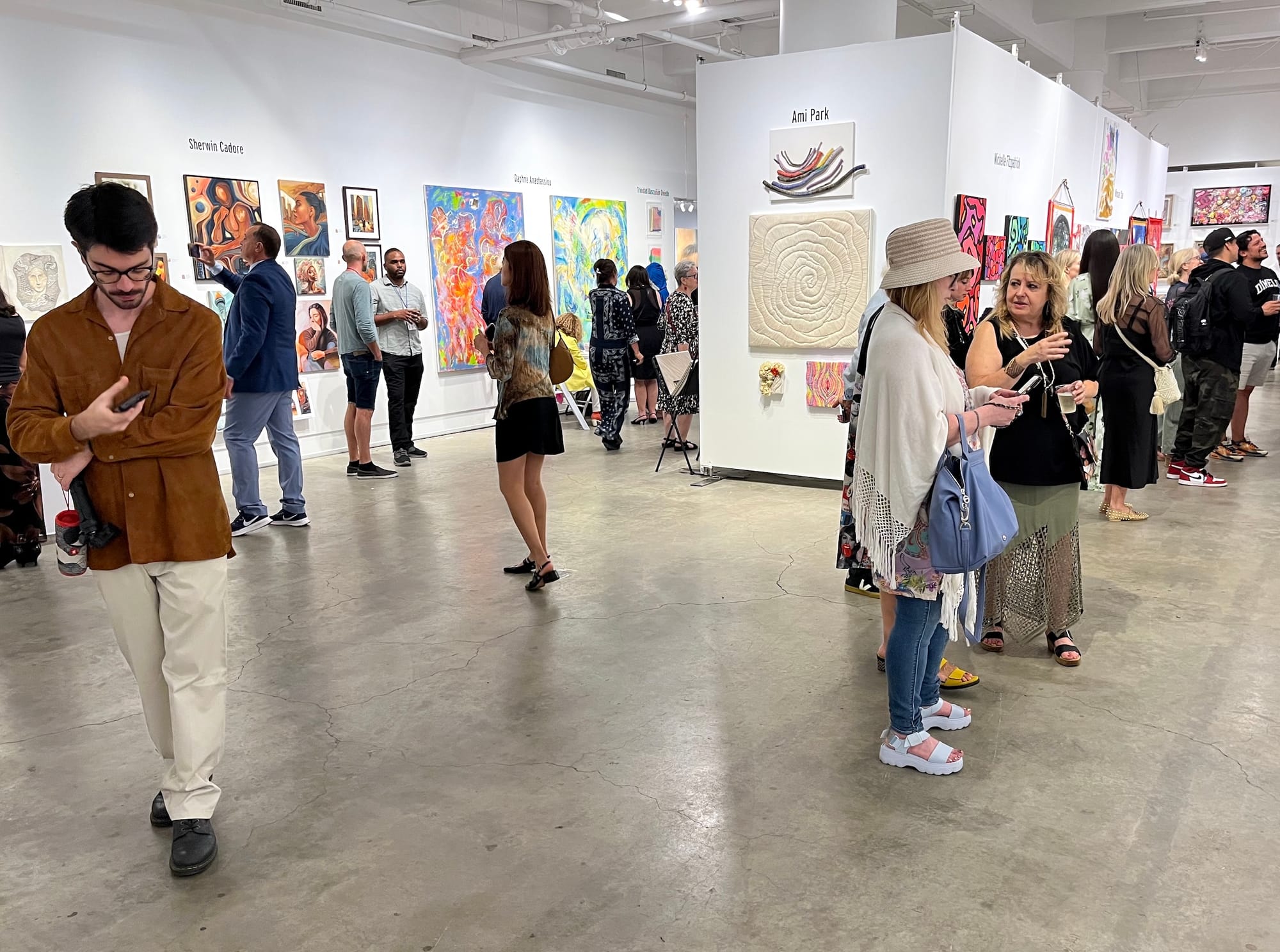
Exhibitors can participate in this high-energy art fair for as little as $1,500. Pricing starts at $300 per linear foot, with a minimum of five feet. Artists with a little more to spend can choose to get help with installation, bumping the fee to $350 per foot, or work with the fair's sales team, which takes a 20% commission. The fair hosts two back-to-back editions in May and two in September, each featuring around 30 to 35 artists in its 2,500-square-foot space in Chelsea.
Clio founder Alessandro Berni told Hyperallergic that this structure allows the fair to stay true to its founding spirit of supporting emerging careers while keeping costs relatively low. “We are aware that we may be one of the last truly independent art fair models in Manhattan,” Berni said. “I don’t know how long this model can hold, but for now, somewhat surprisingly, it works.”
FOCUS New York
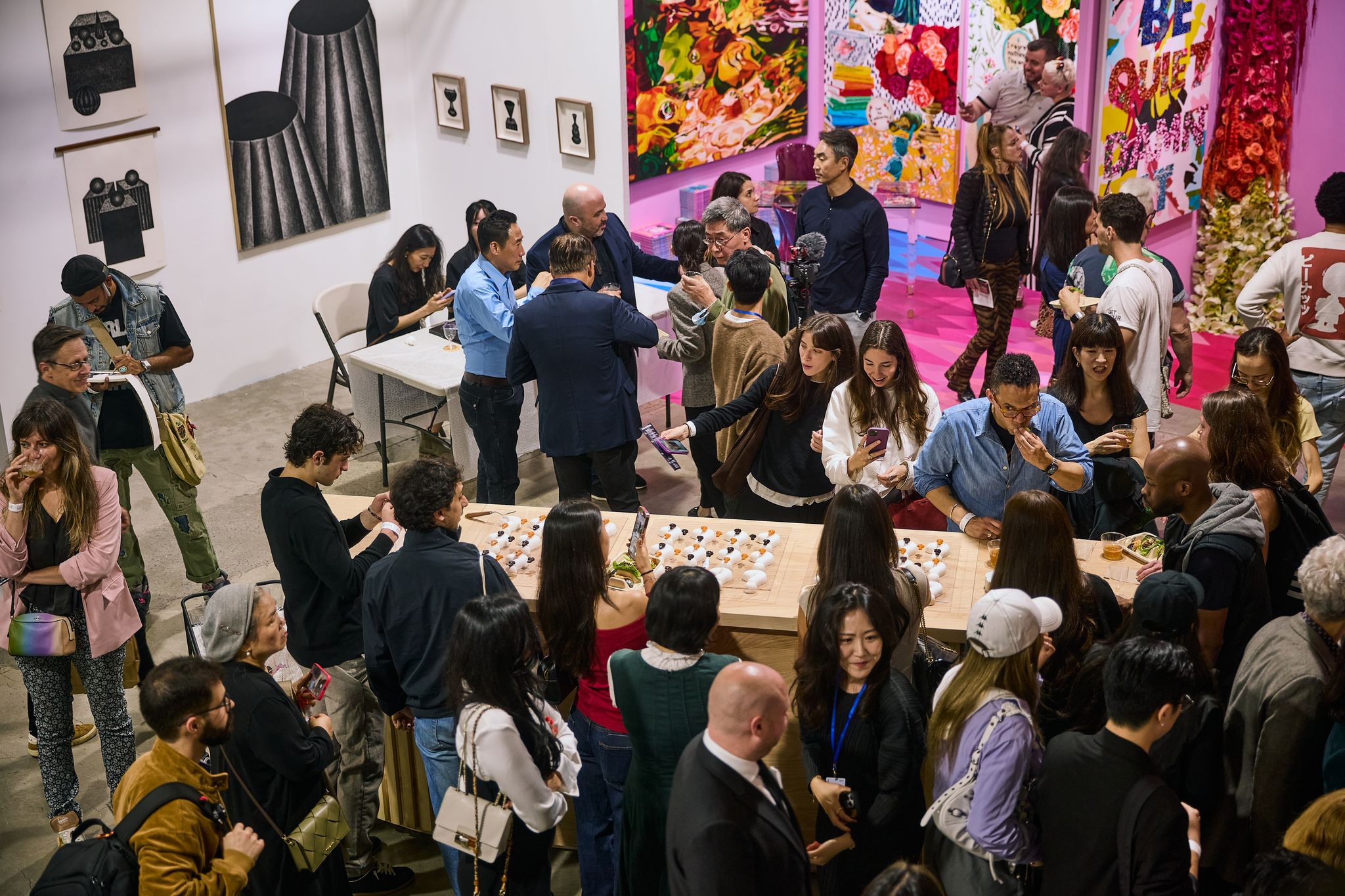
Booths at this fair, which specializes in contemporary Asian art, start at $6,320, or $79 per square foot, with the largest booth hovering around 780 square feet. That gives its approximately 40 exhibitors plenty of options to play around with works of varying scales and mediums exploring this year's topical theme of human and technology, from a craft-centered display by Clay Studio in Philadelphia to generative AI experiments by Sehun Choi. In line with its commitment to emerging galleries working within the Asian art space, FOCUS offers a booth at no cost through its Open Call program; this year's beneficiary is YveYANG Gallery, housed in a former sewing machine factory in Manhattan.