12 Art Books to Kick Off Summer
A novel lampooning the art world, Megan O’Grady’s meditation on art and living, the man who defined color in the dictionary, Nan Goldin’s tender photo essay, and more.


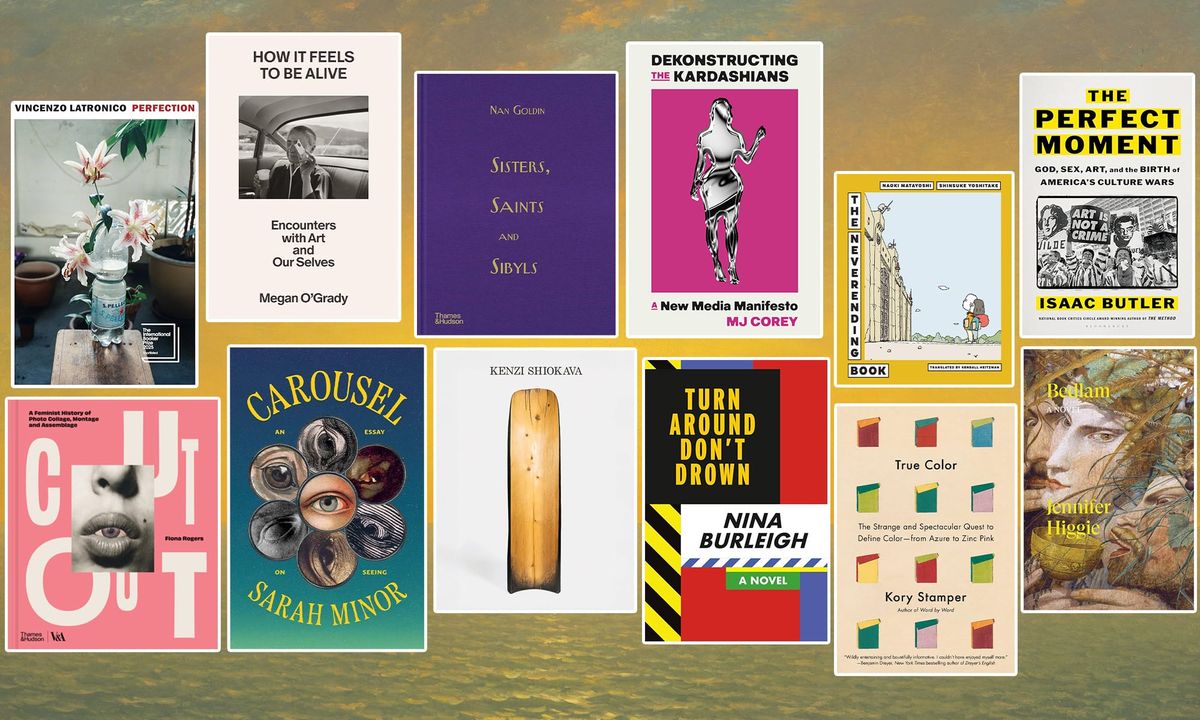
Beach reads are officially back, and it feels like nature is finally inviting us to bring our books outdoors again. In between your escapist fantasy novels and trendy memoirs (I too was roped into the inexplicable Strangers hype), dip into an essay collection by critic Megan O'Grady on art as a necessity as vital as the air we breathe, or a graphic novel that captures the magic only books can wield. Luminary artist Nan Goldin is reissuing a tender photo essay, while Jennifer Higgie brings us a novel of prose poetry that imagines the inner life of an infamous British artist. I'm also keeping an eye out for the late Greg Tate's groundbreaking essay collection Flyboy in the Buttermilk, which will be reissued next month with a new introduction by Hanif Abdurraqib. How many times can I tell myself "so many books, so little time" before it becomes redundant? Happy reading, and stay cool. —Lakshmi Rivera Amin
Perfection by Vincenzo Latronico, translated by Sophie Hughes | New York Review of Books, 2025
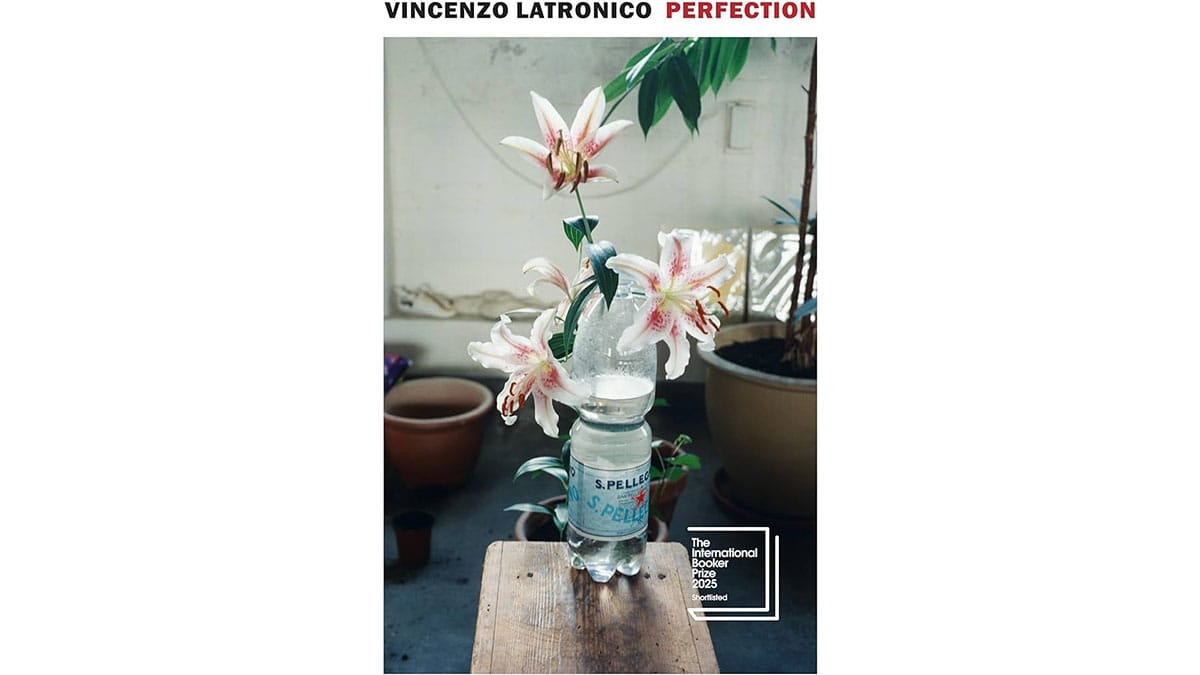
Perfection is fundamentally about making meaning in a world where the real and digital, the local and global, have fused into one hybrid, monstrous, relentless thing; reading it feels as uncanny as looking at your doppelganger. I’m not a Southern European emigré to Berlin, like the main characters, Anna and Tom. But I am a part of the art world of New York, and their East Berlin reads a lot to me like my Brooklyn and Lower East Side. I started this book on the beach last summer, and devoured it before the day was done — may you have a similarly disturbing and exhilarating experience. —Lisa Yin Zhang
Turn Around, Don’t Drown by Nina Burleigh | Four Sticks Press, February
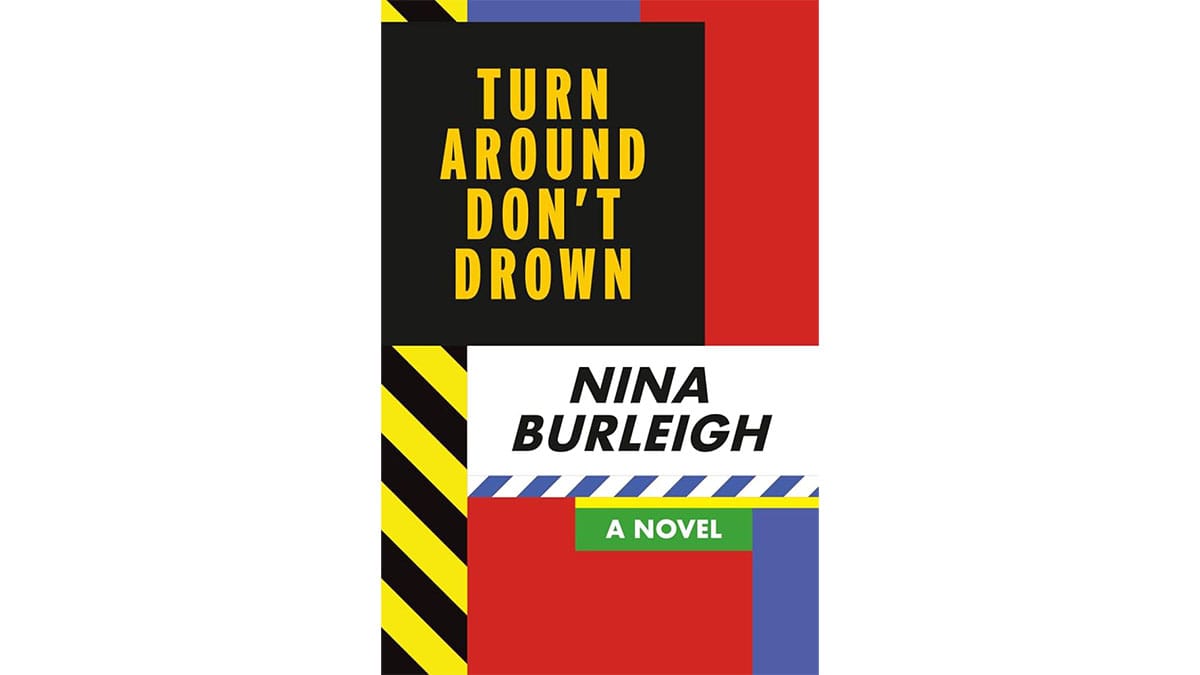
In this novel, Burleigh, better known for her journalism on topics ranging from women and Trump to Holy Land forgeries, probes the satirical world of art and the personalities who joust over pretentious attitudes toward ideas, from the post-human to cryptosocialism. The characters that mingle on these pages feel as annoyed with themselves as they are with the world, which creates moments of glee. —Hrag Vartanian
True Color: The Strange and Spectacular Quest to Define Color—from Azure to Zinc Pink by Kory Stamper | Knopf, March
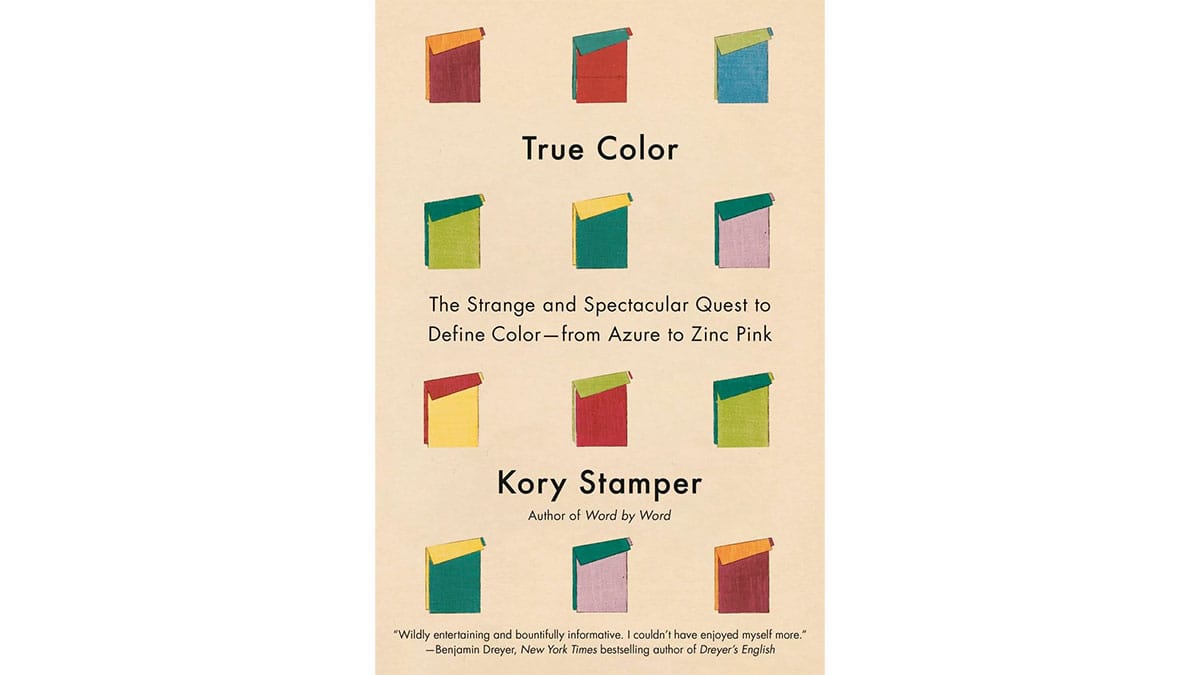
A lexicographer by training, Kory Stamper’s “love affair” with color, as she puts it, began in an unlikely place: the word “begonia” in Merriam-Webster’s third unabridged dictionary. It was described as “a deep pink that is bluer, lighter, and stronger than average coral (see coral 3b), bluer than fiesta, and bluer and stronger than sweet william — called also gaiety.” From there, she embarked on a quest to unearth the life and mind of the person behind these poetic descriptions. The untold story of I. H. Godlove finally gets its due in this book, a perfect companion to a season that finally brings color back into our worlds. —Lakshmi Rivera Amin
The Neverending Book by Naoki Matayoshi and Shinsuke Yoshitake, translated by Kendall Heitzman | W. W. Norton & Company, April
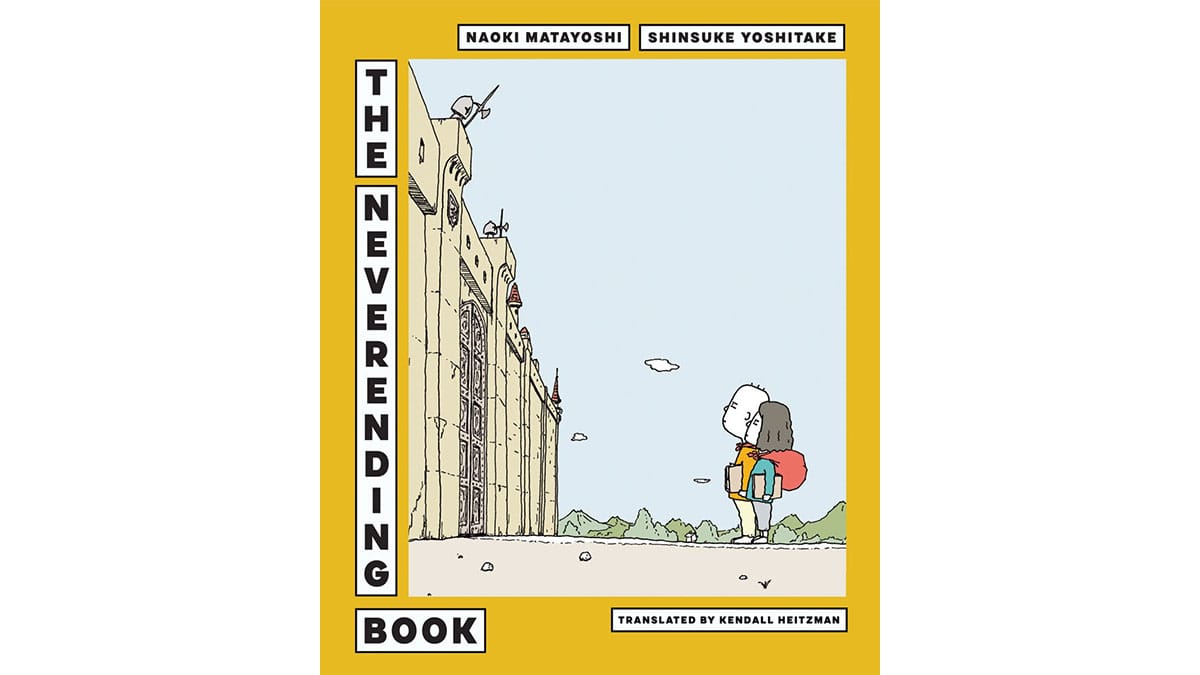
This Japanese bestseller, now available to English-language readers, will reignite your love of books in a way few things can. Created by Naoki Matayoshi, an Akutagawa Prize-winning author, and Shinsuke Yoshitake, a well-known illustrator, the two have joined forces to bring us a modern day fable filled with magic and wonder that are sure to win your heart. —Hrag Vartanian
How It Feels to Be Alive: Encounters with Art and Our Selves by Megan O’Grady | Farrar, Straus and Giroux, April
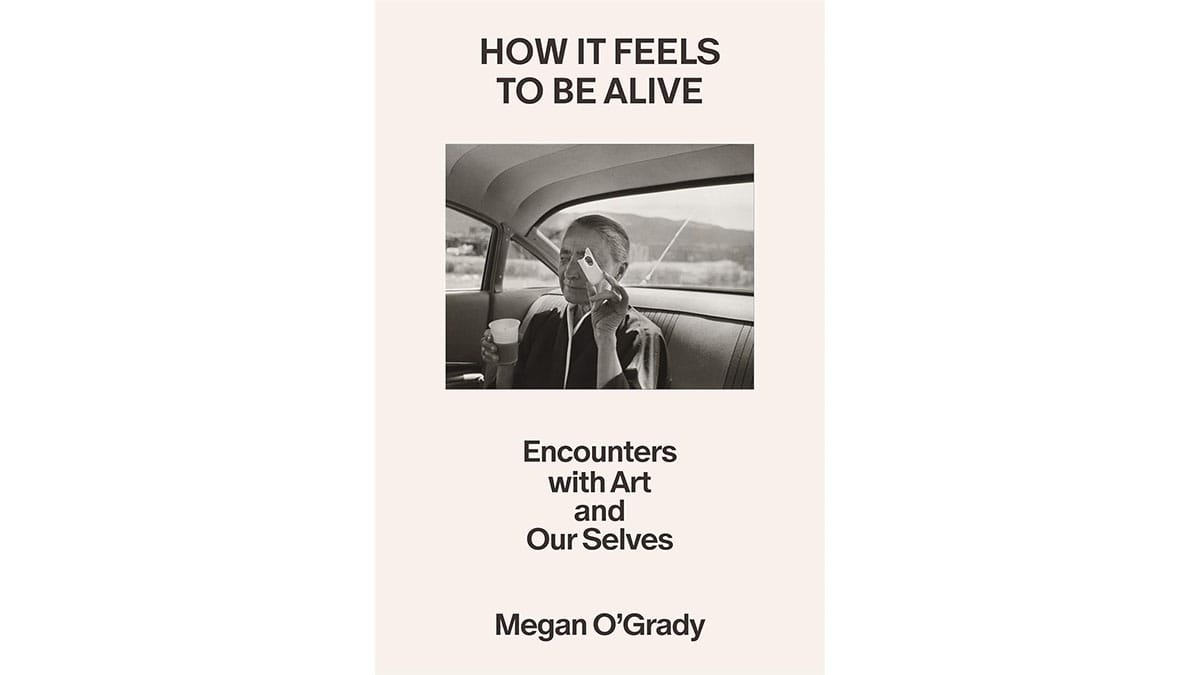
For some people, art is just a pastime, a luxury, a welcome distraction. For Megan O’Grady, it's a lot more than that. The more I read through her memoiristic art book, the more I understood how much she leans on art just to get through life. That, I think, is why the book reads so sincere. Well-researched, interview-based essays about some of her favorite artists — Agnes Martin, Barbara Kruger, Pat Steir, and others — act as receptacles through which O’Grady invites us to join her in looking not just at art, but into herself as well. To allow art to change your life, you must come to it vulnerable, naked. Still, some truths are only discovered when put in writing. Combine these two and you get Art Writing, O’Grady’s vocation, passion, and tool of self-discovery. The book holds serious value as an art-historical resource, but its best parts are the author’s intimate revelations about who she is, and who she hopes to be. —Hakim Bishara
Deconstructing the Kardashians: A New Media Manifesto by MJ Corey | Pantheon, May
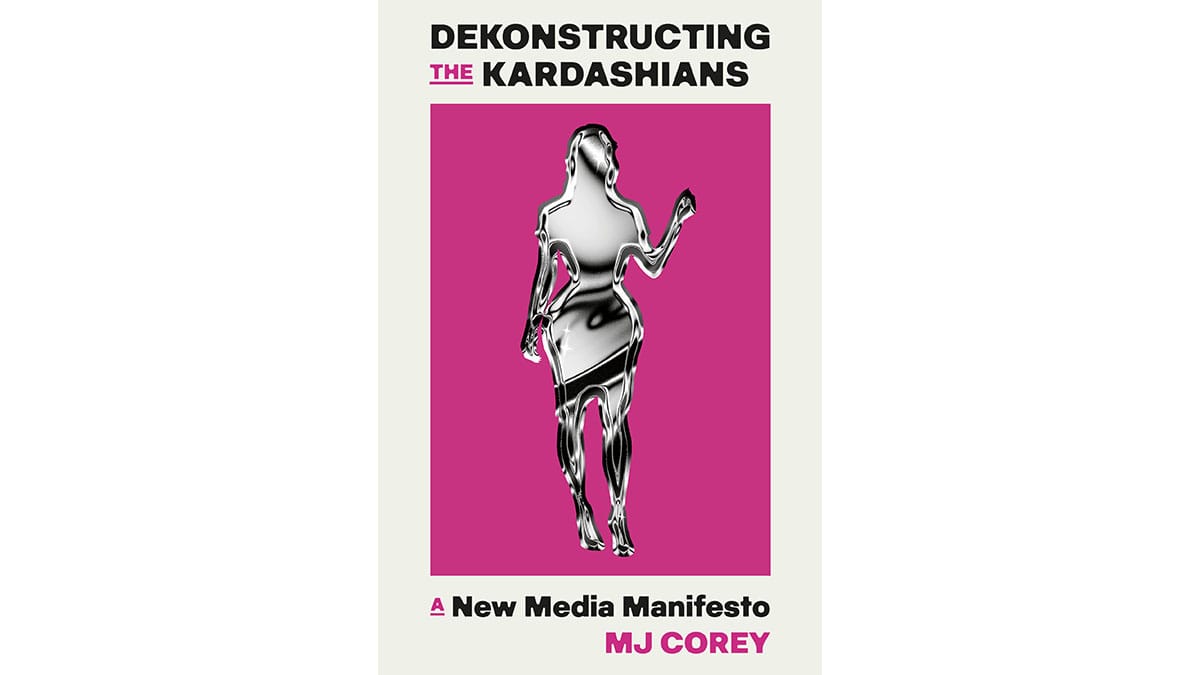
The popular internet personality behind @kardashian_kolloquium has penned a book offering a cool, post-modern look at the American media juggernaut that is the Kardashians and how they mirror society's obsessions and foibles. Thoroughly entertaining, this book is for those who relish the intersection of theoretical ideas and pop culture, while seeking a way to make sense of the maelstrom surrounding one of the world's most famous families. —Hrag Vartanian
Cut Out: A Feminist History of Photo Collage, Montage and Assemblage by Fiona Rogers and Renée Mussai | Thames & Hudson, June
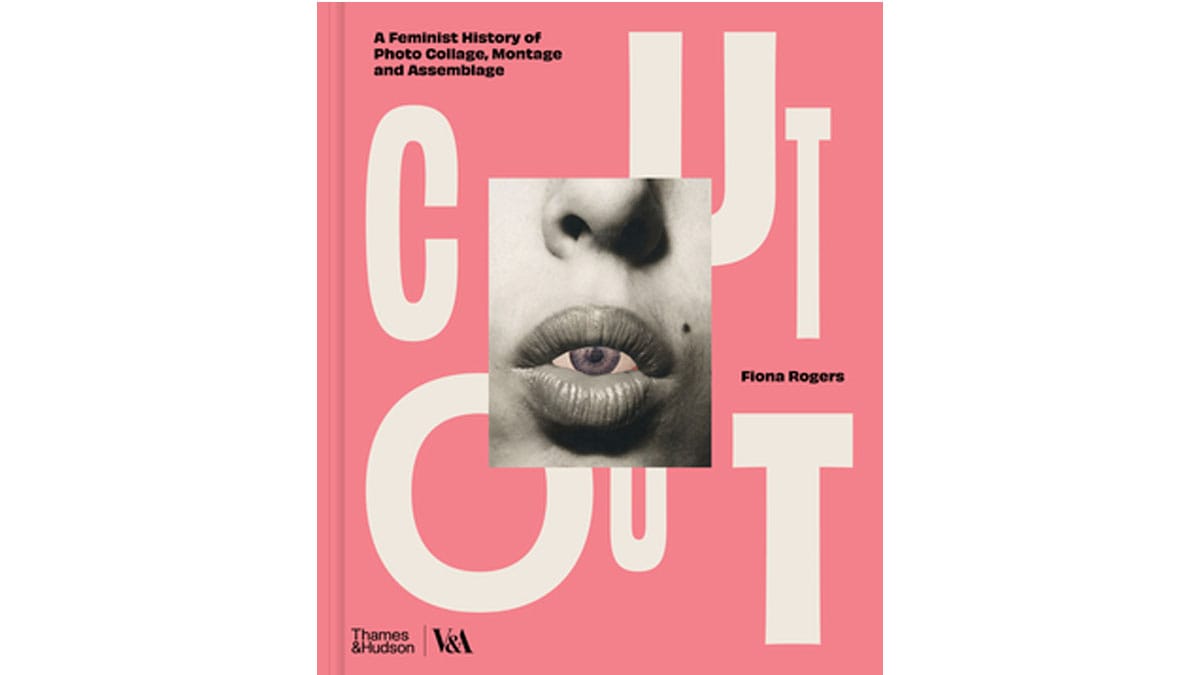
Fiona Rogers centers her exploration of feminist collage practices within the V&A Museum’s extensive photography collection, offering a sprawling survey of works organized around broad themes such as “Experimental Forms” and “Reclaiming Histories.” Both collage and feminism are tricky, elusive terms; “femmage” even more so. Coined in a 1977 manifesto by Miriam Schapiro and Melissa Meyer, “femmage” encompasses a broad range of traditional women’s activities (e.g., sewing, cooking, collaging) used by women to create art. Rogers directs her inquiry to photography’s influence on and within femmage. While this yields a wealth of compelling works, I missed the opportunity to consider practitioners like Dinh Q. Lê, Wardell Milan, and Paul Sepuya within conversations about colonialism, disappeared histories, and queer identities; structural violence and repression do not act exclusively on women. —Natalie Weis
Sisters, Saints and Sibyls by Nan Goldin | Thames & Hudson, June 2
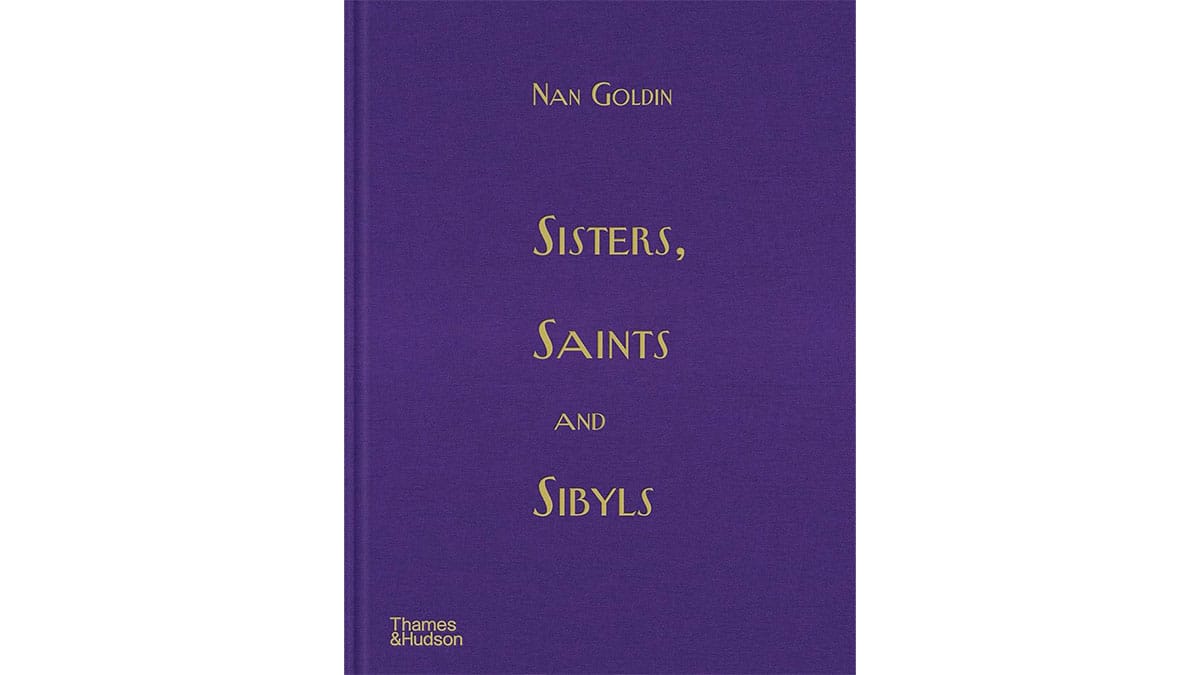
Indefatigable artist Nan Goldin’s Sisters, Saints and Sibyls will break your heart and piece it back together. A tribute to her older sister Barbara, who took her own life at age 18, the artist’s deliberate pairing of hospital reports, family photographs, and vignettes weaves together the lives of two sisters amid tragedy, addiction, and rupture. It’s being reissued on the occasion of Goldin’s retrospective on view at the Grand Palais in Paris, a rare and generous chance for us to sit with some of her most painful memories and meditate on her continued belief in rebellious women, chosen family, and the human spirit, despite it all. —Lakshmi Rivera Amin
The Perfect Moment: God, Sex, Art, and the Birth of America's Culture Wars by Isaac Butler | Bloomsbury Publishing, June 23
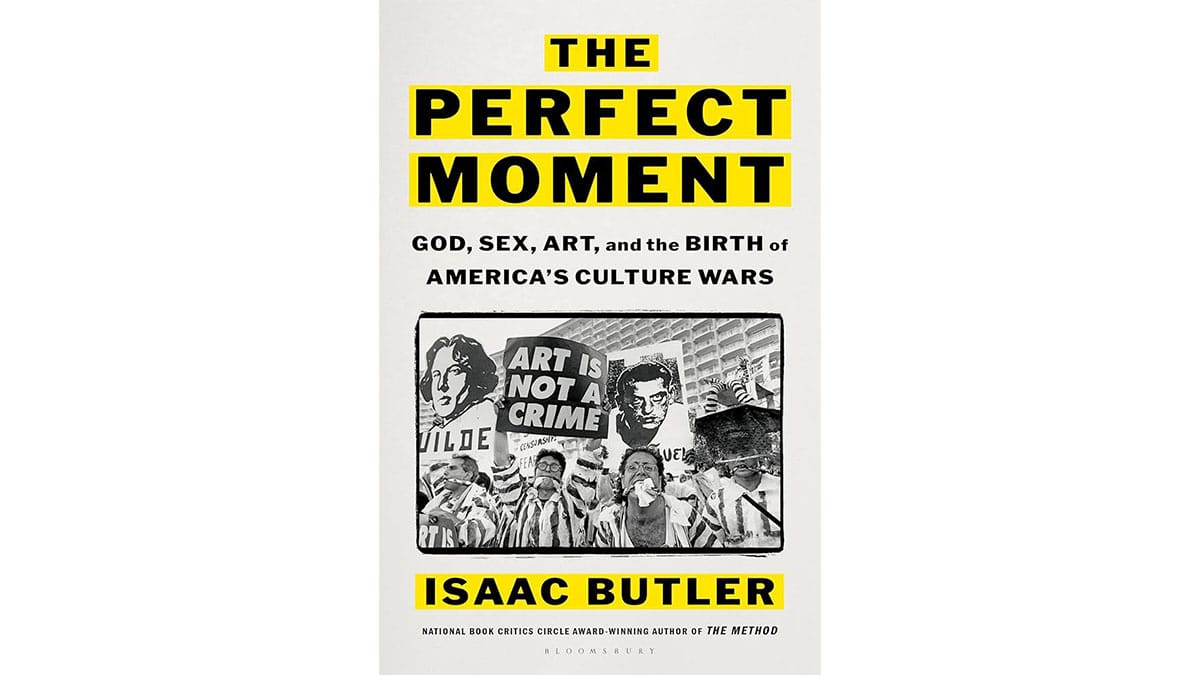
In an age in which opinions about culture and artists can immediately signal where you fall on the political spectrum, it's easy to forget that not all that long ago, conventional wisdom held that separating art from politics was easy — even mandatory. What changed? Isaac Butler, author of The Method, investigates the legislative battles, social movements, and court cases of the ’80s and ’90s that shifted the discourse around art in the United States. Examining the conservative and religious censoring and censuring of creatives ranging from David Wojnarowicz and Martin Scorsese to Andres Serrano and others, Butler charts the history of politicians using art as a wedge issue. —Dan Schindel
Kenzi Shiokava, edited by Nolan Jimbo | Delmonico Books, June 30

Kenzi Shiokava will receive a long-overdue, posthumous spotlight at the Museum of Contemporary Art Chicago this summer, and for those who can’t make it to the show, the accompanying catalog offers a vital entry into the Los Angeles-based, Japanese-Brazilian sculptor’s spirited language of wood manipulation. In his assemblages, plastic figurines find themselves at home alongside gnarled branches and dried fruits. The juxtaposition of synthetic and organic here does not elicit confusion or unease, but rather a strange, tender comfort. And his towering wood sculptures, carefully worked and often fashioned with macramé or industrial detritus, feel indelibly rooted in the earth, reverberating with warmth. —Nanase Shirokawa
Bedlam by Jennifer Higgie | Verso, July 14
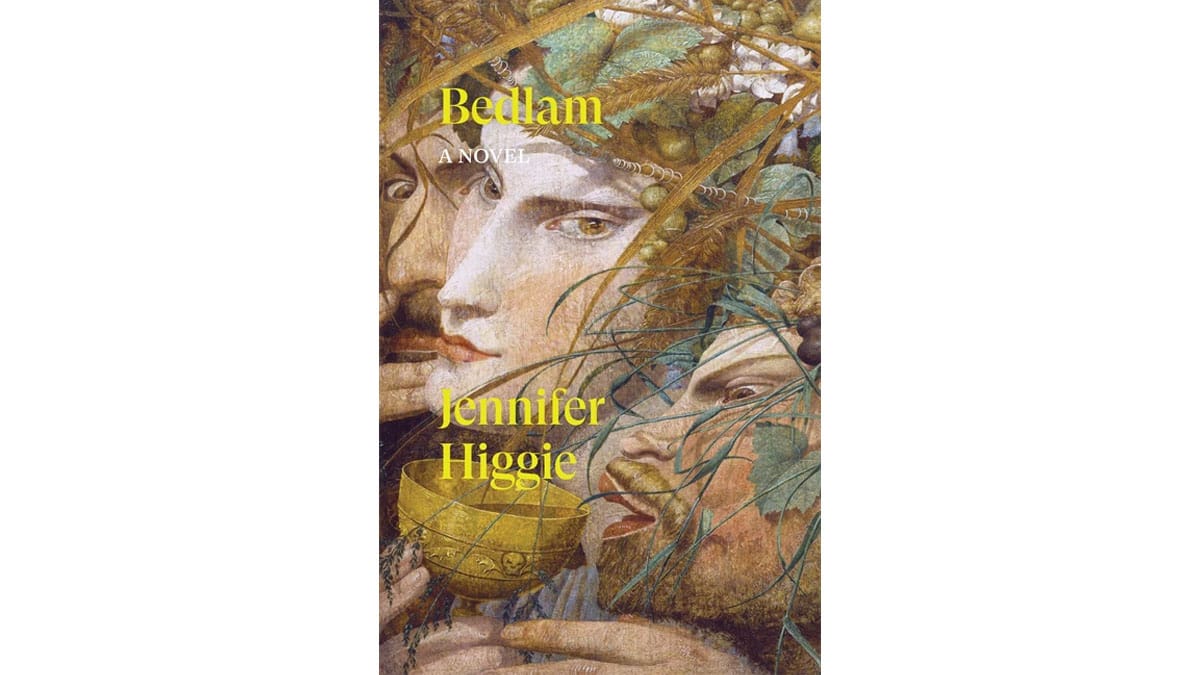
Two years ago, author and critic Jennifer Higgie’s The Other Side opened a portal into the world of women artists and the occult. This summer, she returns with a poetic novel that tenderly embodies the voice of Victorian-era painter Richard Dadd, who is now remembered primarily for the tragic details of his life and institutionalization. Higgie threads the needle of his complex legacy — which includes Orientalist scenes of Egypt, Turkey, and Syria — with the compassion so often denied to historical figures whose struggles with mental health were criminalized and reduced to “lunacy.” The “art novel” genre is undoubtedly making the rounds in publishing right now, but by bringing Dadd’s interiority back to life, this one promises to challenge and move us in equal measure. —Lakshmi Rivera Amin
Carousel: An Essay on Seeing by Sarah Minor | Yale University Press, July 21
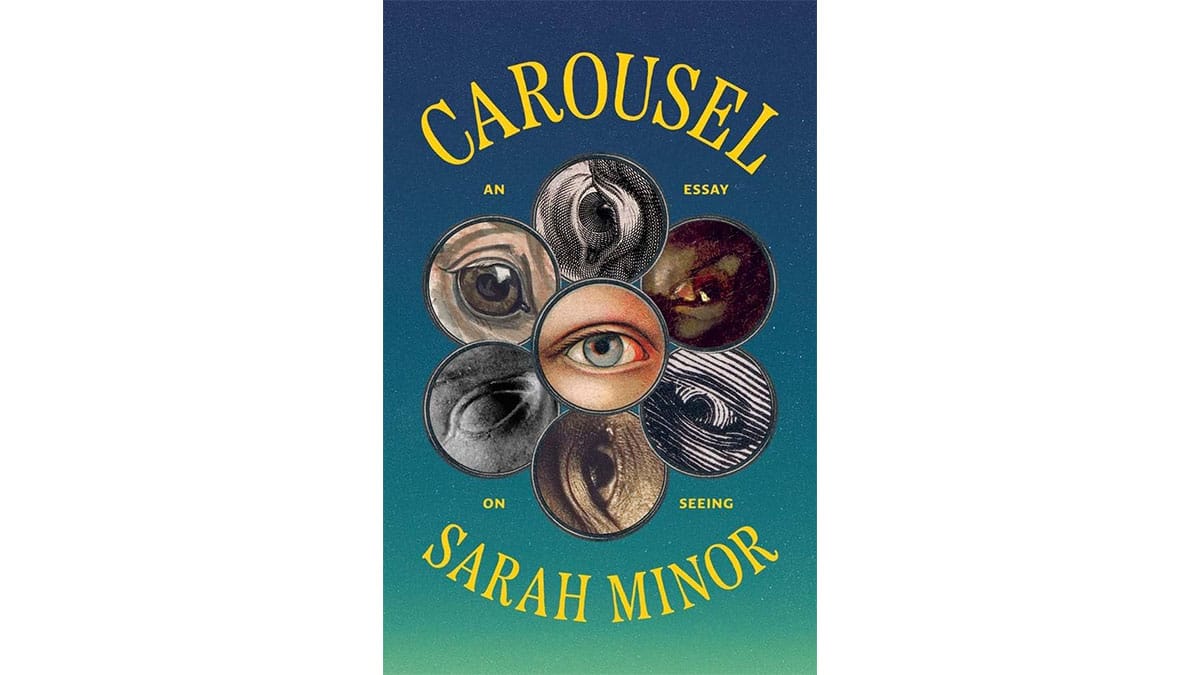
Does anyone remember that scene from Mad Men where Don Draper pitches an ad for a Kodak slide projector? “This is a time machine,” he says. That’s kind of what this book is, except what author Sarah Minor is selling you on is the whole vista of art history. It takes the form of a slide lecture delivered in a classroom, its subject matter ranging from the Bayeux tapestry of around 1100 CE to Surrealist painting in the 1900s. Minor is a wonderful and unusual writer, but what I love in particular is that she considers not just the masterworks of art history but also how they relate to the baser stuff of visual culture and human existence — Instagram, boredom, the body. The professor speaks of feeling the four edges of the camera’s viewfinder somatically as she delivers her lecture, for instance, and says at one point that the school requires that her students “also be images” — that is, keep their cameras on. Brava, Professor Minor. —Lisa Yin Zhang
Catalogs & Monographs
- Sophie Calle: Catalogue Raisonné of the Unfinished (Actes Sud, April 7)
- Carol Bove (Guggenheim New York, April 21)
- Marcel Duchamp (The Museum of Modern Art, New York, May 5)
- The Morandi Museum: Catalogue Raisonné (Silvana Editoriale, May 26)
- Nick Cave: Mammoth (Giles, June 2)
- Winslow Homer: Painter, Etcher (Yale University Press, July 7)