15 Art Shows to See in NYC This May
Lynette Yiadom-Boakye captures quietude, Seydou Keïta documents a revolution, Renée Green compiles an autoethnography, and much more.


We live in a time of suppression — by governments, by corporations, by culture. What do we do against it?
Let us show you. Below, we take you into a revolutionary photo studio in Mali that chronicled a nation's independence. A document of a city devastated by the AIDS crisis through portraits not just of people but of inanimate objects. A meditation on grief and death, and also a monument to the city's first Arabic-speaking enclave.
These are artists who made or are making works from all kinds of places, from an attic during World War II, to the California state psychiatric system, to the very center of the art world. Here is art that is playful, cerebral, feral — art that offers a way through.
—Lisa Yin Zhang, associate editor
Waves of Knowing
Ryan Lee Gallery, 515 West 26th Street, Chelsea, Manhattan
Through May 9
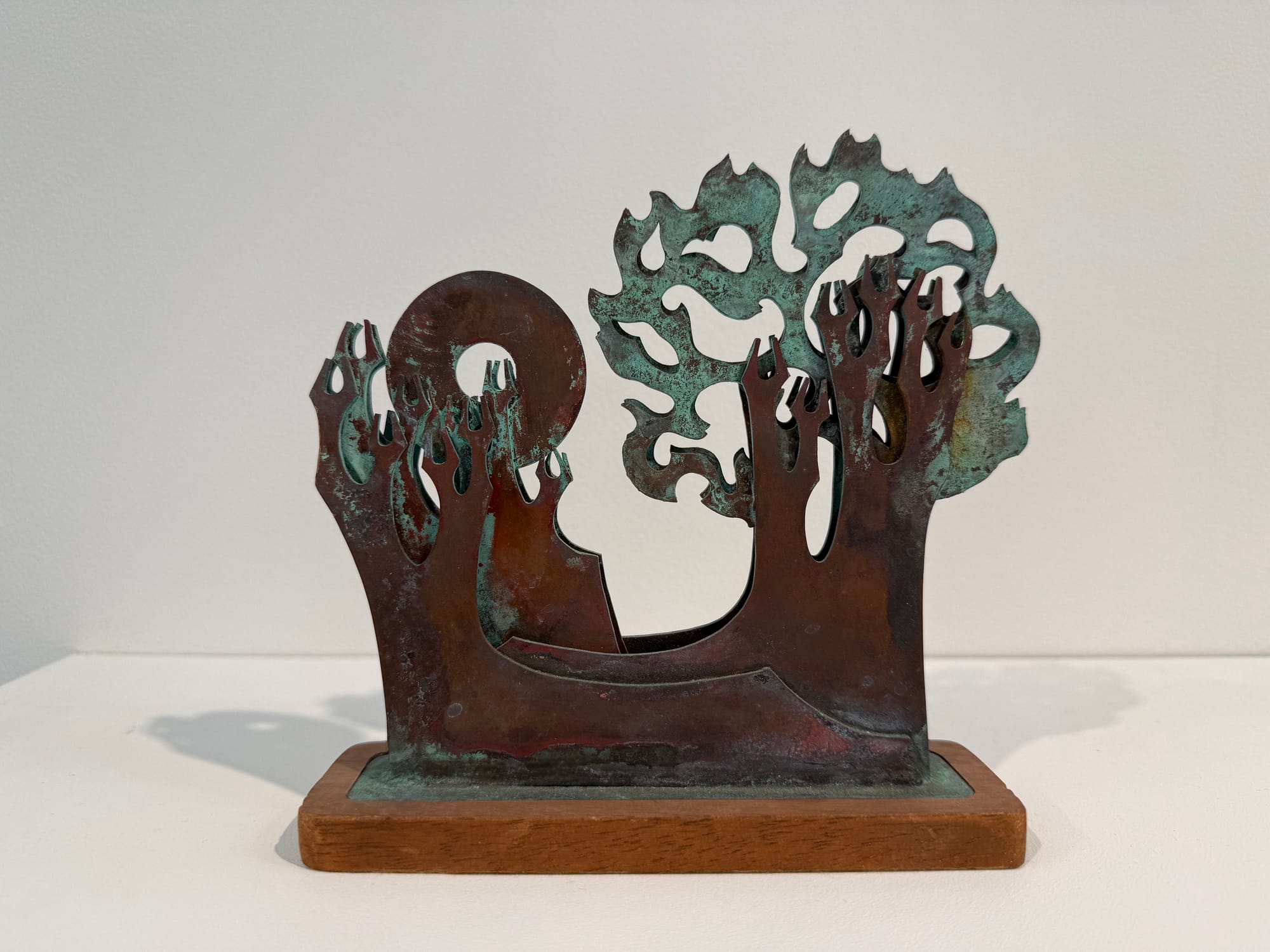
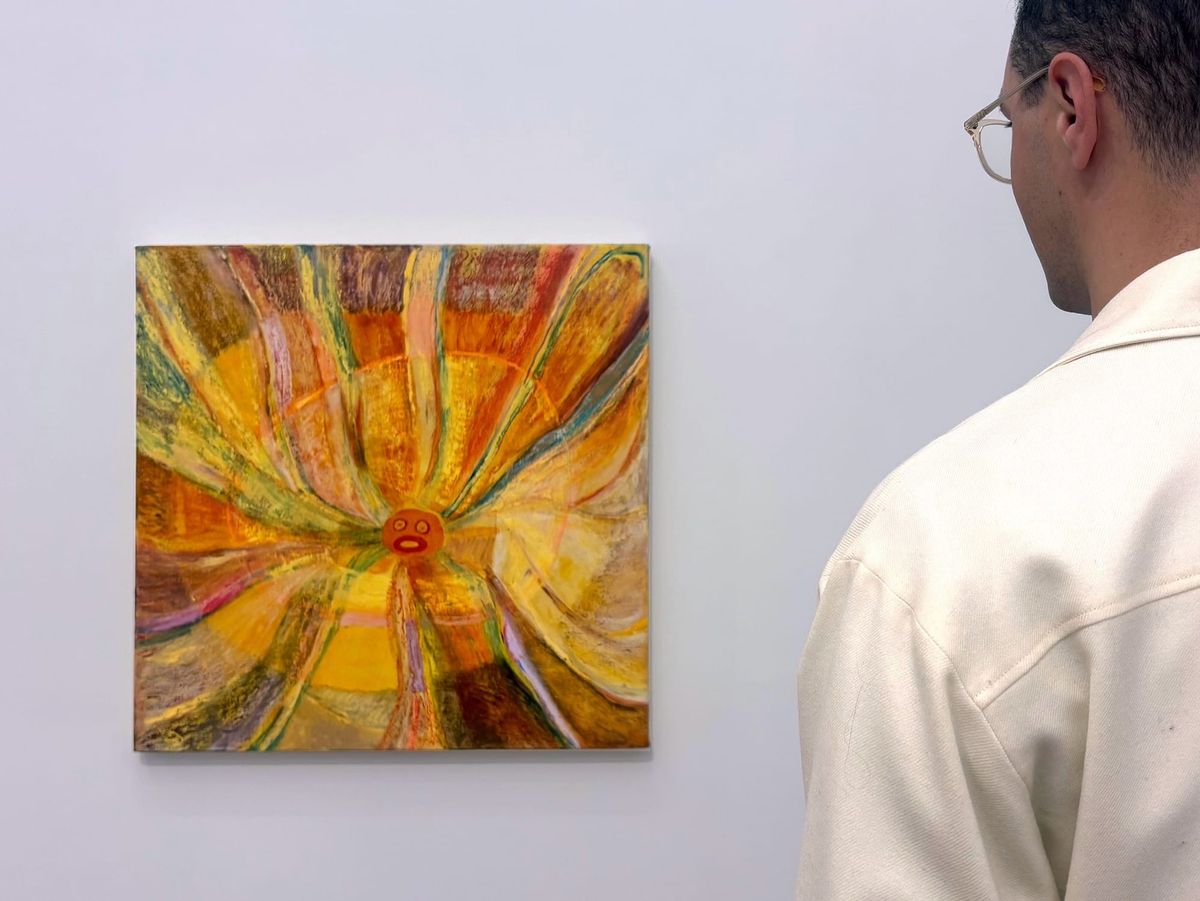
I was glad to learn, upon entering this exhibition, that I was still capable of revelation. Metcalf Chateau was a group of Hawaiian artists of Japanese descent who exhibited together in the 1950s; many of their works haven't been shown on the mainland since around that time, if they were shown at all. Satoru Abe (1926–2025), with his organic oil-on-canvas paintings and copper sculptures, and Tadashi Sato (1923–2005), who contributes biomorphic, semi-abstract paintings, are particular highlights. They were something like the pioneers of the group — two of its four original members, and the first to travel to New York in the 1960s. Across these works, nature, the body, and the picture plane itself coalesce into one; lines and forms seem like they were drawn from a collective psyche — what feels good to the hand, to the eye. Maybe I'm just hallucinating after a long New York winter, but many works, particularly postcard-sized paintings by second-generation member Harry Tsuchidana, felt like they captured the sun glinting sharply off water. They made me feel warm and happy. —Lisa Yin Zhang
Seydou Keïta: A Tactile Lens
Brooklyn Museum, 200 Eastern Parkway, Brooklyn
Through May 17
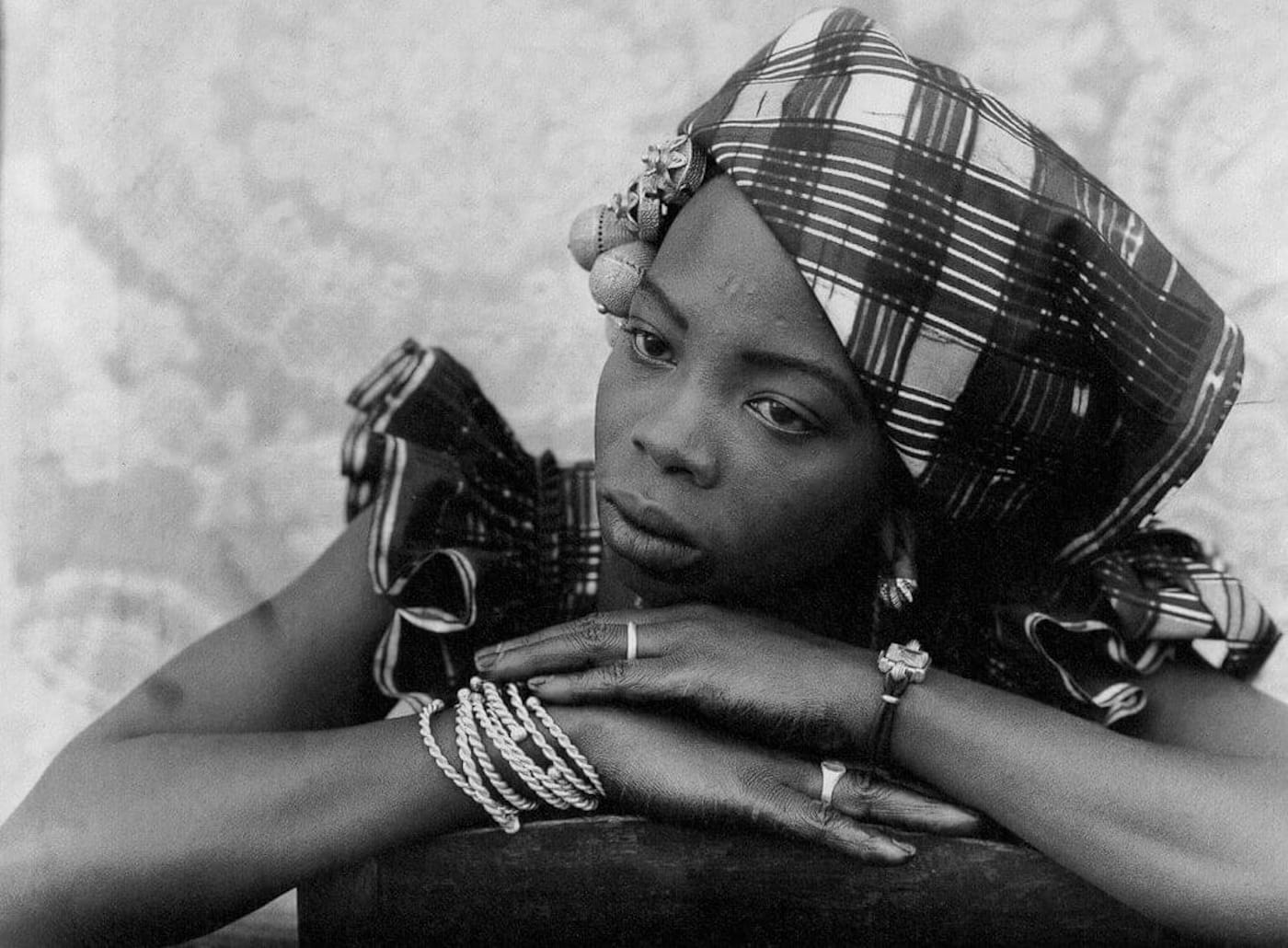
Given the convenience of snapping a quick photo today, it can be easy to take for granted the power of an image. But in mid-20th century Bamako, in Mali, pictures were rare opportunities, and photographer Seydou Keïta’s studio was a site that proved their revolutionary potential. Generations of Malians poured into his studio, where he fashioned simple but striking sets from printed fabrics. Sitters styled themselves in grand outfits and accessories, and the resulting portraits are an important chronicle of Mali’s political history as it gained independence from French colonial rule through fashion and cultural agency. The images have simple compositions, but striking, maximalist outcomes, and their aesthetic influence on contemporary photography is undeniable. —Jasmine Weber
Renée Green: Secret
Bortolami Gallery, 55 Walker Street, Tribeca, Manhattan
Through May 16
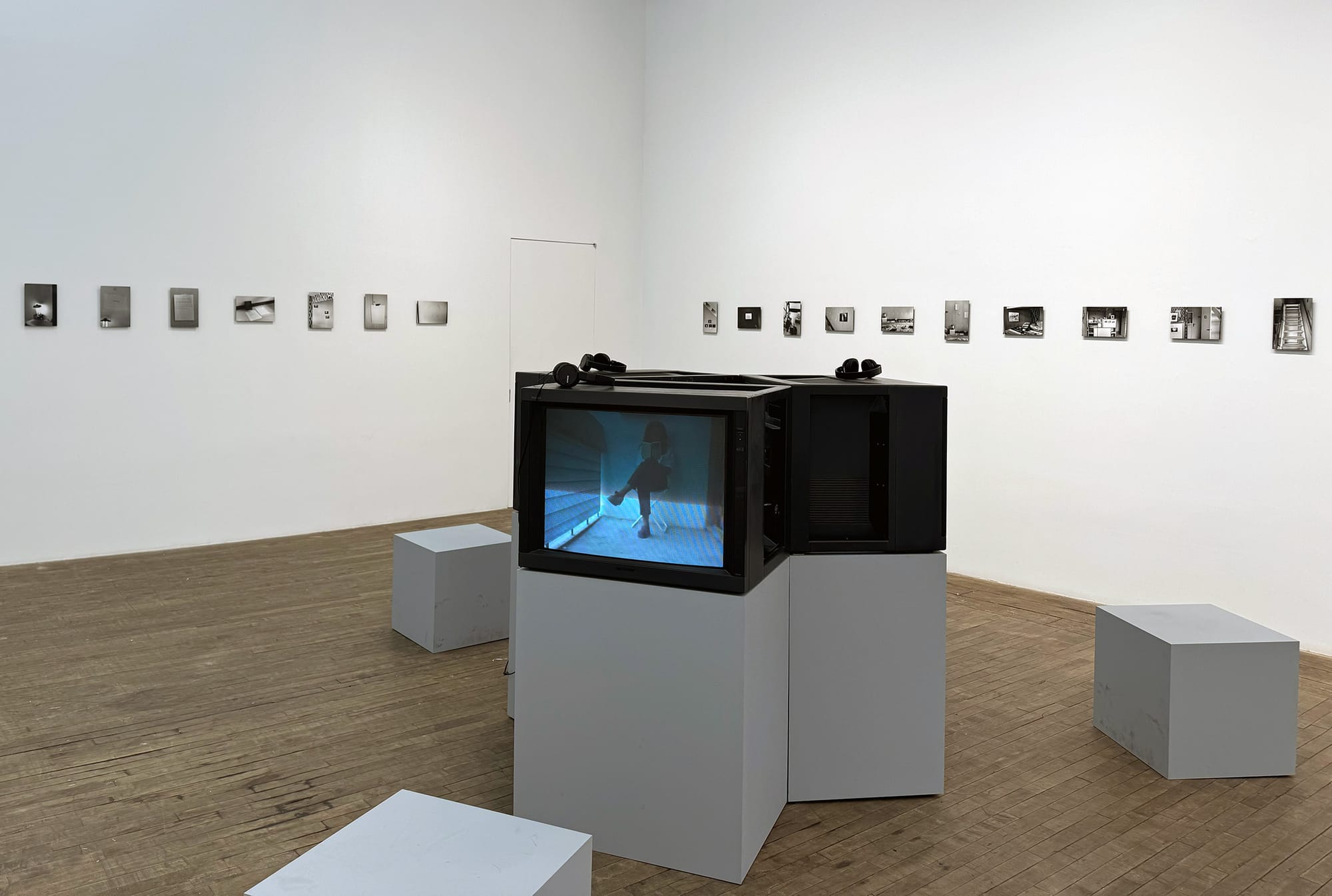
In 1993, Green moved into a “modernist ruin”: a Le Corbusier housing project in decay. Secret is the resulting multimedia project: a document of her time camping out there, including writings, video, and photographs. It’s a “self-styled autoethnography,” we learn from a soothing, disembodied voice reading her materials — from a synopsis to journal entries describing her meals — over a speaker in the gallery. In a three-channel video, we see scenes of her life in the building. Every day, she wears the same uniform, a vest stamped “IMMIGRATION,” a gesture that engages concepts of colonialism and diaspora. She reads, listens to music, turns restlessly in bed at night, and chats with a crew carrying boom mics and big cameras, all teetering on the line between staged scene and reality. In her words, the neglected apartment is a “workspace, living space, and exhibition space” in one. —Jasmine Weber
When Thoughts Are Free
601Artspace, 88 Eldridge Street, Lower East Side, Manhattan
Through May 17
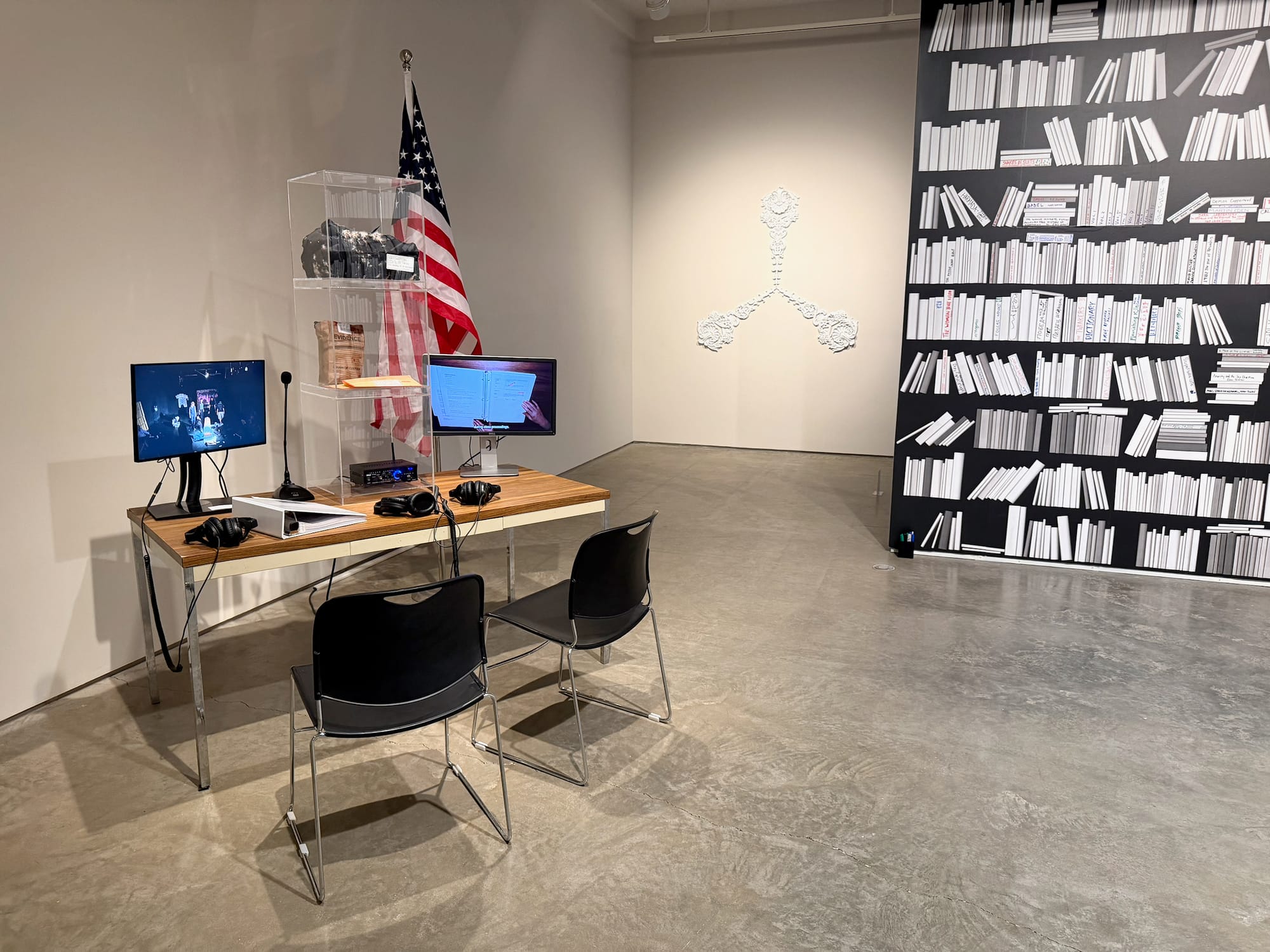
Curated by Sara Reisman, this four-person exhibition of Liz Magic Laser, Kameelah Janan Rasheed, Aliza Shvarts, and Jaro Varga probes the idea of free speech in a world increasingly inundated with limitations brought on by governments, corporations, and culture. While the subject sounds serious, many of the works are far more playful and tongue-in-cheek than the description suggests. For instance, Laser’s “Peace Power” (2026) consists of a wall sculpture that uses reproductions of the tacky moldings from the Trump White House renovation to fashion another type of symbol of power. —Hrag Vartanian
David Armstrong: Portraits
Artists Space, 11 Cortlandt Alley, Tribeca, Manhattan
Through May 23
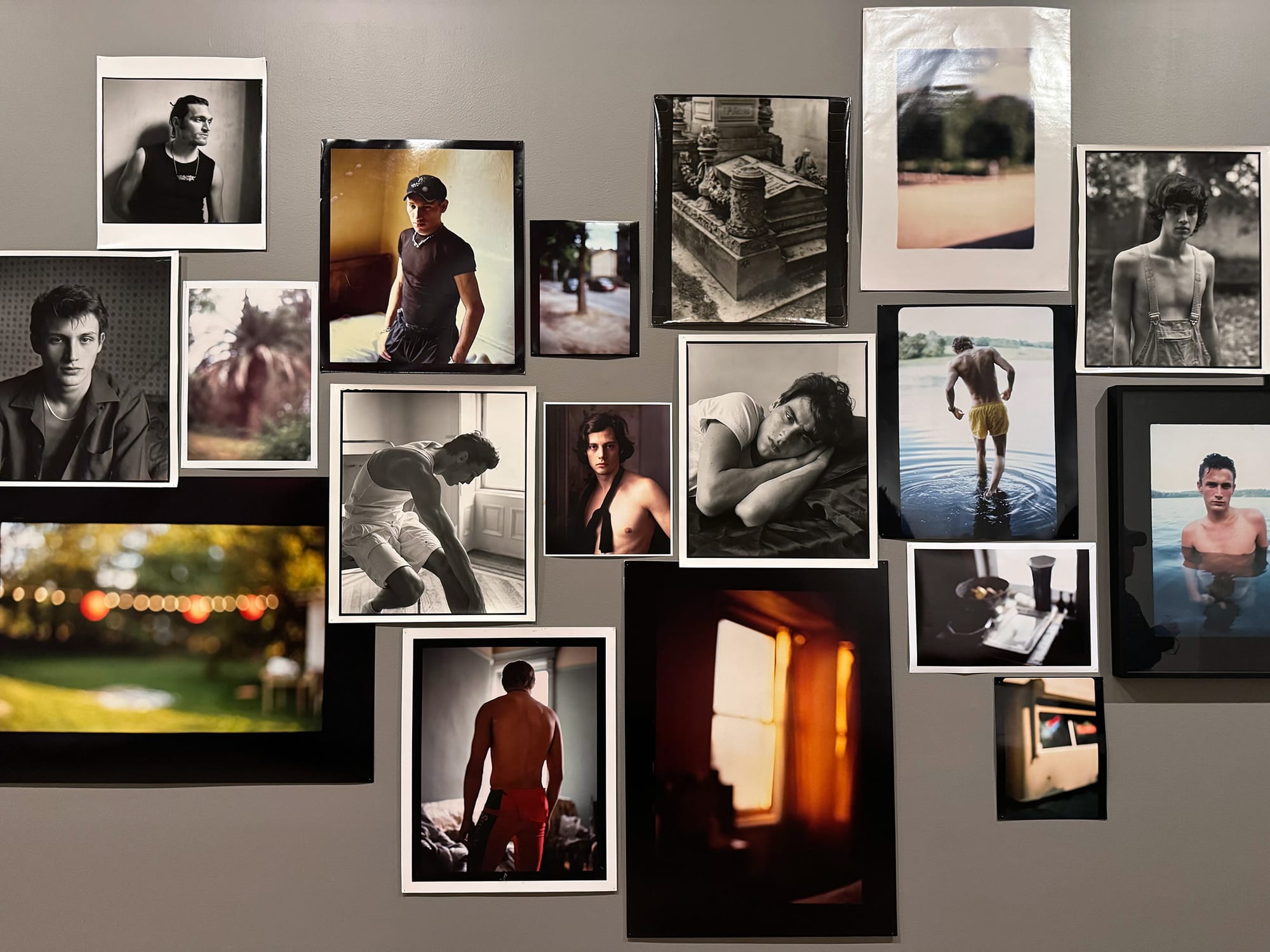
David Armstrong began photographing in the 1970s, and his oeuvre is definitively marked by the impact of the AIDS crisis on New York City — his lens turned from portraiture toward the inanimate as his community was devastated. This exhibition surveys the expanse of his career, showing intimate portraits of presumed paramours, friends, and muses, alongside blurred shots of landscapes and interior scenes: chairs, plants, statues. The intentionally distorted images stand in obvious contrast to his elegant portraits of mostly men, often in bed or various states of undress. They are beautiful — intimate, sensual, erotic — but there is a striking sense of shared loneliness, a longing, in both sets of images. —Jasmine Weber
Marina Adams: Works on Paper
Peter Blum Gallery, 176 Grand Street, Floor 2, Nolita, Manhattan
Through May 29
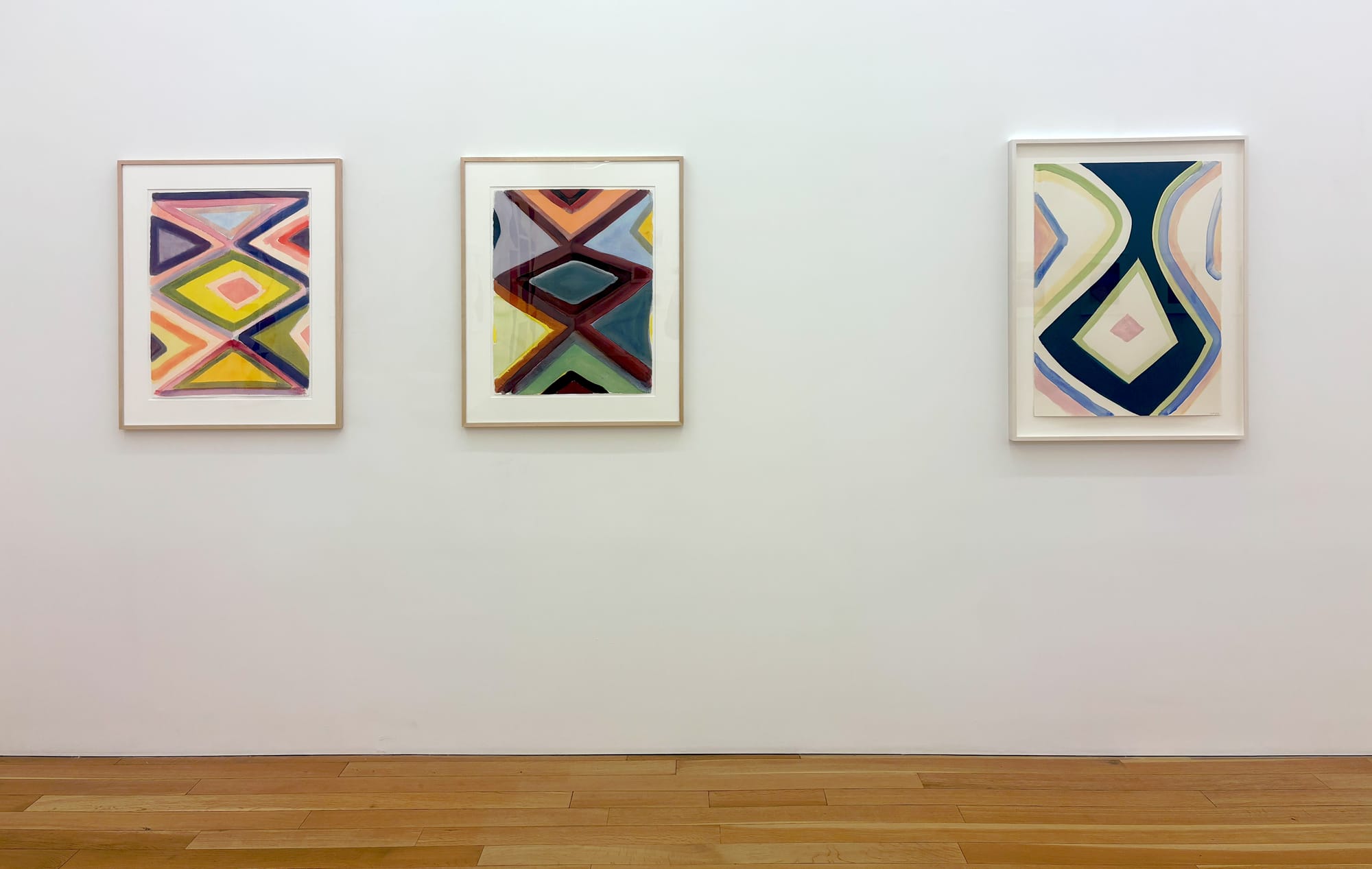
Marina Adams’s abstractions seem to buzz with an inner hum. When presented together in large groups, as in several installations throughout this drawing survey, her shapes sizzle, crackle, and dance before our eyes like a jazzy riff. Individually — my preferred mode of taking in Adams’s deceptively simple permutations of color and form — they conjure the warmth and solace of looking out at a sun-drenched field. —Valentina Di Liscia, senior editor
Louisa Chase: The Eighties
Berry Campbell Gallery, 24 West 26th Street, Chelsea, Manhattan
Through May 30
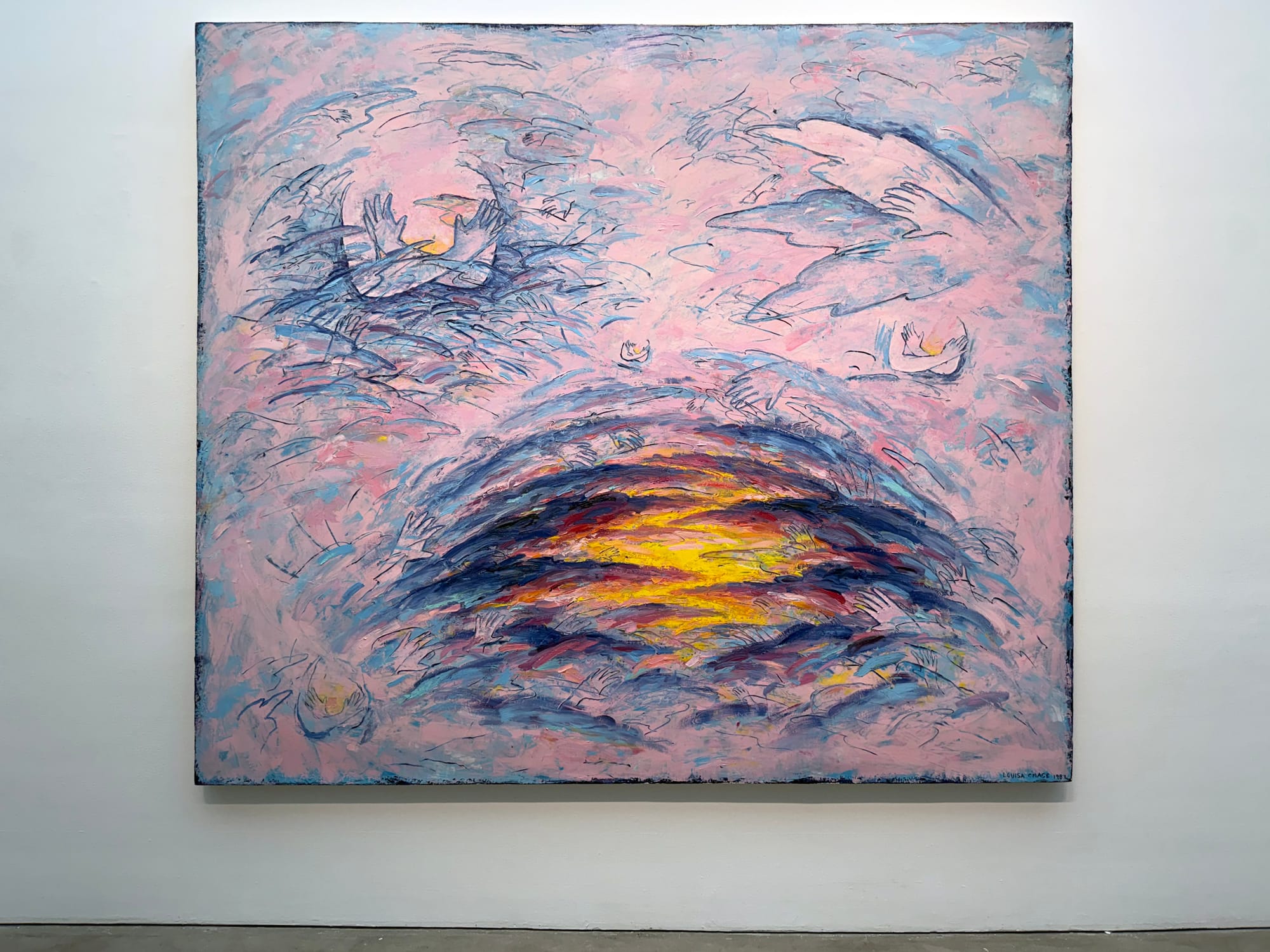
I saw Louisa Chase's massive "Sunset Grip" (1983), with its mostly soft Monet-esque color and nearly rabid mark-making, through a window on 26th Street and thought, Okay, fine. You've got me. As a viewer, one can sometimes forget that painting is a very physical act. Not so with Chase. In her works, the words "stroke," "carve," "slash," and "gouge" each take on a distinctive meaning as well as mark. Chase was a main figure of 1970s and '80s New York, running around with the likes of Marilyn Minter, Judy Pfaff, and Julian Schnabel, and a mentee of Philip Guston, whose work is also on view in the city in a show John Yau will tell you all about below. This is the largest and most comprehensive showing of her work in more than a quarter-century, and it just might stop you in your tracks. —Lisa Yin Zhang
Mel Kendrick: Tilt
David Nolan Gallery, 24 East 81st Street, 4th floor, Upper East Side, Manhattan
Through June 6
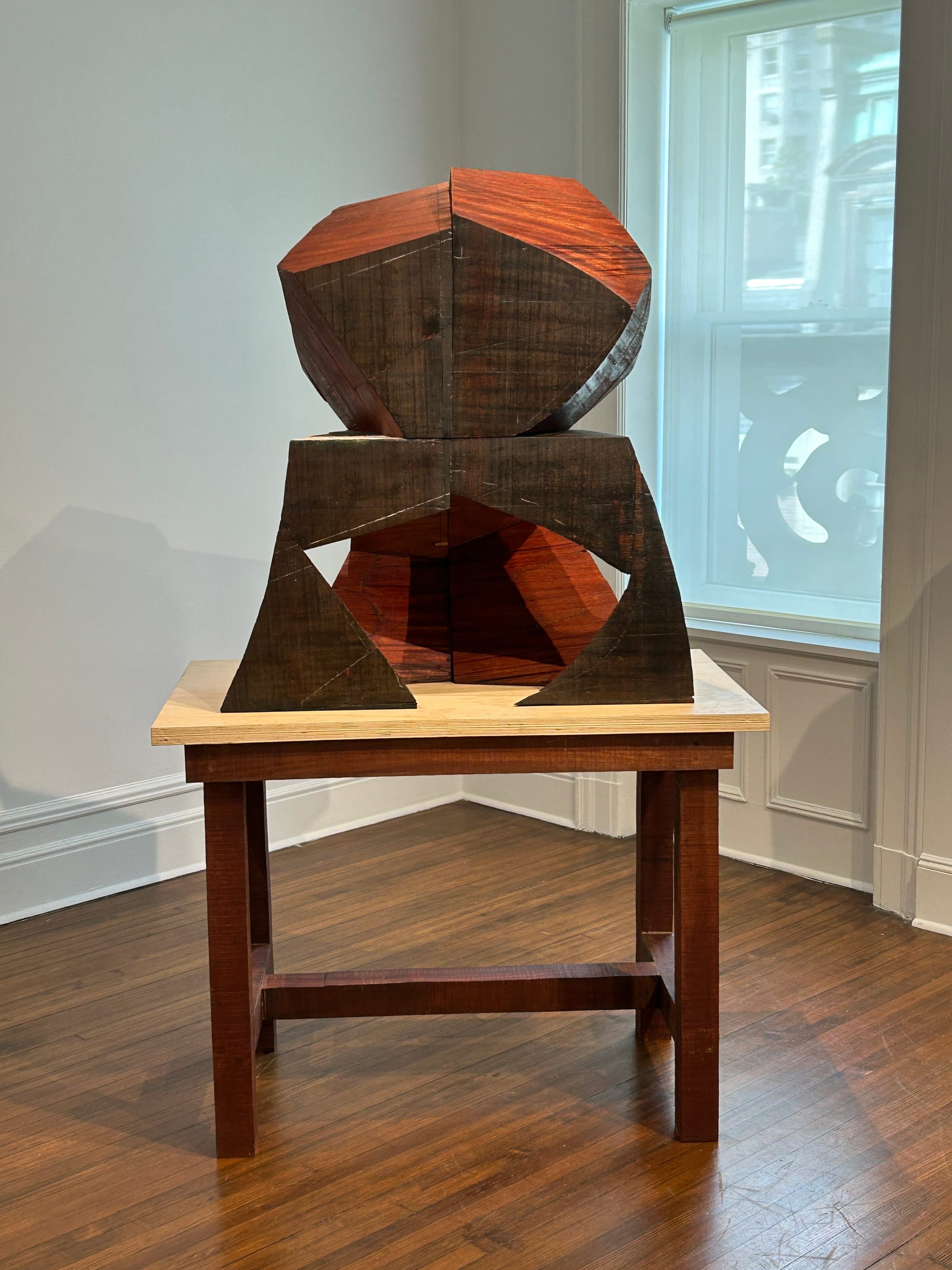
Mel Kendrick's ninth solo exhibition at David Nolan consists of free-standing pieces, as well as wooden sculptures and cast paper-pulp works mounted on the wall. Each sculpture is made by cutting and rejoining a single board or excavating parts from a solid piece and reorganizing them to make a new form. Nothing is thrown away or added to the source, which invites viewers to disassemble them in their mind's eye until they arrive at what the form might have originally looked like. That interplay — a reversal of Kendrick's process — is one of the delights of engaging with his work. Within that experience, the viewer senses Kendrick's independence from fabrication and dependence on assistants and high-tech machinery, and all that capitalist access calls up in this disparate world, in favor of a pared-down aesthetic engagement with ordinary materials. —John Yau
Eileen Agar: Leaves of the World & Head Stretch
Andrew Kreps Gallery, 22 Cortlandt Alley
Through June 20
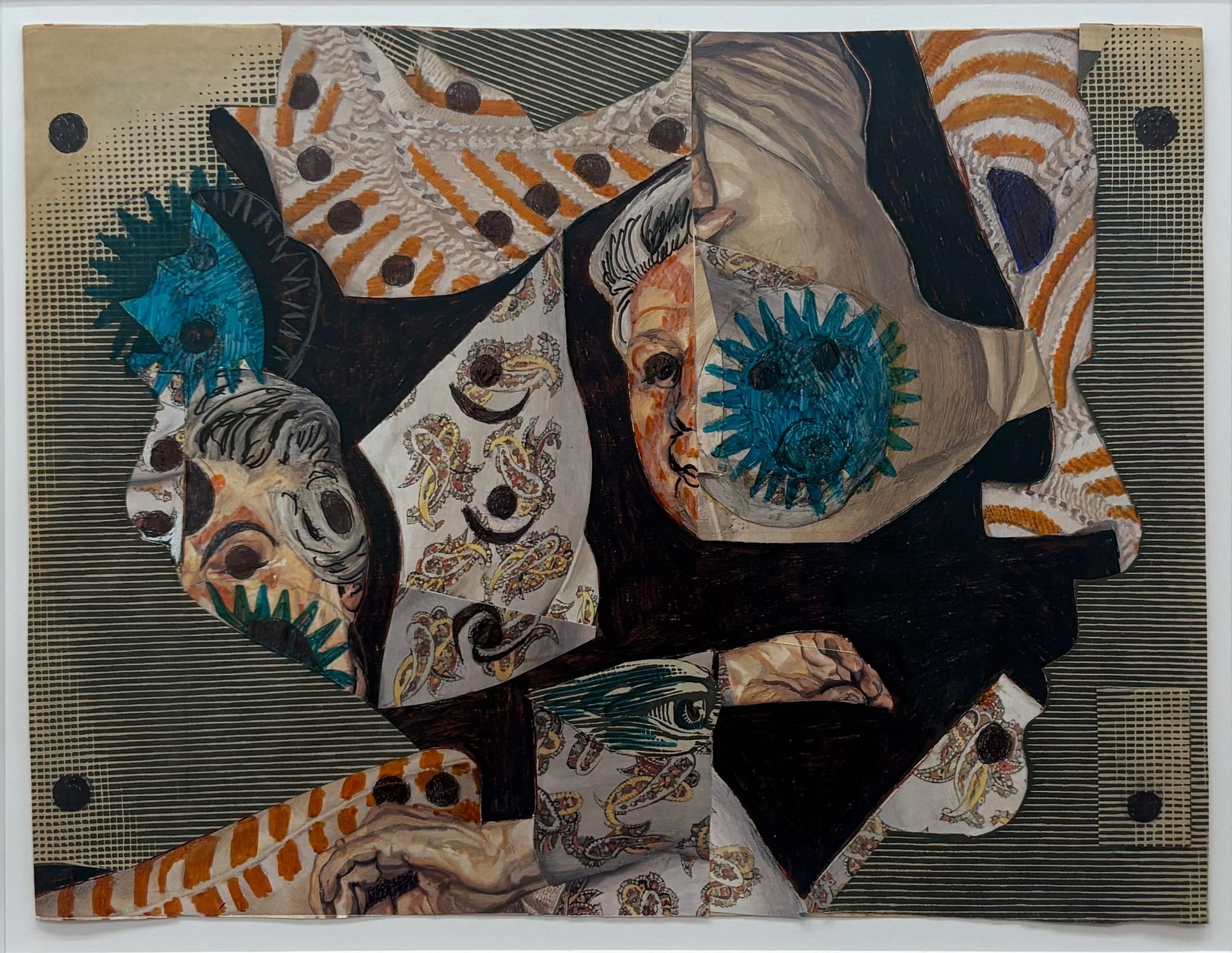
One half of Andrew Kreps Gallery is dedicated to the work of the late British-Argentine artist Eileen Agar, one of the few women included in the 1936 International Surrealist Exhibition in London; the contours of Surrealism are evident in her exquisitely layered collages evoking the sea, the body, and the organic world. On the other side, Brazilian contemporary sculptor Erika Verzutti has curated a show of works by artists in her shared studio building in São Paulo. Paintings, drawings, and Verzutti’s own distinctive ceramics are hung with a salon-style camaraderie, and one can almost hear them whispering and giggling among themselves. Texture, surface, and material bridge two very different exhibitions, each worthwhile. —Valentina Di Liscia
Philip Guston: Life with P.
Hauser & Wirth, 443 West 18th Street, Chelsea, Manhattan
Through July 10
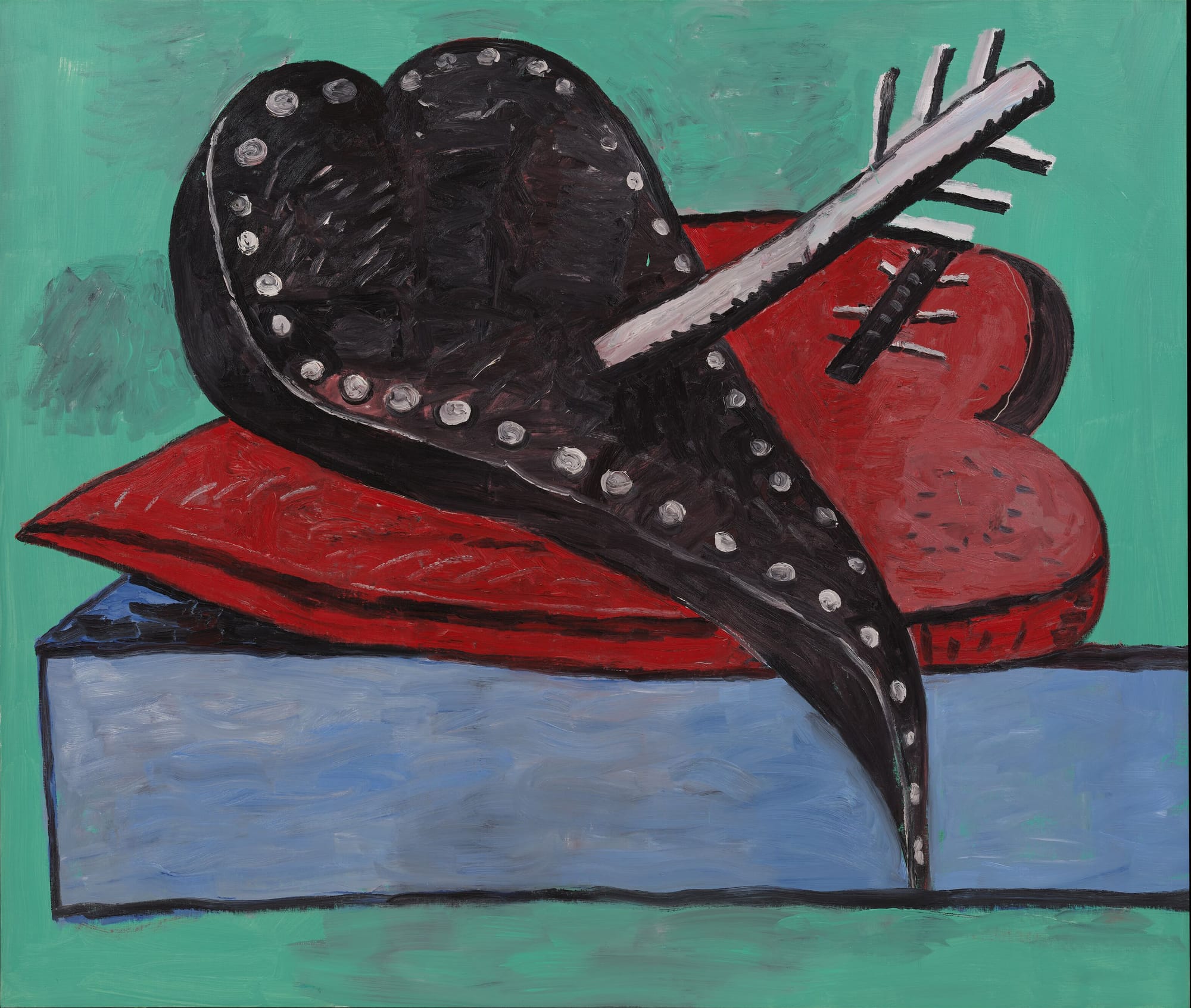
Philip Guston has been the subject of considerable attention since he died in 1980. Much of that consideration has focused on the dramatic change that took place in his art in the late 1960s, when he turned toward his cartoony depictions of hooded Klansmen. This welcome exhibition, on the other hand, opens up our understanding of the full arc of one of the most influential artists of the last 50 years. It includes three never-before-exhibited paintings of his wife of over 43 years, the poet Musa McKim, and poem-pictures he made combining her poems with his drawings. His collaborations with poets are an important body of work within his oeuvre, and the ones he made with McKim are finally getting the regard they have long deserved. —John Yau
How Asian Is It?
Milton Resnick and Pat Passlof Foundation, 87 Eldridge Street, Lower East Side, Manhattan
Through July 11
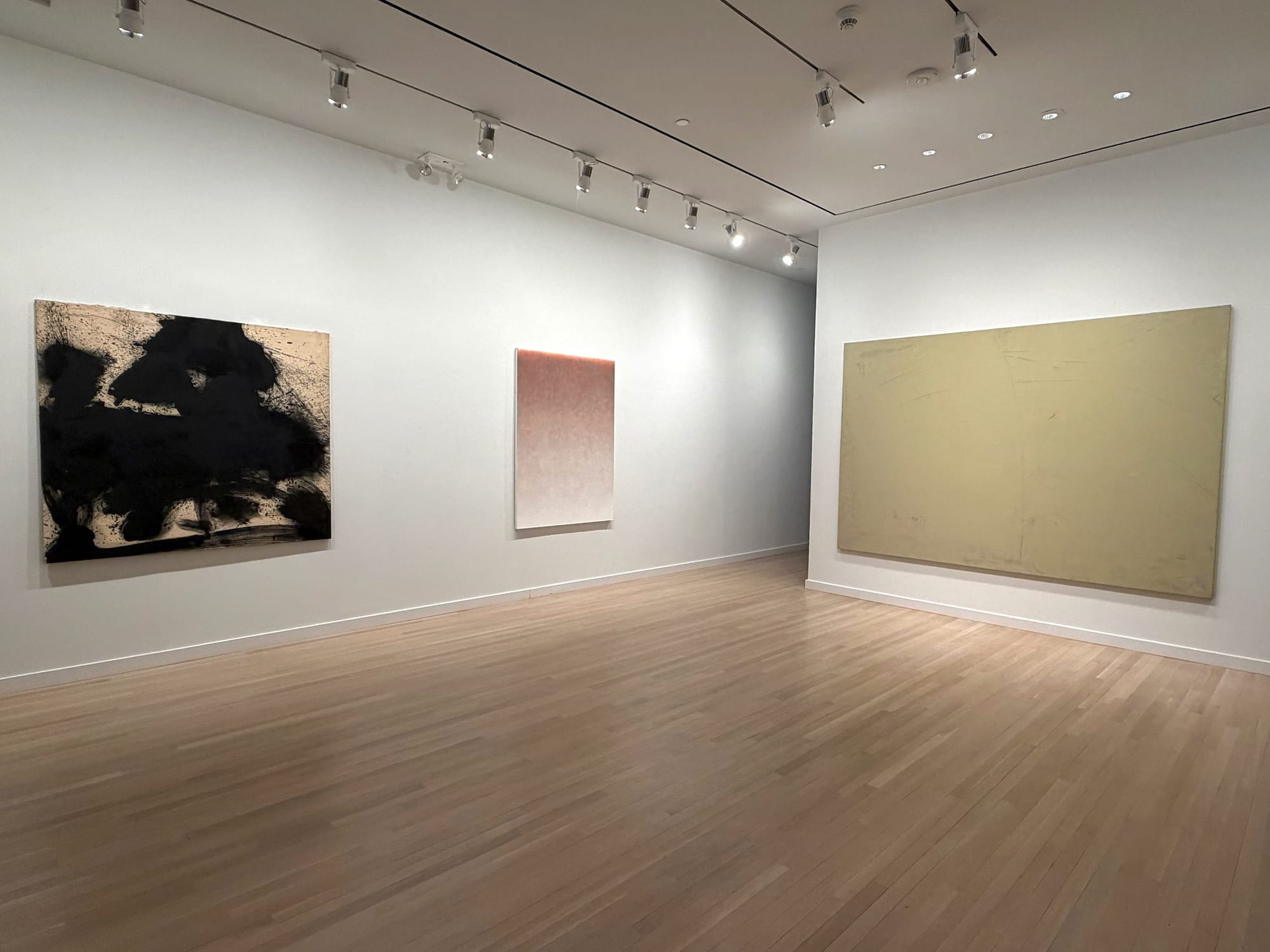
Curated by Lilly Wei, this two-story exhibition showcases artists of East Asian descent working in abstraction. While there are flecks of representation, like in Charles Yuen’s work, most refuse the traditional markers of identity in favor of more formal languages. It offers a way out of the straitjacket that many racialized artists are forced to endure, where being measured by a barometer of identity can feel like the only way to be seen. Artists as diverse as David Diao, Kikuo Saito, Barbara Takenaga, and Kim Uchiyama are among the 12 artists on display. —Hrag Vartanian
Lynette Yiadom-Boakye: Many A Moonlit Caveat
Jack Shainman Gallery, 46 Lafayette Street, Tribeca, Manhattan, and 513 West 20th Street, Chelsea, Manhattan
Through July 31
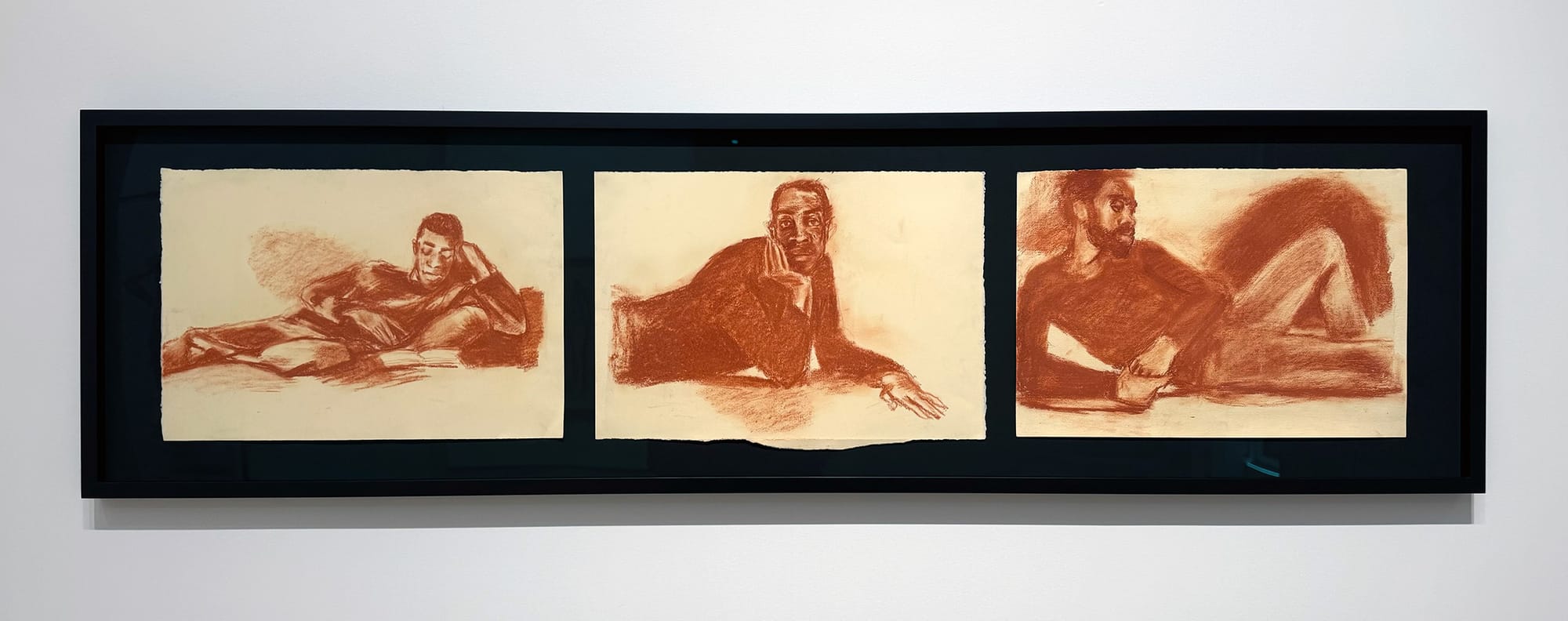
At the downtown outpost of this two-part survey, the majority of works on view are orange lump sanguine or black charcoal on paper, save for a few oil paintings — all striking. The artist is ingenious at depicting private, everyday interiors and their understated beauty. In her drawings, men recline, or curl on couches and in beds; dancers in leotards gather, mid-practice; worshippers sing. A costumed dancer moves through choreography, and then crumples in the contemplative moment that follows. Her scenes are simple but exquisitely rendered, stylistically and thematically. In a poem of the same name, she writes: “The Nightingale Knows That To Be Unseen, Is Ofttimes to Be Truly Free.” The exhibition is so moving in its quietude, I want to return again and again. —Jasmine Weber
Self-Made: A Century of Inventing Artists
American Folk Art Museum, 2 Lincoln Square, Upper West Side, Manhattan
Through Sept. 13
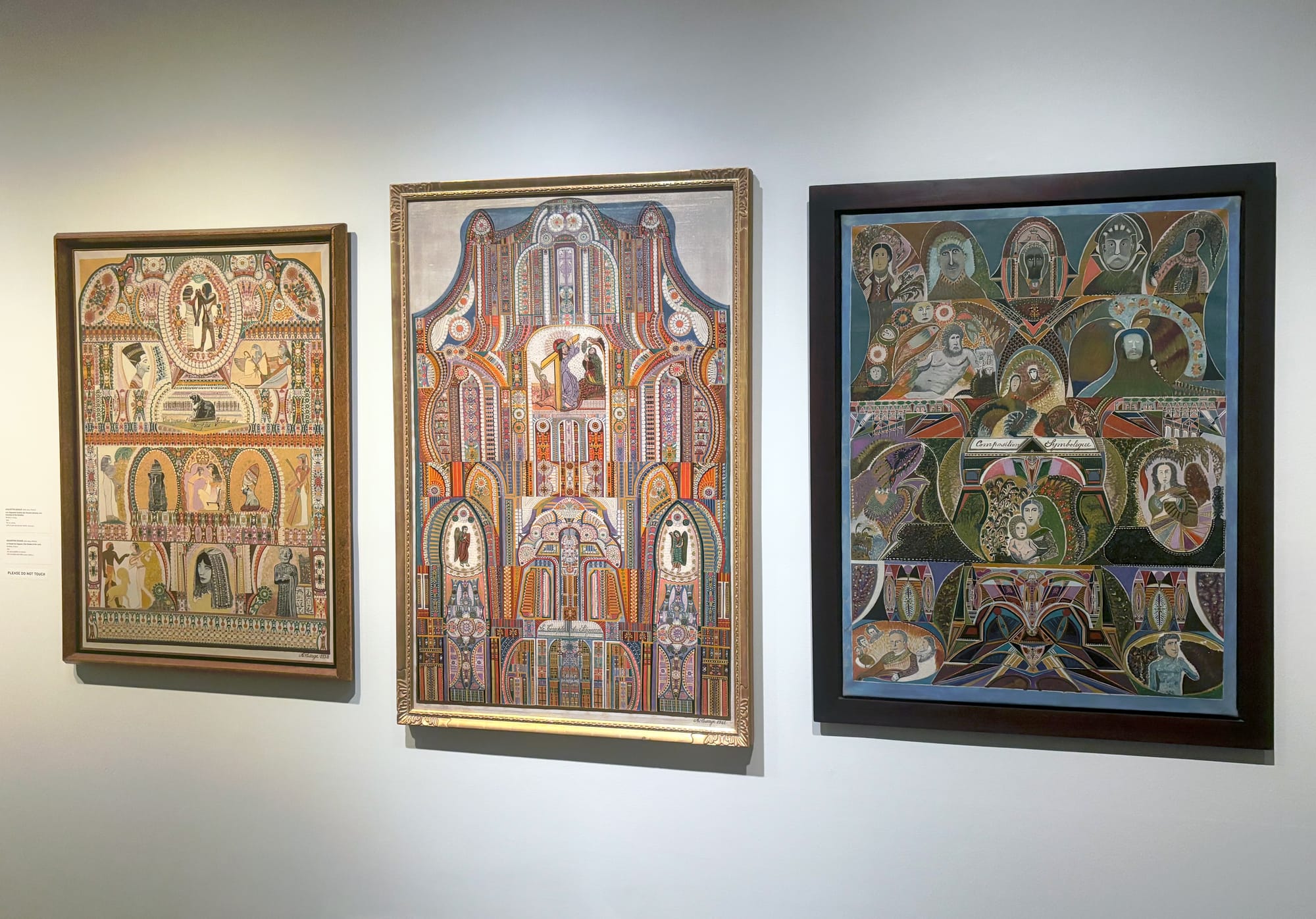
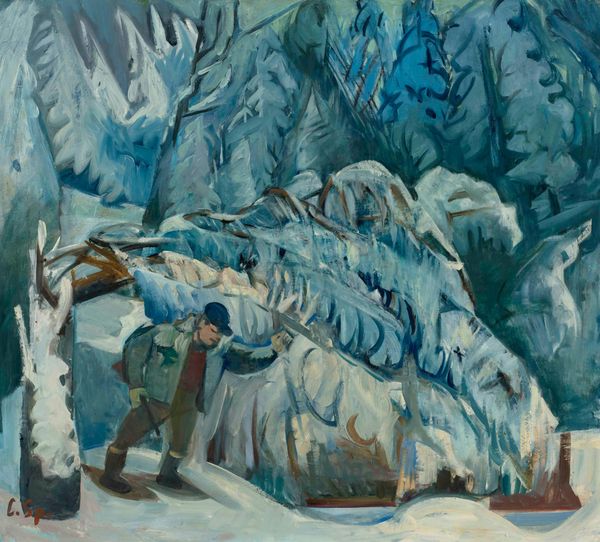
In 1964, critic and theorist Arthur Danto coined a term to describe a cultural context that confers aesthetic legitimacy. "To see something as art requires something the eye cannot decry — an atmosphere of artistic theory, a knowledge of the history of art: an artworld,” he wrote. At the American Folk Art Museum, an exhibition of “self-taught” artists who created outside institutional circles — while hiding in an attic during World War II, within the California state psychiatric system — challenges visitors to rethink what artistic value, and beauty, might mean. The works on view are autobiographical, expressive, and wholly unique. —Valentina Di Liscia
Bony Ramirez: El Cielo Del Mar
Historic Chapel of Green-Wood Cemetery, 750 Fifth Avenue, Greenwood Heights, Brooklyn
Ongoing
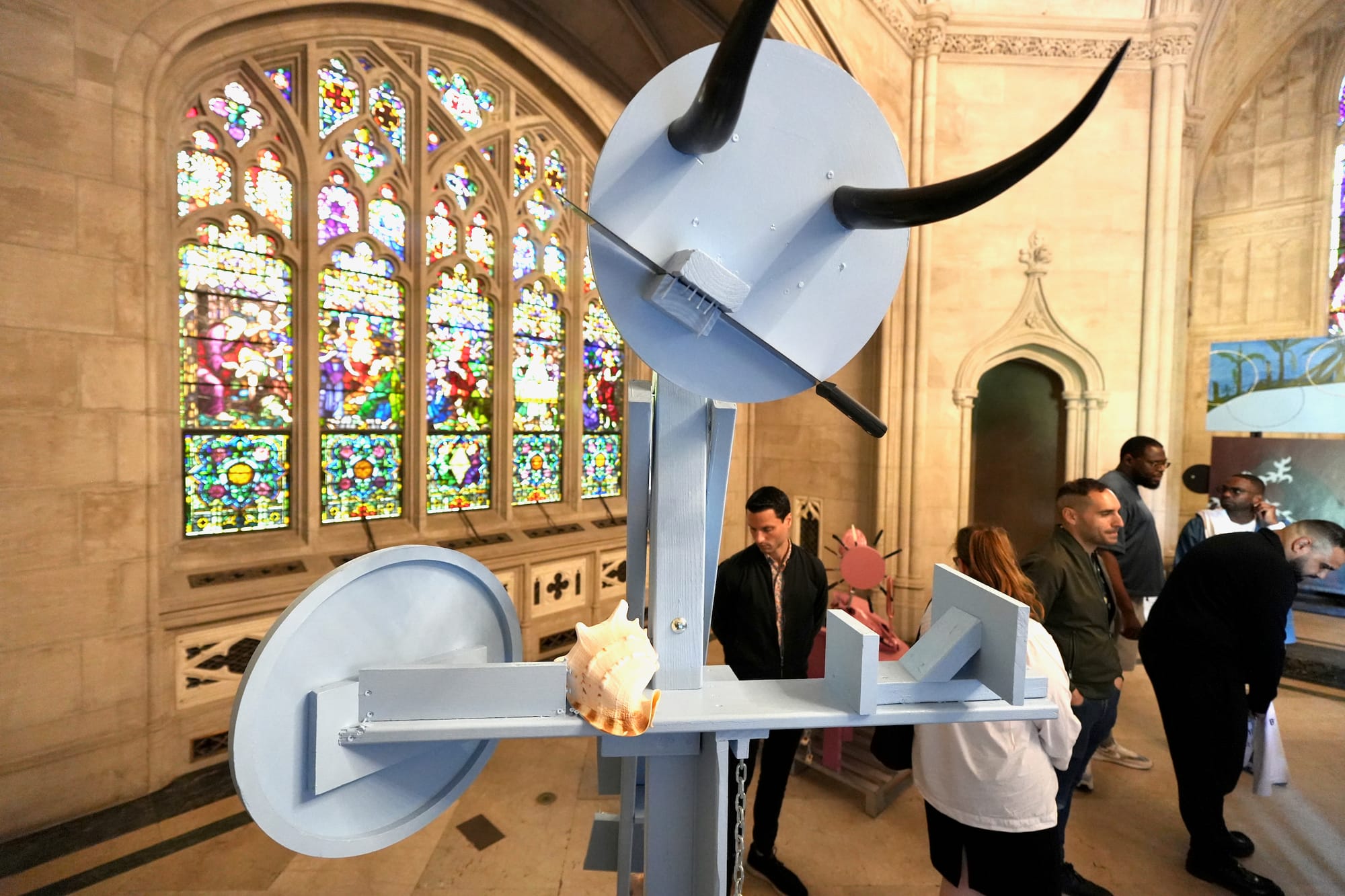
Jean Shin’s “Offering” (2026) was newly unveiled on April 20th, but you would be wise to venture to the historical chapel to see the Jersey City-based artist Bony Ramirez’s meditation on grief as a human condition as well. Drawing on various funerary traditions, horned abstractions and knife-spoked wheels share space with conch shells and large colorful geometric forms to consider death anew. —Hrag Vartanian
Sara Ouhaddou: Al Qalam (The Pen)
Elizabeth H. Berger Plaza, Financial District, Manhattan
Ongoing
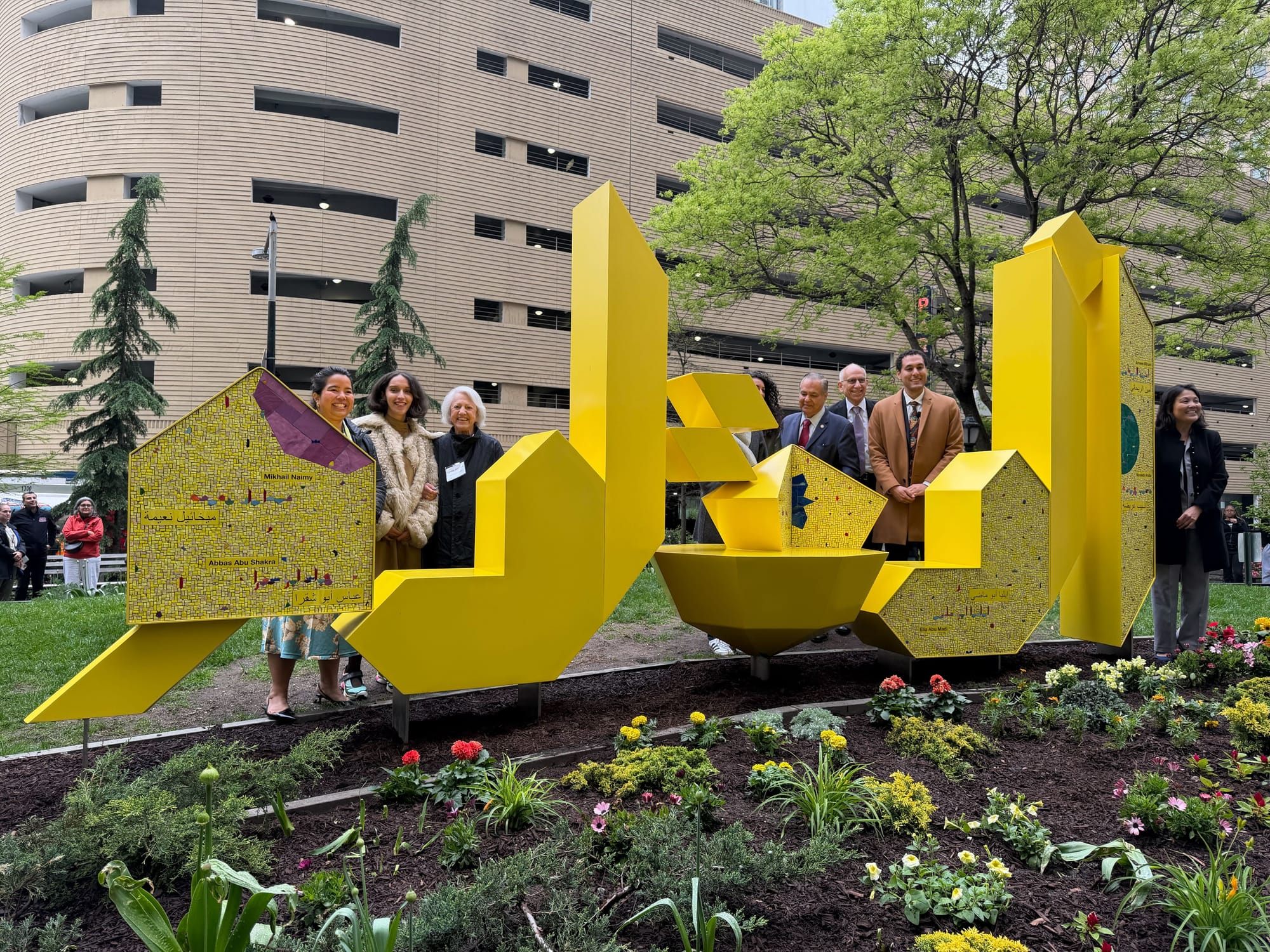
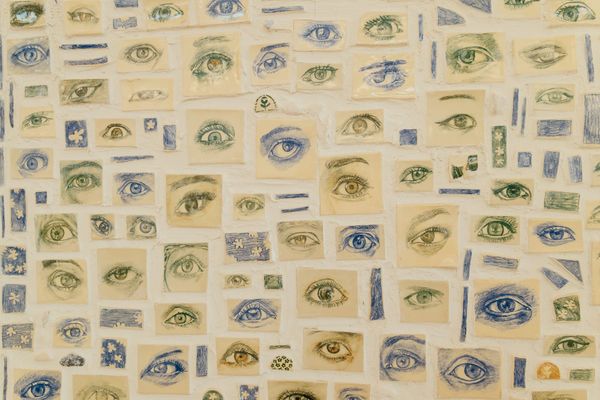
Sara Ouhaddou’s vivid mosaics, a monument to the city’s first Arabic-speaking enclave, animate a lush plaza in Manhattan’s financial district. Ouhaddou, born in France to a Moroccan family, tenderly places her own experience as an immigrant in dialogue with the literary history of Manhattan’s “Little Syria,” a thriving neighborhood of immigrants from Syria, Lebanon, and Palestine that was dismantled by the creation of the Brooklyn-Battery Tunnel in the 1940s. This work translates excerpts of works by nine of the neighborhood's prolific writers, such as Khalil Gibran, into her own mosaic language, emulating the complex linguistic and cultural exchanges that defined the neighborhood. — Isa Farfan, staff writer