A Blockbuster Take on Ovid’s “Metamorphosis”
The Rijksmuseum exhibition raises questions about gender, sexuality, and transformation that it is not prepared to answer.

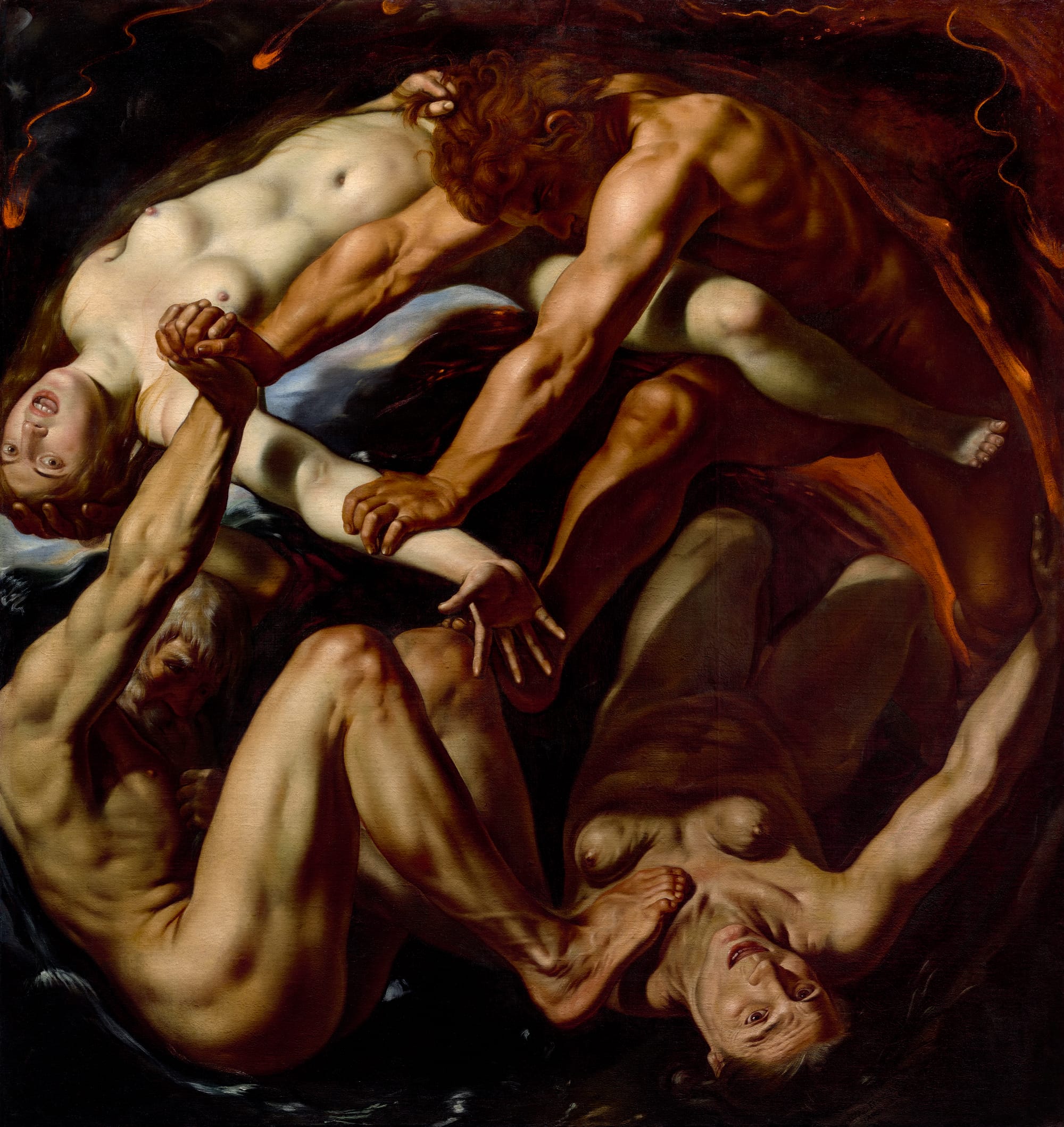
AMSTERDAM — Enter a cramped gallery in Amsterdam’s Rijksmuseum, and you’ll be confronted with a chaotic image of creation. Four naked bodies caught in centripetal motion wrestle one another amid a vast emptiness. A graying male figure desperately tries to hold the group together, muscles tensed; his youthful counterpart, stuck between the legs of a visibly distressed woman, clenches errant arms and hands while a second, older woman seems to cry out in pain. It is a scene of overwhelming disorder painted with stunning beauty, embodying the violent dissonance of the West’s foundational myths.
This dramatic painting — Louis Finson’s “The Four Elements” (1611) — is featured in Metamorphoses, an exhibition at Rijksmuseum named after Ovid’s eponymous poem of myths. Billed as a blockbuster event combining Renaissance-era masterpieces with art from antiquity and more contemporary works, it uses the poem as a point of departure to track how artists across time have imagined Ovidian myths of creation, violent desire, and becoming. Without its digestible curation and programmatic approach, Metamorphoses could easily have been a substanceless excuse to put artists like Antonio da Correggio and Isamu Noguchi in the same room. Instead, its curators grouped paintings, sculptures, photographs, video works, textiles, metalwork, and ceramics according to the myth they depict. Plenty of these artworks are breathtaking in their own right, but it is in their juxtaposition that the show explores ideas of transformation, desire, and gender. The exhibition is a feast for the eyes, and not just empty calories — though the museum does hedge when it comes to our contemporary moment, proposing a “neutral” politics that shields the institution from backlash over potentially controversial discourse surrounding sexual violence, queerness, and intersex identity.
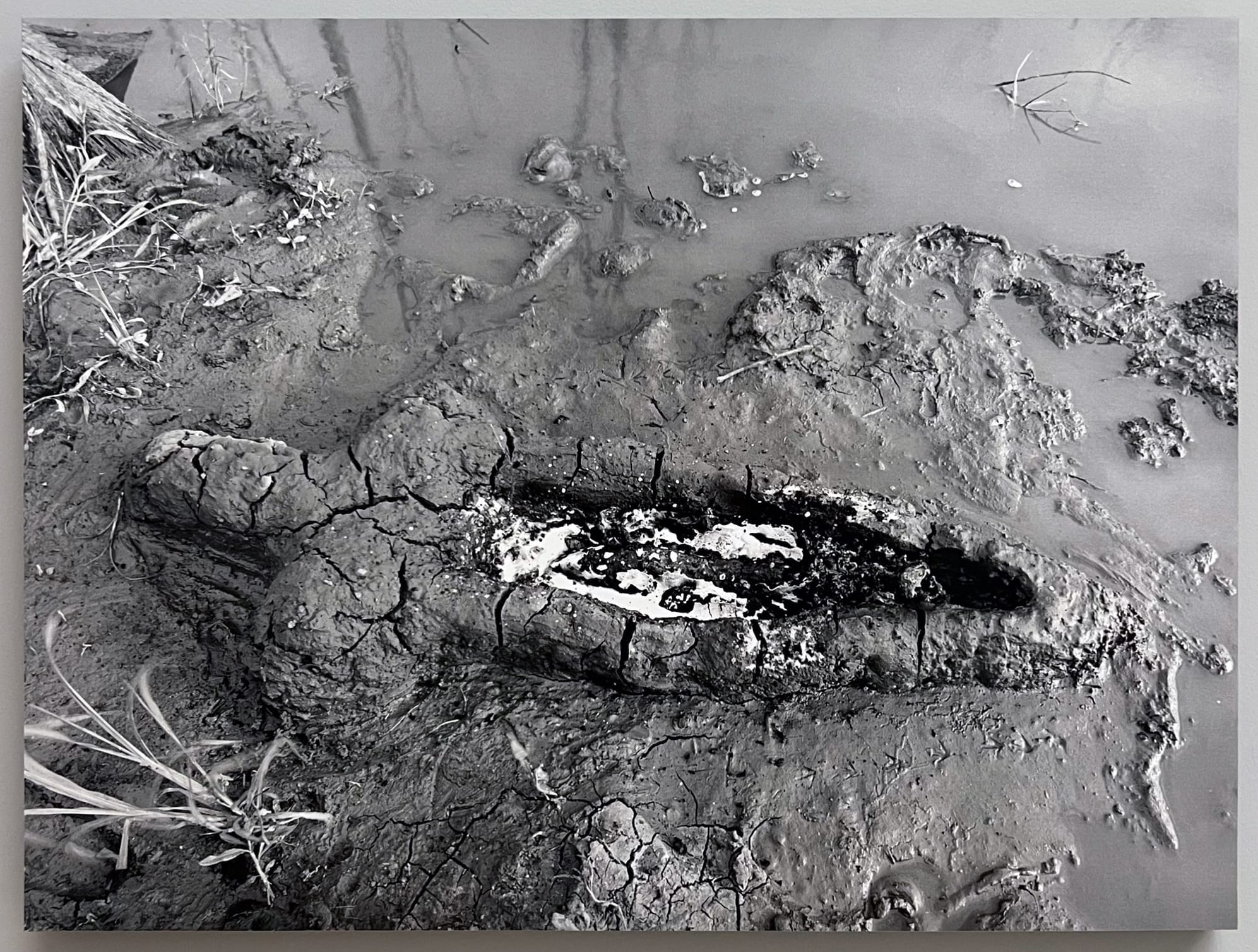
According to the introductory wall text, the overarching theme of Ovid’s poem — and by extension, the exhibition — is the tension between endless transformation and an overdetermined world. The second gallery, a relatively tiny room dedicated to Ovid’s myths of chaos and creation, best embodies this theme. Here, Finson’s “Elements” hangs adjacent to Constantin Brâncuși’s “Promethee (Prometheus)” (1911), a round piece of smooth marble in which slight indentations and protrusions suggest a human face. Across the wall sits “Birth (Gunpowder Works)” (1981), Ana Mendieta’s black and white photograph depicting an earthwork in the vague shape of a female body lying atop a lightly flooded landscape. The entire bottom half of the figure is vulva-like in shape, with smoldering ash resting in its orifice.
If Mendieta’s “Birth” arises from an already coded natural world, then Auguste Rodin’s sculpture “La Terre (The Earth)” (1884/96) emerges from formless mass. Lacking extremities and details, it’s petrified in the moment of formation. These works traffic in the logic of indeterminacy and the notion that the world and the self are incoherent from the outset. This tension between the beauty of perpetual transformation and the grotesque horror of endless becoming is an ongoing theme.
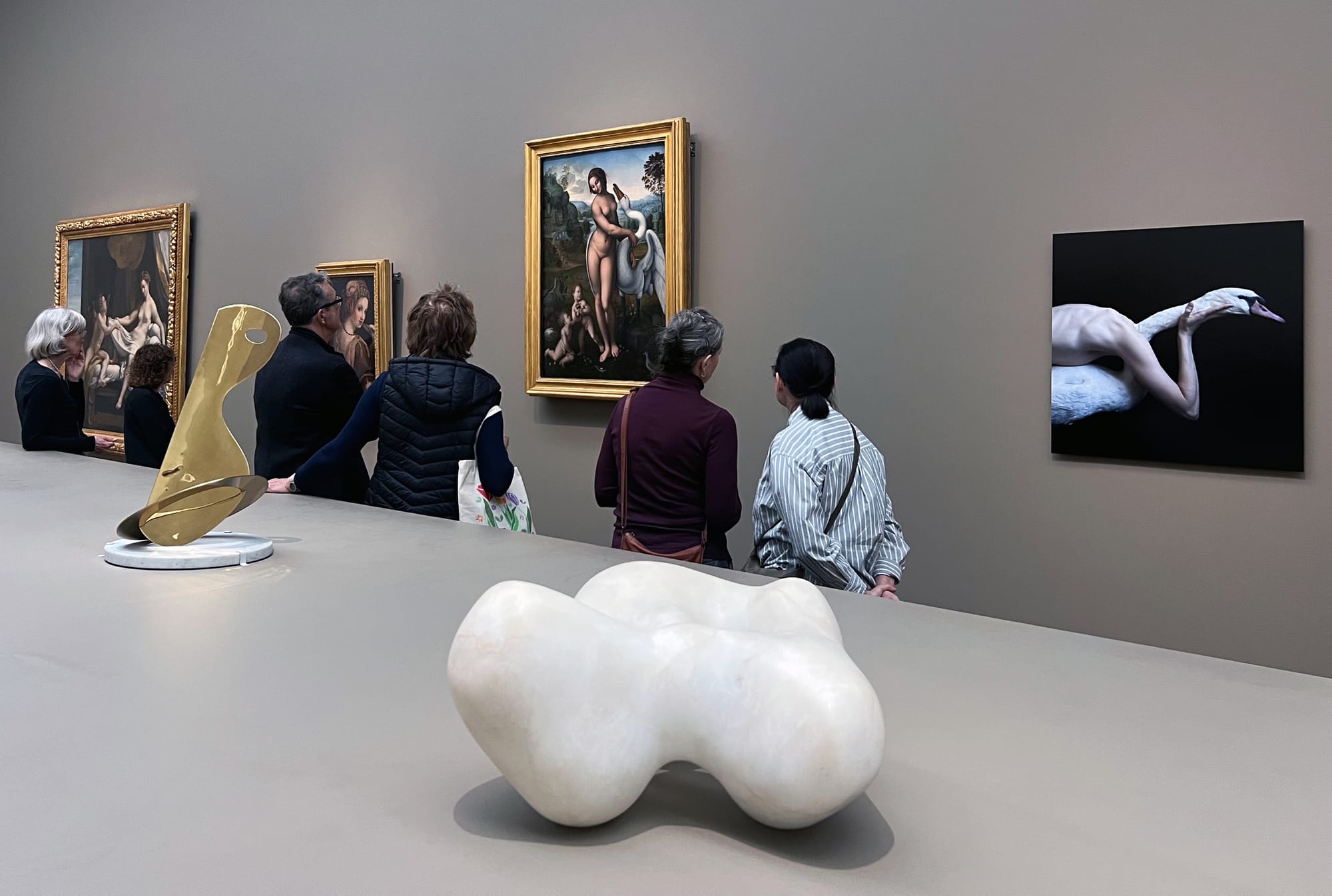
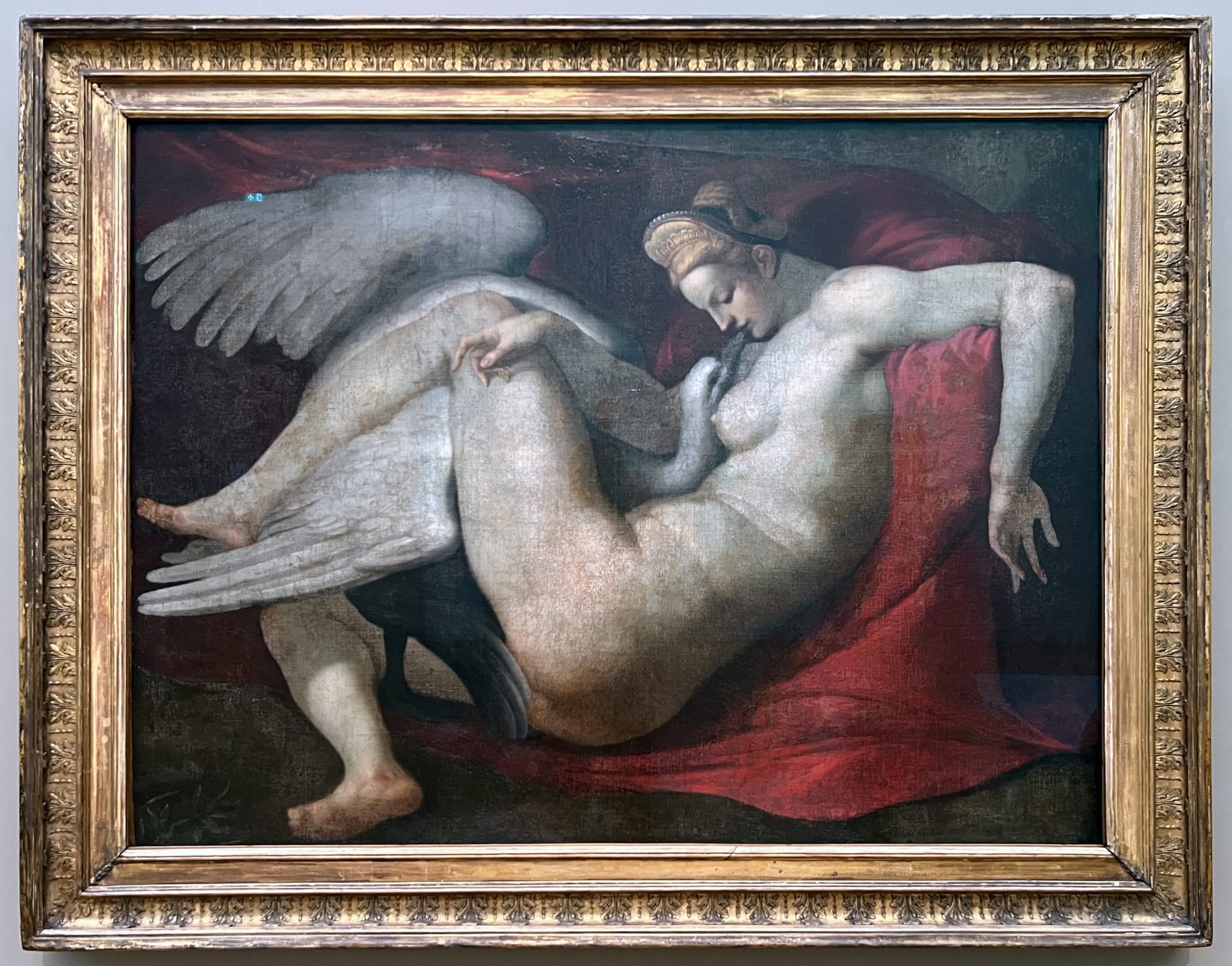
Later galleries explore the awe of metamorphoses begotten by distinctly awful means. In rooms devoted to stories about women, it is not the women themselves who shape forms — rather, it is the jealousy, sexual violence, or sheer whim of the gods that births figures into both literal and metaphorical chaos. In these works, the body is made to be violated by non-human forms representing inescapable powers. For example, images of the god Jupiter’s assaults against women are depicted with voyeuristic eroticism in both Renaissance-era paintings and a modern sculpture: A copy of Michelangelo Buonarroti’s “Leda and the Swan” (after 1530) imagines the instant of Leda’s rape by Jupiter-turned-swan as a heady embrace. Correggio renders another assault as natural submission in “Jupiter and Io” (c. 1531–32), in which the latter embraces the god in the form of a dark cloud of fog, seemingly with pleasure. A masturbating Danae waits for a shower of gold in Hendrick Goltzius’s lush painting “The Sleeping Danae Prepared to Receive Jupiter” (1603). Juul Kraijer’s “Untitled” (2016), a photograph of a woman’s seamless entanglement with a swan, resists the horny gaze, but its presence alone isn’t enough to prime visitors to think through this dissonance between sensuousness and violence.
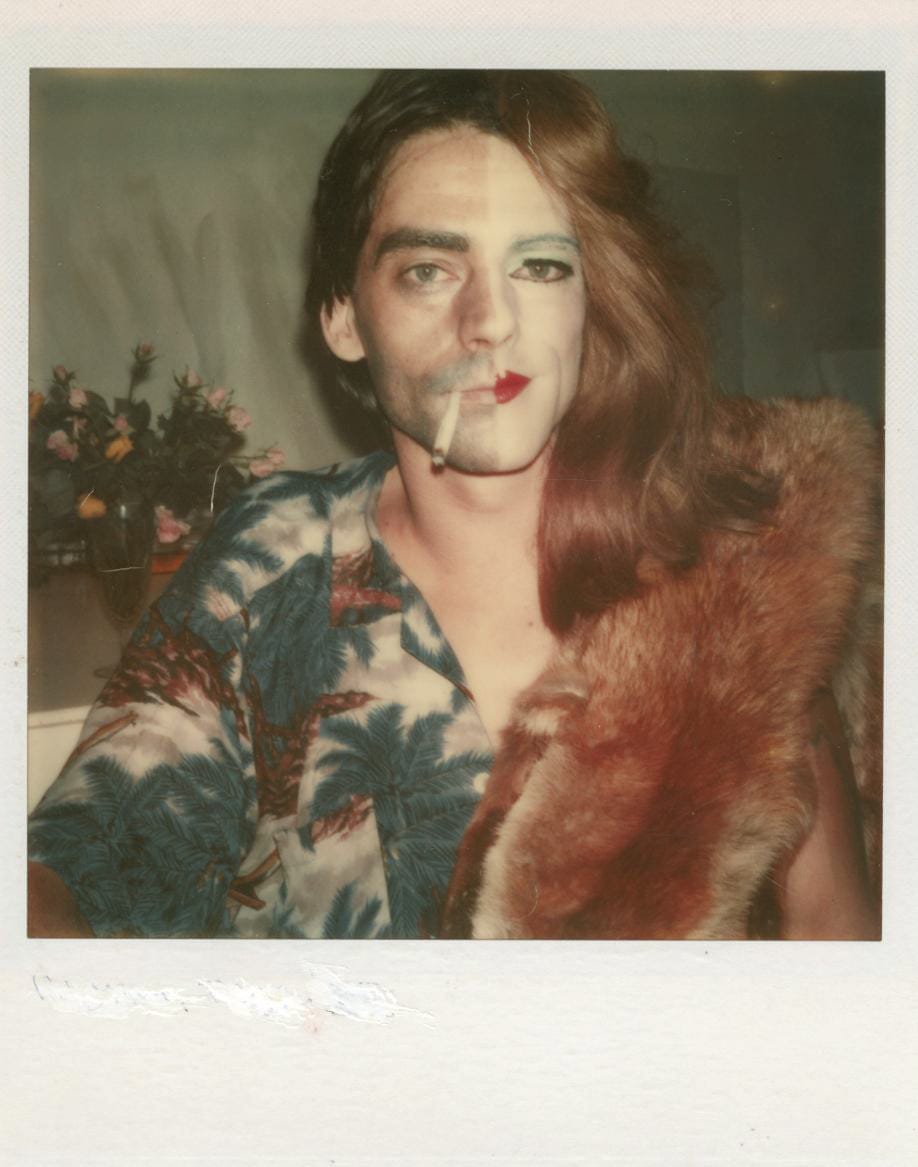
The exhibition also gestures toward contemporary understandings of gender only as an afterthought. Ulay’s “S’he | Dreaming of Self-Impression from the Renais Sense Series” (1973–74) is a series of polaroid self-portraits in which half of the artist’s face dons lipstick while the other half sports a mustache. The performance explores gender expression and rigid binary structures, but the work’s placement in a vague gallery about the metamorphosis of the face sidesteps an urgent and thoughtful consideration of queerness.
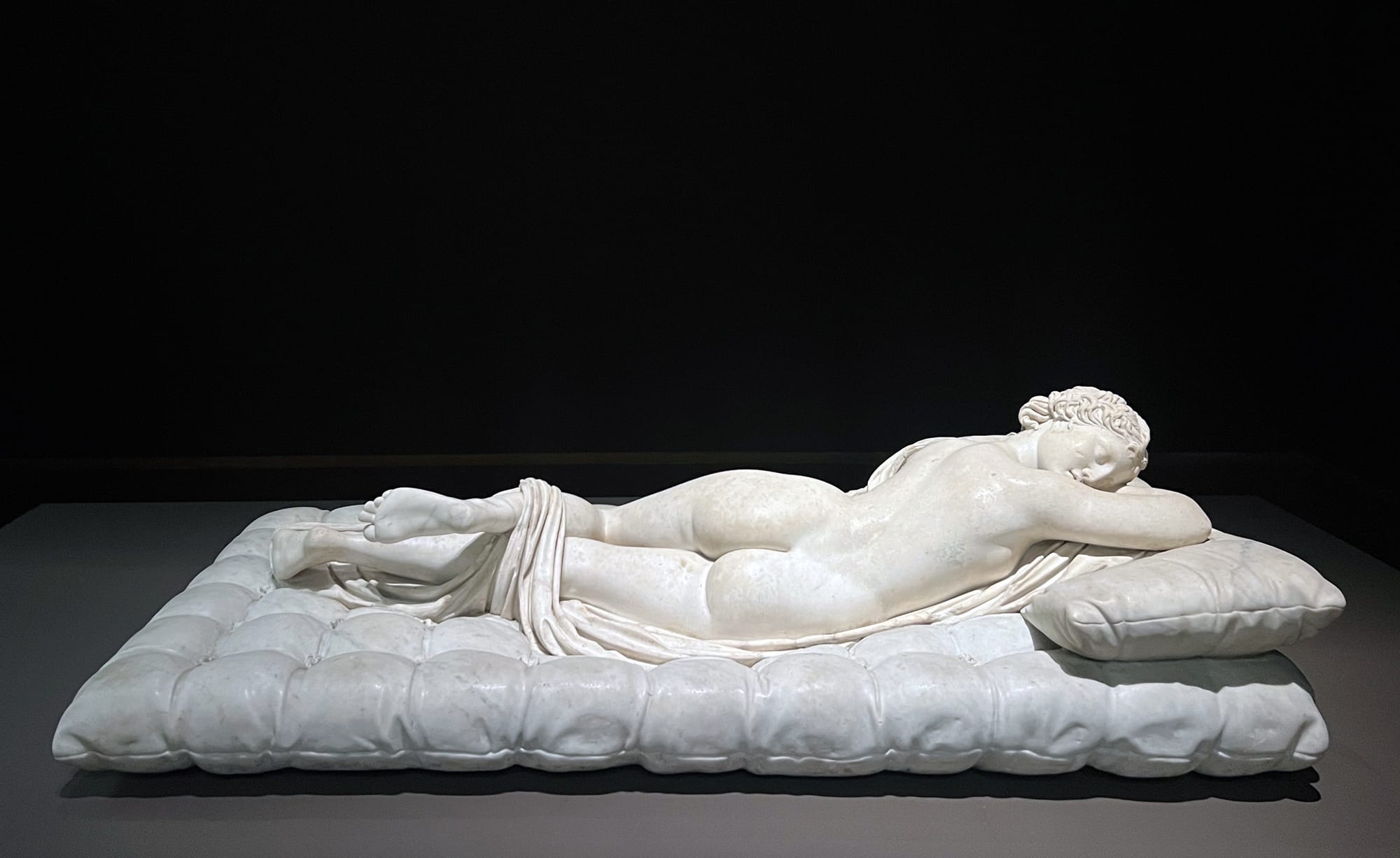
The exhibition’s standout work is Bernini’s “Sleeping Hermaphroditus” (1620), an excavated Roman sculpture of an intersex person lounging on a lifelike marble mattress. Breathtaking in detail, the work is installed by itself in a dark gallery toward the end of the journey. But without a contemporary counterpoint to address the real experiences of intersex people — or even their aestheticization — this curatorial move amounts to a missed opportunity at best, and at worst, a glaring omission.
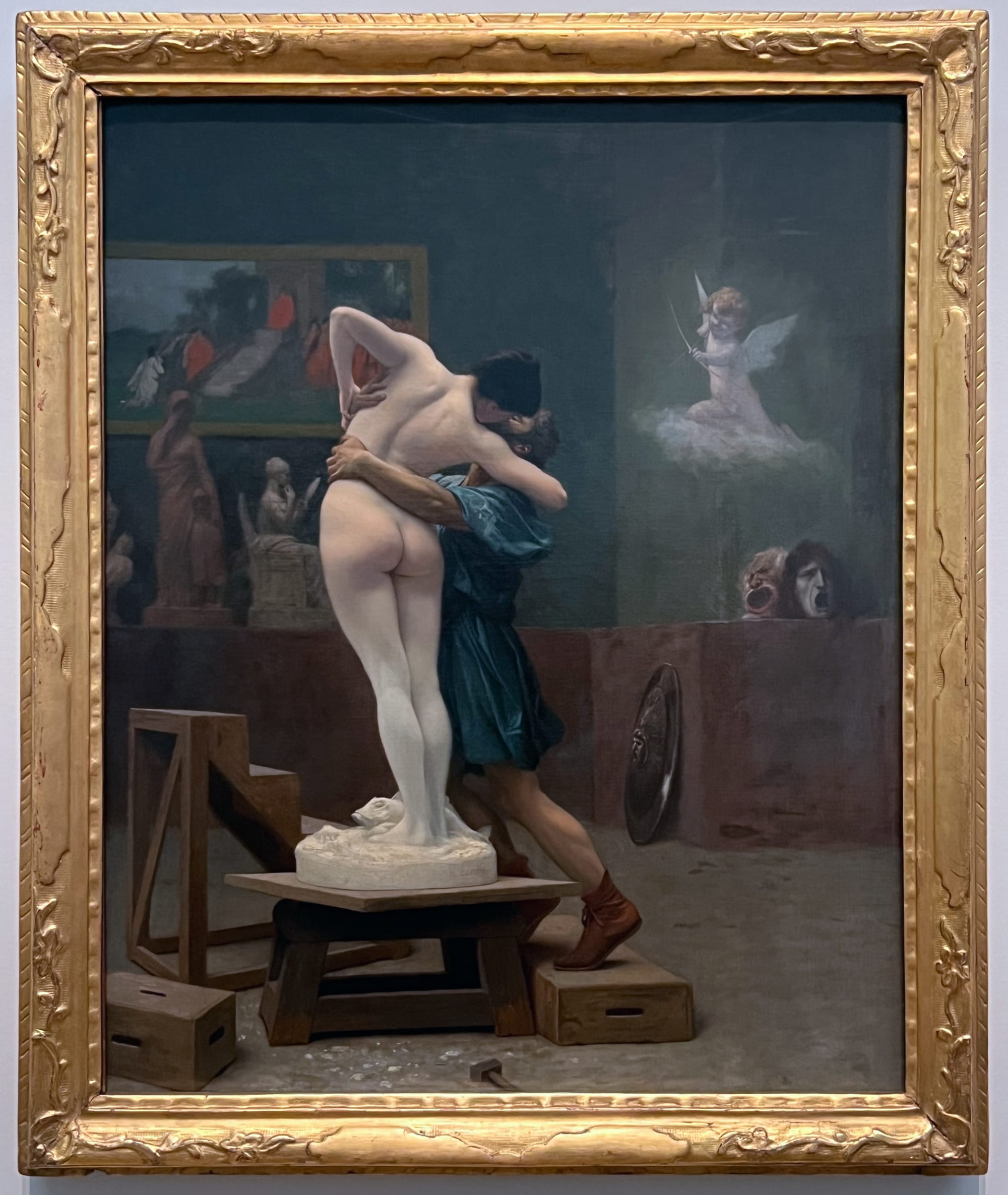
As a whole, stunning images and rich themes make for a pleasurable jaunt through Ovid’s tales, though the show’s placid gestures toward urgent contradictions rob it of long lasting resonance. But ultimately, this show is meant to be a blockbuster, more about big names than deep analysis. It’s Caravaggio’s “Narcissus” (1597–98), Titian’s “Danae” (1552), and Jean-Léon Gérôme’s “Pygmalion and Galatea” (1890–92) that get people through the door.
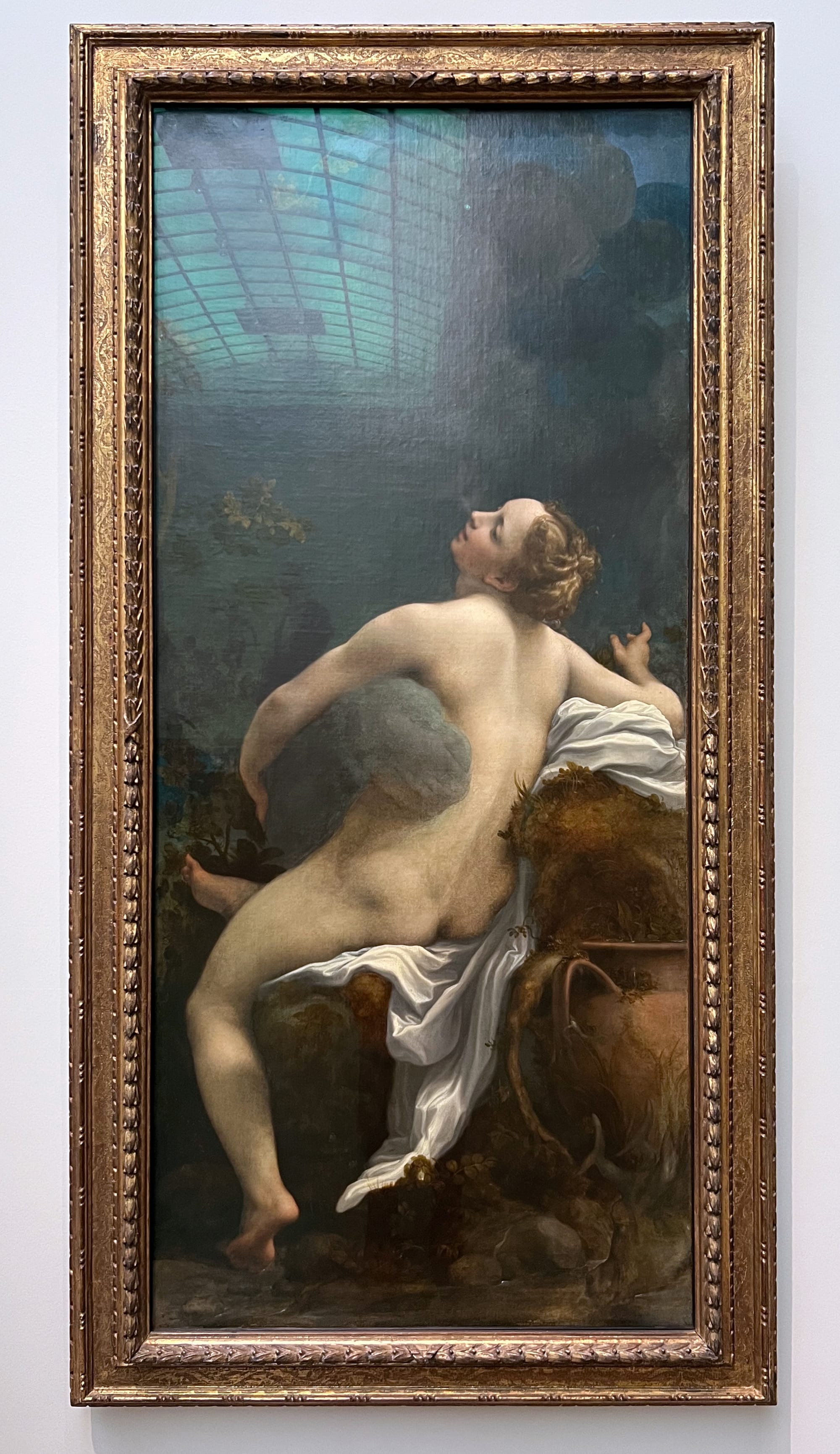
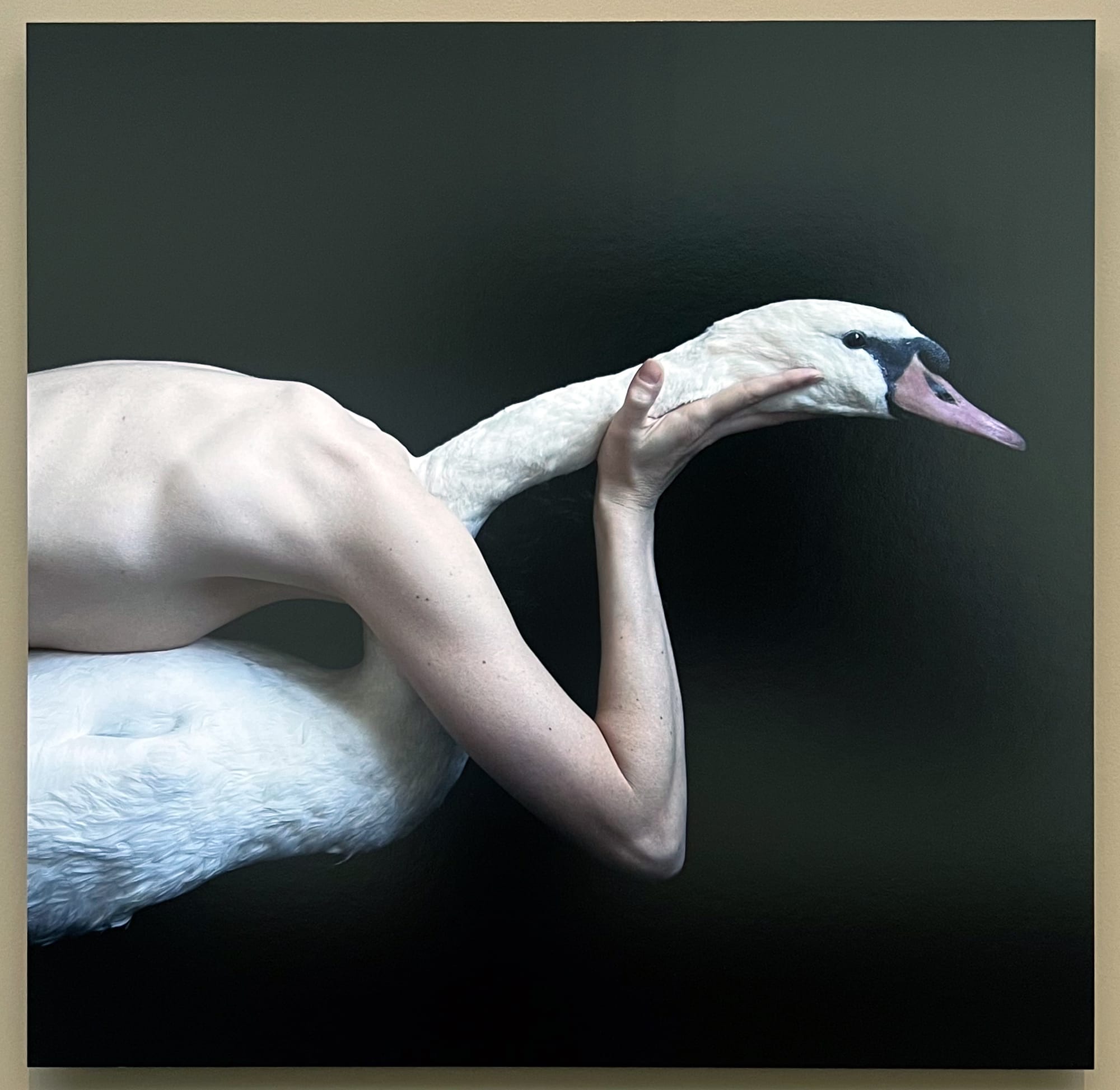
Left: Antonio da Correggio, “Jupiter and Io” (c. 1531–32), oil on canvas; right: Juul Kraijer, “Untitled” (2016), photograph
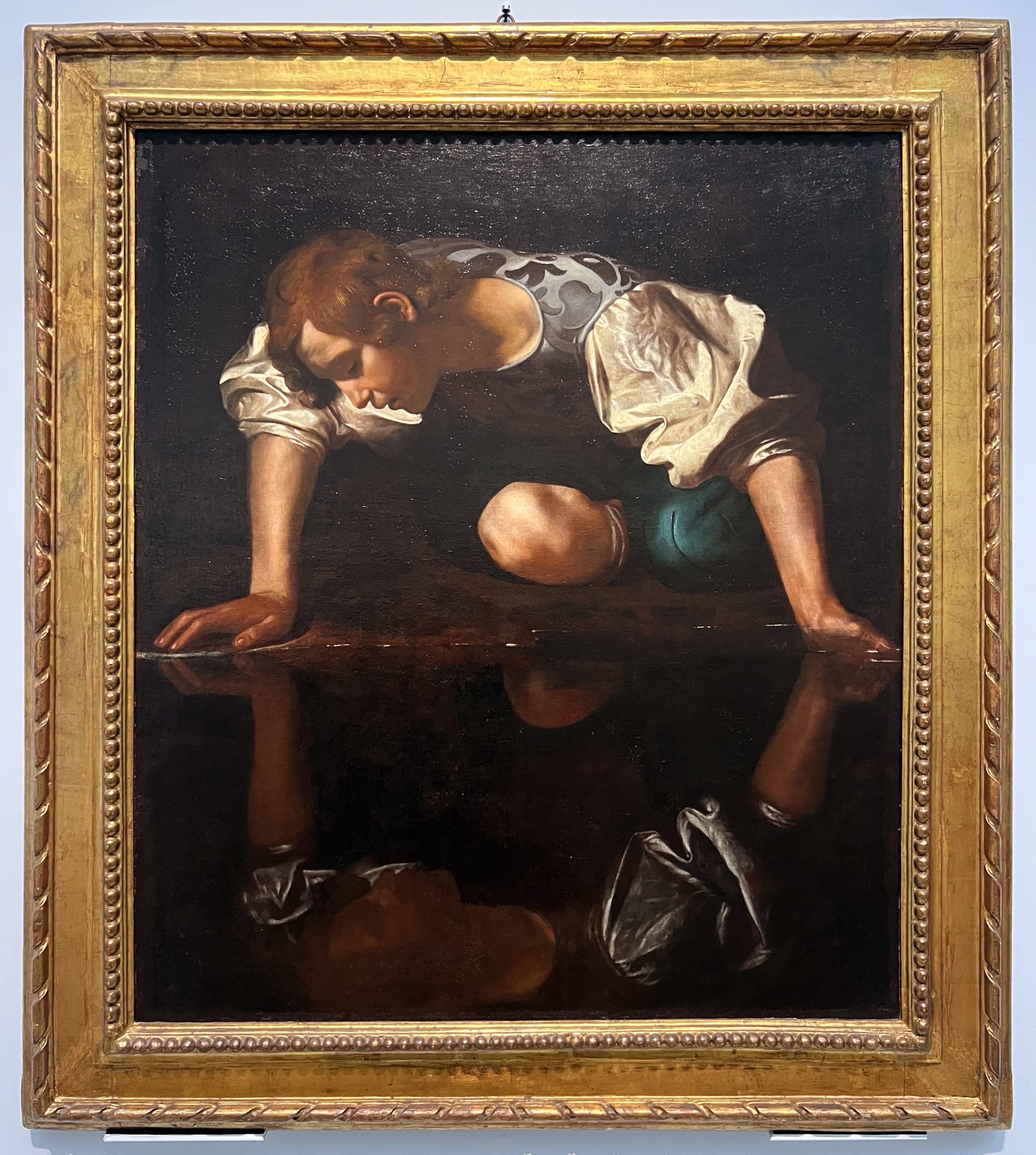
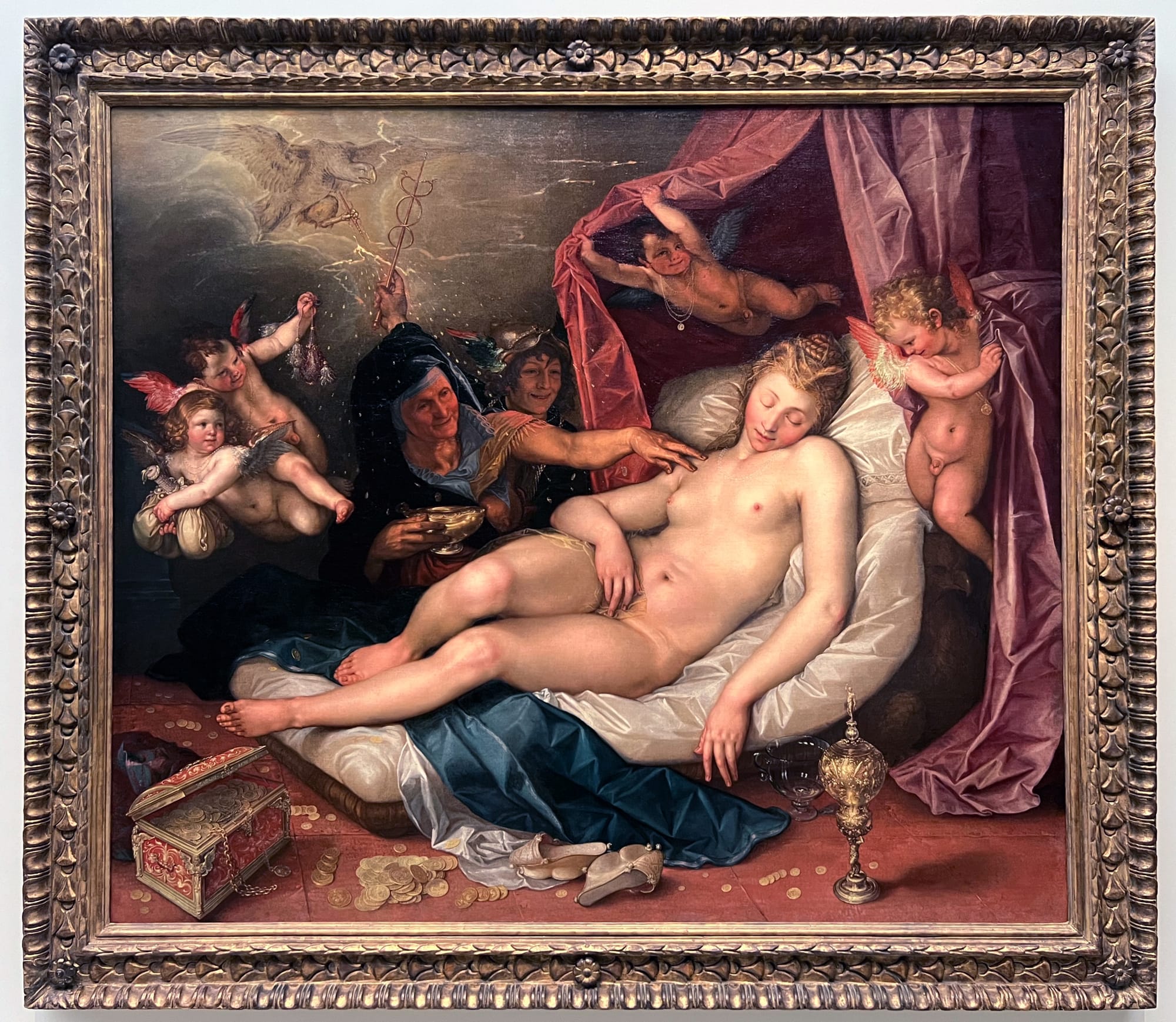
Metamorphoses continues at the Rijksmuseum (Museumstraat 1, 1071 XX Amsterdam, Netherlands) through May 25. The exhibition was curated by Frits Scholten.