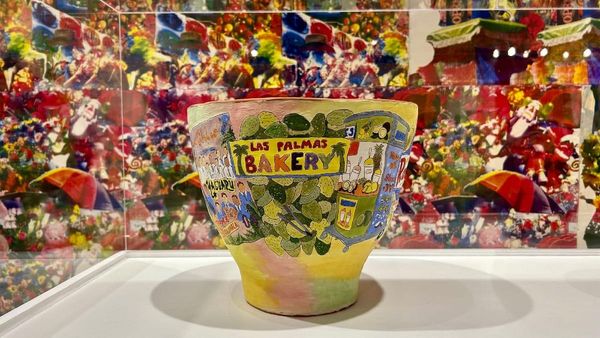
Animated Nellie Mae Rowe Biopic Coming to YouTube
Streaming of the 2023 film, which lovingly immortalizes the late self-taught Black artist's life and legacy, starts on July 2.

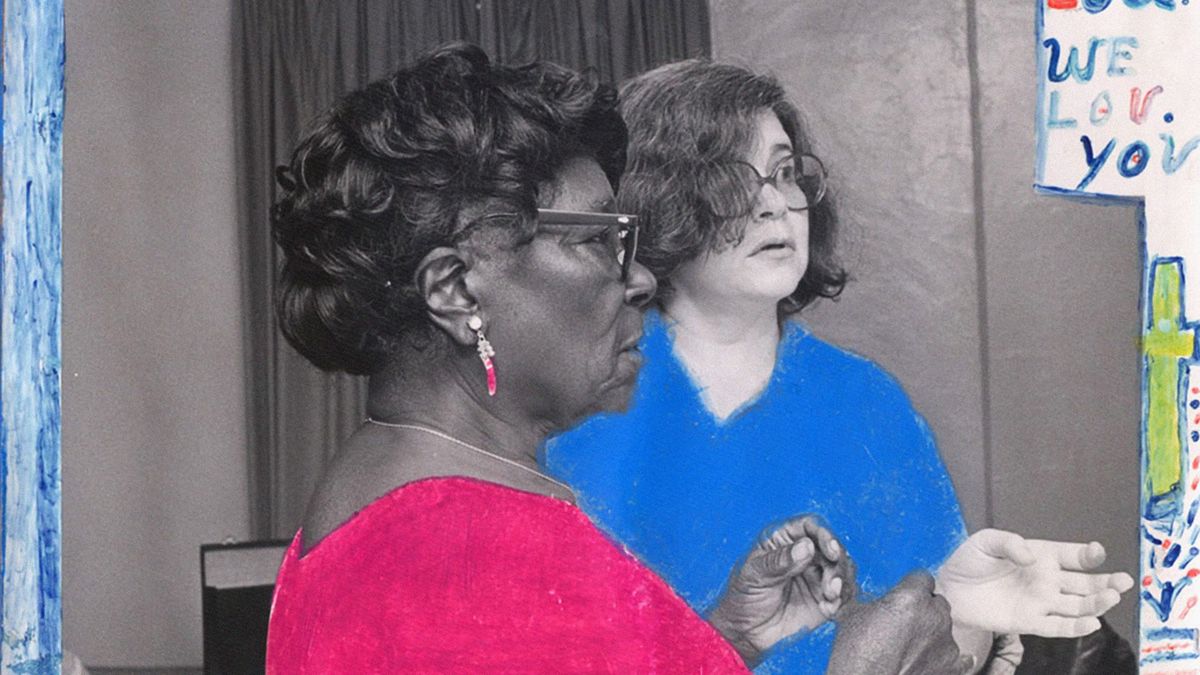
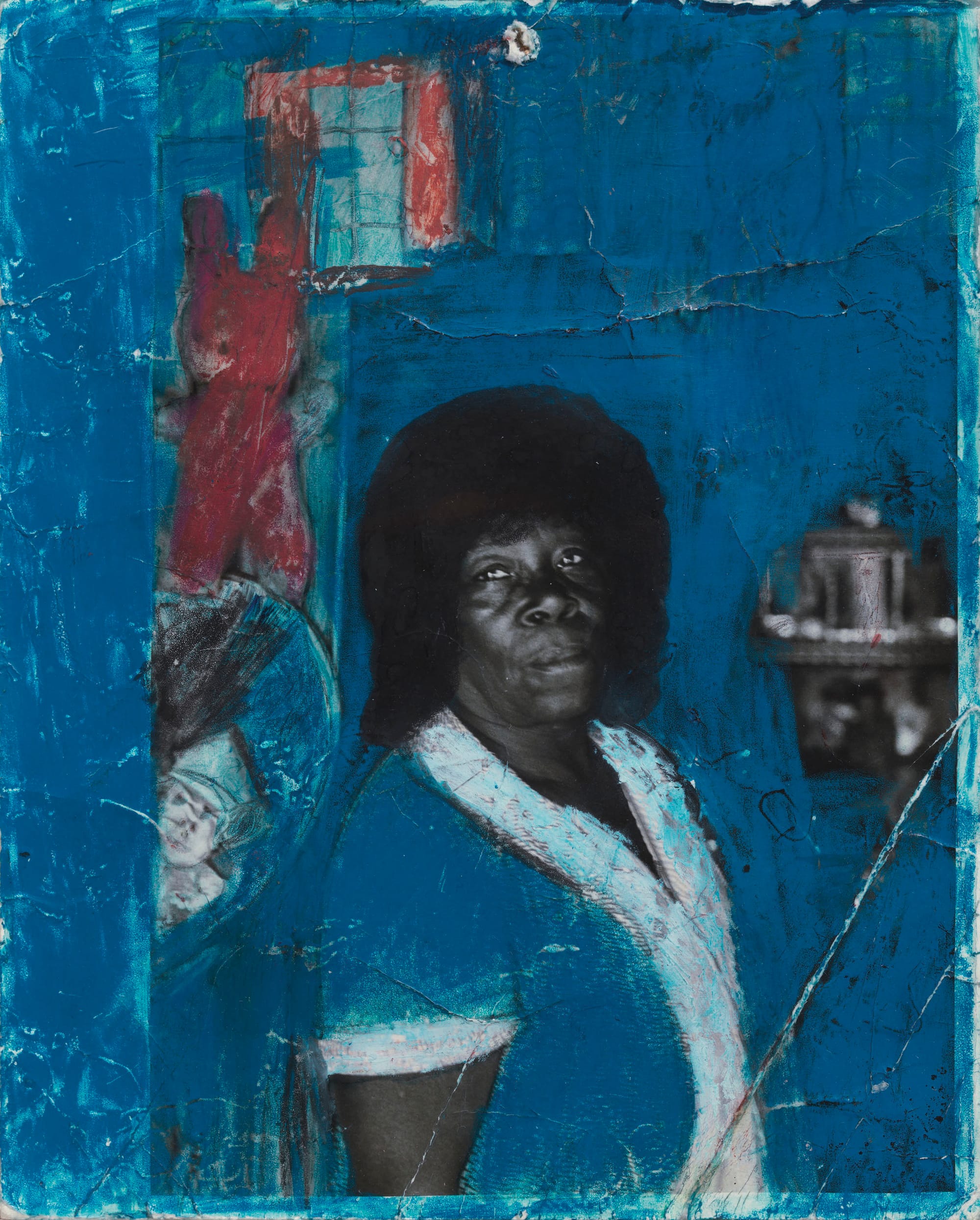
It may not have mattered that Nellie Mae Rowe didn't have much, because, in her own words, she “would take nothing and make it something.” A 2023 documentary on the prolific and intuitive self-taught Black artist will be free to watch on YouTube next month, courtesy of Black Public Media. The film walks through Rowe's life and late success amid the trials and tribulations of post-abolition Georgia, and commemorates the indelible mark she made on American art history by daring to march to the beat of her own drum.
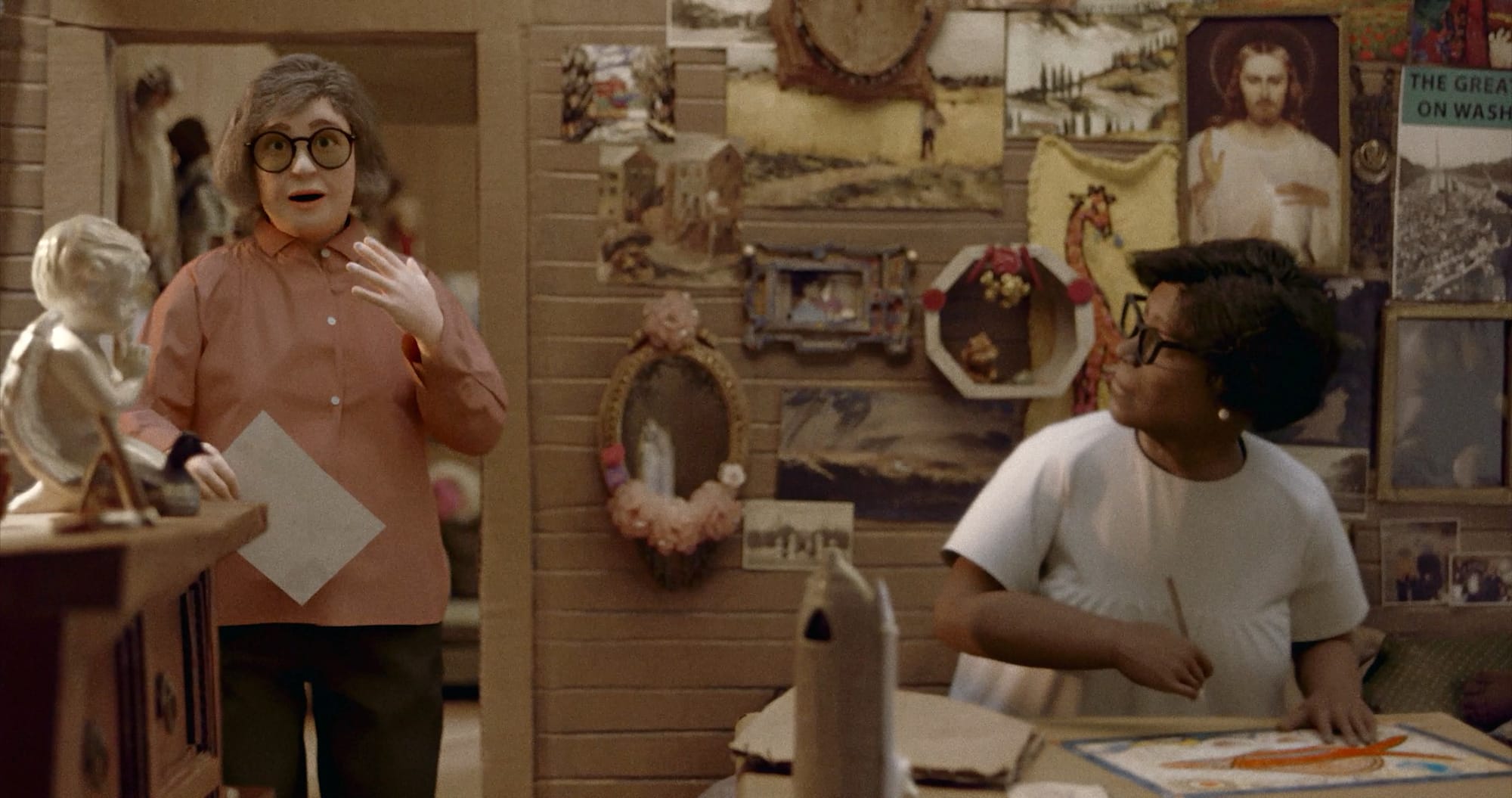
Directed by OpenDox's Petter Ringbom and Marquise Stillwell, and produced by Ruchi Mital, This World is Not My Own (2023) is a cross-media documentary film that combines recorded interviews, 3D animation in miniature sets, and scripted readings of the Rowe's own words to tell her story in the context of both when and where she lived.
Rowe, who was born on July 4, 1900, was one of 10 children belonging to a formerly-enslaved sharecropper father and seamstress mother in Fayetteville, Georgia. Though Rowe displayed her creative knack early on through extensive drawing and doll-making, she had to leave school while young to work on the cotton farm her family lived on.
“ As an artist, you're a product of your times and environment, but you are also responding to them,” Mital told Hyperallergic in a phone call about the film. “But in doing so, you're also changing it. That's why we steered away from a biopic approach, and made it more about this relationship between the inside and the outside for the artist and what that leaves us with.”
Rowe grew up parallel to the Atlanta Race Riots of 1906 and the 1913 gruesome murder of child laborer Mary Phagan, two pivotal moments for racial justice in Georgia that also cast light on a pre-existing, tangential connection between the artist and the equally eccentric art dealer she would work with down the line, Judith Alexander. This World is Not My Own interviews Rowe's relatives, local historians and scholars, and Alexander's colleagues at length, adding color to both women's personal histories and contextualizing the environment that inevitably led to their professional and personal convergence later in life.
Their equally humorous and harrowing stories about Rowe and Alexander are not only complemented by archival photos and related animations of the artist's own drawings, but taken to the next level with 3D animations of the two women in a hand-built set of Rowe's beloved “Playhouse,” a construction based on photographs and others' memories, as the home no longer stands today. Orange is the New Black's acclaimed actor Uzo Aduba and theater veteran Amy Warren voice Rowe and Alexander respectively, resurrecting their existing dialogue over 40 years later.
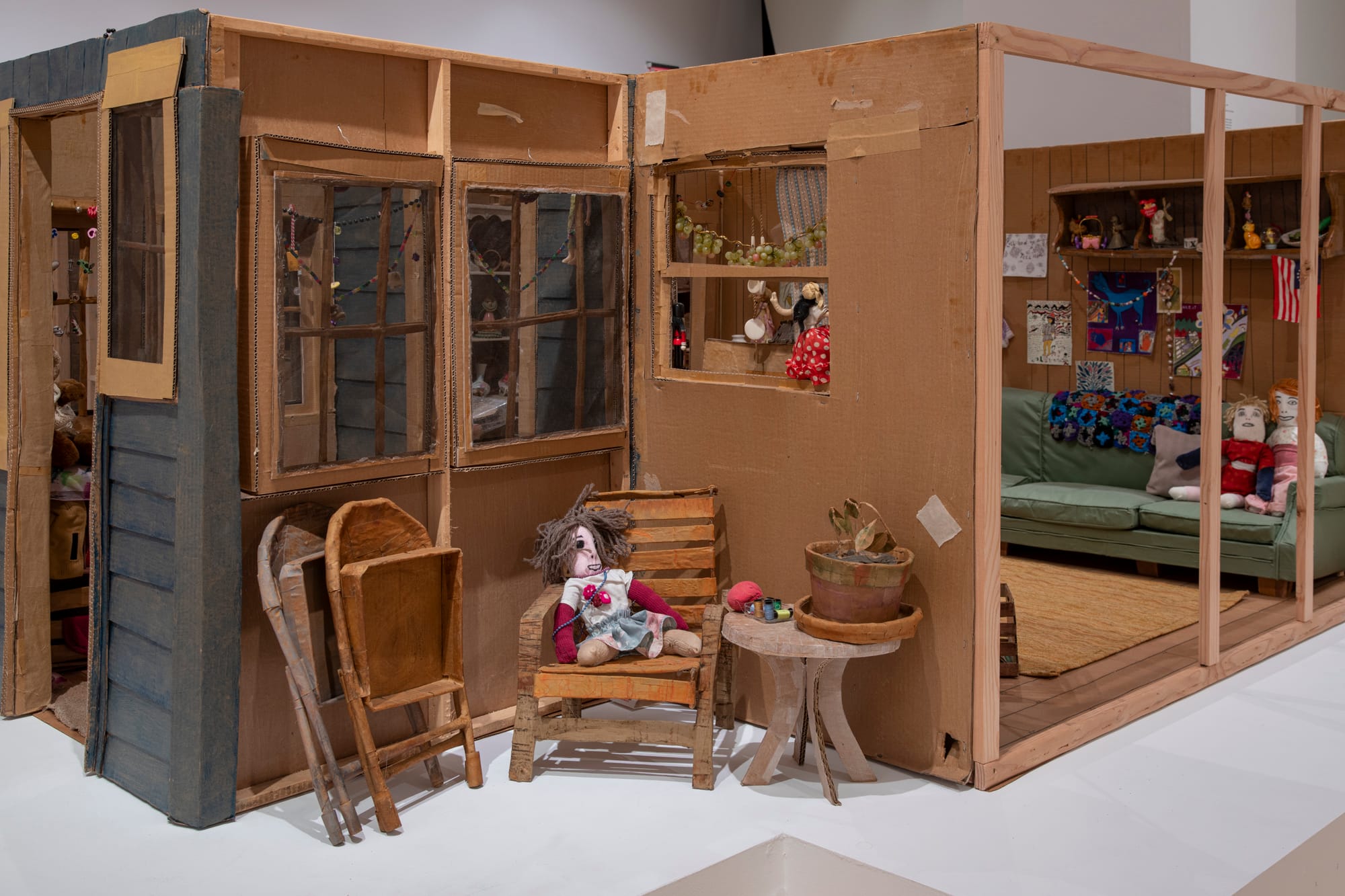
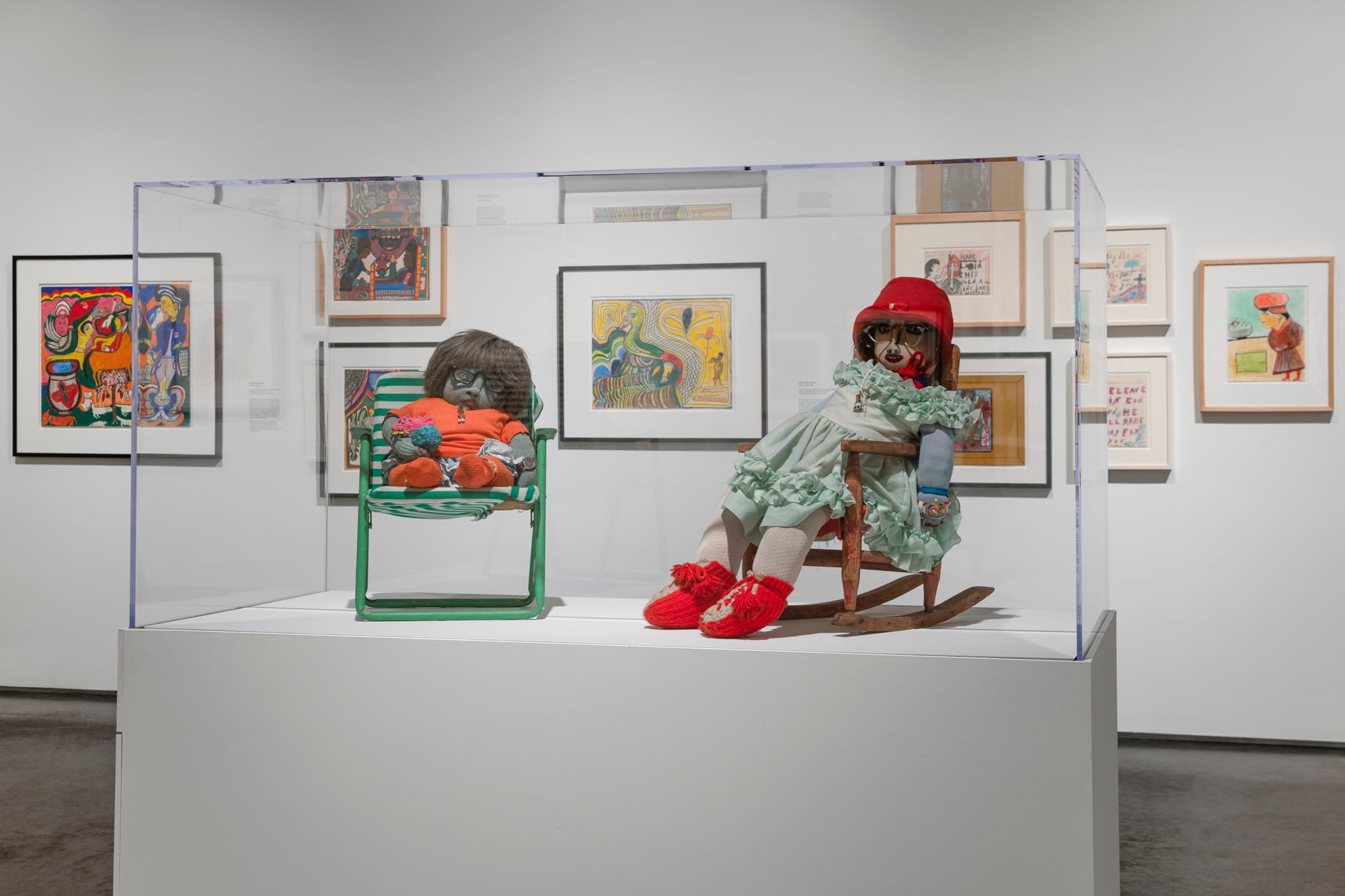
Twice widowed and child-free before the age of 50, Rowe remained in the home she built in the town of Vinings with her late second husband, Henry Rowe, and decided to focus on herself from that point onwards. She still had to work as a domestic laborer to support herself, but now had the time and freedom to do what came naturally to her: making art. She hand-sewed hundreds of dolls and made countless drawings that extrapolated from her life experiences, her dreams and memories, the world and its happenings, and whatever else her mind's eye conjured.
The home became Rowe's Playhouse, decorated from floor to ceiling with the artist's creations and ephemera of interest. Her yard became her canvas, too, and she became locally known for her chewing gum sculptures, glass-bottled tree branches, and zany lawn decor. Rowe dealt with harassment about her home as a single Black woman, and many of her neighbors didn't know what to make of what was before them, but the artist had an open-door policy and showed her guests whatever they were curious about. Visitors began coming by with their own materials for Rowe to work with as well — though one of her relatives specifies that she was distinctly uninterested in anyone else's chewed gum.
The 97-minute film unpacks Alexander's introduction to and subsequent representation of Rowe during the 1970s, and the whirlwind of success and new attention that landed in the artist's lap in the final years of her life — including her first flight and trip to New York City. It also delves into Rowe's own complex feelings about legacy and being remembered, with some interviewees recounting how she said she knew she was going to be famous and that she had a god-given talent, and others recalling that Rowe said she just does what she does and doesn't understand the fuss about it.
“I honestly think that there has to be more space in this world for multiple things to be true at the same time, and I think Nellie had space for all of that,” Mital explained. “She probably told different things to different people, but we certainly know that she believed in herself.”
This World is Not My Own will premiere as the first feature-length documentary on Black Public Media's YouTube channel on Tuesday, July 2. Those in Atlanta can watch a ticketed screening of the documentary tomorrow, on Juneteenth, at the Tara Theater.