News
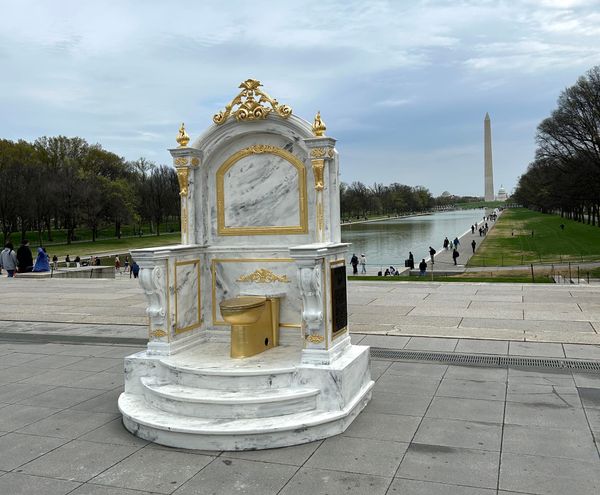
New Protest Art Lampoons Trump's Gaudy Bathroom Redesign
“In a time of unprecedented division,” reads a plaque, “President Trump focused on what truly mattered: remodeling the Lincoln bathroom in the White House.”

Emma Cieslik is a queer, disabled, and neurodivergent museum professional and writer based in Washington, DC. She is also a religious scholar interested in the intersections of religion, gender, sexuality, and material culture.

News
“In a time of unprecedented division,” reads a plaque, “President Trump focused on what truly mattered: remodeling the Lincoln bathroom in the White House.”
Feature
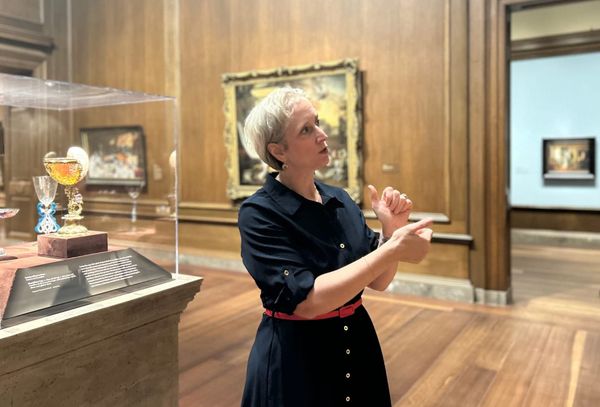
The first head of Accessible Programs at the National Gallery of Art tells us about her path and the future of museum accessibility.
News
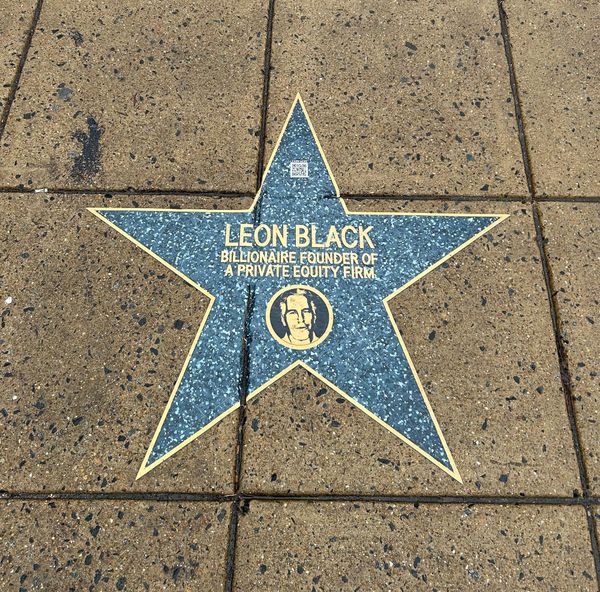
The guerrilla artwork includes “stars” for MoMA trustee Leon Black, arts patron Les Wexner, and over a dozen other individuals mentioned in the Epstein files.
Guide
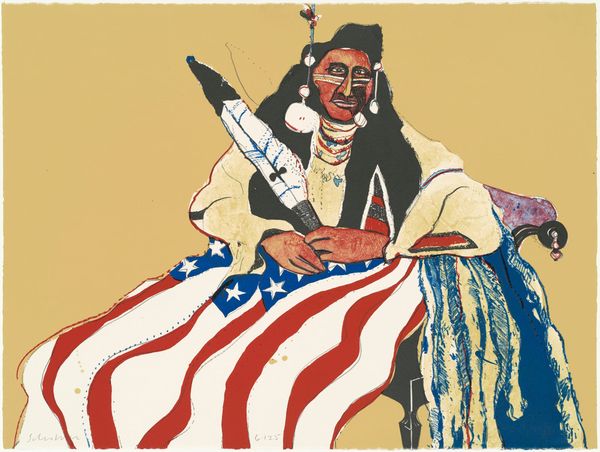
Nick Cave links landscapes and race, Mary Cassatt in Paris, Joan Danzinger’s sculpted universe, America through the eyes of its artists, and more.
News
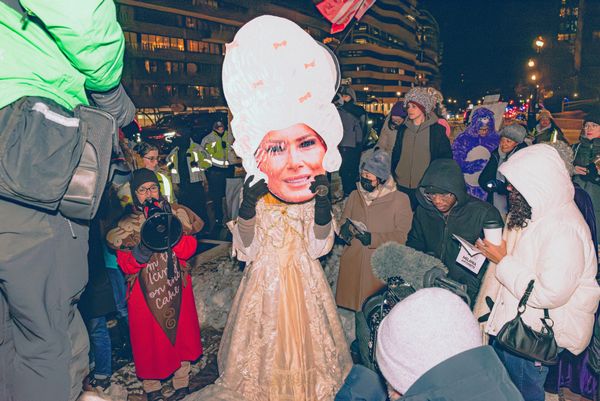
The action unfolded during the $75 million film’s premiere, days before Trump announced the two-year closure of the performing arts center.
News
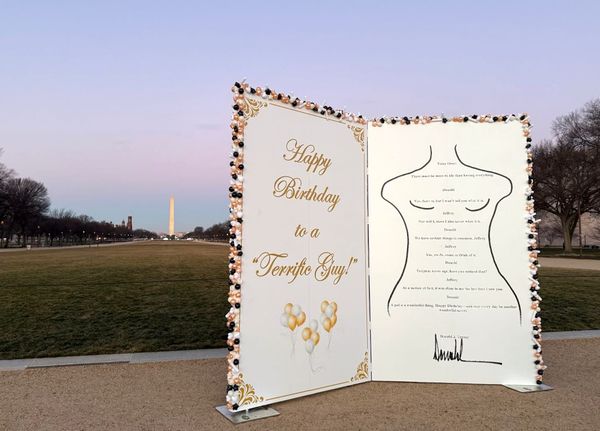
The sculpture's authors told Hyperallergic that they erected the piece after the government failed to release the complete Epstein files.
Feature
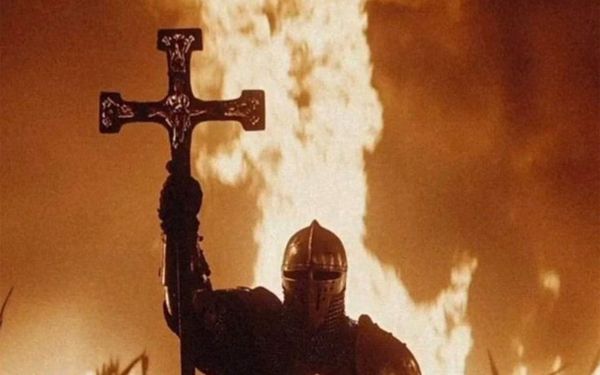
This online trend equips young, White men with a historically bastardized visual lexicon — one that gives new credence and religious authority to far-right bigotry.
Feature
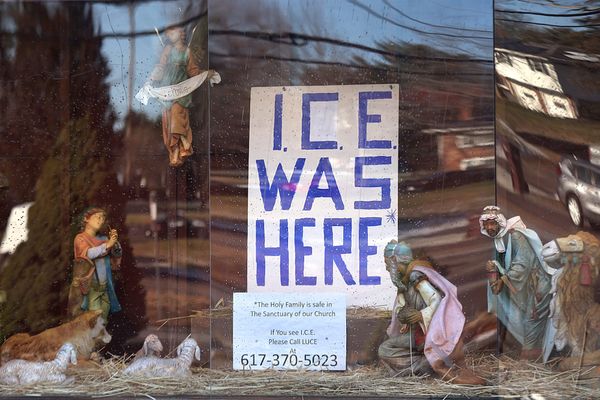
Despite pushback from right-wing leaders, nativity scenes with a humanitarian message are spreading across the country.
News
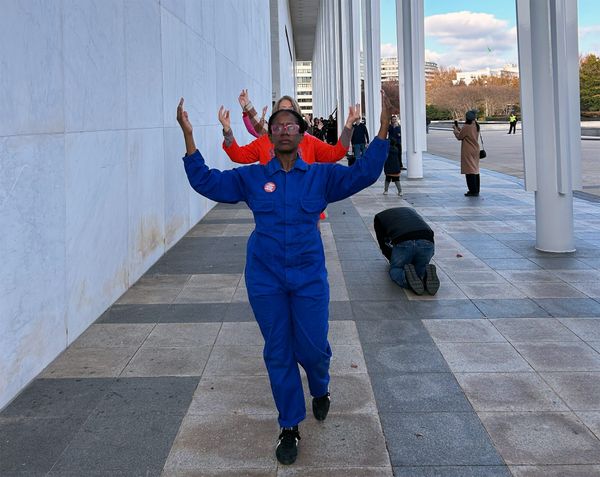
Dozens of workers have been terminated since the president took over the institution in February.
Guide
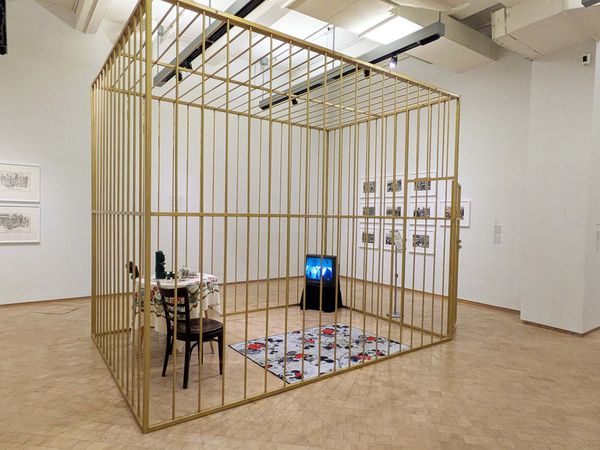
From Coco Fusco’s incisive political performance art to Alexander Calder’s whimsical circus, the shows below will grab your attention.
Art Review
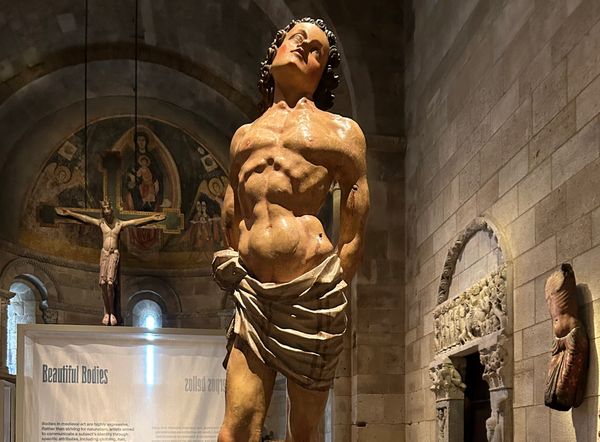
A new exhibition at The Met Cloisters makes the case that gender and sexual fluidity were an essential part of Medieval religious art.
Guide
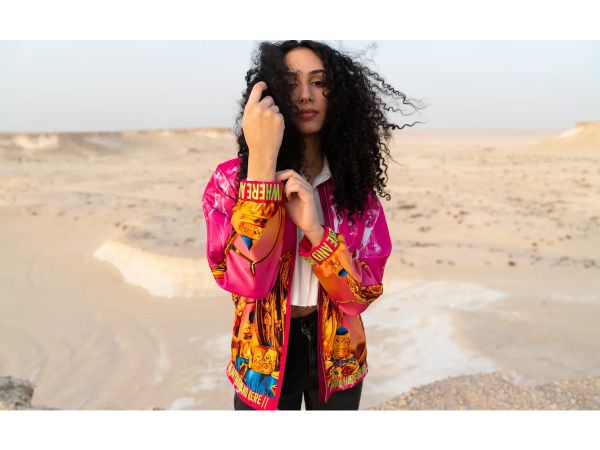
Even as major museums are shuttered, there’s plenty of great art to see in the nation’s capital right now, from Arab Pop Art to the work of McArthur Binion.