Beloved CUNY Social Practice Art Program to Shut Down
The artist-led project will shutter in February as co-directors Chloë Bass and Gregory Sholette depart their academic posts.
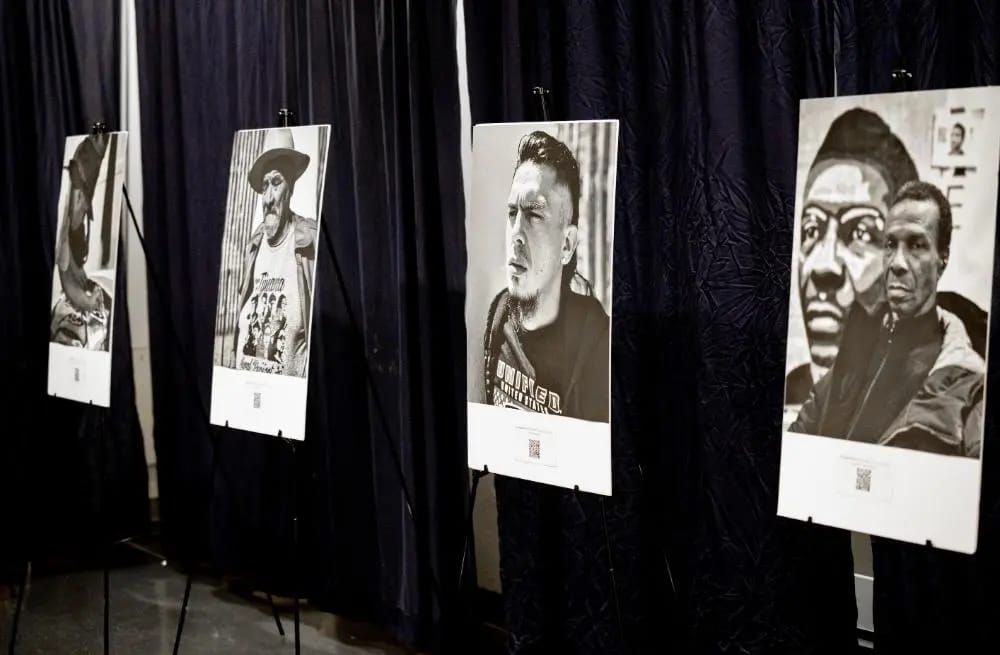
Social Practice City University of New York (SPCUNY), a five-year-old project that provides fellowships and support to social justice-minded artists across the public university system, will shutter next February.
Artists and educators Chloë Bass and Gregory Sholette founded the program in 2021, in part as a reimagining of higher education following months of virtual learning during the COVID-19 pandemic and the perceived corporatization of the university at large. The independent project announced its February 2027 closure today, Tuesday, April 14.
The artist-led network, celebrated for facilitating faculty and student projects that apply the arts to social issues, granted unrestricted fellowships to artists across CUNY’s 25 campuses with support from the Mellon Foundation. Following the matriculation of 129 fellows and the distribution of $535,000 in project awards, SPCUNY Co-Directors Bass and Sholette — who are both transitioning out of their academic titles — will end their pedagogical project. Bass left her position as associate professor in Studio Art at Queens College last year, and Sholette is retiring from his professorship in the Department of Art at Queens College.
SPCUNY was never formally absorbed by the university as a department or academic program. Bass told Hyperallergic that with both directors leaving the university system, there was no clear pathway to transfer leadership and continue the program, despite the Mellon Foundation's funding.
“There's no real institution,” Bass explained to Hyperallergic. “It's an artist-run project that looked like an institution.”
Over the program's five years of operation, SPCUNY has funded projects that confront climate change, racial inequality, and immigration crackdowns, imagining futures beyond social injustice. The project also linked otherwise detached academic departments, Bass said.
SPCUNY student and faculty fellows have documented the disparate health tolls of the city’s polluting peaker plants through photography, magnified the plight of deported United States military veterans through public art, and proctored a mock standardized test interrogating ritual and relationship.
Sholette told Hyperallergic that the organization paid homage to the history of the city's public university system, which for nearly 130 years had been tuition-free and an emblem of accessible critical education.
“ We were in a way going back to the roots of the city university itself, especially the phase it went through in the 1970s when the idea was to really make it free,” Sholette recalled. “To make it a place where you would not just step up into the middle class, but would allow working-class people to come and have a critical education.”
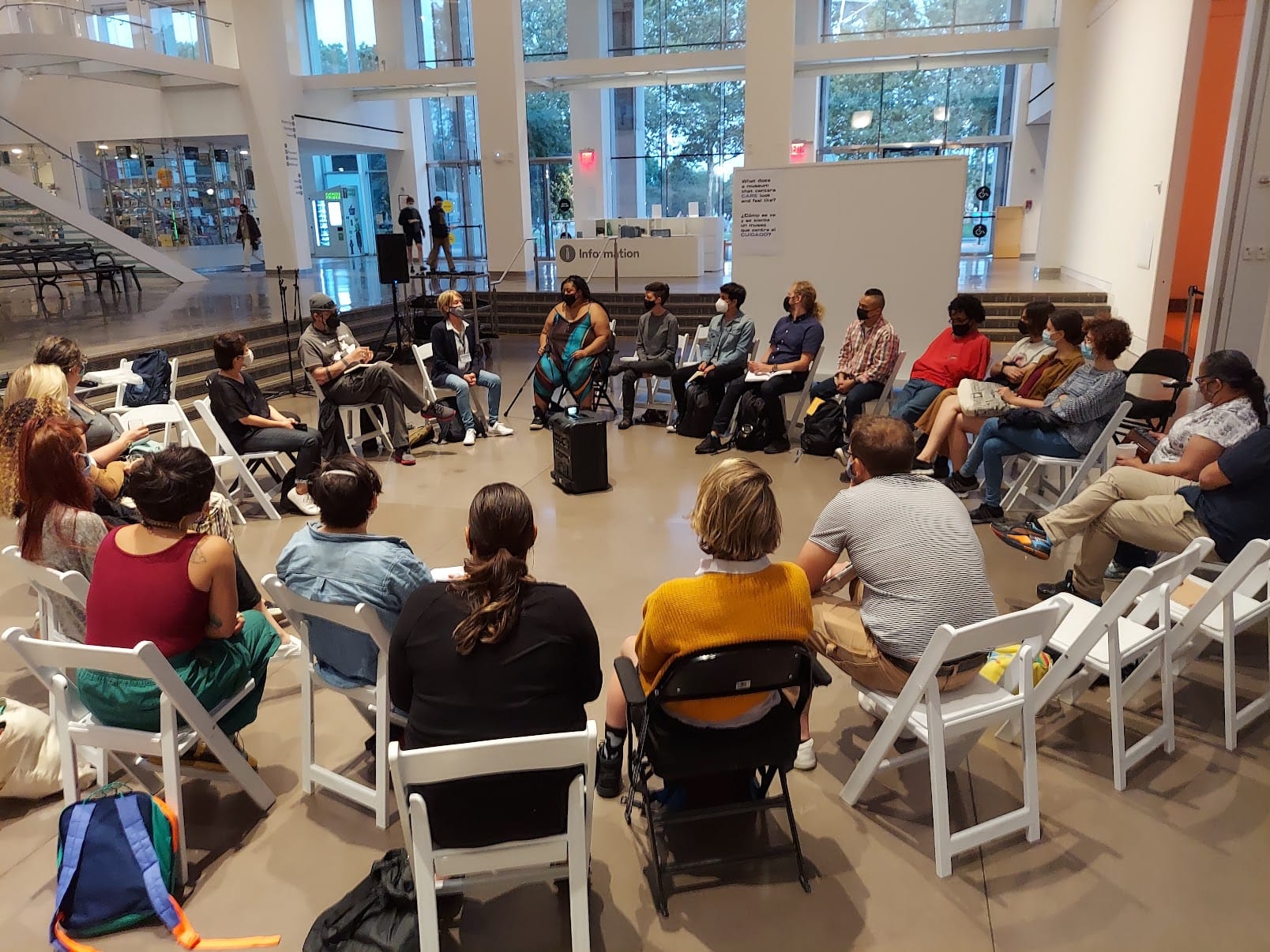
Sholette said that while SPCUNY could not waive tuition for all the students, the program embodied the spirit of the university's founding.
“We couldn't make their education completely free in SPCUNY, but we could give them money that we got from our foundation supporter, the Mellon Foundation in particular,” Sholette explained. “We kind of created a mini wayback machine, if you will, to that period of time.”
Though Bass and Sholette have made the decision not to continue the program, they said they believe in its enduring impact, as well as its potential for a future comeback.
Recognizing an era of university capitulation to the Trump administration’s demands, Bass and Sholette underscored the importance of investment in justice-driven projects by higher education institutions.
”Even though these projects might be small, they're one way of modeling a world that we want,” Bass said. “And in the absence of having support to make those models, it's hard for people in the future to understand.”
Bass and Sholette hope that in the future, aspects of the program might find new life. Coinciding with its February end, SPCUNY will publish Practicing in Public, a book on socially engaged art. It will also hold events as part of its event series How Do We ______ in Public? through its closure.
“ Part of what we hope is that we're leaving behind a really robust legacy of materials and a living archive that just needs some drops of water to get it to spring back to life,” Sholette said.