Between Tropes and Treats at NADA New York
In a sea of zany little sculptures and assemblages, shiny stuff™, abstracted horniness, and kitschy vibrancy, there were works I did enjoy.

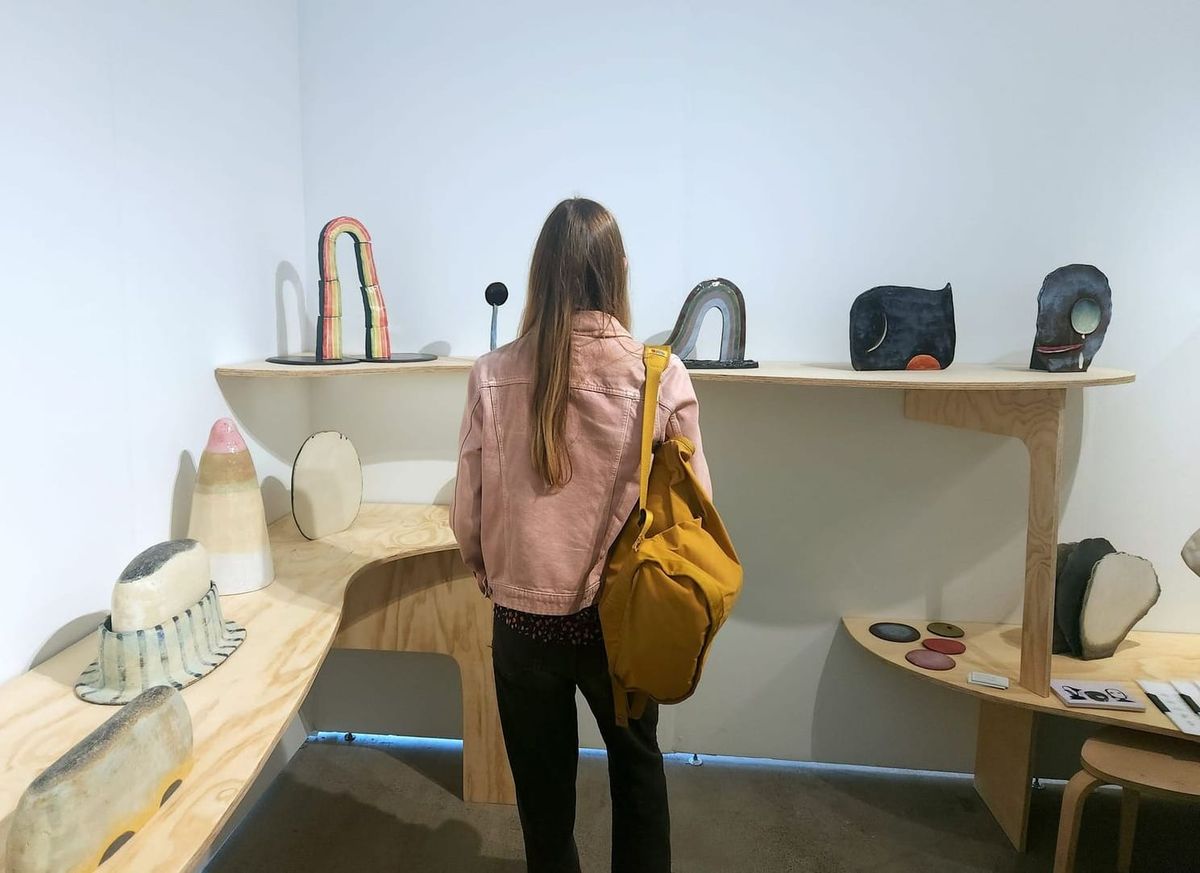
This week marks the 12th annual New Art Dealers Alliance (NADA) fair in New York, as well as my first time ever attending it. My inner compass always goes haywire in the enormous exhibition space at Starrett-Lehigh Building in Manhattan, but even more puzzling was that the actual fair made me feel almost like I was at the mall. Not like the Frieze experience, which feels like a mall because it's at The Shed, but rather evoking the realization that almost every store is selling marginally different versions of the same thing these days.
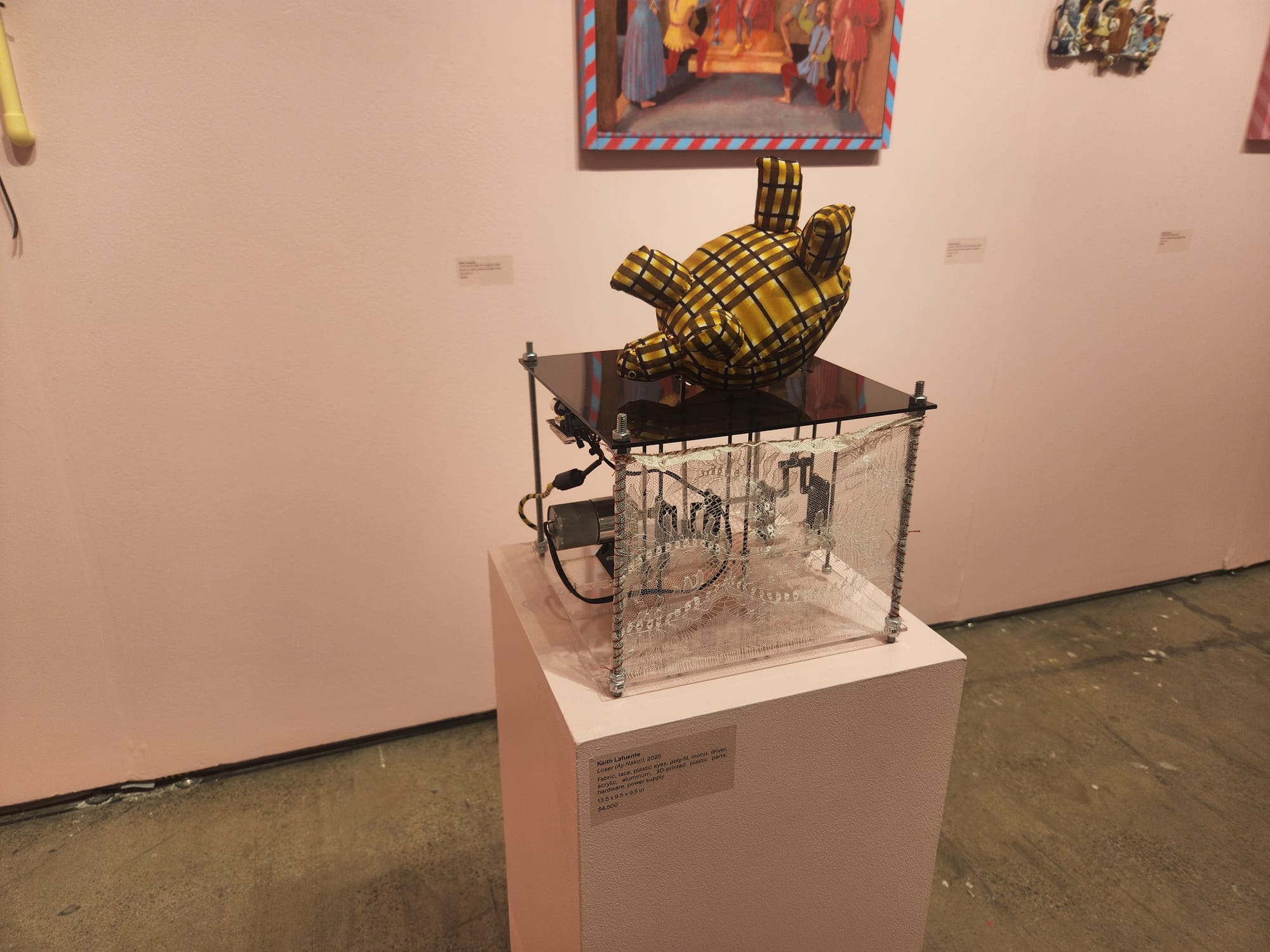
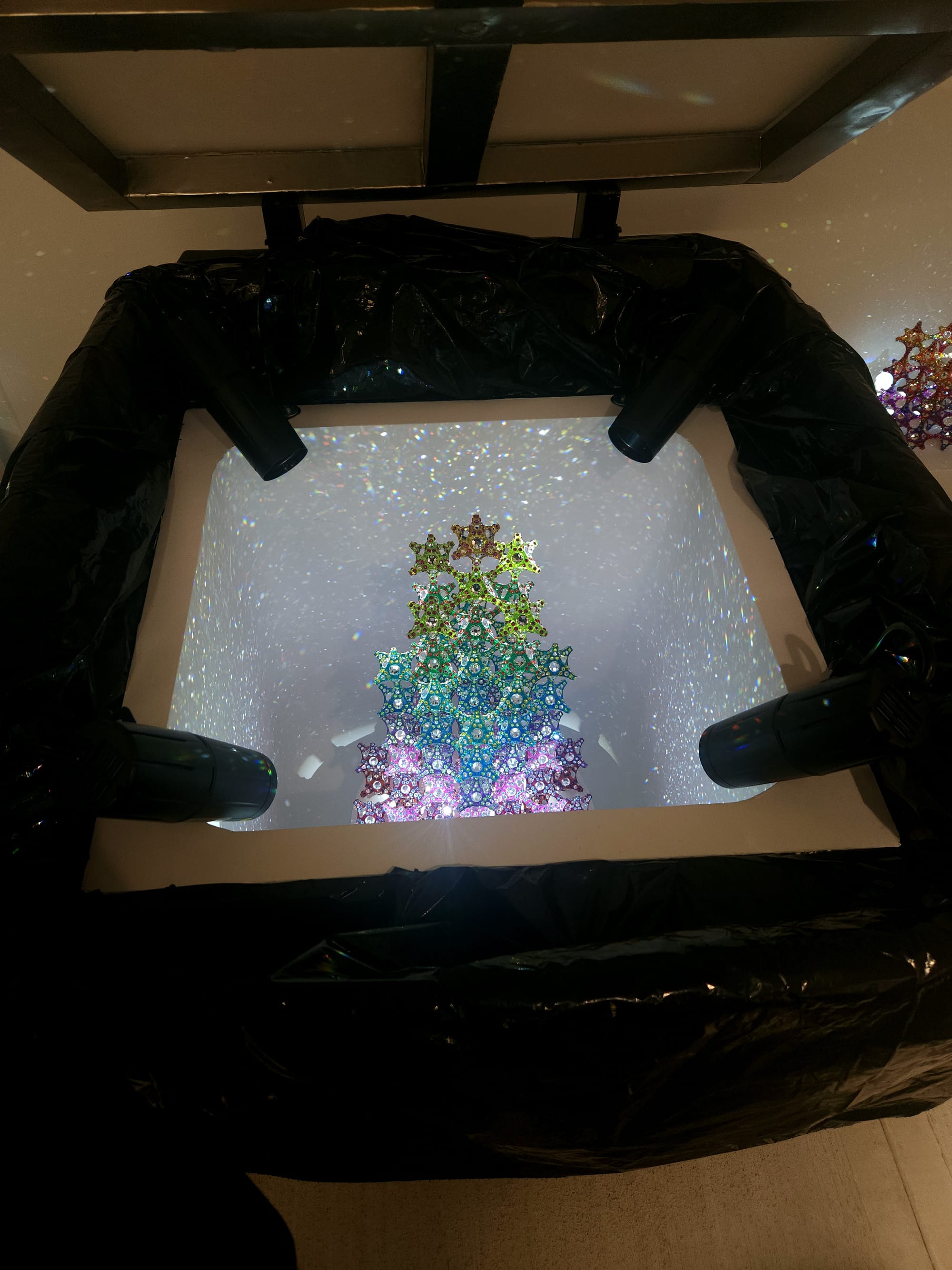
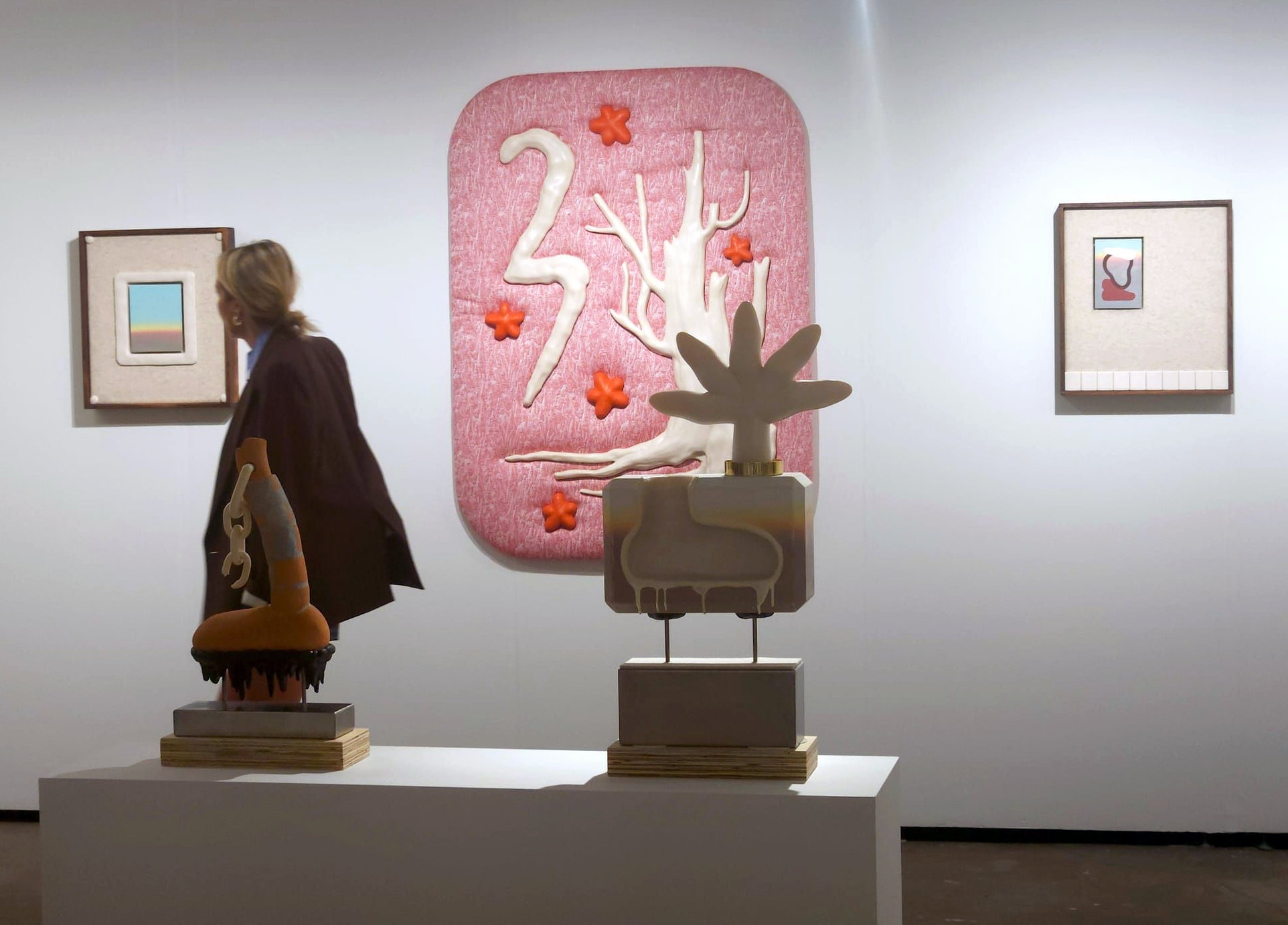
It's a sweeping overstatement, I know, but it's just that there were trends and tropes everywhere I turned. The prevalence of zany little sculptures and assemblages, shiny stuff™, abstracted horniness, kitschy vibrancy, and flower-related art across the entire fair made some booths feel practically interchangeable.
All of that is to say that there were many works — including those among the aforementioned tropes and their varying combinations — that I did enjoy, and probably would have felt more strongly about outside of the context of NADA.
Allow me to highlight some standouts.
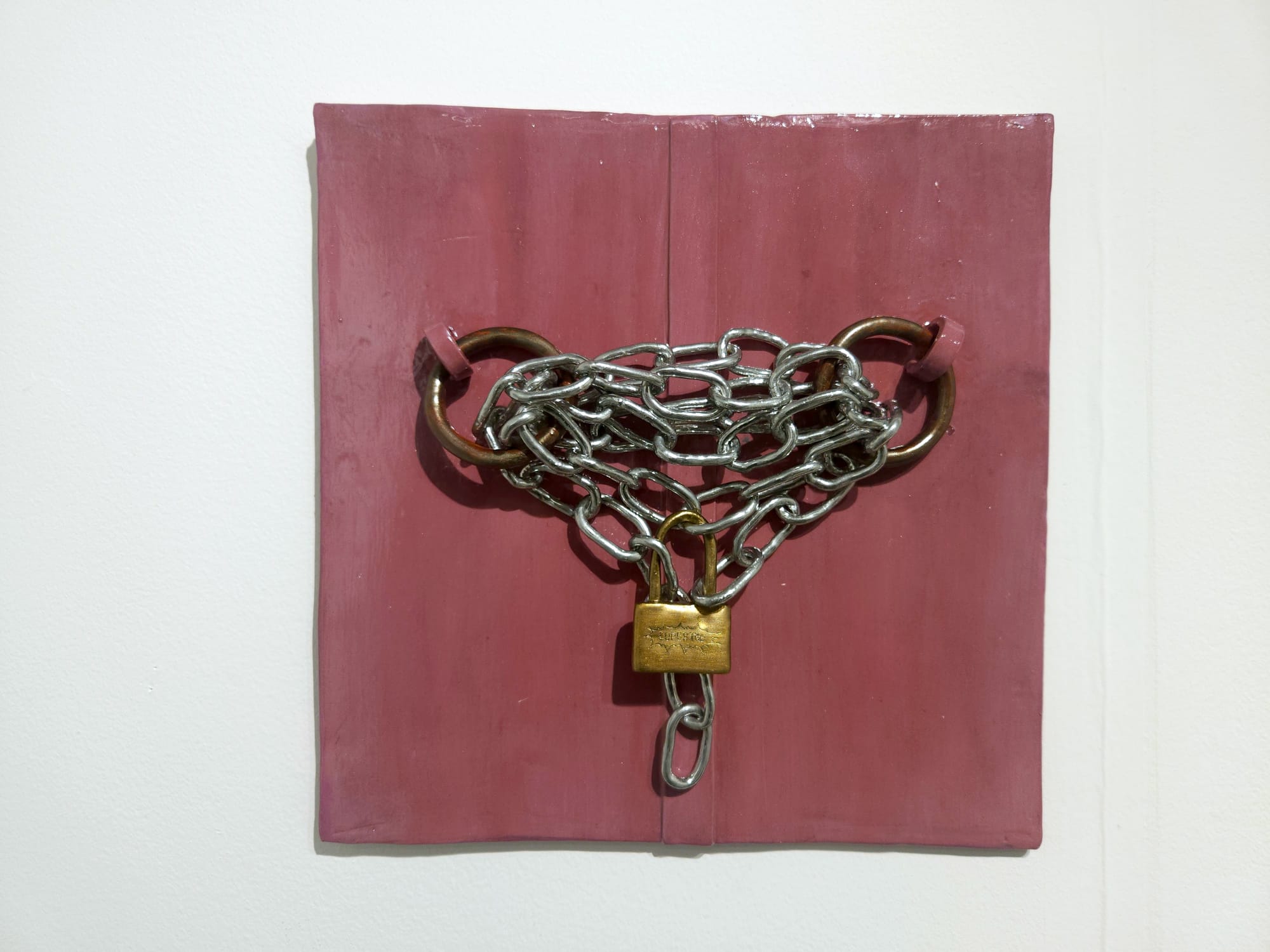
I came across California-based Moldovan artist Elena Roznovan's solo presentation at the Central Server Works booth early on in the fair and approached it with intrigue. The artist shares a series of dimensional watercolor self-portraits embedded alongside fingernail clippings, breast milk, strands of hair, pre- and post-natal vitamins, a bit of her child's preserved umbilical cord, and other maternal ephemera in concrete panels adorned with bondage tape.
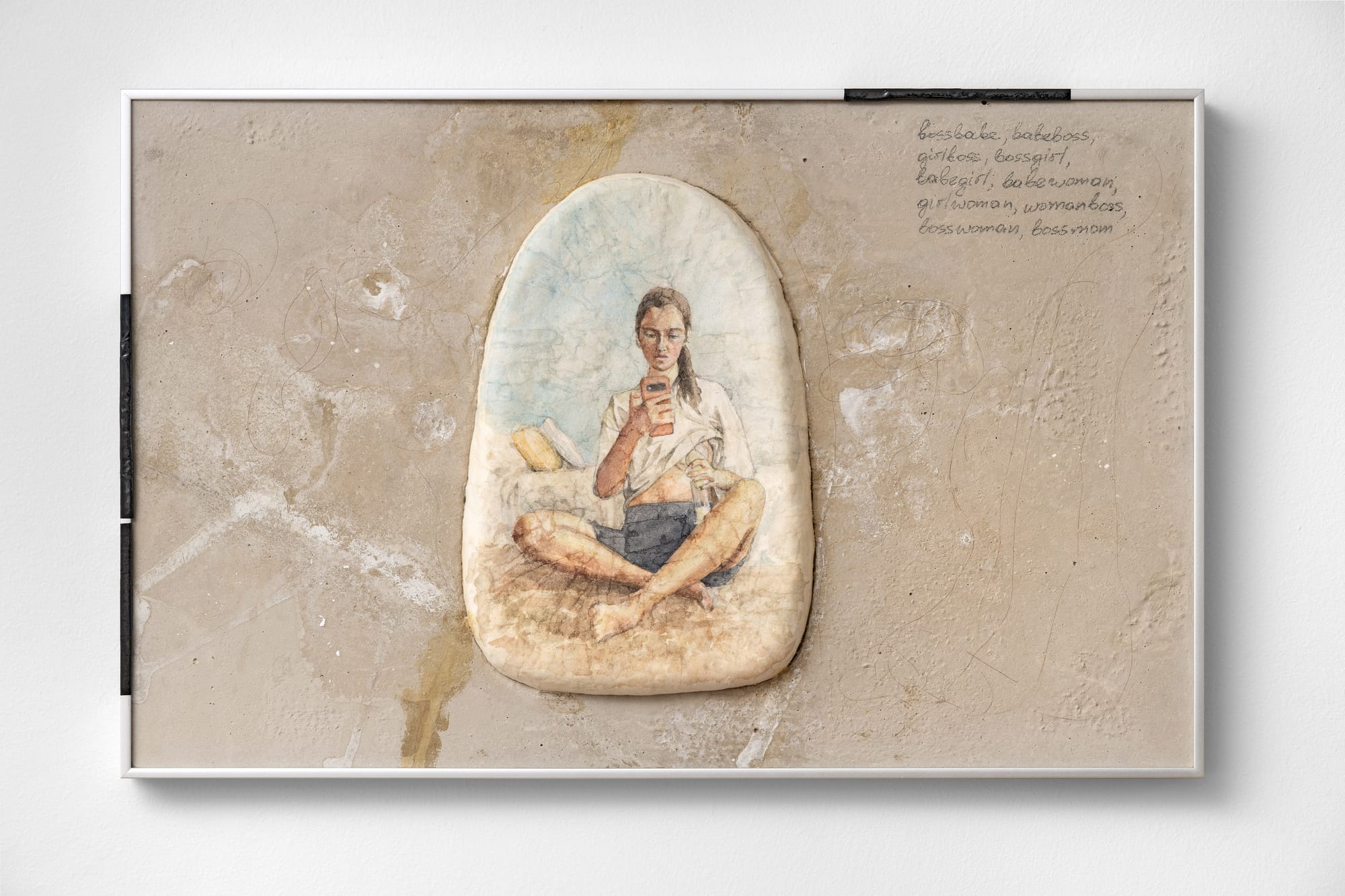
Roznovan uses the visual and verbal languages of BDSM to unpack the tension of medical regulations, systemic subjugation, reproductive labor, and bodily autonomy during and post-pregnancy.
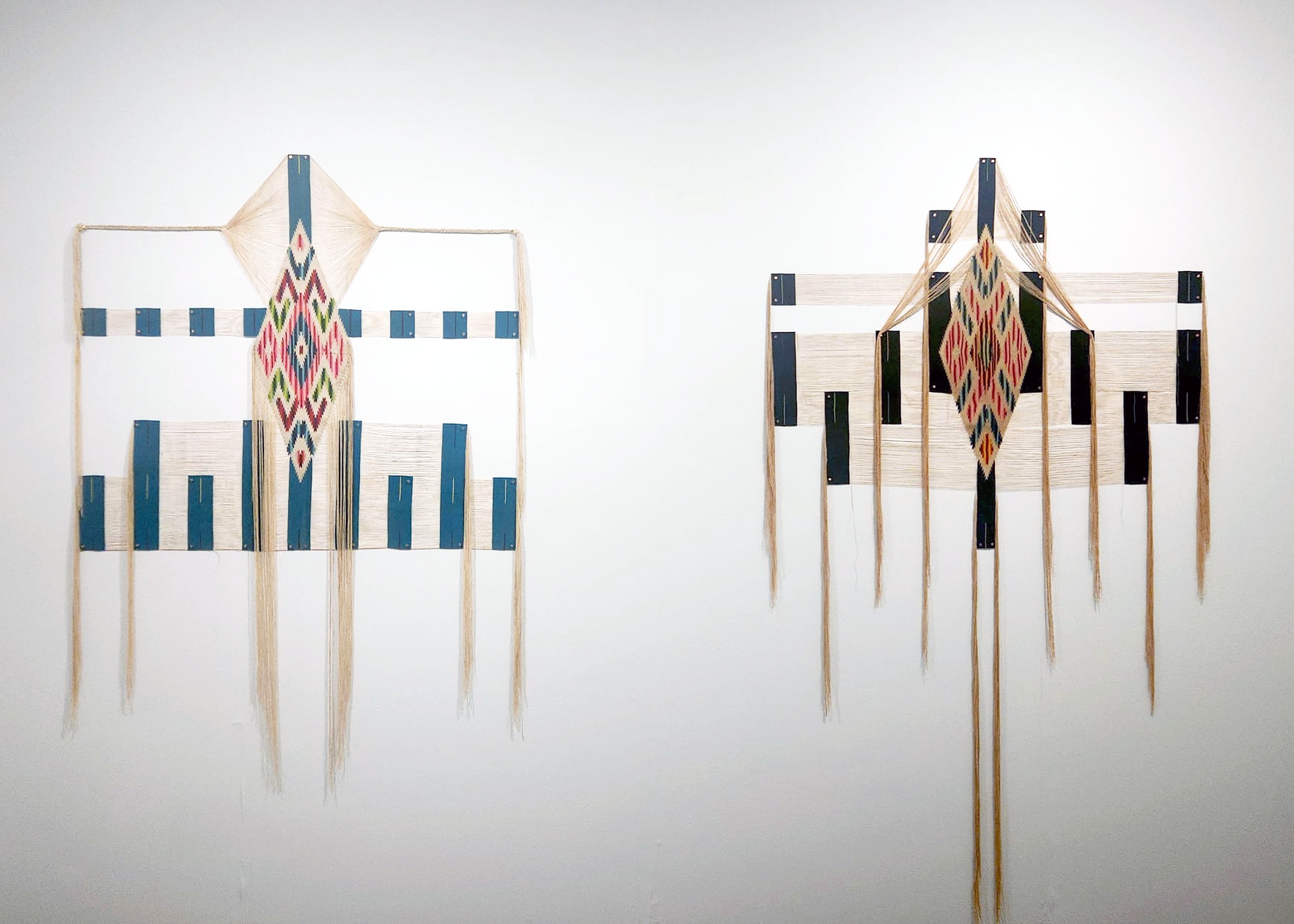
In the cacophony of aggressive pizzazz throughout the fair, I found a moment of reprieve with Kelly Tapia-Chuning, a mixed-Indigenous Xicana artist whose dismantled vintage serapes adorned the walls of the Milk Moon Gallery booth. As she deconstructs the serapes, Tapia-Chuning unravels both the colonial violence and Indigenous erasure that have informed the contemporary Mexican identity that the garment often symbolizes.
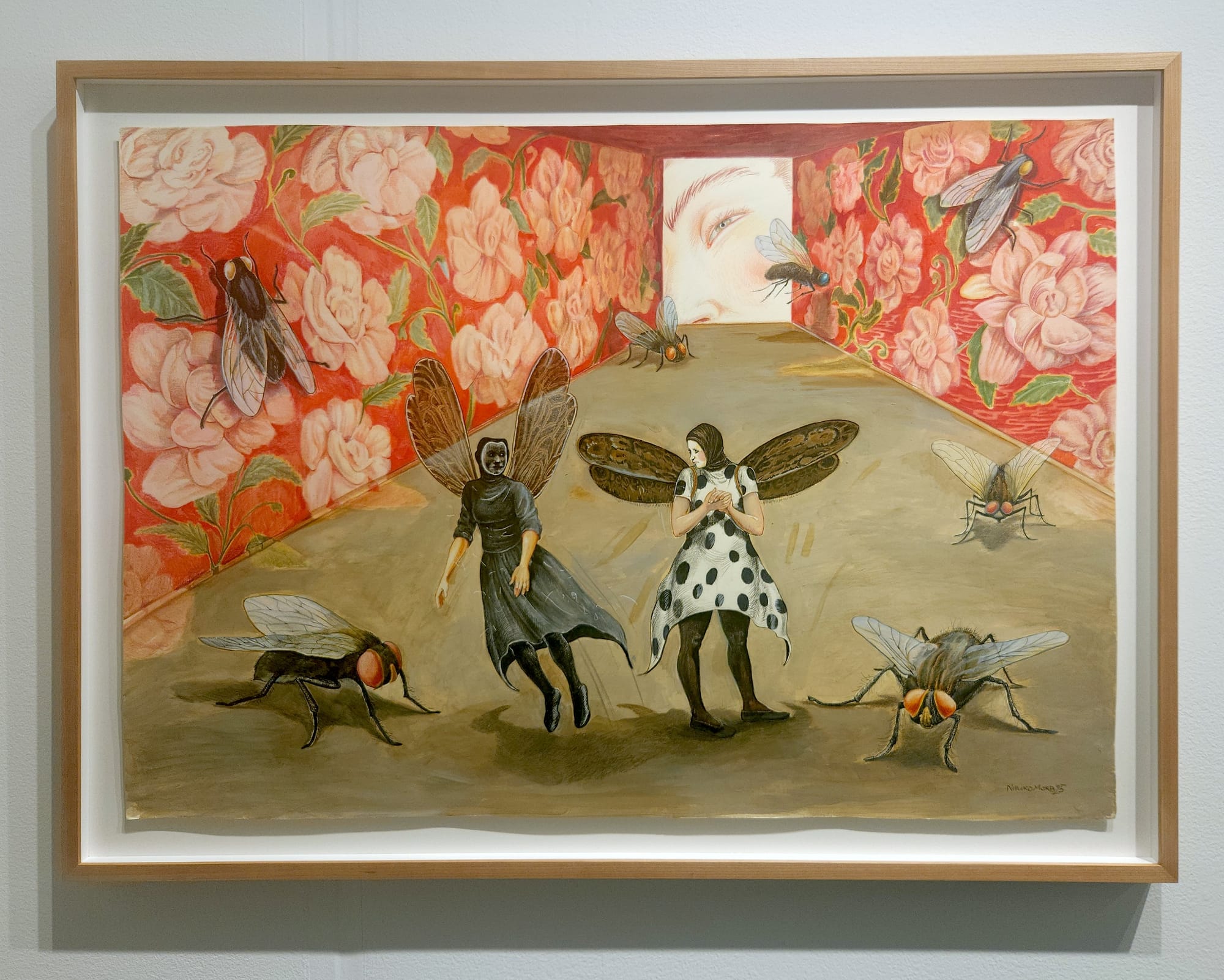
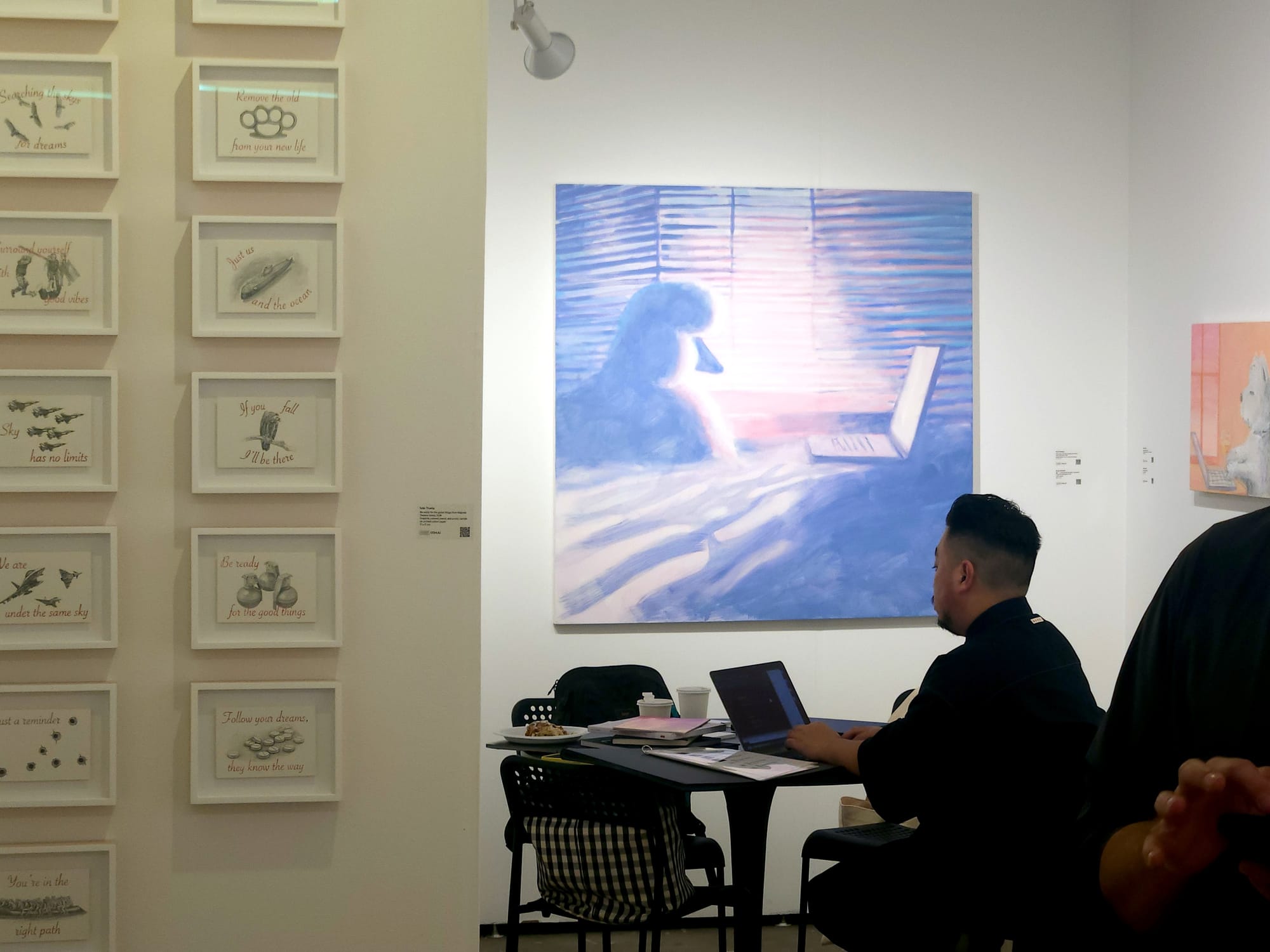
Another moment of contemplation was had with Niniko Morbedadze's dream-like, folkloric illustrations at CH64 Gallery. The artist's soft hand and fastidious material handling usher in a sense of cautious comfort in the absurd realms she places us in.
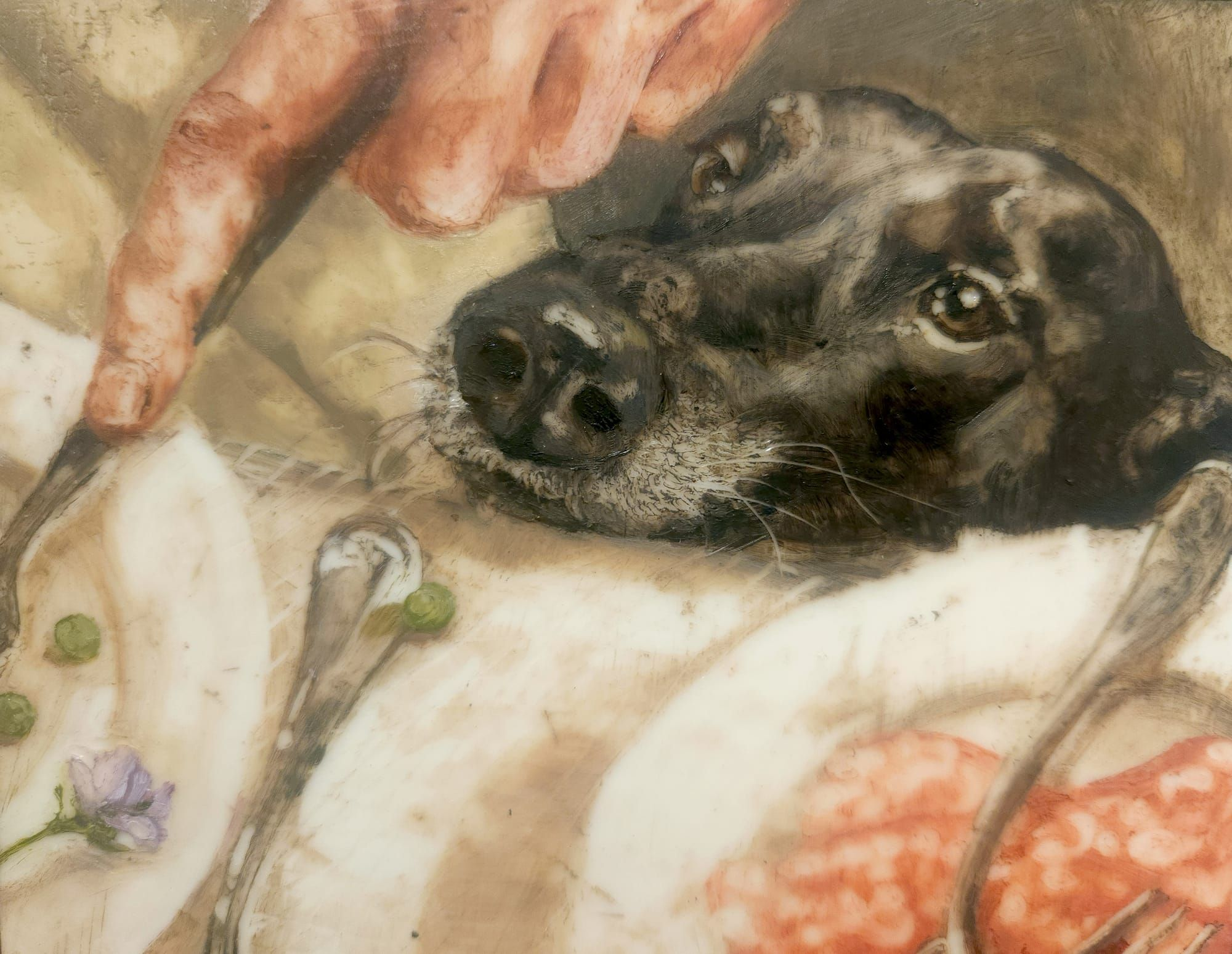
While rooted in realism and a quiet, lived-in intimacy, Emily Ponsonby's encaustic paintings carry a similar sense of comfort, tinged with a bit of unease from experiencing memories through someone else's eyes.
At the Buenos Aires-based Piedras Galería booth, I liked the subtlety and cheekiness (no pun intended) of Jimena Croceri's cast bronze "jewels" created from the negative spaces that take shape in the human figure.
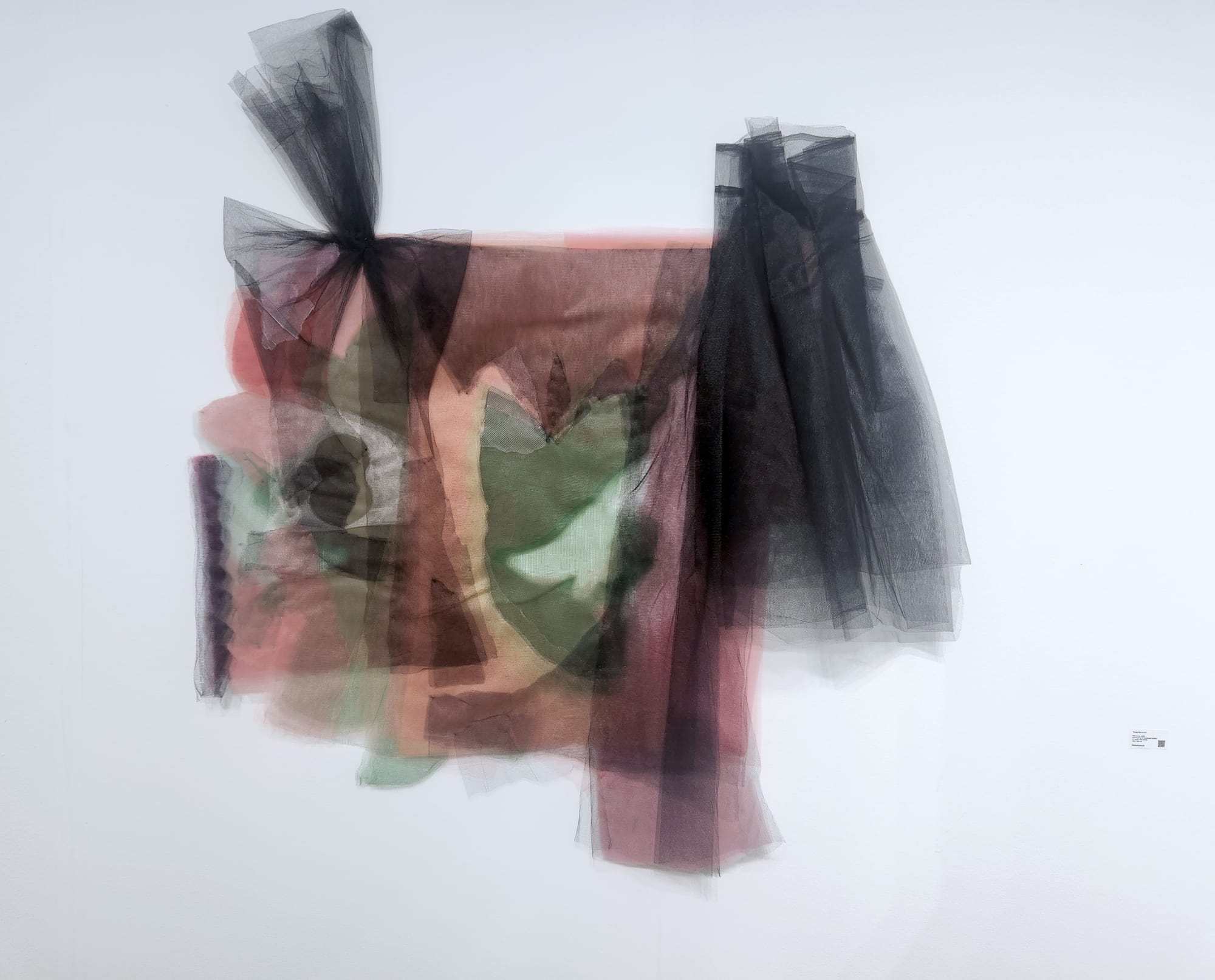
Beside Croceri's work are two of Teresa Giarcovich's layered tulle wall-hangings that she hand-stitched together — the translucent material's similarity to watercolor was remarkable.
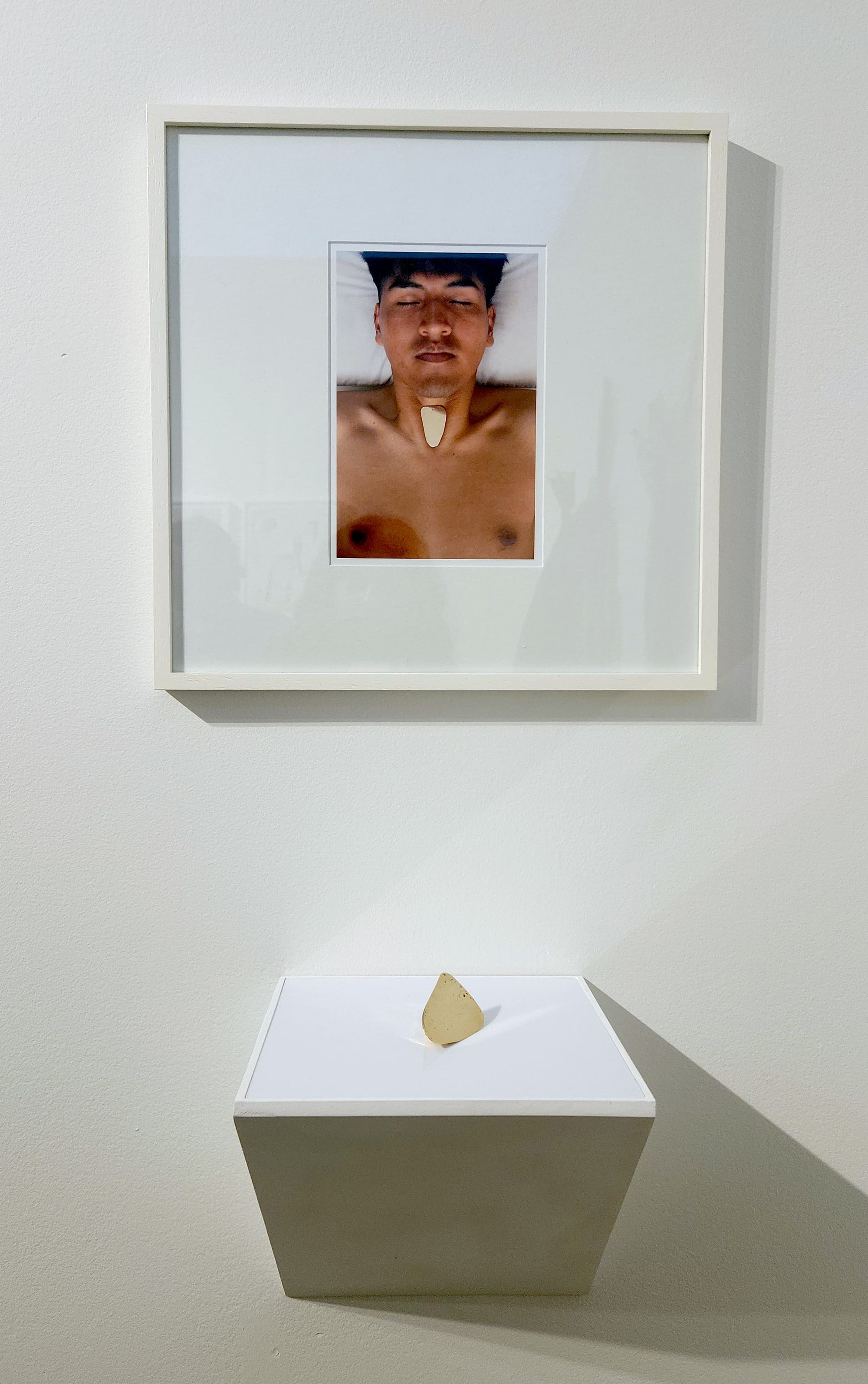
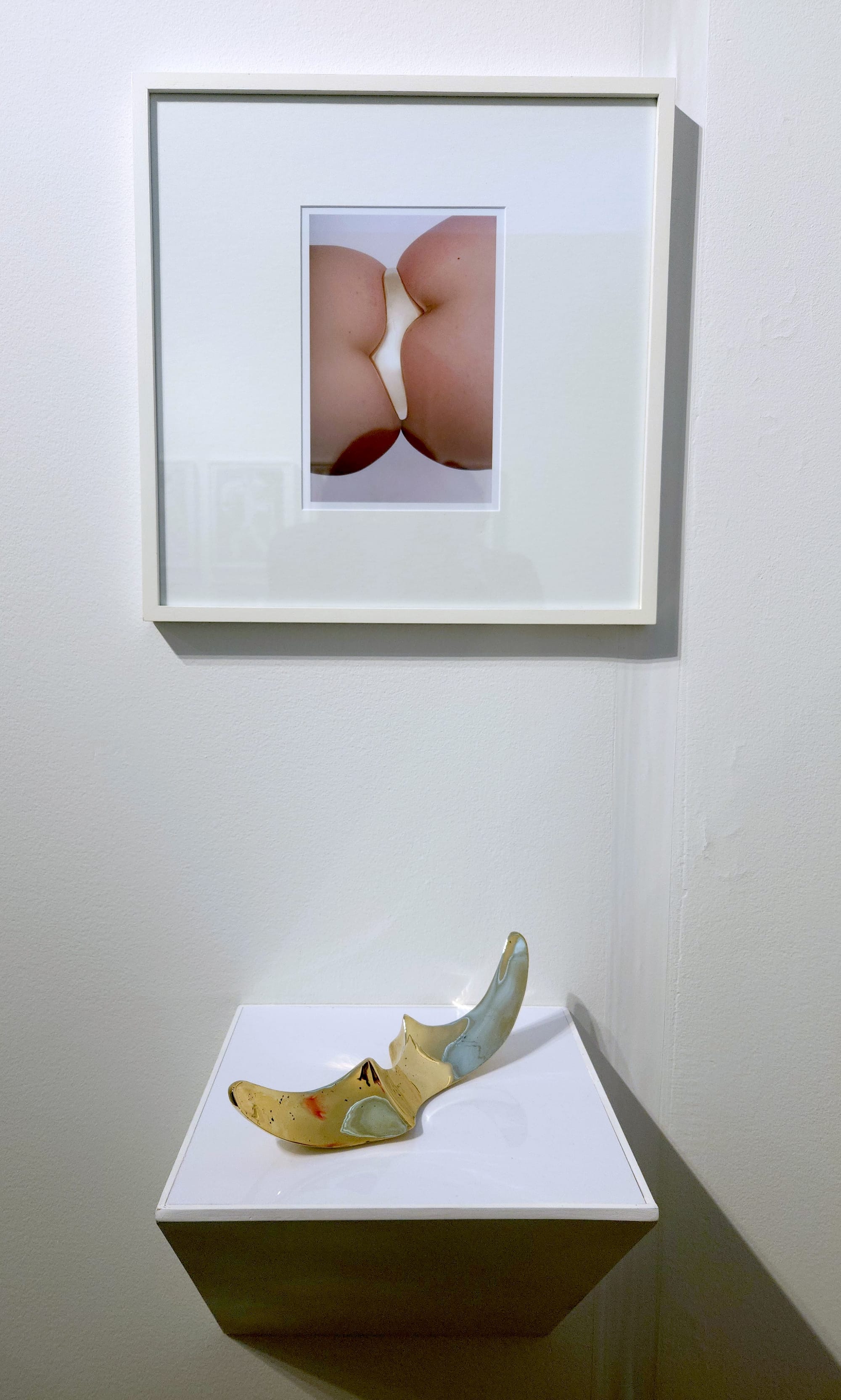
Jimena Croceri's installation at the booth of the Buenos Aires-based Piedras Galería
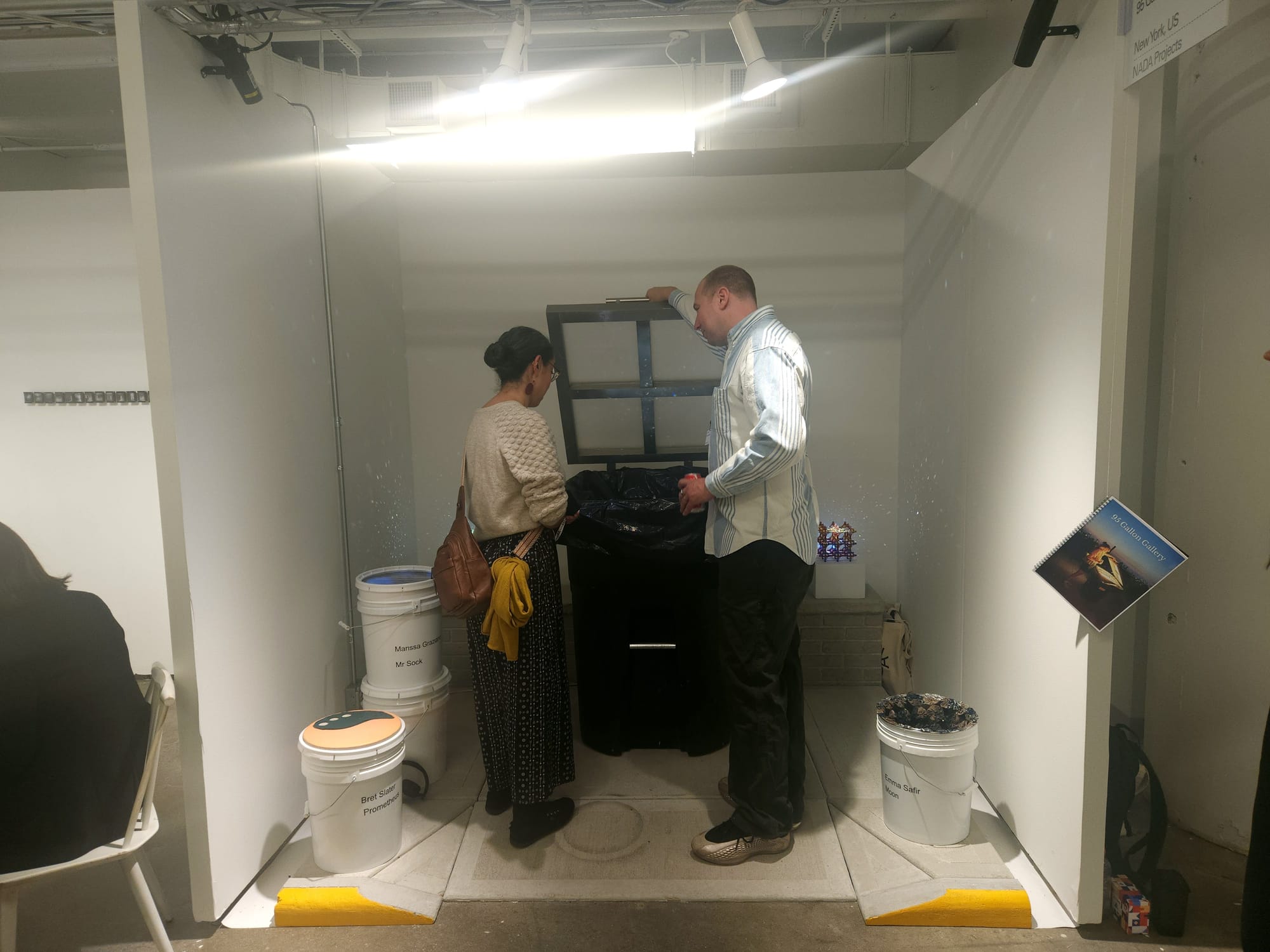
And lastly, at NADA Projects, 95 Gallon Gallery brought its entire venue.
“It's the one booth that always has people leaving with a smile,” said Dan Gausman, one of two artists running the alternative exhibition space.